
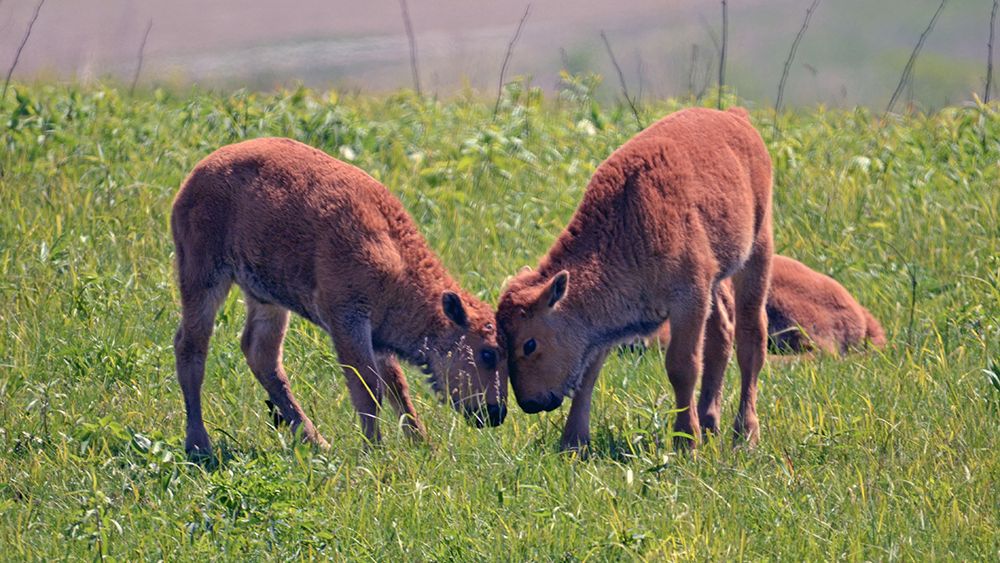
Watch a puppy tumbling over its own paws, otter pups tossing pebbles through the water, or young bears wrestling beneath ancient trees. The sheer joy radiating from these moments feels almost contagious. It’s hard to resist smiling when witnessing such exuberant, seemingly pointless behavior.
Yet behind this apparent frivolity lies one of nature’s most fascinating puzzles. Scientists have spent decades trying to answer a deceptively simple question: why do animals play? The behavior burns precious energy, attracts dangerous predators, and carries the risk of injury. From an evolutionary standpoint, it seems reckless. Still, play persists across countless species, from rats to ravens, from dolphins to dogs. Something profound must be happening when animals engage in these joyful games. Let’s dive into what researchers have discovered about this delightful mystery.
The Evolutionary Paradox That Stumped Scientists

Play clearly has costs – it uses energy, is sometimes noisy and attracts predators, and some common forms can produce injuries. From an evolutionary perspective, play is either an accident or it does serve adaptive functions that outweigh the costs. For years, many researchers dismissed play as frivolous behavior, a mere byproduct of youthful exuberance with no real purpose. Some even argued it was simply a human projection onto animal behavior.
Growing empirical and theoretical evidence reveals that play has been crucial in the evolution of behavior and psychology but has been underestimated, if not ignored, in both empirical and theoretical areas of evolutionary biology and neuroscience. Play research has important ramifications for understanding the evolution of cognition, emotion, and culture. The mystery deepens when you consider how sparsely distributed play is across the animal kingdom. Play has been identified in only five of 30 different phyla and most species that play are mammals. So why would natural selection preserve such an apparently wasteful behavior in only certain creatures?
Training the Brain for Life’s Unexpected Moments
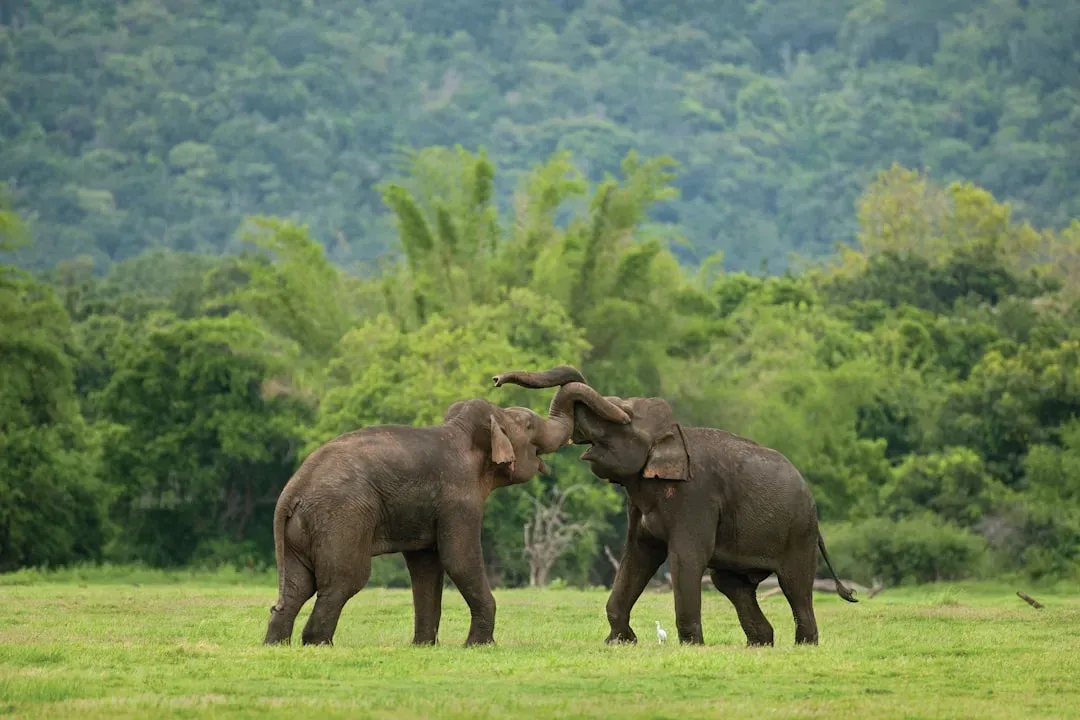
Here’s where it gets interesting. Play-fighting links ancient, brainstem-driven emotional and motivational systems with the higher cortical circuits that can judge when to apply the brakes. Play fighting is actually not practicing your fighting skills, but it is helping train your prefrontal cortex to figure out how to modify behavior relative to the situation. Think of it like this: play isn’t about perfecting specific moves for hunting or fighting. Instead, it’s teaching animals how to think on their feet.
Play may not enhance easy-to-measure things like IQ, but it may prime the brain to cope with the challenges and uncertainties of life. Researchers studying rats found something remarkable. Young rats deprived of playmates grow up with less-developed prefrontal cortexes, a part of the brain deeply involved in social interactions and decision-making. These rats struggled with impulse control, short-term memory, and reading threatening social cues from other rats. Play, it turns out, isn’t frivolous at all.
The Social Gym Where Communication Skills Are Forged
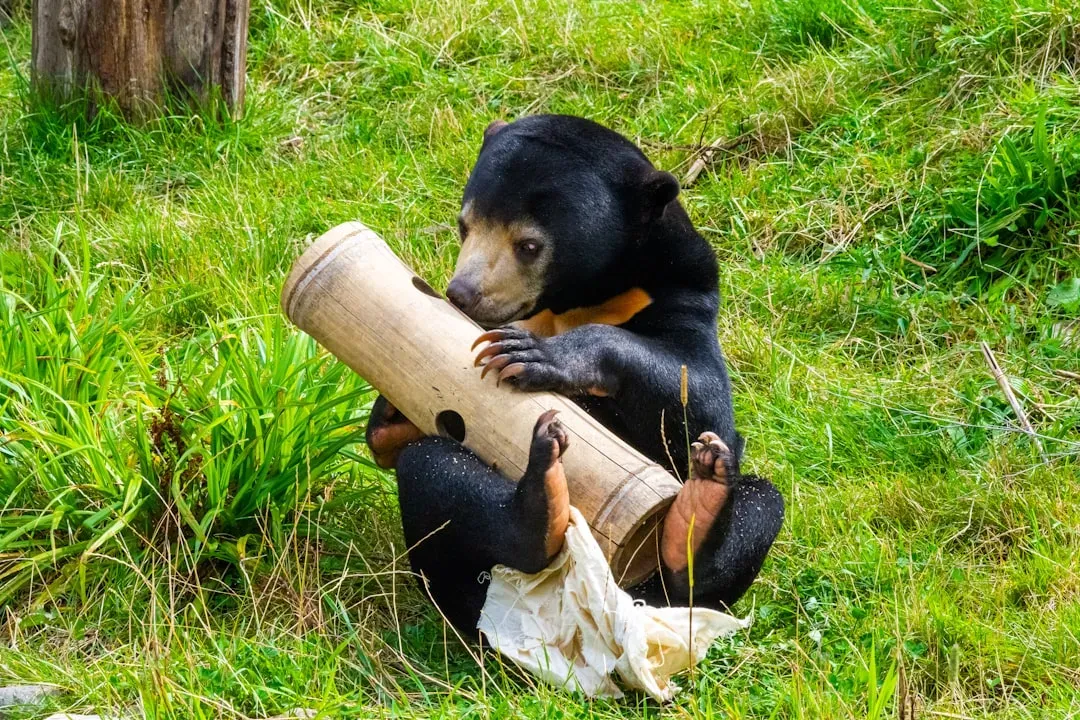
Social play can provide a safe platform to develop and evaluate motor skills and social relationships. When young animals wrestle, chase, and tumble together, they’re essentially attending an intensive course in social intelligence. They learn the subtle art of reading body language, understanding boundaries, and negotiating conflicts without serious consequences.
Play fighting between peers is important in facilitating the development of social skills in juveniles that promote their integration into the social world. For example, in wild spotted hyenas, play fighting is a tool to enter the clan and help adults familiarize themselves with immature individuals. Play fighting experience in juvenile rats and hamsters leads to the development of adults who are better able to read and respond to social cues in both playful and other social contexts. Honestly, it’s fascinating how nature created this low-stakes environment where mistakes don’t cost lives. Animals can experiment with social strategies, test limits, and learn cooperation through play.
Physical Fitness Disguised as Fun
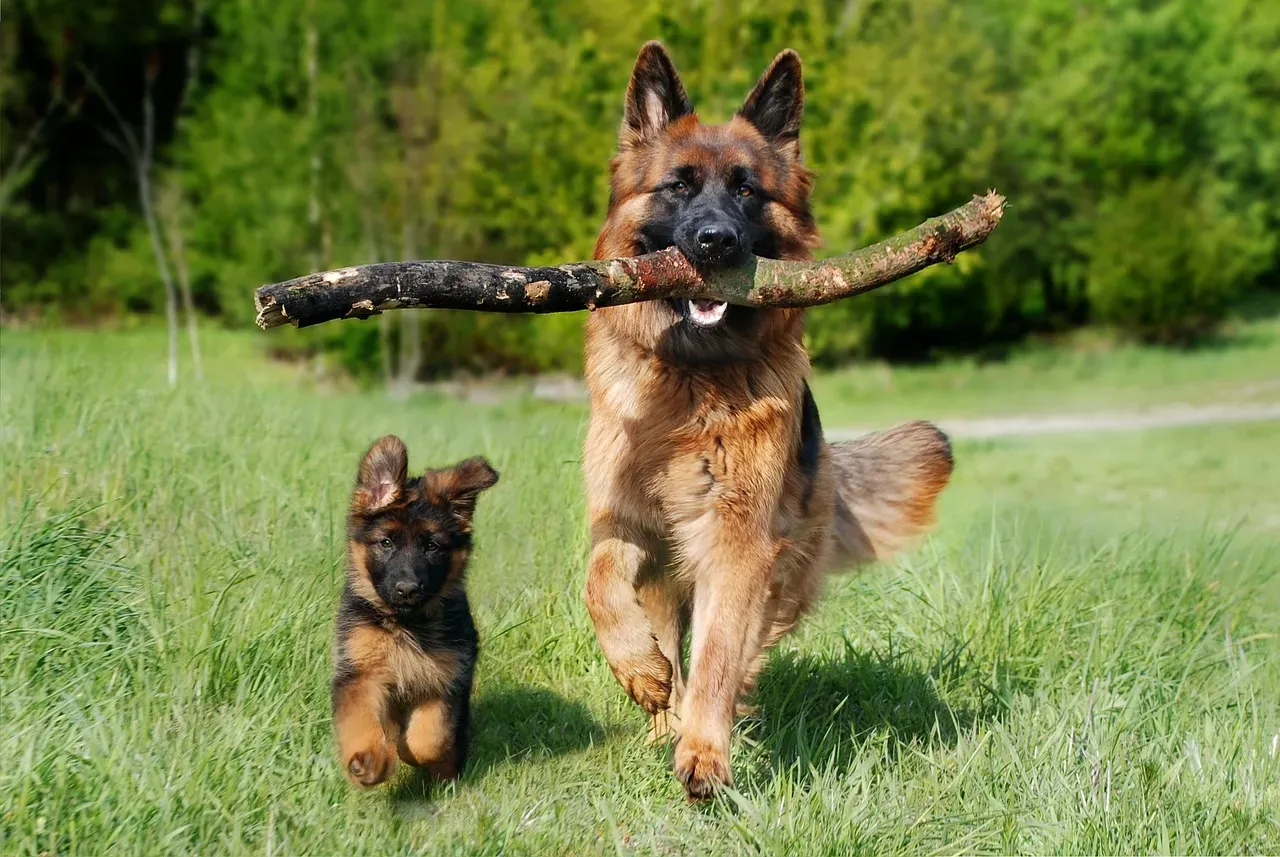
Many young mammals spend up to 20% of their day tussling with their peers. That’s a significant investment of time and energy, and researchers believe the physical benefits are substantial. Through running, jumping, climbing, and wrestling, young animals build muscle strength, improve coordination, and develop physical agility essential for survival.
Individuals that spent more time engaging in social play achieved the motor milestones of riding dorsally and traveling independently at earlier ages. It’s hard to say for sure, but the evidence suggests that playful activity accelerates physical development in measurable ways. Bears who play more frequently, for instance, have been linked to better survival rates in the wild. The constant movement during play sessions strengthens their cardiovascular systems, hones their balance, and prepares their bodies for the demands of adult life.
The Emotional Benefits Hidden in Games
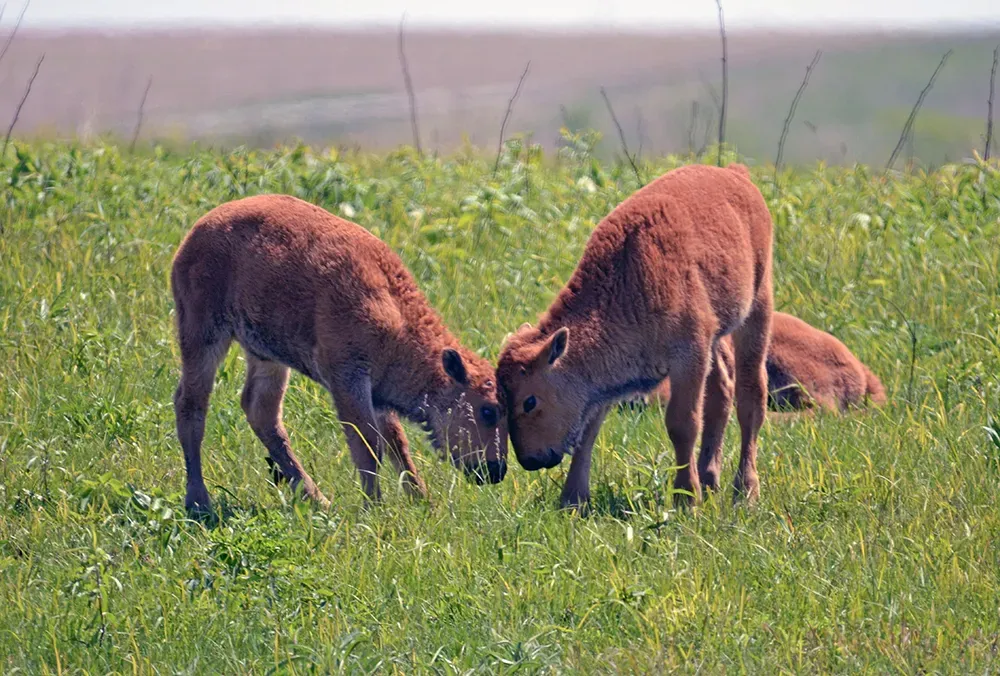
Let’s be real, play appears to make animals genuinely happy. Most animals have been observed playing, and play does seem to make them happy. Beyond mere enjoyment, though, play seems to provide crucial emotional regulation skills. Play helps animals prepare for the loss of balance they experience when chased by predators, or it can help them deal with the emotions they feel after losing an aggressive interaction. Play, in short, prepares the brain to handle the unexpected.
Research has shown that play in rats activates molecules in the brain that facilitate learning and memory. Additionally, mental and physical stimulation from playful environments can slow down or delay symptoms of neurological diseases. The emotional resilience gained through play might be just as important as the physical and social benefits. Animals learn to cope with stress, manage fear, and bounce back from challenging situations – all critical skills for navigating an unpredictable world.
Different Types of Play Serve Distinct Purposes
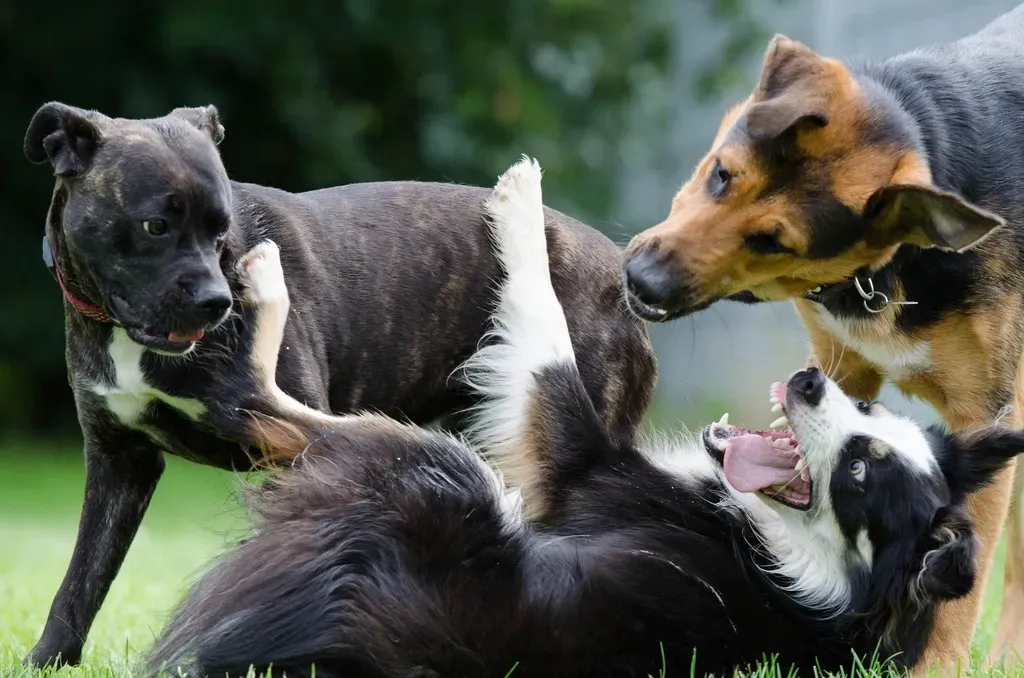
Play in non-human animals is generally categorized as locomotor play (jumping, leaping, twisting, swinging, running), object play (biting, mouthing, manipulating), and social play (chasing, wrestling). These are not completely independent as all three can occur at the same time. Each type offers unique developmental advantages. Locomotor play builds physical prowess and spatial awareness. Social play develops communication skills and establishes hierarchies.
Object play is particularly intriguing. Play occupies an inordinate amount of a raven’s time. Young ravens play with virtually any new kind of object they encounter: leaves, twigs, pebbles, bottle caps, seashells, glass fragments, and inedible berries. This type of play encourages problem-solving, exploration, and innovation. Animals manipulating objects for sheer enjoyment often discover new ways to use tools or access food sources. It’s a form of cognitive flexibility training disguised as entertainment.
The Mysterious Persistence Into Adulthood
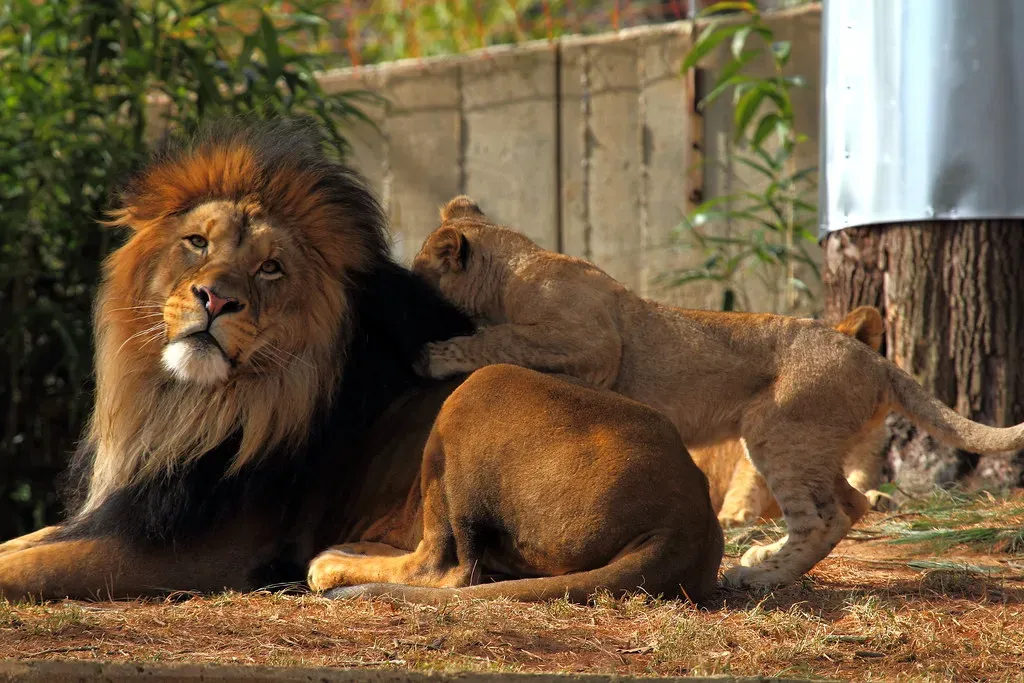
While play in young animals is phylogenetically uncommon, adult play is much more uncommon. Indeed, while most species with play are mammals and almost all young mammals play, adult play is rare in mammals except for primates. This raises fascinating questions. Why do some species continue playing throughout their lives while others abandon it after youth?
Research suggests that species with complex social structures and extended lifespans are more likely to retain play behaviors into adulthood. Female lions, for instance, remain playful throughout their lives, often engaging alongside their cubs. The continued practice of social and cognitive flexibility might provide ongoing benefits in these sophisticated societies. Adult play may help maintain social bonds, reduce tension, and keep cognitive abilities sharp. It’s like adults who continue learning new skills or playing games – the brain needs ongoing stimulation to remain adaptable.
What Play Teaches Us About Joy and Survival
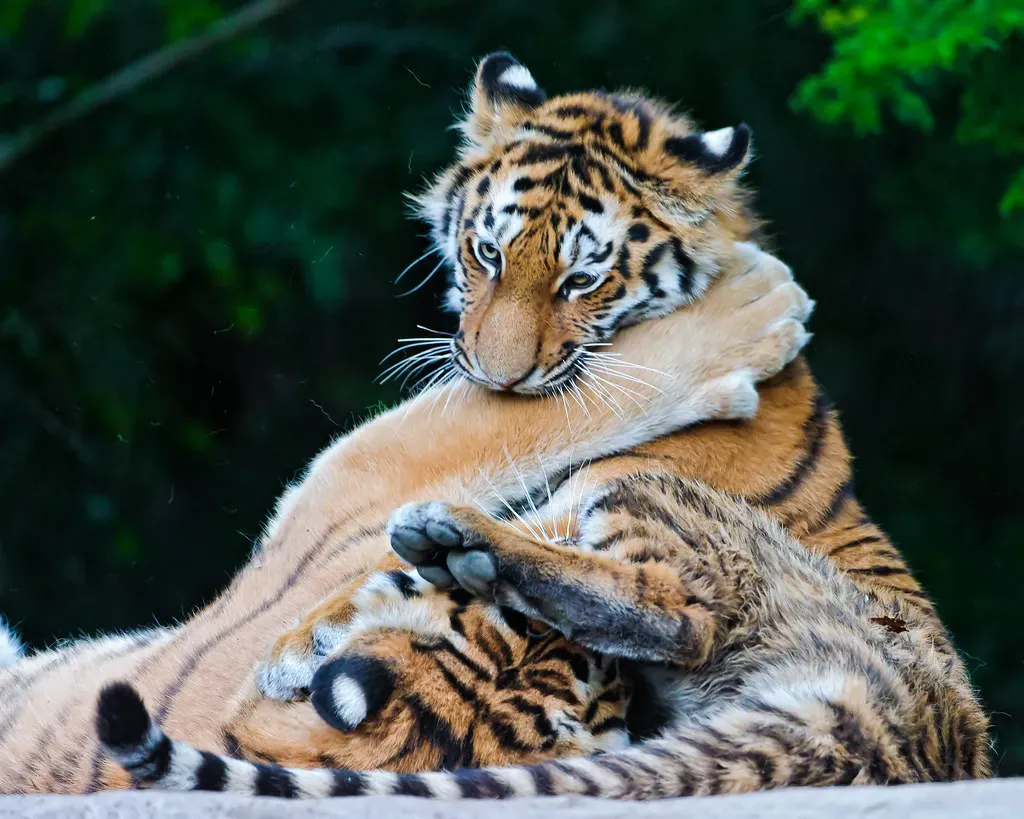
The evolutionary benefits of play are unclear and hotly debated, and by most popular definitions, is characterised by the absence of immediately obvious function or purpose. Yet the evidence increasingly points to play being far more than mindless entertainment. A seemingly inconsequential activity, with higher energy costs and a lower learning potential than the activities which it emulates, could be functional in youth due to its lower-risk character. Our model says very little about the origins of play, but instead provides a possible explanation for its current function and persistence as a behaviour across a wide range of taxa.
Play in humans and other animals is widespread and intuitive to recognise. Creative, unstructured play is difficult to quantify, but games direct play towards a specific goal and have defined rules, mechanics and rewards. Perhaps the most important lesson from studying animal play is recognizing that joy and function aren’t mutually exclusive. Nature has cleverly packaged essential developmental experiences inside activities that feel inherently rewarding. Animals play because it feels good, and it feels good because evolution rewarded those who practiced their survival skills in safe, enjoyable ways.
Conclusion: The Beautiful Complexity of Play
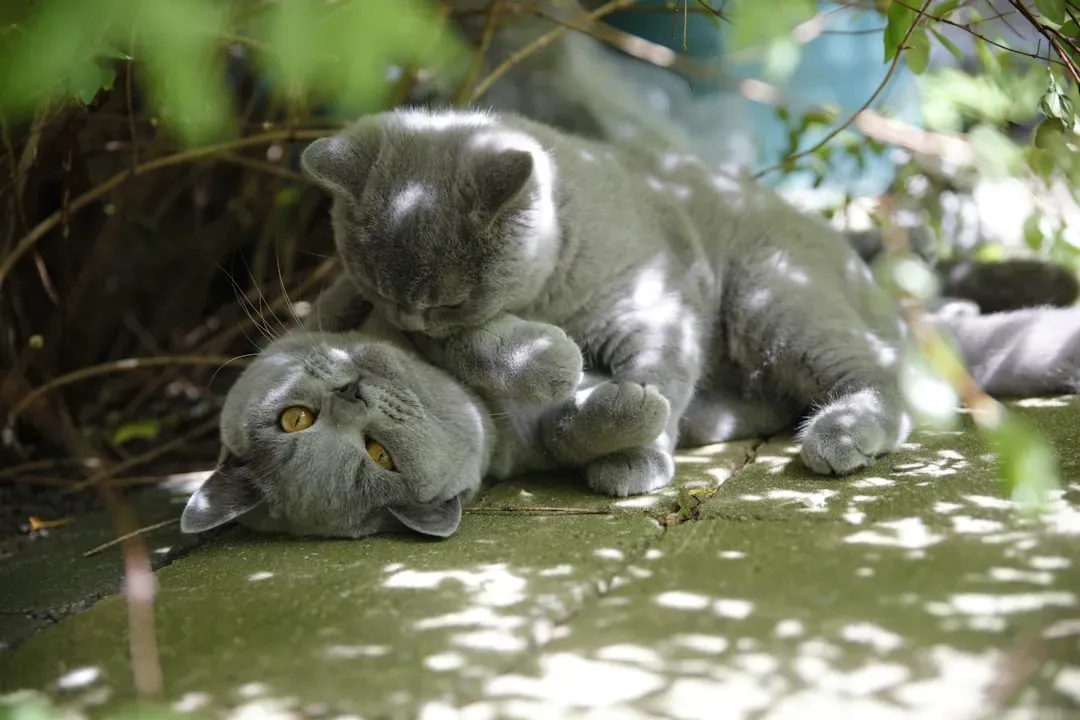
The mystery of why animals play has revealed something profound about how nature prepares creatures for the complexities of life. Play isn’t frivolous – it’s a sophisticated biological mechanism that develops physical abilities, sharpens cognitive skills, builds social intelligence, and cultivates emotional resilience. All while wrapped in the package of sheer enjoyment.
From rats learning to read social cues to ravens exploring objects with boundless curiosity, play represents one of evolution’s most elegant solutions to preparing young minds and bodies for an unpredictable world. The costs are real, but the benefits clearly outweigh them. Next time you watch animals at play, remember you’re witnessing nature’s classroom in action, where the curriculum is joy and the lessons last a lifetime.
What surprises you most about why animals play? The complexity behind something so seemingly simple is truly remarkable.
