
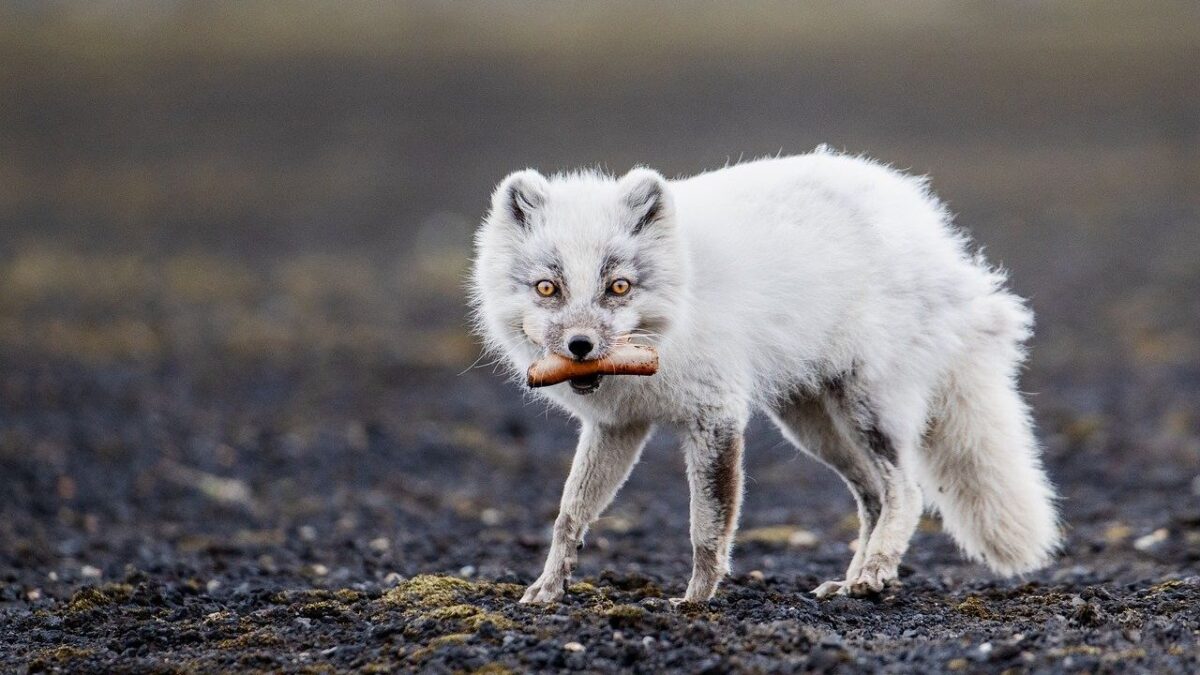
Life on this planet faces some pretty wild challenges. Extreme heat, bone-chilling cold, intense radiation, crushing pressures. Most of us would struggle to survive more than a few minutes under such harsh conditions, yet somehow certain creatures not only endure but actually thrive in these environments. It’s mind-boggling to think about, honestly.
These resilient animals have evolved extraordinary abilities that push the boundaries of what we thought was possible for life. From microscopic organisms that can survive in the vacuum of space to larger creatures that inhabit the most inhospitable corners of Earth, these survivors have adapted in ways that continue to fascinate scientists today. Let’s dive into the world of nature’s toughest inhabitants and discover just how they manage to defy the odds.
Tardigrades: The Microscopic Champions of Survival
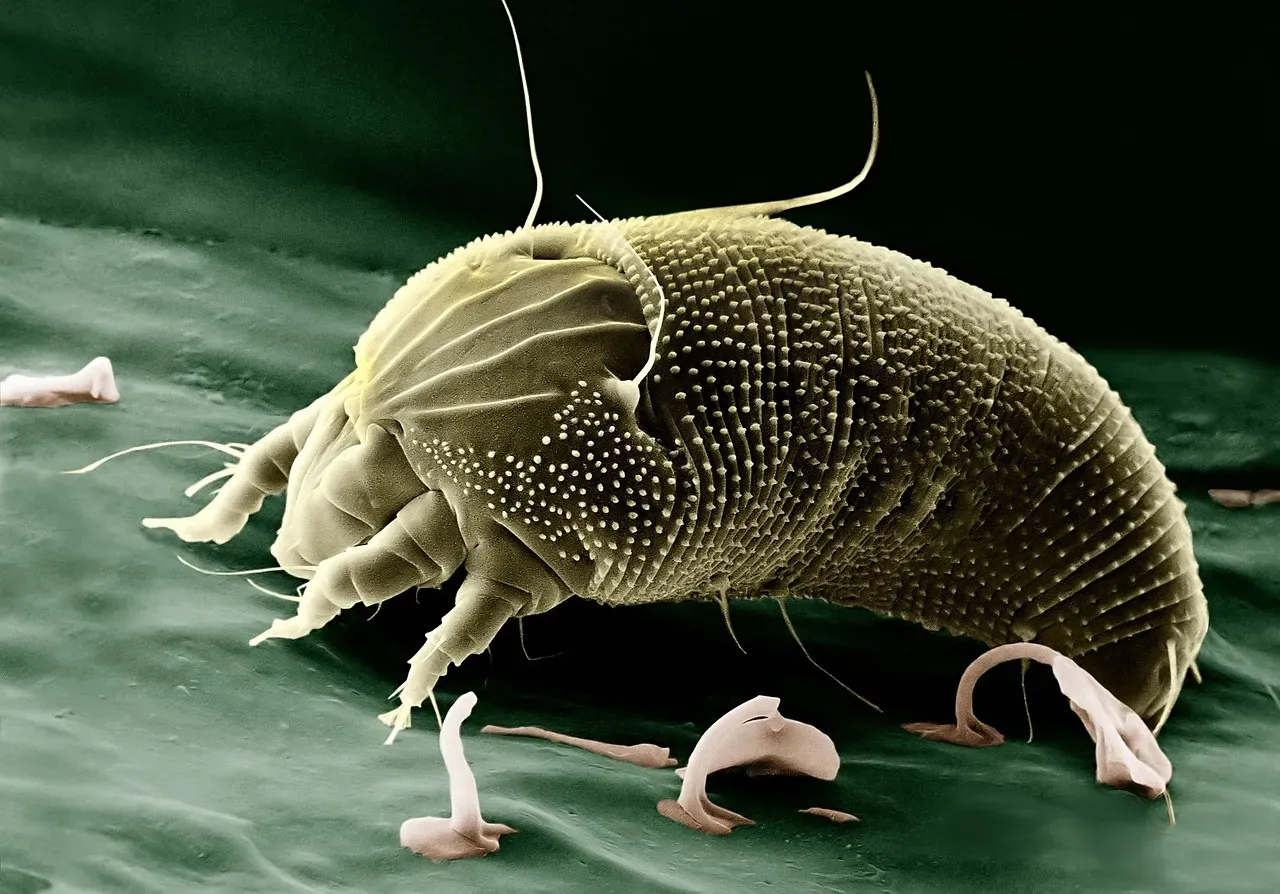
The undisputed champion of resilience in the animal kingdom is the tardigrade, also known as the water bear or moss piglet, with these microscopic marvels, typically less than 1mm in length, possessing an almost unbelievable ability to withstand conditions that would instantly obliterate virtually any other living creature. These tiny creatures are so tough, it’s almost like science fiction.
Measuring less than half a millimeter long, tardigrades can survive being completely dried out, being frozen to just above absolute zero, heated to more than 300 degrees Fahrenheit, irradiated several thousand times beyond what a human could withstand, and even the vacuum of outer space. Think about that for a moment. An animal smaller than a grain of sand can survive conditions that would kill us in seconds.
Tardigrades owe their extraordinary resilience to a unique adaptation called cryptobiosis, a state of suspended animation where they drastically reduce their metabolic activity to as low as 0.01% of normal levels, during which they retract their heads and legs, expel most of the water from their bodies, and enter a tun-like state.
The secret behind their survival involves some fascinating biological tricks. Tardigrade DNA is protected from radiation by the Dsup protein, with the Dsup proteins of Ramazzottius varieornatus and H. exemplaris promoting survival by binding to nucleosomes and protecting chromosomal DNA from hydroxyl radicals. Essentially, they have a molecular bodyguard for their genetic material.
Tardigrades can survive for years, and possibly even decades, in a dehydrated state. Imagine falling asleep today and waking up in a completely different century. That’s essentially what these little water bears can do.
Cockroaches: Separating Myth from Reality
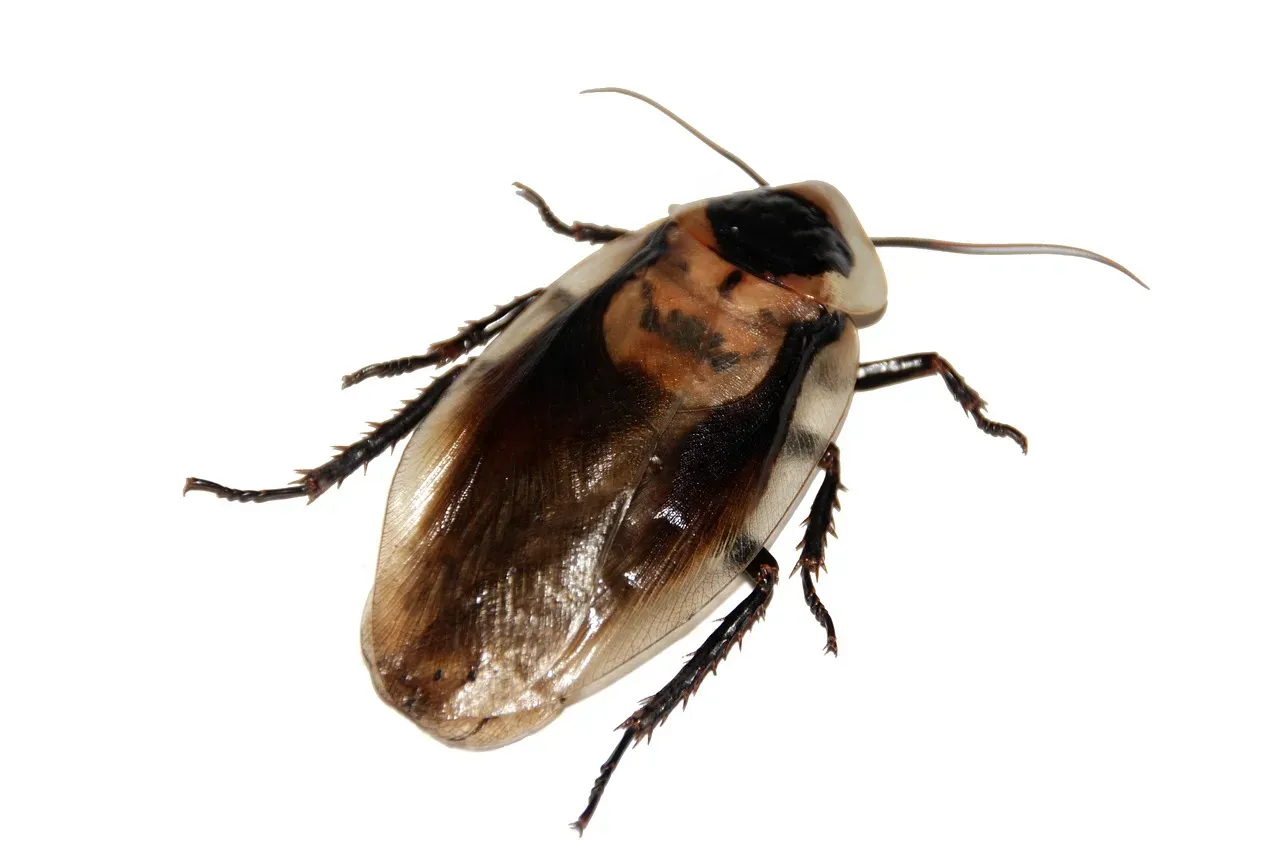
We’ve all heard the legend that cockroaches would be the only survivors of a nuclear apocalypse. Let’s be real, though: the truth is more complicated than the myth suggests. These insects are indeed impressively resilient, but they’re not invincible.
Cockroaches managed to survive after being exposed to 10,000 rad, which is 10 times the lethal dose for humans. That’s genuinely impressive when you think about it. Cockroaches are resistant to the damaging effects of radiation because of their slow cell division, with the cells of a living organism more susceptible to damage while in the process of dividing, and insects only going through cell division prior to molting.
However, here’s the thing: they’re not actually the toughest insects out there. Some wood-boring insects, as well as their eggs, can survive exposure to as much as 68,000 rads, while it would take about 64,000 to take out the common fruit fly, and Habrobracon hebetor, a type of parasitic wasp, easily takes the radiation-resistance championship with its ability to survive up to 180,000 rads.
The intensity of the heat from a nuclear blast will kill cockroaches instantly if exposed, and any species of cockroach would not be able to survive a direct nuclear bomb blast as if the radiation doesn’t get them, the heat and impact will.
Still, cockroaches have been scuttling around this planet for roughly 300 million years. Their adaptability to different environments, ability to survive without food for extended periods, and rapid reproduction make them formidable survivors in urban and natural settings alike.
Bdelloid Rotifers: The Ancient Asexuals That Defy Convention
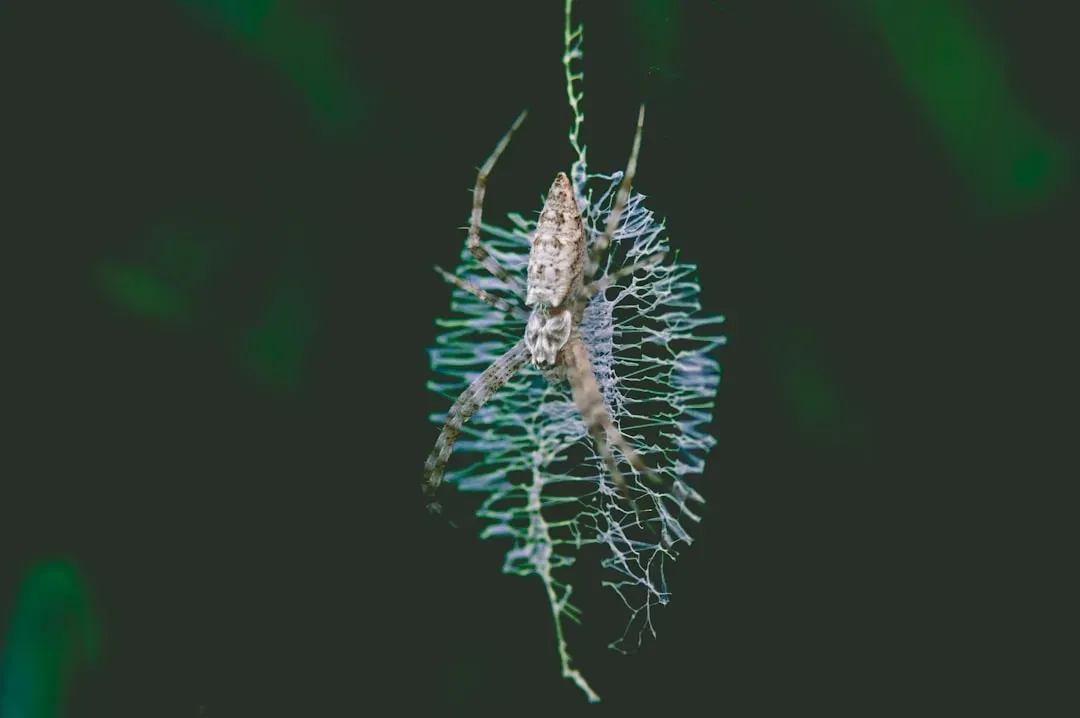
If tardigrades are impressive, bdelloid rotifers might just be their equally fascinating cousins. These microscopic animals have pulled off something that would make evolutionary biologists scratch their heads in disbelief.
The main characteristics that distinguish bdelloids from related groups of rotifers are exclusively parthenogenetic reproduction and the ability to survive in dry, harsh environments by entering a state of desiccation-induced dormancy at any life stage, and they are often referred to as ancient asexuals due to their unique asexual history that spans back to over 25 million years ago through fossil evidence. No males. None. For tens of millions of years.
Here’s where it gets really wild. Researchers have found that not only can rotifers withstand being frozen, they can persist for at least 24,000 years in Siberian permafrost, and in the new study, the researchers used radiocarbon-dating to determine that the rotifers they recovered from the permafrost were about 24,000 years old. That’s longer than human civilization has existed.
Once thawed, the rotifer, which belongs to the genus Adineta, reproduced in a clonal process known as parthenogenesis. Imagine being frozen for 24,000 years and then waking up ready to reproduce. It’s absolutely bonkers.
These tiny aquatic creatures can survive high blasts of radiation and years of desiccation, and they’ve persisted for tens of millions of years without sex. How they’ve managed to avoid the genetic pitfalls of asexual reproduction remains one of biology’s most intriguing puzzles, though scientists suspect their ability to incorporate foreign DNA from other organisms might be part of the answer.
Extremophiles: Bacteria That Laugh at the Impossible
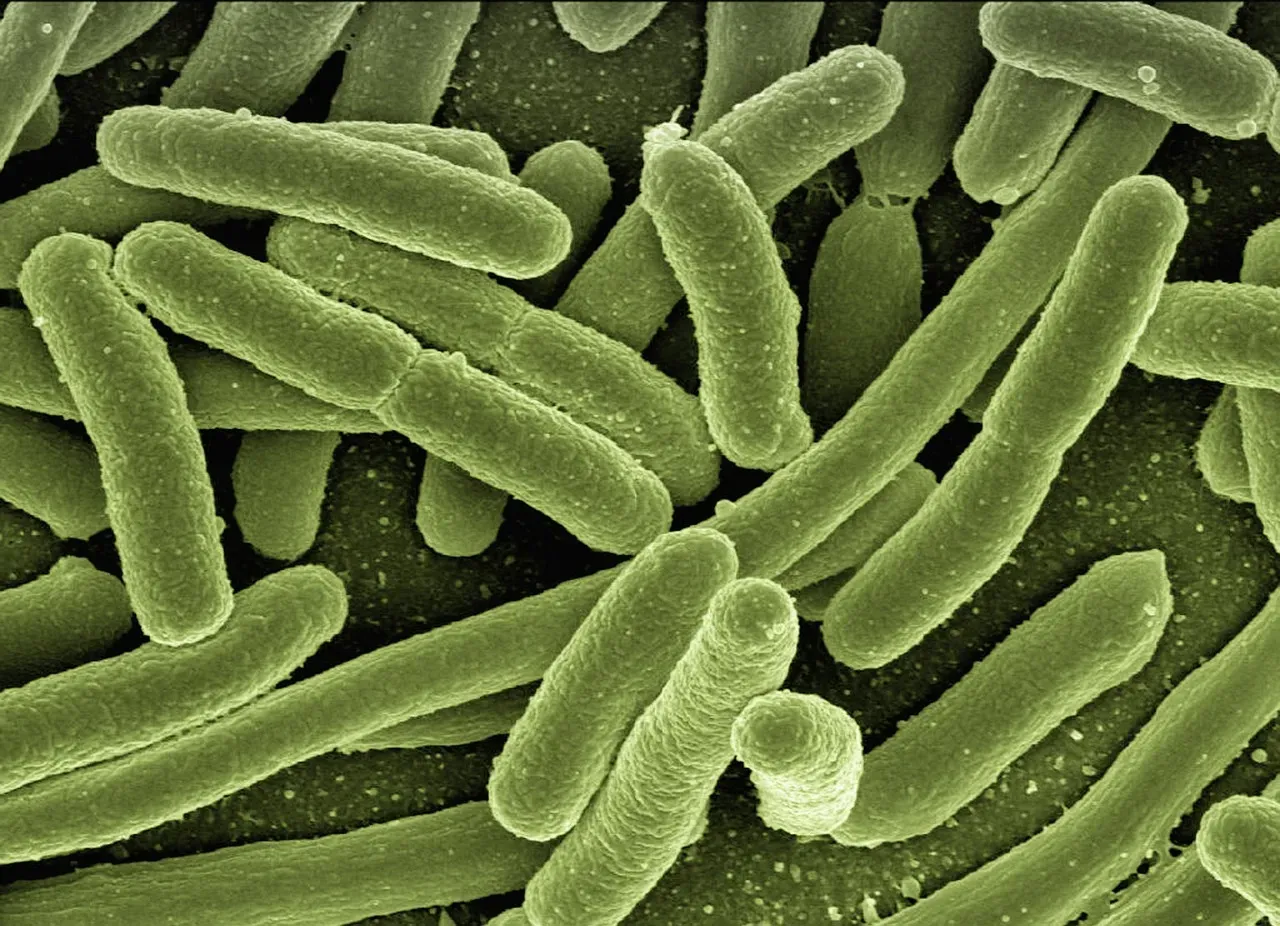
When we talk about resilient life, we absolutely cannot ignore the microscopic powerhouses known as extremophiles. These bacteria and archaea have colonized environments that were once thought to be completely sterile.
Extremophiles thrive in extreme hot niches, ice, and salt solutions, as well as acid and alkaline conditions, and have been found at depths of 6.7 km inside the Earth’s crust, more than 10 km deep inside the ocean at pressures of up to 110 MPa, from extreme acid to extreme basic conditions, and from hydrothermal vents at 122 degrees Celsius to frozen sea water at negative 20 degrees Celsius.
There’s a bacterium called Deinococcus radiodurans that basically laughs in the face of radiation. The bacterium Deinococcus radiodurans has been known to survive over 1.5 million rads of radiation, and if a culture of the bacteria is frozen, it withstands twice that dose. That’s thousands of times more radiation than would kill a human being.
Bacteria from Earth, particularly Deinococcus radiodurans, were found to survive for three years in outer space, based on studies on the International Space Station.
These organisms haven’t just adapted to extreme conditions by accident. Several extremophiles contain unique biomolecules that are relatively stable in extreme temperatures and enable metabolic reactions to proceed unhindered, with thermophiles having enzymes known as thermozymes which are catalytically active at high temperatures, though surprisingly amino acid contents, protein sequences and the structure of thermozymes are quite similar to mesophilic enzymes. They’ve evolved specialized molecular machinery that keeps them functioning when everything else would simply break down.
Camels and Penguins: Large Animal Survivors in Harsh Climates
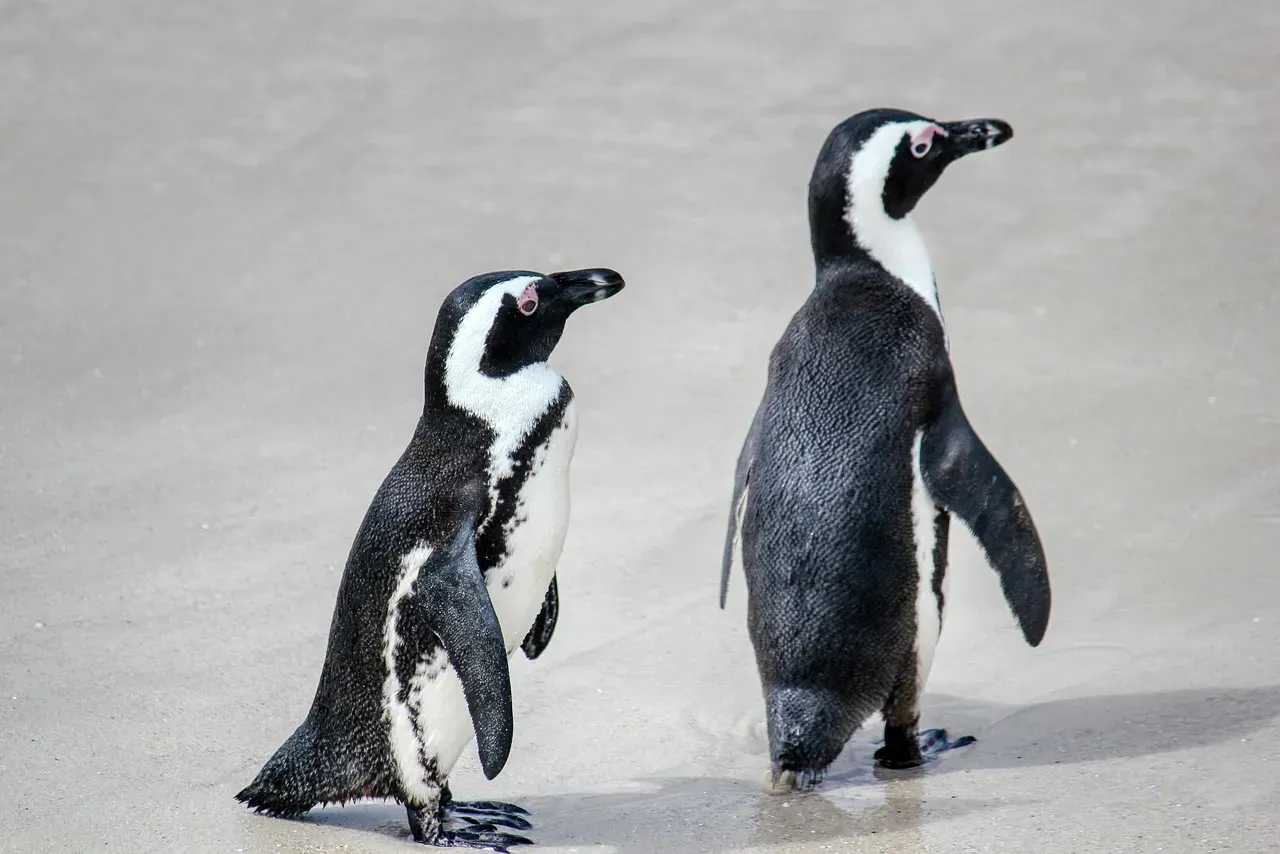
Not all resilient animals are microscopic. Some impressive survivors are large enough to see without a microscope, thriving in environments that would quickly kill most other creatures their size.
Camels are christened “the ships of the desert” because their adaptations make them some of the few animals that can survive in extreme desert climates, with the hump on their backs filled with fat that allows them to regulate their body temperatures under extreme heat and cold, and the fat also serving as an energy store that the camel converts to energy, allowing it to survive for long hours without food.
Their physiology allows them to survive for weeks without water, losing up to 25% of their body weight through dehydration without suffering harm. Try going without water for just a few days and you’ll appreciate just how remarkable that adaptation truly is.
On the opposite end of the temperature spectrum, emperor penguins have mastered survival in one of Earth’s most punishing environments. As the only penguin species to breed during the Antarctic winter, they endure temperatures as low as negative 60 degrees Celsius, and by huddling together for warmth and relying on their thick layers of blubber and feathers, Emperor Penguins showcase unique adaptations to extreme cold.
The males incubate the eggs on their feet, huddling together for warmth against the relentless cold. Picture standing outside in temperatures that would freeze exposed skin in minutes, holding an egg on your feet, for weeks on end. That’s the reality these birds face every breeding season.
These larger animals demonstrate that resilience isn’t just about microscopic tricks. Sometimes it’s about exceptional physiology, behavioral adaptations, and the ability to work together to overcome environmental challenges.
The Future of Resilience Research and Human Applications
The study of these incredibly resilient animals isn’t just about satisfying our curiosity. Scientists are discovering that understanding how these creatures survive could have profound implications for human technology and medicine.
Scientists are actively studying the mechanisms behind cryptobiosis in hopes of unlocking secrets that could be applied to preserving human organs for transplantation and developing new pharmaceuticals. Imagine if we could extend the viability of organs for transplant by days or even weeks. How many lives could that save?
Their extraordinary ability to survive through cryptobiosis holds promise for biomedical and aging studies, and the unique mechanisms that enable tardigrades to protect and repair their cells under stress could potentially inform breakthroughs in human medicine such as enhancing tissue preservation, developing new therapies for age-related diseases, and improving human tolerance to extreme environments.
NASA is currently studying their survival skills on the International Space Station in the hope that these tiny animals can provide clues on how humans can survive long-duration space travel. As we look toward establishing permanent bases on the Moon or sending crewed missions to Mars, understanding extreme survival becomes increasingly important.
The proteins that protect tardigrades from radiation damage are already being tested in various applications. Research in plants has demonstrated that inserting the Dsup-encoding gene into tobacco plants significantly improves cell survival after exposure to UV and x-rays, and multiple studies have demonstrated the robust potential of the Dsup protein to protect biomedical cells from DNA damage caused by radiation and oxidative stress.
These resilient creatures are teaching us that life’s boundaries are far more flexible than we once imagined. Each discovery expands our understanding of what’s possible and opens new avenues for practical applications that could transform medicine, agriculture, and space exploration.
Conclusion
The resilient animals we’ve explored represent some of nature’s most extraordinary achievements. From tardigrades surviving the vacuum of space to bdelloid rotifers awakening after 24,000 years in permafrost, these creatures challenge our understanding of life’s limits. They show us that survival isn’t just about avoiding danger but about evolving remarkable adaptations that turn hostile environments into viable habitats.
What’s truly fascinating is that we’re still only beginning to understand the full extent of their abilities. Every research study reveals new mechanisms, new proteins, new survival strategies that push the boundaries further. These tiny survivors might hold the keys to solving some of humanity’s biggest challenges, from organ preservation to long-distance space travel.
What do you think is the most impressive survival ability among these resilient animals? The possibilities seem endless when we look at what nature has already accomplished.

- 14 Signs the Backyard Birds That Left Your Yard Are Quietly Coming Back - July 21, 2026
- 12 Cat Breeds Vets Refuse To Recommend to First Time Owners - July 21, 2026
- 6 US States With the Most Alligators - July 21, 2026