
Walking through the heart of any major city, you might think nature has been left behind entirely. Concrete skyscrapers tower overhead, traffic roars past, and the hum of human activity fills every corner. Yet something surprising is happening right under our noses. Animals are not just surviving in these extreme urban jungles – they’re thriving, evolving, and finding clever ways to make the city their home.
From raccoons that have memorized trash collection schedules to coyotes that navigate busy streets with the precision of seasoned commuters, urban wildlife is rewriting the rules of survival. But how exactly do these creatures pull it off? What secret strategies allow them to endure pollution, noise, heat, and the constant chaos of city life? Let’s explore the remarkable adaptations that turn concrete wastelands into unexpected sanctuaries for some of nature’s most resilient residents.
Behavioral Flexibility: The Ultimate Urban Survival Skill
Let’s be real – surviving in a city isn’t just about being tough. It’s about being smart, adaptable, and willing to change your entire playbook when the situation demands it. One of the most important qualities for animals that live in urban spaces is their ability to change their behaviour, avoid dangers or cope with challenging environmental conditions.
Take raccoons, for instance. These masked bandits have become legendary urban dwellers, not because they’re physically superior, but because they’re problem-solving geniuses. They’ve figured out how to open garbage bins, navigate complex locking mechanisms, and even remember which neighborhoods have trash pickup on which days. Similarly, urban coyotes have shifted their activity patterns entirely, becoming primarily nocturnal to avoid human encounters during daylight hours.
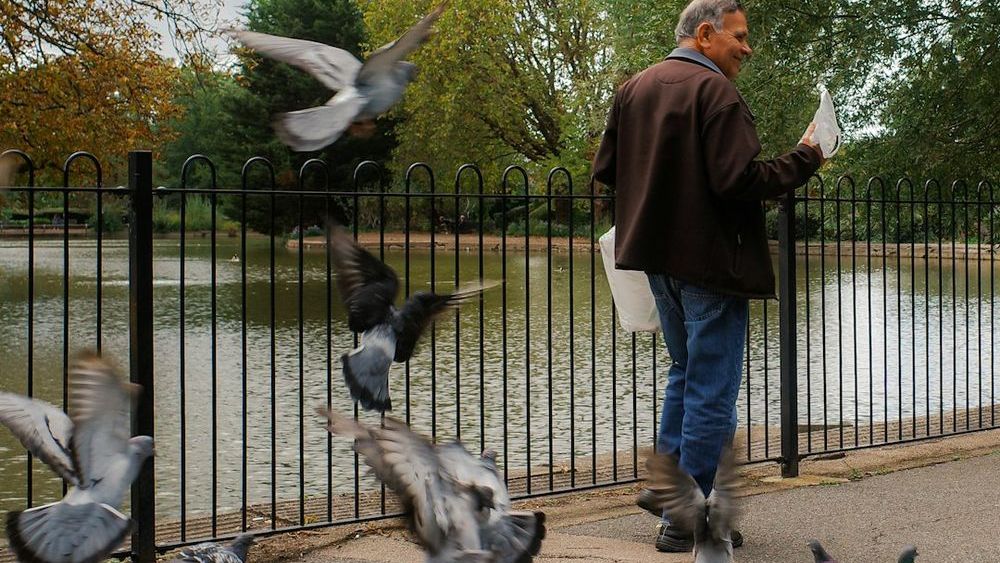
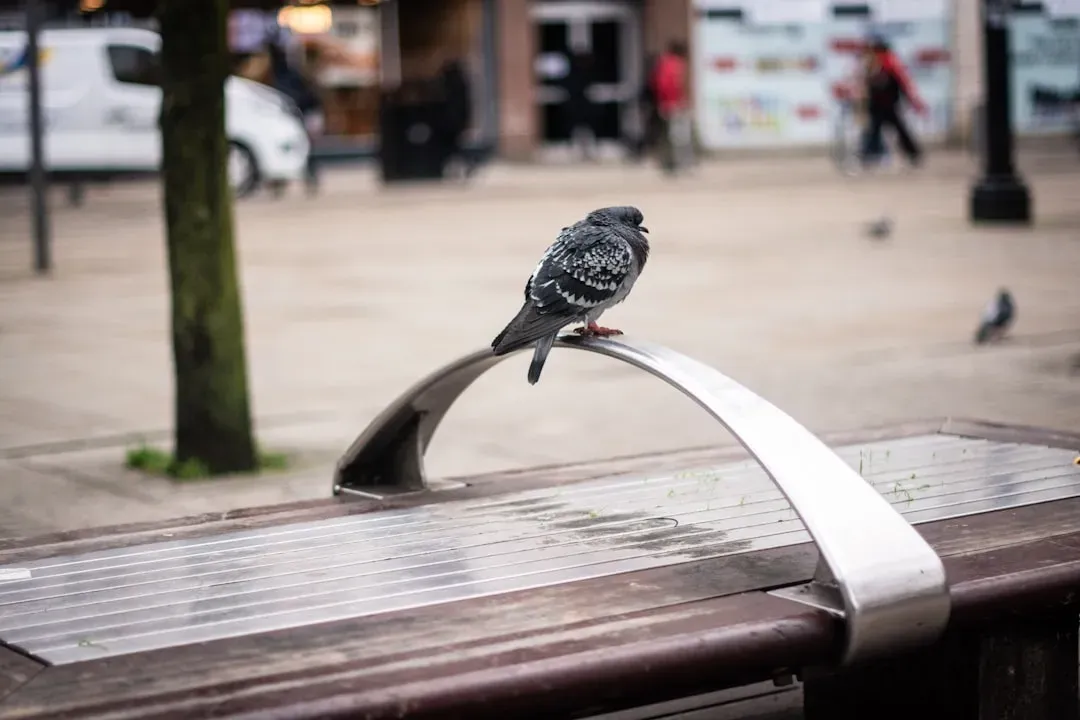
Many animals modify their behaviors to navigate urban challenges. For example, raccoons have become adept at scavenging human waste, while pigeons have learned to find food in public spaces like parks and plazas. Birds nesting in noisy areas near airports and highways have adjusted their vocal patterns, essentially learning to “shout” over the din of urban soundscapes.
What’s fascinating is that this behavioral plasticity isn’t just a happy accident. Generalist species having a larger behavioural repertoire and wider signal- response system, in most cases, tend to perform better in urban habitats than specialists. Think of it this way: the animals that succeed in cities are the ones that didn’t put all their eggs in one basket to begin with.
Some species even exploit human behavior for their own advantage. Urban bears in places like Asheville, North Carolina, have learned the rhythms of residential life so well that they know when people are likely to be away from home. It’s not just adaptation – it’s strategic thinking on a level that honestly makes you wonder who’s really in charge of the city.
Genetic Evolution at Lightning Speed
Urban environments impose novel selection pressures that can drive rapid evolutionary changes. White-footed mice in New York City parks show genetic adaptations for metabolizing fatty foods and detoxifying pollutants not found in rural populations. We’re not talking about gradual changes over millennia here. We’re talking about measurable genetic shifts happening within just a few decades.
Here’s something that blew my mind when I first learned about it: Urban blackbirds have developed genetic differences affecting daily rhythms, stress tolerance, and plumage color compared to forest-dwelling blackbirds. City living has literally rewritten their DNA. Even more striking, A 2018 study in Biology Letters found that urban coyotes in the United States show selection for genes associated with boldness and reduced fear responses. These genetic adaptations occur relatively quickly, with measurable changes appearing within 20-30 generations for many species.
Scientists call this phenomenon “urban-driven evolution,” and it’s forcing us to rethink how fast natural selection can actually work. Cities are like evolutionary pressure cookers, cranking up the heat and forcing species to adapt or disappear. The animals we see thriving today aren’t just lucky survivors – they’re genetically distinct from their rural cousins.
Interestingly, this rapid evolution isn’t always advantageous in the long term. Some urban populations have lost genetic diversity in the process, which could make them vulnerable to future challenges. It’s a biological gamble, trading long-term resilience for short-term survival.
Physical Adaptations: Bodies Built for the Concrete Jungle
Most species tended to have smaller body sizes, allowing them to better navigate the urban landscape. Compact bodies mean animals can squeeze into smaller spaces, hide more effectively, and need less food to survive. In a city where every square inch is contested, being small is actually a massive advantage.
However, the body size story isn’t quite so simple. All urban mammals produce larger litters; whereas other traits such as body size, behavioural plasticity and diet diversity were important for some but not all taxonomic groups. What’s happening here is that urban animals are essentially speeding up their reproductive strategies to compensate for higher mortality rates.
Some species develop physical traits that help them cope with city life. For instance, urban-dwelling birds might have evolved to be less fearful of humans, allowing them to thrive in areas with high foot traffic. This reduced fear isn’t just behavioral – it’s hardwired into their nervous systems through generations of natural selection.
Consider urban birds like cliff swallows, which have developed shorter wings that allow them to make quicker vertical takeoffs – perfect for dodging traffic. Some fish species in polluted urban waterways have evolved resistance to heavy metals and industrial toxins that would kill their rural relatives within hours. These aren’t minor tweaks – these are fundamental changes to how their bodies function.
Exploiting the Urban Heat Island Effect
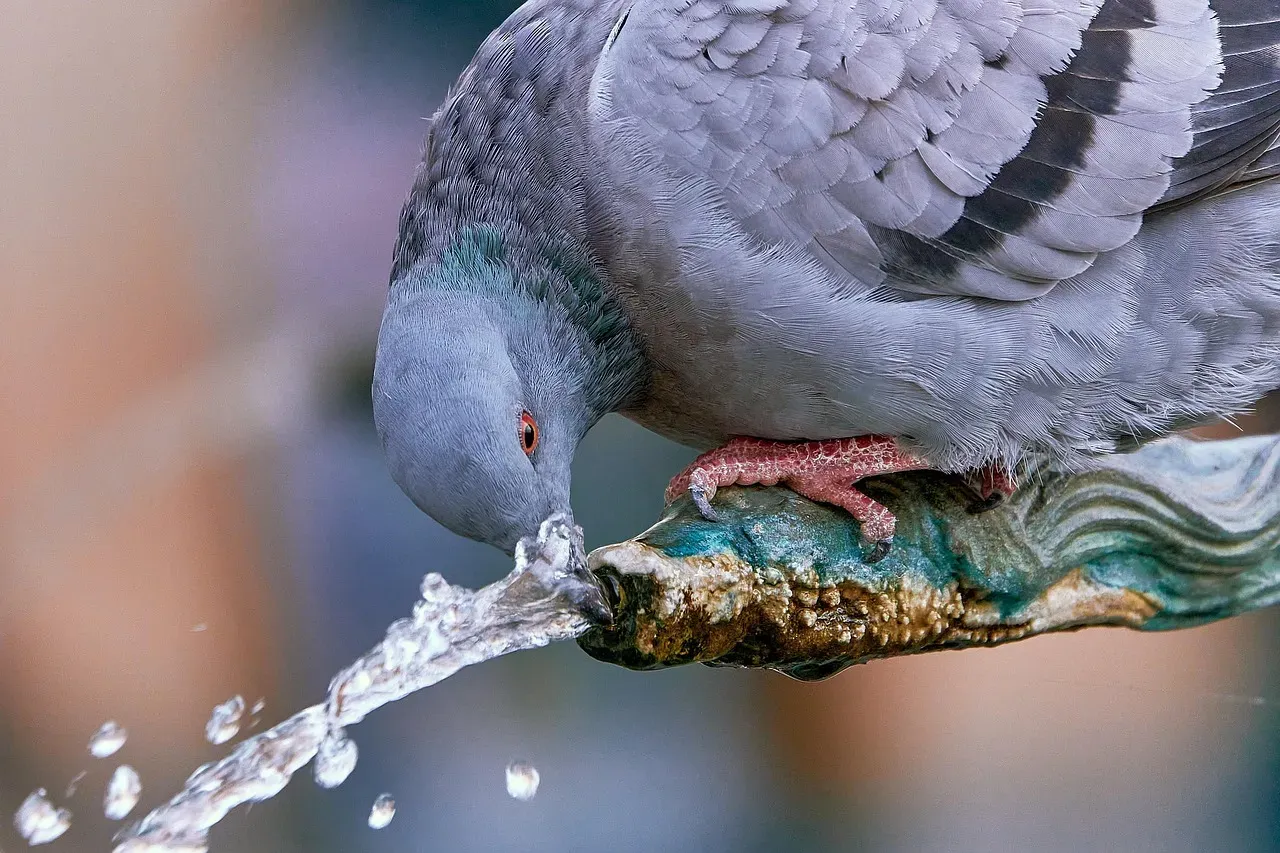
Cities are heat islands where animals already have to endure higher temperatures than in natural habitats that are largely unaffected by humans. You’d think this would be purely negative, yet some species have turned this environmental challenge into an unexpected advantage. In temperate regions, warmer urban winters mean longer breeding seasons and reduced cold-weather mortality.
The results show that populations from urbanized habitats tend to be more robust to these environmental stressors, and are already adapting to changing conditions when compared to their counterparts from protected habitats. Recent research published in 2025 has revealed something astonishing: urban populations of aquatic species exposed to constant stressors are actually becoming more resilient, not weaker.
This has huge implications. Urban areas might actually serve as training grounds for climate change adaptation. Animals learning to cope with extreme heat, pollution, and rapid environmental fluctuations in cities could potentially help repopulate struggling rural populations as global temperatures rise. It’s a controversial idea, but the science is starting to back it up.
Conversely, in already hot climates, the urban heat island effect can push animals beyond their thermal tolerance thresholds. In cities like Phoenix or Delhi, animals must find ways to access shade, water, and cooler microclimates during the most intense parts of the day. Many have become strictly crepuscular – active only during dawn and dusk – to avoid the brutal midday heat.
Dietary Diversity: Eating Whatever’s Available
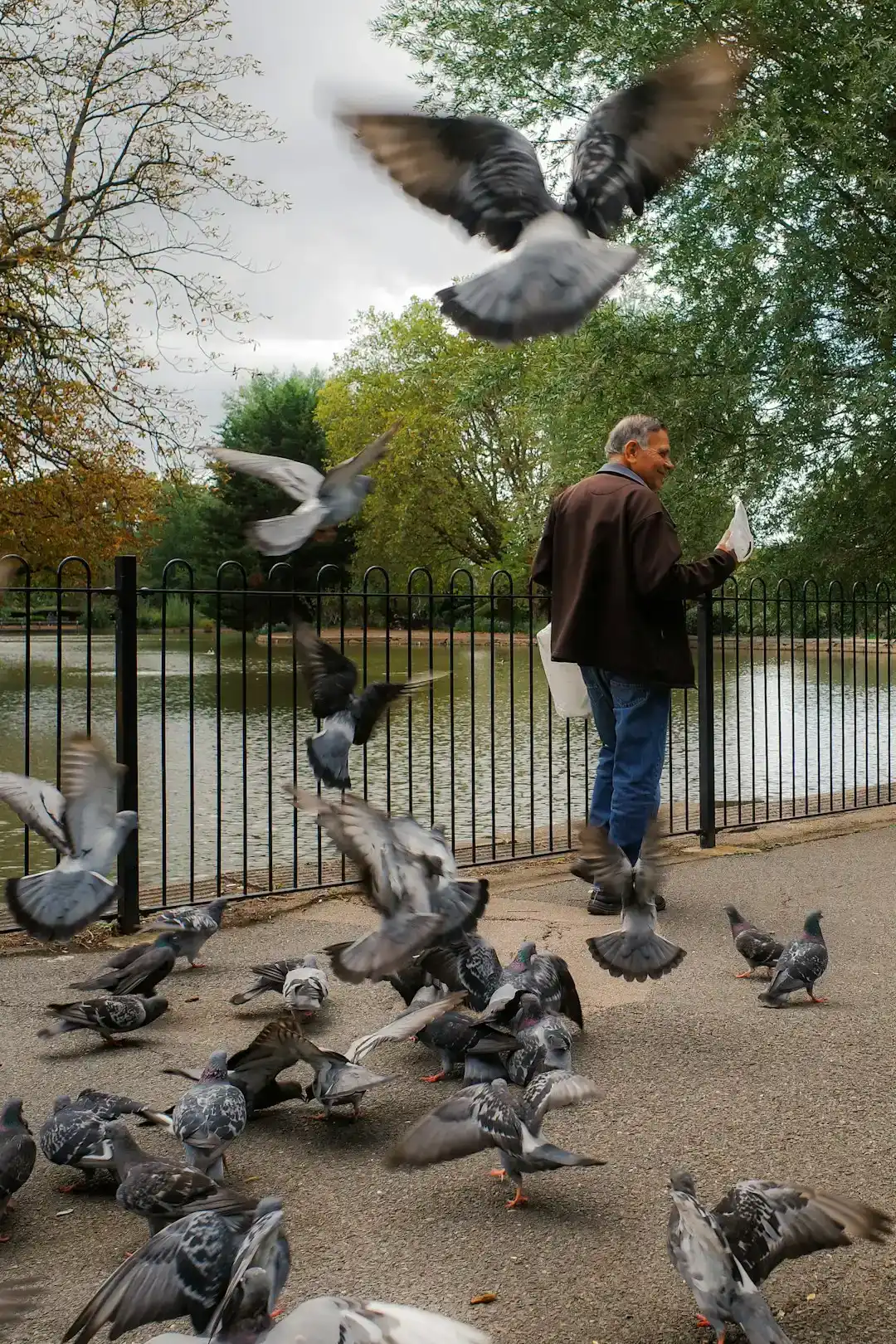
They tended to be pretty diverse in their choice of food. This is perhaps the most crucial adaptation of all. Urban animals that can eat a wide variety of foods – from insects to garbage to ornamental plants – have a massive survival advantage over picky eaters.
Raccoons will eat literally anything: pet food left outside, garbage, fruit from ornamental trees, fish from decorative ponds, even fast food scraps. Crows and gulls have similarly omnivorous appetites, which makes them spectacularly successful urban residents. Meanwhile, specialist feeders that require specific prey or plant species simply can’t make it in the city.
Many animals, including pigeons and squirrels, have adapted to eating food scraps and discarded items, which can sometimes lead to health issues but also indicates their ability to adjust to new food sources. There’s an interesting trade-off happening here. Urban diets are often nutritionally inferior to natural foods, but the sheer abundance and predictability make up for the lower quality.
Research on captive coyotes has shown something disturbing yet illuminating. Their hypothesis is that the coyotes eating human food will become bolder around people, which is supported by some anecdotal evidence. Diet doesn’t just affect nutrition – it actually changes behavior, potentially making animals more aggressive or less cautious around humans.
The reality is that urban wildlife exists in a strange twilight zone between wild and dependent. They’re not domesticated, yet their survival increasingly relies on human-generated resources. This dependency creates both opportunities and vulnerabilities that we’re only beginning to understand.
Innovative Habitat Use: Making Home in Unexpected Places
Urban environments provide unique nesting opportunities. Birds like peregrine falcons have taken to nesting on tall buildings, which mimic the cliffs and high ledges they would use in the wild. It’s remarkable how animals reinterpret the urban landscape through the lens of their ancestral habitats. To a falcon, a skyscraper is just a really tall cliff with better views.
Far from being homogenous expanses of concrete, most urban centers are a patchwork of different habitats – residential, commercial, and industrial buildings, warehouses, power stations, vacant lots, detached gardens, rooftop gardens, and alleyways – that each offers innumerable opportunities for wildlife. Many urban areas also have a number of limited access areas that animals are quick to adopt for shelter and breeding places; these include fenced-in lots and boarded-up buildings, along with a rabbit warren of underground tunnels, ducts, steam and water pipes, basements, and access ways.
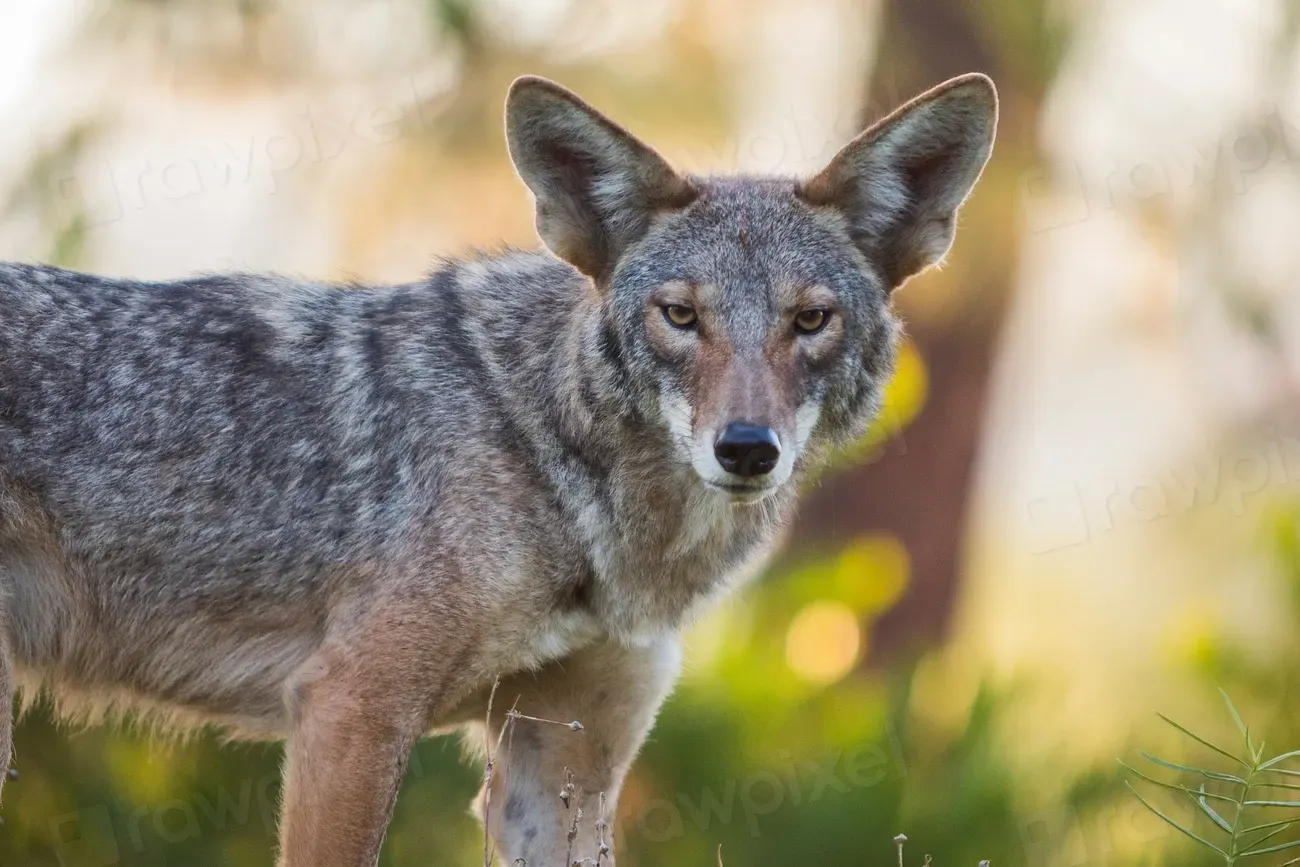
Honestly, when you start looking at cities from an animal’s perspective, they’re incredibly resource-rich environments. Bats roost under bridges that provide perfect substitutes for cave systems. Foxes den beneath garden sheds. Owls nest in church steeples. Coyotes raise pups in drainage culverts. Every human structure becomes potential habitat for something.
Bear N209, a radio-collared female that’s among more than a hundred bears being tracked in the study, hibernated there over the winter, despite the constant rush of vehicles mere feet away. The project is now in its eighth year, and yet “these bears still surprise me,” Colleen Olfenbuttel, the state’s black bear and furbearer biologist, shouts over the din of traffic. The adaptability is almost unbelievable – a bear hibernating in a tree hollow next to a highway demonstrates just how flexible wildlife can be when pressed.
What makes urban habitat use so successful is the sheer abundance of hiding places and the relative absence of large predators. For smaller animals, cities can actually be safer than the wild, provided they can avoid cars and human persecution. That’s not something most people would expect, yet it’s increasingly becoming the reality for many species.
Conclusion: The Future of Urban-Adapted Wildlife
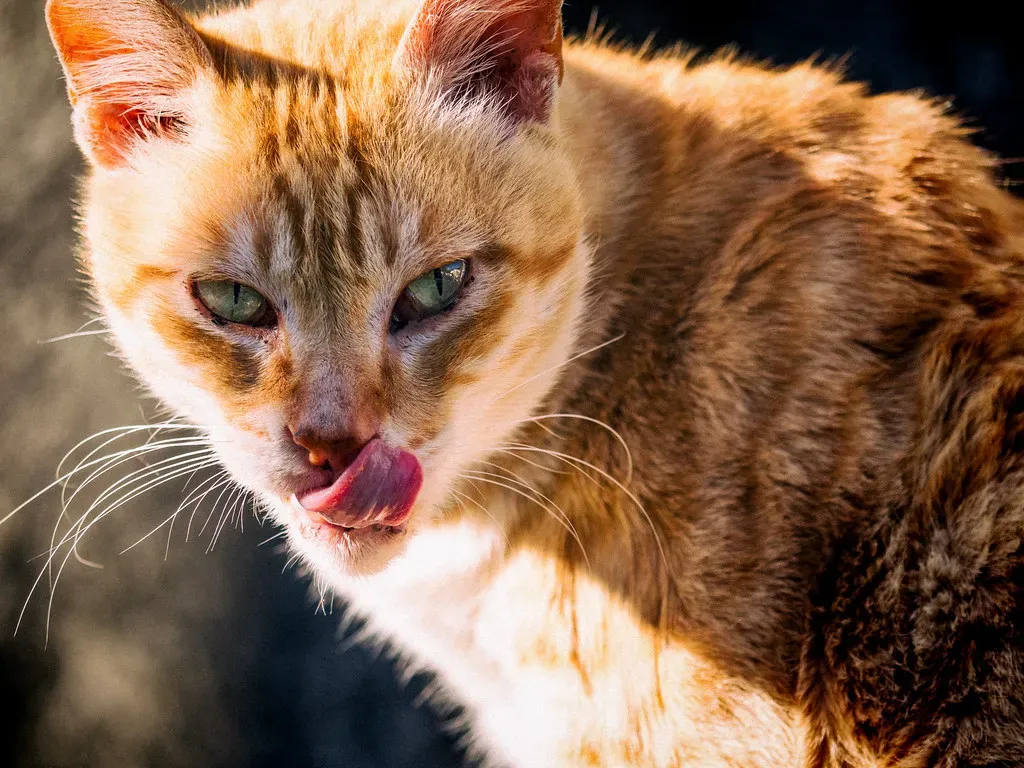
Some animals survive – even thrive – in urban environments, with specific adaptations that allow them to make the most out of life in the concrete jungle. Biologists thought those traits might be similar across taxa, but in a recent study involving 379 cities on six continents, researchers found they are more varied than they expected. The diversity of strategies is what makes urban ecology so compelling – there’s no single formula for success.
What we’re witnessing is evolution in real time, unfolding on our doorsteps and in our parks. The movement of wildlife into urban areas represents not just an ecological shift but a fundamental rethinking of what cities are and can be. Rather than viewing urban environments as wildlife-free zones, we must recognize cities as novel ecosystems supporting complex ecological communities. This perspective shift is crucial as urban areas continue expanding globally.
The animals succeeding in cities today are teaching us valuable lessons about resilience, flexibility, and innovation under pressure. They’re also serving as living laboratories for understanding how species might cope with rapid environmental change more broadly. Yet this doesn’t mean we can relax our conservation efforts elsewhere – urban adaptation is only possible for certain species, and we’re still losing biodiversity at alarming rates.
Here’s the thing: cities aren’t going away. By 2050, roughly two-thirds of humanity will live in urban areas. The question isn’t whether animals will continue adapting to cities, but which ones will make it and how we can design urban spaces that support both human and wildlife needs. Creating green corridors, preserving small habitat patches, reducing light and noise pollution, and fostering tolerance for our wild neighbors will determine whether future cities become biological wastelands or vibrant ecosystems in their own right.
So next time you spot a raccoon rifling through your trash or a hawk perched on a streetlight, take a moment to appreciate what you’re seeing. These aren’t just animals surviving despite the city – they’re pioneers of a new evolutionary chapter, demonstrating nature’s remarkable capacity to adapt to even the most extreme environments we can create. What do you think – are we ready to share our cities more thoughtfully with the wildlife that’s already moved in?
