
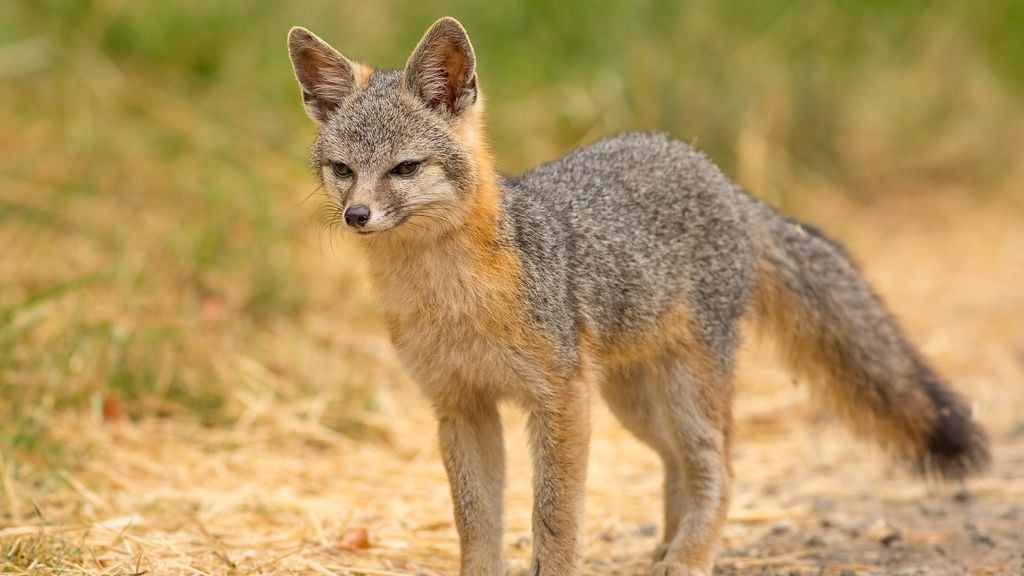
Picture a fox scrambling up a tree trunk like a cat, disappearing into the leafy canopy above. Seems impossible, right? Most foxes stay firmly on the ground, but the gray fox breaks all the rules. This remarkable creature possesses an ability that sets it apart from every other member of the dog family in North America.
Living in the shadows of forests and brushy hillsides, gray foxes have mastered an incredible skill that even their red fox cousins can’t match. Let’s dive into the fascinating world of these tree-climbing marvels and discover what makes them so extraordinary.
They’re The Only North American Canine That Climbs Trees
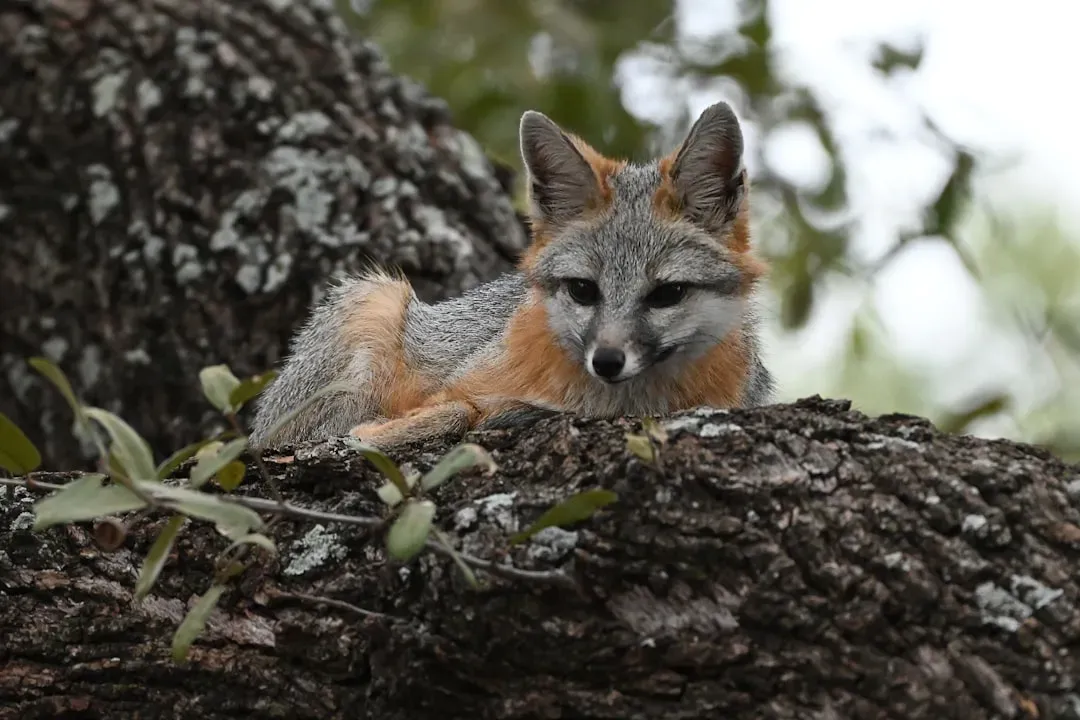
Gray foxes are notorious for climbing trees and are commonly referred to as the “tree fox.” Gray fox are unique in the canid family, in that they are one of two species of canid that climb trees. The other tree-climbing canid is the raccoon dog from East Asia, making the gray fox truly special in North America.
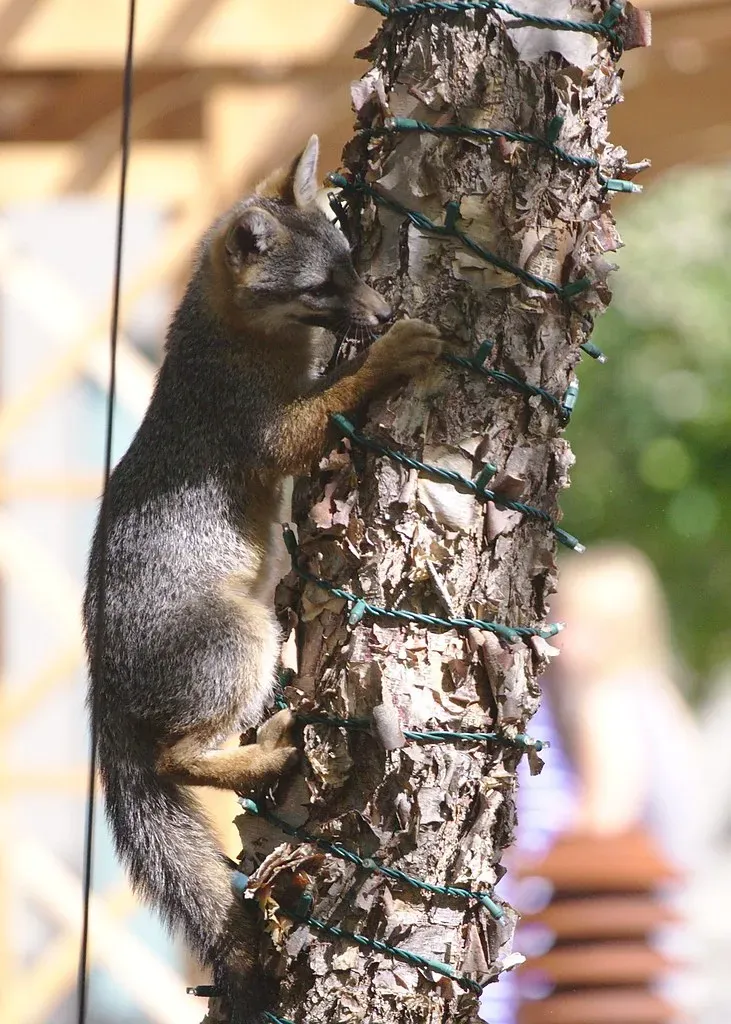
It can climb over 50 feet up a tree trunk, and usually descends by jumping from branch to branch like a squirrel, but also by slowly crawling backwards like a house cat. This fox has a number of anatomical attributes that allow it to ascend to heights of 70 more or feet. Watching one navigate through tree branches is like seeing a fox transform into something entirely unexpected.
Semi-Retractable Claws Give Them A Climbing Advantage
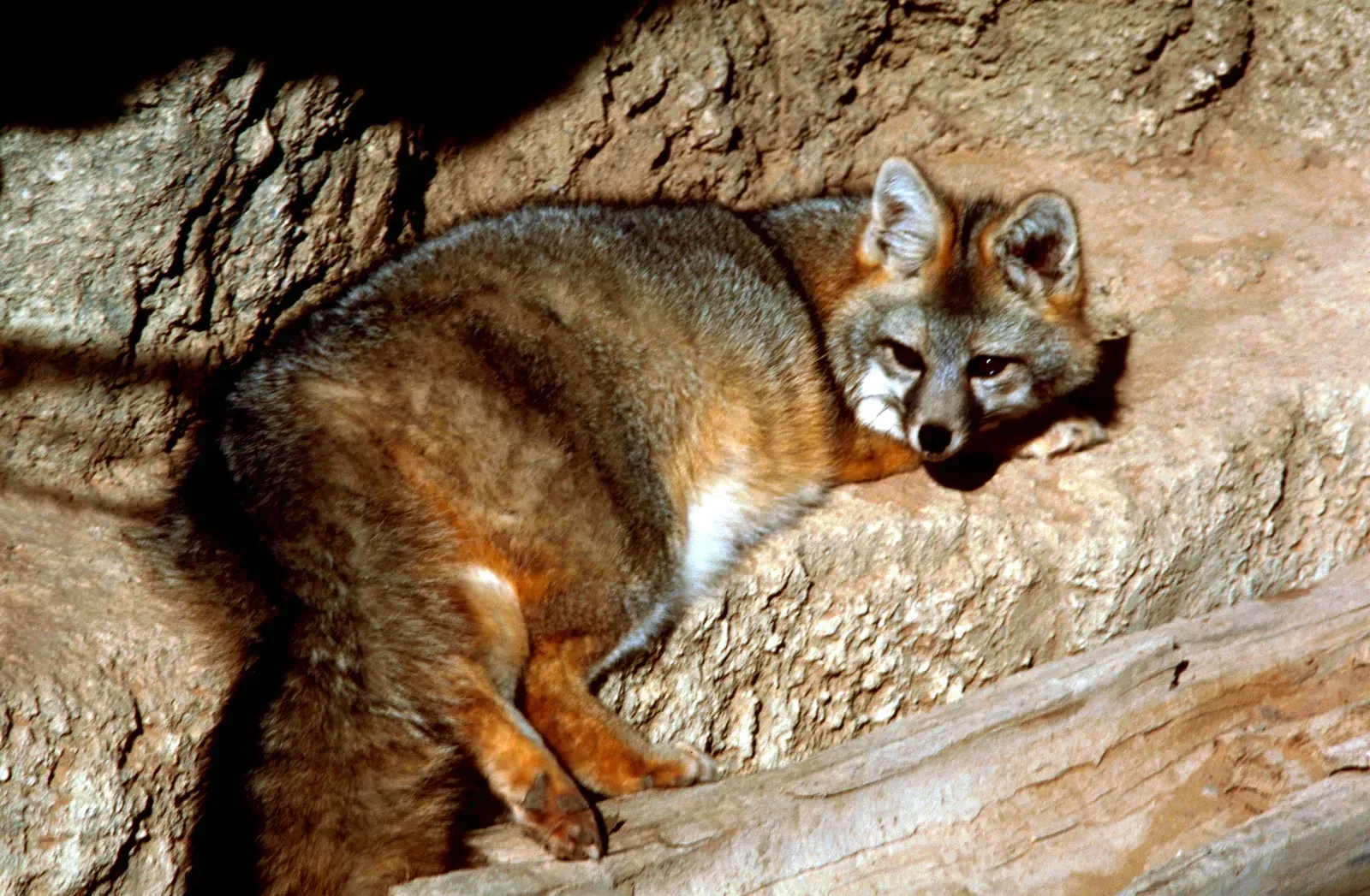
They have rotating wrists and semi-retractable claws that help them climb up high to den, forage, or escape predators. Unlike dogs or red foxes whose claws wear down from constant ground contact, being semi-retractable, the claws don’t wear down as do those of other canines such as the red fox.
The sharp, curved claws can dig deep into a tree trunk and limbs and allow the animal to climb with ease. Think of them as nature’s built-in climbing equipment. The Urocyon cinereoargenteus can rotate its wrists, making it more agile as it climbs trees and moves between branches. This wrist flexibility is honestly what separates them from other foxes and gives them their cat-like grace in the trees.
They’re Ancient Survivors Dating Back Millions Of Years
The gray fox has been chasing woodland mice for over 3.5 million years. It is the oldest member of the canid, or dog family, and has a distinctive black stripe along its tail and a more cat-like face. This isn’t some recent evolutionary development. They’ve been perfecting their survival strategy for longer than most other canines have existed.
Imagine the countless generations of gray foxes that have climbed these same forests, adapting and thriving while other species came and went. Their longevity as a species speaks volumes about their adaptability. It’s hard to say for sure, but their ancient lineage might be exactly why they developed such unique abilities.
Tree Climbing Serves Multiple Survival Purposes
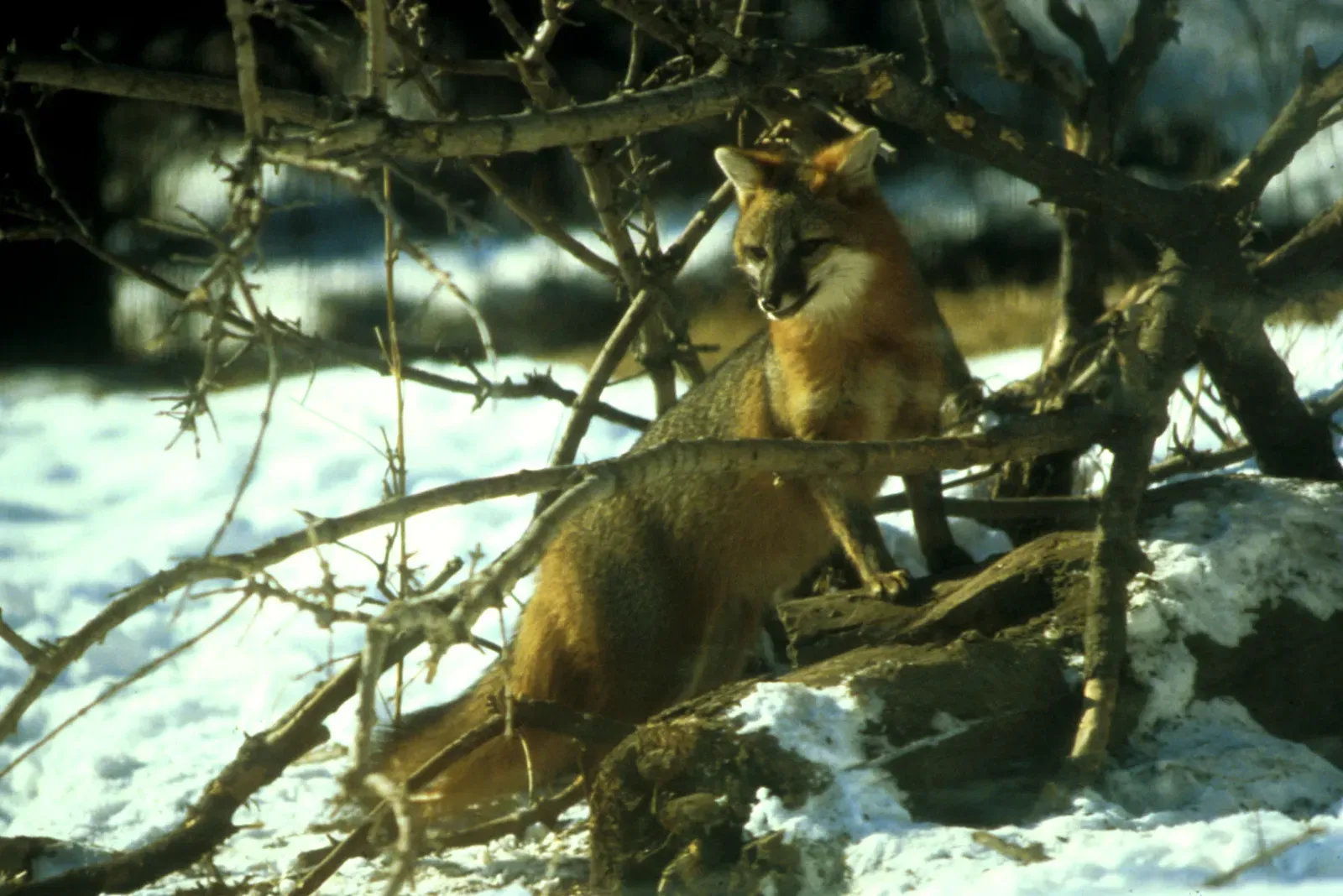
One is to escape predators, such as when pursued by dogs or coyotes. In fact, some biologists suggest that the gray fox’s ability to climb might lessen the impact of coyotes on their populations. When danger threatens, they simply head upward where larger predators can’t follow.
Although rodents are one of the main foods in its diet, the gray fox will also eat squirrels, birds and bird eggs found in trees. They’ll even climb trees to feed on fruits, berries and nuts. Gray foxes have also been seen resting and even sleeping in the tops of trees. Sometimes they use old hawk and owl nests to take a siesta. Talk about having the ultimate getaway spot.
Their Coat Colors Blend Perfectly With Forest Habitats
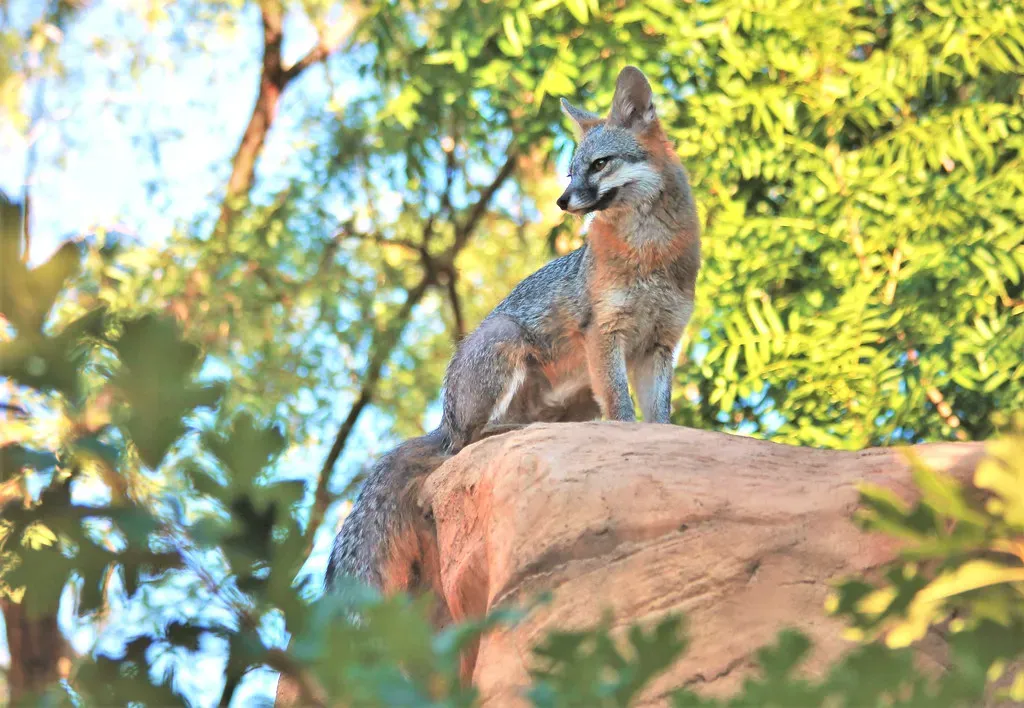
Unlike the more familiar red fox, gray foxes are recognized by their beautiful coats, a gradient from a silver-gray on their back and face to a red on their legs and chest with a white throat. Their tails are bushy with black stripes on top and at the tips.
Despite the name, a close look would reveal that these foxes are a combination of rust, black, and white. Let’s be real, the salt-and-pepper coloring is perfect camouflage among tree bark and dappled forest light. While most foxes have vertical slit-shaped pupils, gray foxes’ pupils are oval. These unique features make them distinct from every other fox you might encounter.
They Mate For Life And Share Parenting Duties
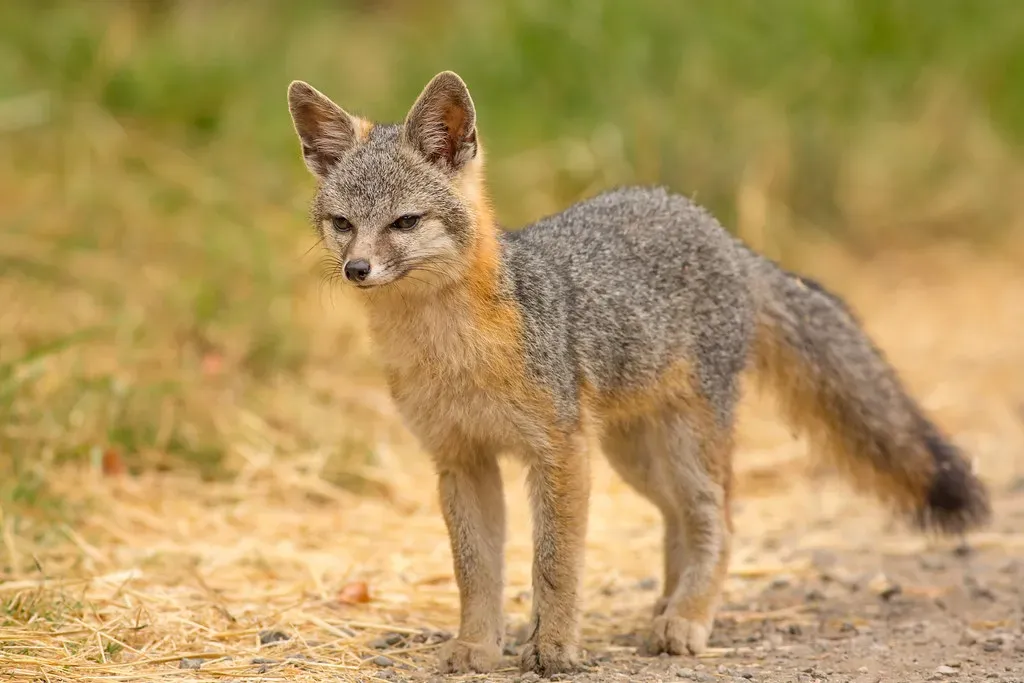
The gray fox mates for life, having one to seven kits a year. The gestation period lasts approximately 53 days. Both parents work together raising their young, which is surprisingly uncommon in many wild canines.
Kits begin to hunt with their parents at the age of three months, and have permanent teeth at four months, when they’ll begin foraging on their own. The family stays together until the autumn, at which time the young reach sexual maturity and disperse. This family unit provides young foxes with essential survival skills before they venture out alone. What would you have guessed about their parenting style?
Their Population Is Declining Across The Midwest
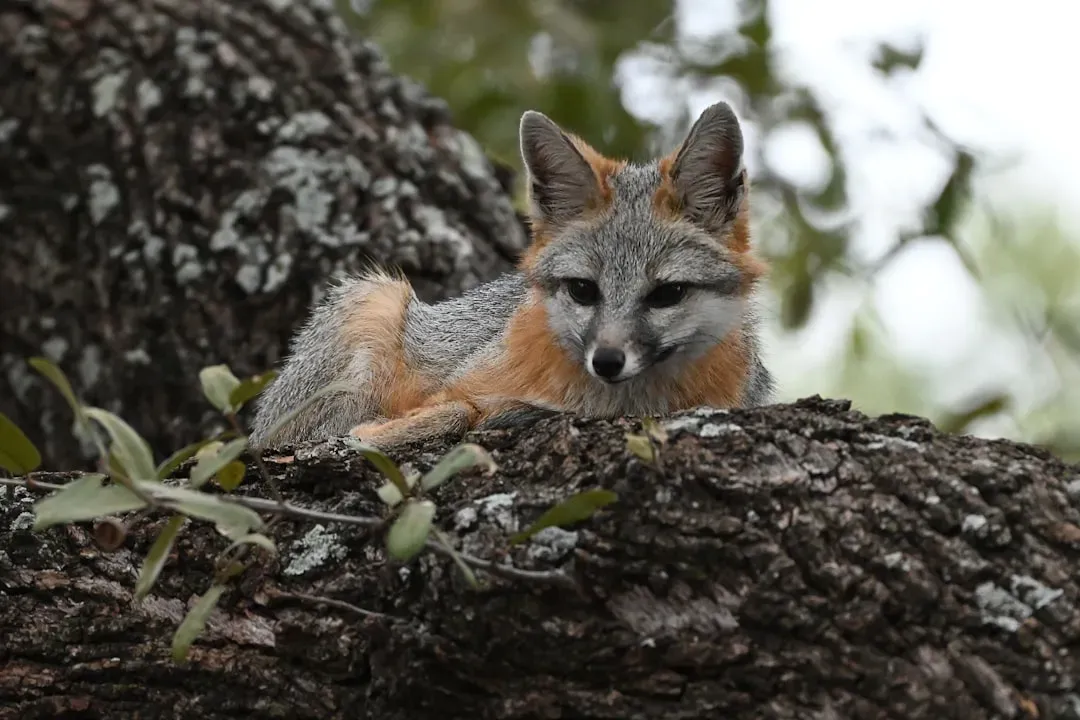
Gray foxes, the only canine species in North America that can climb trees, are found across much of the U.S. But over the last two decades, populations in the Midwest have plummeted and multiple state agencies are trying to find out the reasons behind their shrinking numbers.
Another study conducted by North Carolina State University in 2022 points to declining tree cover and its impact on interspecies interaction. Without enough tree cover, gray foxes avoid areas that coyotes have been using as their habitats. This suggests that gray foxes are climbing trees to temporarily avoid coyotes. Competition with coyotes and habitat loss seem to be pushing these remarkable creatures toward smaller, more fragmented territories.
They Have A Remarkably Diverse Diet
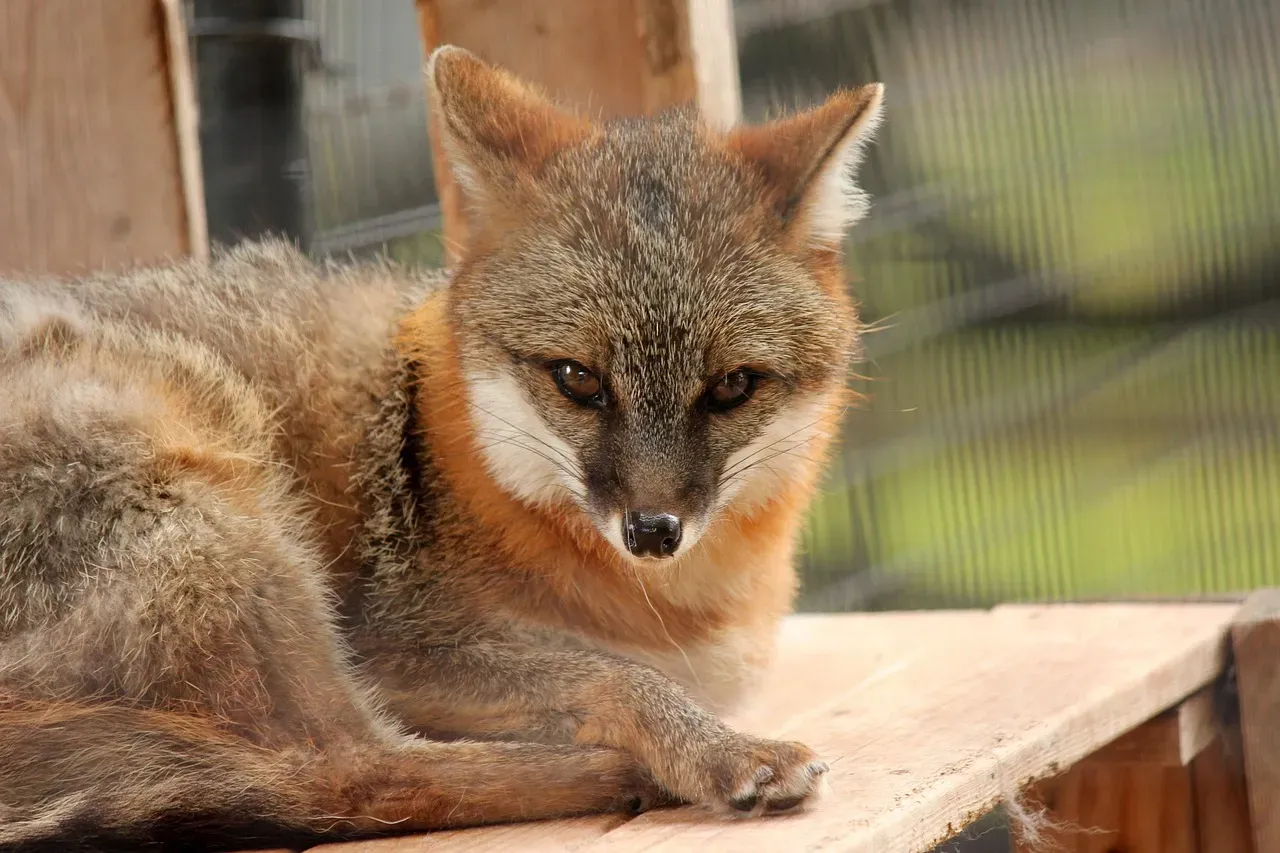
The gray fox is an omnivorous, solitary hunter. It frequently preys on the eastern cottontail in the eastern U.S., though it will readily catch voles, shrews, and birds. Gray foxes can also be found foraging along the edge of a field for some of their favorite food, grasshoppers and crickets.
Fruit is an important component of the diet of the gray fox, and they seek whatever fruits are readily available, generally eating more vegetable matter than does the red fox. The gray fox is an omnivore, eating a wide variety of plants and animals. Common prey includes rabbits, rodents, birds, crickets, grasshoppers, squirrels, opossum and fresh carrion. The gray fox also supplements its diet with apples, grapes, corn and other plants that are seasonally available and abundant. Their flexible eating habits allow them to thrive in changing environments where specialists might struggle.
Conclusion
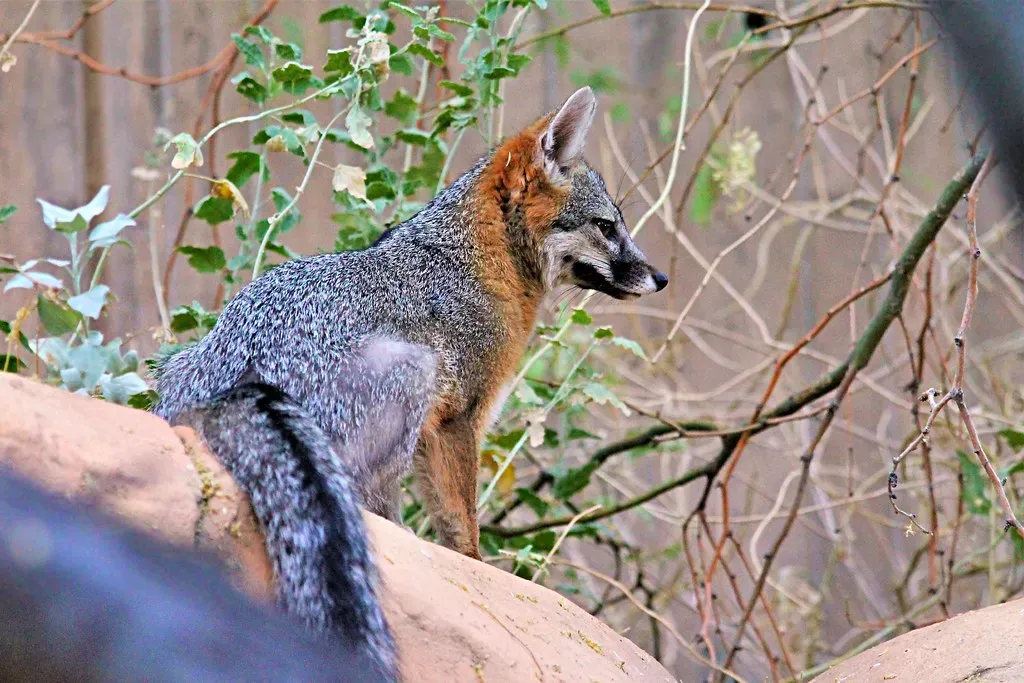
The gray fox stands as living proof that nature still holds surprises. Their tree-climbing abilities, ancient heritage, and remarkable adaptations make them one of North America’s most fascinating carnivores. Yet despite millions of years of evolution and survival success, they now face modern challenges from habitat loss and competition.
These elusive creatures remind us that even familiar animals can harbor extraordinary secrets. The next time you walk through a wooded area, glance up into the trees. You just might spot a gray fox peering down at you from above. What do you think about these incredible tree-climbing foxes? Share your thoughts in the comments.
