
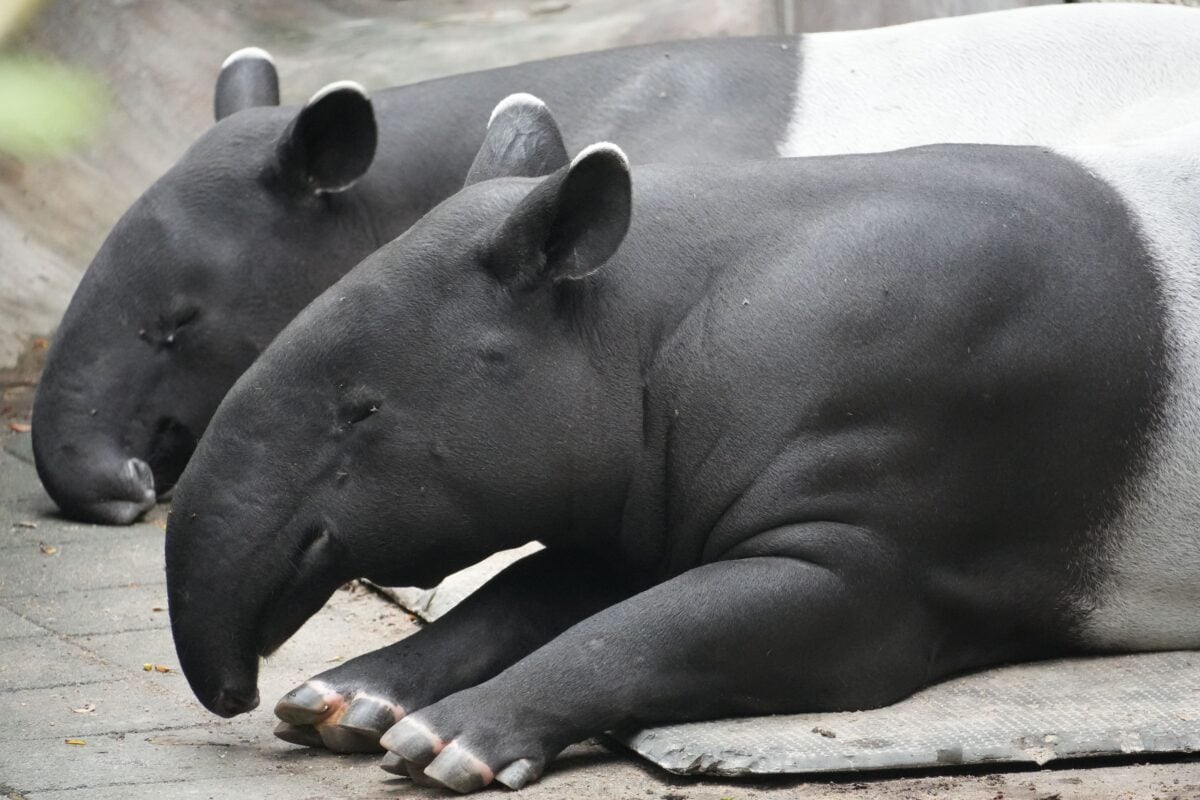
Tapirs, with their distinctive snouts and prehistoric appearance, are often referred to as “living fossils.” These remarkable creatures have roamed the Earth for millions of years, remaining relatively unchanged while many other species have evolved or vanished. Their unique characteristics and ancient lineage offer a fascinating glimpse into the past.
1. Ancient Lineage Dating Back Millions of Years
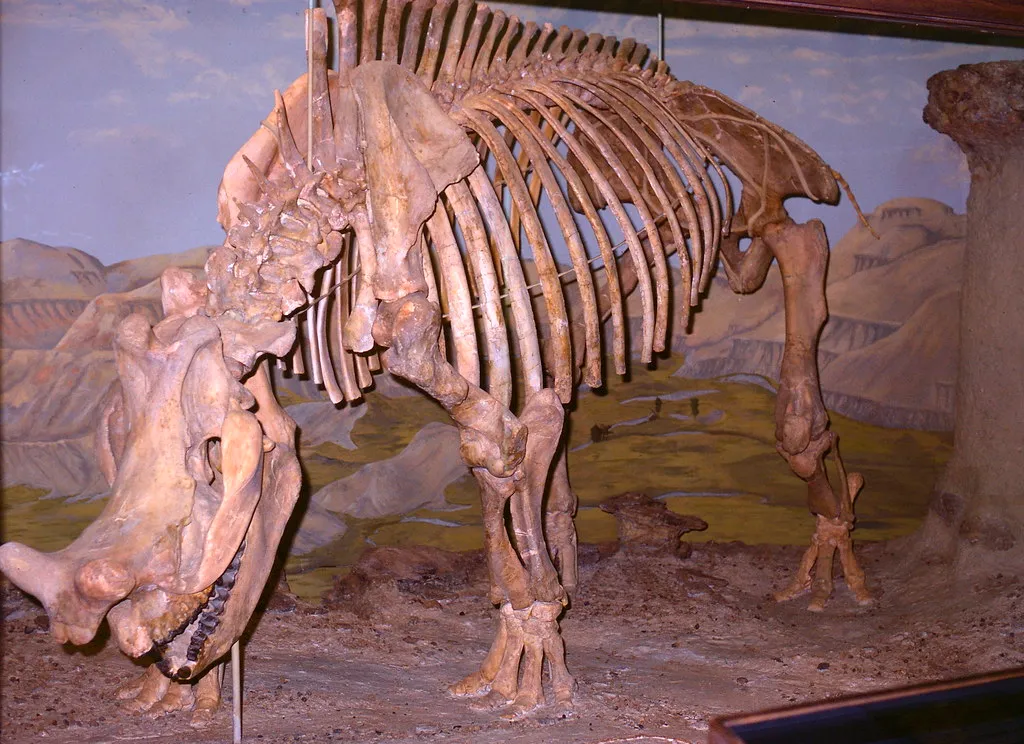
Tapirs have an evolutionary history that stretches back approximately 55 million years. Fossil records indicate that early relatives of tapirs, such as Heptodon, appeared during the Eocene epoch. These ancestors were smaller and lacked the distinctive proboscis seen in modern tapirs.
Over time, tapirs have remained remarkably consistent in their form and function. This stability has earned them the moniker “living fossils,” as they provide a direct link to ancient mammalian life and offer insights into evolutionary processes.
2. Unique Prehensile Snouts
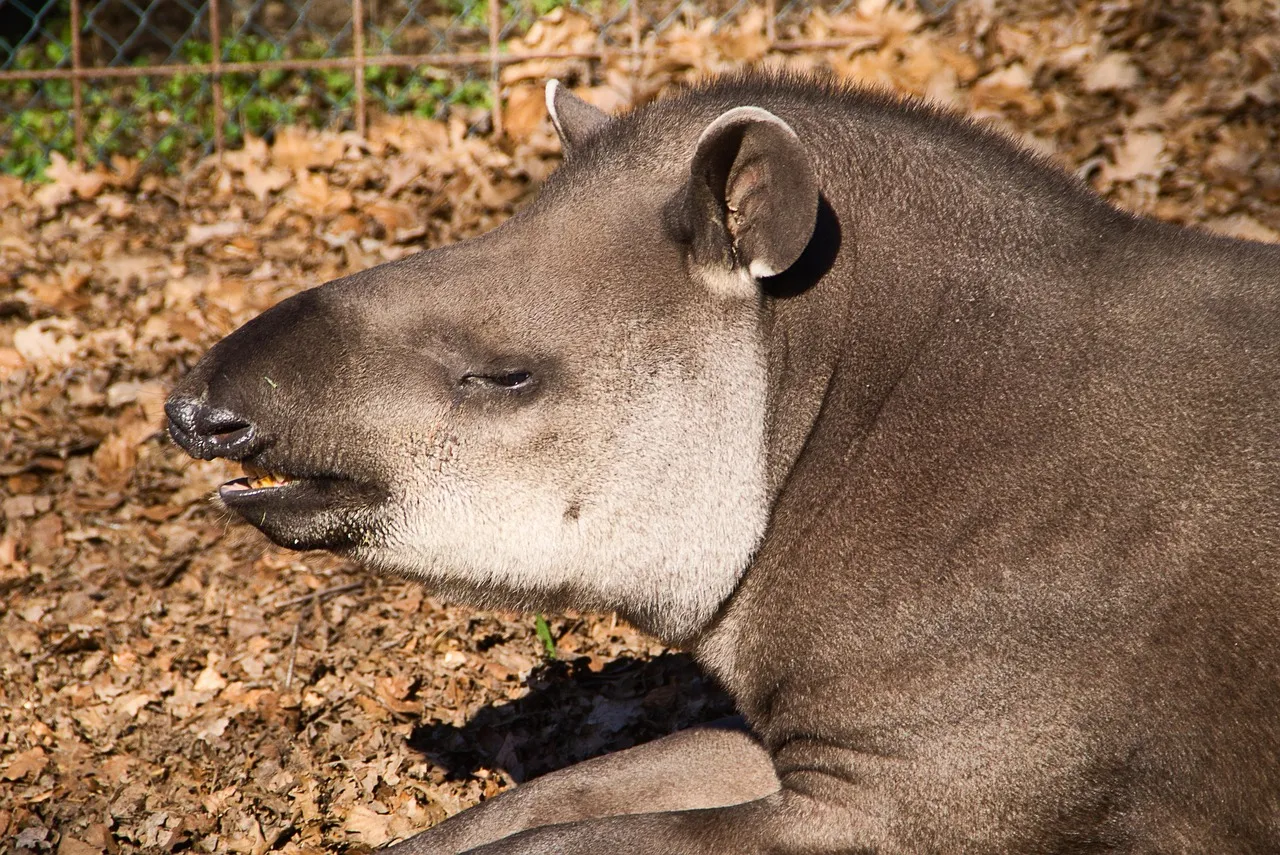
One of the most distinctive features of tapirs is their prehensile snout, an extension of the nose and upper lip. This flexible appendage allows them to grasp leaves, fruits, and other vegetation, functioning similarly to an elephant’s trunk but on a smaller scale.
This adaptation is particularly useful in dense forests, enabling tapirs to feed on a variety of plant materials. Their snouts are also sensitive, aiding in detecting scents and navigating their environment.
3. Close Relatives to Horses and Rhinos
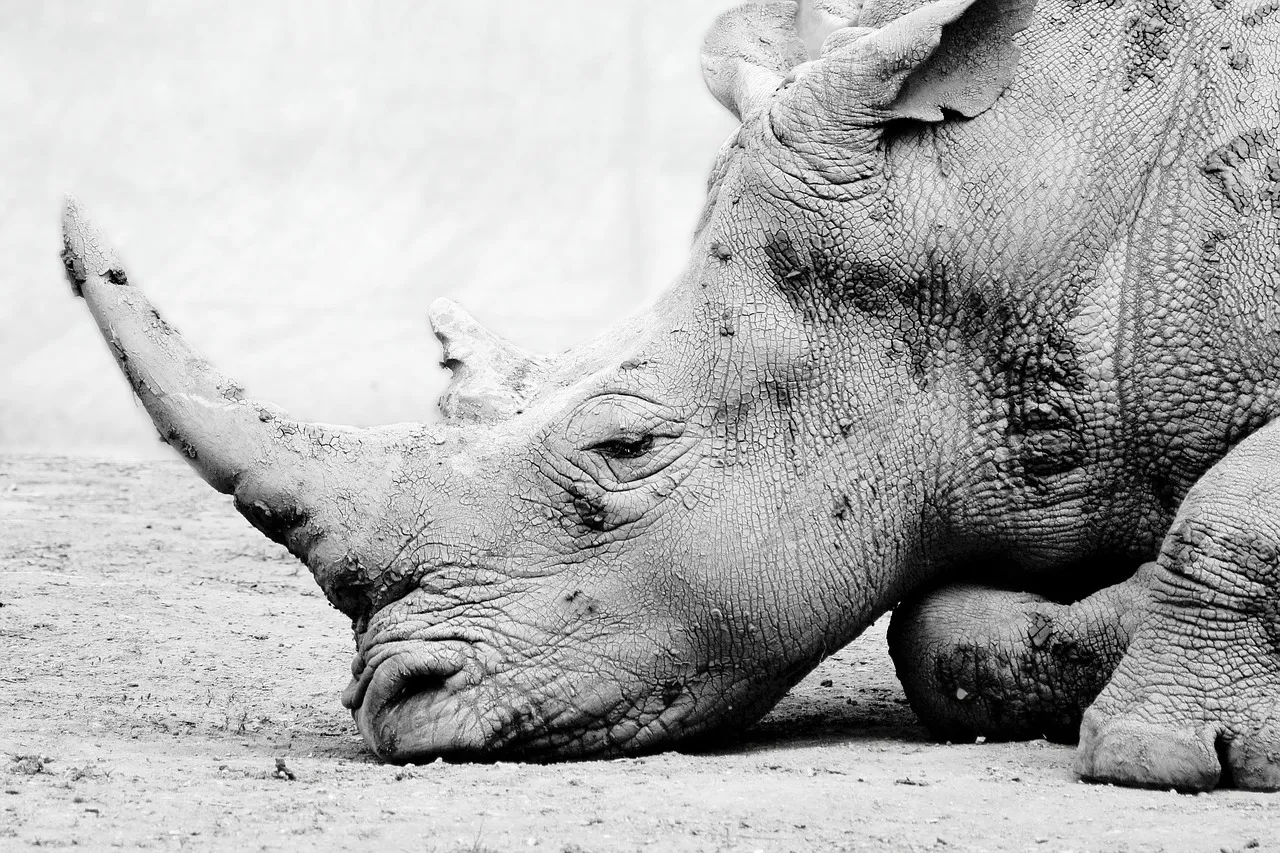
Despite their pig-like appearance, tapirs are more closely related to horses and rhinoceroses. All three belong to the order Perissodactyla, or odd-toed ungulates, characterized by an uneven number of toes on their hind feet.
This relationship is evident in their skeletal structures and certain behavioral traits. Understanding these connections helps scientists trace the evolutionary paths of these species and their adaptations over time.
4. Diverse Habitats Across Continents
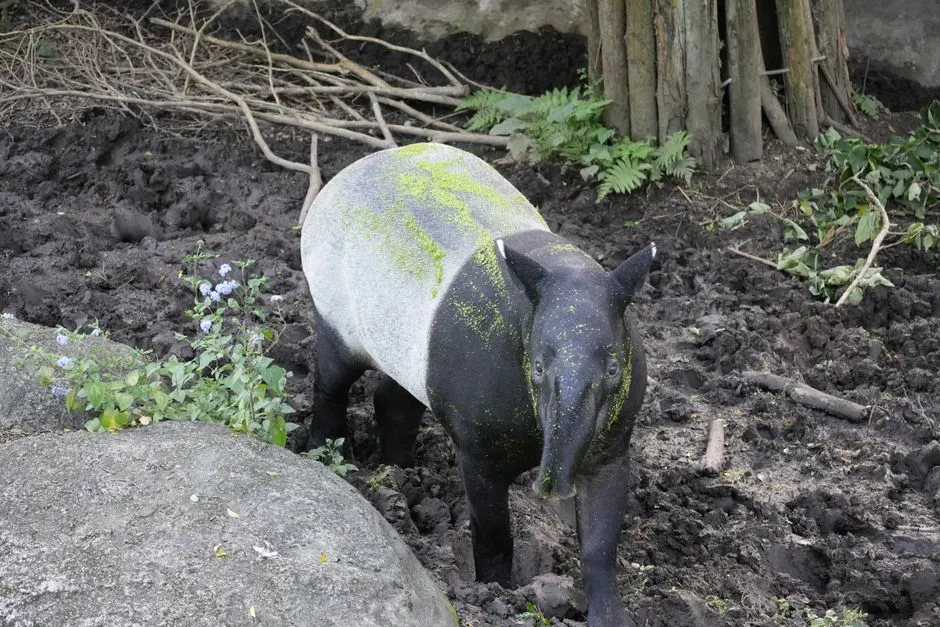
Tapirs are found in a range of habitats across Central and South America, as well as Southeast Asia. They inhabit tropical rainforests, grasslands, and even mountainous regions, demonstrating remarkable adaptability.
Their presence in both the New and Old Worlds is a testament to their resilience and ability to thrive in diverse environments. This wide distribution also highlights the historical movements and separations of landmasses over millions of years.
5. Solitary and Nocturnal Behavior
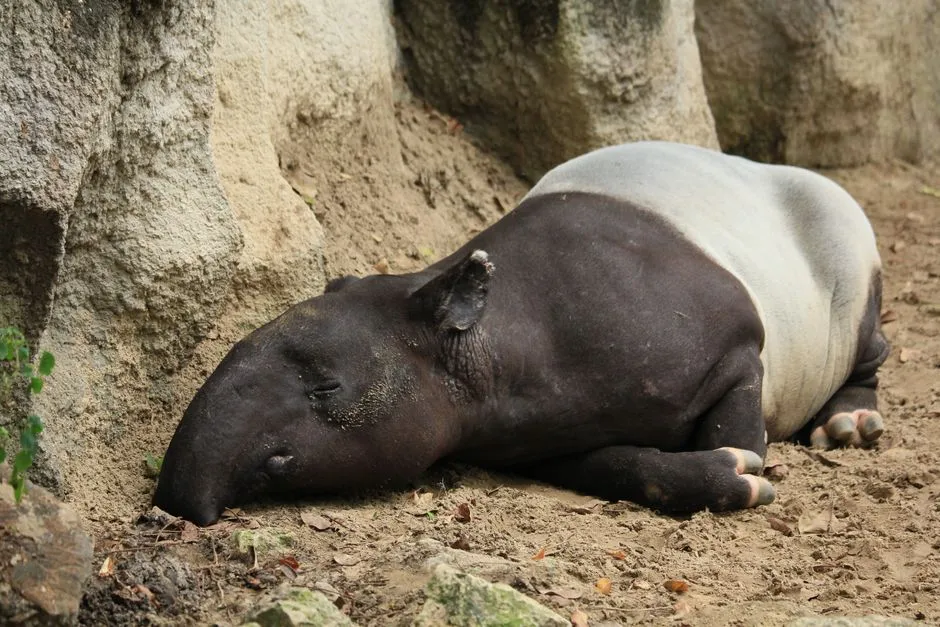
Tapirs are primarily solitary animals, coming together only during mating seasons or when mothers are raising their young. They are mostly nocturnal, foraging for food under the cover of darkness to avoid predators.
This behavior reduces competition for resources and minimizes encounters with potential threats. Their elusive nature makes them challenging to study in the wild, adding an element of mystery to these ancient creatures.
6. Excellent Swimmers and Divers
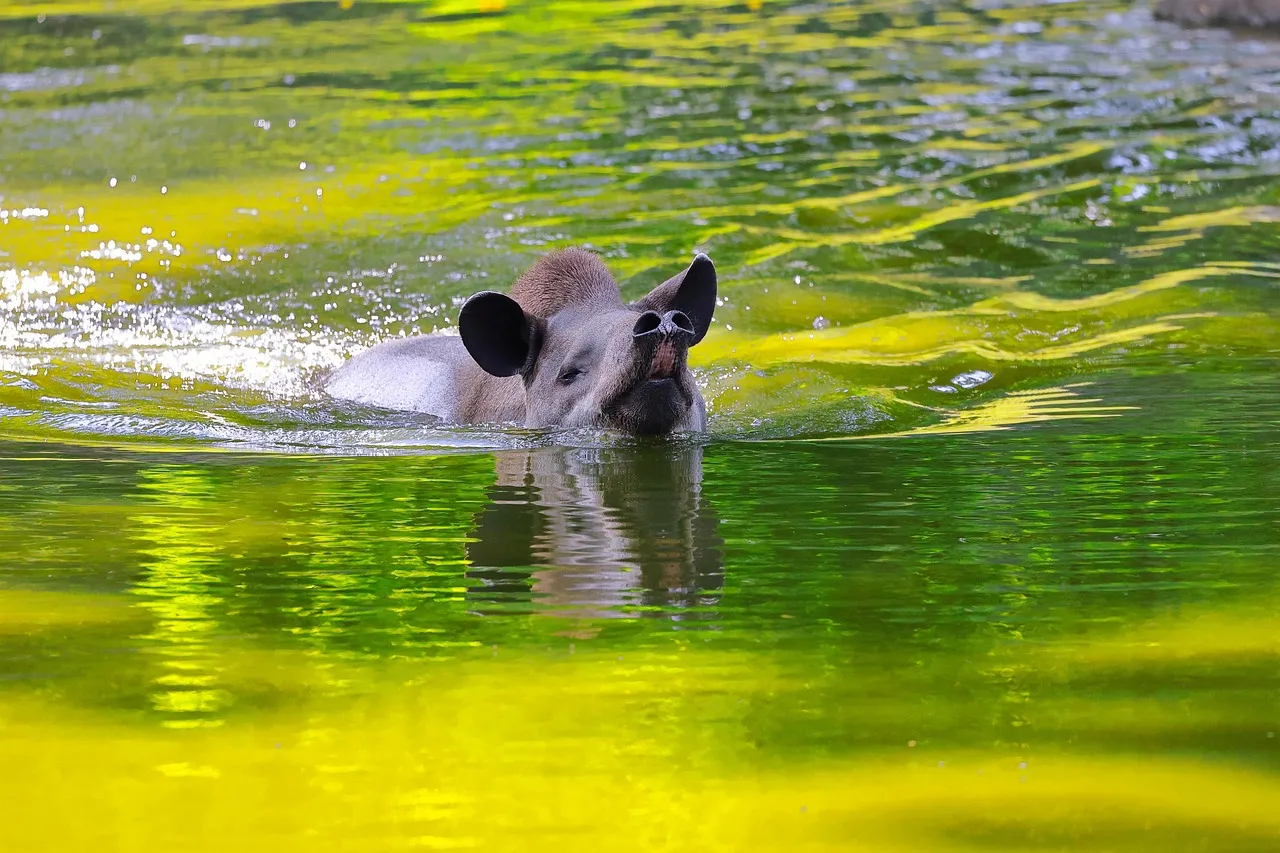
Tapirs are adept swimmers and often seek refuge in water. They can submerge themselves to feed on aquatic plants or to escape predators, using their snouts as snorkels to breathe while submerged.
This affinity for water not only aids in thermoregulation but also provides a safe haven from land-based threats. Their swimming abilities are crucial for survival, especially in flood-prone habitats.
7. Distinctive Juvenile Camouflage
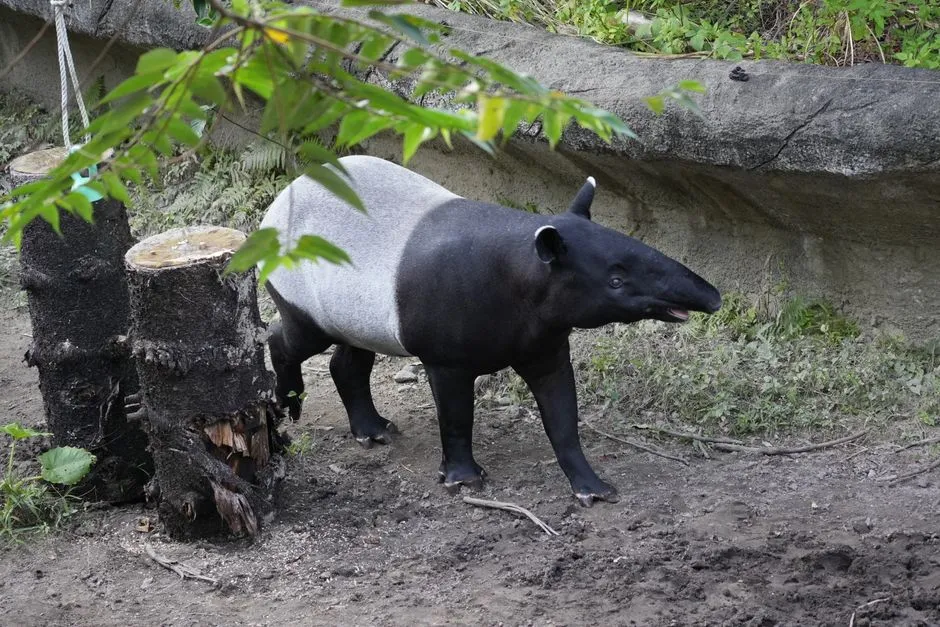
Tapir calves are born with a unique coat pattern of white spots and stripes on a reddish-brown background. This camouflage helps them blend into the dappled light of the forest floor, protecting them from predators during their most vulnerable stages.
As they mature, this pattern fades, and they develop the solid coloration typical of adult tapirs. This transition marks their growth and increasing independence in the wild.
8. Critical Role as Seed Dispersers
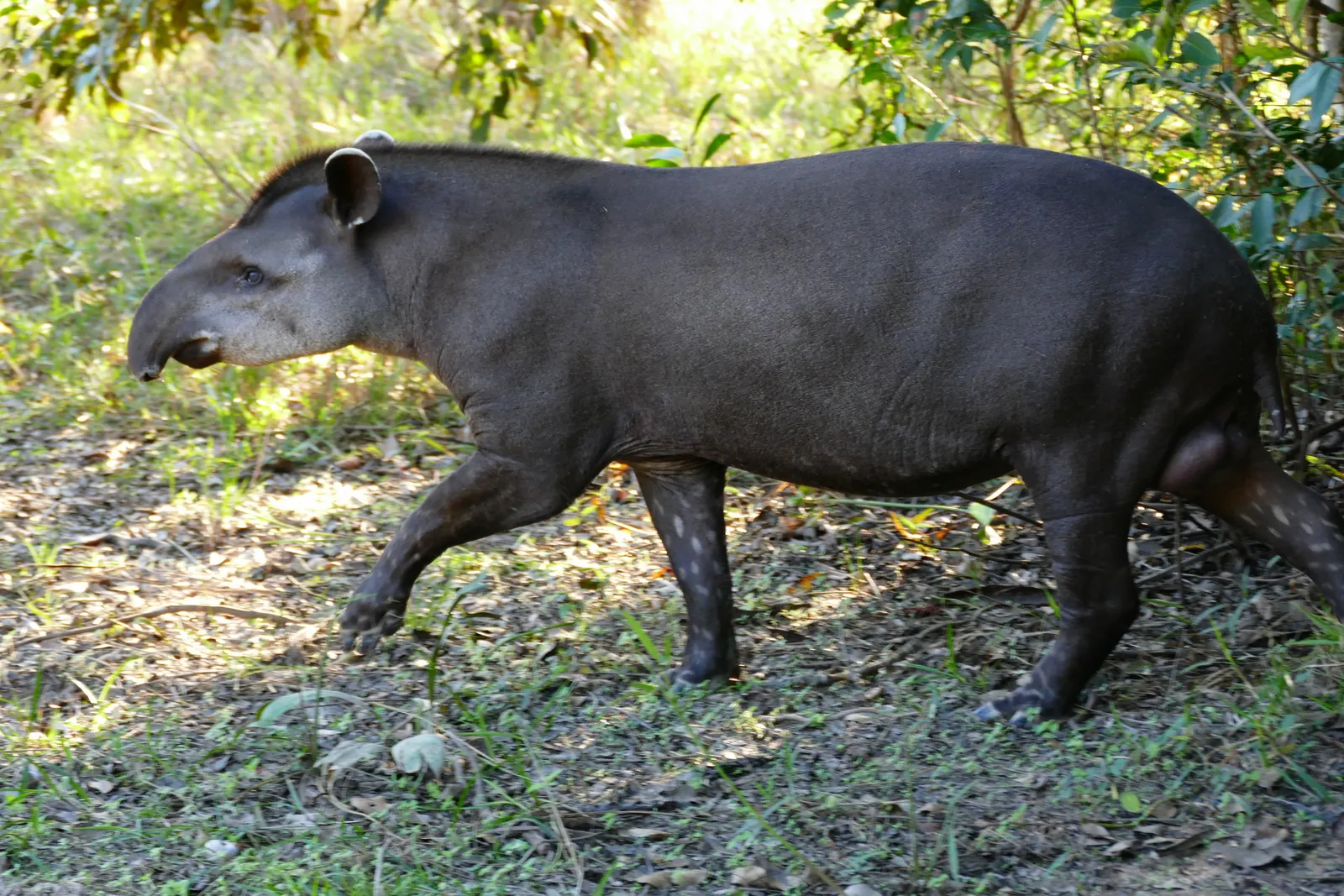
Tapirs play a vital role in their ecosystems as seed dispersers. By consuming a variety of fruits and vegetation, they help in the propagation of numerous plant species.
Their dung, rich in seeds, contributes to forest regeneration and biodiversity. This ecological service underscores the importance of tapirs in maintaining healthy forest environments.
9. Threatened by Habitat Loss and Hunting
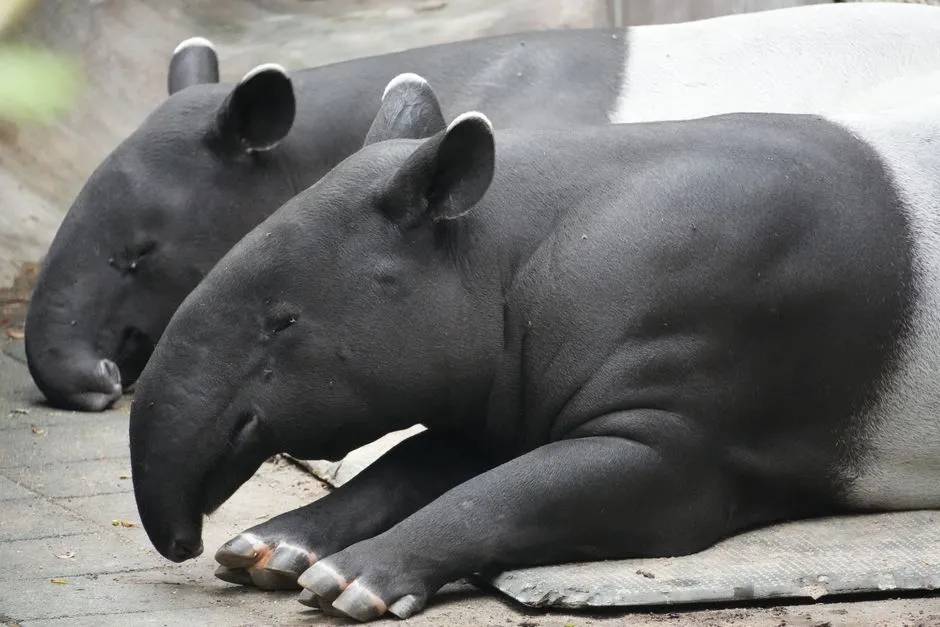
All tapir species are currently facing threats from habitat destruction and illegal hunting. Deforestation for agriculture and urban development has led to significant loss of their natural habitats.
Conservation efforts are crucial to protect these ancient creatures. Establishing protected areas and promoting sustainable practices can help ensure their survival for future generations.
10. Cultural Significance in Indigenous Traditions
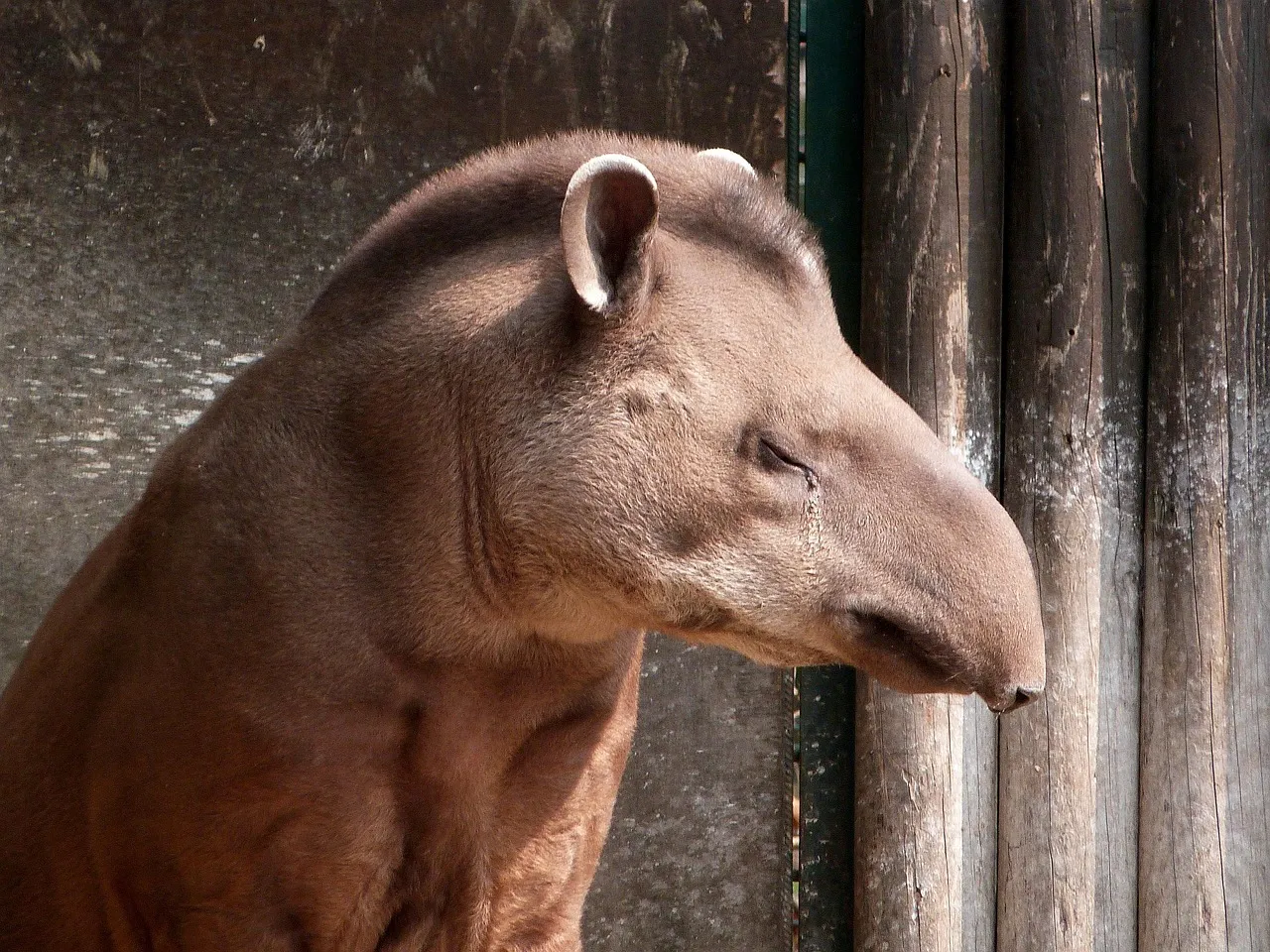
In various indigenous cultures, tapirs hold significant symbolic value. They are often featured in folklore and are considered symbols of strength and endurance.
This cultural reverence highlights the deep connection between humans and tapirs throughout history. Preserving tapirs is not only an ecological imperative but also a cultural one, maintaining the rich tapestry of human-animal relationships.
11. Remarkable Longevity and Reproductive Traits
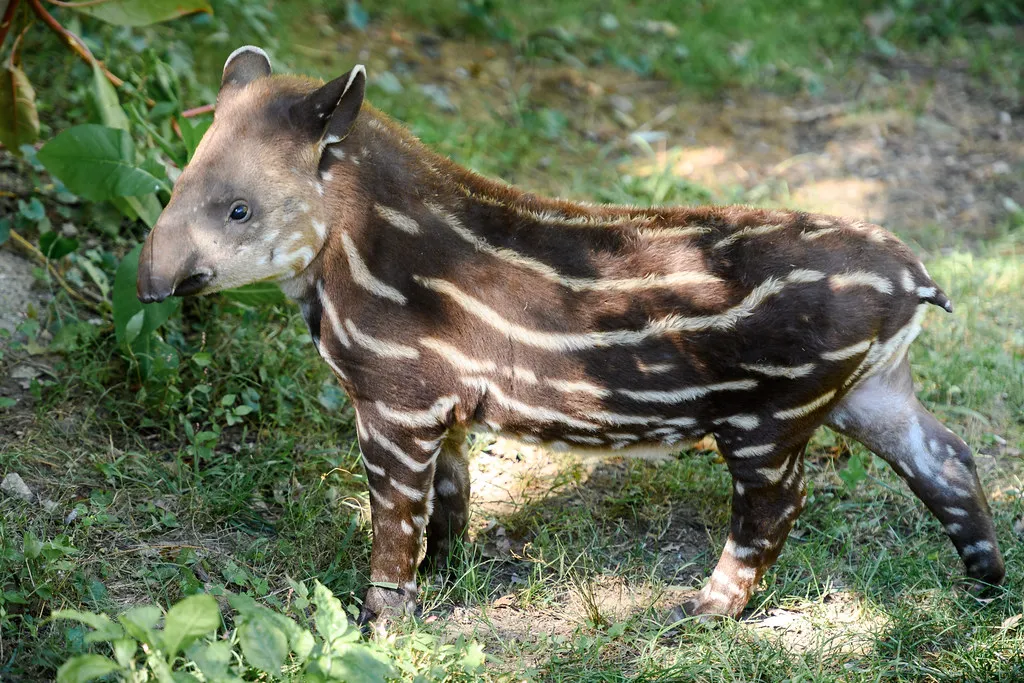
Tapirs have a relatively long lifespan, living up to 25 to 30 years in the wild. They have a prolonged gestation period of about 13 months, typically giving birth to a single calf.
This slow reproductive rate makes them particularly vulnerable to population declines. Protecting mature individuals is essential to maintain stable populations and prevent further endangerment.
In conclusion, tapirs are extraordinary creatures that bridge the past and present, offering invaluable insights into evolutionary biology and ecology. Their unique adaptations and ancient lineage make them a living testament to the resilience of life on Earth. Protecting tapirs is not just about conserving a species

- Feline Cognition: Cats Continuously Update Mental Maps of Their Territory - July 16, 2026
- What It Means When Elk Suddenly Stop Grazing Together - July 16, 2026
- Why Pronghorns Can See Danger From Miles Away - July 16, 2026