
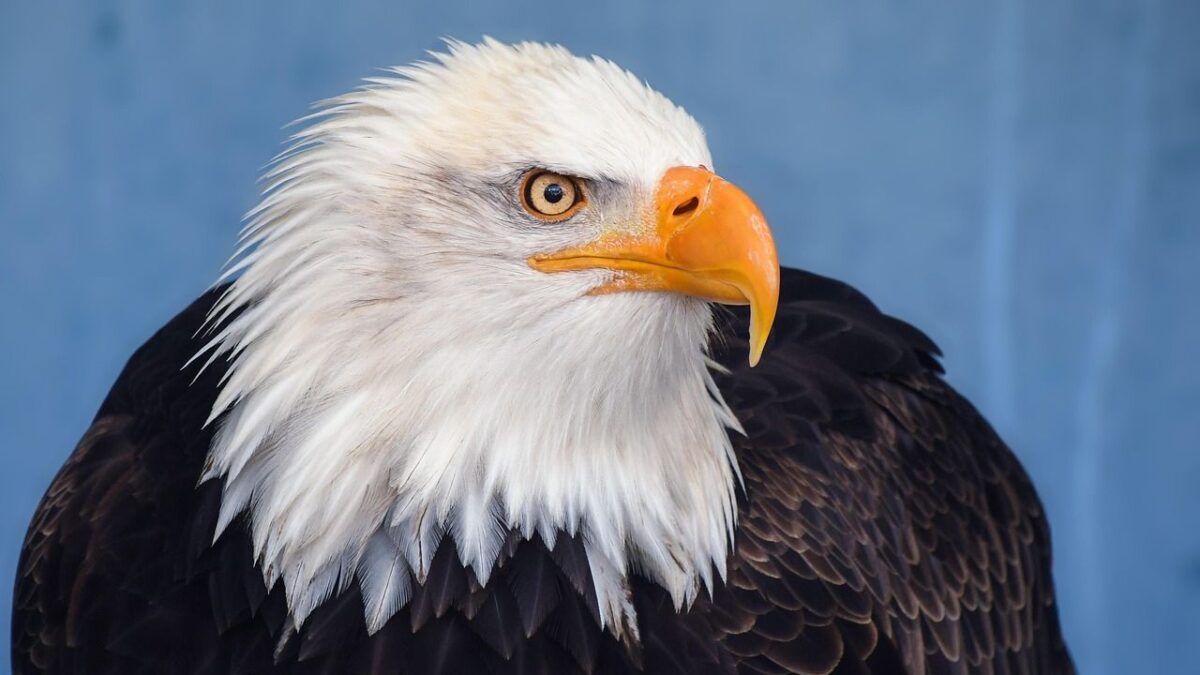
When you picture a bald eagle soaring through the sky, you might imagine it diving toward a shimmering river to snatch up a salmon. It’s the classic image, really. Fish dominate the storyline when we talk about these birds.
That connection isn’t wrong, honestly. Fish do make up the lion’s share of what bald eagles consume. Yet their diet is far richer and more unexpected than most of us realize. These majestic birds are not picky eaters at all. They’re opportunists, adaptable survivors who take advantage of whatever meal presents itself.
So let’s dive in. You might be surprised by what else ends up on the menu for these fierce, resourceful hunters.
They’re Skilled Mammal Hunters Too
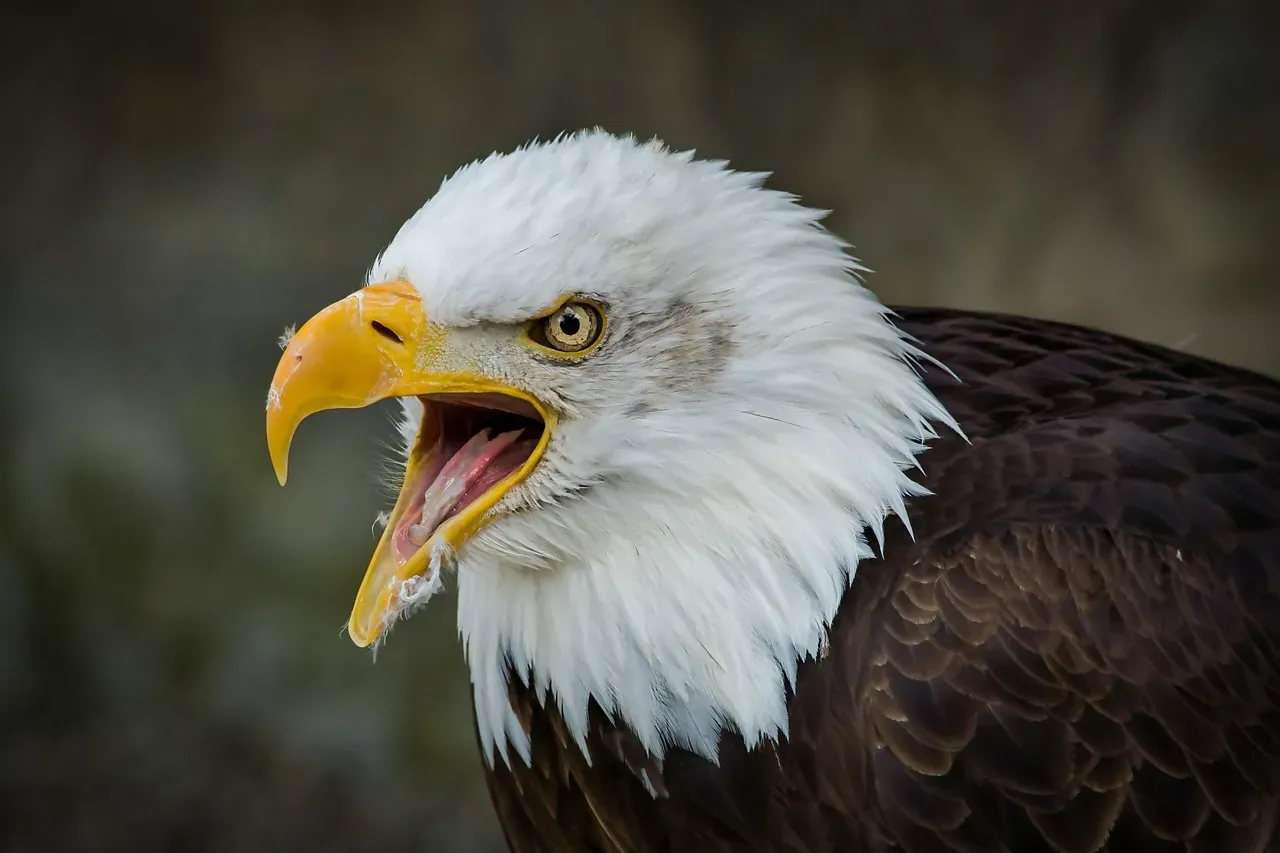
Bald eagles have been studied to hunt and eat some 400 species, including some large animals like deer fawns. That number alone should shift how we think about them. These birds aren’t just hovering over water waiting for a fish to surface.
They actively hunt rabbits, squirrels, prairie dogs, and even raccoons. Bald Eagles will hunt just about anything they can catch, including mammals, such as rabbits and squirrels. Their powerful talons are perfectly built for grasping small to medium-sized mammals on the ground. Think of a rabbit darting through an open field. The eagle spots it from hundreds of feet up, dives silently, and strikes with lethal precision.
In some regions, such as landlocked areas of North America, wintering bald eagles may become habitual predators of medium-sized mammals that occur in colonies or local concentrations, such as prairie dogs. Bald eagles in Seedskadee National Wildlife Refuge often hunt in pair to catch cottontails, jackrabbits and prairie dogs. Cooperative hunting like this shows just how intelligent and flexible these birds can be. They’re not just reacting to what’s in front of them. They’re strategizing.
Groundhogs are also on the menu. They also can feed on moderately sized wild mammals, such as ground hogs. It’s hard to say for sure, but mammals likely make up a bigger part of their diet than we used to think, especially in winter when fish become harder to catch.
Waterfowl and Other Birds Are Fair Game
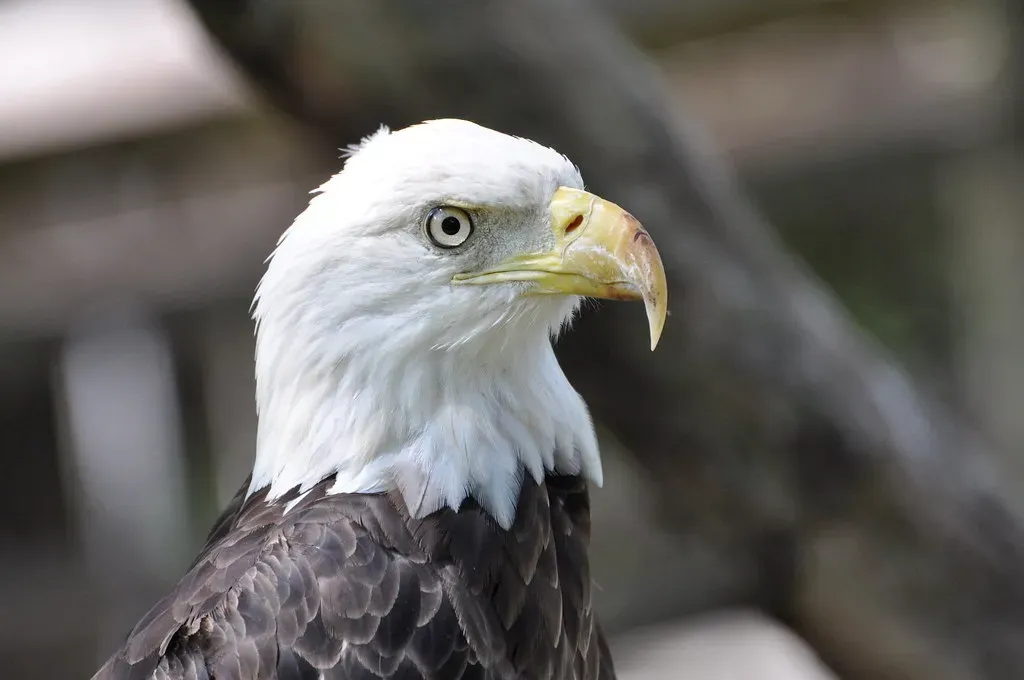
Here’s something that might catch you off guard. Bald Eagles will often follow the fall migration of ducks and geese and feed on birds that have been injured by hunters. They’re strategic about it too. Rather than exerting energy to catch healthy, fast-moving waterfowl, they’ll wait for hunting season and capitalize on the chaos.
In 20 food habit studies across the species’ range, fish comprised 56% of the diet of nesting eagles, birds 28%, mammals 14% and other prey 2%. That means nearly one third of their diet consists of birds. Ducks, geese, coots, gulls, and even smaller songbirds can all become prey. When fish are scarce, a bald eagle will happily turn its attention to waterfowl like ducks and coots. These birds are slower than gulls and often found in open water, making them easier prey.
They’ve also been observed hunting cooperatively when targeting larger or more elusive birds. One eagle might distract a heron while the other swoops in from behind. While hunting waterfowl, bald eagles repeatedly fly at a target and cause it to dive repeatedly, hoping to exhaust the victim so it can be caught. Let’s be real, that’s some next-level predatory behavior.
In certain coastal regions, seabirds have become a major food source. On the coast of Maine, since the crash of the groundfish, eagles eat mostly seabirds. It shows how adaptable they are when their preferred food sources disappear. They pivot. They survive.
Carrion Is a Major Part of Their Diet
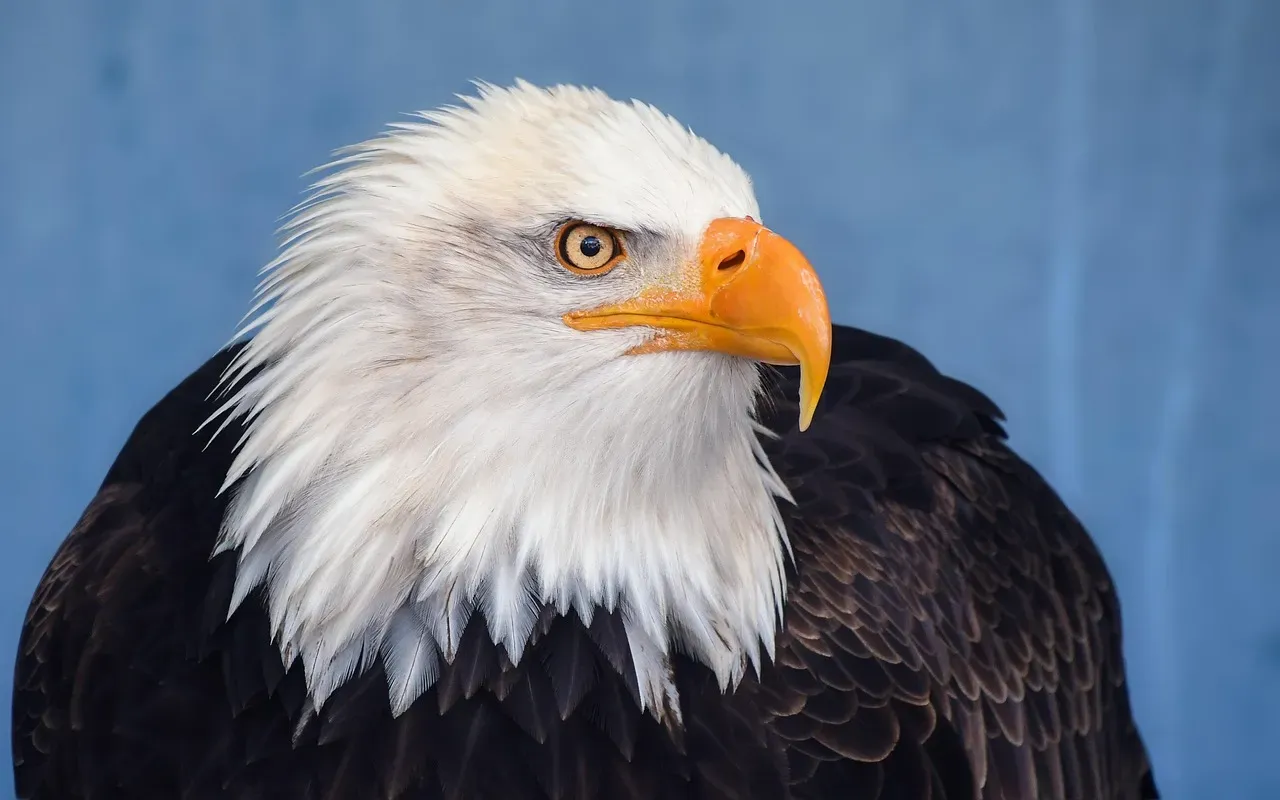
This one surprised me when I first learned about it. Bald eagles are scavengers, and they’re not shy about it. Bald Eagles also eat carrion, or the remains of dead animals. They can be found along roadsides feasting on road-killed deer or elk, on beaches feeding on washed up seals, otters, or whales, and even hanging out at waste dumps and fish-processing plants in the hope of securing an easy meal.
In winter, when live prey is harder to come by, carrion becomes even more important. Carrion can be a significant food source, especially during winter when live prey may be harder to find. They’ll eat dead fish washed ashore, deer carcasses left by hunters, or anything else they stumble upon. During their first year, and until they become proficient hunters, eagles will often feed on carrion, or dead animals. Young eagles especially rely on this while they’re still honing their hunting skills.
They will scavenge carcasses up to the size of whales, though carcasses of ungulates and large fish are seemingly preferred. Imagine an eagle feeding off a beached whale. It’s not the majestic image we usually associate with them, yet it’s a testament to their resourcefulness.
Scavenging isn’t lazy behavior. It’s smart. Why waste energy chasing down live prey when a free meal is sitting right there? Carrion makes an ideal free meal that requires the Bald eagle to expend practically no energy.
They’re Not Above Stealing Food
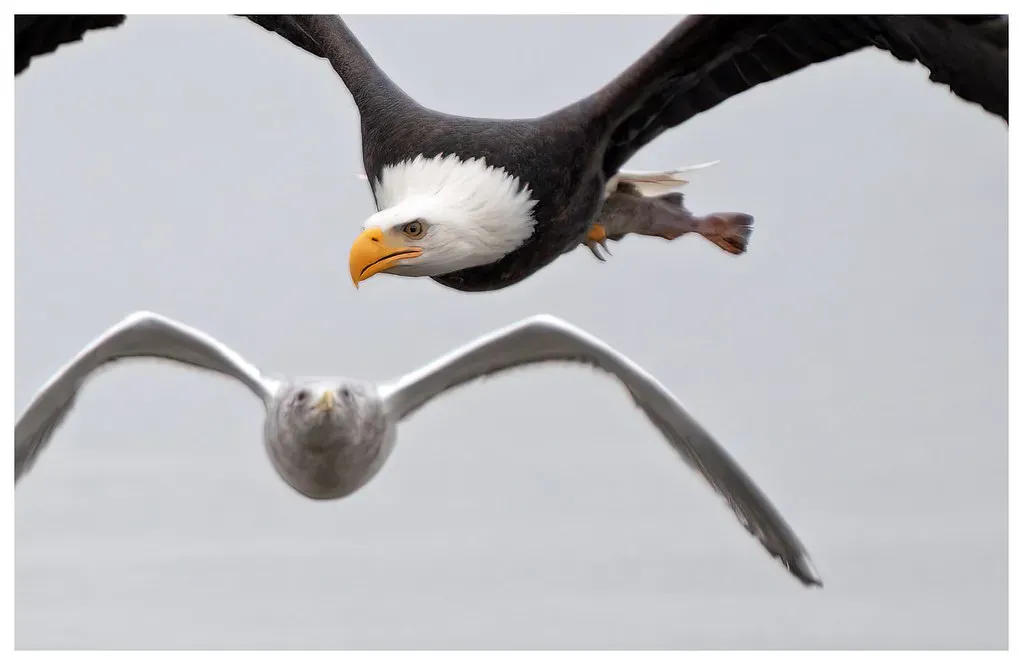
Bald eagles are notorious thieves. Bald eagles eat carrion willingly and are notorious for robbing osprey of their catches. Eagles wait on a favorite perch for an osprey to return to its nest with a fish in its talons for its own young, and then harass the smaller raptor until it is forced to drop its prey for the eagle to retrieve. It’s called kleptoparasitism, and honestly, it’s both fascinating and a little ruthless.
They have been recorded stealing fish from other predators such as ospreys, herons and even otters. They don’t limit themselves to birds, either. If an otter has a nice fish, the eagle might just swoop in and take it. They have also been recorded opportunistically pirating birds from peregrine falcons, prairie dogs from ferruginous hawks and even jackrabbits from golden eagles.
Think about that for a second. A bald eagle stealing prey from a golden eagle. That takes guts, or maybe just opportunism at its finest. Many bald eagles are habitual kleptoparasites, especially in winters when fish are harder to come by.
This behavior isn’t just about being lazy. It’s about survival. When conditions are tough and food is scarce, taking from others can be the difference between life and death. Still, it does add a layer of complexity to how we see these birds. They’re not always the noble hunters we imagine.
Reptiles, Amphibians, and Even Crustaceans
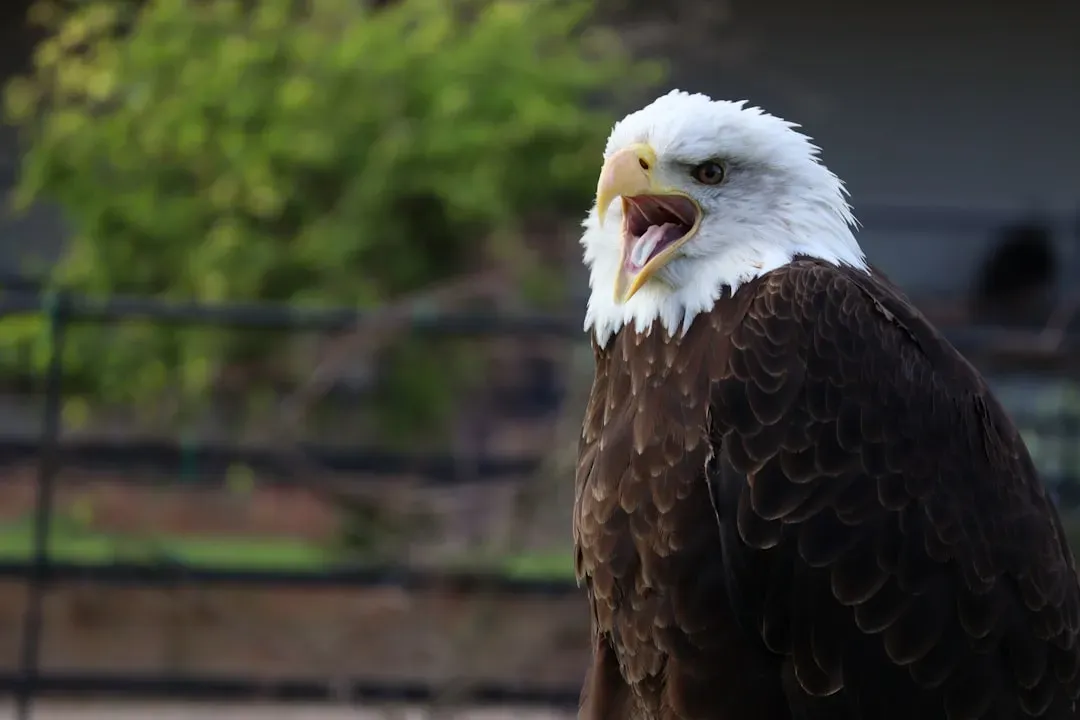
Surprisingly, they may also hunt turtles, snakes, frogs, and crabs. Reptiles and amphibians aren’t a huge part of their diet, but they’re definitely on the table when the opportunity arises. Frogs and other amphibians are a smaller part of the diet, but they are a food source nonetheless. A bald eagle will swoop down and grab a frog with surprising grace.
In some coastal areas, bald eagles have been observed preying on juvenile sea turtles as they make their way to the ocean. The tiny turtles are an easy and plentiful meal, especially right after hatching. It’s a tragic but natural part of the ecosystem. The hatchlings scramble toward the water, and the eagles are waiting.
Snakes are another surprising item. Bald eagles are generally shrewd enough to know what snakes they should or shouldn’t eat. It’d be quite rare for Bald eagles to choose snakes if there are other prey available, though. They’re selective about it, which makes sense. Why risk a venomous bite when there are safer options around?
Even crustaceans like crabs make the list. They especially love to hunt salmon, catfish and herrings, but will even eat crabs and other crustaceans. In coastal habitats, where crabs are plentiful, eagles will take full advantage. It’s another example of how flexible their feeding habits really are.
Conclusion
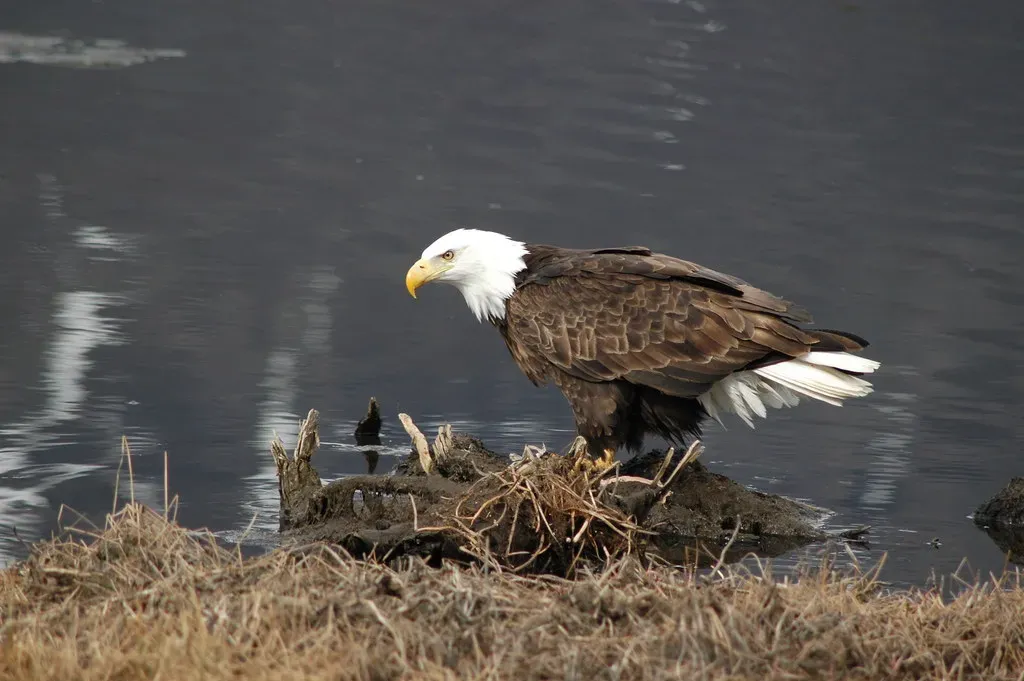
Bald Eagles are opportunist feeders, meaning they will feed on what is most available, and requiring the least amount of energy to acquire it. That simple truth captures everything about their diet. They’re not specialized hunters locked into one food source. They’re adaptable, intelligent, and willing to eat just about anything they can catch, steal, or scavenge.
From fish and mammals to birds, carrion, and even crustaceans, their menu is astonishingly diverse. It’s a reminder that nature doesn’t fit into neat little boxes. These birds are survivors, and their dietary flexibility is a big reason why they’ve made such a remarkable comeback after nearly going extinct.
What surprises you most about what bald eagles eat? Did you expect them to be such opportunistic feeders?
