

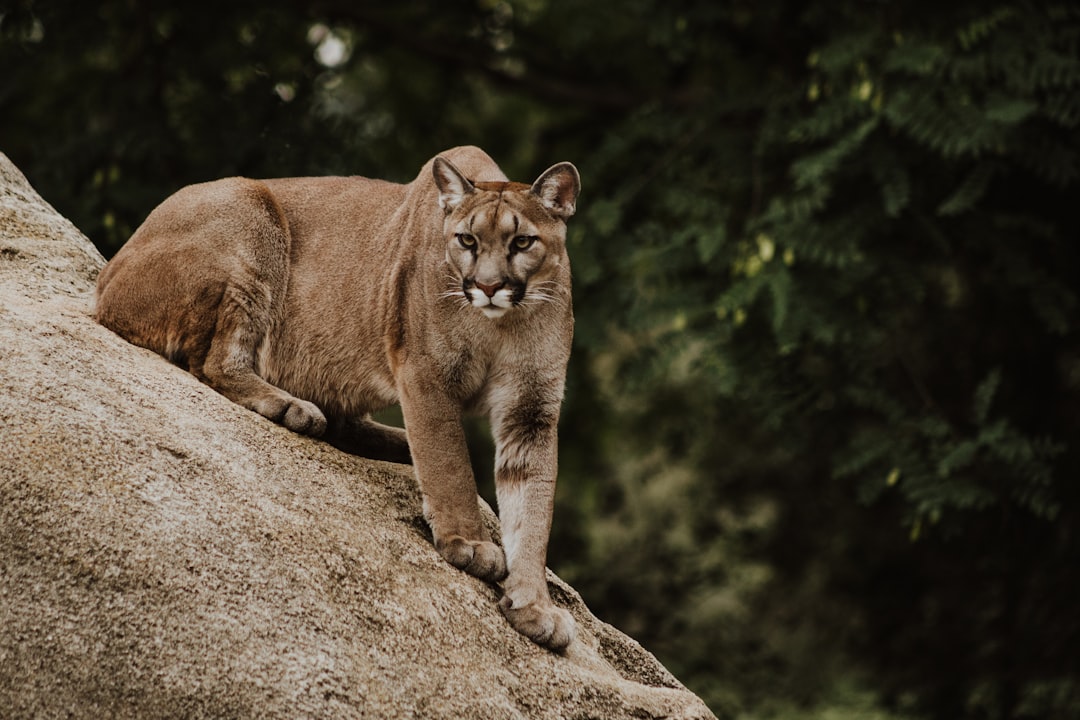
In the quiet rural community of Corral de Tierra, just east of Monterey in Central California, a series of mountain lion attacks on pets and livestock has rattled residents and wildlife officials alike, prompting warnings and safety advice from the California Department of Fish and Wildlife. Over recent weeks, dogs, a miniature horse and goats have been killed in multiple incidents — prompting concern about predator behavior and backyard coexistence in areas where human and mountain lion territories intersect.
While witnesses and residents reported eerie sounds and sightings in the late night hours, experts emphasize that these big cat conflicts are occurring at times when mountain lions are typically active and that many of the targeted animals were not secured at night, highlighting the importance of proper animal management in predator range.
Early Attacks Stir Alarm in Corral de Tierra
The first attack took place on December 21 around 12:30 a.m., when a resident heard movement on their porch and soon after discovered their family dog had been taken. The following night, the same lion reportedly returned — this time taking a goat to the same spot — without consuming either animal, leading locals to believe the predator may be acting out of instinct rather than hunger.
Other community members have seen the large cat lurking in yards and near homes, prompting a mix of fear and fascination as residents capture fleeting glimpses of this apex predator. These close encounters reflect the expanding interface between human habitation and mountain lion habitat in California.
Wildlife Officials Advise Simple Safeguards
The California Department of Fish and Wildlife hasn’t confirmed how many mountain lions are involved in the incidents or if one animal is responsible for all of the attacks. However, department spokesperson Krysten Kellum stressed that the attacks occurred when livestock and pets were left unsecured — a key factor in mountain lion conflict scenarios.
Authorities urge residents to bring pets indoors at night, night-pen livestock in secure enclosures and document all lion encounters through official reporting channels. These basic steps can significantly reduce opportunities for predators to access vulnerable animals.
Reducing Attractants and Hiding Spots
In addition to securing animals, wildlife officials recommend that residents deer-proof their properties to reduce the presence of the mountain lion’s natural prey. Deer attract these big cats, so removing dense vegetation, installing outdoor lighting, and eliminating attractants like unsecured pet food can make an area less appealing to roaming lions.
Such habitat modification strategies mirror coexistence approaches used around the world that involve reducing food attractants and human-lion encounters without resorting to lethal measures. These include structural deterrents and community education about lion behavior.
Nonlethal Deterrence Options
If basic precautions fail, wildlife officials say other measures — such as trapping the animal or using nonlethal projectiles like paint balls or noise devices to haze or scare the predator away — might be considered. However, Kellum emphasized that the situation in Corral de Tierra hasn’t reached a level requiring these more intensive tactics.
Nonlethal deterrence — ranging from motion-activated lighting to livestock guardian dogs — is increasingly recommended by conservationists as a way to protect animals while allowing mountain lions to remain in their native ranges without undue risk of conflict.
Balancing Safety and Wildlife Presence
Mountain lions are natural predators found throughout much of California, and as human developments encroach deeper into wilderness areas, incidents like these are likely to become more common unless proactive steps are taken. Experts note that mountain lions generally prefer wild prey such as deer, but when domestic animals are accessible and unsecured, they can become opportunistic targets.
This intersection of expanding human habitation and big cat habitat raises broader questions about how communities can coexist with apex predators, balancing safety and wildlife preservation as landscapes and ecosystems change.
Coexistence Starts With Preparedness
The recent mountain lion attacks in Corral de Tierra serve as a stark reminder that wildlife doesn’t respect property lines, and that coexistence requires awareness, preparation and respect for nature’s boundaries. Securing pets and livestock at night isn’t just good practice — it’s essential in areas where predators roam.
Rather than viewing mountain lions as unwanted intruders, communities should engage with wildlife agencies and adopt proactive, evidence-based coexistence strategies that protect both people and predators. With thoughtful planning and community cooperation, it is possible to share landscapes with these magnificent cats — but it begins with understanding their behavior and adjusting human practices accordingly.

- Urban Coyotes Show Remarkable Adaptability, Learning to Thrive in City Environments - July 22, 2026
- Beavers Are Nature’s Engineers, Creating Vital Habitats for Other Wildlife Species - July 21, 2026
- The Recovery of the California Condor Offers Hope for Other Critically Endangered Birds - July 21, 2026