
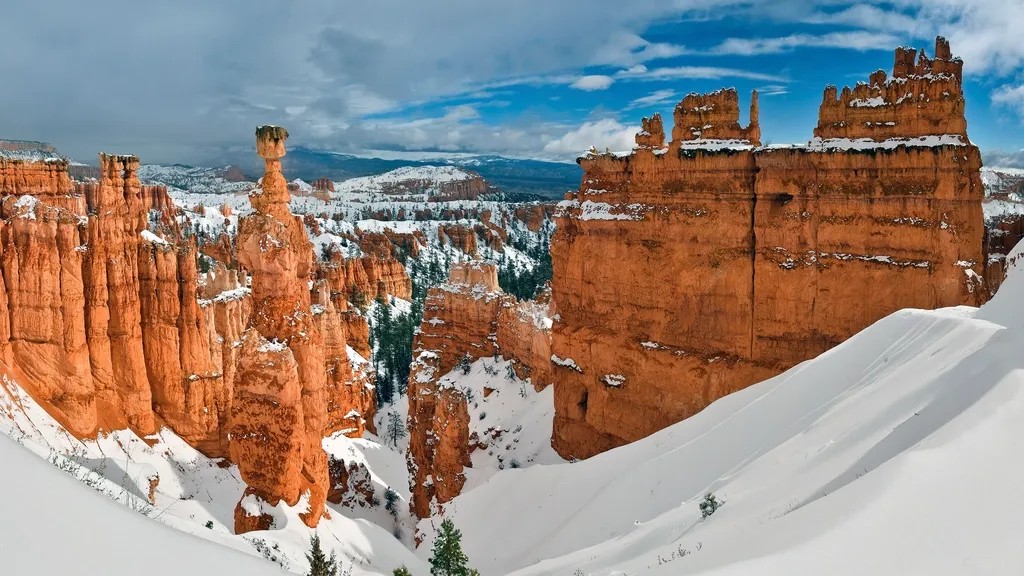
Winter is when many of us think about curling up indoors with a warm blanket and hot cocoa. The cold air and shorter days seem to signal that outdoor adventures should wait until spring. Yet some of the most remarkable trails in the United States reveal their true beauty only when temperatures drop and snow begins to fall. Frozen waterfalls glisten in sunlight, red rock formations contrast dramatically against white drifts, and trails that once felt crowded become peaceful retreats.
Honestly, there’s something magical about stepping onto a trail where your boots crunch through fresh powder and your breath hangs in the crisp air. Winter hiking offers a chance to experience landscapes in their quietest, most intimate state. So let’s dive into seven winter hikes that transform the cold season into a genuine adventure.
Angels Landing at Zion National Park, Utah
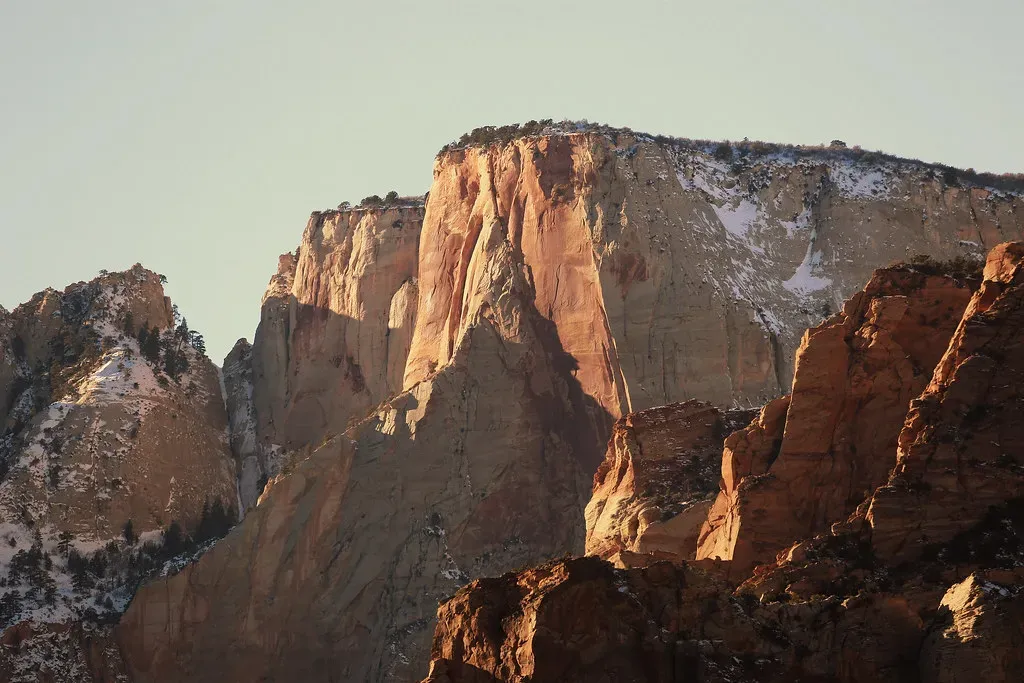
The famous red rock cliffs of Zion look incredible with a dusting of snow, and the winter season means fewer crowds. This trail isn’t for the faint of heart, even in summer. The final stretch requires gripping chains as you scramble along exposed ridges, with sheer drops on either side.
The juxtaposition of bright red rock and crystalline white snow makes this hike unbeatable in the winter, and at the top, you’ll be rewarded with a tunnel-like view of the park and the river tracing its cracks below. Winter conditions do demand extra preparation. Ice can coat the chains and rock surfaces, making traction devices absolutely essential for safety. Still, the solitude you’ll find up there in winter is worth every cautious step.
Navajo Loop and Queens Garden Trail at Bryce Canyon National Park, Utah
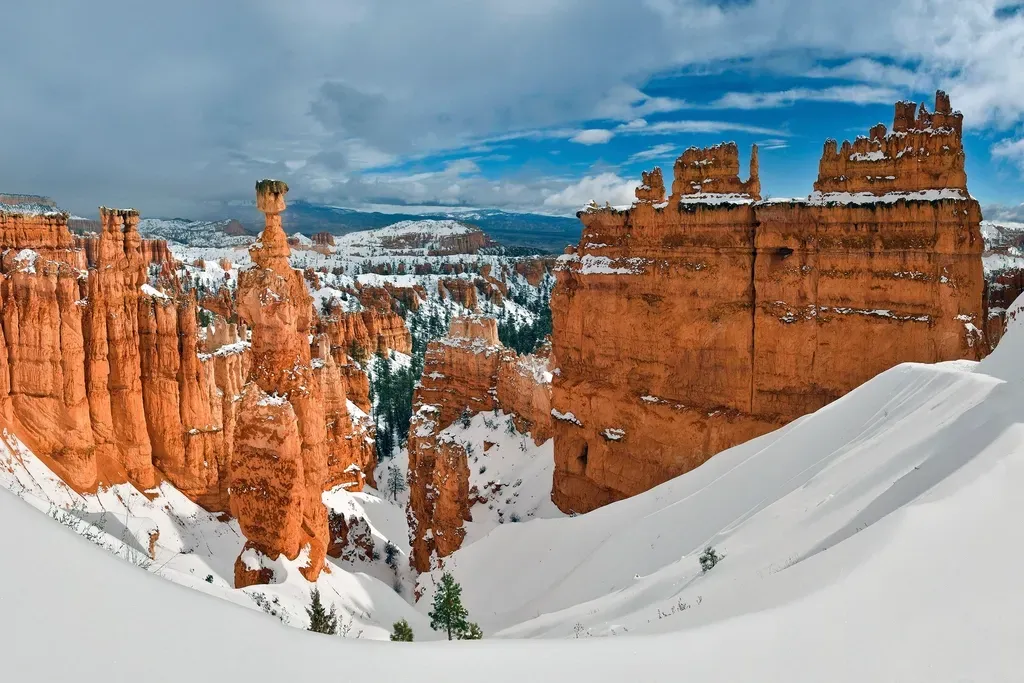
According to AllTrails.com reviews, Bryce Canyon’s Navajo Loop and Queens Garden Trail is the single best hike in the entire United States. Think about that for a moment. Out of thousands of trails across the country, this one tops the list.
In winter, Bryce Canyon’s hoodoos get sprinkled with snow and transformed into something out of a fairy tale, and the trail is named for a hoodoo said to resemble Queen Victoria on her throne. Those towering sandstone spires, already otherworldly in appearance, become even more surreal when frosted with ice and snow. Frost, rather than flowing water, made these geological masterpieces, and each winter’s freeze and thaw cycles chisel a little bit more out of the cliffs. The canyon literally depends on cold weather to maintain its unique beauty. Heavy snow cover on any trail will likely necessitate the use of snowshoes, so come prepared.
Hermit Trail at Grand Canyon National Park, Arizona
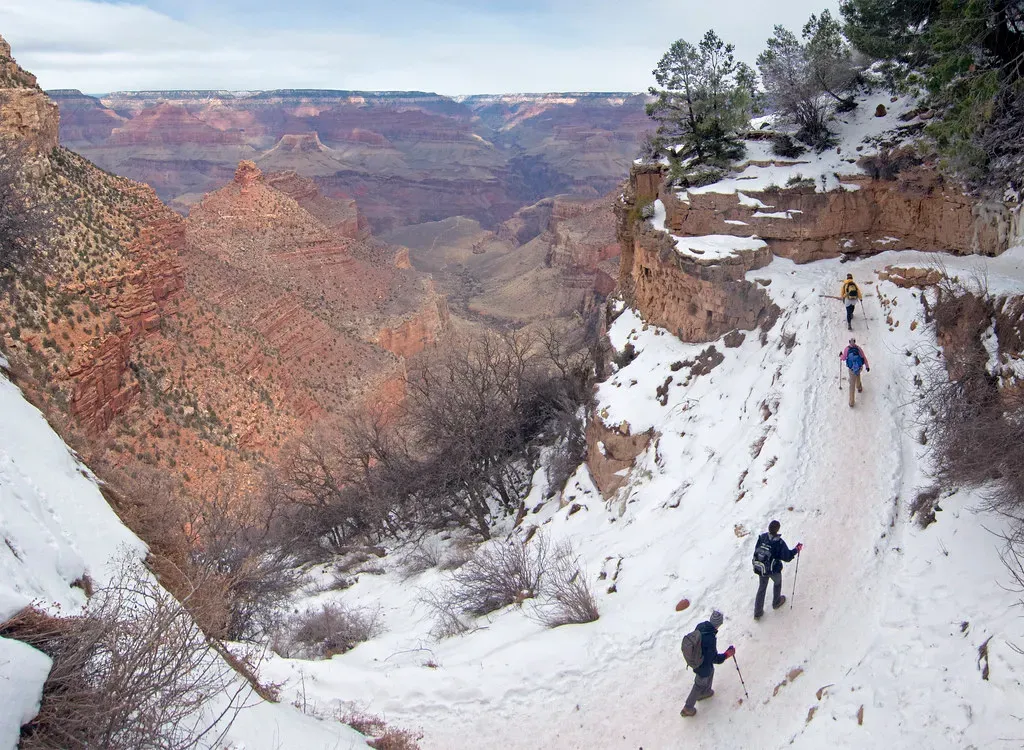
Let’s be real, the Grand Canyon is stunning any time of year. Summer, though, brings oppressive heat and enormous crowds. Winter flips that script entirely.
The steep and spectacular Hermit Trail is generally free of snow and ice, and the South Kaibab Trail offers good choices for winter hiking. Winter arguably is the best time to be in the Grand Canyon, and the strenuous 10-mile hike to the Colorado River features less crowding, cooler air for the climb back up, and snow-dusted cliffs. The trail sits at a lower elevation and catches more sunlight, making winter conditions more manageable than you might expect. You’ll trade summer’s brutal heat for peaceful solitude and crisp, refreshing air. Named after a French Canadian hermit who lived alone in the area during the late 1800s, this trail carries a sense of history and remoteness that feels even more pronounced in winter.
Yosemite Falls Trail at Yosemite National Park, California
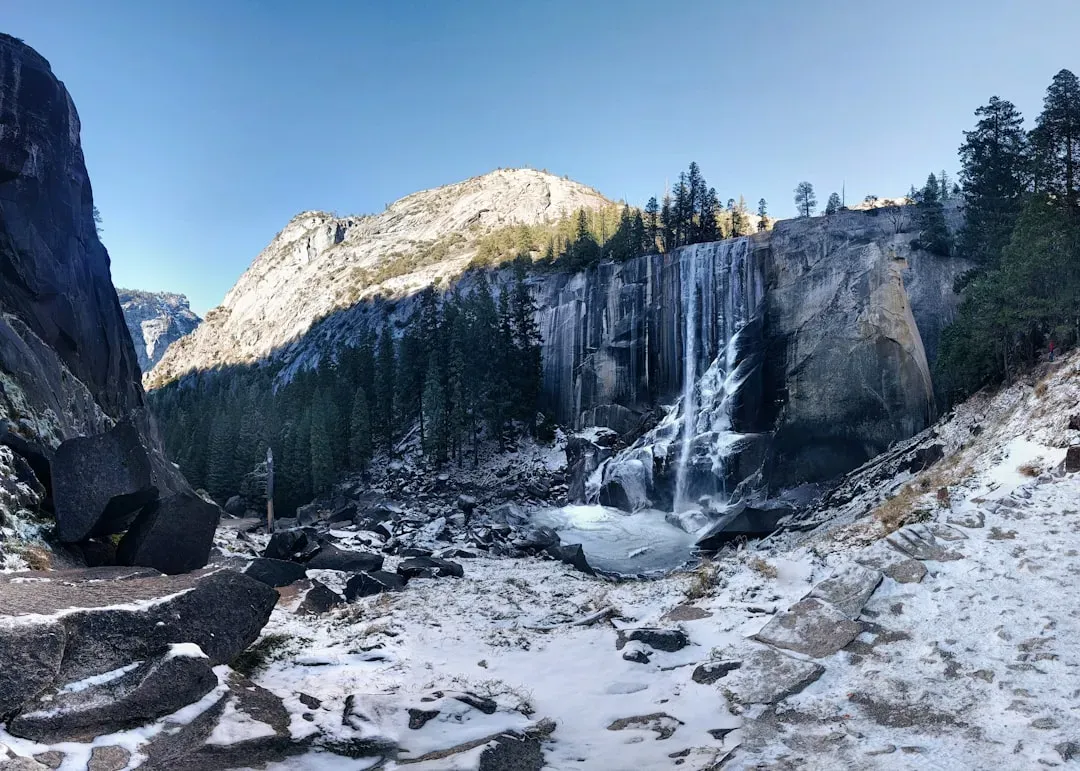
Seeing the iconic Yosemite Falls partially frozen is a winter wonder, and the mist from the falls can freeze on the trail. Imagine standing before one of America’s tallest waterfalls as ice formations cling to the rock face and spray creates shimmering ice sculptures along the path.
This trail demands respect in winter. The freezing mist makes surfaces dangerously slick, requiring trekking poles and microspikes for stability. It’s roughly seven miles round trip with moderate to strenuous difficulty, climbing through snow-laden forests before opening up to those breathtaking frozen cascades. The reward, though? You might have this iconic view nearly to yourself. Summer sees thousands of visitors jostling for photos. Winter offers something far more precious: silence punctuated only by the rush of water and the crunch of snow beneath your boots.
Sky Pond Trail at Rocky Mountain National Park, Colorado
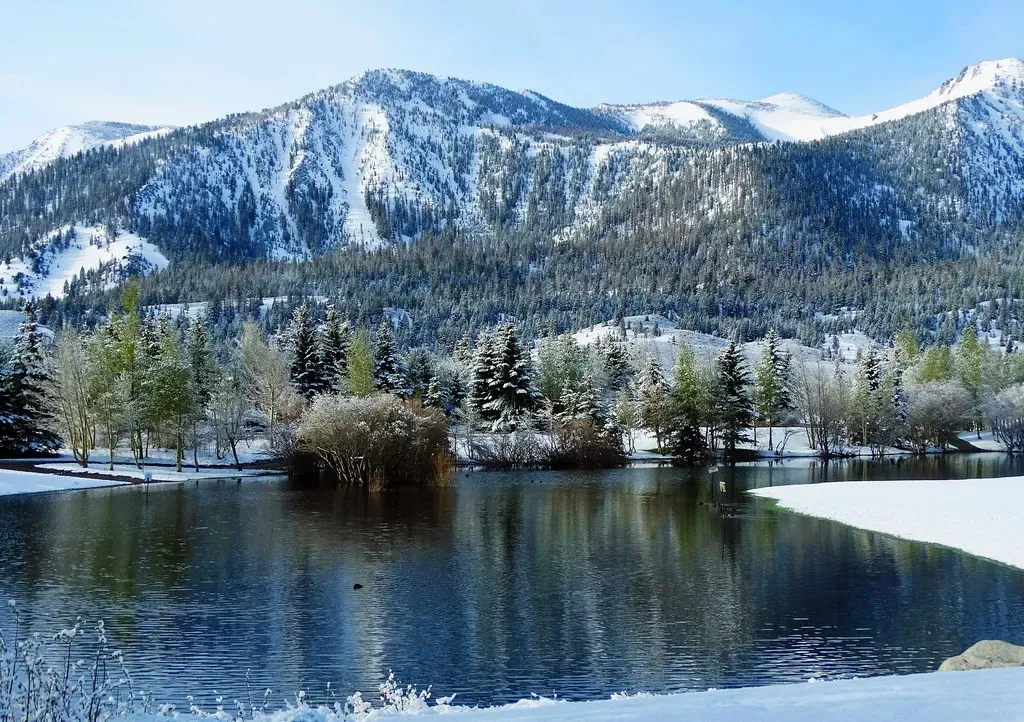
Winter turns the Rockies into something of a snow globe, and the hike to Sky Pond is about nine miles long with an elevation gain of around 1700 feet, winding past frozen waterfalls through spruce forests and glacial geology. This trail truly captures everything magical about winter mountain hiking.
The reward at the trail’s end is an alpine cirque shaped like nature’s amphitheater, a steep three-sided bowl carved into the mountain’s side by a glacier and filled with water after its retreat. Standing at Sky Pond in winter, surrounded by towering snow-covered peaks and frozen waterfalls, feels like stepping into another world entirely. The pristine white landscape stretches in every direction, broken only by dark rock faces and evergreen trees heavy with snow. You’ll definitely need snowshoes or serious traction gear, and an early start is essential since winter days are short at elevation.
Apex Park Enchanted Forest Loop near Golden, Colorado
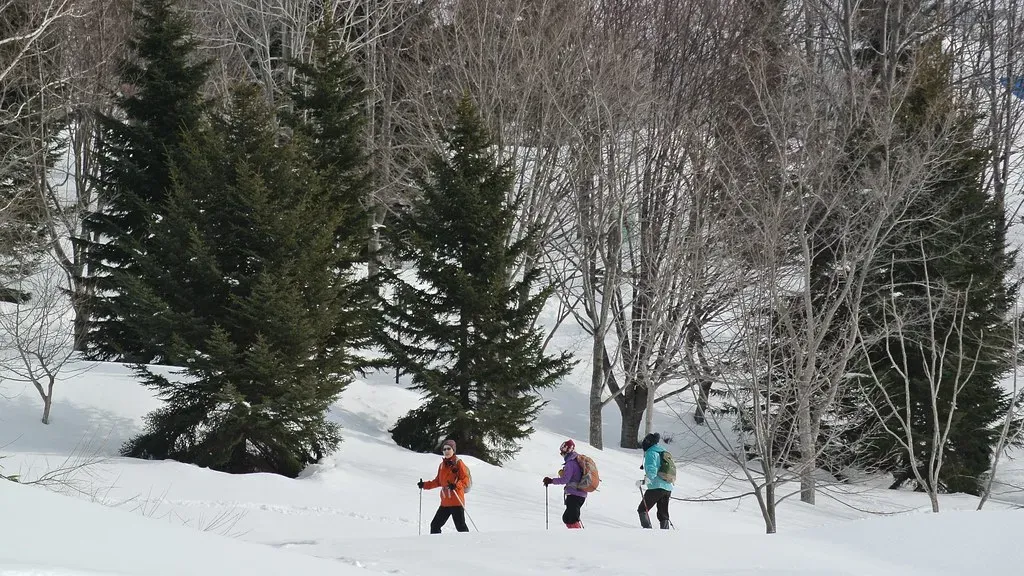
Apex Park, about 30 minutes from Denver, offers a year-round trail system that’s prime for snowshoeing and deer spotting, and to create a 5.5-mile loop, start at the Argos trail then follow the Magic Mountain, Enchanted Forest and Apex trails. The name alone promises something special, right?
This trail delivers on that promise. You don’t have to go too far outside of Denver to slip on a pair of snowshoes and experience an enchanted forest with a trail system prime for snowshoeing and deer spotting. The forest lives up to its name when snow drapes the pines and aspens in white. Wildlife tracks crisscross the trail, and if you’re lucky and quiet, you’ll spot deer moving gracefully through the trees. It’s accessible enough for winter beginners yet beautiful enough to captivate experienced snowshoers. The proximity to Denver makes it perfect for a spontaneous winter adventure when you need to escape the city without committing to a full day’s drive.
Paradise Meadows Trail at Mount Rainier National Park, Washington
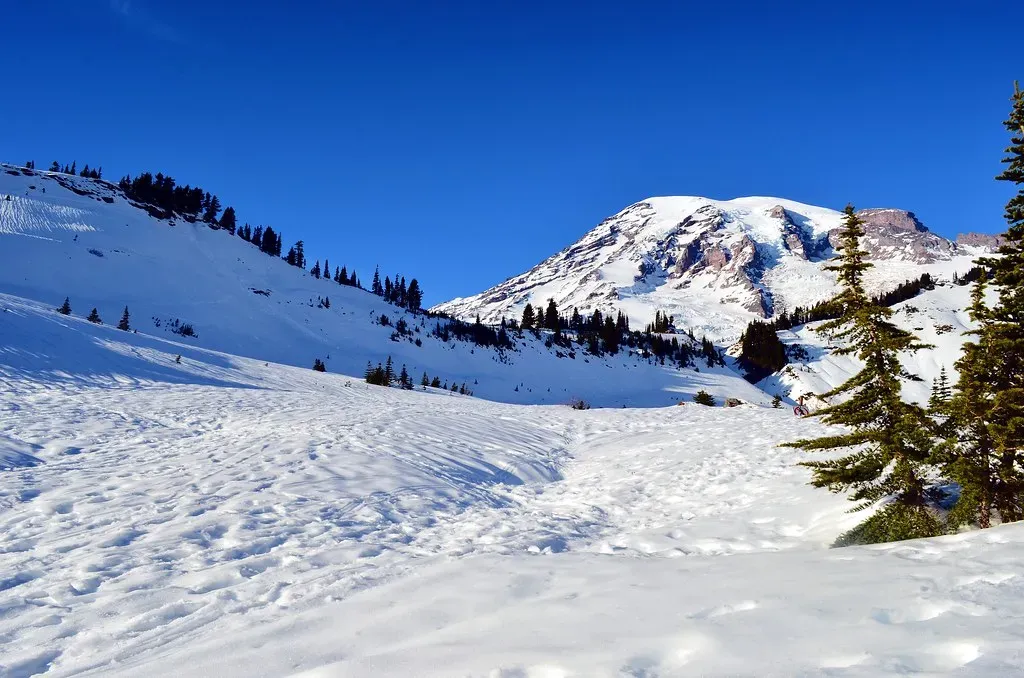
This classic trail offers jaw-dropping views of Mount Rainier, especially stunning in winter when the snow blankets the meadows, and snowshoes or microspikes are a must. Mount Rainier dominates the landscape like few other peaks in North America, rising over 14,000 feet in solitary splendor.
The Paradise area earns its name year-round, receiving massive amounts of snow that transform summer wildflower meadows into pristine white expanses stretching toward the mountain. The roughly five-and-a-half-mile round trip takes you through forests laden with snow before emerging into open meadows where Rainier seems close enough to touch. Avalanche conditions must be checked before heading out since this is serious mountain terrain. When conditions align, though, the combination of deep powder, mountain vistas, and winter silence creates an experience that justifies every bit of effort and preparation. The Pacific Northwest in winter is something special, where storms roll in from the ocean and dump incredible amounts of snow that coat everything in thick, fluffy layers.
Conclusion
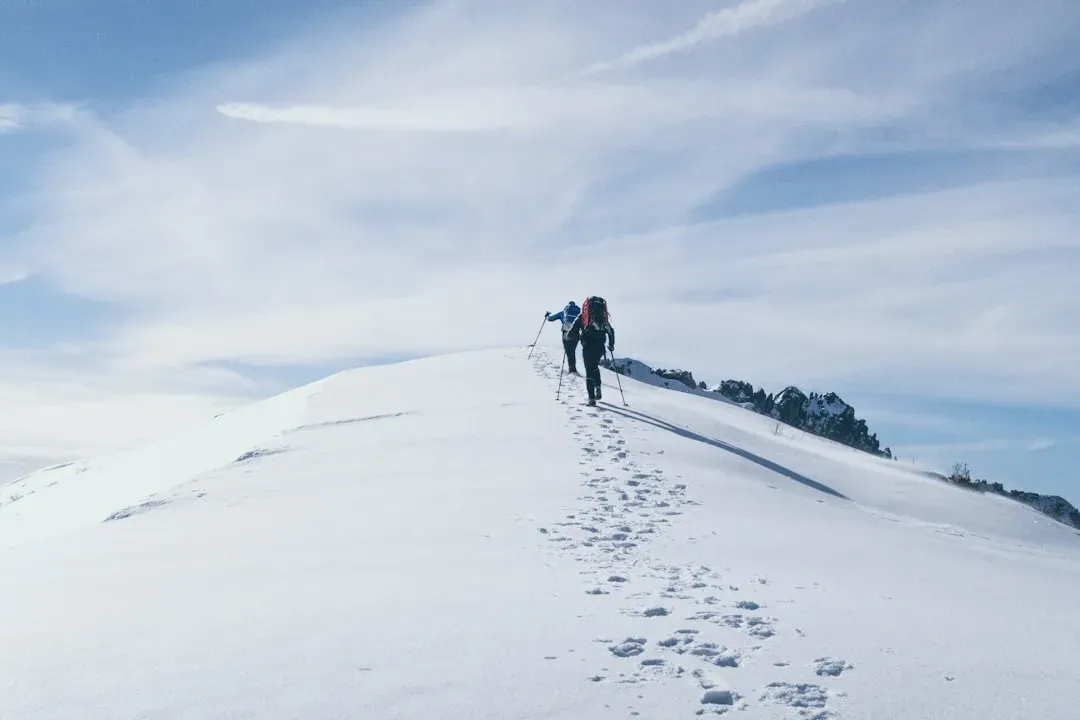
Winter hiking opens up a side of America’s most beautiful trails that many people never experience. The crowds vanish, the air sharpens, and landscapes transform into something almost unrecognizable from their summer selves. From the red rocks of Utah dusted with snow to the alpine bowls of Colorado filled with pristine powder, these seven trails offer winter adventures that rival any summer hike.
Preparation matters more in winter than any other season. Proper gear, including traction devices, layers, and emergency supplies, isn’t optional. Trail conditions can change rapidly, and what looks manageable in photos might be treacherous in reality. Check conditions before you go, start early to maximize daylight, and never hesitate to turn back if something feels off.
Which of these winter hikes would you tackle first? Have you experienced any of these trails in their snowy splendor? Let us know in the comments.
