

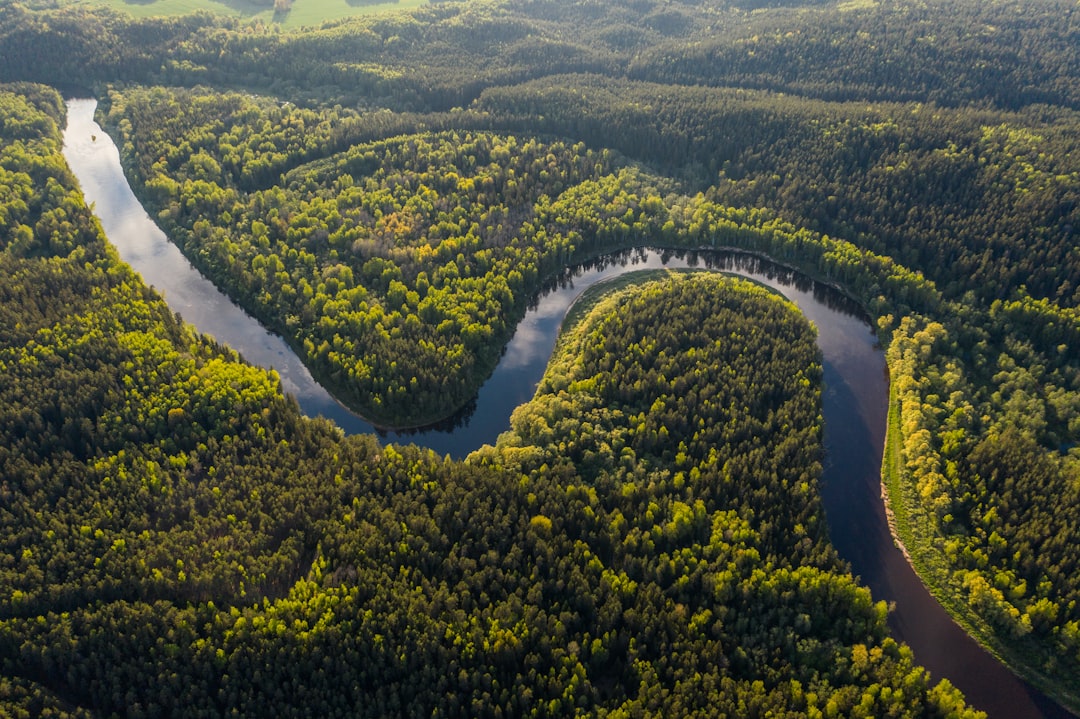

Rapid Transformation of a Remote Outpost (Image Credits: Unsplash)
Mitú, Colombia – As dawn breaks over the Vaupés River, Indigenous residents paddle canoes laden with fresh catch and garden yields toward the bustling hub of Mitú, where the pulse of urban growth now echoes through the once-pristine Colombian Amazon.
Rapid Transformation of a Remote Outpost
The town of Mitú has swelled dramatically in recent years, drawing migrants and entrepreneurs to its borders. This expansion stems from improved access via new roads and air routes, which connect the isolated region to larger markets. Local leaders reported that the population doubled between 2015 and 2025, fueled by opportunities in trade and services. Yet this growth comes at a cost to the surrounding ecosystems, as cleared land for housing and commerce fragments habitats essential for diverse species.
Illegal mining operations have also surged along riverbanks, where prospectors use heavy machinery to extract gold from sediments. Authorities noted a spike in such activities following global price hikes in precious metals. These sites release toxic mercury into waterways, altering aquatic environments that support fish populations vital to the food chain. Conservationists observed that the combined pressures of settlement and extraction have accelerated deforestation rates in Vaupés department by over 30% in the past decade.
Devastating Effects on Wildlife Habitats
Urban sprawl disrupts the migratory paths of species like the jaguar and giant otter, which rely on contiguous forest corridors for survival. As concrete and cleared fields replace dense canopy, these animals face increased human-wildlife conflicts, leading to higher incidences of poaching and road accidents. Biologists documented a decline in bird diversity near expanding settlements, with species such as the harpy eagle retreating deeper into untouched areas.
Illegal mining exacerbates soil erosion and water contamination, directly harming riverine ecosystems. Mercury pollution bioaccumulates in fish, threatening predators like the Amazon river dolphin. Researchers found that affected streams now host fewer invertebrates, the base of the food web. This ripple effect endangers broader biodiversity, as the Amazon’s 10% of global species face compounded risks from habitat loss and pollution.
Indigenous Guardians in the Face of Change
Communities along the Vaupés River, including the Huitoto and Desana peoples, have long stewarded the land through sustainable practices. They harvest selectively from gardens and rivers, maintaining balance with wildlife. However, influxes of outsiders strain these traditions, as competition for resources leads to overfishing and encroachment on sacred sites. Elders shared accounts of diminished fish stocks, once abundant enough to sustain families year-round.
Efforts by Indigenous groups to monitor illegal activities have intensified, with patrols using traditional knowledge alongside modern tools like GPS. Partnerships with NGOs have established community-led reserves, protecting key habitats from further incursion. Still, armed groups involved in mining and other illicit trades pose security challenges, limiting the reach of these initiatives.
Government Responses and Regional Bans
Colombian officials implemented a nationwide ban on new oil and large-scale mining projects in the Amazon biome in late 2025, covering 42% of the country’s territory. This policy aims to curb environmental degradation by prioritizing renewable resources over extractive industries. Enforcement teams dismantled several illegal mining camps near Mitú, though underground operations persist. The environment ministry highlighted the need for international cooperation, given that Colombia holds just 7% of the Amazon basin.
Urban planning measures now include zoning laws to limit sprawl into protected areas. Reforestation programs have planted thousands of native trees along river edges to restore buffers against erosion. Despite these steps, experts warn that sustained funding and community involvement remain crucial to counter ongoing threats from organized crime networks exploiting the region’s vulnerabilities.
- Deforestation driven by cattle ranching and illicit crops fragments wildlife corridors.
- Mercury from mining contaminates rivers, affecting aquatic species and human health.
- Armed groups control smuggling routes, hindering conservation patrols.
- Indigenous knowledge aids in sustainable monitoring but faces external pressures.
- Bans on new projects offer hope, yet enforcement gaps allow illegal activities to continue.
Key Takeaways
- Urban expansion in places like Mitú has doubled populations, pressuring habitats.
- Illegal mining pollutes waterways, endangering species like river dolphins.
- Government bans signal commitment, but regional collaboration is essential for lasting protection.
The Colombian Amazon stands at a crossroads, where human ambition clashes with the imperatives of biodiversity preservation. Protecting this vital lung of the planet requires unified action from local communities, national authorities, and global partners. What steps do you believe are most urgent for safeguarding these irreplaceable ecosystems? Share your thoughts in the comments.

- Urban Coyotes Show Remarkable Adaptability, Learning to Thrive in City Environments - July 22, 2026
- Beavers Are Nature’s Engineers, Creating Vital Habitats for Other Wildlife Species - July 21, 2026
- The Recovery of the California Condor Offers Hope for Other Critically Endangered Birds - July 21, 2026