
Have you ever stopped to think about what’s really happening when you bite into an apple or sip your morning coffee? While we often credit farmers, rain, and sunshine for our meals, there’s an army of tiny workers out there that most of us barely notice. They don’t ask for much. They don’t demand wages or time off. Yet they’re absolutely critical to keeping food on our tables.
Bees. Let’s be real, without them, our grocery stores would look pretty empty. These small, buzzing insects do far more than produce honey. They’re the backbone of ecosystems around the world, quietly keeping our planet functioning in ways we often take for granted.
The Hidden Heroes Behind Your Grocery List
Here’s something that might surprise you. Scientists estimate that one out of every three bites of food we eat exists because of animal pollinators like bees. Think about that for a second. Nearly a third of your meals wouldn’t exist without these creatures flying from flower to flower.
Three fourths of the world’s flowering plants and about 35 percent of the world’s food crops depend on animal pollinators to reproduce. That’s a staggering number. According to the United Nations Environment Programme, of the 100 crop varieties that provide 90 percent of the world’s food, 71 are pollinated by bees.
We’re talking about fruits, nuts, vegetables, and even crops like coffee and cocoa. Bee pollination improves the quality and quantity of fruits, nuts, and oils. So the next time you’re enjoying chocolate or almonds, remember there’s a good chance a bee made that possible.
It’s hard to say for sure, but many experts argue the economic value bees bring to agriculture is enormous. Domesticated and native bees provide economic services valued in excess of ten billion dollars in the U.S. annually. Imagine what happens if that service disappears.
More Than Just Honeybees Are Doing the Work
When people think about bees, honeybees usually come to mind. It makes sense since they’re the ones we see buzzing around beehives and producing honey. Yet there’s a whole world of native bees out there doing the heavy lifting.
More than 3,500 species of native bees help increase crop yields. These wild bees are incredibly diverse, from tiny solitary species that nest in the ground to larger carpenter bees. Many of them are more efficient pollinators than honeybees for certain crops.
Native bees are estimated to pollinate 80 percent of flowering plants around the world. That’s the vast majority of plant reproduction happening thanks to these lesser known species. They’ve been doing this long before humans started farming, and they continue to play an irreplaceable role in natural ecosystems.
Honestly, it’s easy to overlook them. They don’t produce honey or live in organized hives that we can easily see. Still, their work is essential, both for wild landscapes and agricultural fields.
Pesticides Are Creating a Toxic Environment for Bees
If bees are so important, you’d think we’d be doing everything we can to protect them. Sadly, that’s not always the case. Bee populations have been declining globally over recent decades due to habitat loss, intensive farming practices, changes in weather patterns and the excessive use of agrochemicals such as pesticides.
One group of chemicals is especially troubling. The pesticides linked to pollinator declines are a group of nicotine based systemic insecticides called neonicotinoids. These are among the most widely used insecticides in the world. The problem is they don’t just kill pests; they harm bees too.
The increase in neonicotinoid and pyrethroid use is a major driver of changes in occupancy across hundreds of wild bee species. Research has shown that in some areas, bee populations have declined some 43 percent in areas with high pesticide use. That’s nearly half of the bee population wiped out where these chemicals are heavily applied.
Scientists have found that exposure to pesticides can impair honeybees’ ability to navigate, bumblebees’ ability to reproduce and solitary bees’ ability to reproduce any young at all. Even when bees don’t die immediately, the chemicals weaken them, making it harder to find food, return to their nests, or produce the next generation. It’s a slow but devastating impact.
Climate Change Is Making Life Harder for Bees
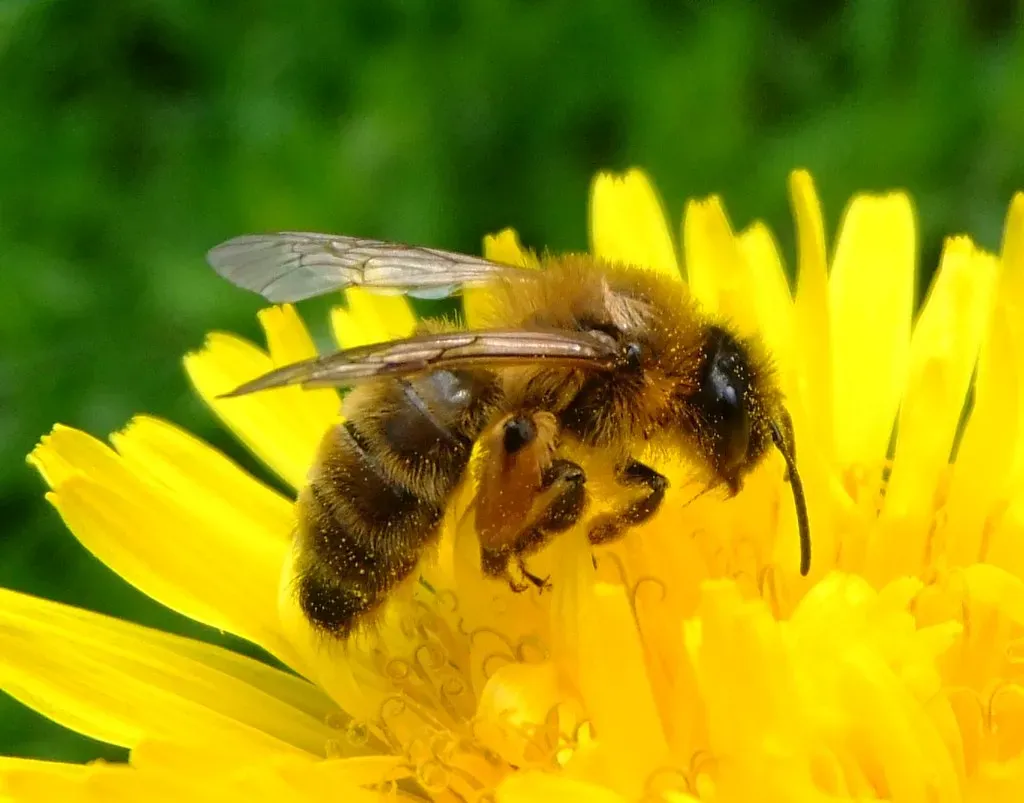
Pesticides aren’t the only threat bees face. The climate is changing, and bees are struggling to adapt. The western bumble bee was once common in western North America, but increasing temperatures, drought, and pesticide use have contributed to a 57 percent decline in the occurrence of this species in its historical range.
Rising temperatures affect when plants bloom and when bees emerge from hibernation. If the timing gets out of sync, bees might wake up to find no flowers available, and plants might bloom with no pollinators around. That mismatch can be catastrophic for both.
Droughts also reduce the number of flowering plants, which means less food for bees. Pesticide exposed and resource deprived female bees delayed the onset of nesting by 3.6 days and spent five fewer days nesting than unexposed bees. When you combine food scarcity with exposure to toxins, the stress on bee populations multiplies.
It’s not just one problem; it’s a combination of stressors hitting bees from multiple directions. These individual causes are bad enough for bees, and there is evidence to show that they work in combination, weakening bees and other pollinating insects. A hungry bee exposed to pesticides and poor weather and afflicted with pests and diseases is unlikely to survive for long.
What Happens If We Lose the Bees?
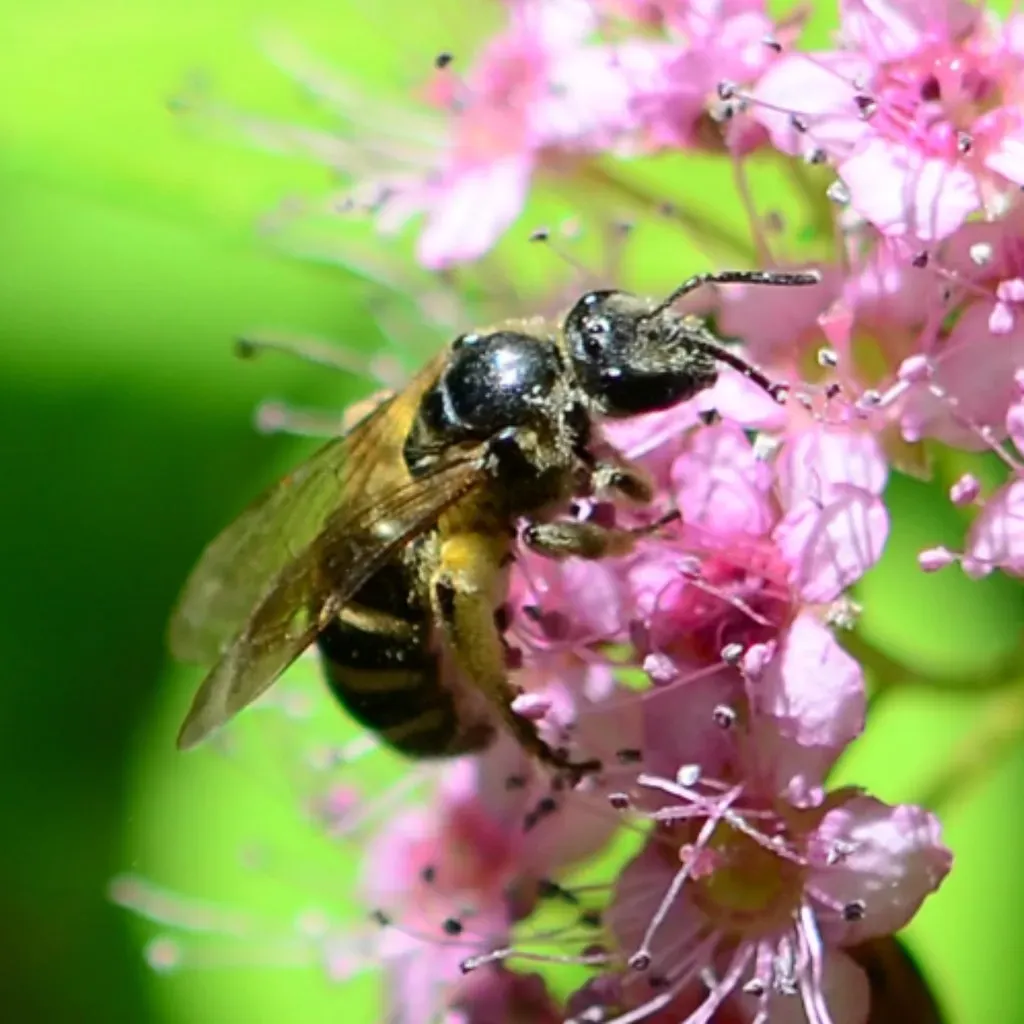
Let’s imagine for a moment what a world without bees might look like. It’s not a pretty picture. Currently, 5 to 8 percent of all global crop production would be lost without the pollination services provided by bees, necessitating changes in the human diet and the expansion of agricultural lands to resolve shortfalls in crop production.
Sure, staples like wheat, rice, and corn are mostly wind pollinated, so they’d survive. Yet many of the foods that make our diets diverse and nutritious would vanish or become extremely expensive. If the trend continues, vitamin rich crops such as fruits, nuts and many vegetables will be replaced by staples such as rice and potatoes.
Our diets would become monotonous, less healthy, and far less enjoyable. Coffee lovers would be devastated. Chocolate would become a rare luxury. Apples, almonds, blueberries, and countless other favorites would either disappear from store shelves or become unaffordable for most people.
Beyond human food, wild ecosystems would collapse without bees. Nearly 90 percent of the world’s wild flowering plant species depend, entirely, or at least in part, on animal pollination. If those plants can’t reproduce, entire food webs that rely on them would unravel. Animals that eat those plants would starve, predators would lose their prey, and biodiversity would plummet.
We Can Still Turn Things Around
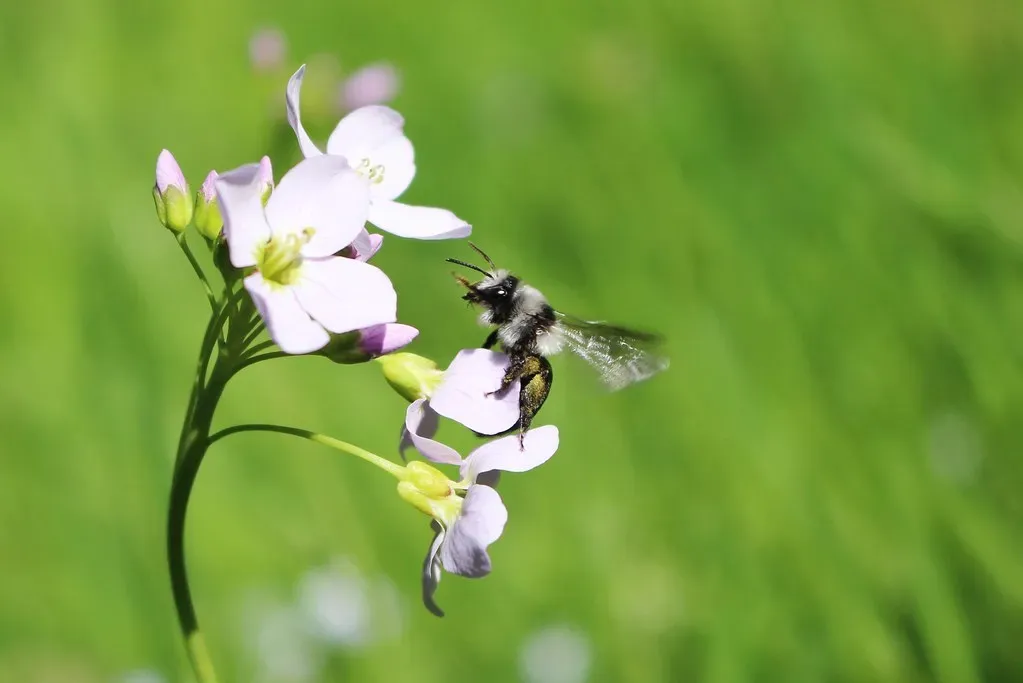
The good news is we’re not powerless. There are things we can do, both individually and collectively, to help bees thrive again. Bee populations have been declining globally over recent decades, but that doesn’t mean the decline is irreversible.
Reducing pesticide use is one of the most effective steps. Scientists suggest that reducing pesticide use may help conservation of these important pollinators. Farmers can adopt integrated pest management practices that rely less on harmful chemicals and more on natural predators and crop rotation.
Homeowners can help too. Plant native flowers that bloom at different times of the year to provide food throughout the growing season. Avoid using pesticides in gardens, especially when plants are flowering. Even small patches of wildflowers in urban areas can make a difference.
Protecting and restoring habitats is equally important. Bees need places to nest and forage. Preserving meadows, hedgerows, and natural areas gives them the resources they need to survive. Supporting policies that protect wild spaces and promote sustainable farming practices can have a ripple effect far beyond our backyards.
Conclusion: Bees Are the Invisible Thread Holding It All Together
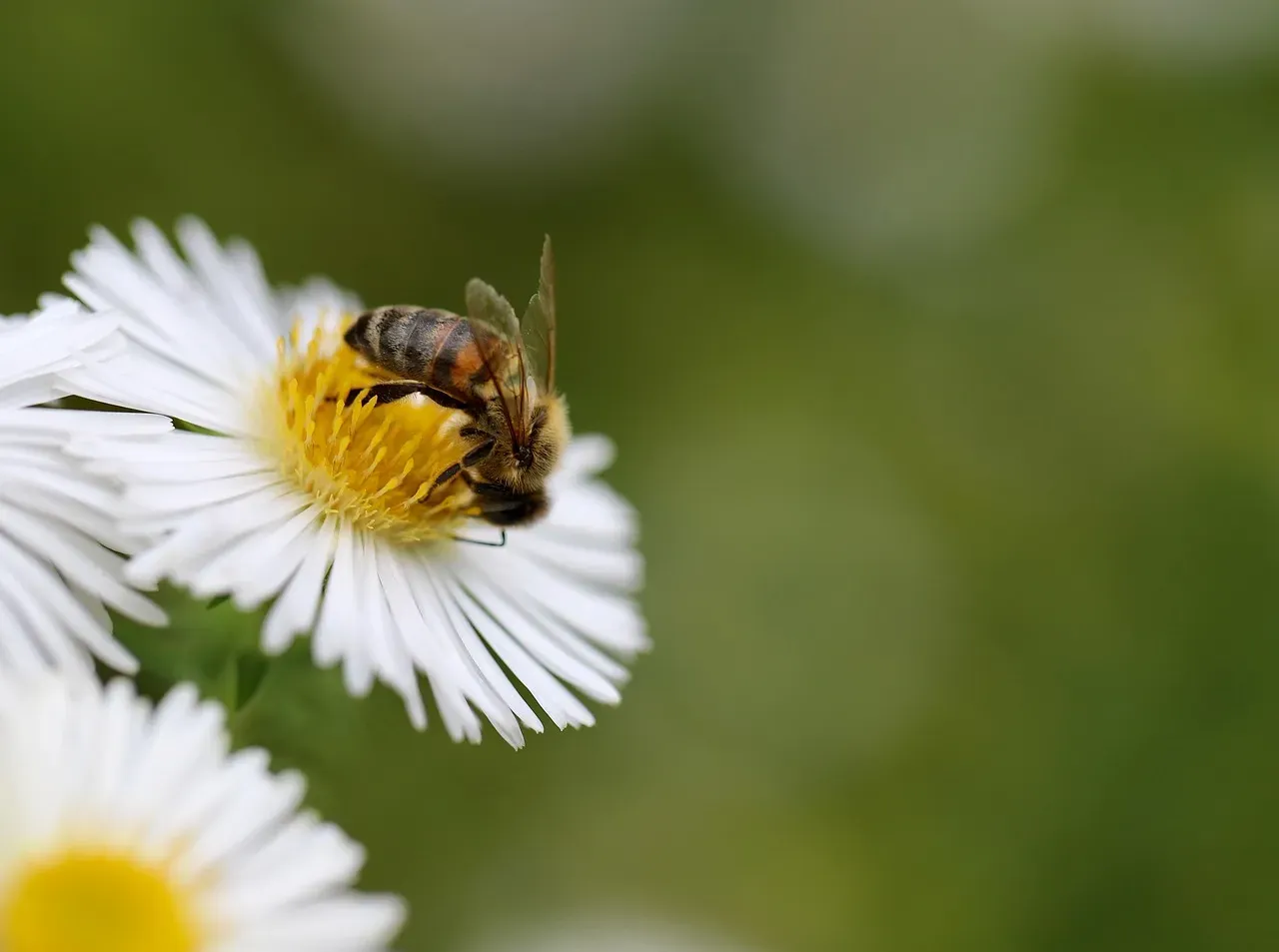
Bees are more than just insects. They’re a vital part of the natural world that connects plants, animals, and humans in ways we’re only beginning to fully understand. They don’t make headlines often, yet their work is fundamental to life on Earth.
We’ve taken them for granted for too long. Now, as their populations decline, we’re starting to see the cracks in the system. Food security, biodiversity, and ecosystem health all depend on these tiny winged workers continuing to do what they’ve done for millions of years.
The future of bees, and by extension our own future, depends on the choices we make today. Supporting sustainable agriculture, reducing pesticide use, and preserving natural habitats are steps we can all take. What would the world look like without the hum of bees in the background? Let’s make sure we never have to find out.
