

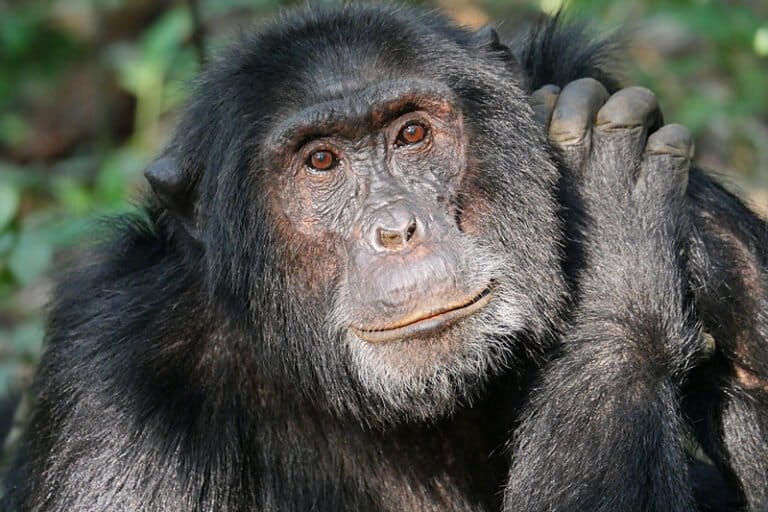

Revealing the Extent of International Primate Trade (Image Credits: Imgs.mongabay.com)
Africa – A comprehensive analysis of wildlife trade data has uncovered the extensive international movement of thousands of primates across the continent’s borders over the past two decades.
Revealing the Extent of International Primate Trade
Researchers examined records from the Convention on International Trade in Endangered Species of Wild Fauna and Flora, known as CITES, to track transactions spanning from 2000 to 2023. The findings indicated that over 6,000 African primates changed hands in legal international trade across 50 countries during this period. This volume highlighted a persistent demand for these animals despite international protections. The report, released recently, emphasized how such activities continue to strain already vulnerable populations in their natural habitats.
Trade volumes fluctuated year by year, with peaks corresponding to shifts in global markets and enforcement efforts. While CITES permits aimed to regulate these exchanges, the data suggested gaps in oversight that allowed significant numbers to enter commerce. Experts noted that even permitted trade could inadvertently fuel illegal networks if not monitored closely. The involvement of 50 nations underscored the truly global nature of this issue, pulling in countries from Europe to Asia.
Chimpanzees and Gorillas Top the Traded Species List
Among the primates documented in the trade, endangered chimpanzees emerged as one of the most frequently recorded species. These intelligent animals, native to forests across central and west Africa, appeared in transactions numbering in the hundreds over the 23-year span. Closely following were critically endangered western gorillas, whose populations have dwindled due to habitat loss and poaching pressures. Both species ranked within the top 10 most-traded African primates, according to the CITES database.
The prominence of these great apes in trade records raised immediate alarms among conservationists. Chimpanzees, with their complex social structures, suffered particularly from captures that disrupted family groups. Gorillas, larger and more solitary, faced similar risks, with each individual removal impacting genetic diversity. Other species in the top traded list included various monkeys, but the inclusion of these highly threatened apes pointed to a deeper crisis in enforcement.
Understanding the Drivers of Primate Exploitation
Demand for African primates stemmed from multiple sources, including the pet trade, where young animals fetched high prices in exotic markets. Trophy hunting also contributed, with hunters seeking permits for mounted specimens or body parts. In some regions, primates ended up in research facilities or entertainment venues, further complicating ethical considerations. The report detailed how economic incentives in source countries sometimes overshadowed conservation priorities.
Illegal bushmeat trade indirectly exacerbated the issue, as poachers targeted adults while capturing infants for sale. Weak border controls and corruption in transit points allowed shipments to slip through undetected. International buyers, often in wealthier nations, drove much of the commerce, creating a supply chain that spanned continents. Addressing these drivers required coordinated action beyond mere trade bans.
Conservation Implications and Global Responses
The report’s data painted a sobering picture for primate survival in Africa, where habitat fragmentation already posed severe threats. Populations of traded species declined markedly in high-export areas, according to parallel studies. CITES parties responded by tightening quotas and enhancing monitoring, yet implementation varied widely. Collaborative efforts between African governments and international organizations gained momentum in recent years.
Success stories emerged in protected areas where anti-poaching patrols reduced captures. Community-based initiatives educated locals on the long-term value of wildlife tourism over short-term gains from trade. Still, the overall trend demanded urgent scaling of these measures to prevent irreversible losses.
- Strengthen CITES enforcement through digital tracking systems.
- Invest in habitat restoration to bolster wild populations.
- Promote alternatives like sustainable ecotourism to reduce demand for live animals.
- Enhance international cooperation to dismantle smuggling routes.
- Support local communities with economic incentives for conservation.
Key Takeaways
- Over 6,000 African primates traded internationally from 2000-2023, per CITES data.
- Chimpanzees and western gorillas rank among the top 10 most-traded species.
- Trade as pets, trophies, and for research continues to threaten endangered populations.
As the report from Mongabay illustrates, curbing primate trade demands global vigilance to safeguard Africa’s biodiversity legacy. With species like chimpanzees and gorillas teetering on the edge, immediate action could turn the tide before losses become permanent. What steps do you believe are most crucial for protecting these primates? Share your thoughts in the comments.

- Urban Coyotes Show Remarkable Adaptability, Learning to Thrive in City Environments - July 22, 2026
- Beavers Are Nature’s Engineers, Creating Vital Habitats for Other Wildlife Species - July 21, 2026
- The Recovery of the California Condor Offers Hope for Other Critically Endangered Birds - July 21, 2026