

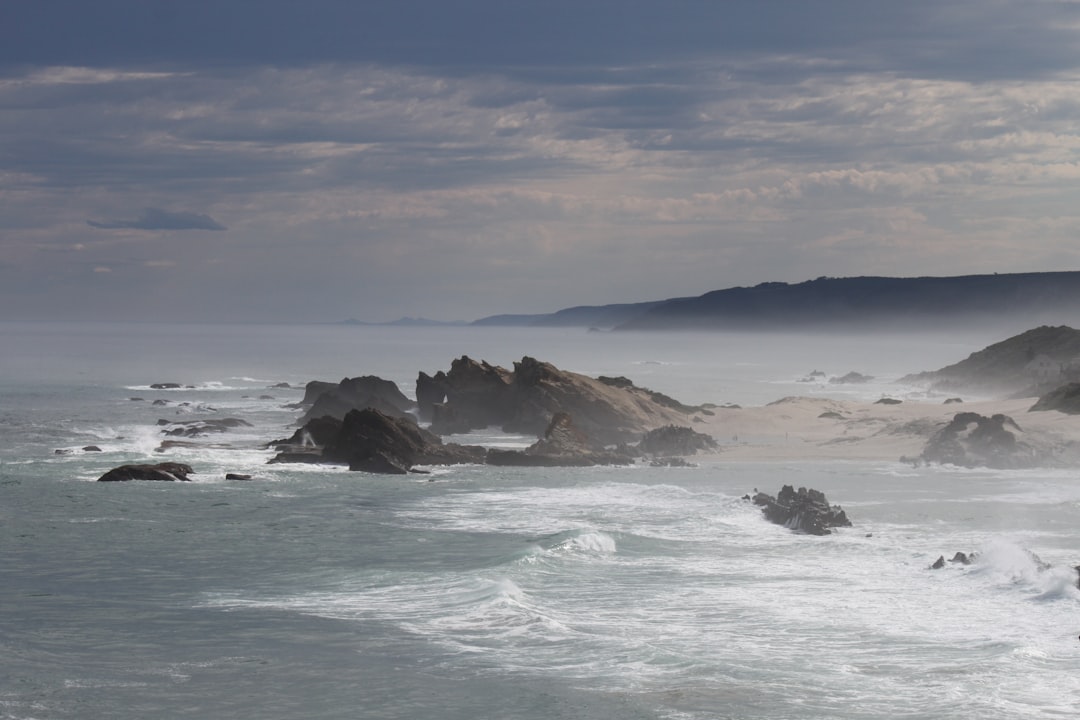

A Year of Accelerated Progress (Image Credits: Unsplash)
Global efforts to safeguard the world’s oceans reached a significant milestone in 2025, as nations expanded marine protected areas in a concerted push toward the ambitious 30% conservation target set for 2030.
A Year of Accelerated Progress
The year 2025 witnessed the most substantial annual increase in marine protected areas in nearly a decade, with coverage rising from 8.2% at the start to 9.9% by year’s end. This surge reflected renewed international commitment following the 2022 pledge by nearly 200 countries to protect 30% of Earth’s lands and waters by 2030. Data from the World Database on Protected Areas highlighted this 1.7 percentage point jump, driven by designations across multiple ocean basins. Environmental organizations noted that such momentum could signal a turning point in combating biodiversity loss and climate impacts. However, experts emphasized that sustained action remains essential to bridge the remaining gap.
Key drivers included collaborative initiatives between governments and conservation groups, which focused on high-biodiversity regions vulnerable to overfishing and pollution. The expansion not only preserved habitats for marine species but also supported coastal communities reliant on healthy ecosystems. As tracking improved through updated databases, the true extent of these protections became clearer, inspiring further global coordination.
Major Expansions Across Ocean Basins
One of the standout achievements came from French Polynesia, where authorities established the world’s largest marine protected area, encompassing vast swaths of the Pacific Ocean. This initiative alone contributed significantly to the year’s total growth, banning destructive activities like deep-sea mining and overfishing in nearly 5 million square kilometers. Similar efforts unfolded in the Atlantic and Indian Oceans, where new reserves protected critical migration routes for species such as whales and sea turtles. In the Philippines, the Panaon Island Seascape gained full protection status, enhancing local biodiversity and sustainable fishing practices.
These developments built on prior commitments, with countries like Ecuador and Costa Rica extending reserves around iconic sites such as the Galapagos Islands. The expansions prioritized areas with high ecological value, ensuring that protections aligned with scientific recommendations for effective conservation. Overall, the Pacific led the charge, accounting for a large portion of the added coverage through national and regional agreements.
Challenges and Funding Shortfalls
Despite the progress, the global marine protection effort faced persistent hurdles, including a critical funding gap that threatened long-term success. Reports indicated that only about $1.2 billion annually supported ocean conservation, far short of the $15.8 billion needed to meet the 30×30 target. This shortfall, representing less than 1% of worldwide defense budgets, underscored the need for increased financial commitments from governments and philanthropists. Enforcement in remote areas also posed difficulties, with illegal fishing continuing to undermine new designations.
Conservation advocates called for innovative financing mechanisms, such as blue bonds and public-private partnerships, to accelerate implementation. The upcoming UN Ocean Conference highlighted these issues, urging nations to prioritize ocean health in climate strategies. While 2025’s gains offered hope, experts warned that without addressing these barriers, the 2030 goal could slip further out of reach.
Key Achievements in Numbers
To illustrate the scope of 2025’s advancements, consider the following highlights from major initiatives:
- French Polynesia’s MPA: Nearly 5 million square kilometers protected, the largest single designation globally.
- Pacific Ocean expansions: Contributed over 50% of the year’s total increase through multiple national efforts.
- Philippines’ Panaon Island: Added fully protected zones for coral reefs and mangroves, benefiting local fisheries.
- Atlantic and Indian Ocean reserves: Safeguarded migration corridors for endangered marine mammals.
- Global total: Coverage reached 9.9%, up from 8.2% at the beginning of the year.
These milestones not only boosted protected area percentages but also integrated management plans to ensure ecological integrity.
Key Takeaways
- 2025 marked the largest yearly increase in marine protections in a decade, reaching 9.9% global coverage.
- Major wins included the world’s biggest MPA in the Pacific and expansions in high-biodiversity hotspots.
- Funding remains a critical barrier, with annual needs at $15.8 billion versus current $1.2 billion.
As 2025 closed, the expansion of marine protected areas stood as a testament to collective resolve, yet the path to 30% by 2030 demands even greater urgency and resources. With oceans absorbing carbon and sustaining billions, these efforts promise a healthier planet if momentum holds. What steps do you believe are next for ocean conservation? Share your thoughts in the comments.

- Urban Coyotes Show Remarkable Adaptability, Learning to Thrive in City Environments - July 22, 2026
- Beavers Are Nature’s Engineers, Creating Vital Habitats for Other Wildlife Species - July 21, 2026
- The Recovery of the California Condor Offers Hope for Other Critically Endangered Birds - July 21, 2026