

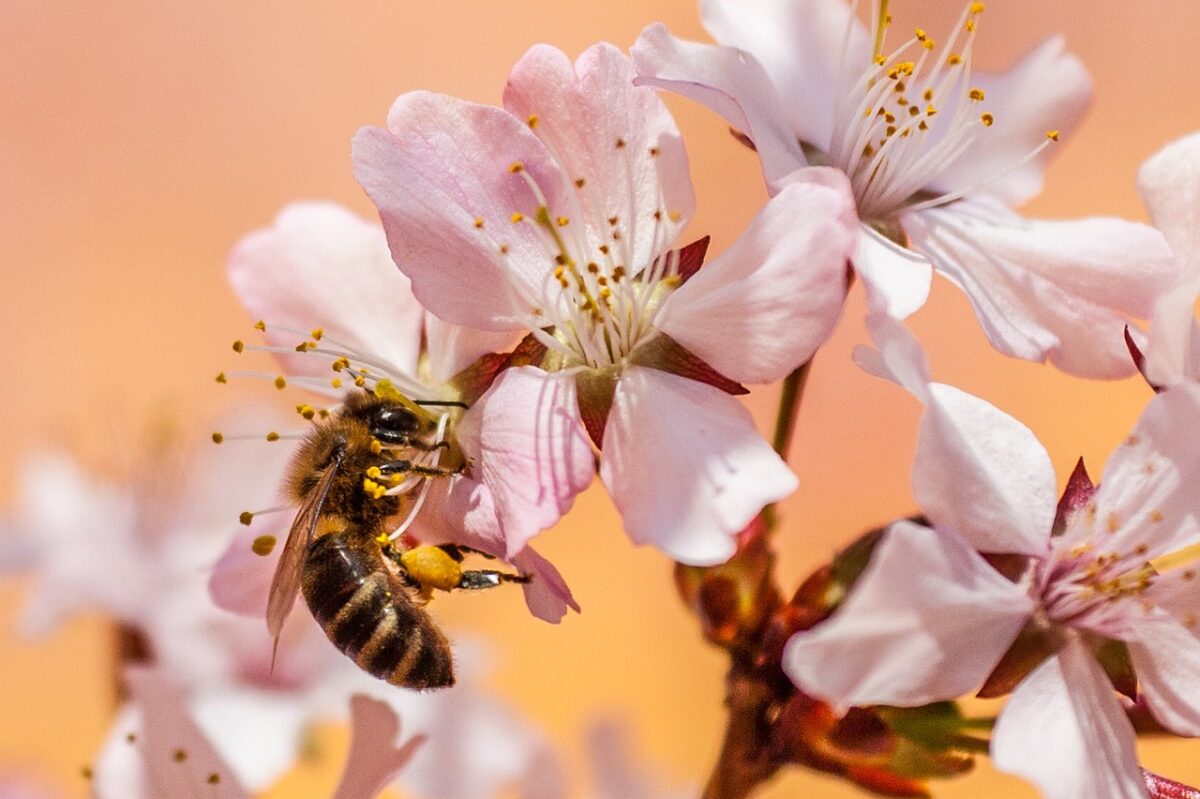

A Groundbreaking Ordinance for Insect Allies (Image Credits: Pixabay)
Peru’s Amazon – Local governments in the region have taken a bold step by recognizing native stingless bees as entities with legal rights, a decision that could reshape conservation practices across ecosystems.
A Groundbreaking Ordinance for Insect Allies
In an unprecedented development, municipalities in Satipo and Nauta passed ordinances late last year that formally grant rights to species within the Meliponini tribe, including Melipona eburnea, Tetragonisca angustula, Melipona illota, and Melipona grandis. These bees, often called “little angels” by local communities, now hold protections that affirm their existence as vital parts of the environment. The move elevates them from mere wildlife to subjects capable of legal advocacy, allowing representatives to defend their interests in court.
This initiative marks the first time insects worldwide have received such status, shifting conservation from optional measures to enforceable obligations. Officials in these areas emphasized the bees’ cultural and ecological significance to indigenous groups, who have long relied on them for sustainable practices. The ordinances ensure these pollinators can persist amid growing environmental pressures, setting a precedent that advocates hope will inspire similar actions elsewhere.
The Essential Pollinators of the Rainforest
Stingless bees play a crucial role in the Amazon, pollinating more than 80 percent of the region’s flowering plants and supporting biodiversity that sustains millions. Unlike their stinging counterparts, these ancient insects use resin and bites for defense, building nests in unique spiral or clustered formations rather than traditional honeycombs. Indigenous communities have harvested their potent “pot honey” for centuries, valuing it for medicinal properties and as a cultural staple.
These bees contribute to forest resilience by aiding plant reproduction, which helps ecosystems recover from disturbances like logging or fires. Their work extends to stabilizing habitats under climate stress, ensuring the Amazon’s vast array of species can thrive. Without them, the ripple effects on fruit production, seed dispersal, and overall forest health would be profound, underscoring why local leaders acted decisively.
Facing Deforestation and Invasive Threats
Deforestation has long endangered the Amazon’s stingless bees, fragmenting habitats and reducing nectar sources essential for their survival. Invasive Africanized honey bees, known as “killer bees,” compete aggressively for resources, outcompeting the natives and disrupting balanced pollination dynamics. Climate shifts exacerbate these issues, altering flowering patterns and introducing pollutants that harm bee populations.
In response, the new laws mandate pollution-free environments and stable climates for the bees, directly addressing these vulnerabilities. Community leaders noted that without intervention, the loss of these pollinators could cascade into broader ecological collapse. Efforts now focus on habitat restoration and monitoring to enforce the protections, involving local organizations in ongoing vigilance.
Broader Impacts on Global Conservation
The Peruvian ordinances could influence policies beyond the Amazon, encouraging other regions to adopt rights-based frameworks for endangered species. Conservation experts view this as a model for integrating indigenous knowledge with modern law, potentially strengthening international biodiversity agreements. By granting legal standing, the municipalities empower communities to challenge developments that threaten natural cycles.
Similar recognitions have previously benefited rivers and forests in various countries, but extending this to insects highlights a nuanced approach to tiny yet indispensable creatures. The decision fosters collaboration between governments, NGOs, and locals, aiming to balance economic needs with environmental stewardship. As the Amazon faces ongoing pressures, such innovations offer hope for sustainable futures.
This historic granting of rights to stingless bees not only safeguards a keystone species but also signals a deeper commitment to nature’s interconnected web, reminding us that protecting the small can preserve the whole. What steps should other regions take to support pollinators? Share your thoughts in the comments.
Key Takeaways
- Stingless bees in Peru’s Satipo and Nauta now have legal rights to exist, thrive, and receive court representation.
- They pollinate over 80% of Amazon plants, aiding ecosystem recovery and resilience.
- The ordinances combat threats like deforestation and invasive species, setting a global precedent for insect conservation.
For more details, see the original report from The Wildlife Society.

- Urban Coyotes Show Remarkable Adaptability, Learning to Thrive in City Environments - July 22, 2026
- Beavers Are Nature’s Engineers, Creating Vital Habitats for Other Wildlife Species - July 21, 2026
- The Recovery of the California Condor Offers Hope for Other Critically Endangered Birds - July 21, 2026