

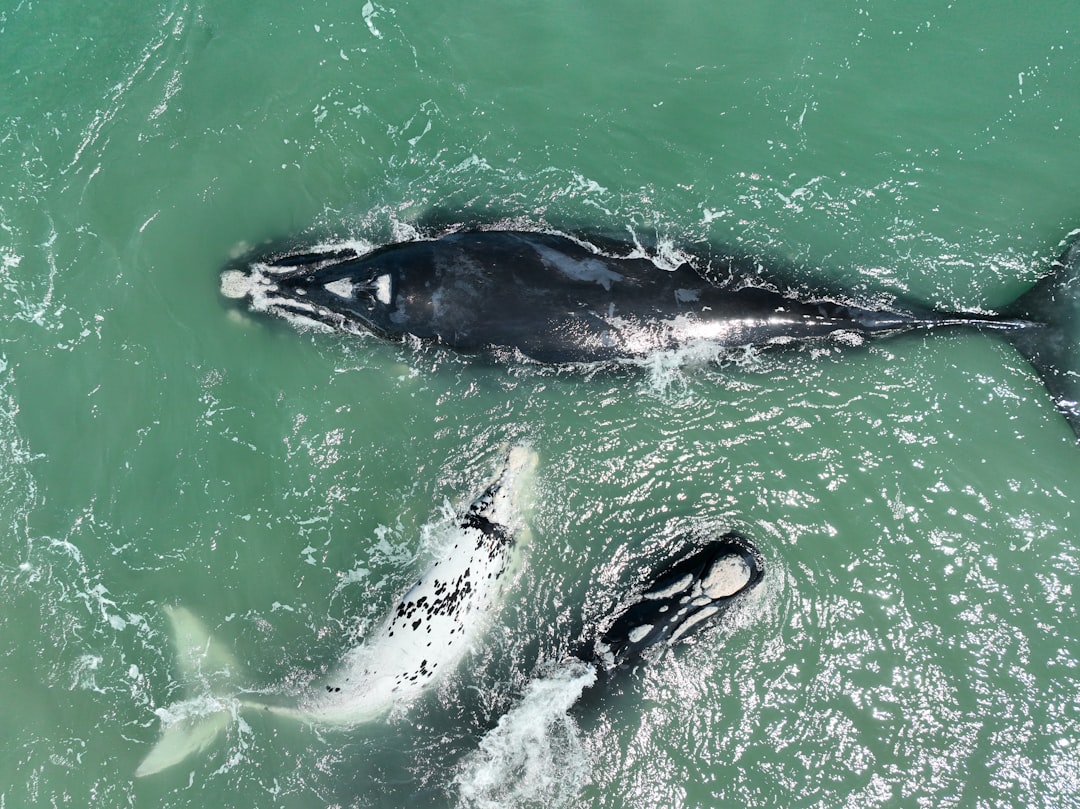

A Slow Climb from the Brink (Image Credits: Unsplash)
Portland, Maine – Scientists tracking the North Atlantic right whale have noted an encouraging increase in calf births this season, offering a tentative boost to one of the ocean’s most endangered species.
A Slow Climb from the Brink
The North Atlantic right whale population reached an estimated 384 individuals in 2024, marking a modest rise from 370 the previous year. This growth followed a decade of steep declines that pushed the species perilously close to extinction. Experts attributed the uptick to sustained conservation measures, though challenges persist. For years, the whales faced relentless threats in their coastal habitats along the Atlantic seaboard.
Recent surveys revealed 15 calves born so far in 2026, surpassing some prior seasons and signaling potential recovery. However, researchers emphasized that the species requires about 50 new calves annually to stabilize numbers. Without accelerated protection, the fragile rebound could falter. The New England Aquarium and NOAA led the monitoring efforts that confirmed these figures.
Persistent Threats Undermine Progress
Ship strikes and entanglements in fishing gear remain the primary killers of North Atlantic right whales. These incidents have claimed dozens of lives over the past decade, disrupting the population’s slow recovery. In busy shipping lanes from New England to Canadian waters, collisions occur frequently despite speed restrictions. Fishing operations, particularly those using vertical lines, continue to ensnare the massive mammals.
Conservationists reported that while birth rates improved, mortality from human activities offset gains. A female whale, vital for breeding, suffered fatal injuries from a vessel strike last year, highlighting ongoing vulnerabilities. Efforts to map migration routes aim to reduce these risks, but enforcement varies across jurisdictions. The Marine Mammal Commission identified these threats as the core barriers to long-term survival.
Conservation Strategies Gain Traction
NOAA Fisheries outlined a comprehensive Road to Recovery plan targeting key threats through 2025 and beyond. This initiative focused on three pillars: reducing entanglements, preventing ship strikes, and monitoring population health. Collaborations with Canada strengthened cross-border protections, including dynamic management zones that reroute vessels during whale migrations.
Technological advancements, such as acoustic monitoring and satellite tagging, provided real-time data on whale movements. These tools helped fisheries adopt gear modifications, like ropeless traps, to minimize accidental captures. The Georgia Conservancy and Whale & Dolphin Conservation USA supported on-the-ground initiatives in southern breeding grounds. Still, experts called for expanded regulations to match the species’ critical status.
Measuring Success and Future Outlook
Population viability analyses from NOAA indicated that current trends offered hope but demanded urgency. The species’ growth rate hovered around 2-3% annually, insufficient against historical losses. Breeding females numbered only about 70, underscoring the need for female calf survival. Surveys in protected areas like Gray’s Reef National Marine Sanctuary detected more whales foraging safely.
International partnerships, including with the Marine Mammal Commission, tracked effectiveness of interventions. Early 2026 data suggested that reduced entanglements contributed to the birth surge. Yet, emerging issues like climate-driven habitat shifts posed new risks. Scientists urged policymakers to prioritize whale-safe shipping and fishing reforms.
- Implement mandatory speed limits in high-traffic zones to cut ship strikes by up to 80%.
- Promote adoption of low-profile fishing gear across commercial fleets.
- Expand aerial and drone surveys for timely threat detection.
- Fund research into alternative energy sources that avoid whale habitats, such as offshore wind adjustments.
- Strengthen bilateral agreements with Canada for unified conservation actions.
Key Takeaways
- The 2026 birth rate of 15 calves marks progress, but 50 are needed yearly for stability.
- Population grew to 384 in 2024, the fourth year of slow increase after declines.
- Ongoing threats like entanglements and strikes require immediate, robust interventions.
As North Atlantic right whales navigate a precarious path to recovery, their story reminds us of the ocean’s interconnected fragility. Sustained global action could secure their future, but delays risk irreversible loss. What steps do you believe are essential for their protection? Share your thoughts in the comments.

- Urban Coyotes Show Remarkable Adaptability, Learning to Thrive in City Environments - July 22, 2026
- Beavers Are Nature’s Engineers, Creating Vital Habitats for Other Wildlife Species - July 21, 2026
- The Recovery of the California Condor Offers Hope for Other Critically Endangered Birds - July 21, 2026