

Picture driving down a rural Illinois road today. You might see three, five, maybe even a dozen white-tailed deer grazing in fields or darting across highways. It’s such a common sight that most of us barely register it anymore. Yet this everyday scene would have been impossible just a century ago. These graceful creatures, now the state’s official animal, were teetering on the edge of complete extinction in Illinois.
What happened next is one of the most inspiring wildlife recovery stories in American conservation history. The journey from near zero to over half a million deer is about more than just numbers. It’s a testament to determination, science, and the powerful realization that we can undo the damage we’ve caused to the natural world.
When the Prairie State Lost Its Deer
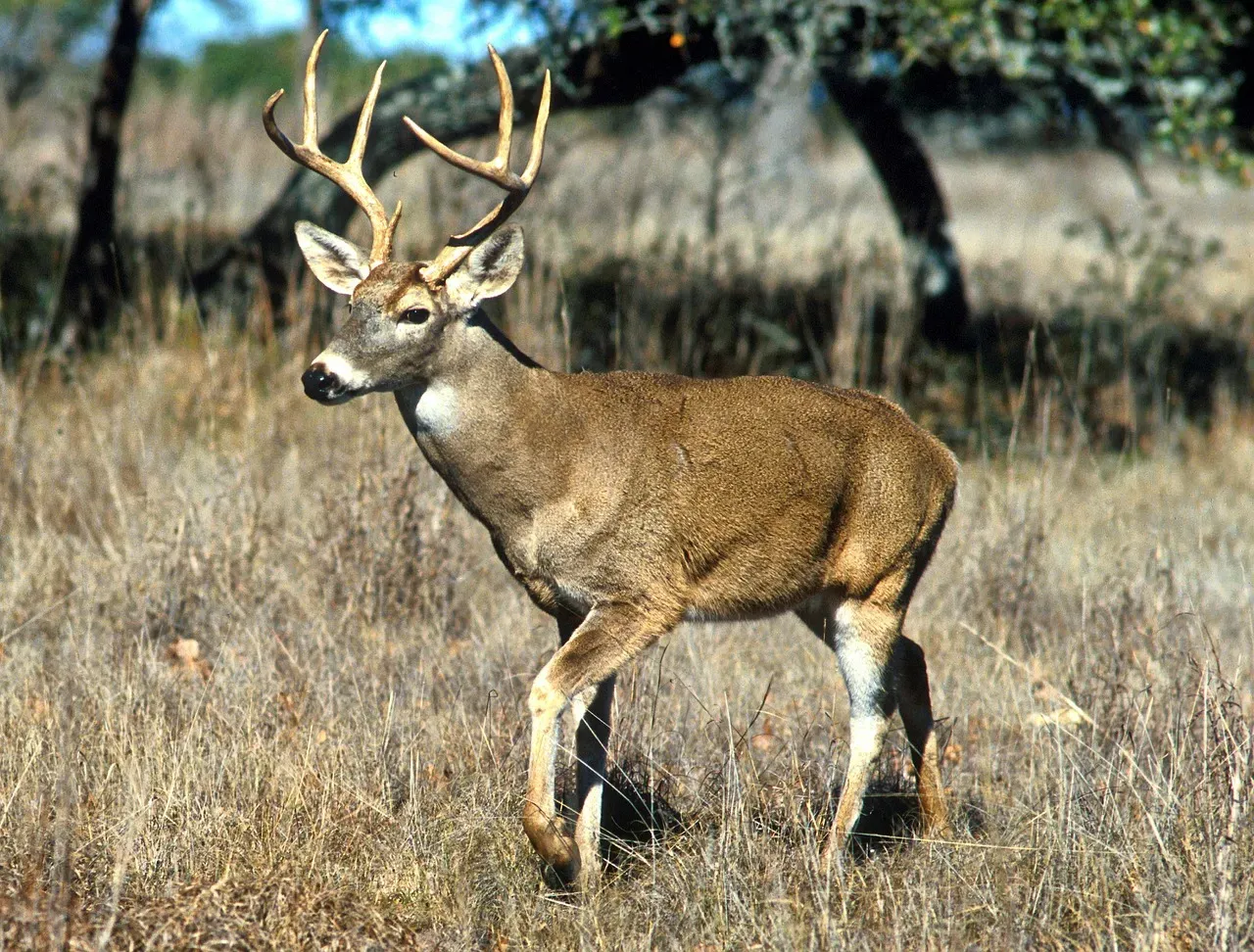
Before the 1800s, white-tailed deer were abundant throughout Illinois, but after European settlers arrived, the population began to decline sharply due to unregulated hunting, habitat loss, and other factors. Think about it: there were no hunting seasons, no bag limits, nothing to stop market hunters from slaughtering deer by the hundreds to supply venison and hides to growing cities. Illinois’ prairies and forests were rapidly converted to farmland during the late 1800s, and much of the remaining woodland was logged for timber while market hunters supplied venison and hides to urban centers in mass quantities.
Illinois was one of 15 states where white-tailed deer populations were near zero by the turn of the century. According to records, the last native deer was seen in southern Illinois in 1912. Let that sink in for a moment. The state was on the brink of losing these animals forever. White-tailed deer became so rare that in the early 1900s, Illinois State Museum curators had to arrange to get specimens from Wisconsin for exhibit.
A Ban That Lasted Generations

In response to the crisis, the Illinois legislature enacted conservation measures in 1901, including a temporary moratorium on deer hunting that was initially intended to last only five years, but as deer populations continued to decline, the ban remained in place for 56 years. Imagine that. What was meant to be a quick fix turned into a multi-generational waiting game.
Here’s the thing: the hunting ban alone wasn’t enough. Illinois imposed the moratorium so populations could recover and increase, but rather than increase, the population continued to decline throughout the state. The deer were so depleted that even without hunting pressure, they struggled to bounce back. At first, populations grew very slowly because of factors such as poaching, attacks by dogs, mowing of habitat, and resistance by humans to the restocking efforts.
The Slow Road to Recovery

Illinois purchased lands to serve as wildlife refuges, beginning with Horseshoe Lake State Fish and Wildlife Area Refuge in Alexander County in 1927, and the first documented relocation of deer into Illinois occurred in 1933 at Horseshoe Lake SFWA Refuge, where one buck and three does were released. It was a modest start, almost painfully small when you consider how vast the need was.
Illinois’ deer population did not begin to recover until the state started importing white-tailed deer from other states, and by 1940, the state’s deer population was estimated at around 500. Think about that number. Five hundred deer in the entire state. By 1947, Conservation officers reported deer had been observed in 45 of Illinois’ 102 counties, and the State ranked 46th out of the 50 states in the number of white-tailed deer with a total of 365 animals. The climb back was agonizingly slow.
From Barely Surviving to Thriving
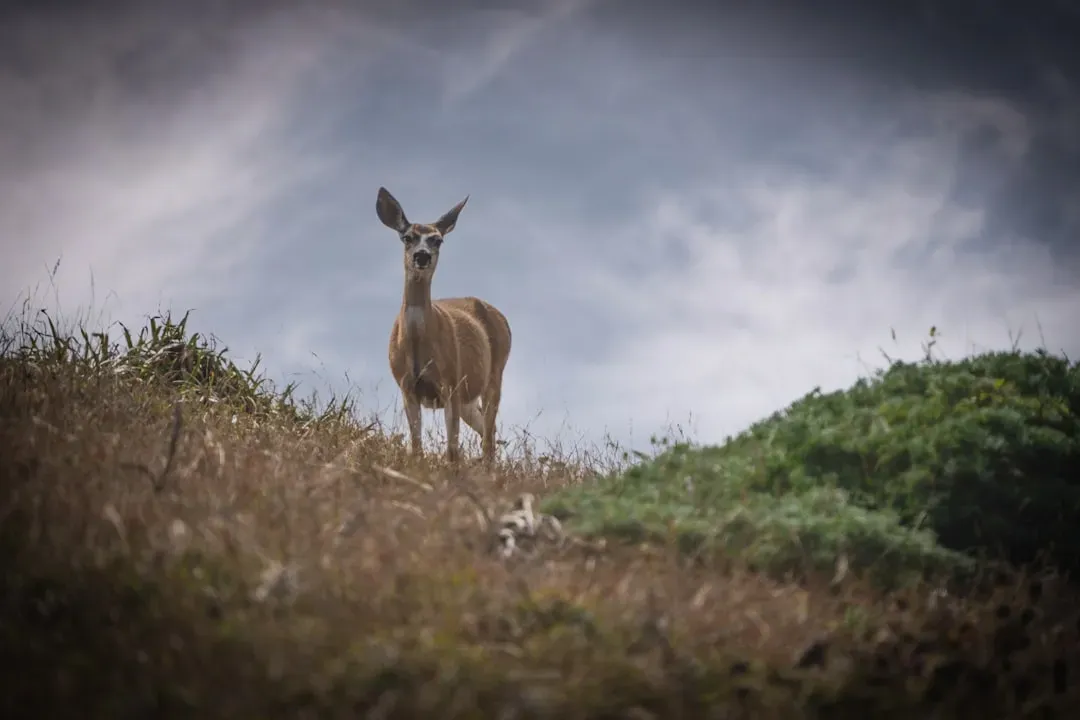
By the late 1950s the deer population in Illinois had grown large enough to allow a hunting season, and the first modern deer hunting season was held in 1957 in 33 counties. When the first legal deer season opened in 1957, newspapers reported hunters traveling hundreds of miles for the chance to see a deer, a sight many Illinoisans had never experienced in their lifetimes. Hard to imagine now, right?
By the 1960s, Illinois’ white-tailed deer population had grown to nearly 20,000, and today, the state is home to an estimated 600,000 to 700,000 white-tailed deer. That’s roughly a 1,200-fold increase from the 1940 population. By 1968, surveys estimated approximately 25,000 deer statewide, representing a fiftyfold increase in less than 30 years, and by 1991, the population had surpassed 100,000. The recovery didn’t just work, it exceeded every expectation.
Why Illinois Kids Chose the Deer
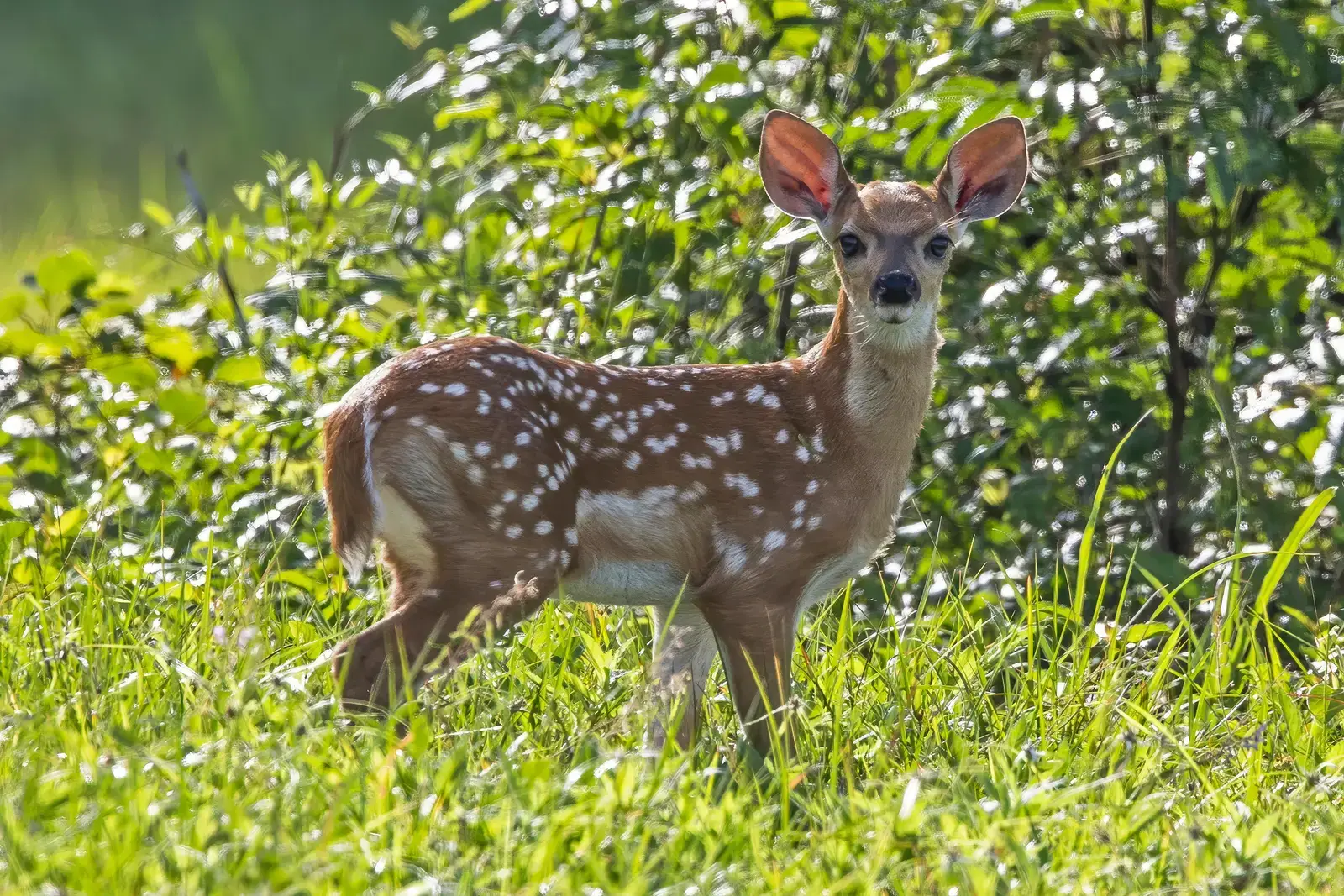
Illinois schoolchildren voted on the candidates for state animal in 1980, the white-tailed deer won by a landslide, and the Illinois General Assembly then made the vote official via Public Act 87-273 on January 1, 1982. The white-tailed deer was selected over these other mammals: raccoon, fox squirrel, opossum, red fox, and thirteen-lined ground squirrel.
The deer won for good reason. The deer represents adaptability, a trait essential for surviving Illinois’ harsh winters and scorching summers. When winter’s harsh conditions arrive, deer grow thicker, darker coats that help absorb more heat from the sun and keep them warm, and they also gather in groups to conserve body heat. There’s something about that resilience that speaks to the Illinois spirit itself.
The New Challenge of Success

Today, deer are so abundant in Illinois that management, rather than recovery, is the focus, and through the work of current-day IDNR biologists and conservation specialists, deer populations are carefully managed to balance ecological health, agricultural interests and recreational opportunities. Programs addressing chronic wasting disease, vehicle collisions and habitat quality ensure that Illinois’ deer population remains both sustainable and healthy for the future.
In 2002 the first occurrence of Chronic Wasting Disease was discovered in Boone County, Illinois, and Chronic Wasting Disease is a very serious condition in the white-tail deer population within the state of Illinois as the disease is spread through direct contact with infected individuals or by feeding in areas used by an infected animal. Managing these newer threats requires constant vigilance. Success brought its own problems, from crop damage to vehicle collisions, but these are challenges born from abundance rather than scarcity.
Conclusion
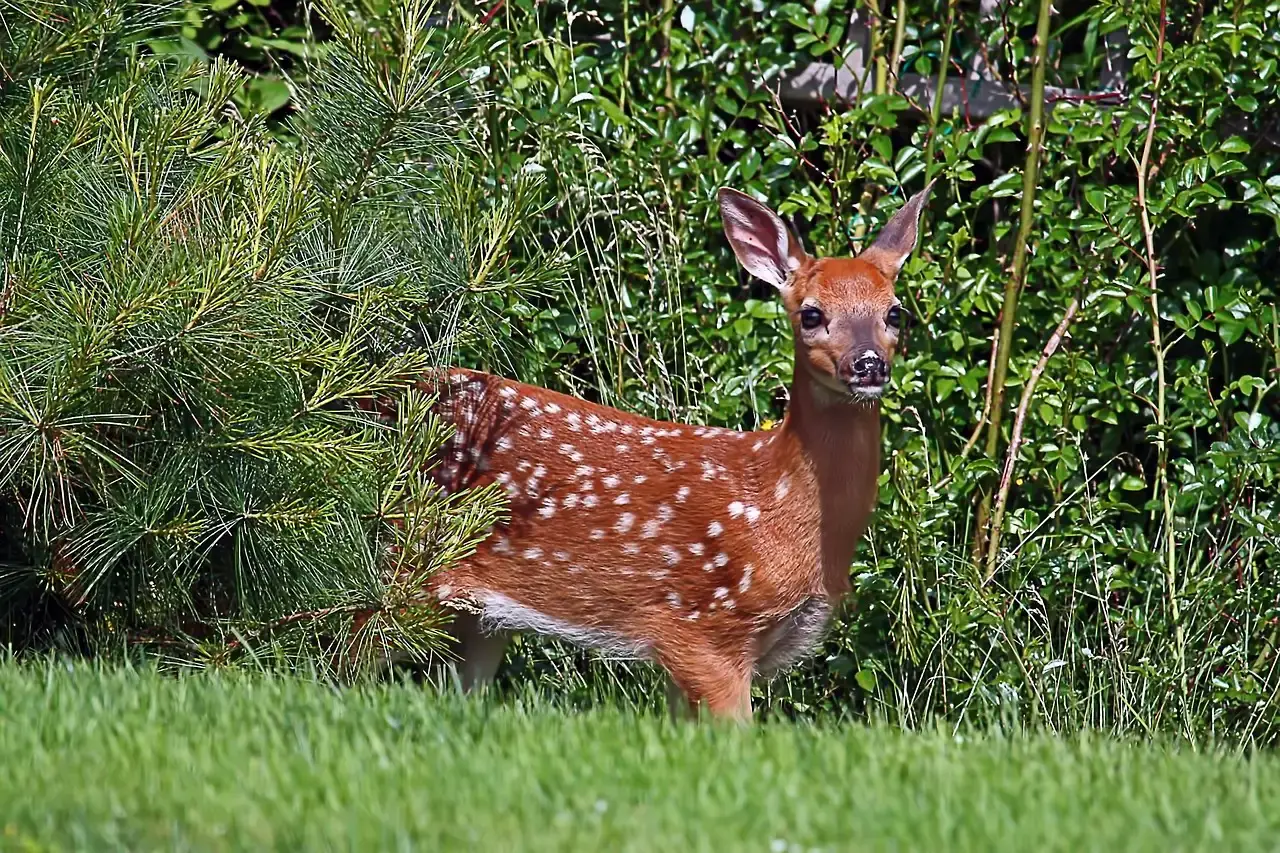
The comeback of Illinois’ white-tailed deer stands as a powerful reminder that wildlife conservation really does work when we commit to it. From those final sightings in 1912 to the thriving herds we see today, the story spans over a century of patience, scientific management, and collective determination.
The species’ history reminds us of the fragility of wildlife populations and the importance of sustained conservation, and the recovery of the white-tailed deer stands as one of the most notable successes in the 100-year history of IDNR. When you spot a deer on your next drive through Illinois, take a moment to appreciate the remarkable journey that brought them back from the edge. Did you ever imagine the state nearly lost them forever?

- 14 Quiet Signs Your Dog Knows Its Time Is Near and Wants You Close - July 22, 2026
- 10 Falcon Facts That Will Blow Your Mind - July 22, 2026
- 5 Incredible Migratory Journeys Animals Make Every Year - July 22, 2026