
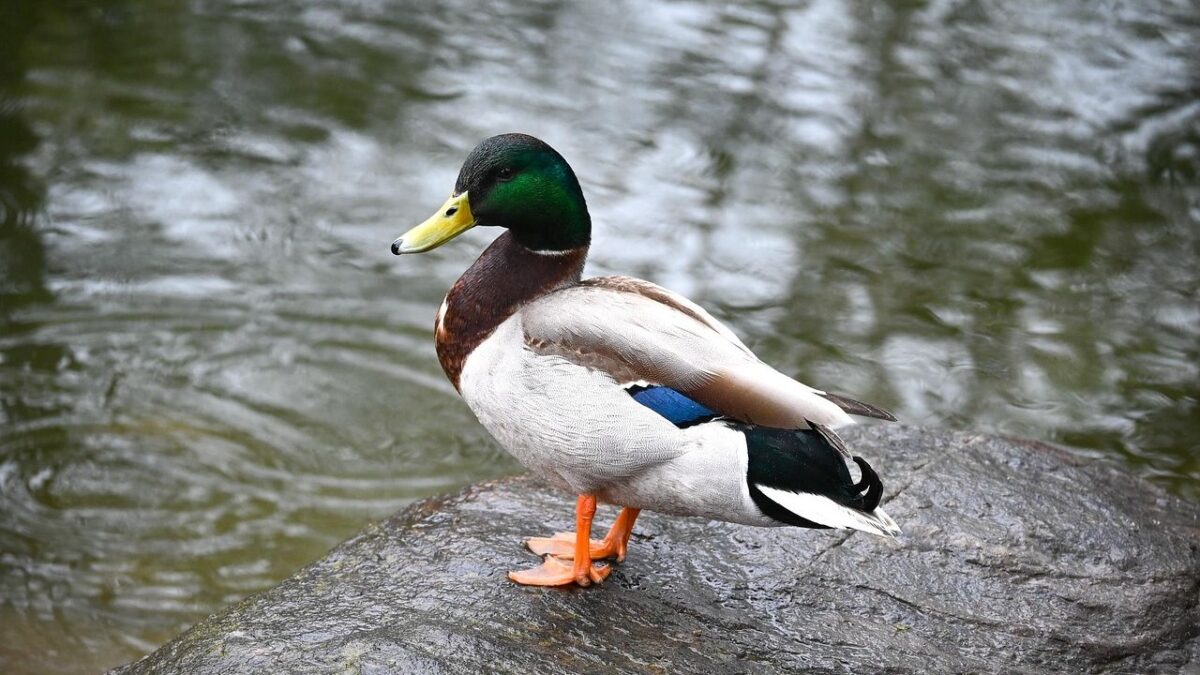
Picture this. You’re standing in a vast wetland, binoculars in hand, and you catch sight of a towering white bird with jet black wingtips slicing through the sky. It’s hard to believe, but decades ago, that same species was teetering on the edge of oblivion with fewer than two dozen individuals left in the wild. Today, conservation stories like this one are reminding us that extinction doesn’t always have to be the final chapter.
We’re living through a time when headlines about vanishing wildlife can feel overwhelming. The number of birds in North America has declined by 3 billion in the last 50 years. Yet in the midst of this crisis, certain rare birds are defying the odds and staging spectacular comebacks. These success stories aren’t accidents. They’re the result of decades of painstaking work, innovative partnerships, and a refusal to give up even when the numbers looked impossibly grim. So let’s dive into one of the most inspiring wildlife recoveries happening right now in the United States.
The Whooping Crane: From 21 Birds to Over 800
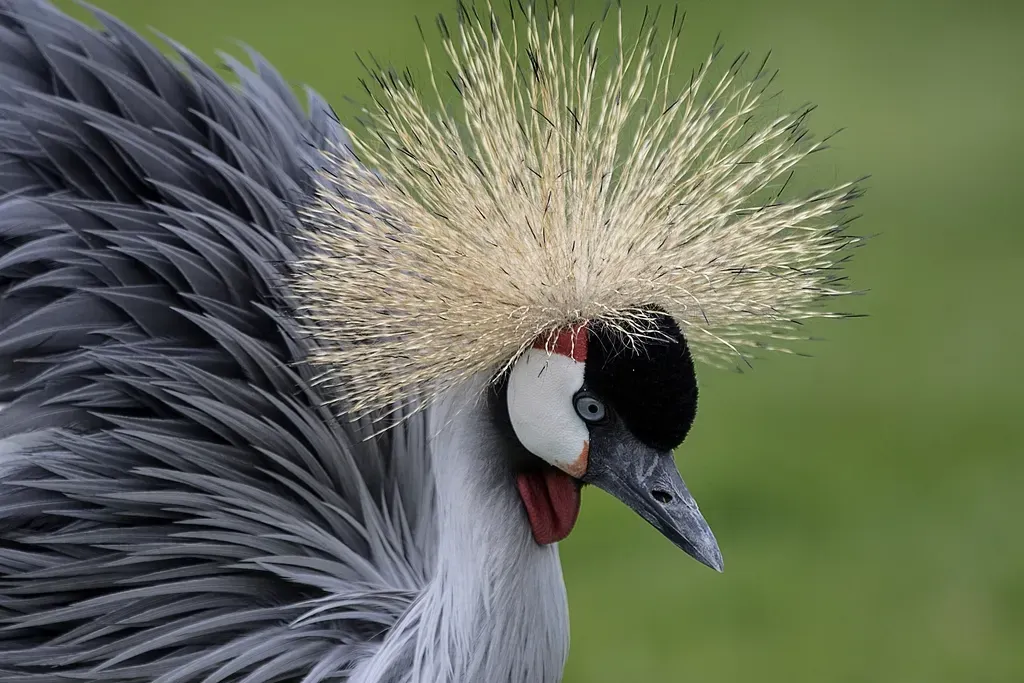
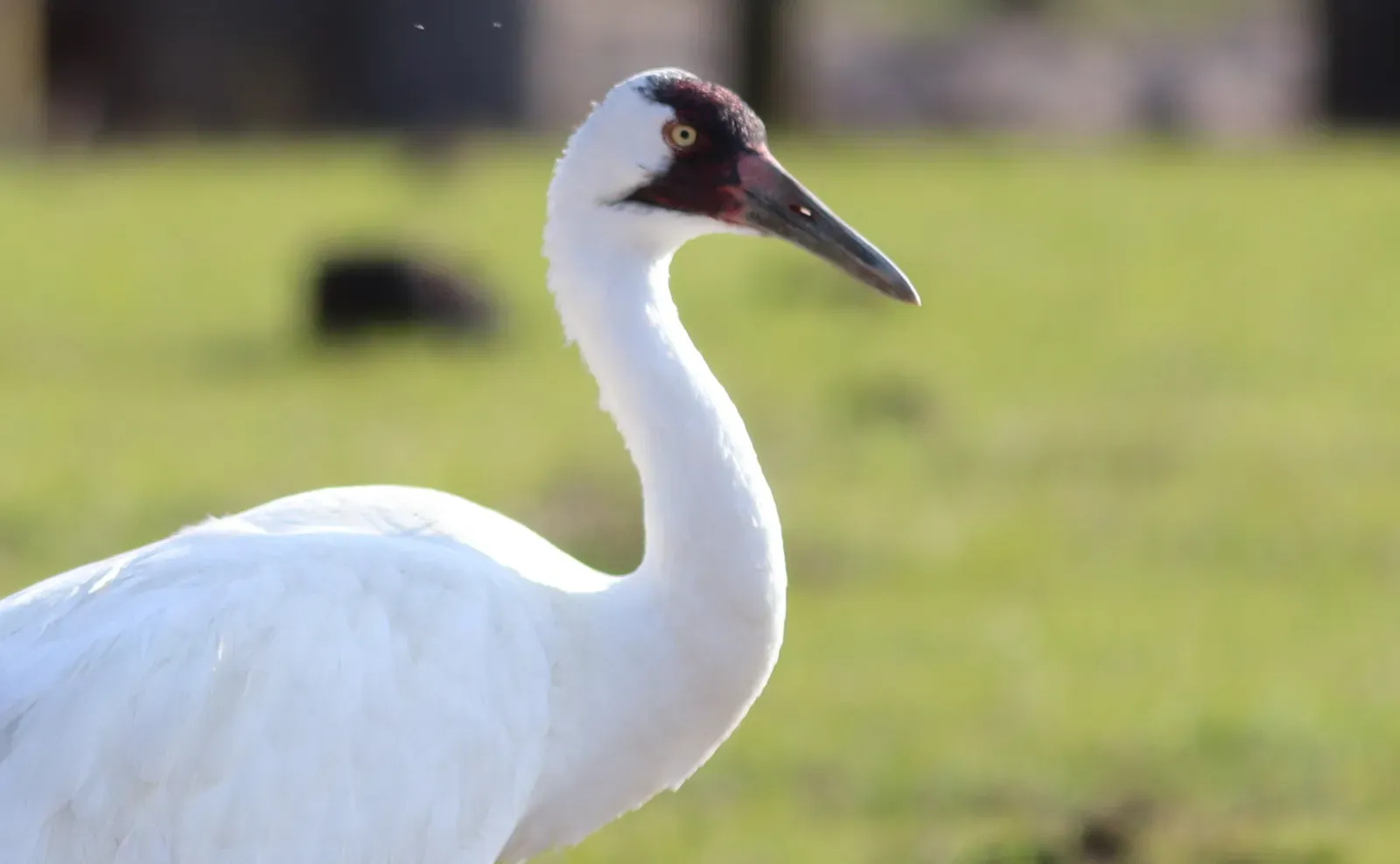
Let’s be real, the whooping crane’s story is nothing short of miraculous. After being pushed to the brink of extinction by unregulated hunting and loss of habitat that left just 21 wild (and two captive) cranes by 1941, the whooping crane made a partial recovery through conservation efforts. This majestic bird, standing nearly five feet tall, became the poster child for what’s possible when people refuse to let a species disappear.
Fast forward to 2025, and the transformation is stunning. The survey noted that the population included at least 557 whooping cranes wintering on and around Aransas National Wildlife Refuge for the 2024-2025 season. “The 2024-2025 wintering grounds survey marks the first time that the Aransas-Wood Buffalo Population of whooping cranes has been estimated to exceed 550 individuals, a remarkable achievement for a species that once numbered only 21 individuals” said a Service biologist in the report.
What makes this even more extraordinary is that the comeback hasn’t been easy. The total number of cranes in the surviving migratory population, plus three reintroduced flocks and in-captivity, only slightly exceeds 830 birds as of 2025, including about 560 individuals in the remnant population that migrates between coastal Texas, USA, and the Northwest Territories, Canada. Every single crane matters. These birds undertake an epic migration spanning 2,500 miles from their breeding grounds in Canada to the Texas coast.
The recovery isn’t just happening in one place either. Conservation teams have worked to establish multiple populations as insurance against catastrophe. The survey noted that the population included at least 41 tawny-colored juvenile cranes, new recruits from the breeding grounds 2,500 miles north in and around Wood Buffalo National Park in Canada. Those juveniles represent hope for future generations.
Still, challenges remain. With the long term population growth rate continuing to hold steady at 4.33 percent, the expanding whooping crane population is increasingly utilizing habitat outside the designated survey area on the Texas coast. This expansion means conservationists must adapt their strategies to protect new habitats as the cranes continue to surprise us with their resilience.
Kirtland’s Warbler: A Songbird Success Decades in the Making
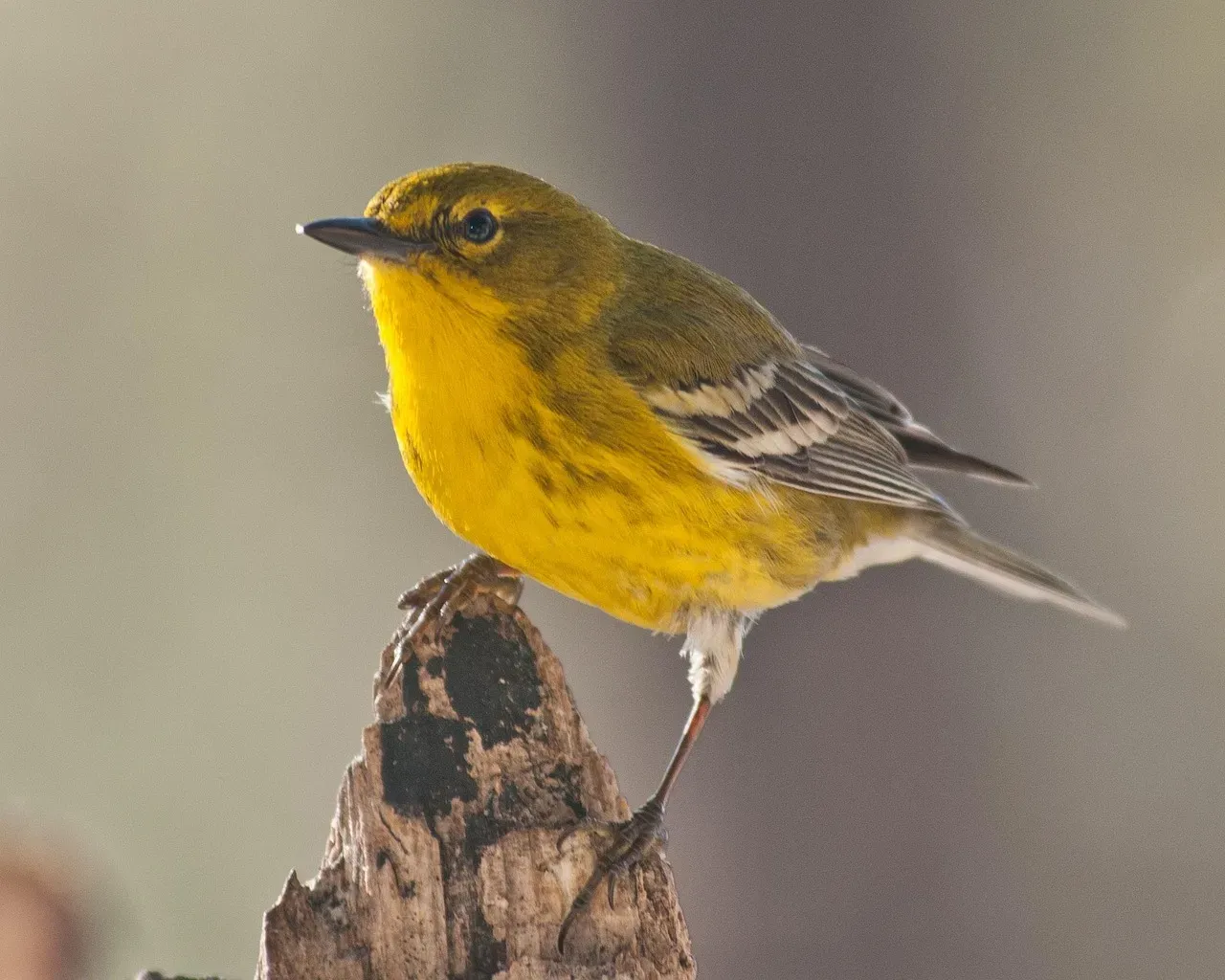
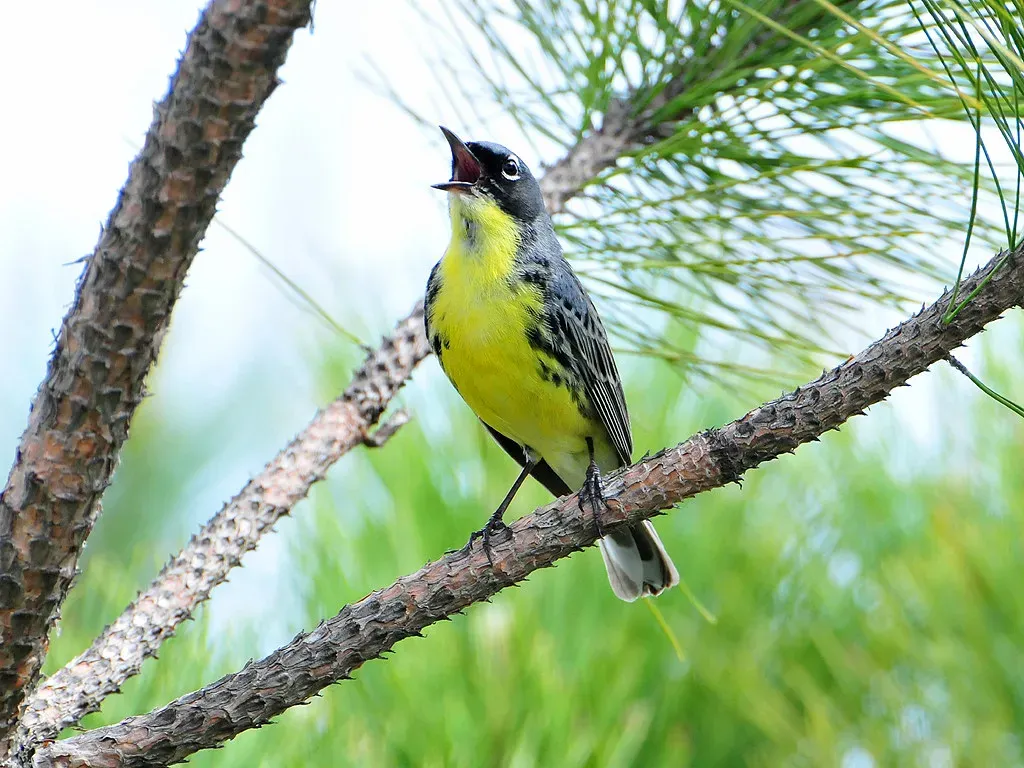
Here’s the thing about the Kirtland’s warbler. It shouldn’t exist anymore. In the mid-1970s, only around 200 singing males remained in the wild, and those were found almost exclusively in a tiny patch of Michigan jack pine forest. The odds were stacked impossibly high against this little yellow-breasted songbird.
This habitat specialist, which breeds on large tracts of young jack pine forests in the Great Lakes region and winters in select areas of the Bahamas, has rebounded to include more than 2,000 breeding pairs today. That’s not a typo. From the brink of extinction to over 2,000 pairs represents one of the most dramatic avian recoveries in North American history.
What saved this bird? Honestly, it took an army. The recovery effort required intensive forest management, systematic cowbird control, and cooperation between federal agencies, state governments, universities, and conservation groups. After bottoming out at 167 breeding pairs in 1974 and again in 1987, the spunky songbird’s numbers have grown steadily, thanks to rigorous, hands-on management.
The warbler’s habitat needs are incredibly specific. It nests only in young jack pine stands between six and twenty years old. Without active management creating those conditions through controlled burns or timber harvesting, the bird would have no place to breed. Habitat planting has been so successful that Kirtland’s warblers were removed from the endangered species list in 2019.
There’s a catch though. Like many other threatened and endangered species, Kirtland’s warblers are considered conservation reliant, meaning their continued survival depends on ongoing habitat management and cowbird monitoring. This means the work never truly ends. Conservationists can’t just declare victory and walk away.
What Conservation Reliance Really Means
I think this is where the story gets really interesting. We like to imagine that once a species recovers, nature takes over and everything sorts itself out. The reality is far more complicated, and honestly, more sobering.
In a 2010 paper, Scott and colleagues concluded that 84 percent of species then listed under the Endangered Species Act would require ongoing management, even after official recovery goals are met. That’s the vast majority of endangered species. They’re not going to bounce back on their own once we stop whatever harmed them in the first place.
The Kirtland’s warbler exemplifies this reality perfectly. Decades of fire suppression changed Michigan’s forests fundamentally. Jack pine stands no longer regenerate naturally through wildfires the way they once did. Human activity created the problem, so humans must now maintain the solution indefinitely. The species has surpassed recovery goals for the past 16 years and continues to increase in its stronghold in Michigan’s Lower Peninsula, while expanding its breeding range into areas of Michigan’s Upper Peninsula, Wisconsin, and Canada.
Conservation reliance means long-term funding commitments, ongoing research, and sustained partnerships. It’s not glamorous work, and it doesn’t generate splashy headlines every year. In addition to the Towsley Foundation’s support, the Michigan Department of Natural Resources and the U.S. Forest Service are also pledging their commitment to continue management and engage in partnerships that support the Kirtland’s Warbler’s population growth. These commitments are what separate genuine recovery from temporary reprieve.
The Role of the Endangered Species Act
Let’s talk about the law that made these recoveries possible. The Endangered Species Act has become a political football in recent years, but its track record speaks volumes. Seventy-eight percent of the birds listed as threatened or endangered under the ESA have populations that are now stable, increasing, or have recovered enough to be delisted.
Think about what that means. More than three quarters of bird species protected by this law are doing better because of it. That’s not just correlation; it’s demonstrable cause and effect. When the ESA was passed in 1973, it provided critical tools like habitat protection, recovery plans, and funding mechanisms that didn’t exist before.
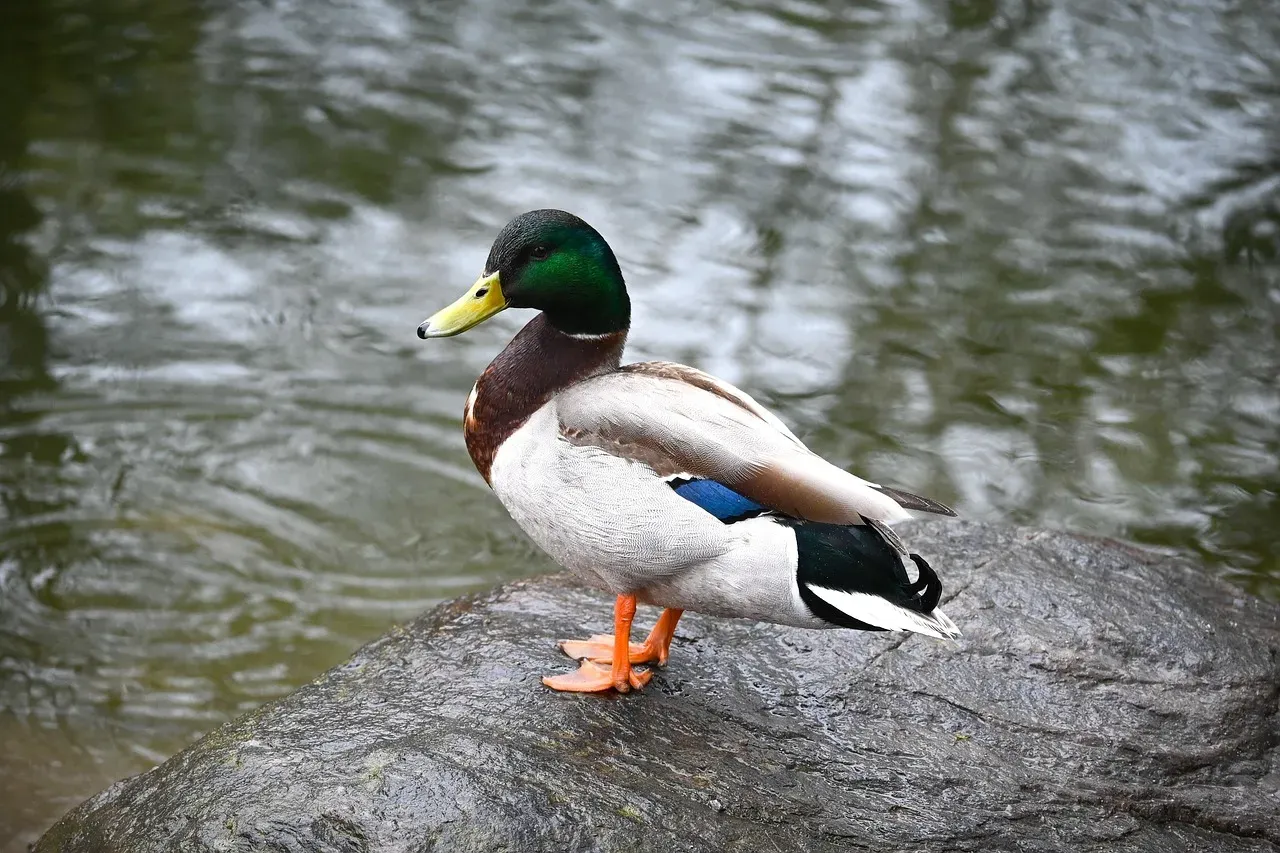
The law also mandates cooperation between agencies and stakeholders. After the Endangered Species Act became law in 1973, vanishing raptors such as Bald Eagles, Peregrine Falcons, and Ospreys returned to the skies. When hunters and conservationists teamed up to restore the continent’s “duck factory” wetlands, dwindling waterfowl populations returned to vibrant health. These aren’t abstract policy victories. They represent tangible populations of living birds that would otherwise be gone.
The ESA isn’t perfect, and implementation varies depending on political priorities and available resources. We also advocated for adequate funds for bird conservation in the 2026 federal budget; funding levels for bird conservation held steady and even increased for some programs. Consistent funding remains a perpetual challenge, but the framework the law provides has proven essential.
Modern Threats Still Loom Large

Recovery stories are heartening, but we can’t ignore the bigger picture. Sobering evidence that America’s birds continue to decline across the board. Despite ample evidence that conservation can work, the status quo approach to conservation is not turning bird populations around. For every success story, there are dozens of species still sliding toward extinction.
Climate change poses an especially insidious threat. Rising seas and stronger storms like Hurricane Dorian related to climate change could present a new threat to the species and necessitates ongoing monitoring. The Kirtland’s warbler winters in the Bahamas, where rising sea levels and intensifying hurricanes threaten to destroy critical habitat. All the forest management in Michigan won’t matter if the birds lose their winter homes.
Now scientists with the Road to Recovery initiative have issued an alert for 90 declining bird species, birds that are not yet federally listed as threatened or endangered, but that have lost half or more of their breeding population since 1970. These are the species standing at the same precipice where whooping cranes and Kirtland’s warblers once teetered. Will we act in time to save them too?
Habitat loss continues to accelerate. Agricultural conversion, urban sprawl, and development fragment landscapes faster than conservation efforts can protect them. Habitat loss is the single largest threat to birds. Even recovered species remain vulnerable if the habitats they depend on continue to shrink or degrade.
What This Means for the Future
So where does this leave us? The whooping crane and Kirtland’s warbler prove that recovery is possible, even for species reduced to critically low numbers. These stories demonstrate that with sufficient resources, scientific expertise, and sustained commitment, we can pull species back from the brink. The condor’s near-extinction teaches us something crucial about endangered north american birds: recovery is possible, but it requires sustained effort, significant resources, and sometimes dramatic intervention.
The recoveries also reveal uncomfortable truths. Many species will never be truly self-sustaining again. We’ve altered ecosystems so profoundly that ongoing human management is now a permanent fixture of conservation. That’s not necessarily a failure; it’s simply the reality we’ve created.
Looking ahead, in 2026, there is an opportunity to build on that momentum. Conservation gains in 2025 included new protected areas, increased funding for specific programs, and expanded partnerships. These incremental advances matter enormously, even if they don’t generate viral social media posts.
Even while these widespread declines were happening, some bird groups have made rapid turnarounds, proving that concerted action can bring birds back. That’s ultimately the message these recovery stories carry. The challenges are immense and growing, but giving up guarantees failure. Sustained action at least offers a fighting chance.
The whooping crane’s journey from 21 individuals to over 800 didn’t happen by accident or luck. It required decades of unglamorous, persistent work by people who believed recovery was worth pursuing even when success seemed impossible. That same commitment will determine which of today’s declining species become tomorrow’s recovery success stories, or whether they slip quietly into extinction while we’re distracted by other concerns. What do you think it will take to save the next generation of threatened birds? The answer might be simpler than we think: attention, resources, and refusing to look away.

- The Most Resilient Animals Ever Discovered Thriving in Extreme Environments - July 21, 2026
- 7 Signs Your Dog Thinks You're Family - July 21, 2026
- 12 Surprising Facts About North American Mountain Lions You Never Knew - July 21, 2026