
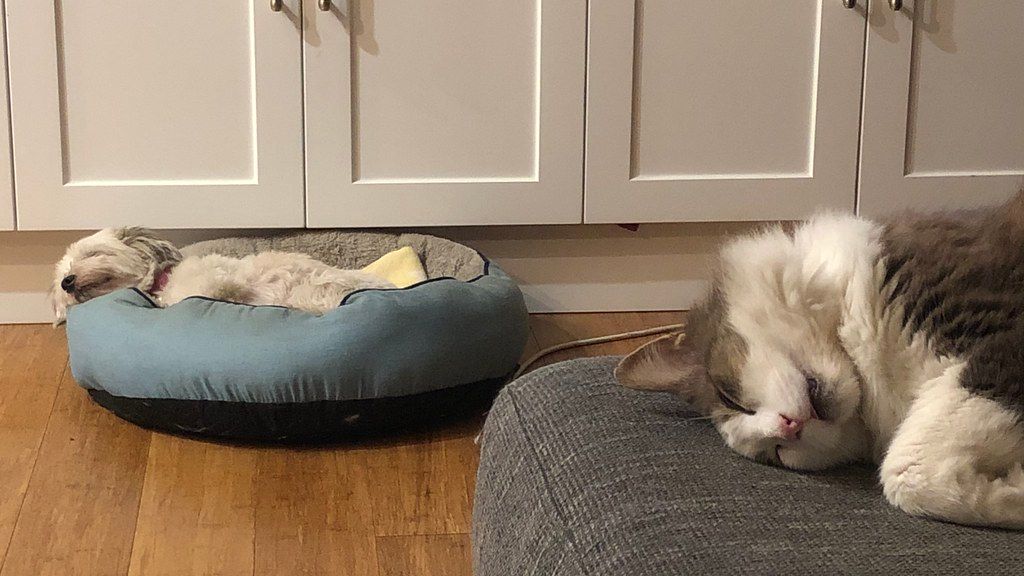
You’ve seen it countless times. Your dog’s legs paddle frantically while they snooze on the couch. Your cat’s whiskers twitch and their paws jerk during an afternoon nap. Most of us smile at these moments and assume our furry companions are chasing imaginary prey or reliving their day.
Turns out, the truth is far more fascinating than that simple explanation. Recent scientific discoveries reveal that what happens inside your pet’s sleeping mind rivals the complexity of human dreams. We’re not talking about random twitches or simple replays of fetch games. The dream world of pets involves memory consolidation, emotional processing, and neural patterns so sophisticated they’ve surprised even veteran researchers.
The Groundbreaking MIT Study That Changed Everything
Researchers at the Massachusetts Institute of Technology concluded that animals have complex dreams, specifically remembering and replaying long sequences of events when they’re asleep. This wasn’t just observation. Scientists trained rats to navigate mazes, then monitored their brain activity during both waking hours and sleep.
While the animal ran, its brain created a distinctive pattern of neurons firing in the hippocampus, a brain area known to be involved in memory. Here’s where it gets wild. Their research indicated that the rats were recollecting specific experiences while asleep, with researchers even able to tell which part of the track the rats were dreaming about.
Since dogs possess far greater intellectual capability than rats, scientists made a logical leap. Because dogs have much more intellectual capability than rats, they made the conclusion that dogs also dream. This wasn’t speculation anymore. It was evidence-based science showing that animal dreams contain genuine complexity, not just random brain static.
Furthermore, the researchers discovered that the rats’ dreams seemed to be practicing the maze navigation, with their brain activity reflecting not only the actual path they had taken but also alternative routes and shortcuts, suggesting that the dreaming process may be involved in consolidating and optimizing learned behaviors and spatial memories. Your pet isn’t just passively remembering their day. They’re actively problem-solving while unconscious.
What REM Sleep Actually Reveals About Pet Consciousness

Like people, dogs and other animals go through several sleep cycles, with periods of wakefulness, followed by rapid eye movement (REM) sleep, and non-rapid-eye-movement sleep. REM is when the magic really happens. Like people, dogs move through stages of deep sleep followed by Rapid Eye Movement (REM) sleep, when dreams occur, and during REM, the brain replays fragments of daily life.
You know what’s remarkable? Ferrets, platypuses and house cats can spend three to eight hours per day in REM sleep. That’s a substantial chunk of their lives spent in a dream state. Cats typically spend about three to eight hours in REM sleep per day, depending on their age, activity level, and environment, and since cats sleep in multiple short bursts rather than one long stretch, REM sleep occurs in brief cycles throughout the day and night.
A study involving the measurement of electrical activity in dogs’ brains concluded canines spend roughly forty-four percent of their time alert, about twenty-three percent in non-REM or slow-wave sleep, twenty-one percent drowsy and twelve percent in REM sleep. During REM, something extraordinary happens. Despite the high level of brain activity, the dog’s body remains paralyzed during REM sleep through temporary muscle paralysis, known as REM atonia, believed to be a protective mechanism that prevents the dog from physically acting out their dreams.
Think about that for a second. Your dog’s brain is so active during dreams that their body needs to be temporarily paralyzed to prevent them from running around the house acting out their mental adventures.
They’re Dreaming About You More Than You Think
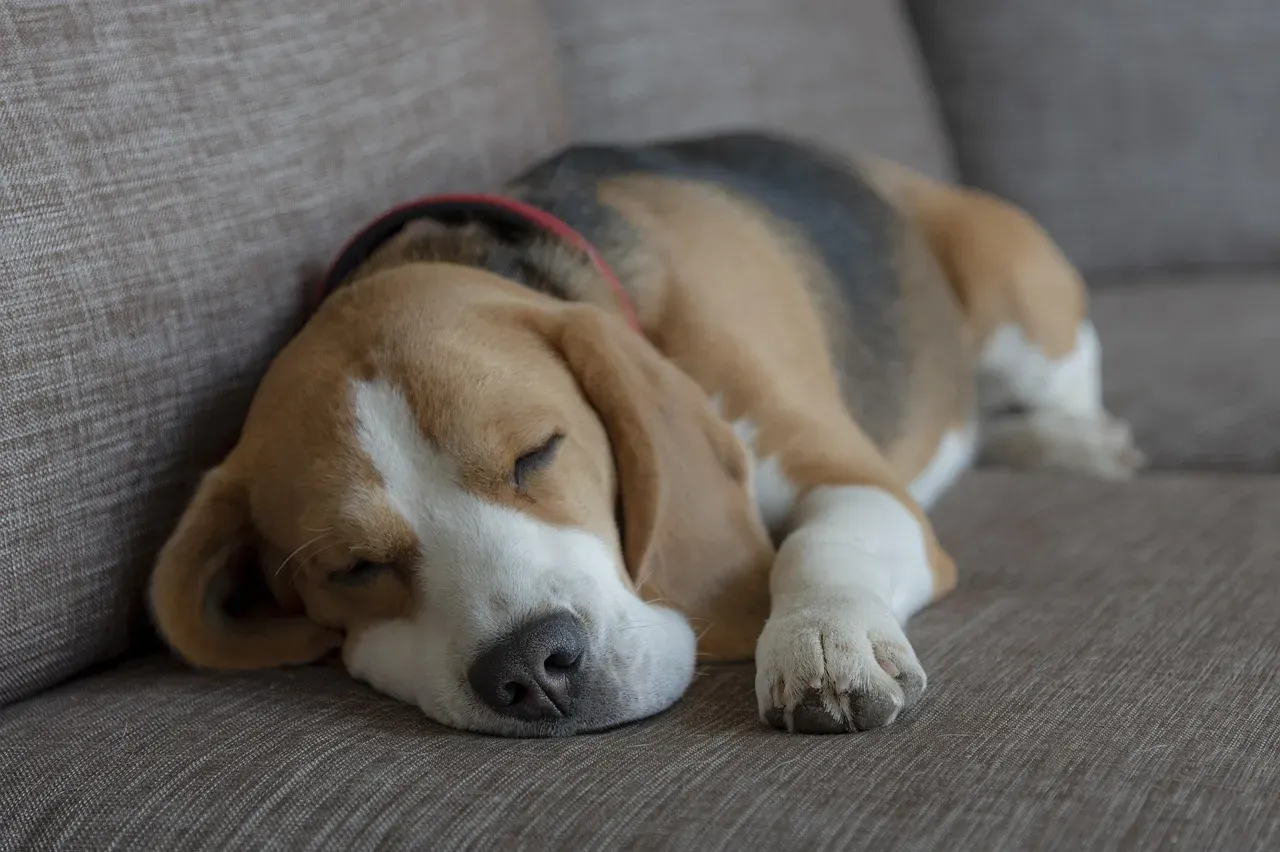
Harvard research suggests dogs dream about their owners. This isn’t sentimental anthropomorphizing. It’s backed by how canine brains process information during sleep. Walks, belly rubs, and mealtime rituals are central to a dog’s world, and these experiences often filter into sleep, and as BBC Science Focus reports, since dogs process life visually rather than logically, their dreams mix familiar scents and sights into creative scenarios.
Dogs most likely dream about what they see in real life, which can include a favorite walking route, a bird or squirrel they wanted to chase, or even a favorite human. Let’s be real, if you’re the center of your dog’s waking world, you’re probably starring in their sleeping one too.
Cats form strong emotional bonds, and many experts believe they dream about interactions with their human companions, other cats, or even dogs in the home, with these moments possibly replaying in their sleep as a way to reinforce social memory. Your pets aren’t just storing memories of you. They’re processing them, strengthening the emotional connections that make your bond so powerful.
Cats with damage to the pons area displayed movements during REM sleep that appeared consistent with hunting, such as pouncing on imaginary prey or reacting to nonexistent predators, providing some scientific support for the content of cat dreams. Breed-specific behaviors show up in dreams too. Researchers found that a dreaming Pointer may immediately start searching for game and may even go on point, a sleeping Springer Spaniel may flush an imaginary bird in his dreams.
The Memory Consolidation Happening While They Snooze
Researchers believe that the REM stage of sleep is when the brain performs important tasks like converting short term memories to long term ones. This explains why puppies and kittens sleep so much. Their developing brains need extensive dream time to process all the new information flooding their systems every day.
The hippocampus, which processes memory and learning, lights up during REM in cats just like in humans, telling us they might be processing memories, replaying routines, or reinforcing learned behaviors. Dreams aren’t just entertainment for your pet’s brain. They’re essential cognitive work.
REM and non-REM sleep play crucial roles in a cat’s restorative functions, with non-REM sleep allowing for physical recovery, such as muscle repair, while REM sleep is essential for cognitive processes and emotional well-being. When your cat wakes up from a solid nap looking refreshed and alert, it’s because their brain has been busy organizing, filing, and strengthening neural pathways related to everything they experienced while awake.
One theory regarding the role of dreams in memory suggests dreams may provide the opportunity to bring together experiences that were related, but did not occur at the same time, in order to learn from them, such as replaying a series of pleasant or unpleasant experiences to allow learning what these experiences had in common and using this to guide future behavior. Your dog might dream about multiple walks to different parks, connecting the dots between what made each experience enjoyable or stressful.
The Surprising Sensory Richness of Animal Dreams
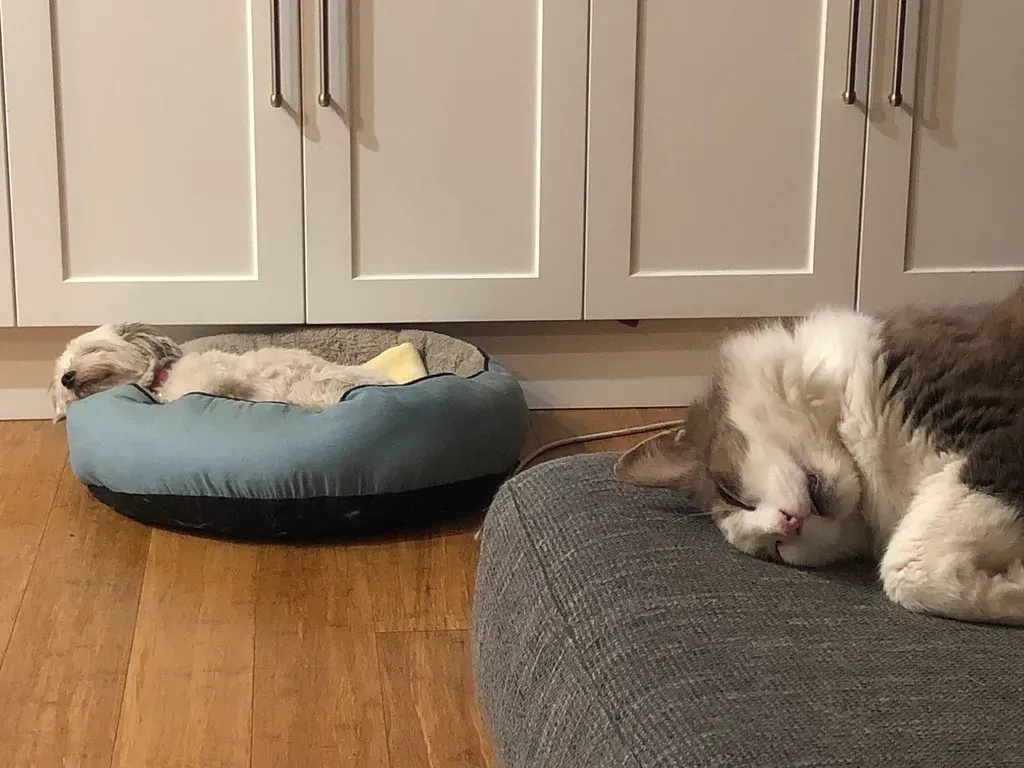
An even more intriguing idea is that animals might dream using more senses than humans do, and because smell is very important for both cats and dogs, their dreams might focus more on odors than ours do, suggesting that dogs and cats may dream in smells. Imagine that for a moment. While humans primarily dream in visual images with occasional sounds, your pet might be experiencing rich olfactory landscapes we can’t even comprehend.
Some researchers, including Dr. Deirdre Barrett of Harvard, believe animals may dream in richer sensory formats than humans, possibly smelling or hearing things in dreams more vividly than we can imagine. Your dog’s dream of the park might include the scent of every blade of grass, every other dog they encountered, every treat you gave them. It’s a multidimensional experience far beyond simple visual replay.
After the REM state was identified in humans, a similar state was discovered in cats, and as in humans, cats in REM sleep show a low voltage EEG with characteristic eye movements. The parallels between human and animal dream states keep stacking up. Studies have shown that dogs, like humans, demonstrate similar patterns of brain activity during REM sleep, and in a pioneering study conducted by researchers at the Massachusetts Institute of Technology, electroencephalography recordings revealed that the brains of sleeping dogs display the same distinct patterns of electrical activity seen in humans during REM sleep.
Size matters when it comes to dream frequency. According to research, when it comes to how often dogs dream, apparently size matters, with small dogs, like Chihuahuas, tending to dream more often during one night, with a new dream about every ten minutes, than large dogs. Smaller breeds experience shorter but more frequent dream cycles throughout the night.
Understanding Your Pet’s Nightmares and Emotional Processing
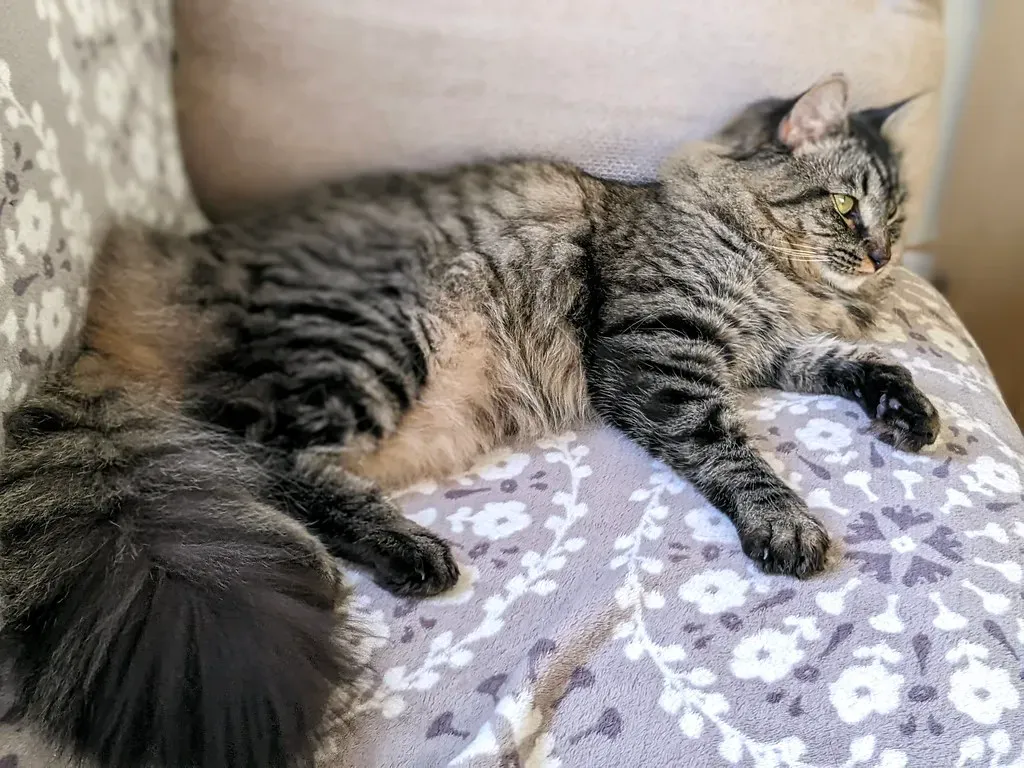
Because dogs have similar dream patterns to humans and may experience not-so-positive moments throughout the day, researchers believe four-legged friends have nightmares too, such as dogs possibly dreaming about something they fear like going to the groomer or an unpleasant encounter with another dog. Rescue dogs may especially be prone to nightmares about events that happened when they were alone.
There’s strong behavioral signs and expert opinions suggesting that cats can experience negative dreams, especially when they’ve been through something stressful or traumatic, and if their brains can recreate vivid, instinct-driven dreams, it’s not a stretch to think they could also replay scary or stressful moments. Your pet’s dreams reflect their emotional reality, processing both joy and anxiety.
Here’s the thing. Experts note that disrupting dog sleep during the REM cycle can be startling, which can result in an unintended bite or, at the very least, a sleepy dog in the morning. Never try to wake your sleeping cat during bad dreams as they’ll be confused and may lash out at you, and it’ll also disturb their natural sleep cycle, which they won’t thank you for.
Even when watching your pet seemingly struggle through a nightmare, the best thing you can do is let them work through it. Experts caution against waking dogs mid-dream, since startling them can cause confusion or aggression, and comfort is best given once the dog wakes naturally. Your presence nearby provides security, but interrupting their sleep cycle does more harm than good.
Conclusion: A Deeper Bond Through Understanding
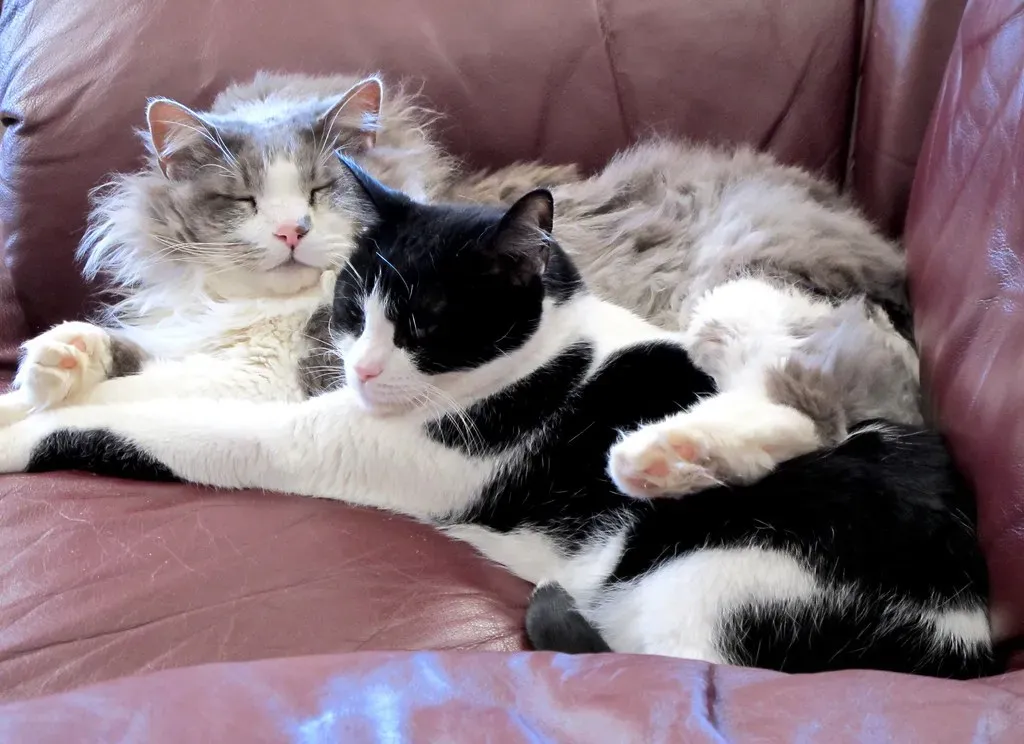
The complexity of your pet’s dreams reveals something profound about their inner lives. They’re not simple creatures responding to stimuli. They’re processing experiences, consolidating memories, working through emotions, and possibly even problem-solving in their sleep. Each twitch, each muffled bark, each rapid eye movement represents genuine cognitive work happening in a brain that’s far more sophisticated than most people realize.
Understanding this changes how we view our relationships with our pets. When your dog dreams, they’re likely reliving moments with you, strengthening the neural pathways that make your bond so strong. When your cat’s whiskers twitch during a nap, they might be processing the hunting game you played earlier, or recalling the comfort of your lap.
The next time you see your pet deep in dreamland, take a moment to appreciate the incredible mental journey they’re on. You’re not just watching random movements. You’re witnessing complex memory consolidation, emotional processing, and the remarkable inner world of a consciousness science is only beginning to understand. Did you think their dreams were this intricate? Share your pet’s most interesting sleep behavior in the comments below.
