
#1: Choose the Right Species for Your Climate
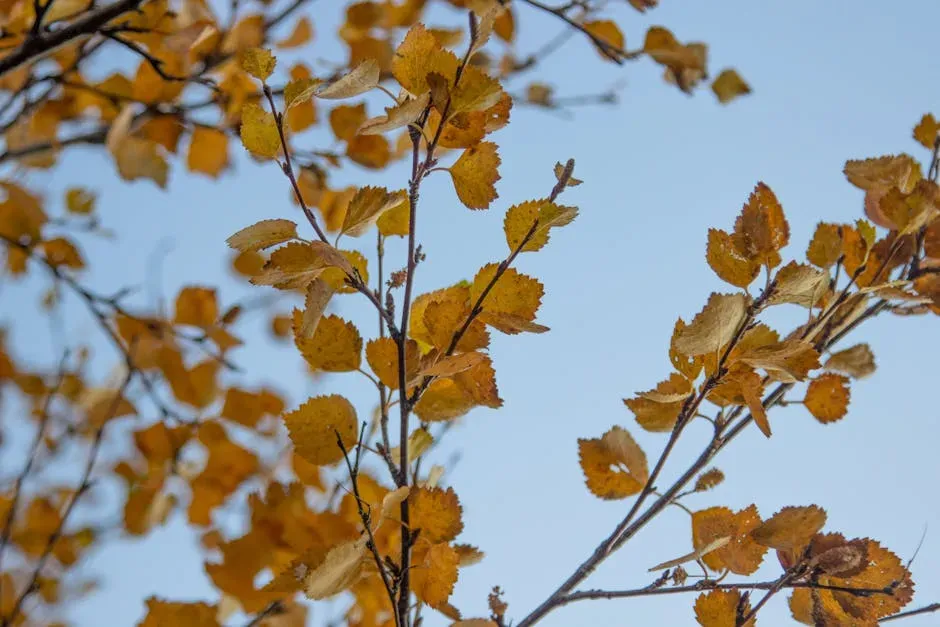
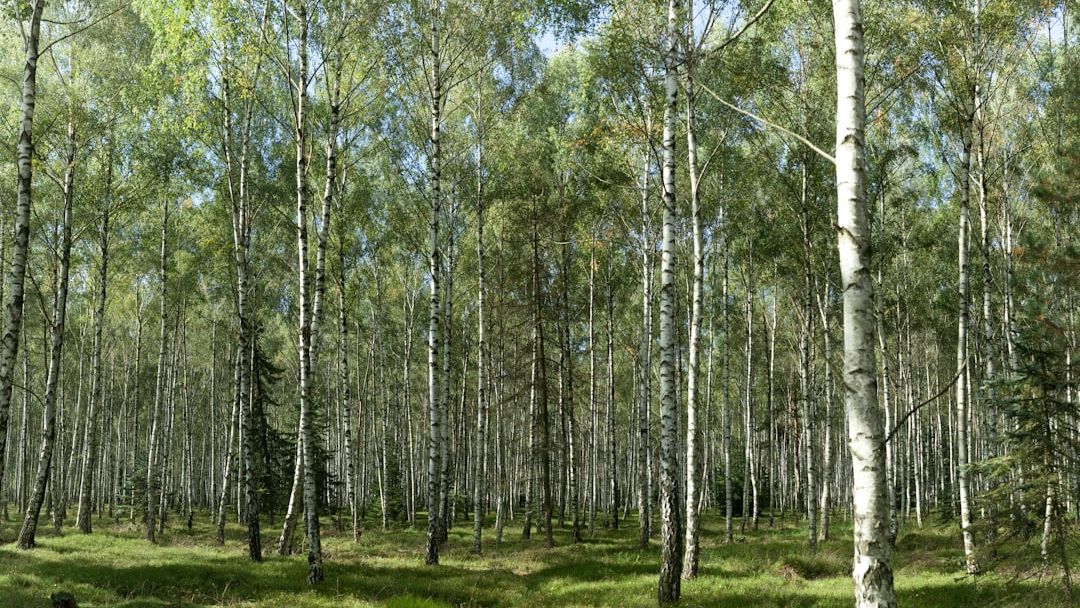
Not all birch trees are created equal, and picking the wrong species for your region is one of the most common mistakes gardeners make. Birch trees are small to medium-sized deciduous trees that grow in cool climates, endemic to much of the Northern Hemisphere, including most of North America, Europe, and across northern Asia. Matching your species to your climate makes a measurable difference in how long and how well your tree will thrive.
River birch is the better choice for warmer climates. It tolerates USDA zones 4 to 9, handles summer heat significantly better than paper birch, and is substantially more resistant to the bronze birch borer. River birch is the recommended species for landscapes south of zone 6. Meanwhile, certain cultivars like the paper birch are capable of surviving cold temperatures of up to negative 50 degrees Fahrenheit, making them well-suited to northern gardens where winters are genuinely harsh.
#2: Select the Perfect Planting Site
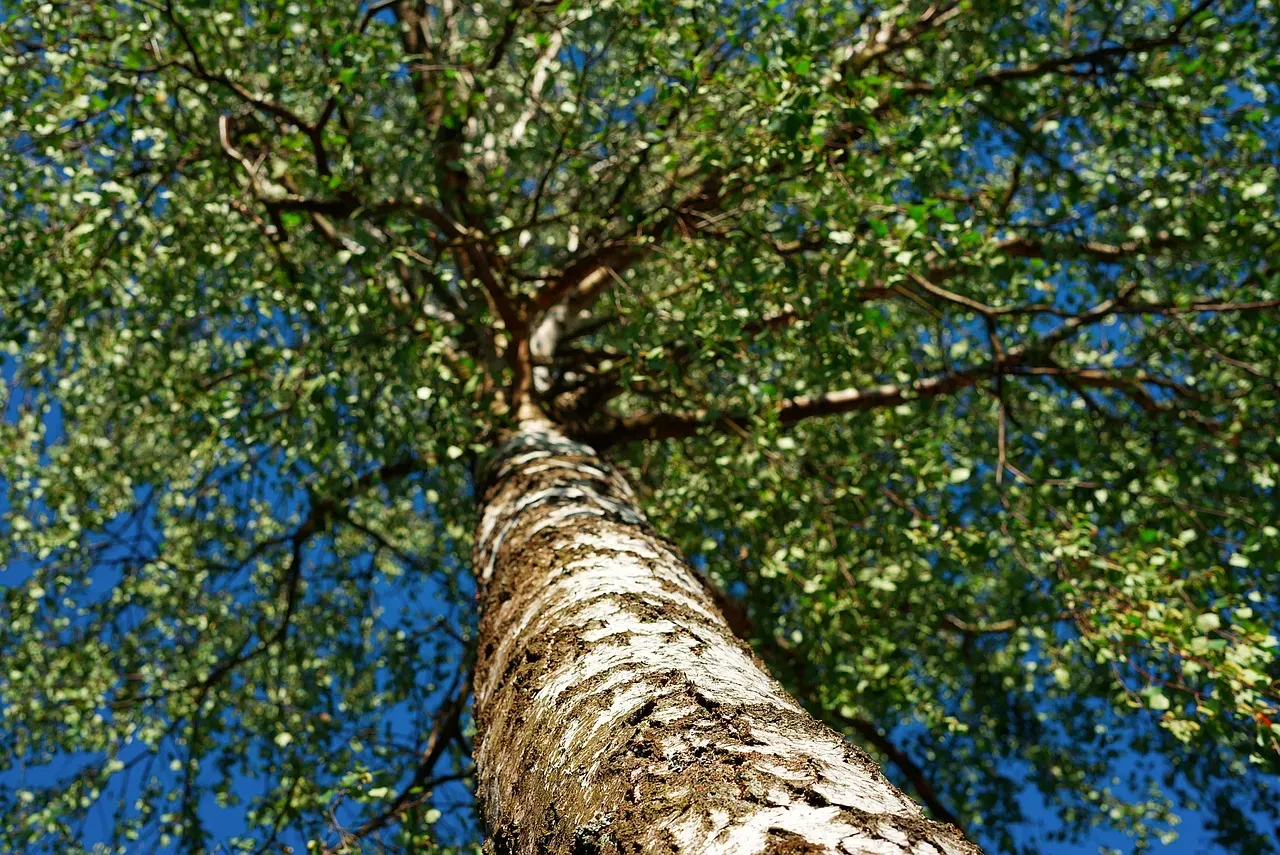
In the forest, birch trees thrive on cool, moist soils. Their very shallow root system makes them sensitive to even short periods of drought or heating of the soil, so they grow poorly on hot, dry soils. Homeowners should attempt to place birch trees in locations where the soil will be shaded, cool, and moist. That said, the canopy still needs adequate sun.
The challenge is to site them in a location where they will receive full sunshine on their leaves but where the soil will remain cool and moist. Most prefer being situated on the east and north side of your property where your home can provide the necessary afternoon shade. It’s also worth noting that birch trees have shallow, spreading root systems that can extend two to three times the width of the canopy, so plant them at least 15 to 20 feet away from structures to prevent foundation or utility line damage. Their fibrous roots actively seek moisture and can infiltrate septic systems or drainage pipes if planted too close.
#3: Get the Soil Preparation Right
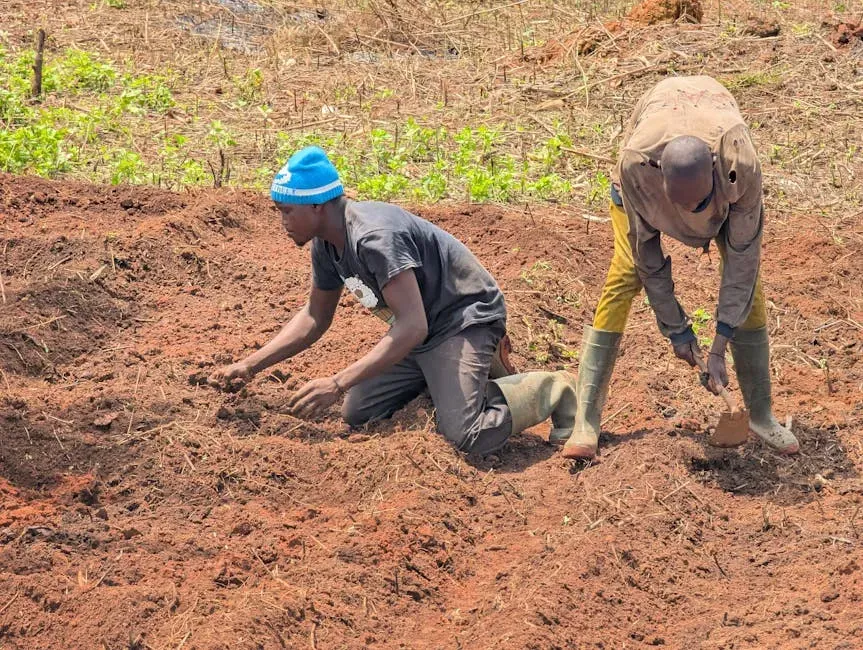
Birch trees thrive in well-draining, slightly acidic to neutral soil with a pH between 5.0 and 7.0, and prefer consistently moist conditions without waterlogging. They perform best in loamy or sandy soils that retain moisture while allowing excess water to drain freely. Plant in areas with good air circulation and avoid heavy clay soils that stay soggy, as birches are susceptible to root rot in poorly drained locations.
Birches are more shallow-rooting than many trees, so it is not necessary to prepare a deep planting hole. As a general rule, aim for a hole as deep as the rootball and two or three times as wide. Amend the soil with weed-free organic matter and then plant firmly. If your soil is on the more alkaline side, add sulfur or peat moss to make it more acidic. The right pH helps the tree get the nutrients it needs.
#4: Plant at the Right Time of Year
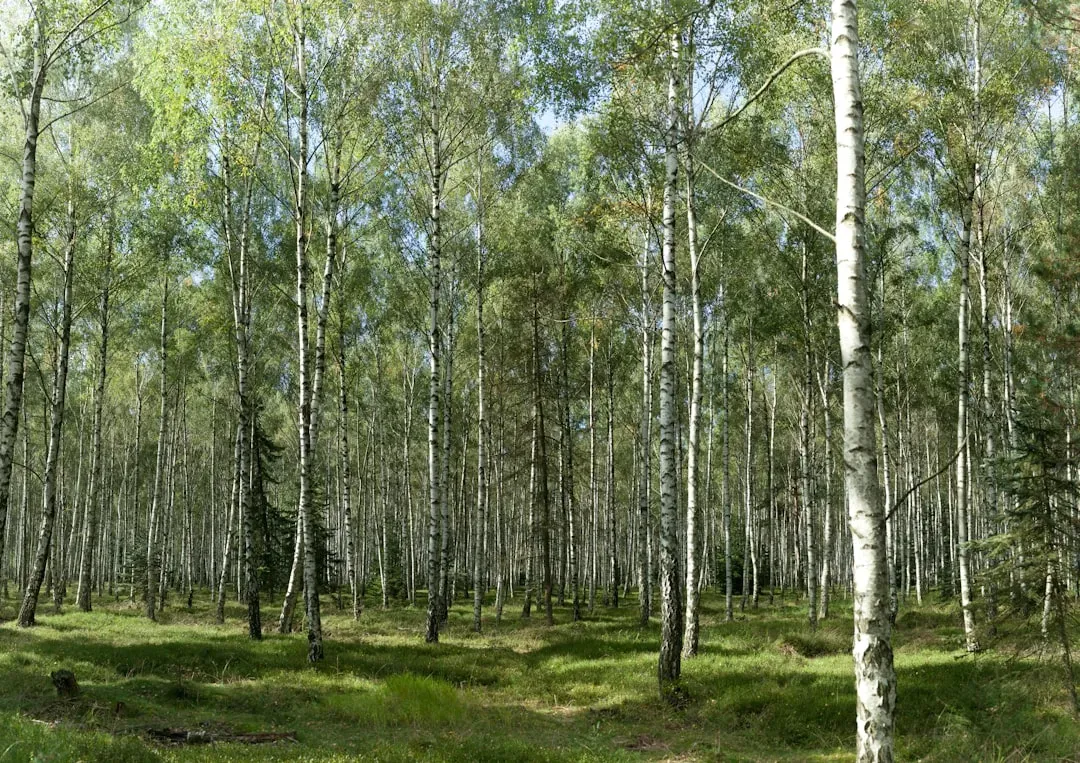
Birch trees are some of the best low-maintenance trees you can grow and they do not need any special planting treatment. They can be planted in late fall, winter, or early spring, as long as the ground is not waterlogged, parched, or frozen. They can even be planted later in spring if they are carefully looked after. Just avoid planting in high summer.
Early spring or fall is ideal to reduce transplant shock and promote root establishment. When the actual planting day comes, carefully remove the tree from its container and place it in the hole, ensuring that the top of the root ball is level with the surrounding soil. Backfill the hole with soil, gently tamping it down to eliminate air pockets. After planting, water the tree deeply to help settle the soil and promote root establishment.
#5: Water Deeply and Consistently
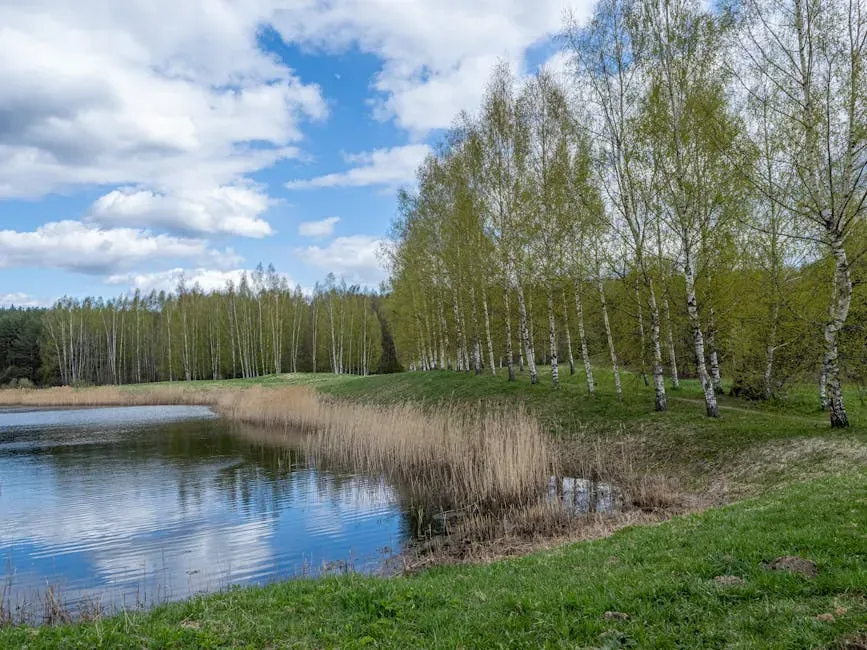
Consistent soil moisture is the single most important factor in birch tree health. Drought stress weakens the resin-flow defense mechanisms that resist bronze birch borer attack. This isn’t a tree you can plant and forget, especially in the first few seasons. During the first two to three years after planting, water deeply every one to two weeks during dry periods. For established trees in drought-prone climates, supplemental irrigation during July and August, when heat stress peaks, significantly reduces bronze birch borer risk.
Birch trees require moderate watering during the growing season, typically about one inch of water per week depending on rainfall. Water deeply and thoroughly to encourage deep root growth, and avoid shallow watering which can result in stress and dehydration. A practical trick: check the moisture level of the soil around your tree by grabbing a handful of soil and forming it into a ball. If the soil crumbles and refuses to hold the shape, it is time to water the tree.
#6: Mulch to Protect Shallow Roots
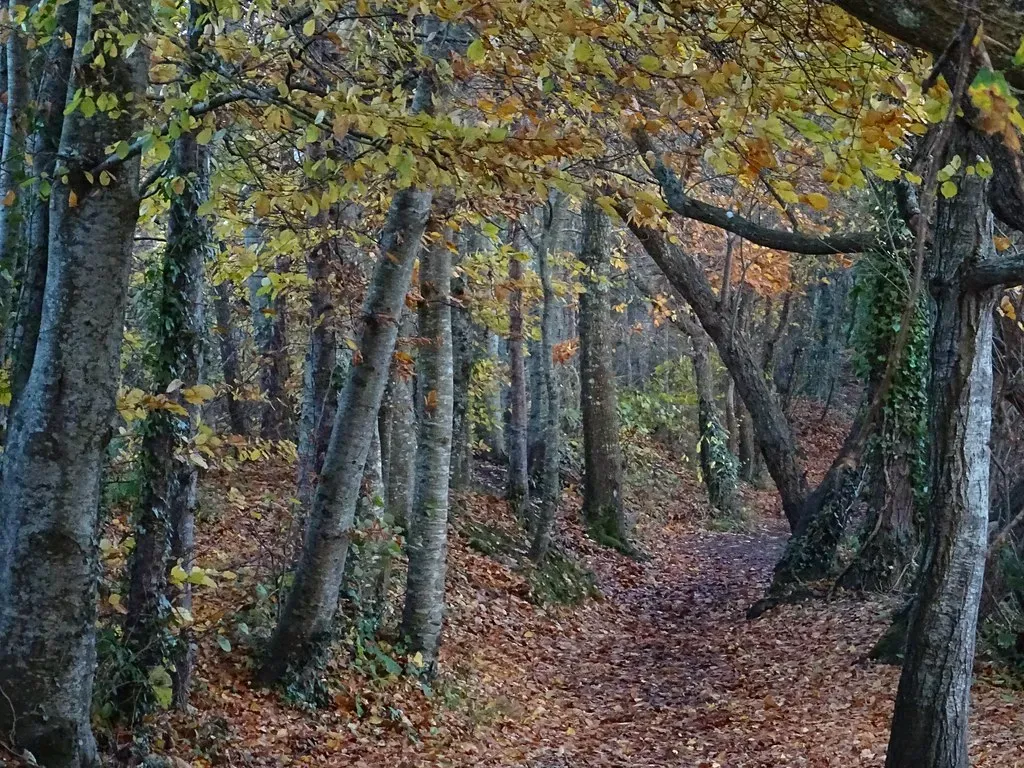
Apply a three to four-inch layer of organic mulch over the entire root zone out to the drip line. Mulch moderates soil temperature, retains moisture, and reduces the heat stress on the shallow, moisture-dependent root system. This step is genuinely one of the most impactful things you can do for a birch tree’s long-term wellbeing.
The best materials for mulching are wood chips, shredded bark, and leaf compost. Rock or stone mulch can also be used, though while aiding in temperature moderation and water retention, rock or stone mulch will not add organic matter to the soil, nor will it reduce weed growth. Importantly, extend the mulch for a minimum three-foot radius around young trees and a six-foot radius around mature trees, and do not allow the mulch to touch the trunk of the tree.
#7: Fertilize Carefully and Sparingly
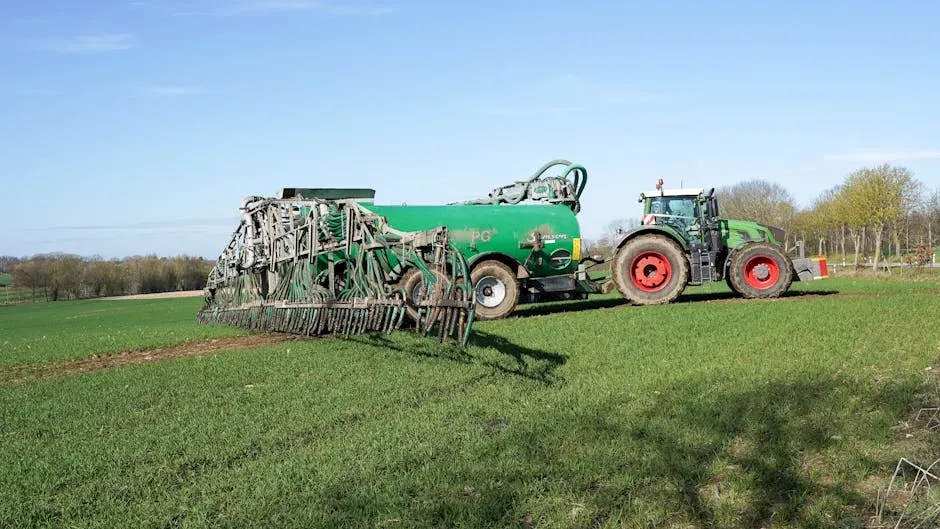
Birch trees in reasonably healthy soil with adequate moisture do not need heavy fertilizing. An annual application of a balanced slow-release fertilizer in early spring supports canopy density and stress resistance. Restraint is key here. Over-fertilizing is a genuine risk, not just a theoretical one.
Birches have very specific fertilizer requirements that will not be met with a standard “one-size-fits-all” lawn and turf fertilizer. In particular, fertilizers that release large amounts of nitrogen quickly into the soil can encourage structurally weak growth that could cause problems. The USDA recommends fertilizing in late fall or early spring and using slow-release fertilizers. When in doubt, conduct a soil test first. Generally, fertilizer is not needed unless a soil test reveals your tree’s soil is lacking in nutrients. If a test reveals the need for a fertilizer, a slow-release product is best.
#8: Prune at the Right Time
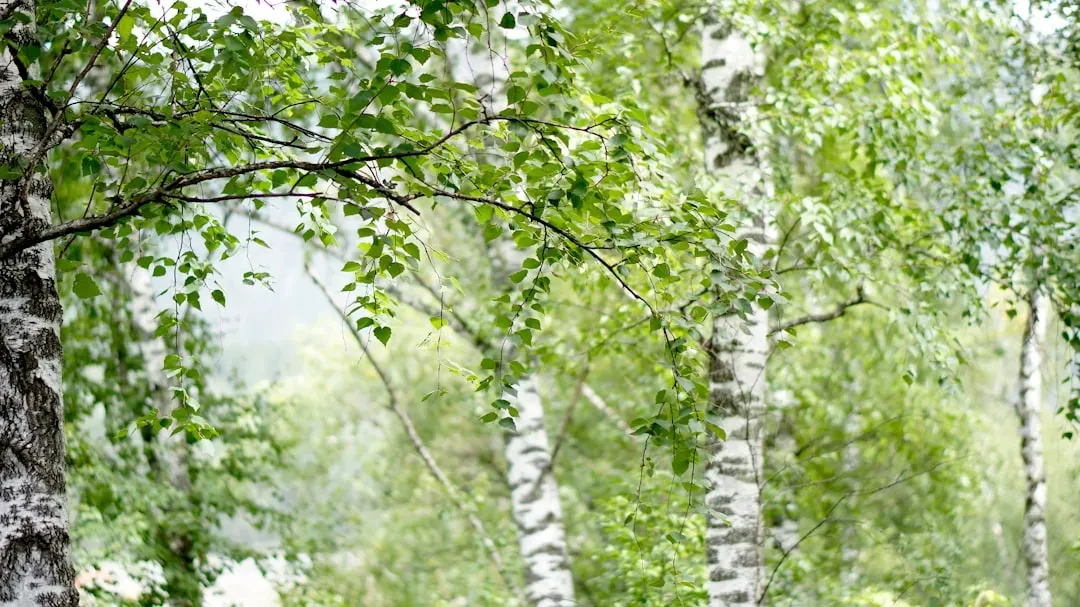
Prune birch trees during their dormant season from late fall through early winter to minimize sap bleeding, as birches are heavy bleeders when pruned during active growing periods. Make clean cuts just outside the branch collar using sharp, sterilized pruning tools, and avoid pruning more than 25% of the canopy in a single season. Pruning at the wrong time isn’t just wasteful; it can actively invite pest problems.
Insects tend to target birch trees where they are cut or damaged. Pruning should not be done between May 1 and August 1, the flight period of the birch tree’s greatest pest enemy, the bronze birch borer. The beetles are attracted to fresh pruning wounds. When the work does happen, focus on removing dead, diseased, or crossing branches first, then address any structural issues. Schedule your pruning well before spring sap flow begins in March for healthiest results.
#9: Monitor and Manage Pests Proactively
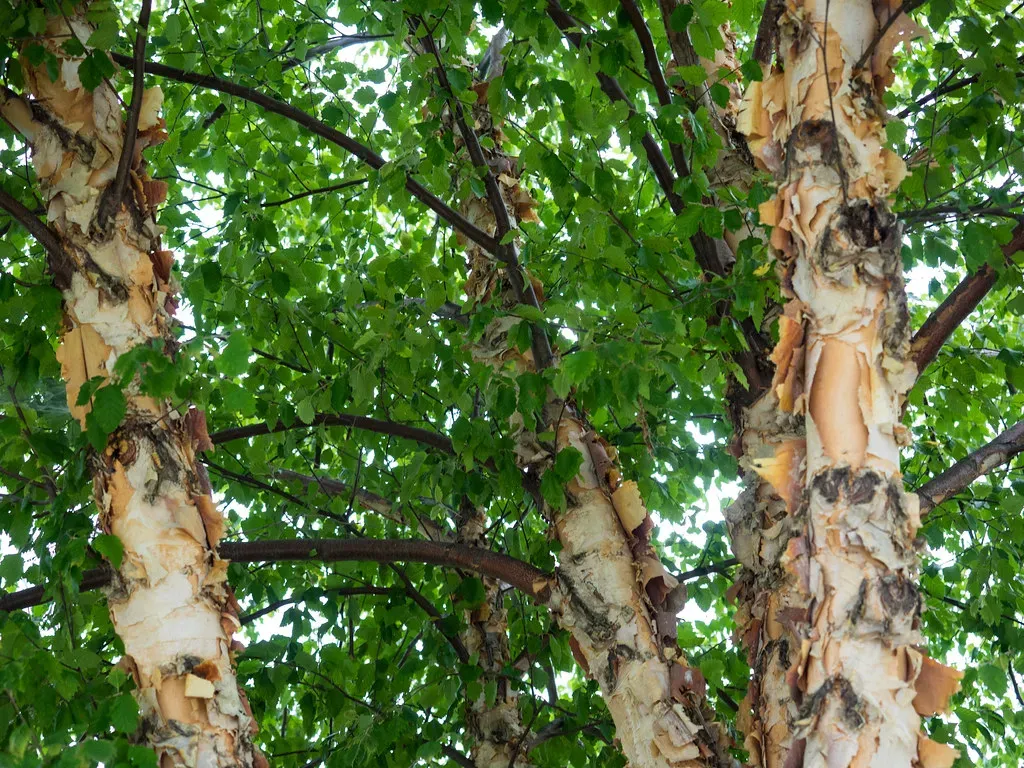
The bronze birch borer is the most serious pest of birch trees in North America. The adult beetle lays eggs in bark crevices, and larvae bore through the cambium layer and disrupt water and nutrient transport. The early signs are easy to miss, which is exactly what makes this pest so destructive. The first symptom of birch borer attack is sparse, stunted foliage in the upper crown. This symptom progresses to twig dieback and then to branch dieback. The process of decline can take several years before a tree dies, though it can also occur very quickly during a single hot, dry year.
Stressed trees are significantly more susceptible than vigorous, well-watered trees. Maintaining tree vigor through correct siting, consistent watering, and mulching is the most effective preventive strategy. For high-value trees in areas where borers are known to be active, systemic insecticide treatments applied as a soil drench or trunk injection are available and effective as a preventive measure. These treatments are most effective when applied before significant infestation rather than after decline is visible.
#10: Think About Spacing and Long-Term Landscape Design
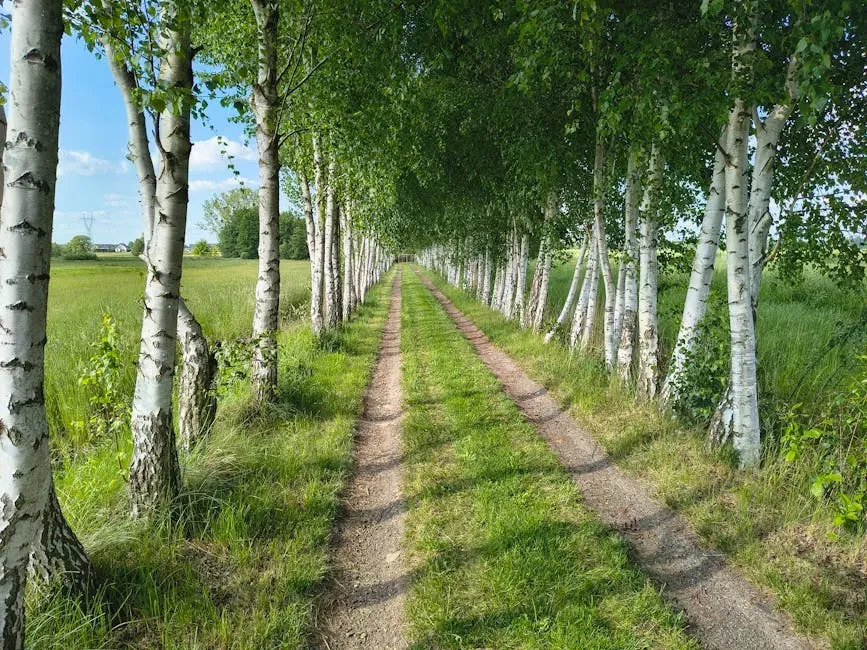
Depending on the species, plant birches 20 to 40 feet apart to accommodate their mature spread. Planning ahead is genuinely worth the effort here, because birch trees grow quickly. Most birches grow one to two feet per year, with river birch and white birch among the fastest-growing. What looks like generous spacing today can feel crowded within a decade if you don’t account for mature width.
Because the trunk is the most eye-catching feature of most birch trees, give it the attention it deserves with the right backdrop. Dark evergreens planted behind the trunks will show off the beauty of white forms dramatically. Similarly, keep foreground plantings low so the full impact of the trunk can be seen from the ground up. If you’re working with a smaller yard, birch trees can actually be grown in large containers as specimen trees. They make impactful statement pieces as part of inventive patio gardening and also work well on the deck.
Conclusion
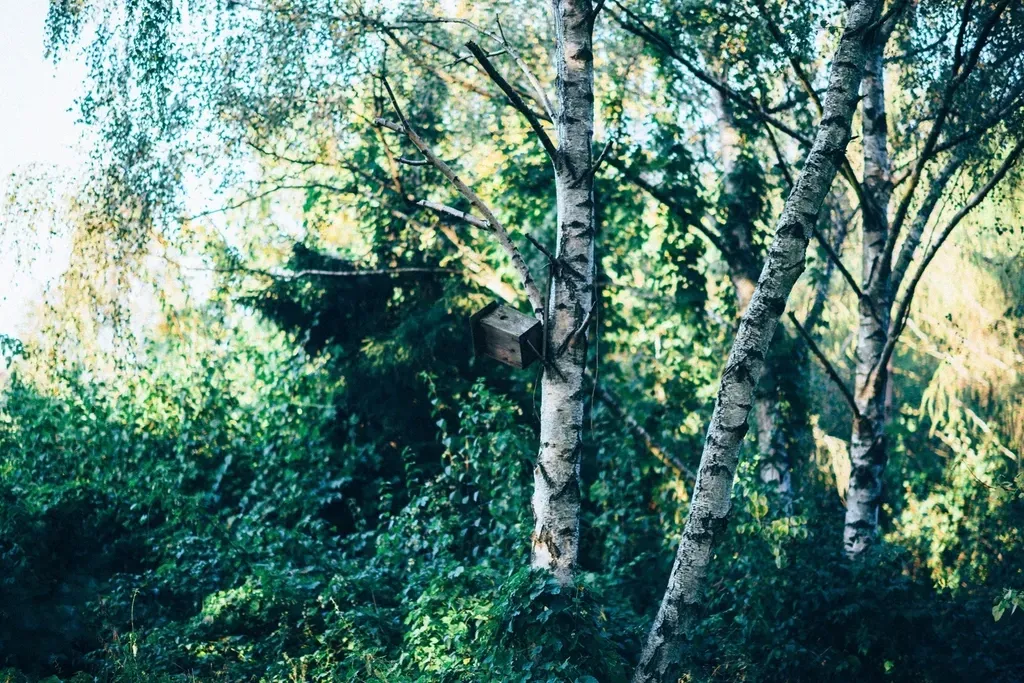
Birch trees reward thoughtful care in ways that few other landscape trees can match. They bring a touch of enduring texture and brilliance to even the most modest-sized gardens. Birches are favored for their elegant shape, their often silvery-white bark, their early-season catkins, and their rich fall foliage. Getting that reward takes more than just digging a hole and stepping back.
The core of good birch care is deceptively simple: the right species, the right site, consistent moisture, and attentive pest management. Each of the ten practices outlined here builds on the others. Neglect one and the rest become harder. Follow them together and you’re giving your tree a genuine chance at a long and healthy life.
A thriving birch tree in a well-chosen spot is one of those quiet garden achievements that pays dividends every single season. It earns its place, year after year, in ways that are hard to replicate with anything else you could plant.
