
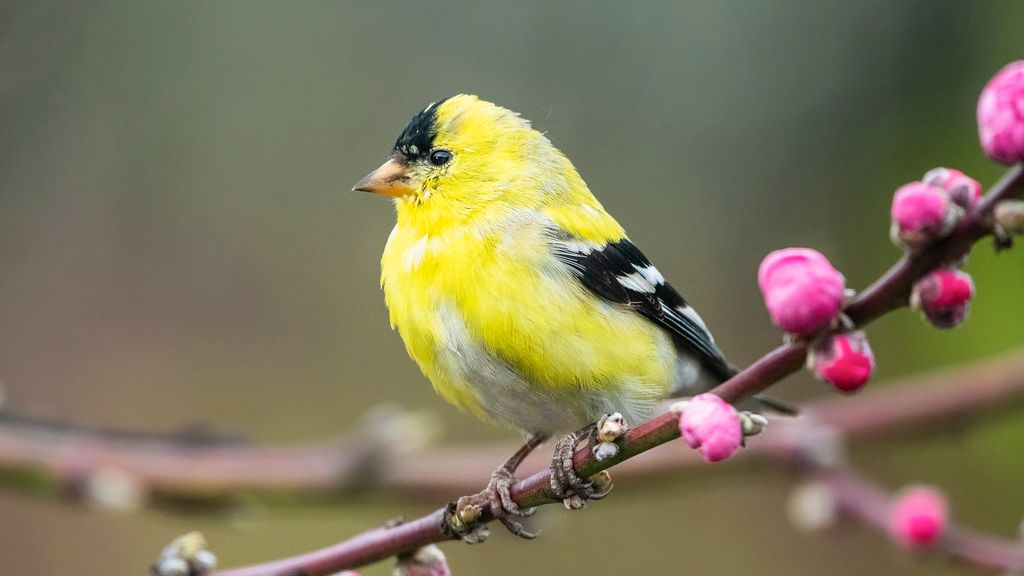
Have you ever noticed a bird outside your window and wondered if your eyes were playing tricks on you? One day it’s bright yellow, bouncing around your feeder like a tiny ray of sunshine. A few months later, you spot what looks like a completely different bird, dressed in drab olive tones, yet occupying the same spot. Nature’s wardrobe department has been hard at work, yet we rarely stop to ask why.
Seasonal feather changes are among the most fascinating survival strategies in the bird world. While many creatures flee harsh winters by migrating thousands of miles, some North American birds have evolved a different approach. They transform themselves completely, swapping one set of feathers for another as the months roll by. It’s hard to say for sure, but witnessing this gradual metamorphosis feels like watching nature perform its own magic trick right in your backyard.
The Willow Ptarmigan’s Winter Whitewash
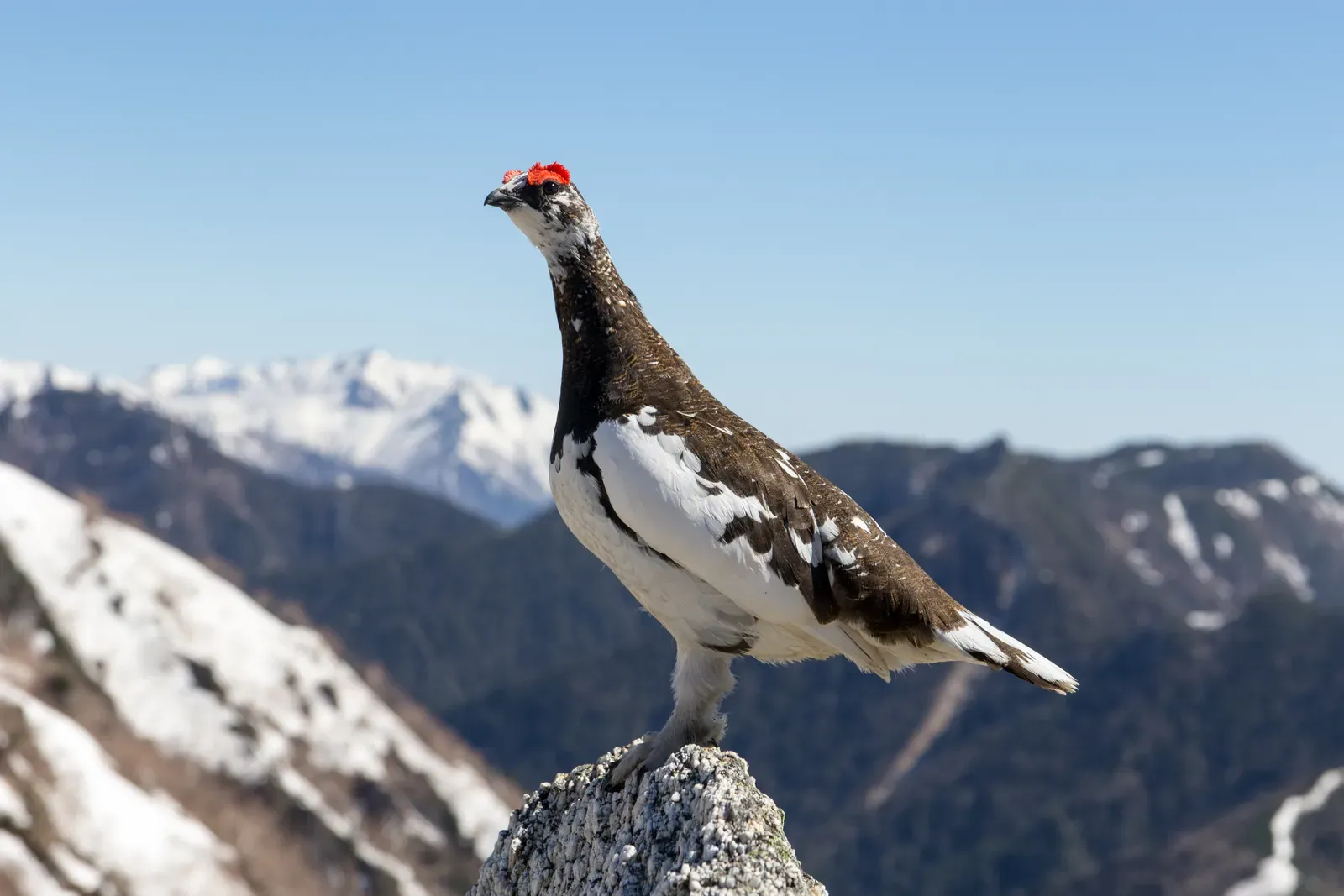
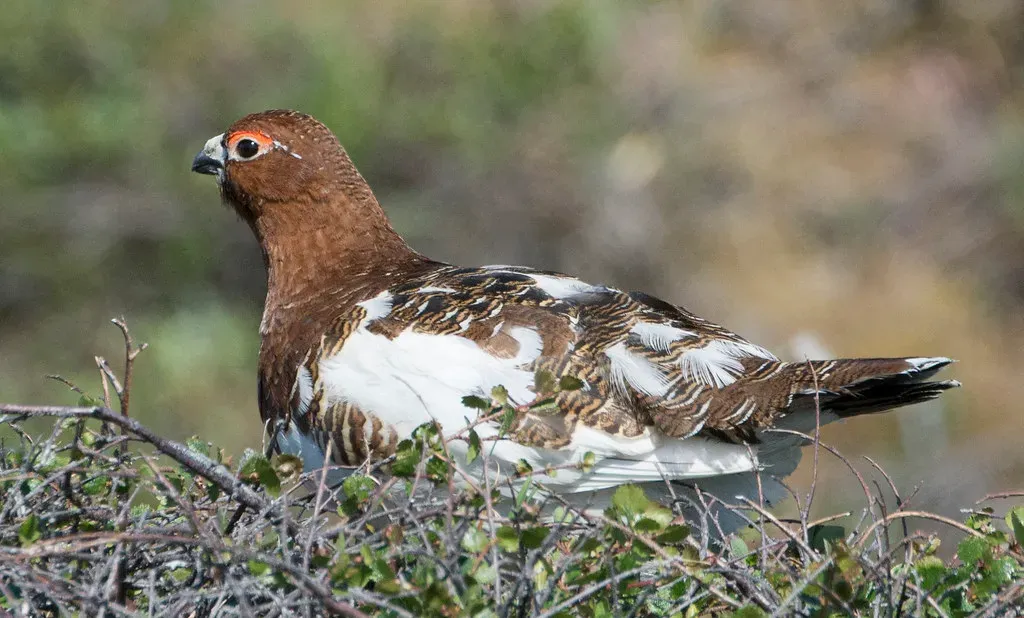
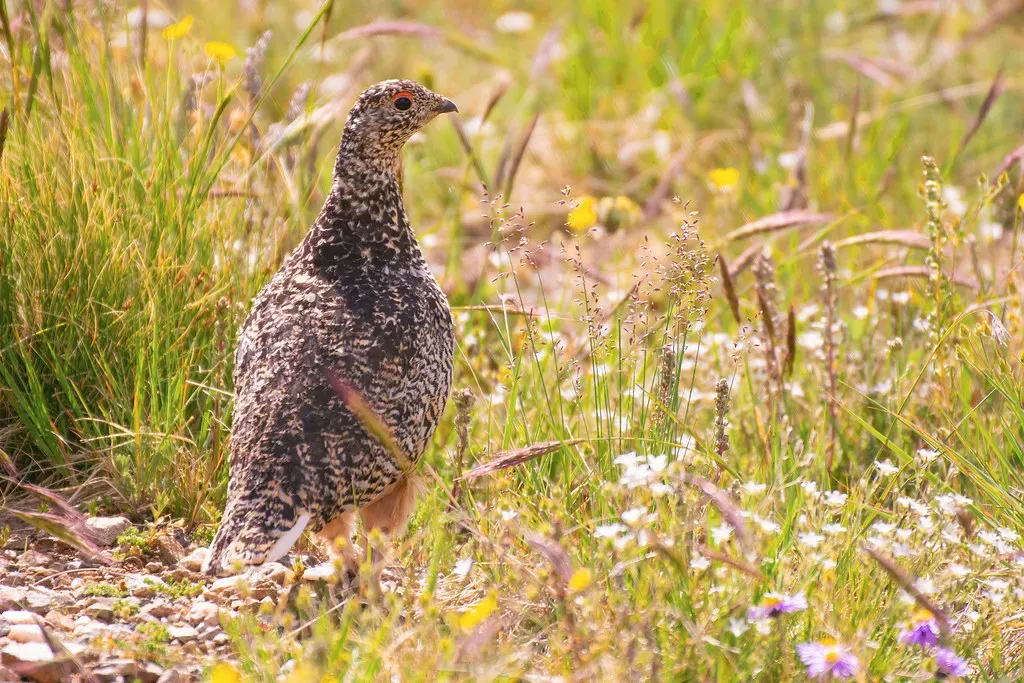
The Willow Ptarmigan is snowy white in winter and an intricate mix of reds and browns in summer. This ground-dwelling bird, the state bird of Alaska, has mastered the art of seasonal disguise better than almost any creature on the planet. During winter, the body plumage and two central tail feathers of both sexes becomes completely white, except for the black outer rectrices.
Molting its body feathers twice a year, it goes from mottled brown or gray in summer to white in winter, so that it’s camouflaged at all seasons. Imagine being able to change your entire outfit to blend perfectly with your surroundings. The ptarmigan doesn’t just wear camouflage – it becomes the landscape itself, whether that’s a snowy tundra or a rocky summer hillside.
The Science Behind the Transformation
The transition is driven by hormonal changes triggered by photoperiod (daylight length). This isn’t some mystical process – it’s biology responding to environmental cues with precision. Hormonal changes triggered by shifting day lengths (photoperiod) activate the molting process, with the pituitary and thyroid glands playing crucial roles in regulating this complex physiological response.
Complete plumage color changes occur three times annually, transitioning from mottled brown summer patterns to pure white winter coloration. The timing is everything. Molting occurs gradually over 6 to 8 weeks, ensuring birds maintain protective coloration throughout the transition period. During this time, ptarmigan can look patchy and awkward, sporting both brown and white feathers simultaneously, yet they’re never truly vulnerable because the change happens slowly enough to maintain some level of camouflage.
American Goldfinch: The Drab to Dazzling Makeover
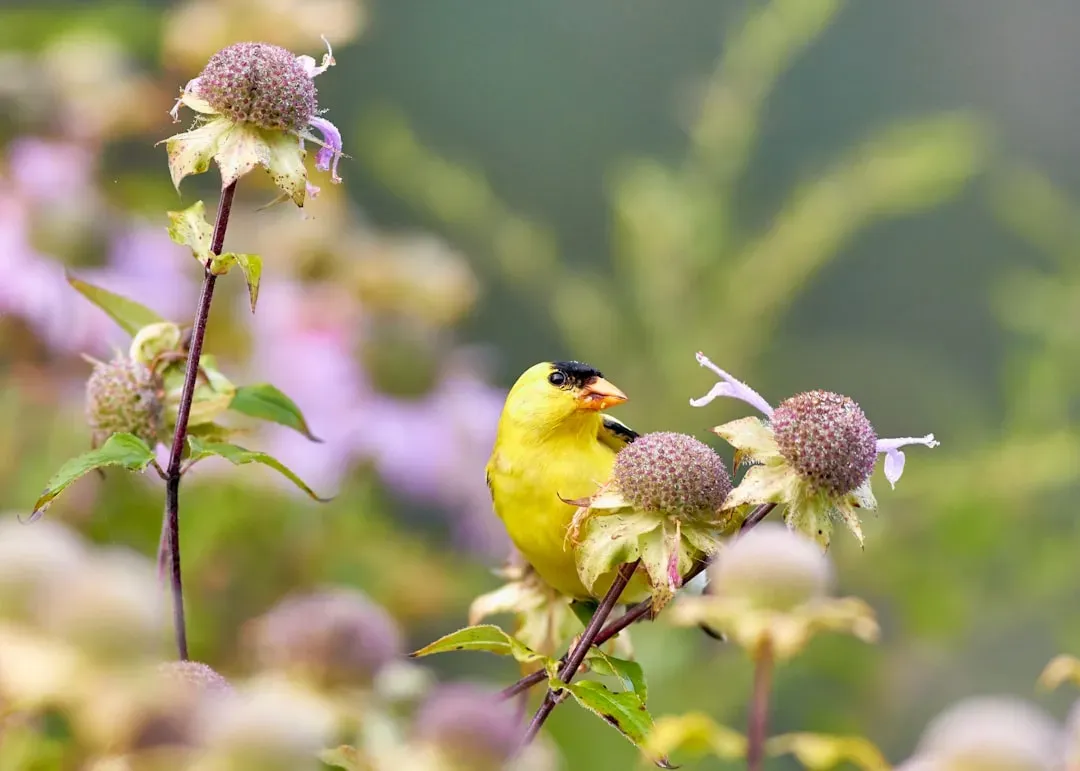
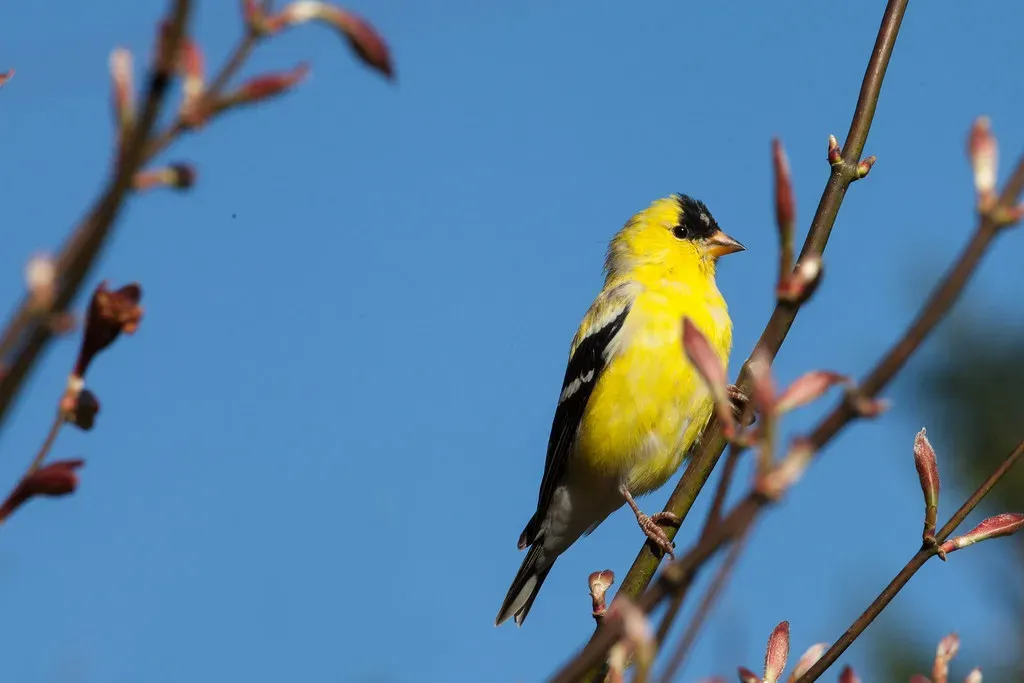
The American Goldfinch undergoes such a radical transformation between seasons, it’s hard to believe that the gray-green birds of winter and the yellow-and-black birds of summer belong to the same species. Let’s be real – when you first learn this, it feels like discovering a secret the birds have been keeping from you all along. The only finch in its subfamily to undergo a complete molt, the American goldfinch displays sexual dichromatism: the male is a vibrant yellow in the summer and an olive color during the winter, while the female is a dull yellow-brown shade which brightens only slightly during the summer.
Beginning in September, and continuing for six to eight weeks, they molt all of their feathers, ending up with a completely new and pristine set of feathers (and drab colors) as they head into the winter. In the spring, as they grow new body feathers the males especially transform into bright yellow breeding plumage, but the wing and tail feathers remain from the previous fall. I know it sounds crazy, but this twice-yearly molt is unique among North American finches.
Why Goldfinches Dress Down for Winter
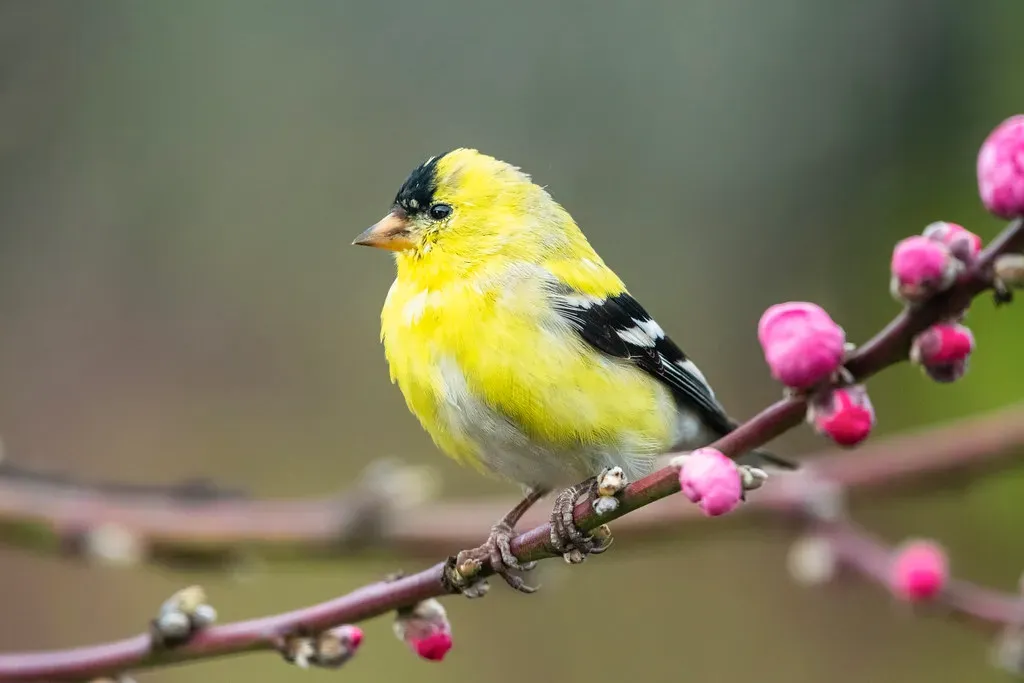
When there’s no need to attract a mate any longer, male birds shed their risqué plumage; it’s physically taxing to produce showy feathers, and bright colors attract predators and unwanted rivals. Here’s the thing – bright yellow feathers are gorgeous, but they’re basically a neon sign saying “eat me” to every hawk in the neighborhood. During winter, survival trumps style every single time.
This seasonal color change is mainly genetic, an adaptation that allows the males to show off bright colors to females. The pigments in their feathers are carotenoids that are directly linked to immune system functions. Therefore a healthy male that has a lot of carotenoids to spare will grow nice bright feathers, and color is an “honest” signal of health. The brilliant yellow isn’t just decoration – it’s an advertisement of genetic quality. The body of the male is a brilliant lemon yellow, a color produced by carotenoid pigments from plant materials in its diet, with a striking jet black cap and white rump that is visible during flight.
Survival Through Adaptation
Both species showcase evolution’s remarkable problem-solving abilities, yet they’ve arrived at similar solutions through completely different evolutionary paths. The ability to change feather coloration with seasons offers multiple evolutionary advantages that have made this adaptation worth the considerable energy expenditure it requires. For species like ptarmigans, seasonal camouflage directly enhances survival by reducing predation risk in environments that change dramatically with the seasons.
Ptarmigan also have thick plumage with feather barbules that contain air-filled cavities, contributing to a low heat loss, which aids in thermoregulation while the bird is roosting in burrows in the snow. The feather changes aren’t just about color – they’re about survival architecture. Honestly, it’s one of nature’s most elegant solutions to environmental challenges.
The Cost of Perfect Camouflage
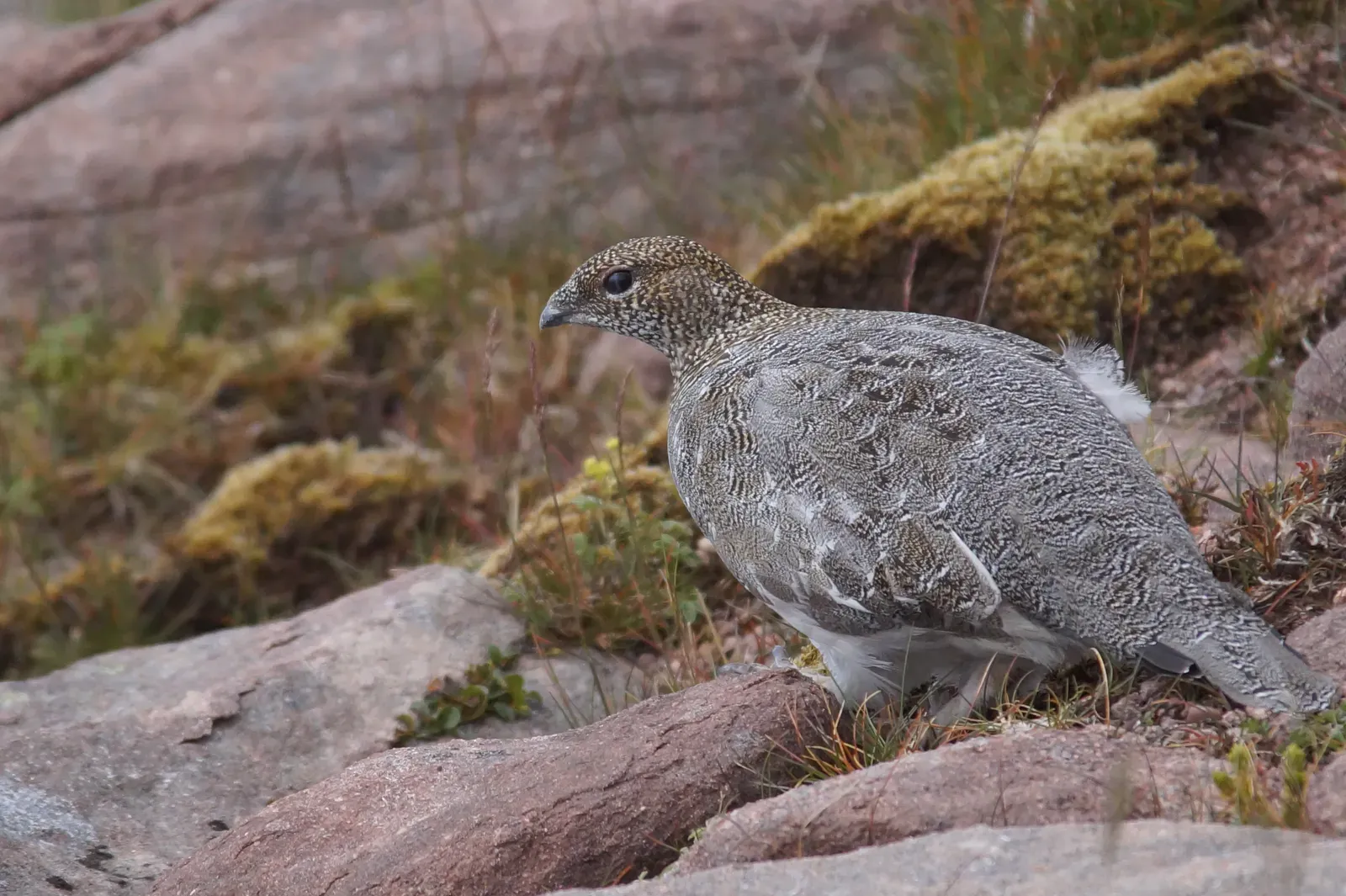
As winters shorten and snowfall patterns shift due to climate change, ptarmigans are finding themselves mismatched with their environment. White feathers + no snow = easy target for predators. Studies from 2025 highlight that ptarmigans in lower latitudes are more vulnerable to snowmelt inconsistencies, increasing their risk of predation. The very adaptation that made them successful for millennia is now becoming a liability. Their internal clocks, tuned over thousands of generations, can’t adjust fast enough to keep pace with rapidly changing snow patterns.
Meanwhile, goldfinches face their own challenges, though perhaps less immediately dire. This is a gradual process, as birds cannot shed all their feathers at once and still be able to fly and forage effectively. During those awkward in-between weeks when they’re half-dressed for winter and half-suited for summer, these birds are more vulnerable and require extra energy to maintain body temperature while growing new feathers.
Conclusion
The seasonal transformations of the Willow Ptarmigan and American Goldfinch remind us that adaptation isn’t always about moving somewhere better. Sometimes it’s about becoming someone different right where you are. These birds have chosen to rewrite themselves with the seasons rather than flee, trading migration for metamorphosis.
Yet their stories also carry a warning. Climate change is disrupting the careful timing these species have perfected over millennia. Ptarmigan turning white while the snow refuses to fall, goldfinches molting on cues that no longer match food availability – these are the cracks beginning to show in nature’s ancient rhythms. What do you think about these remarkable transformations? Share your thoughts in the comments below.
