
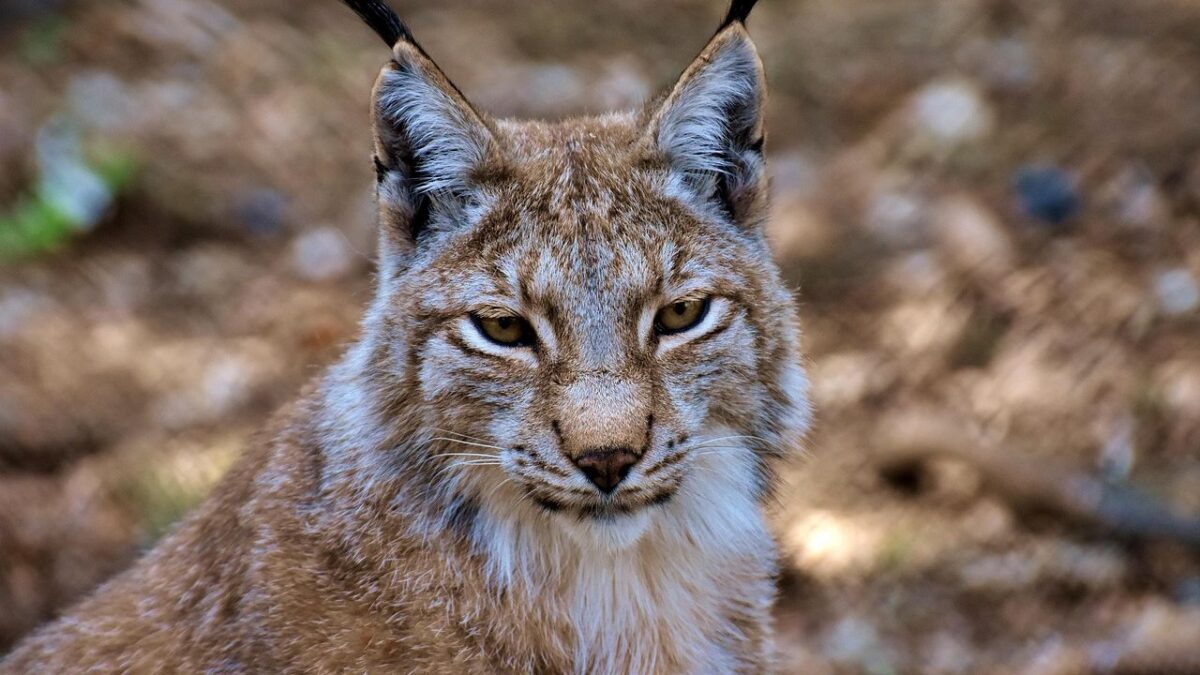
Think you know what lurks in the forests, swamps, and mountains across North America? The continent hosts some of the most formidable hunters on Earth, creatures perfectly adapted to dominate their territories with raw power and calculated precision. From massive bears capable of shattering bones with a single swipe to silent felines that can leap multiple stories in a single bound, these animals command respect and more than a little healthy fear. While most people will never encounter these predators face to face in the wild, understanding what makes them so incredibly dangerous gives us insight into the delicate balance of nature.
Here’s the thing. These aren’t just big animals. They’re apex predators, ecosystem architects, and survivors that have honed their skills over thousands of years. So let’s dive in and discover the powerful hunters that call North America home.
Grizzly Bear: The Bone-Crushing Giant
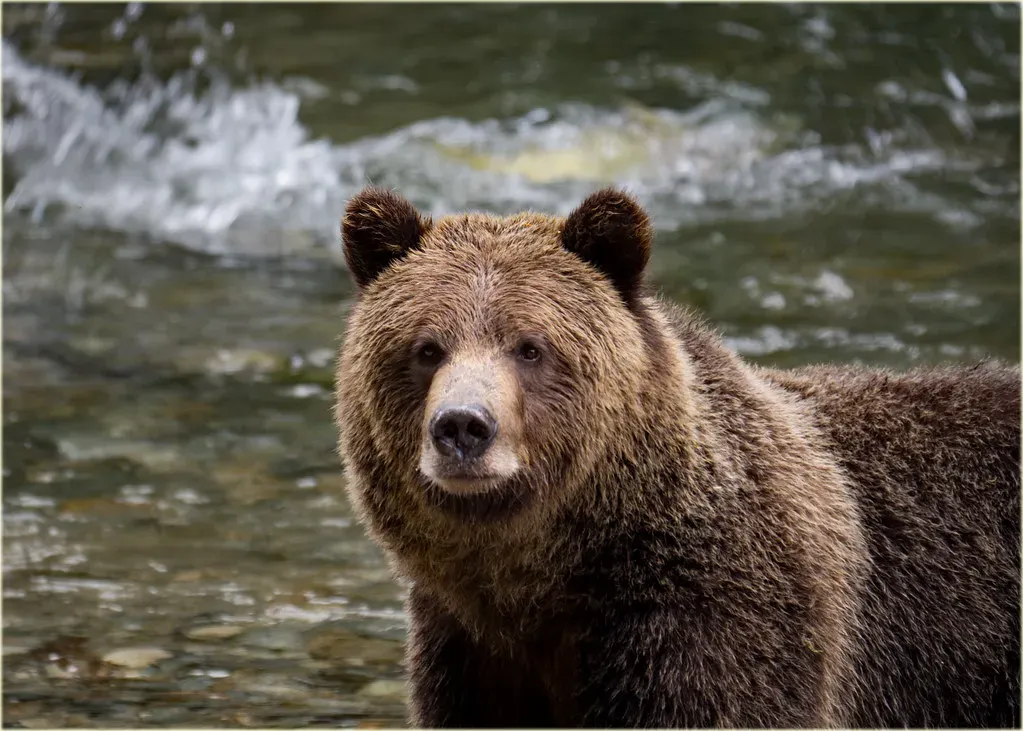
The grizzly bear is found primarily in Alaska and Western Canada, with adult males weighing up to 1,500 pounds. These massive creatures possess a distinctive hump on their shoulders, which is actually a mass of muscle that gives them extraordinary digging and striking power.
The bite of a grizzly bear is strong enough to shatter a bowling ball. Let’s be real, that’s not something you want to test personally. Grizzly bears have a swipe force of 25,000 pounds, capable of tearing fur and flesh from other animals with claws as long as a banana.
Grizzly bears are opportunistic omnivores with a varied diet that includes plants, berries, roots, insects, small mammals, and fish, meaning they take advantage of a wide range of food sources based on availability. During salmon season, they demonstrate incredible fishing abilities.
While the grizzly population is nothing like what it used to be a hundred years ago, attacks by the biggest member of the brown bear family can happen in certain areas of the country. Grizzlies will sometimes steal food from other animals, including ravens and mountain lions, and will even lie on the carcass to claim it as their own.
Their intelligence matches their physical prowess. Grizzly bears may engage in communication and dominance displays with other bears to establish access to prime foraging areas or food resources, with dominant bears having priority access to the best feeding sites.
Grizzly bears can be quite aggressive, especially when protecting their young, or when surprised or threatened, and can deliver powerful swipes and bites. When you’re in bear country, staying alert isn’t just smart advice, it could save your life.
The relationship between grizzlies and other predators reveals fascinating dynamics. Grizzly bears are generally at the top of Wyoming’s wildlife food chain, including general dominance over wolves, or at least being left alone by the canines.
Mountain Lion: The Silent Stalker
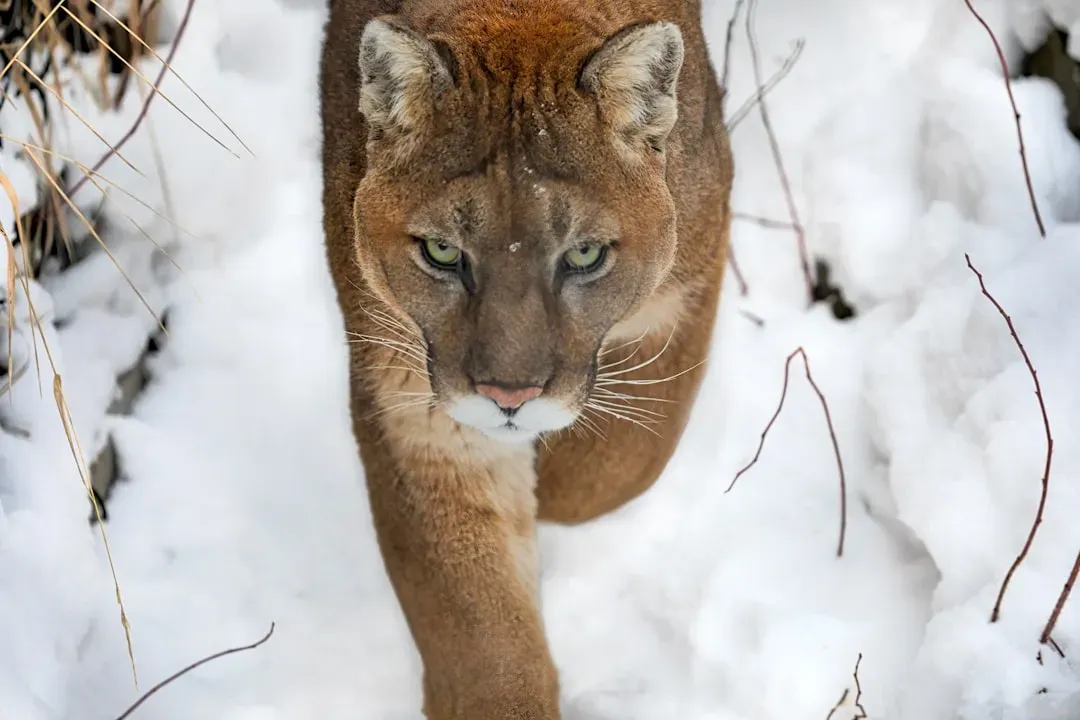
The mountain lion is one of the stealthiest and baddest cats on the planet. Also known as cougars or pumas, these solitary predators have adapted to environments ranging from dense forests to rocky mountains.
Mountain lions primarily inhabit the forests and mountainous regions of western North America, are highly adaptable and can even be found near urban areas, and with their powerful limbs and acute sense of sight, they often hunt at dusk and dawn. Their hunting schedule makes them particularly dangerous during twilight hours when visibility is poor for humans but perfect for these specialized hunters.
Mountain lions are ambush hunters well-known for pouncing on unsuspecting prey from behind, can pounce 20 feet when running and leap 12 feet from standing still, and have two-and-a-half-inch claws perfect for ripping and tearing. They hunt primarily deer but will take down elk and bighorn sheep when the opportunity presents itself.
Cougars eat about one deer every one to two weeks. A mountain lion will usually catch only one out of three deer that it chases, which shows how challenging hunting truly is even for such skilled predators.
Here’s something surprising. Wolves, grizzly bears, black bears and jaguars often dominate pumas, and pumas are subordinate to at least one other top carnivore in 47.5 percent of their range across North and South America. Despite being apex predators themselves, they’re often pushed around by larger carnivores.
Lion attacks on people are rare with fewer than a dozen fatalities in North America in more than 100 years. Most attacks involve young lions not yet established in their own territories.
The most elusive of the large carnivore species in Wyoming, mountain lions are found statewide, but are rarely seen. Their secretive nature makes encounters uncommon, but when they do occur, they demand immediate attention and proper response.
Gray Wolf: The Pack Hunter
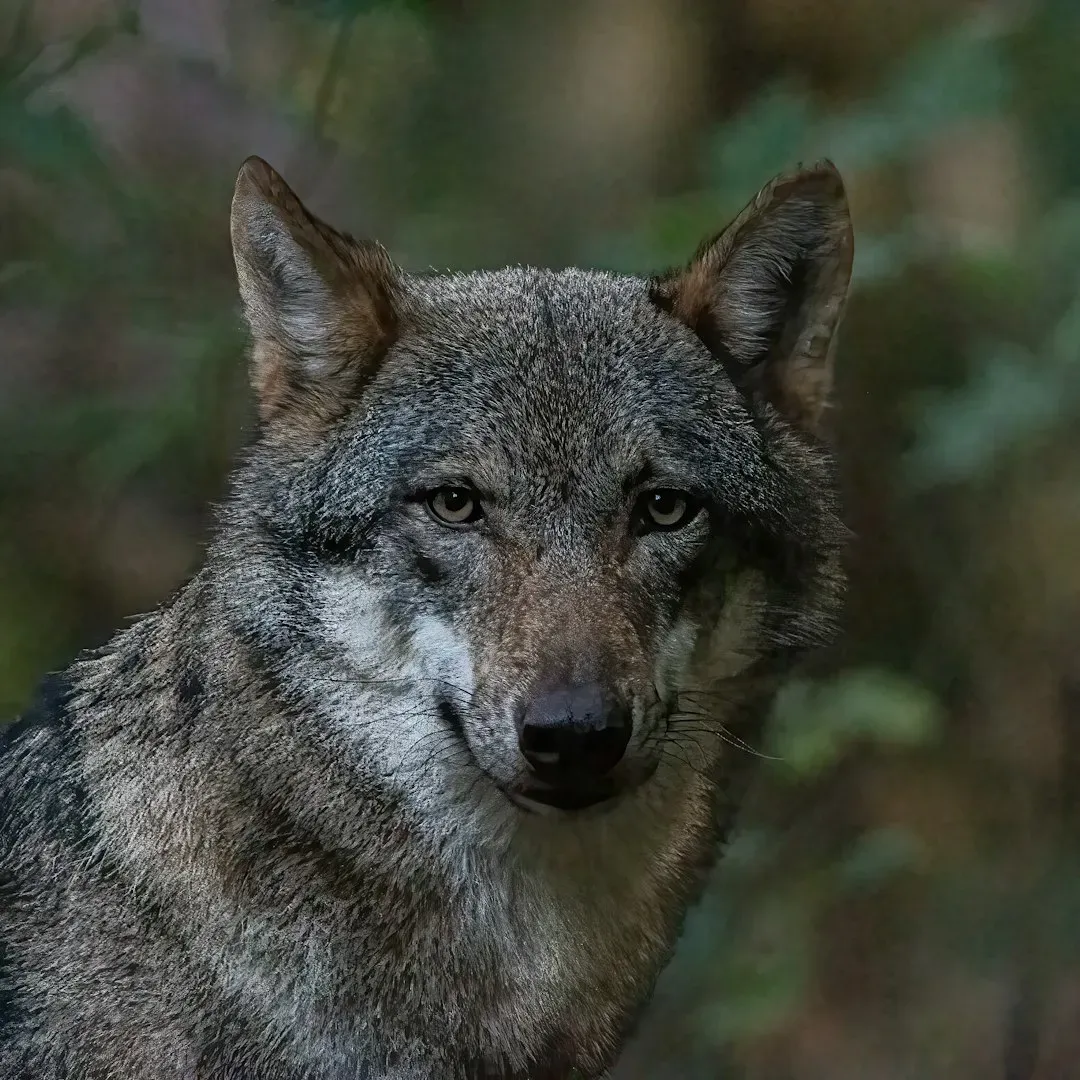
Gray wolves are apex predators in the ecosystems they inhabit, ranging from Canada to parts of the American West, and hunt in packs, using their numbers and coordinated tactics to bring down large prey such as deer, moose, and bison. This cooperative hunting strategy makes them uniquely effective among North American predators.
Extreme conservation efforts have worked to drastically improve wolf numbers, with an estimated total of around 5,600 wolves spread across the lower 48 states alone, between 8,000 and 11,000 gray wolves in Alaska, and incredibly, 53,600 to 57,600 wolves roaming free in Canada. The recovery of wolf populations represents one of conservation’s greatest success stories.
Wolves demonstrate remarkable intelligence in their hunting strategies. They study prey movement patterns, coordinate attacks from multiple angles, and even appear to assign specific roles during hunts. I think it’s fascinating how they communicate through body language, vocalizations, and even subtle ear positions to execute complex hunting maneuvers.
These interactions are commonplace in Yellowstone and anywhere wolves’ territories overlap with those of brown bears or grizzly bears, and gray wolves and brown bears historically coexisted across most of their range in the Northern Hemisphere. The dynamic between these two predator species continues to shape ecosystem balance.
When a pack of 10 wolves successfully ran off a large grizzly in Yellowstone, it was probably an exception rather than the rule, as the dominance hierarchy works itself out pretty well in nature with grizzly bears coming out on top. Still, pack strategy does come into play around certain situations.
Wolves generally avoid humans, but their fierce hunting skills make them one of North America’s top predators. The howl of a wolf pack at night remains one of the wilderness’s most haunting and primal sounds.
Their social structure is complex and sophisticated. Alpha pairs lead the pack, but contrary to popular belief, wolf packs are more like families than dictatorships, with cooperation being more important than domination.
American Alligator: The Ancient Ambusher
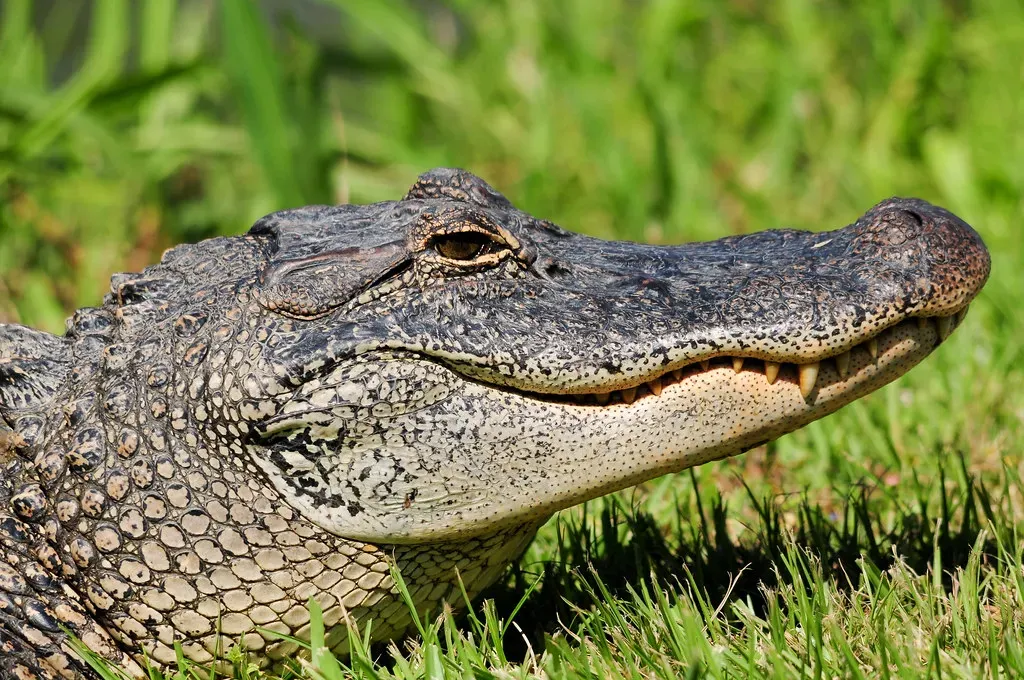
American alligators inhabit the southeastern United States, thriving in the freshwater environments of swamps, marshes, and rivers, and can grow up to 13 feet long and weigh as much as 1,000 pounds. These prehistoric predators have remained virtually unchanged for millions of years because their design is nearly perfect.
Known for their strong bite force and remarkable agility, alligators are apex predators that primarily feed on fish, birds, and mammals. It is an opportunistic predator, which means it will eat just about anything, including fish, birds, frogs, snakes, deer, dogs, calves and even humans.
Found primarily in the Southeastern USA, the American alligator can reach lengths of up to 15 feet, and these reptiles are apex predators in their environments, capable of overpowering virtually any animal that enters their territory including humans, with alligator attacks being rare but potentially fatal. Between 2001 and 2007, twelve people were reported killed by American alligators.
Their hunting technique is devastatingly effective. Alligators lie motionless in water, often appearing like floating logs, until prey comes within striking distance. Then they explode into action with surprising speed, clamping down with one of the most powerful bite forces in the animal kingdom.
Adult American alligators also spend considerable time hunting on land, up to 160 feet from water, ambushing terrestrial animals on trailsides and road shoulders, with terrestrial hunting usually occurring on nights with warm temperatures. This adaptability makes them more dangerous than many people realize.
The American alligator embodies the raw power of the southeastern United States’ wetlands, and as the apex predator in its freshwater habitat, feeds on fish, birds, and small mammals while exhibiting territorial behavior, especially during mating season. Males bellow loudly to declare territory and attract females.
Conservation efforts have been remarkably successful. Once close to extinction, the American alligator thrives in the lakes and swamps of the southeastern United States. Their comeback demonstrates how effective wildlife management can be when properly implemented.
Polar Bear: The Arctic Giant
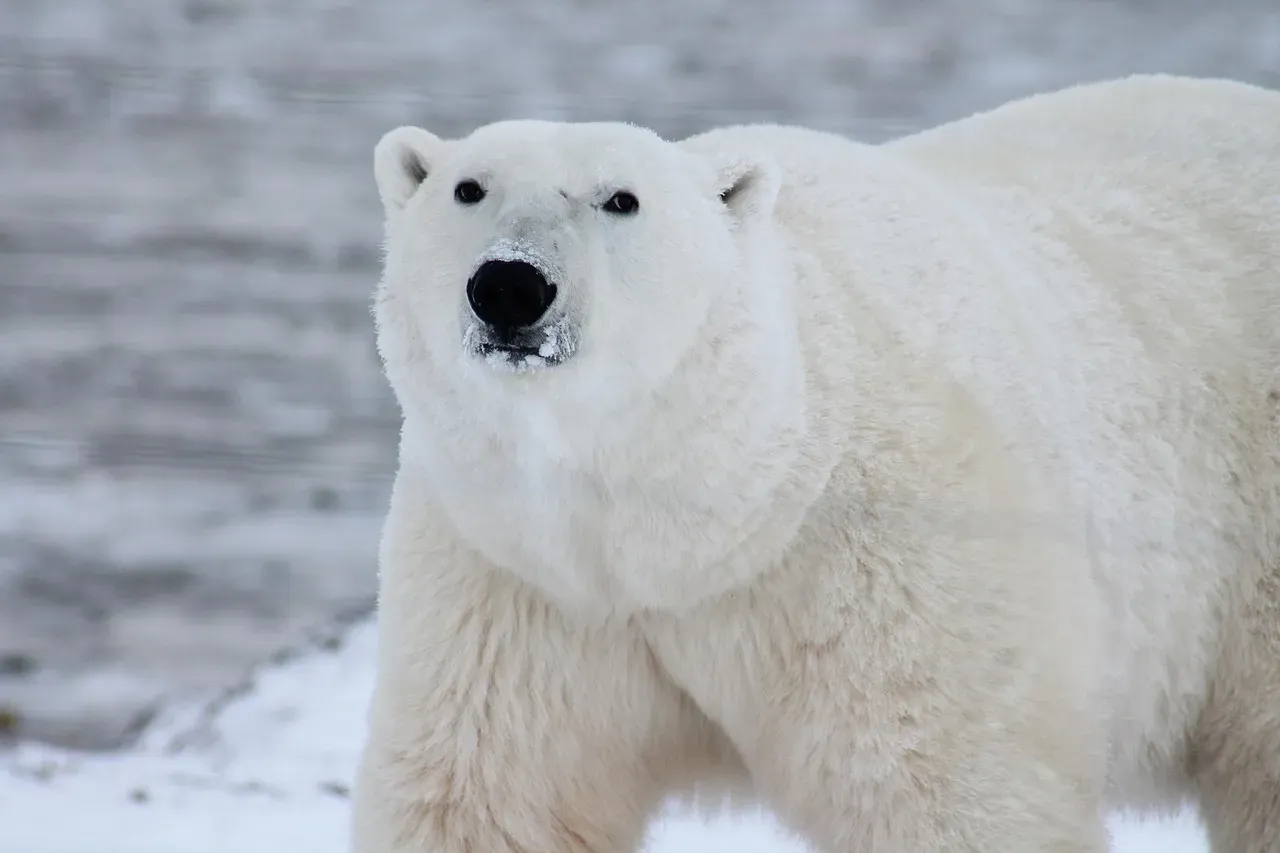
Native to the Arctic, polar bears are the largest land carnivores in the world, and they are powerful swimmers and primarily hunt seals on ice-covered waters. These magnificent animals represent the ultimate adaptation to one of Earth’s harshest environments.
While most of the human population of North America will never see a polar bear in the wild, they are the apex predator because of their sheer size and power, living only in the Arctic wasteland. Male polar bears engage in fierce competition, particularly during breeding season.
These powerful predators are equipped with strong limbs for swimming and can overpower any animal in their territory. Their swimming capabilities are extraordinary, with documented cases of polar bears swimming over 400 miles in search of ice or prey.
Climate change has dramatically affected polar bear behavior and survival. Climate change is increasing interactions between polar bears and humans, sometimes with fatal outcomes, as it affects their habitat. As Arctic ice continues to diminish, these encounters are likely to become more frequent.
Polar bears possess several remarkable adaptations beyond their size. Their fur appears white but is actually transparent and hollow, providing excellent insulation. Black skin underneath absorbs heat from the sun, while a thick layer of blubber provides additional warmth and energy storage.
They are powerful predators, primarily hunting seals through the ice. Their hunting technique involves waiting motionless beside seal breathing holes in the ice, sometimes for hours, before striking with lightning speed when a seal surfaces.
The sheer power of a polar bear is difficult to comprehend. They can decapitate a human with a single swipe and smell prey from over a mile away. Honestly, they’re incredible animals that deserve our respect and conservation efforts.
Bobcat: The Adaptable Hunter
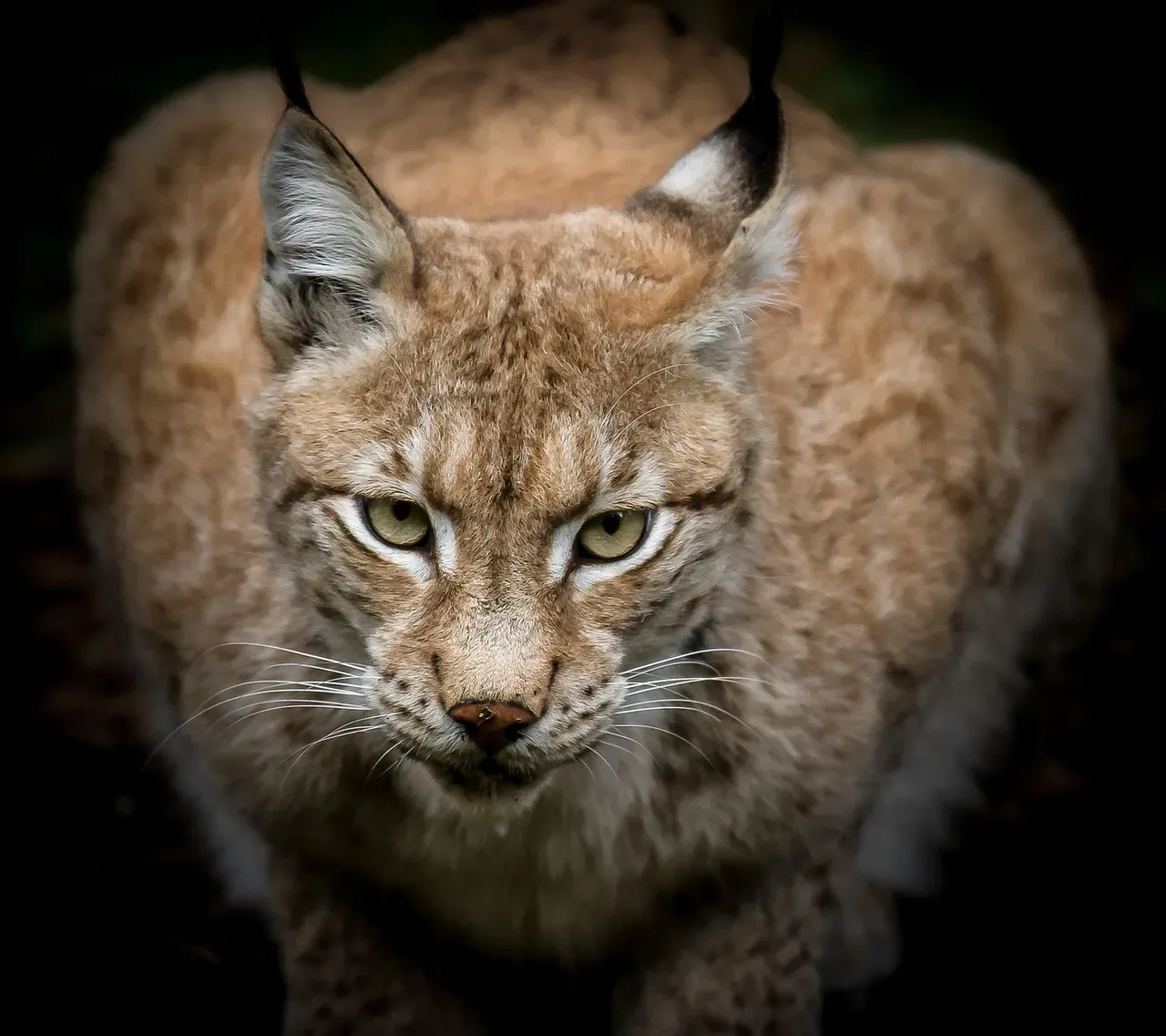
The Bobcat is a medium-sized animal found in a variety of habitats across the southern half of North America, widespread and adaptable predators closely related to the larger Canadian Lynx with the biggest difference being that the Bobcat only has a small bobbed tail, measuring about double the size of a domestic cat. Despite their relatively small size, they’re formidable predators.
The bobcat is an opportunistic predator that, unlike the more specialized Canada lynx, readily varies its prey selection, with diet diversification positively correlating to a decline in numbers of the bobcat’s principal prey. This adaptability has allowed bobcats to thrive in diverse environments.
The bobcat hunts animals of different sizes and adjusts its hunting techniques accordingly, hunts in areas abundant in prey and waits lying or crouching for victims to wander close, then pounces and grabs the prey with its sharp, retractable claws. Their patience and stealth make them incredibly effective hunters.
Bobcats face threats from larger predators. The Bobcat is a fierce and dominant predator in its natural habitat with adult Bobcats being threatened by few animals, the biggest concern being Cougars and Wolves, while small and vulnerable Bobcat kittens are preyed upon by Coyotes and Owls.
The main diet of lions were deer and javelina, while the main diet of bobcats was rabbits and rodents. This dietary separation allows both species to coexist in the same territories without excessive competition.
It is an adaptable predator inhabiting wooded areas, semidesert, urban edge, forest edge, and swampland environments, though populations are vulnerable to extirpation by coyotes and domestic animals. Urban expansion continues to challenge bobcat populations in many areas.
Their secretive nature means most people never see them despite living in bobcat territory. They’re most active during twilight hours, and their spotted coat provides excellent camouflage in dappled forest light.
Black Bear: The Forest Omnivore
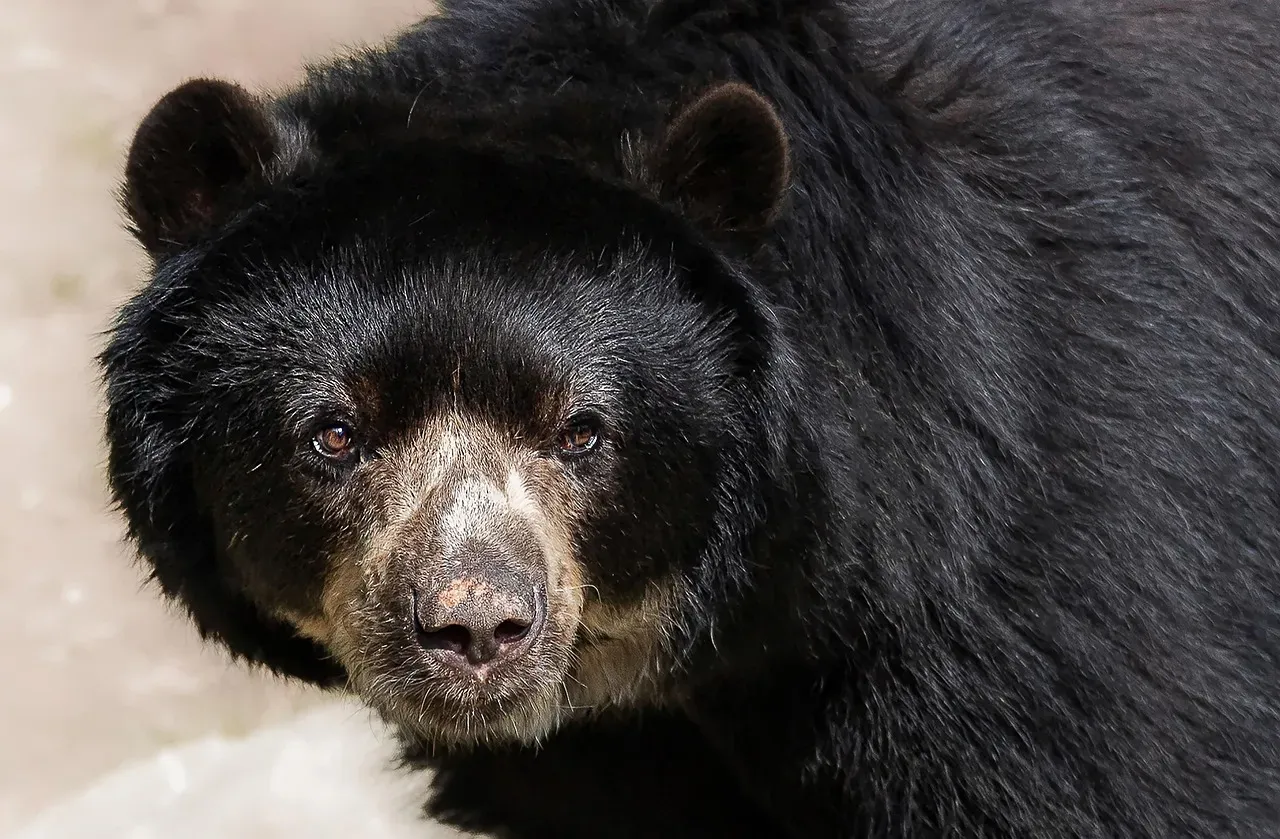
Black bears are the most common bear species in North America, found across the continent from northern Canada to Mexico. Unlike grizzlies, black bears are generally smaller and more arboreal, though they still command considerable respect.
Black bears are very agile, can run in bursts up to 35 mph and can run up or down hills quickly and easily. Their climbing ability is exceptional, with cubs often sent up trees by mothers when danger approaches.
When threatened, their tendency is to run up a tree, not fight back, and sometimes, they may hit the ground with their paws in an effort to scare you. This makes them generally less aggressive than grizzlies, though they’re far from harmless.
Natural enemies include other bears and mountain lions, with humans responsible for the deaths of most black bears through loss of habitat, feeding, illegal killing, destruction of bears that pose a threat to people or livestock and property, and hunting. Habitat loss remains their primary threat.
Black bears are true omnivores, with their diet varying dramatically by season and location. Spring brings fresh vegetation, summer offers berries and insects, fall provides nuts and more berries to fatten up for winter, and they’ll opportunistically take meat when available.
Wildlife scientists estimate that Colorado could hold about 12,000 black bears with grizzly bears having been extinct in Colorado since about 1970. Black bear populations have generally remained stable or increased in recent decades.
Their intelligence shouldn’t be underestimated. Black bears have excellent memories, particularly for food sources, and can learn to open car doors, coolers, and even complex bear-proof containers with enough motivation.
Wolverine: The Fearless Fighter
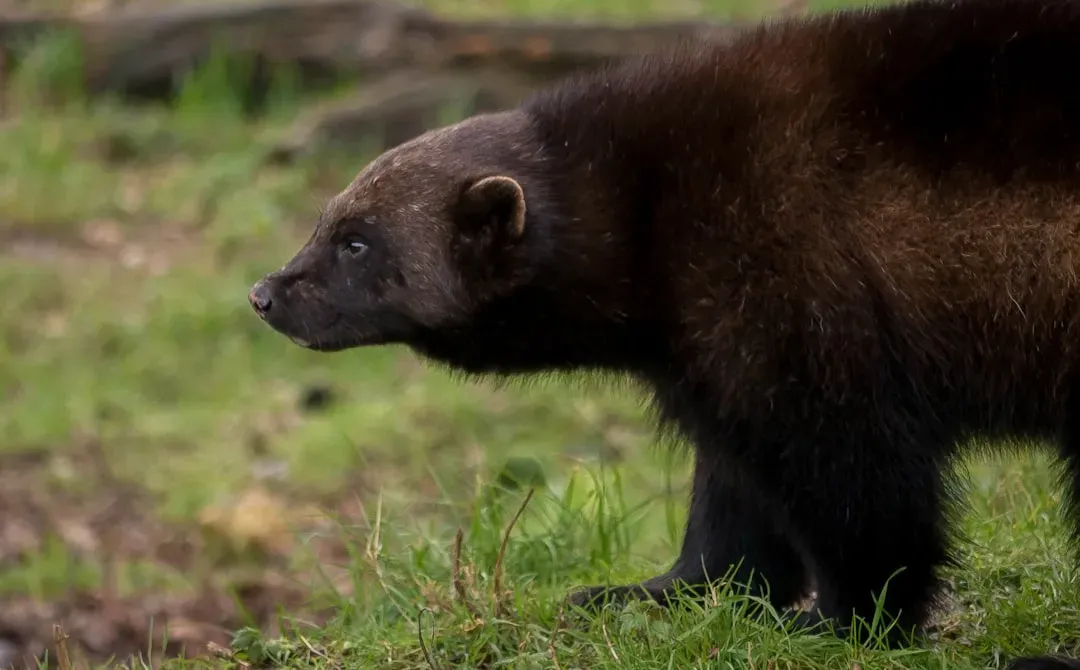
While he doesn’t have the weight of the other top North American predators, he makes up for that with his pound-for-pound strength and ferocious behavior. The wolverine’s reputation for aggression and tenacity far exceeds its modest size.
This bad dude is the largest member of the weasel family, and while experts are not exactly sure as to how many wolverines make up the breeding population, they suggest that the numbers continue to drop from year to year, with around only 250-300 wolverines thought to live in the Rocky Mountains and North Cascades. Their rarity makes them even more remarkable.
Wolverines possess strength completely disproportionate to their size. They’ve been documented killing prey much larger than themselves, including deer and even young caribou. Their jaw muscles and teeth can crush bones that larger predators struggle with.
These creatures inhabit some of the most inhospitable terrain on the continent. Deep snow, extreme cold, and rugged mountains don’t just fail to deter them, these are their preferred conditions. They’re built for environments where most other animals struggle to survive.
The wolverine’s fearless nature is legendary. There are documented cases of wolverines driving grizzly bears and mountain lions away from carcasses, refusing to back down despite the massive size difference. It’s hard to say for sure, but this boldness might stem from desperation in harsh environments where every meal counts.
Their scent-marking behavior is intense. Wolverines spray musk to mark territory and food caches, with the smell being notoriously pungent and persistent. This helps them communicate across vast territories that can span hundreds of square miles.
Conservation challenges for wolverines are complex. They require vast, undisturbed territories with deep winter snowpack, habitat that’s increasingly fragmented and affected by climate change. Their low population numbers and reproductive rates make recovery efforts particularly challenging.
Canada Lynx: The Snow Specialist
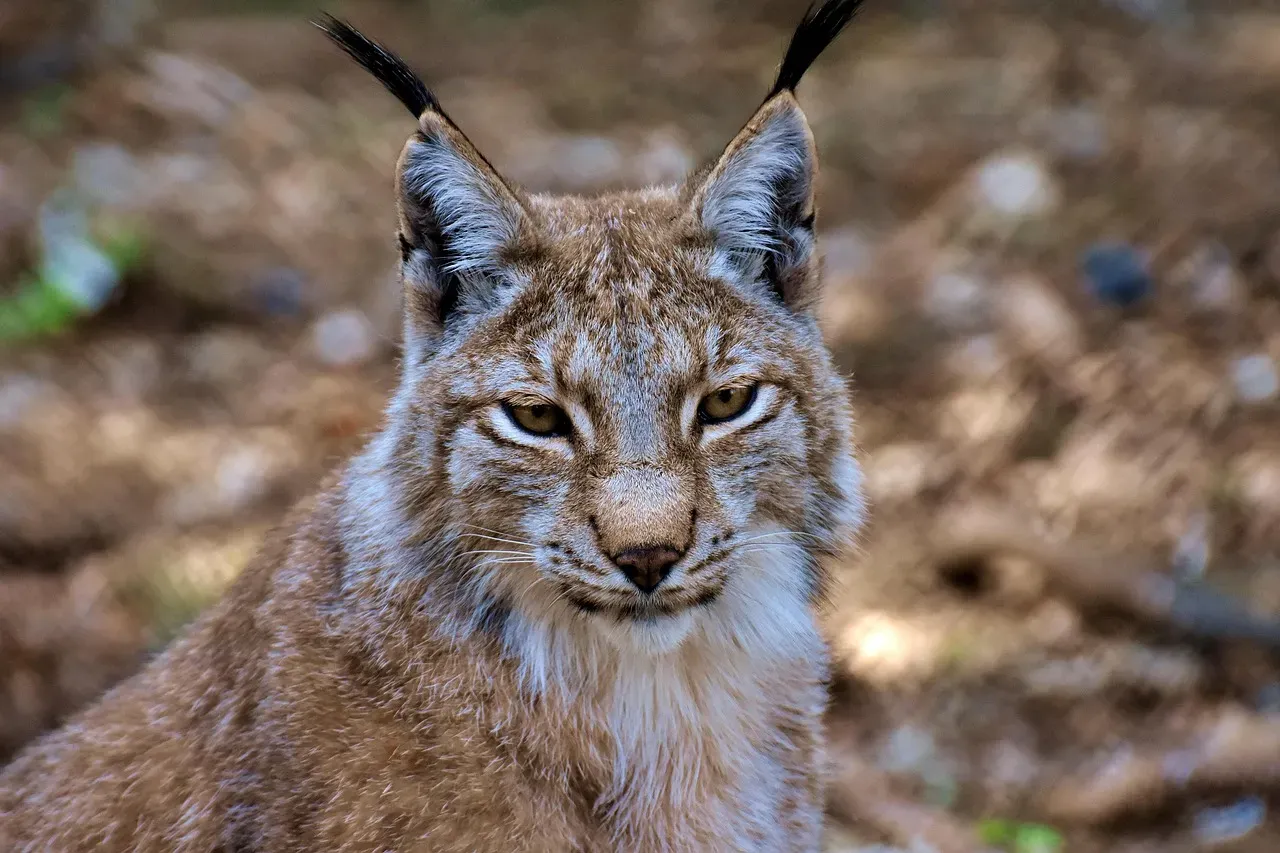
Canada lynx and the bobcat share similar ecological niches, but the lynx favors cold, northern forests where it preys almost exclusively on snowshoe hares, equipped with large paws for traversing snow, with lynxes being solitary and primarily nocturnal, maintaining balance in their ecosystems by regulating hare populations. This specialization makes them particularly fascinating.
The Canadian lynx, a native of Canada’s boreal forests, preys on snowshoe hares and other small animals, with its large paws and keen eyesight making it particularly adept at hunting in snowy environments, and while reclusive and seldom seen by humans, the Canadian lynx is a skilled and silent hunter. Their adaptation to deep snow is remarkable.
The lynx population fluctuates dramatically in cycles closely tied to snowshoe hare populations. When hare numbers are high, lynx thrive and reproduce successfully. When hare populations crash, as they do cyclically, lynx numbers plummet accordingly. This boom-and-bust cycle is one of the most studied predator-prey relationships in ecology.
Their oversized paws function like natural snowshoes, distributing weight across a larger surface area and allowing them to pursue prey across deep, soft snow where other predators would flounder. This gives them a decisive advantage in their preferred habitat.
Canada lynx have distinctive features beyond their paws. Long ear tufts, a ruffed collar around the face, and a short black-tipped tail make them unmistakable. Their coat changes slightly with seasons, providing excellent camouflage year-round.
Unlike many predators, lynx are surprisingly non-aggressive toward humans. There are virtually no documented cases of lynx attacking people. They’re extremely shy and will typically flee long before a human even knows they were present.
Climate change poses challenges for Canada lynx. As winters become milder and snowfall decreases in southern portions of their range, their competitive advantage diminishes, and species like bobcats and coyotes expand northward into formerly lynx-dominated territory.
Coyote: The Adaptable Survivor
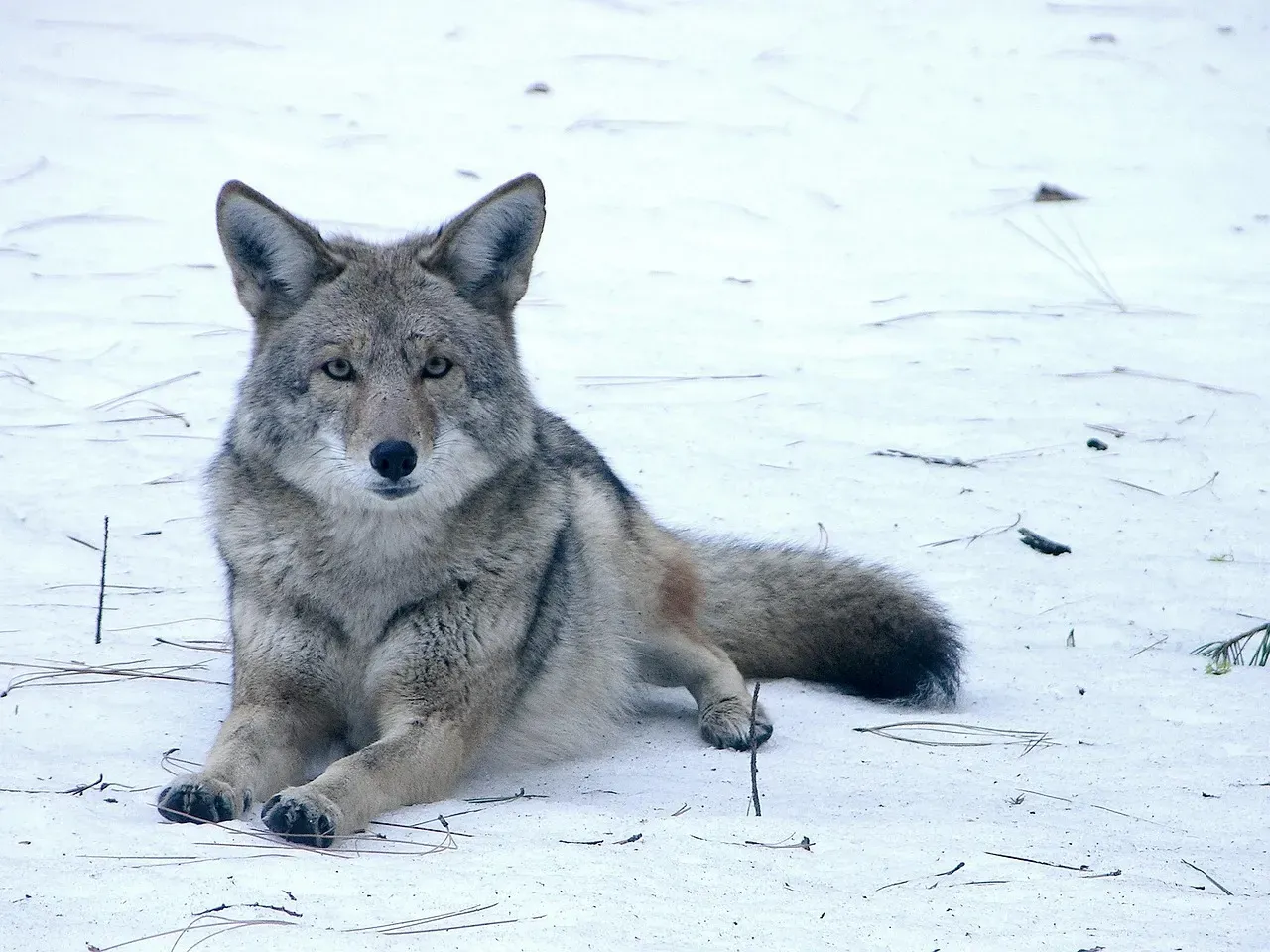
Coyotes represent one of the great success stories among North American predators. While wolves were extirpated from most of their historic range, coyotes expanded theirs, now found from Alaska to Central America and coast to coast across the continent.
Their adaptability is extraordinary. Coyotes thrive in deserts, forests, prairies, mountains, and increasingly, suburban and even urban environments. They’ve been spotted in downtown Chicago, Los Angeles, and New York City, demonstrating remarkable ability to coexist with human development.
Coyotes are highly intelligent and learn quickly. They’ve adapted their behavior in response to human hunting pressure, becoming more nocturnal in areas where they’re heavily persecuted and adjusting pack sizes and territorial behavior based on resource availability and human presence.
Their diet is remarkably varied. Rodents form the bulk of their diet in most areas, but they’ll eat fruits, vegetables, insects, birds, rabbits, deer fawns, and even garbage in urban areas. This dietary flexibility is key to their success.
Social structure among coyotes is flexible. They may hunt alone, in pairs, or in small family groups depending on prey type and availability. When hunting larger prey like deer, they coordinate efforts similar to wolves, though packs are smaller and less rigidly structured.
Coyote vocalizations are iconic sounds of the American wilderness. Their yips, howls, and barks serve multiple purposes including territory advertisement, pack communication, and apparently sometimes just social bonding. The often eerie chorus has inspired countless stories and legends.
Despite persistent persecution efforts spanning over a century, coyote populations continue to thrive and expand. Lethal control efforts have proven largely ineffective at population reduction, with coyotes responding by increasing litter sizes and expanding into new territories.
Great Horned Owl: The Silent Night Hunter
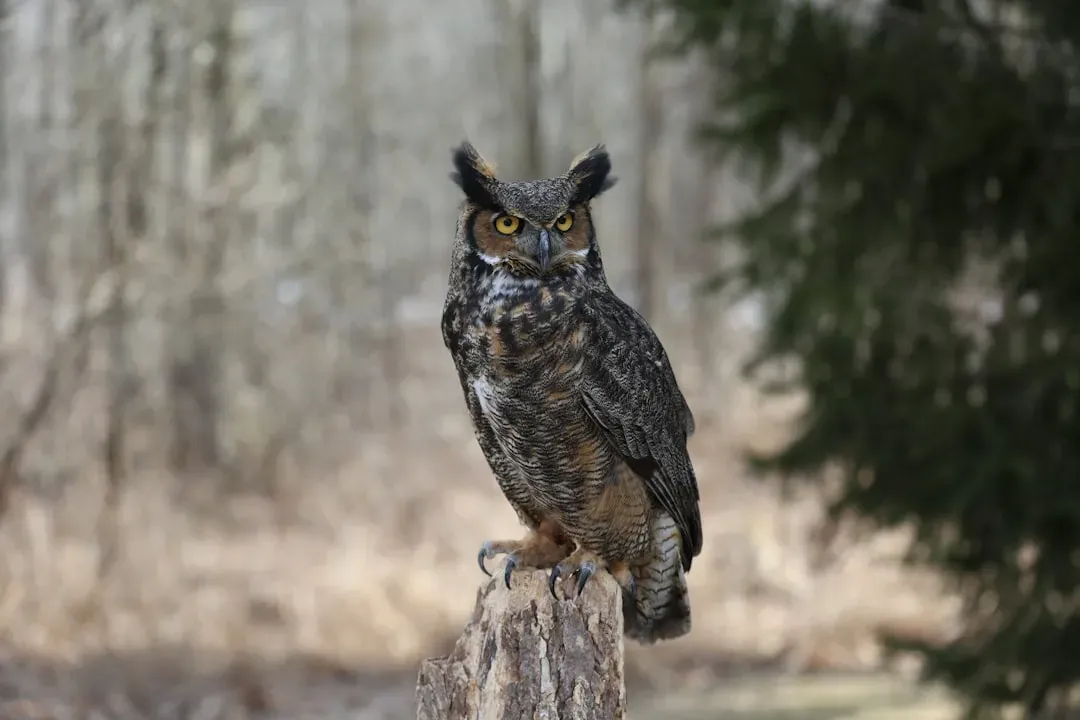
The great-horned owl is the most widely distributed raptor in North America, named for the 2 ear tufts on the top of its head that give the appearance of horns, and they are large owls with bulky bodies weighing an average of 3 ½ pounds and wingspans up to 55 inches. Their presence makes nighttime in North America considerably more dangerous for small animals.
The great horned owl is one of the most widespread owls in North America, recognized for its tufted ears and intimidating yellow-eyed stare, hunting during the night using its silent flight and acute hearing to catch rabbits, rodents, and even other owls. Their hunting prowess is legendary among bird species.
Great horned owls possess remarkable adaptations for nocturnal hunting. Their flight is nearly silent thanks to specialized feather structures that break up air turbulence. This allows them to approach prey without warning, striking from above with powerful talons.
Their hearing is asymmetrical, with one ear positioned higher than the other. This allows them to precisely locate prey in three dimensions based on sound alone, even when hunting in complete darkness. Combined with exceptional low-light vision, this makes them devastatingly effective hunters.
Great horned owls are surprisingly fierce and will defend nests aggressively. There are numerous accounts of them attacking humans who ventured too close to nesting sites, with their talons capable of inflicting serious injuries. They’re one of the few birds that will actively attack people.
Their prey range is astonishing. While rodents and rabbits form the bulk of their diet, great horned owls have been documented taking prey as varied as skunks, porcupines, cats, small dogs, ducks, herons, and even other raptors including hawks and smaller owl species.
These owls mate for life and are highly territorial. The same nesting territories may be used for decades, passed from one generation to the next. Their deep hooting calls serve to advertise territorial ownership and maintain pair bonds.
Red Fox: The Clever Opportunist
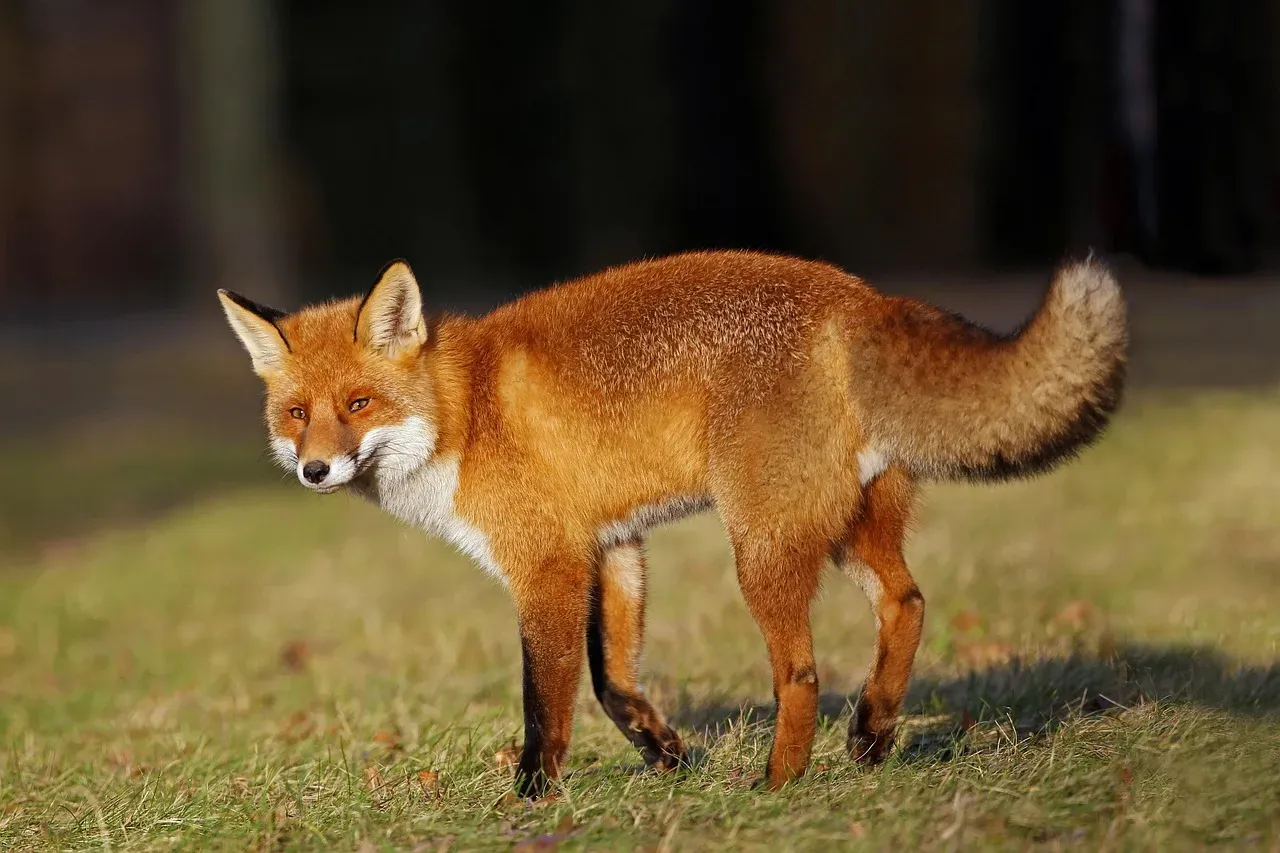
Red foxes are among the most widely distributed terrestrial carnivores on Earth, found across the entire Northern Hemisphere and introduced to Australia. In North America, they inhabit diverse environments from Arctic tundra to suburban neighborhoods.
Their intelligence and problem-solving abilities are exceptional. Studies have shown red foxes capable of learning complex behaviors, remembering cache locations months later, and even adapting their hunting techniques based on specific prey behavior and environmental conditions.
Red foxes possess remarkably acute hearing. They can locate small mammals moving beneath a foot or more of snow, then execute their characteristic high pounce to break through and capture prey they never actually saw. This hunting technique is both dramatic and highly effective.
Despite their name, red foxes display considerable color variation. While the classic red coat is most common, they can also be black, silver, or a cross pattern mixing red and black. All color morphs belong to the same species and can occur within a single litter.
Their relationship with coyotes is complex and often contentious. In areas where coyotes are abundant, red fox populations often decline as the larger canids actively hunt and kill foxes, viewing them as competition. Conversely, in areas where wolves are reintroduced, coyote numbers drop, and red fox populations often increase.
Red foxes have adapted remarkably well to human presence. Urban and suburban foxes have become increasingly common, learning to navigate human environments, exploit food resources from garbage and pet food, and even den under porches and sheds.
Their social structure is more complex than once believed. While often solitary, red foxes may also live in small family groups typically consisting of a mating pair and their offspring. Non-breeding subordinate females sometimes remain with the family group to help raise the next generation of kits.
Conclusion: Respecting the Hunters
The predators of North America represent the intricate tapestry of life, each species playing a vital role in the ecosystems they inhabit, from maintaining prey populations to influencing the broader food web, and these predators are essential to ecological health. Their presence indicates healthy, functioning ecosystems.
These eleven powerful predators showcase the incredible diversity of hunting strategies, physical adaptations, and survival skills that evolution has produced. From the massive polar bear to the relatively small but fierce wolverine, each fills a unique ecological niche and contributes to the balance of their respective ecosystems.
Human impacts on these predators have been profound and varied. Some species like wolves and grizzly bears were nearly exterminated from much of their range but have made remarkable comebacks through conservation efforts. Others like coyotes have thrived despite persecution, while species like wolverines and Canada lynx face uncertain futures due to climate change and habitat loss.
Understanding these predators helps us appreciate the wild places they inhabit and the complex ecological relationships that sustain them. It also reminds us of our responsibility as the only species capable of either protecting or destroying the habitats these magnificent animals require.
Encounters with these predators are rare, and attacks on humans are even rarer. Most incidents occur when animals feel threatened, are protecting young, or have become habituated to human food sources. Respecting their space and following proper safety protocols in wild areas dramatically reduces already minimal risks.
The future of these predators depends largely on human choices. Habitat preservation, wildlife corridors connecting fragmented populations, and tolerance for predators living near human communities will determine whether future generations experience the thrill of knowing these animals still roam wild landscapes. What role will you play in ensuring these powerful predators continue to thrive? Share your thoughts in the comments.

- 10 Mind-Blowing Facts About Our Solar System You Never Knew - July 22, 2026
- 10 Heartwarming Ways Pit Bulls Show They’ve Bonded With You - July 22, 2026
- 10 Animals With the Most Unique Parenting Techniques in Nature - July 22, 2026