
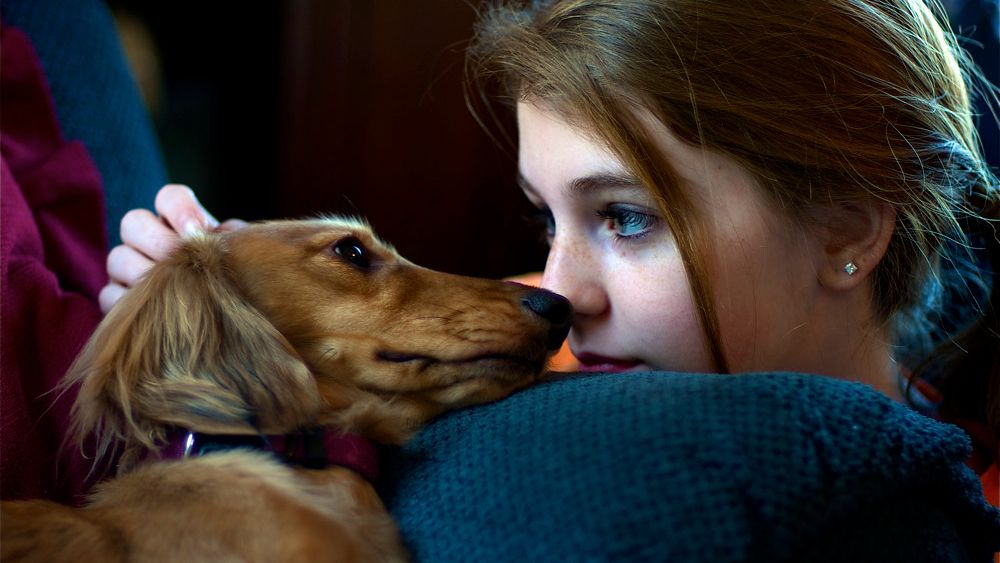
You already know your dog has a special way of looking at you. Maybe you’ve caught them staring right when you’re feeling down or noticed they seem extra playful when you’re in a good mood. That connection feels magical, almost telepathic. Still, there’s more happening beneath those soulful eyes than most of us realize.
Recent research reveals something pretty wild. We’re not nearly as good at reading our dogs as we think we are. Yet somehow, they’ve mastered the art of reading us. Science is finally catching up to what dog owners have suspected for years: our furry companions possess an emotional intelligence that rivals some humans. Let’s dive in.
They Watch Your Facial Expressions with Laser Focus

Dogs don’t just glance at your face. They study it like an exam they desperately need to pass. Research shows dogs can distinguish between positive and negative emotions when shown pictures of people with happy and angry expressions. What’s really fascinating is that dogs have adapted to look at the right side of our faces where humans display stronger facial expressions, but they don’t do this when looking at other dogs.
This isn’t some random behavior. It’s a specialized skill they’ve developed specifically for us.
Think about it this way. Your dog processes your smile, your furrowed brow, even the subtle tightening around your eyes. They’re gathering data constantly, building a mental map of your emotional landscape. It’s like they’re fluent in a language we didn’t even know we were speaking.
Labs have even been done using MRI scans. Dogs exhibited brain activity similar to humans when exposed to emotional stimuli, with their brains activating when they hear happy sounds in a manner similar to ours. Your pup isn’t just noticing your expressions. They’re actually feeling something in response.
When you walk through the door after a terrible day, your dog knows before you say a word. They’ve already read the story written across your face and prepared their response accordingly.
It’s this kind of attentiveness that sets dogs apart from so many other animals. They’re tuned into our channel, picking up signals we barely know we’re broadcasting.
They React to Your Tone More Than Your Words

Ever notice how your dog responds differently to the same command depending on how you say it? That’s because they’re listening to your voice like a musician listens to notes. Research shows dogs can tell the difference between emotions through body language, facial expressions, tone of voice, and even smell.
Words matter far less than you think. It’s the pitch, the rhythm, the emotional color of your voice that really gets through. You could say the nastiest things in a sweet, high-pitched tone and your dog would probably wag their tail.
The reverse is also true. Call them for dinner in a flat, lifeless voice and watch how their enthusiasm drops. They’re reading between the lines of your speech, accessing emotional data hidden in the sound waves.
Studies examining how dogs interpret emotional sounds like laughing or crying found that dogs used the right brain more for negative sounds like fear and sadness, and the left brain more for positive sounds like happiness. This is the same kind of brain hemisphere specialization humans have.
So next time you’re having a conversation near your dog, remember they’re catching every emotional undertone. They might not understand the gossip about your coworker, but they absolutely know whether you’re stressed about it.
Your vocal tone is like their emotional GPS. It tells them exactly where you are on the map of human feelings and how they should navigate the moment.
They Mirror Your Energy Levels Throughout the Day
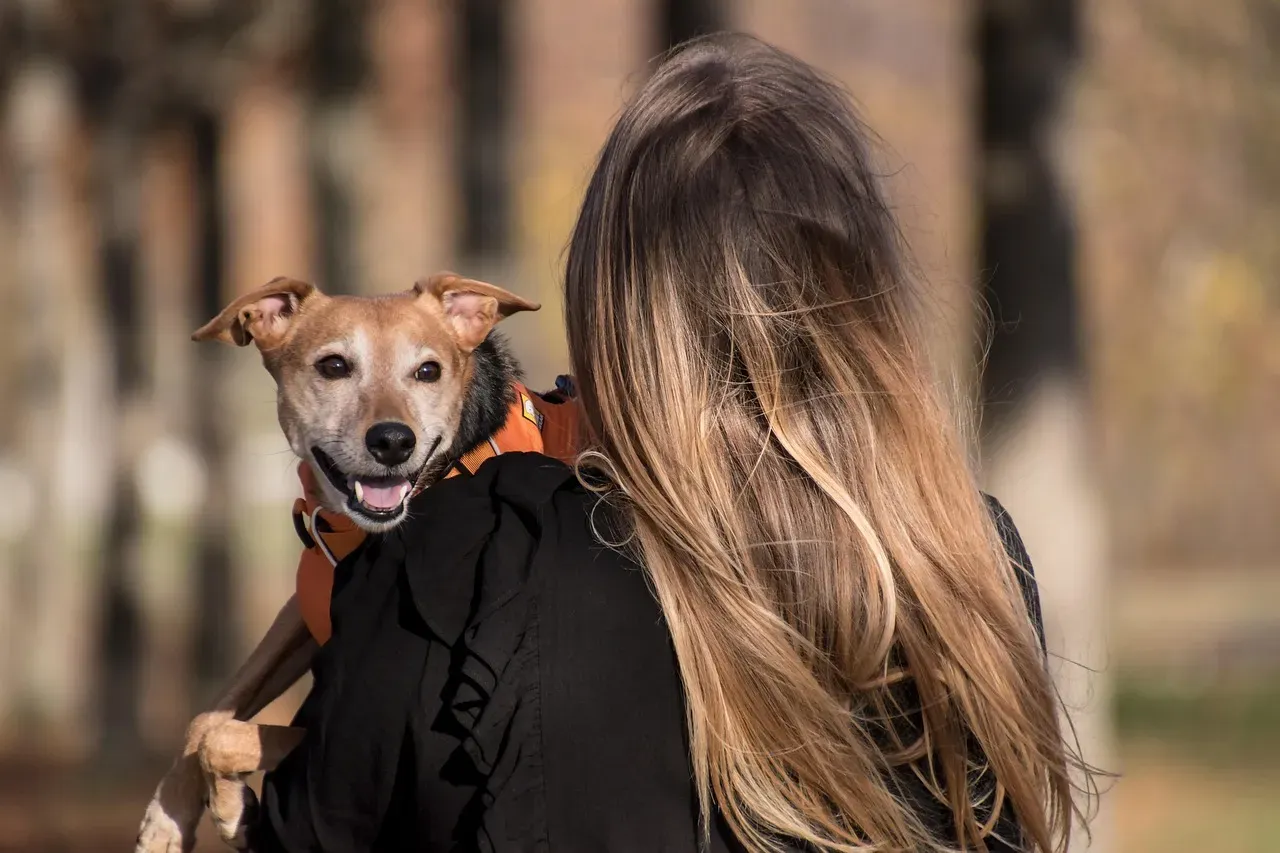
Have you ever noticed your dog seems more relaxed when you’re calm and more restless when you’re anxious? That’s not coincidence. Border Collies and other emotionally intelligent breeds are incredibly attuned to their human companions’ body language and tone of voice, allowing them to respond appropriately to various emotional cues and often mirror their owners’ emotions.
This emotional synchronization happens across all breeds, though. Your dog is basically a mood sponge, absorbing the emotional atmosphere you create. When you’re bouncing off the walls excited about something, don’t be surprised if your pup starts zooming around the house.
On those lazy Sunday mornings when you want nothing more than to stay in bed? Your dog probably isn’t begging for their morning walk with the same intensity as usual. They’ve picked up on your energy and adjusted accordingly.
It goes deeper than simple observation. Dogs have been observed mirroring the emotions of humans, reflecting their mood states. They’re not just watching you; they’re experiencing a version of what you’re feeling.
This is why living with an anxious person can sometimes make a dog anxious too. The emotional transfer works both ways, creating a feedback loop between human and canine. It’s a beautiful connection when you’re feeling good, but it means your stress can affect them more than you realize.
Being aware of this can actually help. When you regulate your own emotions better, you’re also creating a calmer environment for your dog. They’ll thank you for it with their relaxed demeanor.
They Offer Comfort Exactly When You Need It Most

There’s something almost uncanny about how dogs know when to approach you for comfort. Research found that when their owners cried, dogs approached and tried to comfort them, demonstrating empathetic behavior that indicates dogs can understand and react to human emotions on a deeper level.
It’s not just about sensing sadness. They recognize vulnerability, fear, and emotional pain in ways that often surpass human empathy. Labrador Retrievers have an innate ability to sense the emotions of those around them, which is why they’re often used as therapy dogs for their ability to provide comfort and support and read human body language.
I know people who swear their dogs saved them during their darkest moments. Not dramatically, just by being there, by placing a gentle paw on their lap or resting a warm head on their knee at the exact right moment.
This isn’t learned behavior in the traditional sense. Sure, dogs can be trained as emotional support animals, but the instinct to comfort is already there. They’re tapping into an ancient bond between our species that goes back thousands of years.
Golden Retrievers are adept at picking up on human emotions and often respond with a comforting nuzzle or reassuring presence, showing empathetic nature and particular sensitivity to their owner’s moods. This emotional attunement makes them irreplaceable companions during tough times.
They Read the Situation Beyond Your Behavior

Here’s where things get really interesting. Research found that people’s perception of a dog’s mood was based on everything in the videos besides the dog himself, with people not looking at what the dog is doing but at the situation surrounding the dog. Humans are terrible at this, but dogs are masters.
Your dog doesn’t just react to you. They assess the entire environment. They notice when someone new enters the house and whether you seem comfortable or tense around them. They pick up on arguments, celebrations, and everything in between.
Let’s be real, your dog knows when you’re about to leave for work before you even pick up your keys. They’ve memorized your routine and can read the subtle cues that signal what’s coming next. Context is everything to them.
Studies showed that when people saw a video of a dog reacting to a vacuum cleaner, everyone said the dog was feeling bad and agitated, but when they saw the same dog behavior while reacting to seeing his leash, everyone reported the dog was feeling happy and calm. Dogs don’t make this mistake. They read both behavior and context accurately.
This situational awareness means your dog is constantly processing multiple streams of information. They’re like tiny emotional computers running complex algorithms in real-time.
It’s one reason why dogs can sense danger or know when something feels off about a person or place. They’re gathering environmental data we’re completely oblivious to and making judgments based on the whole picture.
They Show Different Behaviors Based on Your Emotional State
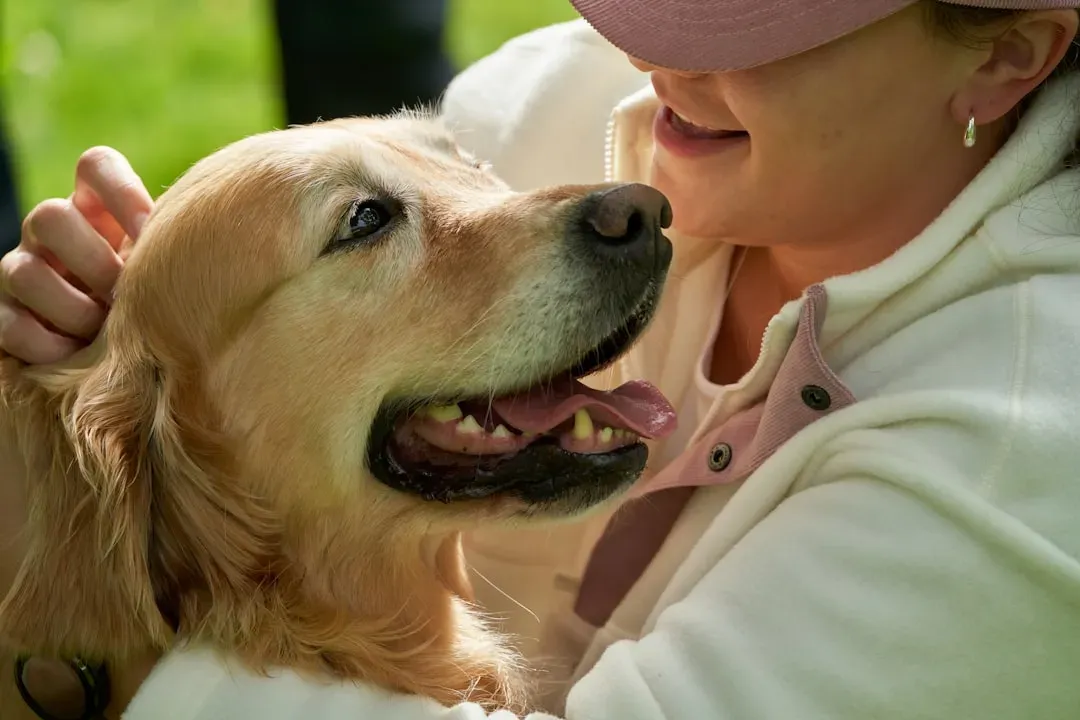
A clever dog doesn’t treat happy you the same as sad you. Dogs are highly skilled at reading human body language and facial expressions, understanding cues like pointing and gestures, which indicates their ability to comprehend human communication. They adjust their approach based on what they’re sensing from you.
When you’re feeling upbeat, they might bring you toys or initiate play. When you’re down, they’re more likely to sit quietly beside you or rest their head in your lap. This behavioral flexibility shows sophisticated emotional intelligence.
Signs of emotional intelligence in puppies include responsiveness to human cues, the ability to self-soothe when stressed, and appropriate reactions in social settings, allowing dogs to form deeper connections with their owners and adapt to various environments. This skill develops throughout their lives.
Dogs aren’t following a script. They’re improvising based on real-time emotional data. It’s hard to say for sure, but I think this is one of the things that makes the human-dog bond so special.
Even the way they greet you changes depending on your mood. An excited greeting when you’re happy, a more subdued but equally loving welcome when you’re exhausted. They’re matching their energy to yours in a way that feels almost psychic.
This adaptability isn’t just impressive; it’s functional. It’s how dogs have survived alongside humans for so long, by being flexible emotional partners who can meet us wherever we are.
They Remember Your Past Emotional Responses
Dogs have surprisingly good memories, especially when it comes to emotional events. Dogs have impressive memory and can remember people, places, and experiences for extended periods, which is evident when they recognize old friends after years of separation.
Think about how your dog reacts when you pull out the vacuum cleaner. They remember it was loud and scary last time. The same applies to emotional memories. If you had a breakdown in a particular room, your dog might be extra gentle with you there for weeks afterward.
They’re building an emotional database about you. What makes you happy? What triggers stress? What brings comfort? Over time, they become experts on your specific emotional patterns.
This memory extends to other people too. Your dog remembers the friend who always brings treats and the relative who doesn’t like animals. They’re cataloging emotional information constantly, updating their understanding of their social world.
Smart dogs display skills involving perception, memory, and mental flexibility, with behavior highlighting their ability to understand causes and effects and make decisions based on past experiences. Your emotional history with them shapes their future responses.
It’s why dogs can hold grudges against the vet or get excited when you grab their leash. Every emotional experience leaves an imprint, and they use that accumulated knowledge to predict and prepare for what’s coming.
They Use Their Nose to Detect Your Chemical Changes
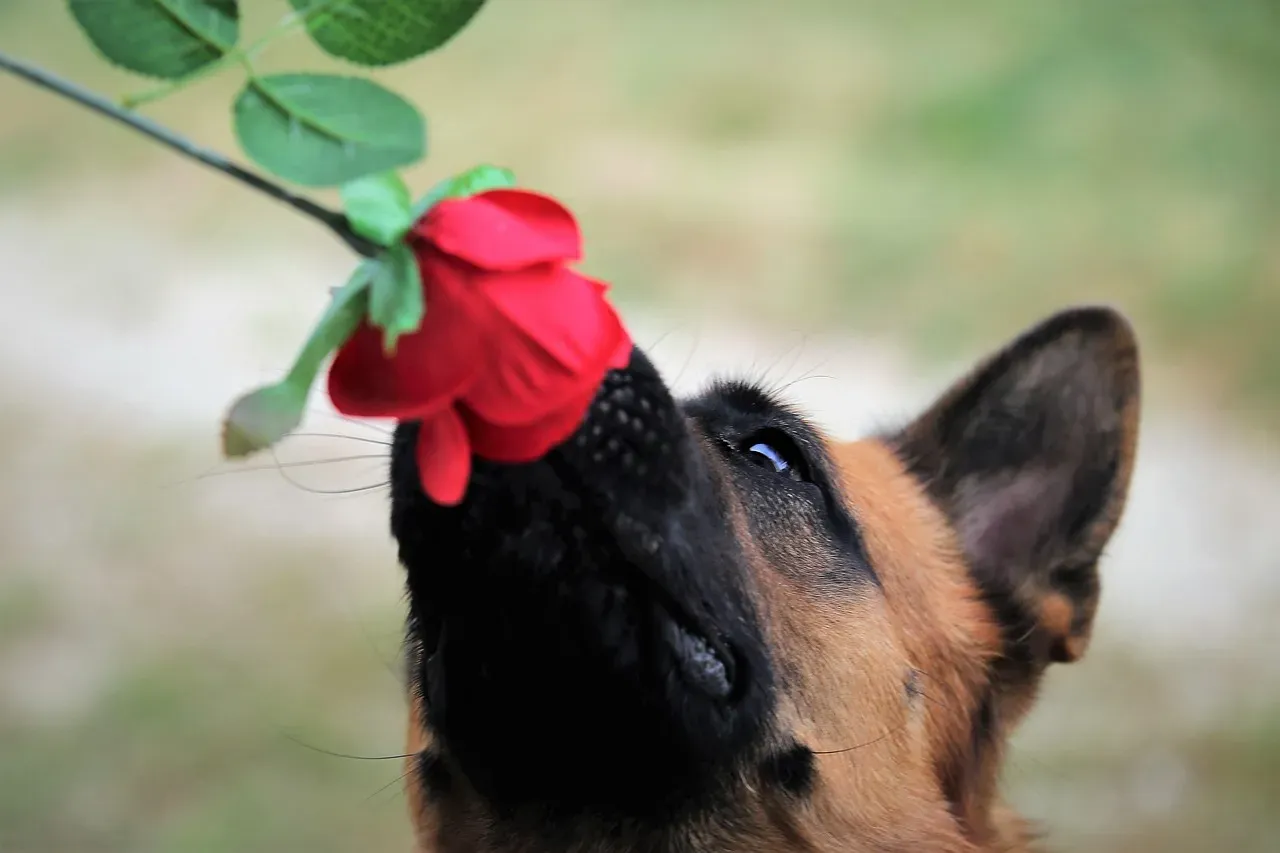
Your dog’s nose is about ten thousand times more sensitive than yours. They’re not just smelling what you had for lunch; they’re detecting changes in your body chemistry that accompany different emotional states. Dogs can tell the difference between emotions through things like body language, facial expressions, tone of voice, and even smell.
When you’re stressed, your body releases different hormones. When you’re happy, the chemical cocktail changes again. Your dog is literally smelling your emotions through these chemical signatures. It sounds crazy, but it’s real science.
This olfactory superpower means they sometimes know how you’re feeling before you’ve fully processed it yourself. They catch the early warning signs of anxiety or the subtle shift toward joy and react accordingly.
Service dogs trained to detect seizures or diabetic episodes are using this same ability, just more specifically. They’re picking up on chemical changes humans can’t perceive and translating that into meaningful behavioral responses.
So when your dog suddenly gets extra cuddly for no apparent reason, they might be smelling emotional distress you haven’t consciously acknowledged yet. They’re giving you a heads up in the only way they know how.
This chemical communication adds another layer to the bond between dogs and humans. We’re not just visual and auditory partners; we’re engaged in a complex chemical conversation every day.
They Exhibit Selective Emotional Responses to Different People
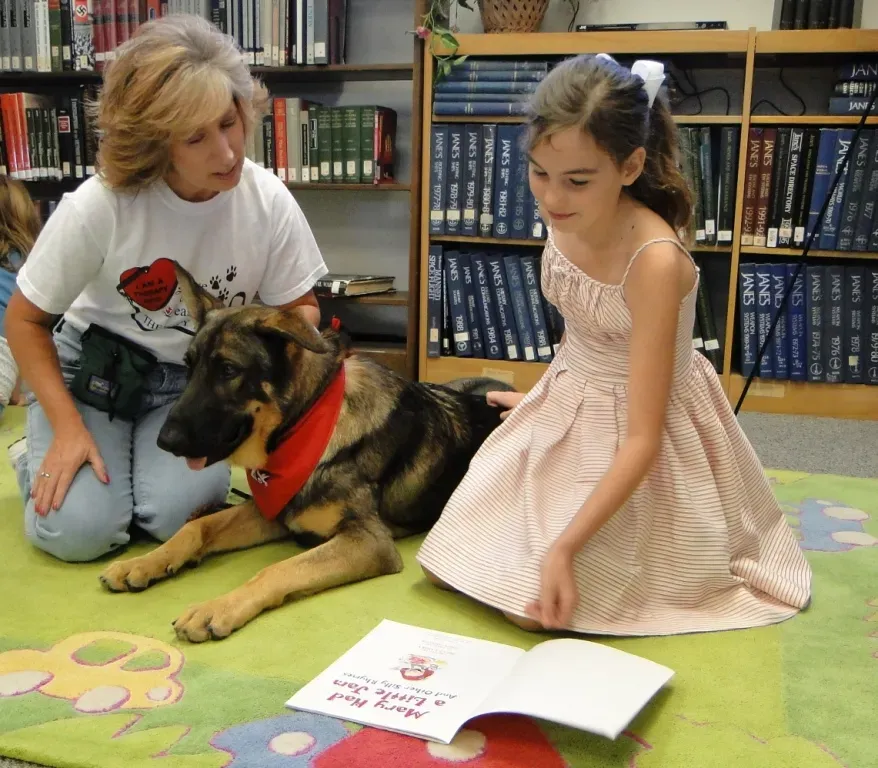
Your dog doesn’t treat everyone the same way, and that’s intentional. Emotional intelligence in dogs is characterized by their ability to empathize, communicate, and interact with both humans and other animals, exhibiting an innate understanding of human emotions and responding to them in sensitive ways.
They’ve figured out that different people have different emotional patterns and needs. The toddler gets gentle patience. The energetic teenager gets rowdy play. The grieving grandparent gets quiet companionship. This kind of social intelligence is remarkable.
Watch how your dog behaves around someone nervous about dogs versus a confident dog lover. They modify their approach, often becoming calmer and less threatening around fearful people. That’s not accident; that’s emotional intelligence in action.
Social scientists note dogs’ natural instinct to approach their owners when they are upset, underscoring their empathetic nature. This selective response shows they’re not just reactive; they’re making conscious choices about how to interact.
Some dogs even play favorites, not because they’re mean but because they’ve formed stronger emotional connections with certain family members. They’ve learned whose moods affect them most and who provides the most emotional security.
This discrimination proves dogs aren’t just emotionally sensitive; they’re emotionally sophisticated. They’re managing multiple relationships simultaneously, each with its own emotional dynamics and requirements.
They Respond Differently When You’re Genuinely Upset Versus Faking
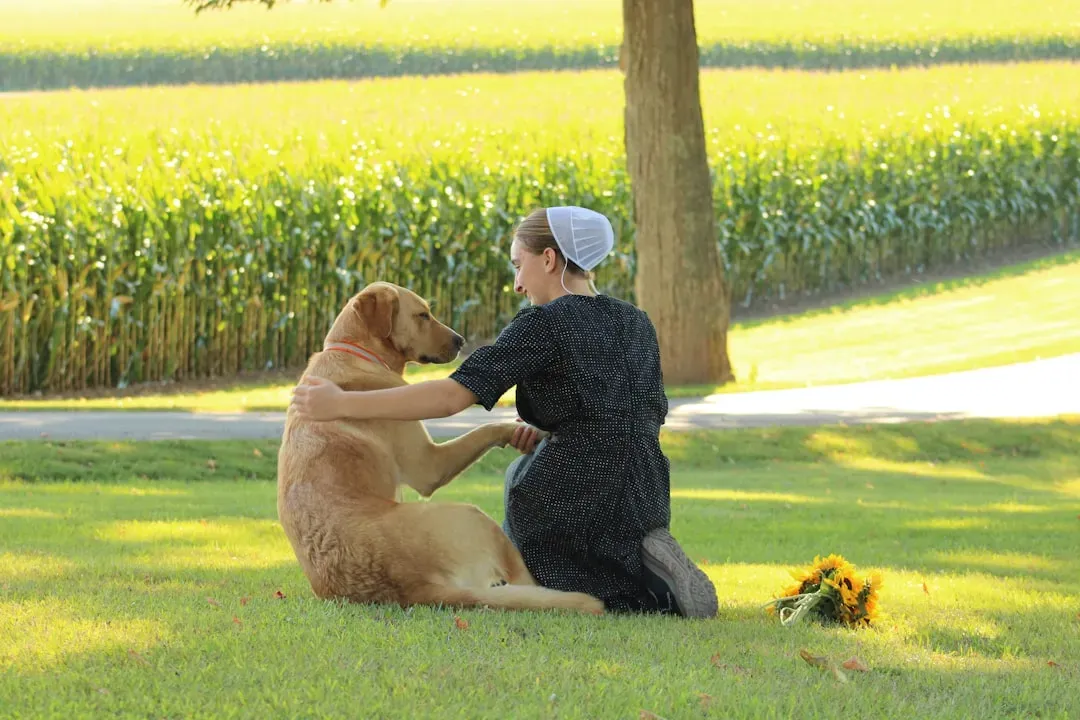
Try this experiment: pretend to cry and see how your dog reacts. Then compare it to how they behave when you’re genuinely upset. Many dogs can tell the difference, though we’re still learning exactly how they do it.
It’s likely a combination of factors. Your body language might be slightly off when you’re faking. Your scent probably doesn’t change the same way. Your facial micro-expressions might not fully match the performance. Dogs are catching these inconsistencies.
Research using MRI brain scan techniques found that a dog’s emotional intelligence is equivalent to that of a human toddler of two to three years old. That’s enough sophistication to detect authenticity versus performance.
This matters more than you might think. It means your dog is truly connecting with your genuine emotional state, not just responding to superficial cues. They’re after the real you, not the mask you show the world.
Honestly, it’s both comforting and slightly unsettling. You can’t really hide from your dog. They see through your defenses and protective layers straight to the emotional truth underneath.
This deep perception is part of why dogs make such good therapy animals and emotional support companions. They’re not fooled by false fronts. They respond to the authentic emotional need.
Conclusion: The Unspoken Language Between You
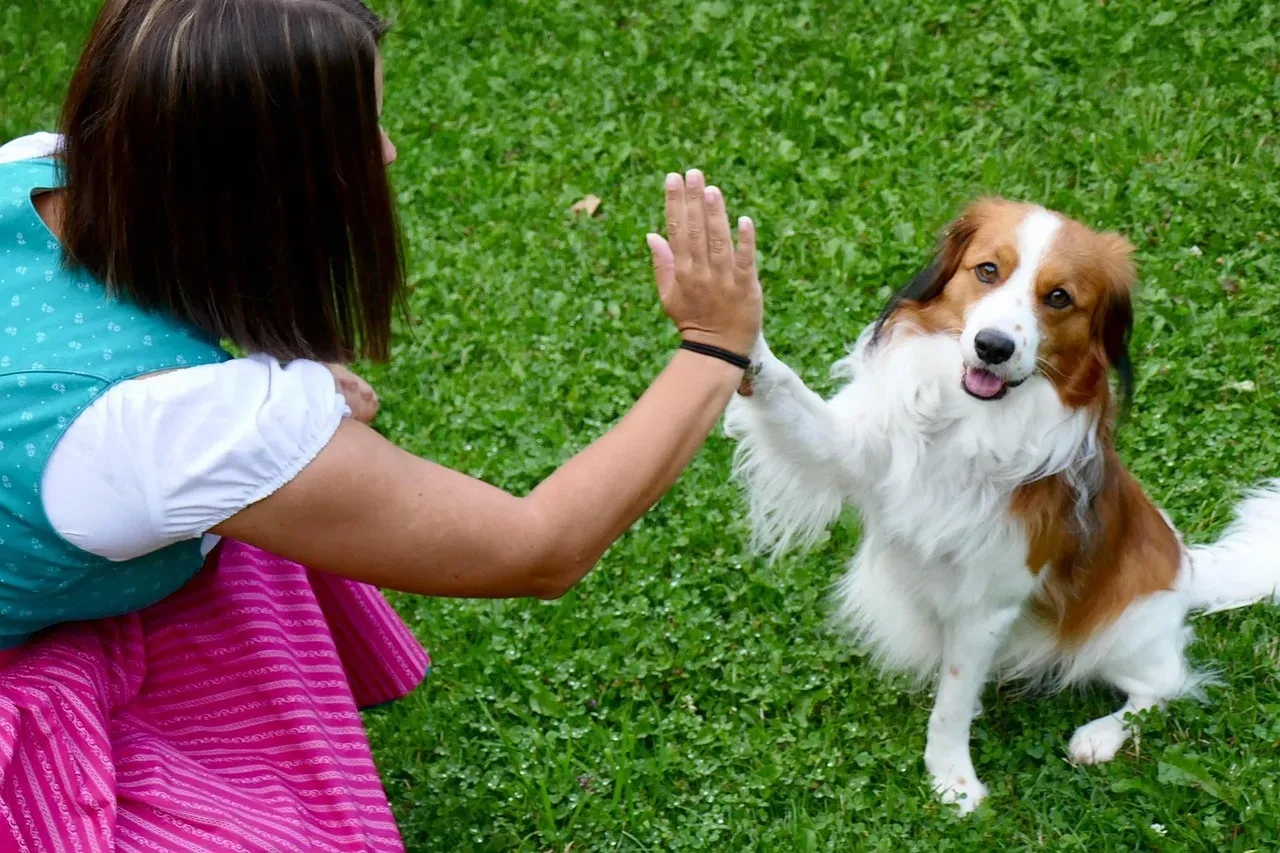
The connection between humans and dogs runs deeper than commands and treats. People and dogs have been living intimately together for at least 14,000 years, and in that time dogs have learned plenty about how to get along with humans, though research suggests there are still quite big gaps in how we understand what dogs are feeling. The gap is mostly on our side, not theirs.
Your dog reads you like an open book, picking up emotional cues from your face, voice, body language, behavior patterns, and even your scent. They remember your emotional history, adapt their behavior to your current state, and offer comfort with almost magical timing. This isn’t just conditioning or simple association. It’s genuine emotional intelligence evolved over millennia of living side by side with humans.
The next time your dog looks at you with those knowing eyes, remember they’re seeing more than you think. They understand your moods, your needs, and your emotional state better than most people in your life. That’s not sentimentality; that’s science.
What surprised you most about your dog’s emotional abilities? Have you noticed any of these signs in your own furry friend? Share your thoughts in the comments below.

- 14 Signs a Dog Near the Rainbow Bridge Is at Peace With Its Person - July 21, 2026
- 15 Ways a Shelter Animal Tells You It Was Always Meant to Be Yours - July 21, 2026
- 14 Ways a Dog Shows You Are the Center of Its Whole World - July 21, 2026