

Have you ever wondered what’s happening beneath the surface of a quiet stream? While most of us might imagine peaceful nothingness, there’s actually a hidden world of construction happening down there. Tiny architects are busy at work, spinning silk and assembling materials in ways that would make any engineer jealous.
These master builders don’t need blueprints or years of training. They’re driven by pure instinct, yet they create structures so complex that scientists are still trying to figure out exactly how they do it. Let’s dive in and discover the remarkable world of nature’s smallest construction experts.
The Underwater Silk Spinners
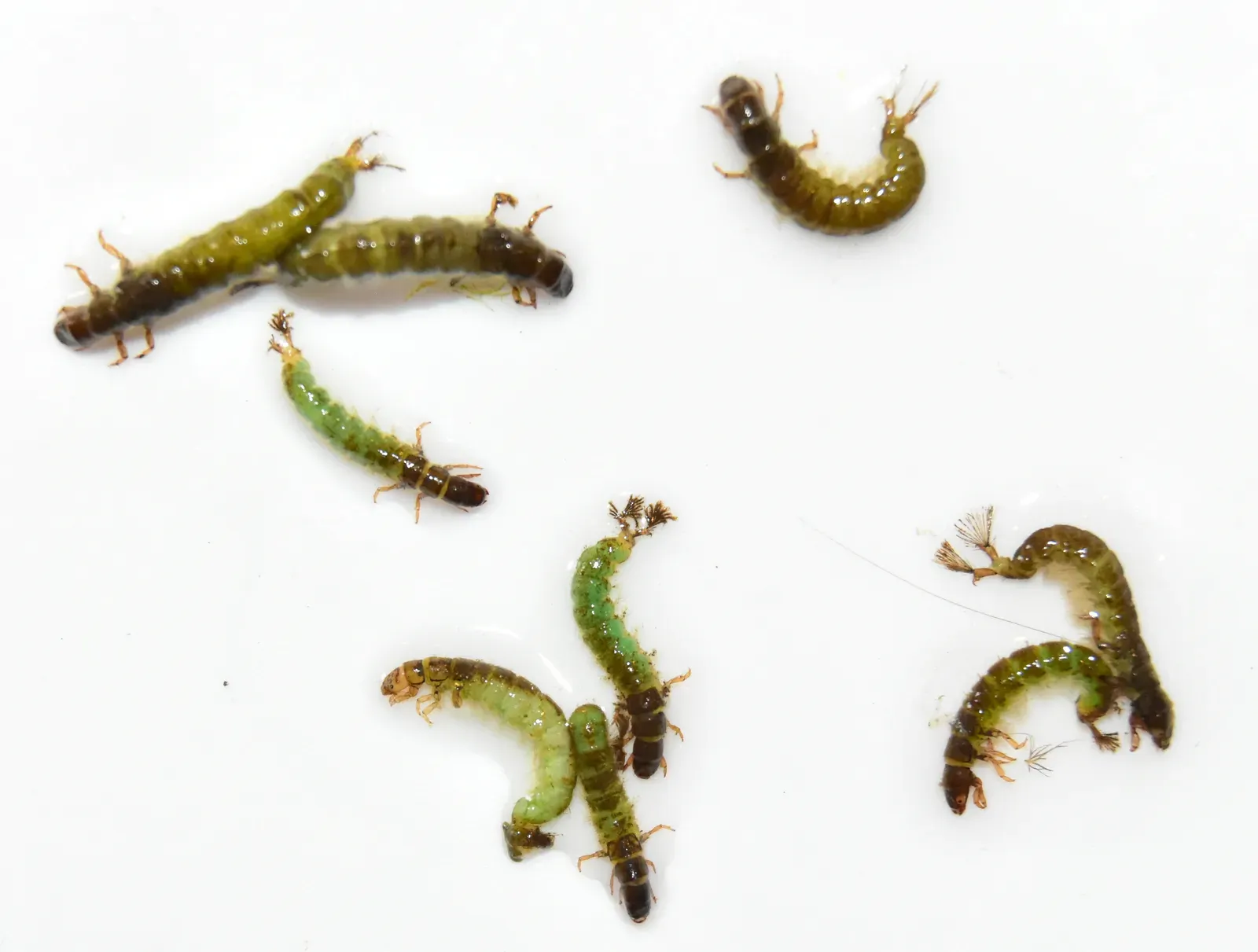
Aquatic caddisfly larvae, often referred to as ‘nature’s underwater architects’, use adhesive silks to construct a variety of underwater composite structures. These remarkable insects are typically less than an inch long, yet they possess an extraordinary ability that sets them apart from nearly every other creature on the planet. Unlike spiders who spin dry silk in air, caddisfly larvae produce silk that works underwater, adhering to rocks, plants, and debris even in rushing currents.
What makes this even more impressive is the sheer variety of structures they create. Some larvae construct portable tube cases, while others construct stationary retreats, some with suspended nets to capture food. Each species has its own architectural style, passed down through millions of years of evolution. Think of them as nature’s version of different architectural movements, each with its own signature design philosophy.
Portable Homes Made to Order
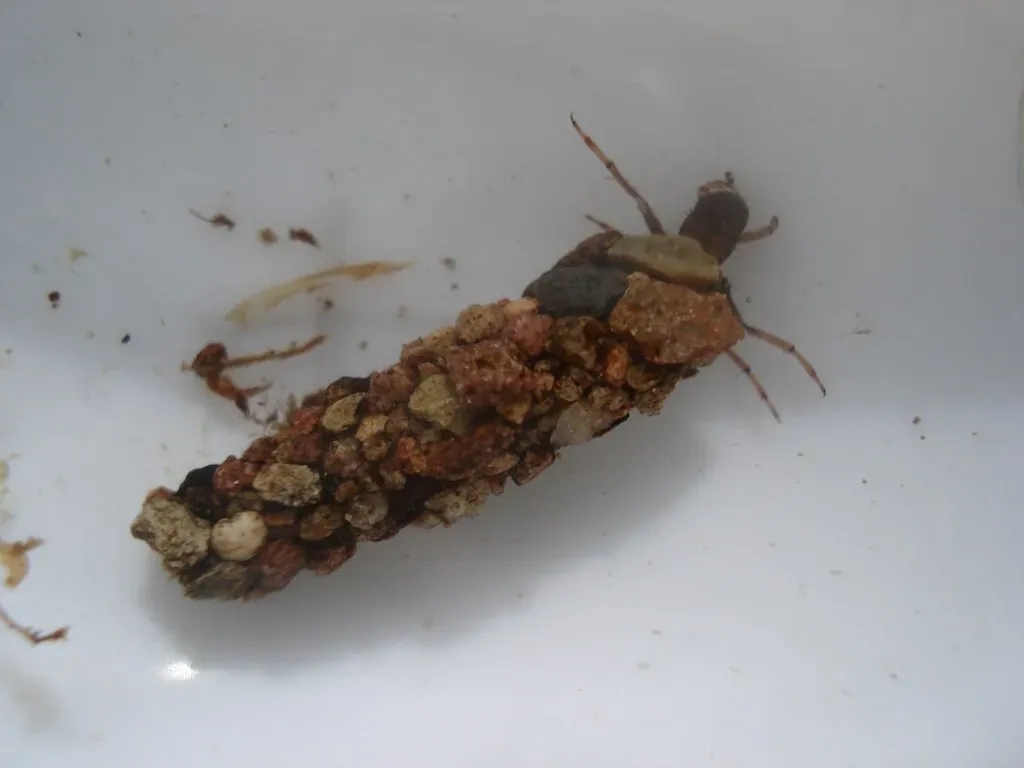
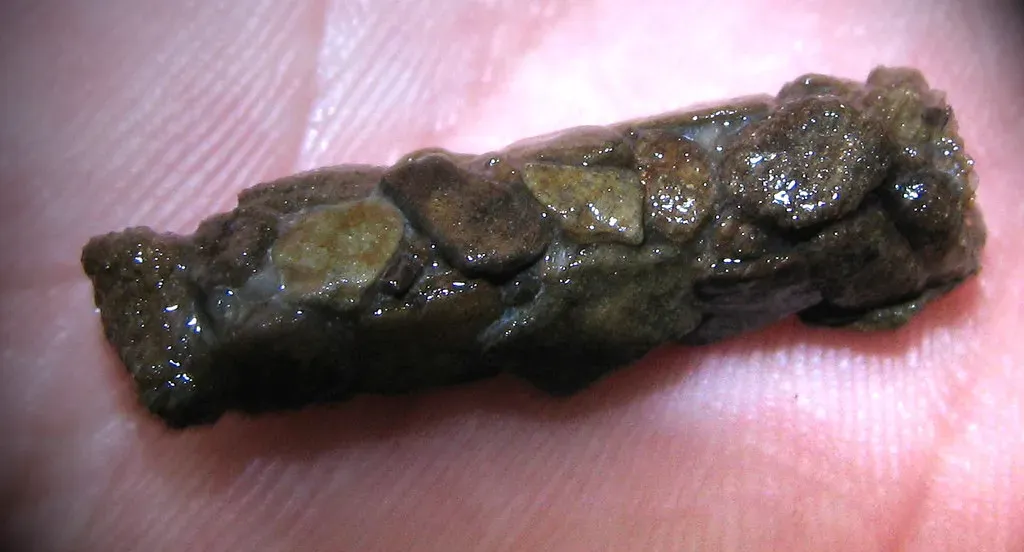
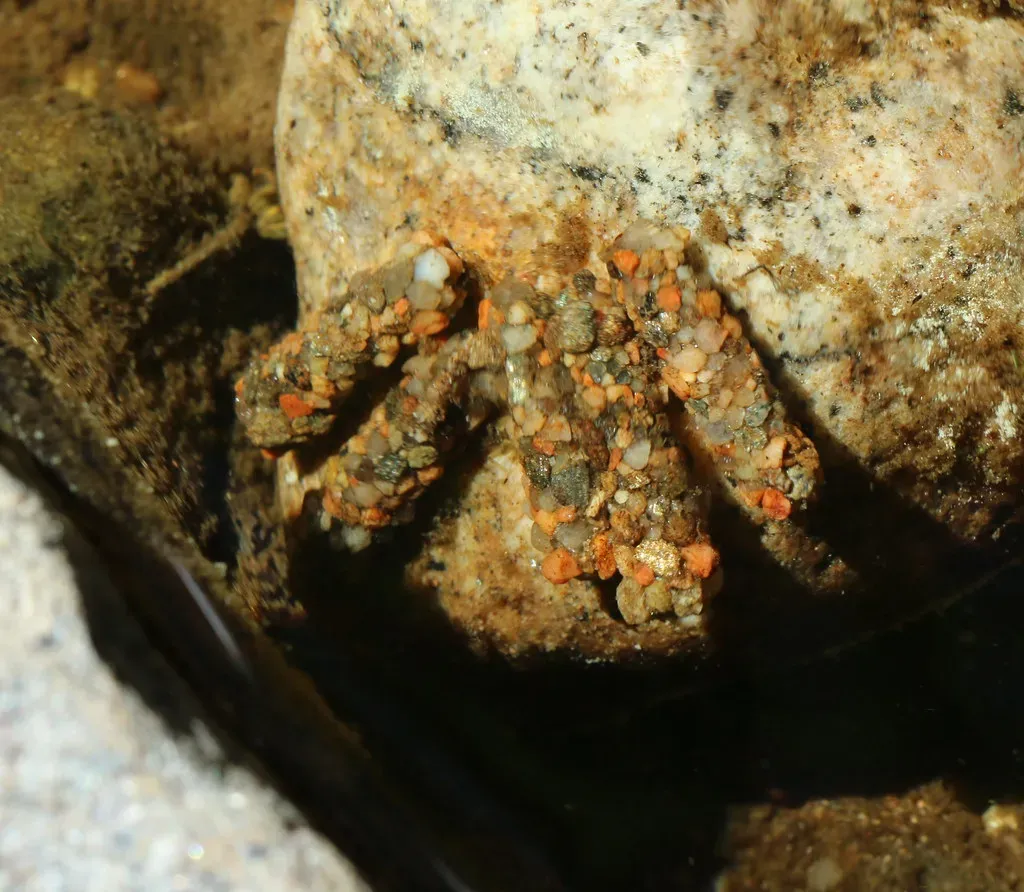
The case-making caddisfly larvae are perhaps the most visually striking architects of the group. The larvae of many species use silk to make protective cases, which are often strengthened with gravel, sand, twigs, bitten-off pieces of plants, or other debris. Imagine carrying your house on your back everywhere you go, and you’ll get a sense of what these little creatures accomplish daily.
Some species build flattened cases from leaves, others conical cases from cut-to-size twigs, others spiral cases from stones. The variety is stunning. I find it fascinating that each larva seems to know instinctively which materials to use and how to arrange them. They’re not just randomly gluing things together; they’re following precise patterns that have proven successful for countless generations.
The Net-Spinning Engineers
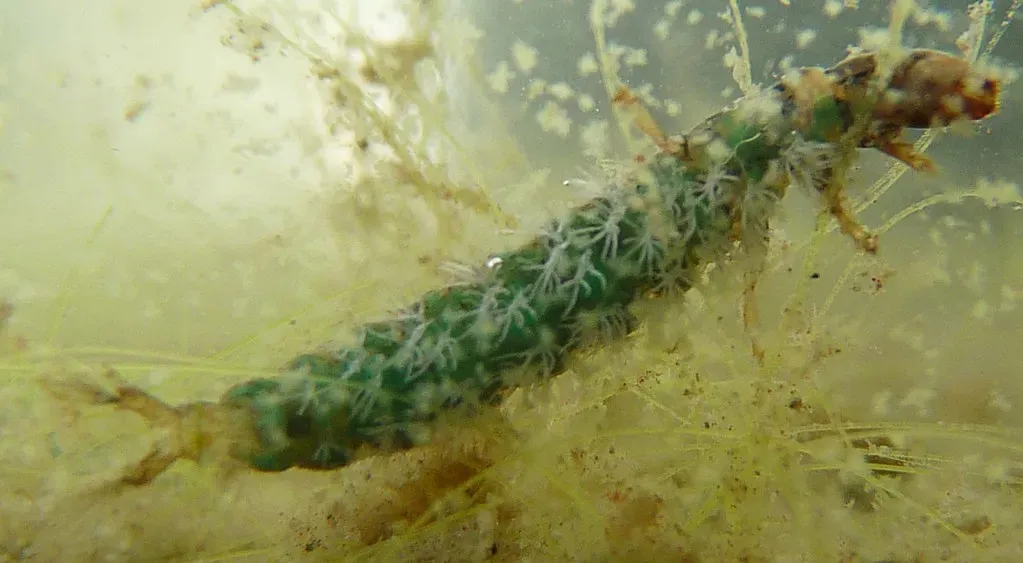
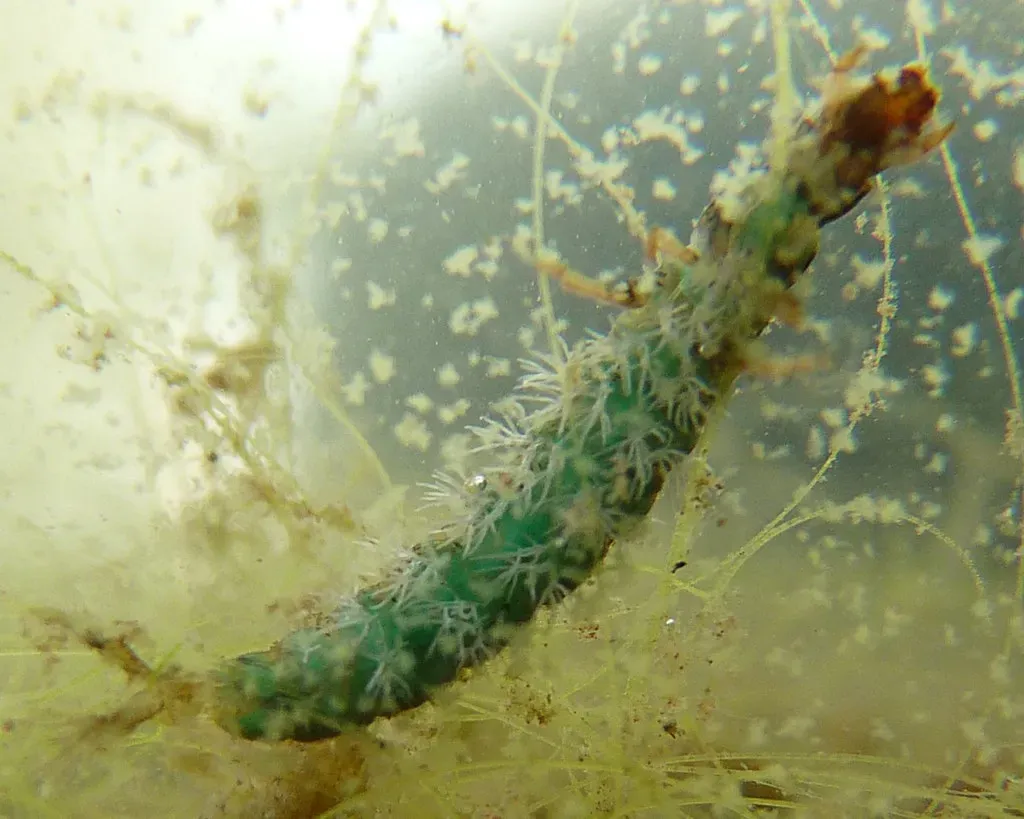
Here’s where things get really interesting. Some caddisfly species don’t bother with portable homes at all. Instead, they build stationary structures with an ingenious food-catching system. Many species build stationary protective stone shelters in high flow areas and weave silk nets near the entrance to capture food.
These larvae use their silk-weaving skills to spin trumpet-shaped underwater filtration nets, with finely meshed nets acting as sieves, collecting plant matter and other bits of detritus for the larvae to eat. It’s like having an automatic food delivery system that works while you rest. The silk strands are arranged so precisely that they can filter out tiny particles while allowing water to flow through. Let’s be real, that’s more sophisticated than some human fishing techniques.
The Secret of Underwater Silk
You might be wondering how silk could possibly work underwater when we typically think of it as a dry material. The answer lies in the chemistry. Aquatic caddisworm silk is solidified by environmental metal ions during the natural fiber-spinning process. The larvae secrete a liquid silk precursor, and when it contacts water containing calcium and other metal ions, it hardens into strong, durable fibers.
The silk adheres to various substrates underwater and has high tensile strength, extensibility, and toughness and is of interest as a model for biomimetic adhesives. Scientists are actually studying this silk to develop new underwater adhesives for medical and engineering applications. It’s hard to say for sure, but this tiny insect’s building material might one day help surgeons repair tissues or engineers construct underwater structures.
Building Without a Blueprint
Perhaps the most mind-boggling aspect of caddisfly construction is that it all happens without conscious planning. Aquatic caddisflies have diverged from a dry silk-spinning ancestors shared with terrestrial moths and butterflies. Over roughly 250 million years of evolution, they’ve perfected their craft through trial and error on a species-wide scale.
Each larva begins building as soon as it hatches, with no instruction manual and no mentor to guide it. The entire process is encoded in its genes. Caddisflies larvae produce sticky silk because of modified salivary glands. They essentially spit out double-sided tape on command, something that would definitely win any party trick competition if insects held parties.
Why These Tiny Homes Matter
Caddisflies have a low tolerance to pollutants in the water where they reside, meaning the more that we find, the cleaner our water quality is. Their presence serves as a natural indicator of environmental health. When streams are polluted, caddisflies disappear, taking their intricate constructions with them.
Beyond their ecological importance, these miniature architects remind us that complexity doesn’t require size or intelligence in the way we typically understand it. Caddisflies were the only group of aquatic insects to use silk as part of their lifestyle, which has been a contributing factor to their success. With roughly 14,500 known species worldwide, they’ve proven that innovation and adaptability can flourish at any scale. Next time you wade through a stream, take a moment to turn over a few rocks. You might just discover one of nature’s most impressive construction sites, built by an architect no bigger than your fingernail.
What incredible structures have you spotted in nature? The smallest builders often create the most surprising masterpieces.
