
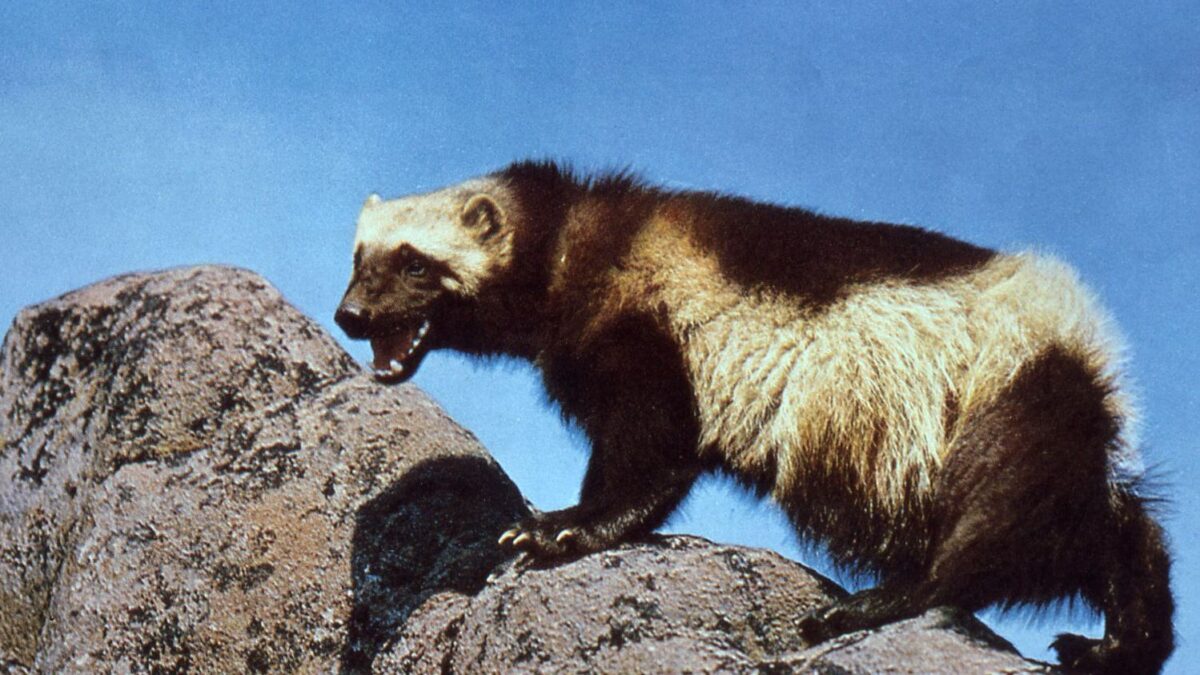
When most people think of wolverines, their minds drift to the comic book character with the metal claws. Yet the real wolverine, a fierce and elusive member of the weasel family, roams the most remote corners of North America with a ferocity that puts fiction to shame. These animals are built like compact tanks, weighing somewhere between 20 and 40 pounds, with jaws powerful enough to crush frozen bone and attitudes that make grizzly bears think twice.
Finding a wolverine in the wild is rarer than spotting a needle in a haystack covered in snow. They inhabit some of the most unforgiving terrain on the continent, thriving in alpine and subalpine environments where winter lasts longer than most seasons elsewhere. The United States is home to only a tiny fraction of the North American wolverine population, and their presence is concentrated in just a handful of states where wilderness still reigns supreme. Let’s dive into which states actually host these legendary creatures.
Montana: The Wolverine Capital of America
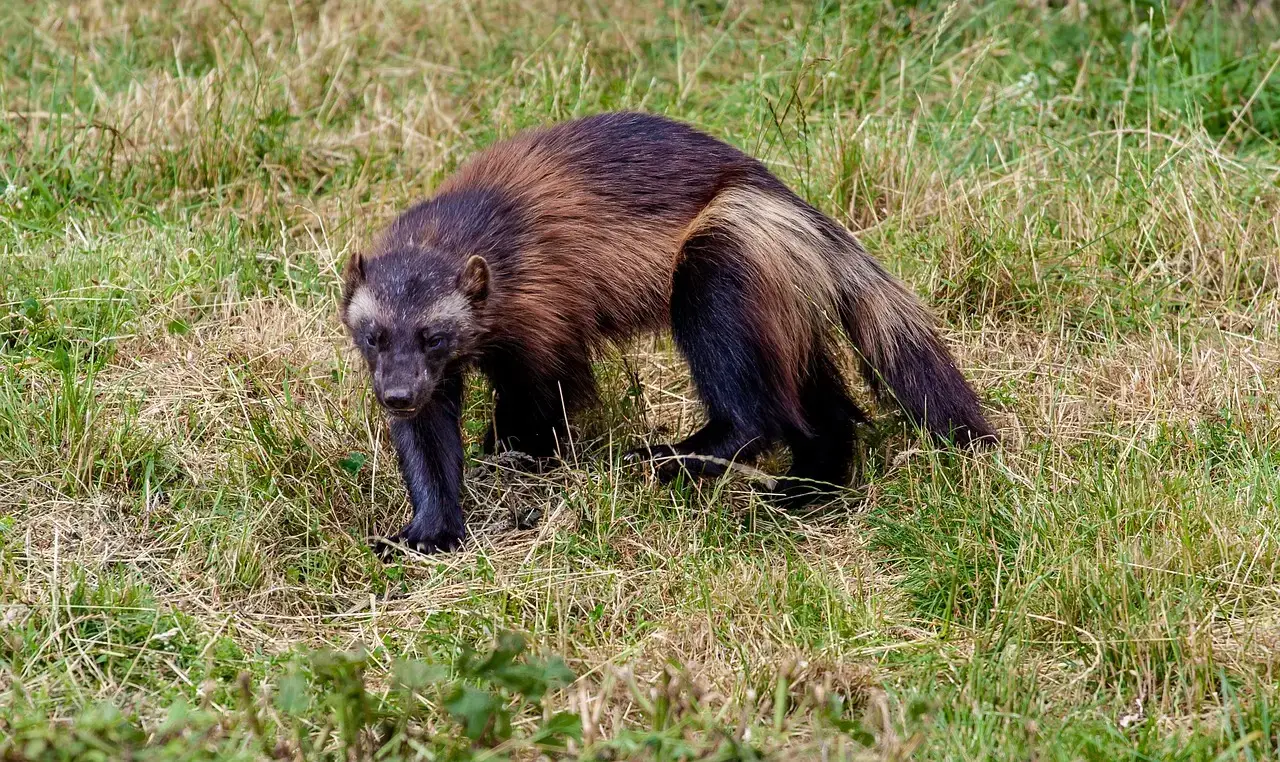
Montana stands as the undisputed champion when it comes to wolverine populations in the Lower 48 states. The vast wilderness areas of western Montana, particularly around Glacier National Park and the Bob Marshall Wilderness Complex, provide the kind of remote, rugged habitat these animals desperately need. Scientists estimate that Montana harbors the largest concentration of wolverines in the contiguous United States, though exact numbers remain elusive due to the animal’s secretive nature.
These creatures roam territories that can span hundreds of square miles, traversing mountain peaks and dense forests with an endurance that seems almost supernatural. Montana’s combination of high elevation terrain, deep snowpack, and relatively undisturbed ecosystems creates the perfect recipe for wolverine survival. The state has become a focal point for wolverine research and conservation efforts, with wildlife biologists using remote cameras and tracking technology to monitor these phantom predators.
Washington: Pacific Northwest Stronghold
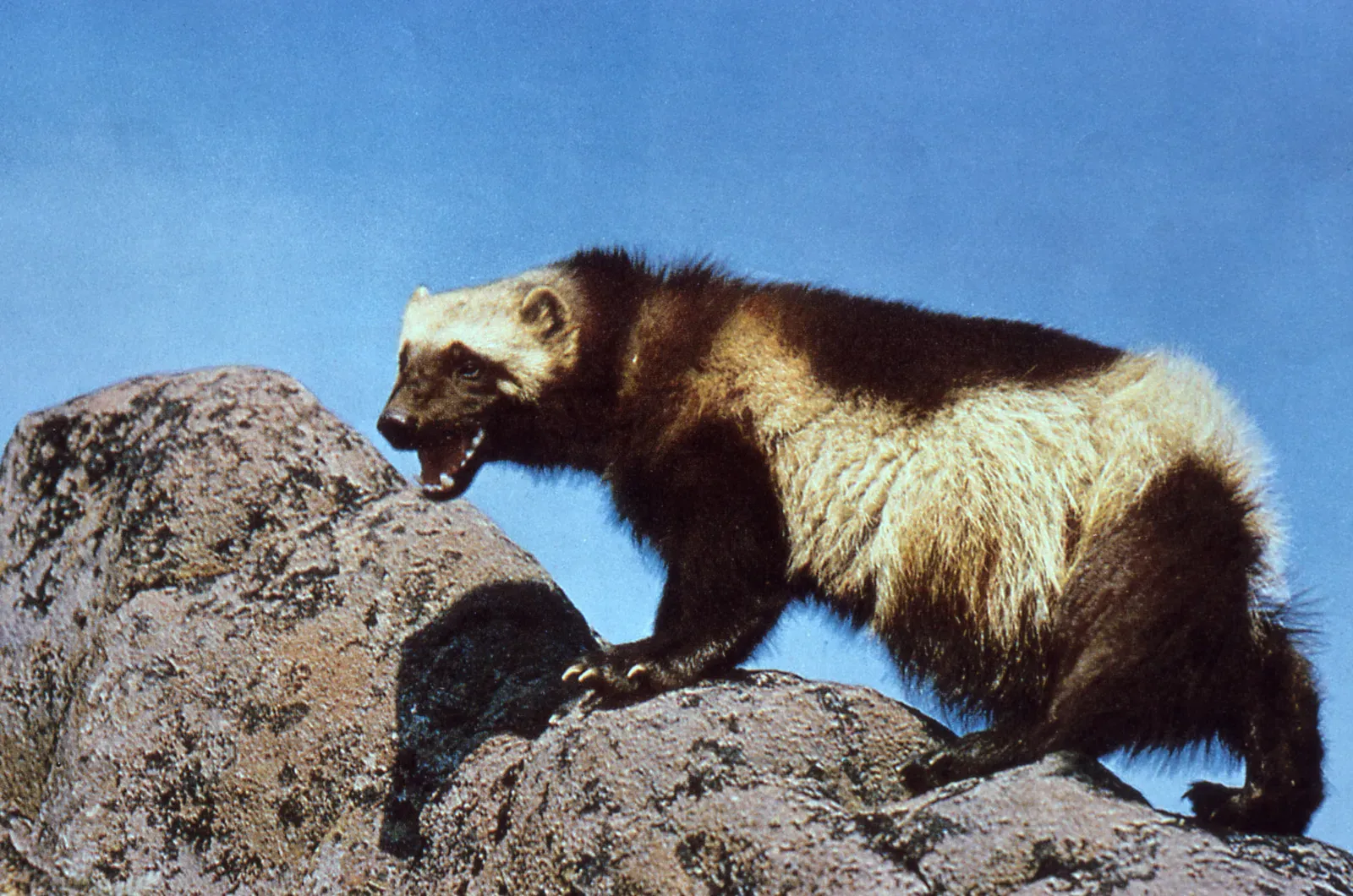
Washington State holds the second-largest wolverine population in the Lower 48, primarily concentrated in the North Cascades region. The rugged peaks and glaciated valleys of this area offer wolverines the isolation they crave, far from human disturbance. Recent verified sightings and genetic studies have confirmed that a small but viable population persists in the most remote corners of the state.
The Cascade Range provides critical habitat corridors that allow wolverines to move between territories and potentially connect with populations in Canada. Washington’s wolverines face unique challenges, including climate change impacts on snowpack and increasing recreational pressure in backcountry areas. Still, conservation efforts and protected wilderness areas give these animals a fighting chance to maintain their foothold in the Pacific Northwest.
Idaho: Hidden Populations in the Wilderness
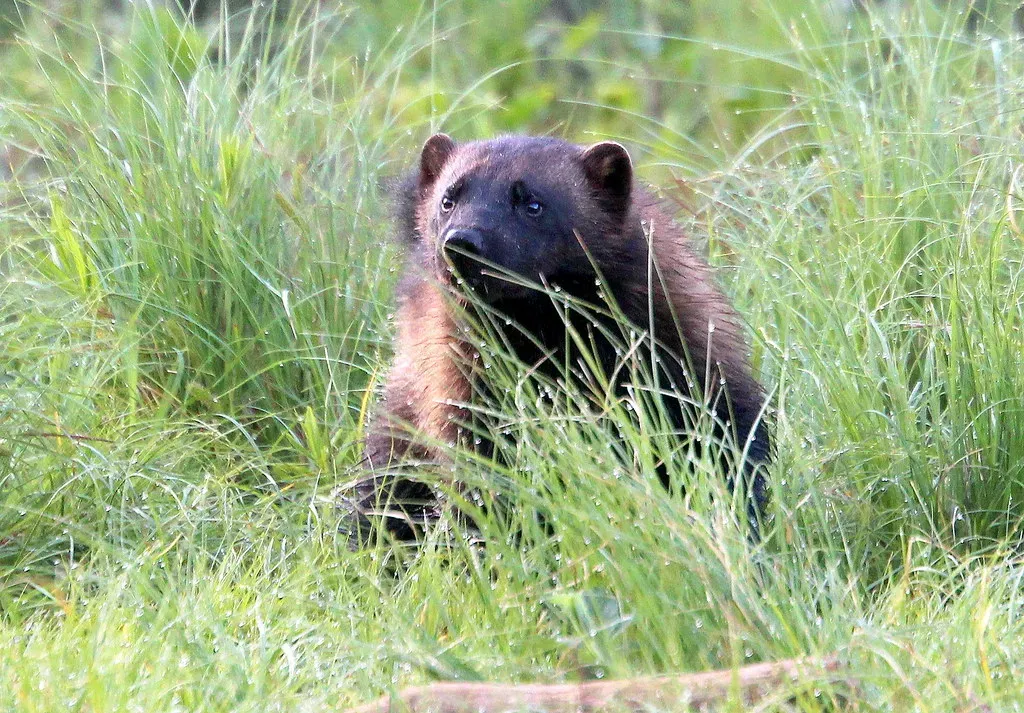
Idaho ranks third among US states for wolverine presence, though spotting one here remains extraordinarily rare. The central Idaho wilderness, including areas around the Frank Church-River of No Return Wilderness and the Selway-Bitterroot Wilderness, harbors small numbers of these elusive carnivores. The state’s extensive public lands and limited human development in certain regions create pockets of suitable habitat.
Wolverines in Idaho often travel through territory that overlaps with Montana and Washington populations, suggesting some level of genetic connectivity between these scattered groups. The animals here navigate some of the most dramatic terrain in the American West, from alpine meadows to dense coniferous forests. Idaho wildlife officials have documented several confirmed wolverine sightings over the past decade, each one adding precious data to our limited understanding of these mysterious creatures.
Wyoming: Yellowstone’s Rare Residents
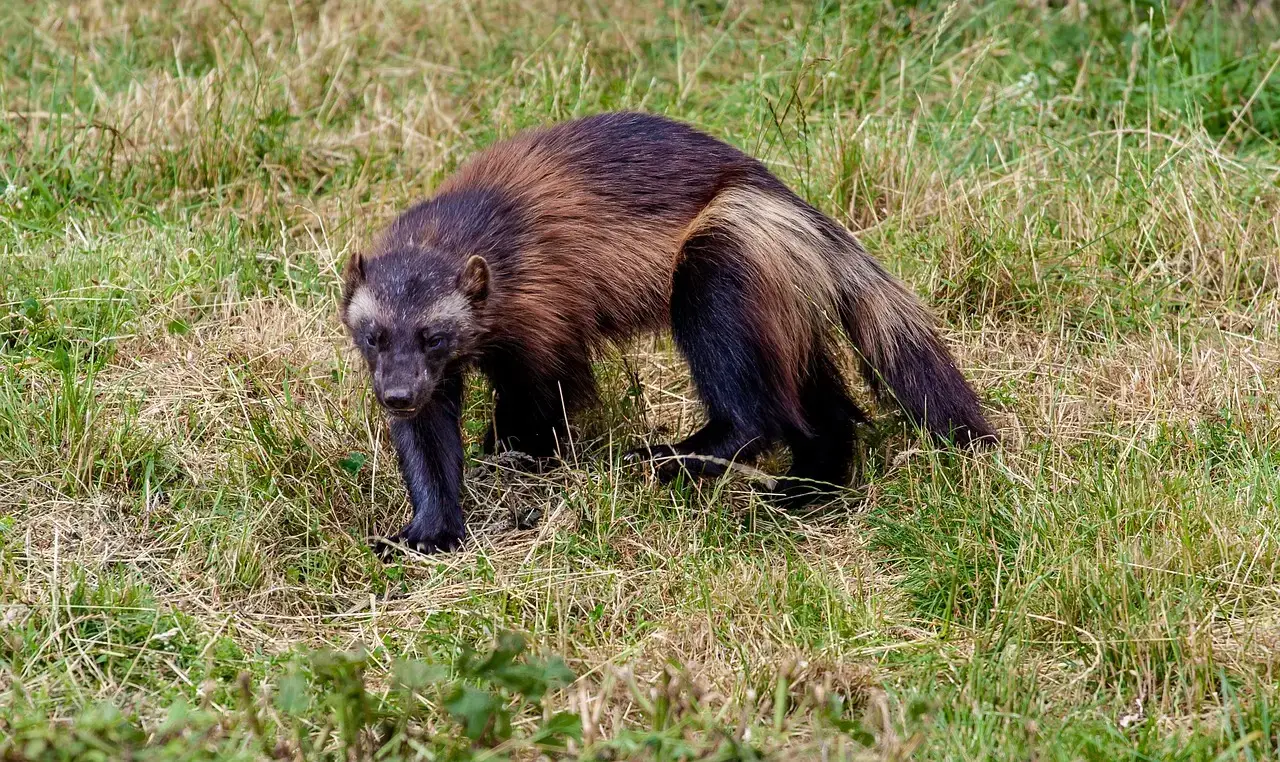
Wyoming hosts one of the smallest wolverine populations among the states where they’re found, with most sightings concentrated in and around Yellowstone National Park and the surrounding Greater Yellowstone Ecosystem. These individuals likely represent either transient animals moving through the region or a very small resident population struggling to maintain a foothold. The vast wilderness of northwestern Wyoming theoretically offers suitable habitat, yet wolverine numbers remain frustratingly low.
The occasional confirmed sighting in the Teton Range or the Wind River Mountains sends ripples of excitement through the conservation community. Each verified track or camera trap image represents hope that wolverines might eventually reestablish a more robust presence in Wyoming’s high country. The state serves as a reminder of how precarious wolverine populations remain across their historic range.
Oregon and California: The Southern Edge
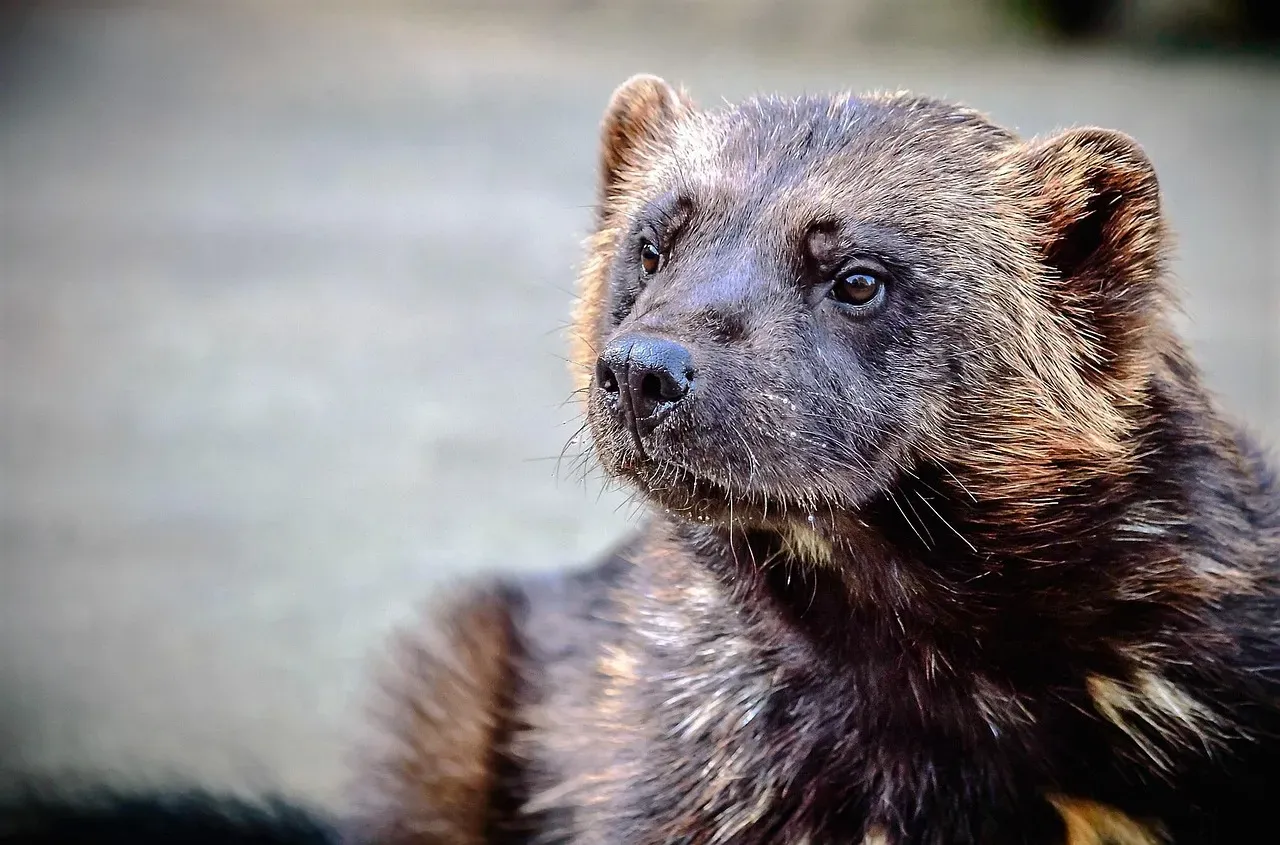
Oregon and California represent the extreme southern edge of wolverine range in North America, with populations so small that individual animals are sometimes identified by name. Oregon has documented only a handful of wolverine confirmations in recent decades, mostly in the Cascade Range. California’s wolverine story is even more tenuous, with just a few verified sightings suggesting that occasional wanderers might cross into the state from points north.
These southern populations, if they can even be called that, face the steepest odds for survival. Climate change threatens the persistent snowpack that wolverines depend on for denning and hunting. The distances between suitable habitat patches grow wider as development creeps into formerly wild areas. Honestly, it’s hard to say for sure whether wolverines will maintain any presence this far south in the coming decades, making every confirmed sighting a precious glimpse of what we stand to lose.
Conclusion: A Precarious Future for America’s Wolverines
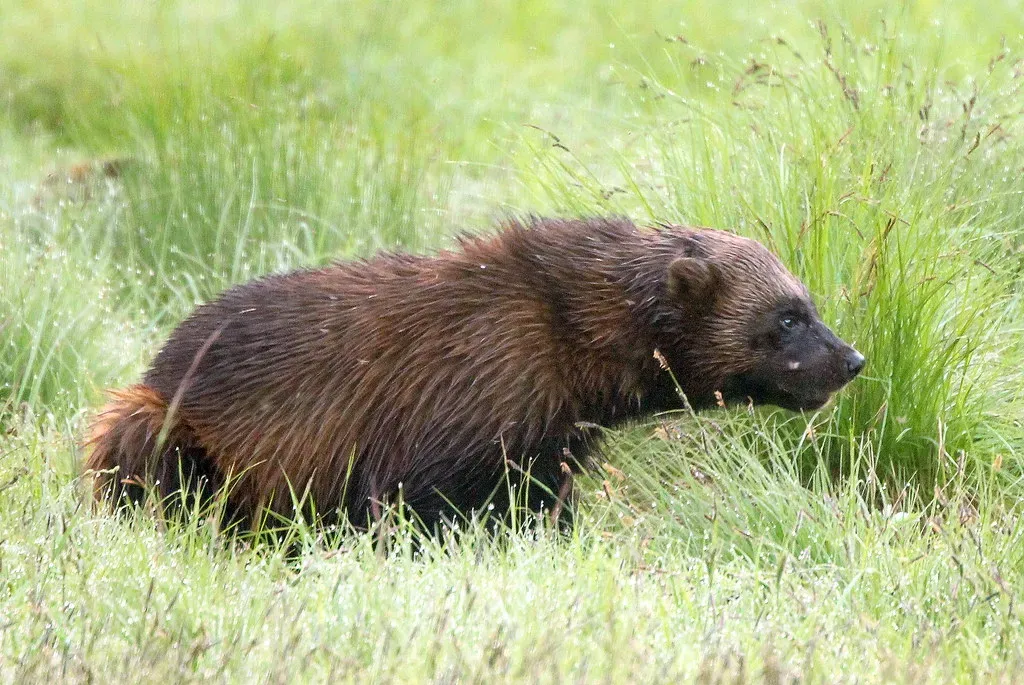
The wolverine’s presence in the United States hangs by a thread, concentrated in just a few mountain strongholds where wilderness still exists on a scale these animals require. Montana leads the pack, followed by Washington and Idaho, with Wyoming, Oregon, and California hosting only the rarest of visitors or the smallest of populations. The total number of wolverines in the Lower 48 likely numbers in the low hundreds at best, a sobering reminder of how completely we’ve reshaped the landscape.
Conservation efforts continue, but wolverines face mounting challenges from climate change, habitat fragmentation, and the simple fact that they need enormous territories to survive. These animals represent something we’ve nearly lost: true wildness, uncompromising and untamed. Whether future generations will know wolverines as anything more than a footnote in natural history books depends entirely on decisions we make today about protecting the last scraps of wilderness they call home.
What do you think about the wolverine’s chances? Tell us in the comments.

- 7 Signs Your Dog Truly Sees You as Their Best Friend - July 24, 2026
- If Your Native American Zodiac Sign is a Beaver, Here’s What It Means - July 24, 2026
- The Striped Bark Scorpion Won’t Be Seen In These US States - July 24, 2026