
So you’re thinking about bringing a cat into your life for the very first time. Exciting, right? The thought of a furry companion lounging on your couch, greeting you at the door, maybe even curling up in your lap is enough to make anyone smile. There’s something special about cats, the way they move through the world with that signature mix of independence and affection.
Yet here’s the thing that nobody tells you upfront. Not all cats are created equal when it comes to being beginner friendly. Some breeds are basically made for first-time owners, patient and easygoing, happy to forgive your rookie mistakes. Others? Well, let’s just say they require a level of commitment, expertise, and sometimes plain stubbornness that can leave even experienced cat lovers scratching their heads.
Choosing the right breed can mean the difference between a match made in heaven and a daily struggle you didn’t sign up for. This guide breaks down six of the absolute best breeds for newcomers and six that you might want to think twice about before bringing home. Let’s dive in and find out which feline friend could be your perfect fit.
The Ragdoll: Your Ultimate Snuggle Buddy
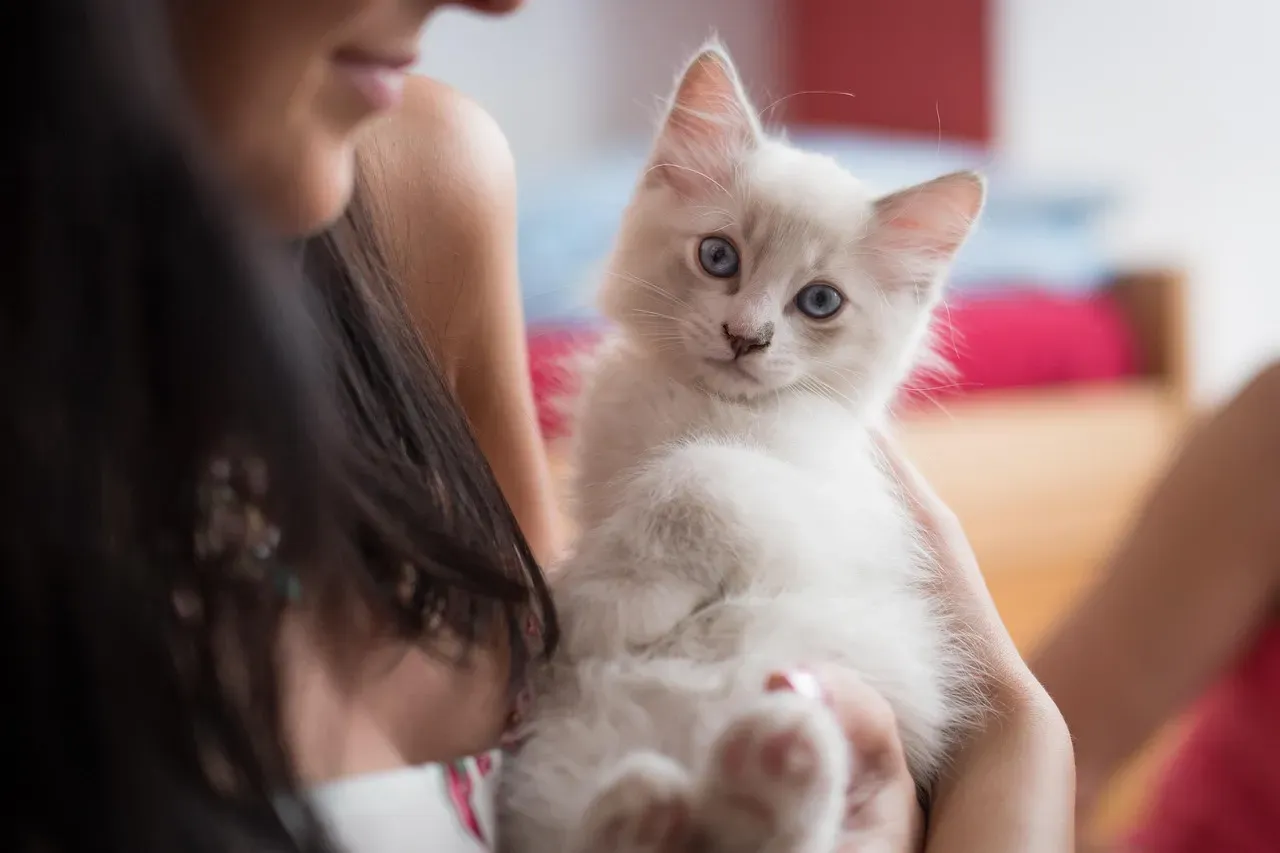
Ragdolls are famously gentle and docile cats known for going limp when lifted, resembling a floppy rag doll, making them comforting matches for first-time owners who want affection without constant chaos. These stunning long-haired beauties basically invented the concept of being a lap cat. Their calm demeanor makes them incredibly forgiving of beginner mistakes.
Often referred to as puppy cats because they enjoy following their owners around and being held, Ragdolls bring a unique companionship to any home. If you’re looking for a cat that genuinely enjoys your company without being demanding, this breed checks all the boxes. They thrive in calm households and bond deeply with their families.
Their sleek coat needs very little care, and petting or rubbing them down with a chamois cloth will make them shine. Despite that luxurious fur, grooming remains surprisingly manageable compared to many long-coated breeds. Weekly brushing sessions become bonding time rather than battles.
Think of Ragdolls as the golden retrievers of the cat world. They’re patient with kids, tolerant of other pets, and genuinely seem to understand that you’re learning as you go. Their gentle nature means fewer scratches, less drama, and more of those heartwarming moments you imagined when you first thought about getting a cat.
The American Shorthair: All-American Charm
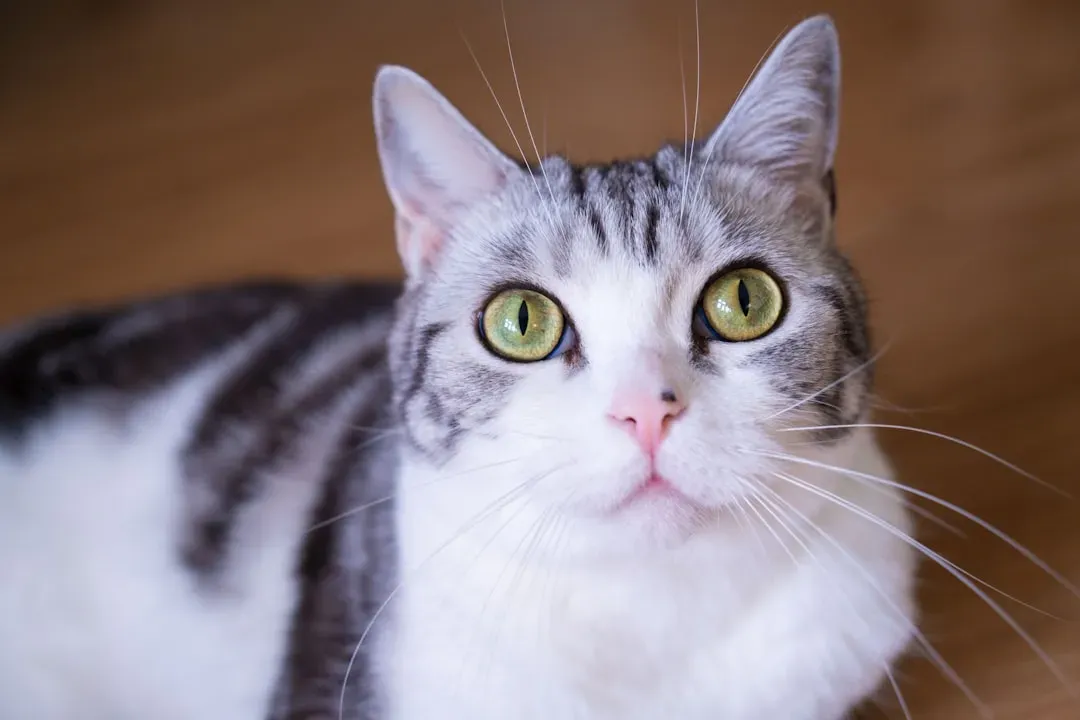
The American Shorthair is a great choice for first-time cat owners thanks to the breed’s easy-going personality and affectionate nature, adapting seamlessly to almost any household, whether individuals or families with kids, and they are moderately active cats that love to play almost as much as they love to cuddle. This is the breed that truly gets what it means to be low maintenance without sacrificing personality.
The short, soft fur needs only weekly brushing to stay in tip-top shape. You won’t be spending hours untangling mats or dealing with fur tumbleweeds rolling across your floor. Their robust health and diverse gene pool mean fewer worries about breed-specific conditions.
What I find really appealing about American Shorthairs is their balanced temperament. They are more independent than breeds like Ragdolls or Scottish Folds and are more tolerant of being left alone for a little while. If your work schedule keeps you out during the day, these cats won’t hold it against you.
American Shorthair cats are known for their easy-going personalities, good health, and low maintenance grooming requirements, being great with children and other pets and generally adaptable to different living situations. They’re the sort of cats that fit into your life rather than demanding you rearrange everything around them. Perfect for apartment living or busy households alike.
The Maine Coon: Gentle Giants with Big Hearts
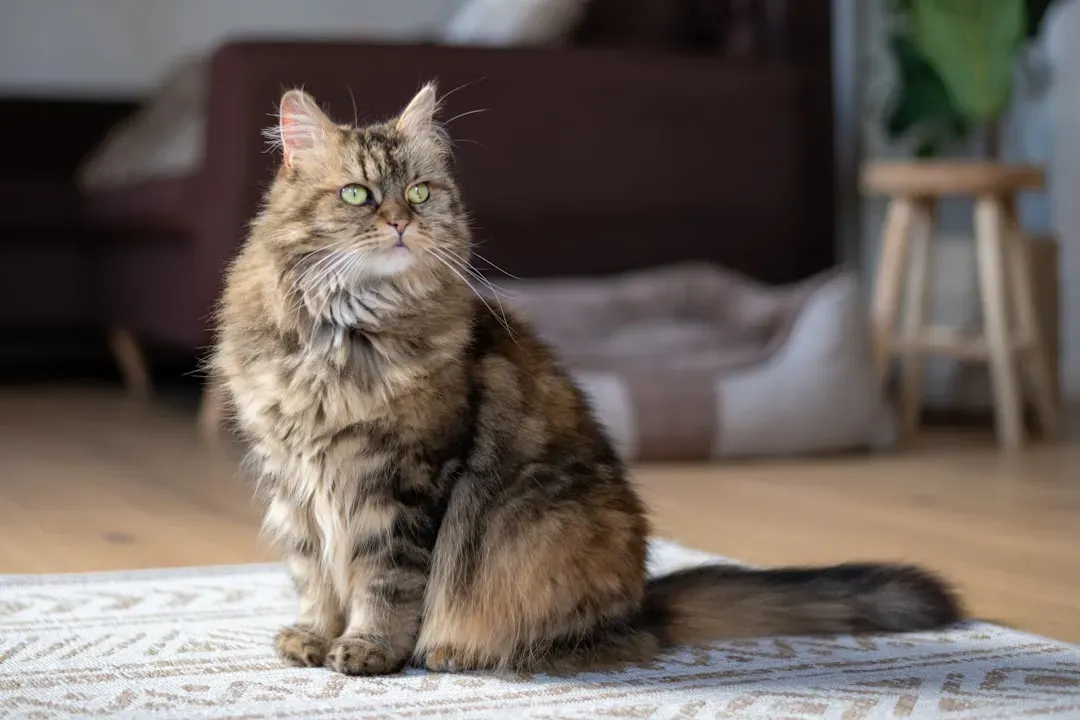
The Maine Coon is the coolest cat around, which makes them wonderful pets for first-time cat owners, as they are the largest cat breed but are known as gentle giants thanks to their famously mellow personality. Don’t let their size intimidate you. These massive felines are basically teddy bears in cat form.
Maine Coon cats don’t need a huge amount of exercise and they are content to go with the flow of the household, and the shaggy coat does need regular grooming but it’s easy to keep it free from tangles by brushing two or three times a week. Their laid-back nature means they adapt beautifully to whatever rhythm your household operates on.
Maine Coons are incredibly social without being clingy. They’ll hang out nearby while you work from home, maybe chirp at you occasionally to remind you they exist, but they won’t demand your undivided attention every minute. They are referred to as gentle giants because of their kind and loving nature, and Maine Coons are generally calm, sociable, and good with children and other pets, making them a great choice for families or first-time owners.
Despite that luxurious coat, grooming isn’t the nightmare you might expect. Regular brushing sessions keep everything under control, and honestly, most Maine Coons seem to enjoy the attention. Their sturdy build means they can handle a bit of rough play from kids who are still learning gentle handling.
The British Shorthair: The Ultimate Chill Cat
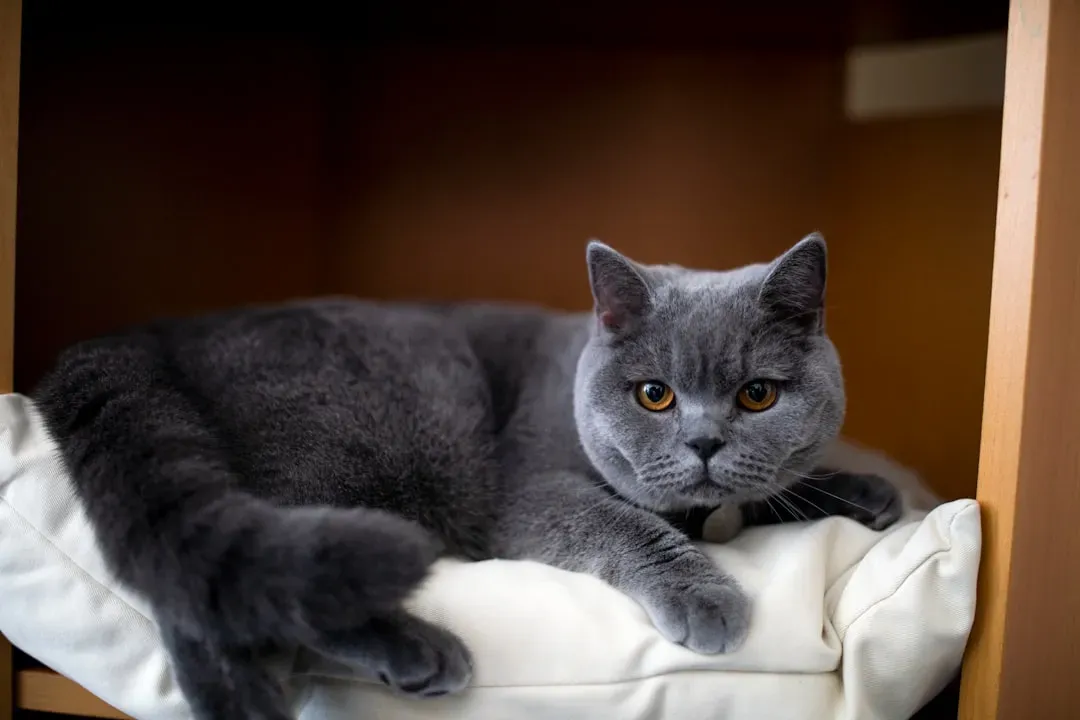
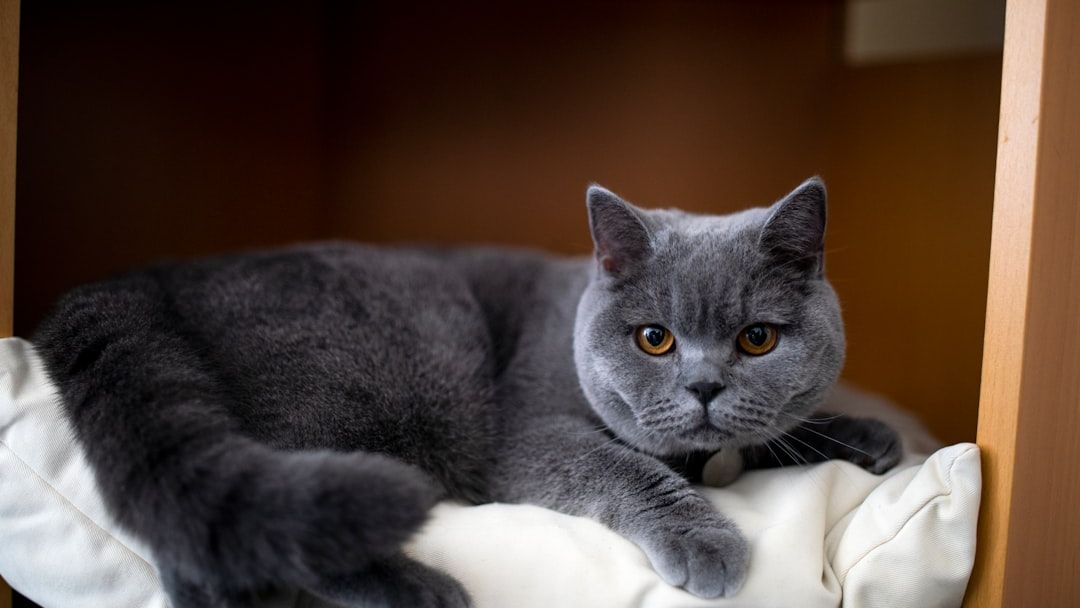
The British Shorthair, often praised as a classic teddy-bear cat known for a round face, is noted for its sturdy build, generally robust health, and tendency to sleep a great deal, making it a beginner-friendly choice that fits smoothly into many homes. If you want drama-free cat ownership, look no further.
Their grooming needs are modest, they’re not demanding athletes, and they tend to do well in relaxed households, including apartments, without needing nonstop entertainment, and when it comes to affection, they form strong bonds and like to be near their people but can be content spending time alone when the family is out. This independent streak makes them ideal for people with full-time jobs.
British Shorthairs have this wonderful quality of being present without being needy. They’ll sit nearby while you binge-watch your favorite show, perfectly content to just share the space. British Shorthairs are generally healthy and robust cats with fewer genetic health issues than many other breeds, though they should be monitored for weight gain to avoid obesity-related health problems.
Their plush coat is deceptively easy to maintain. A quick weekly brush keeps everything in check, and their calm temperament means grooming sessions are peaceful rather than wrestling matches. These cats basically invented the concept of low-key companionship.
The Siamese: Chatty and Devoted Companions
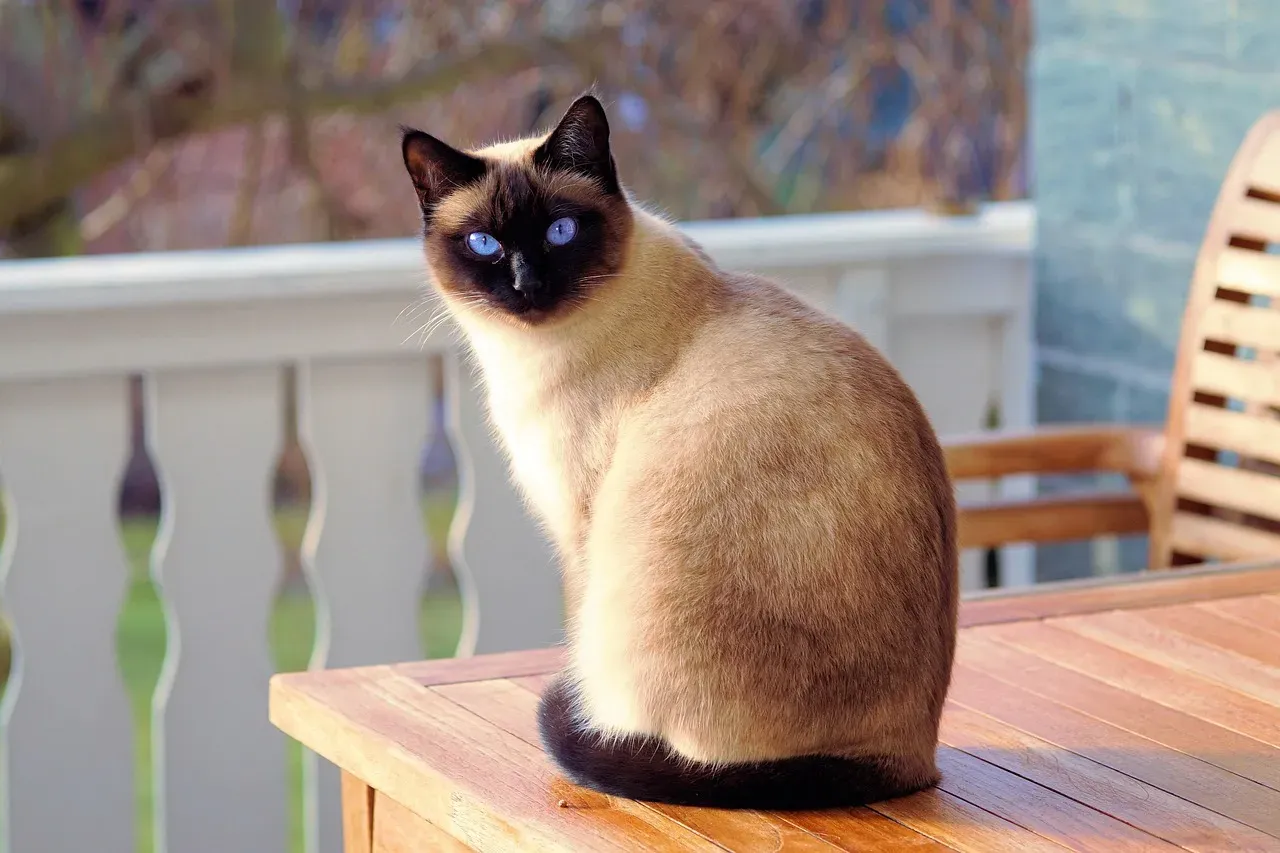
Siamese cats are an excellent choice for first-time owners thanks to their remarkable intelligence and highly social nature, known for their affectionate personalities, thriving on human interaction and loving being the center of attention, with their outgoing and playful demeanor making them easy to bond with, often forming deep, loyal connections with their owners. If you’re home a lot and want a cat with real personality, Siamese cats deliver in spades.
Siamese are adaptable, friendly, and extremely affectionate, and if you like the idea of being hugged by a cat, this is the breed for you. Their vocal nature might surprise you at first. These cats have opinions about everything and aren’t shy about sharing them.
A huge advantage to owning a Siamese is its lack of a thick coat, and there’s typically no need to groom your special guy or gal from day to day, as these cats need very little upkeep beyond lots of time with you as their favorite pet parent. The grooming simplicity combined with their social nature makes them manageable for beginners who have the time to dedicate.
Their sleek appearance and striking blue eyes make them instantly recognizable. Siamese cats thrive in active households where someone is usually around to interact with them. If you work from home or have a family with people coming and going throughout the day, a Siamese will be absolutely thrilled with the arrangement.
The Scottish Fold: Adorably Unique and Affectionate
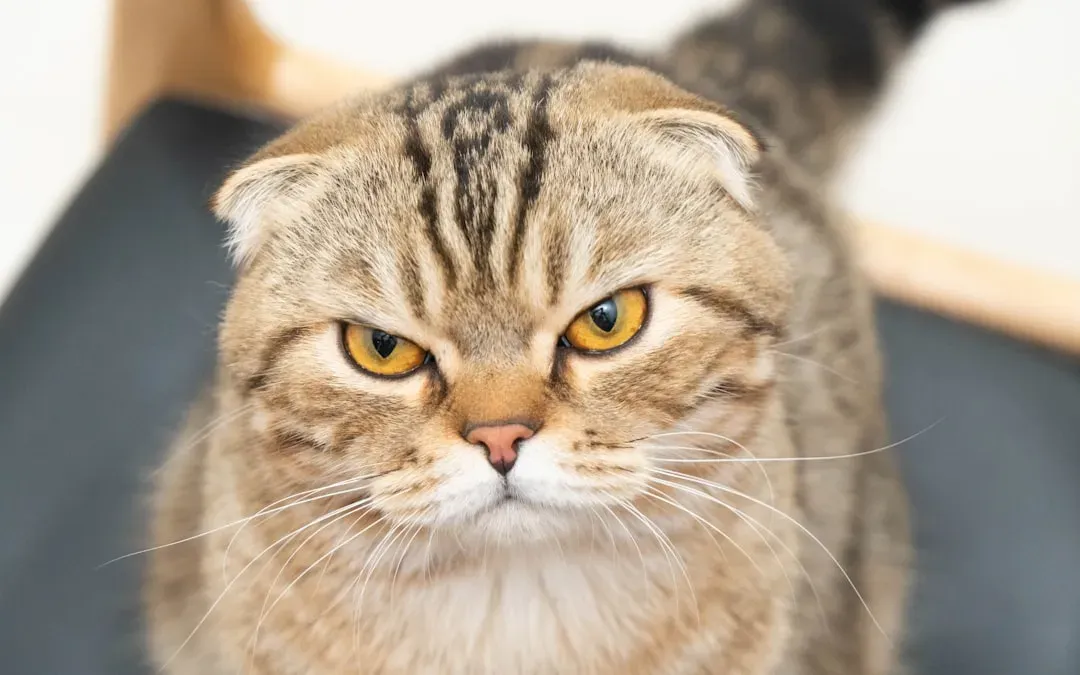
Scottish Folds are sweet-natured, friendly cats who are a top choice for first-time pet parents, as they’re generally easygoing, and their affectionate temperament makes them popular around the world. Those signature folded ears give them an owl-like appearance that’s impossible to resist.
This breed often feels refreshingly easy to live with, being sweet, affectionate, and polite in the home, and they tend to ask for attention in a gentle way, using a soft voice and generally keeping the chatter to a minimum, and they also adapt well to different setups, from busy family homes with kids to quieter one-person households. Their adaptability is a genuine asset for first-time owners figuring out their routine.
Short-haired Scottish Folds are usually simple to maintain, with weekly brushing often doing the trick. Grooming stays straightforward as long as you establish a regular routine. Their calm demeanor makes them excellent apartment cats.
These cats bond deeply with their humans and genuinely seem to enjoy being part of the family unit. They’re playful without being hyperactive, affectionate without being clingy, and generally just pleasant to have around. Perfect for someone wanting a cat that feels like a true companion without overwhelming demands.
The Bengal: Beautiful But High Energy
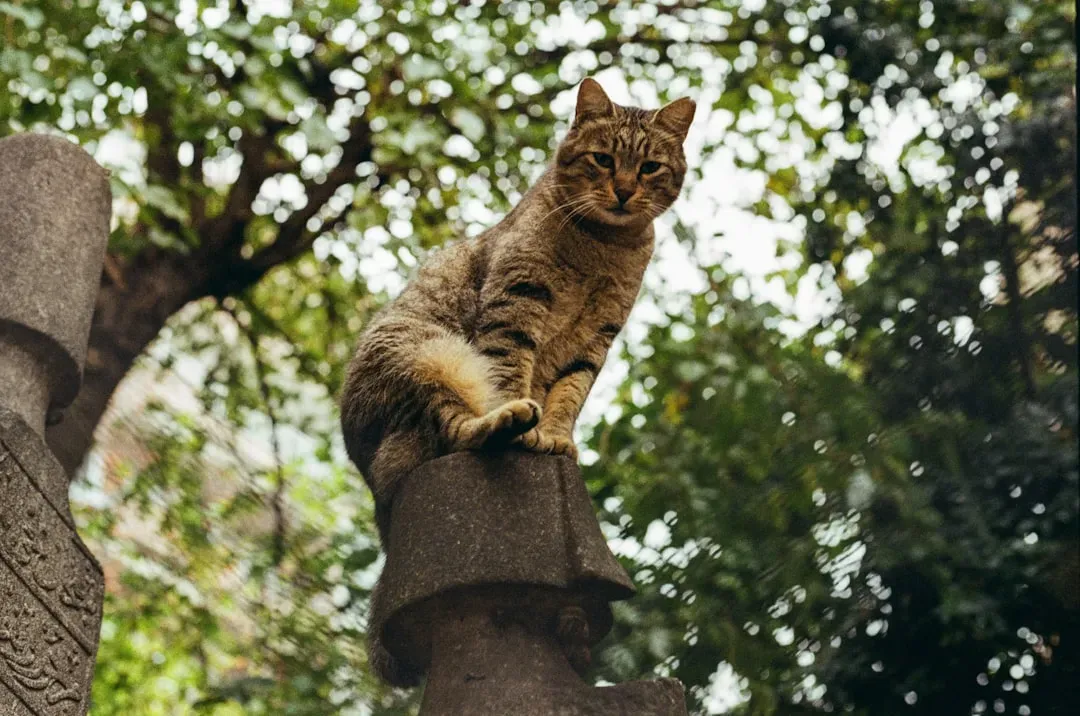
Bengals are notorious for being wilder than other breeds, and while that may sound romantic, it can get old fast, as it’s incredibly annoying when you realize that wild cats don’t enjoy being handled and respond aggressively if you pick them up. Those striking leopard-like markings come with a personality to match.
Bengals are strikingly beautiful with their wild-looking coats, but they require constant stimulation and exercise, being highly energetic, intelligent, and prone to destructive behavior if they don’t receive enough mental and physical engagement, and without proper enrichment, they may develop behavioral issues, making them a challenge for inexperienced cat owners. If you’re not prepared for a cat that basically never stops moving, this isn’t your breed.
Bengals descended from wild Asian leopard cats, and that ancestry shows in their behavior. They climb everything, knock things over, and generally treat your home like their personal jungle gym. Bengals are affectionate and curious cats who spend most of their waking hours playing, climbing, and chasing things, and they also do not do well alone for a long time, so be prepared to have another pet to keep them company, or you’ll need to spend more time with them when at home.
Their intelligence works against inexperienced owners. Bengals figure out how to open cabinets, turn on faucets, and generally get into trouble you didn’t even know was possible. They demand an experienced owner who can channel that energy productively and establish firm boundaries from day one.
The Persian: Gorgeous But Grooming Intensive
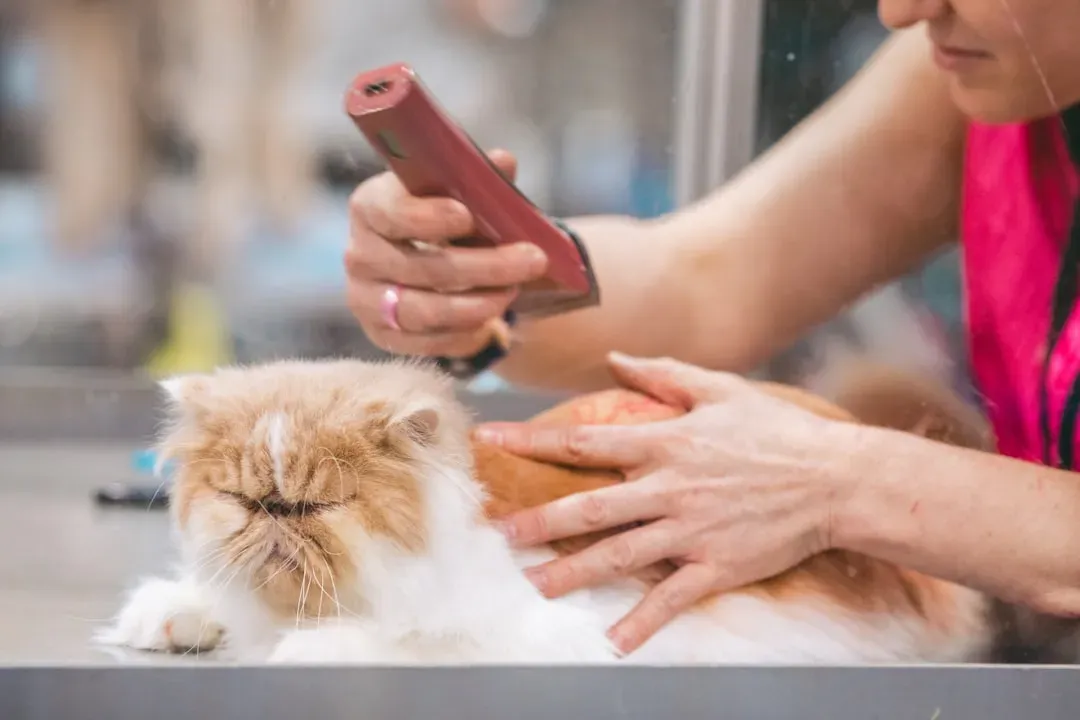
Persians are incredibly loving and loyal and make wonderful emotional support animals, but if you are slightly allergic to cats, a Persian will make sure you find out the hard way, as they have more of the protein responsible for allergic reactions in their coat than any other breed, so don’t be surprised if you’re constantly red-eyed and sniffling. That luxurious coat is both their greatest asset and biggest challenge.
The biggest issue for new cat owners with Persians is their high-maintenance grooming needs, as their dense coat requires daily brushing to prevent mats and skin infections, and their faces require regular cleaning due to their flattened shape. Daily grooming isn’t a suggestion with this breed, it’s a necessity.
Persians are prone to a host of health issues, from kidney and heart conditions to others such as brachycephalic airway syndrome, and because of their short, flatter face, Persian cats struggle to breathe properly, with many getting short of breath quickly and suffering from inflammation and swelling in their airways. These health concerns translate to frequent vet visits and potentially significant medical expenses.
Their sweet temperament makes them wonderful companions if you can handle the maintenance. Persians are gentle, quiet, and love lounging around. However, for a first-time owner already navigating litter boxes, feeding schedules, and basic cat care, adding intensive daily grooming and potential health complications creates an overwhelming situation.
The Sphynx: High Maintenance in Unexpected Ways
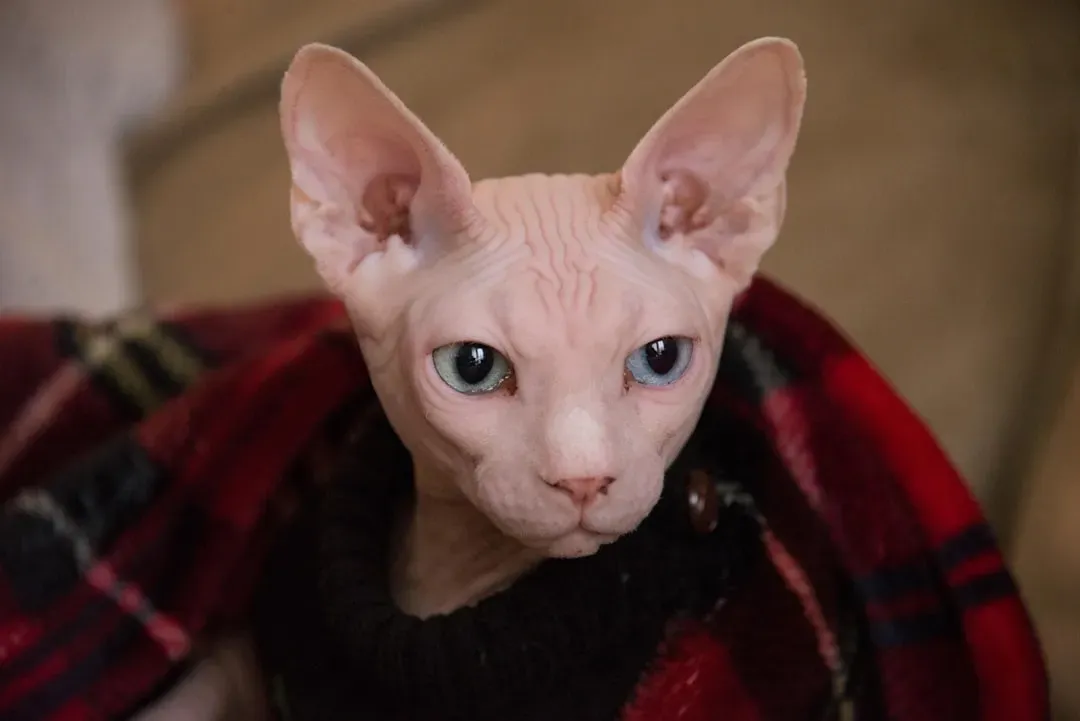
The Sphynx is hairless and requires regular bathing to remove oils that would normally be absorbed by fur, as well as protection from cold temperatures. That naked appearance might seem like a grooming shortcut, but reality tells a different story entirely.
They have abundant energy and are mischievous and because they lack hair that would normally absorb body oils, the sphynx breed also requires regular bathing as well as ear and nail cleaning. Weekly baths are standard, and most cats aren’t exactly thrilled about bath time.
These deceivingly delicate cats have a high metabolism and hearty appetites, with a higher daily calorie intake then the average coated cat, and being so food driven, it is important to always keep an eye on their weight. Their dietary needs require careful monitoring and can get expensive quickly.
Beyond grooming and feeding, Sphynx cats need protection from temperature extremes. They get cold easily and can get sunburned. They are also prone to some severe conditions, including hypertrophic cardiomyopathy (HCM), so it’s essential to understand the potential for veterinary costs associated with them. For first-time owners, these accumulated challenges create a steep learning curve.
The Singapura: Skittish and Strong-Willed
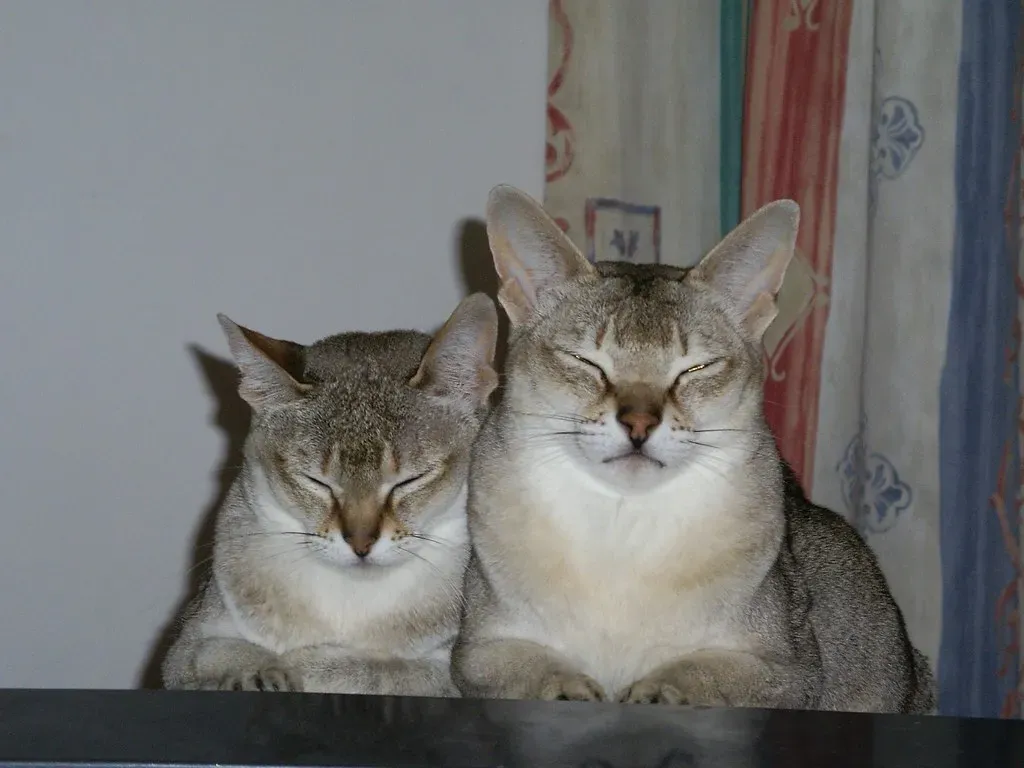
It may be tempting to adopt a Singapura, as their alien-like appearance makes them different from just about any other breed you could own, however, they’re strong-willed and skittish, and if you surprise them, they can react with a flurry of claws and teeth, and they also have a tendency to hide if not properly socialized. That exotic appearance comes with behavioral quirks that can frustrate beginners.
Their small size makes them seem manageable, but don’t be fooled. Singapuras require extensive socialization from kittenhood to prevent them from becoming nervous hiders. If they’re not properly socialized, they tend to hide so you might end up with a cat that’s rarely seen, and the only clue to their presence might be the disappearing food from their bowl.
Imagine paying for a cat, setting up your home, and then never actually seeing your pet because they spend all day hiding under the bed. That’s a real possibility with poorly socialized Singapuras. Their skittish nature means loud noises, sudden movements, or unexpected guests can send them into hiding for hours.
For experienced cat owners who understand feline behavior and can dedicate time to proper socialization, Singapuras can become loving companions. However, first-time owners dealing with an anxious, hiding cat will likely feel frustrated and question whether they’re doing something wrong.
The Turkish Van: Aggressive Tendencies and High Needs
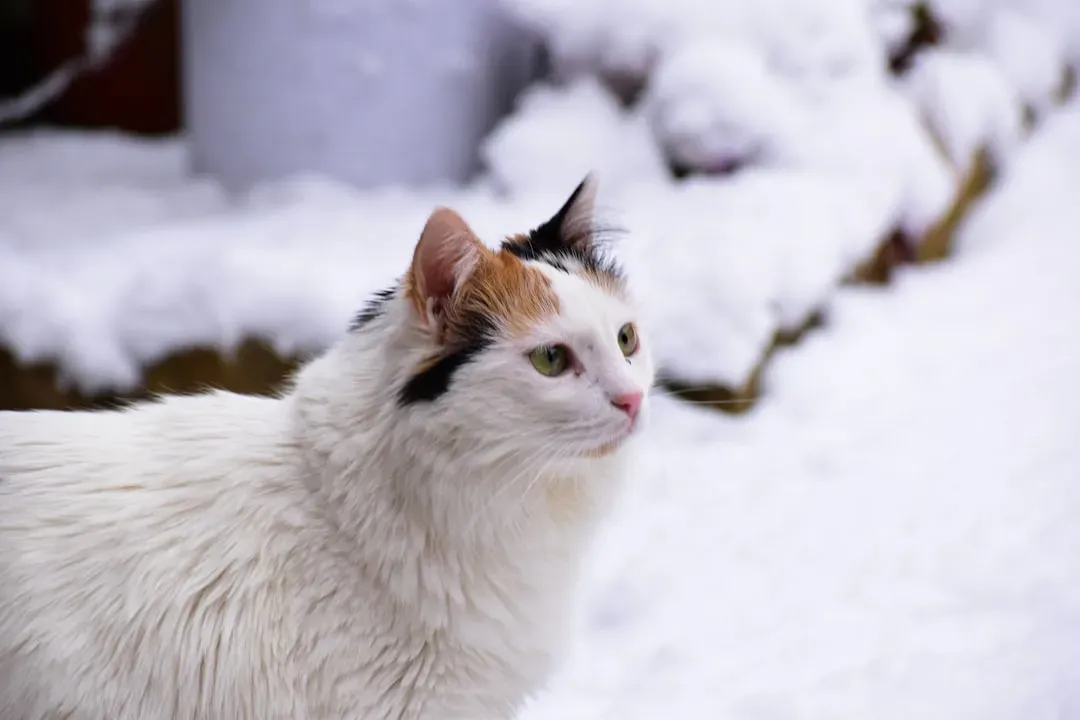
The Turkish Van is an uncommon cat known for their fun-loving nature and high level of intelligence, but they can be needy and require a lot of attention from their owners, being social and not doing well when left alone for long periods, and one study put Turkish Vans at the top of the list for aggression toward other animals and people. That’s a concerning track record for any first-time owner.
While they’re social and enjoy company, they used to have a reputation for being quite aggressive towards other animals and people, and over time, breeders have worked to reduce this trait, but they still need lots of love and care from their human family. Breeding efforts have improved the situation, but aggression tendencies haven’t disappeared entirely.
Turkish Vans demand constant attention and don’t tolerate being left alone. If you work full-time or travel regularly, this breed will make their displeasure known, potentially through destructive behavior or aggression. Their intelligence means they remember grievances and can hold grudges.
Combining high intelligence with potential aggression creates a challenging dynamic for inexperienced owners. Turkish Vans need firm boundaries, consistent training, and lots of interactive play. Miss any of these elements, and you could end up with a difficult cat that makes daily life stressful.
The Egyptian Mau: Resource Guarding and Withdrawn Nature
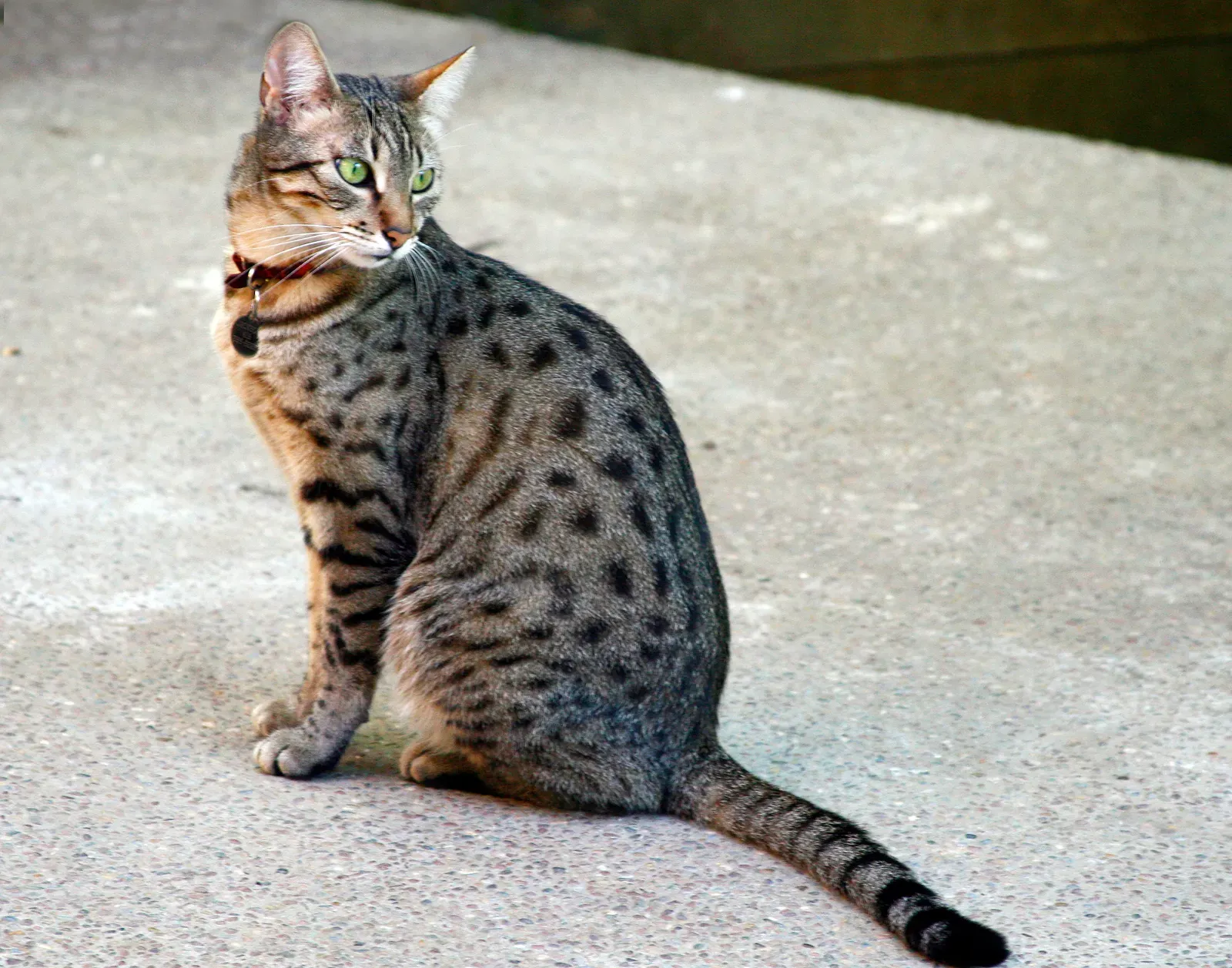
The Egyptian Mau is absolutely gorgeous but can be challenging to control, as they’re prone to resource-guarding, and you may find yourself pulling back a bloody hand if you try to take one of their toys or treats, being withdrawn with a quiet nature that can hide a mean streak, though they bond strongly with their families, so you may only see their dark side when you have guests over. This unpredictability creates serious problems.
Resource guarding means the cat becomes possessive of food, toys, or favorite spots, potentially attacking anyone who comes near. For first-time owners unfamiliar with recognizing warning signs, this behavior can result in painful injuries and broken trust. Teaching children to respect a resource-guarding cat becomes nearly impossible.
Egyptian Maus are stunningly beautiful with their spotted coats and athletic builds. That beauty attracts people who aren’t prepared for the behavioral challenges underneath. Their withdrawn nature means they don’t naturally seek interaction, yet they become aggressive when guests visit or when their space is invaded.
Experienced cat owners understand how to work with resource guarding through environmental management and behavior modification. First-time owners typically lack these skills and may inadvertently reinforce negative behaviors, making the problem worse over time. The combination of aggression and unpredictability makes this breed unsuitable for beginners.
The Devon Rex: Extremely Needy and Energetic
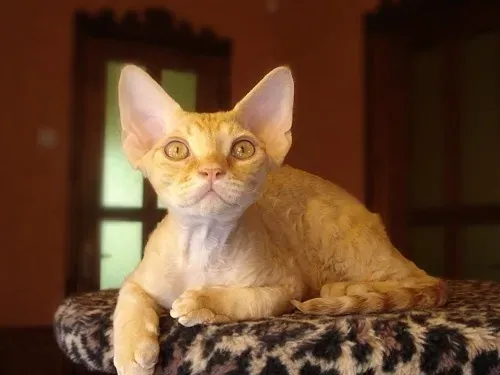
The Devon Rex is an incredibly energetic breed that requires lots of attention and stimulation, otherwise, unwanted behaviors can pop up, and the Devon Rex is tremendously social and needs a lot of time and attention from their owners. Their pixie-like appearance is adorable, but the reality of ownership tells a different story.
The Devon Rex is tremendously social and needs a lot of time and attention from their owners, and if you work several hours outside of the home, you will need to consider bringing another cat into the household. This level of neediness overwhelms first-time owners who weren’t expecting to essentially adopt a cat with separation anxiety.
Devon Rex cats are incredibly intelligent and use that intelligence to get into everything. They figure out how to open doors, access forbidden areas, and generally create chaos when bored. Their high energy means they need multiple play sessions daily, puzzle toys, climbing structures, and constant mental stimulation.
Missing even a day or two of adequate exercise and attention results in destructive behaviors like knocking things off shelves, shredding furniture, or yowling incessantly. For first-time owners still figuring out basic cat care, adding the demands of a Devon Rex creates an unsustainable situation that often ends in rehoming.
Conclusion: Finding Your Perfect Match
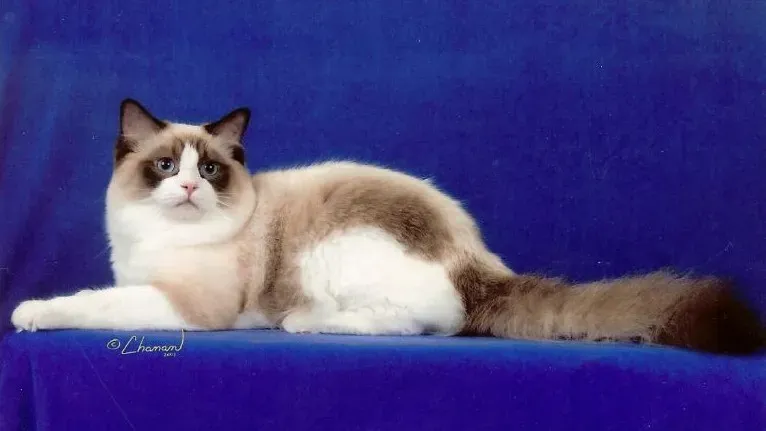
Choosing your first cat is about matching personality, lifestyle, and care requirements with what you can realistically provide. The best breeds for beginners share common traits like adaptability, forgiving temperaments, manageable grooming needs, and generally robust health. Ragdolls, American Shorthairs, Maine Coons, British Shorthairs, Siamese, and Scottish Folds offer wonderful companionship without overwhelming demands.
The worst breeds for first-time owners bring challenges that experienced cat parents can handle but beginners struggle with. Bengals require endless energy outlets. Persians demand intensive daily grooming and have significant health concerns. Sphynx cats need frequent bathing and temperature management. Singapuras can become anxious hiders. Turkish Vans carry aggression risks. Egyptian Maus resource guard. Devon Rex cats need constant attention and stimulation.
Your first cat should be a joy, not a source of constant stress. Choose a beginner-friendly breed, and you’ll build confidence while enjoying genuine companionship. Jump straight into a challenging breed, and you risk frustration, rehoming situations, and questioning whether cat ownership is right for you.
Every cat deserves an owner who can meet their needs. Being honest about your experience level, available time, and lifestyle helps ensure both you and your future cat will thrive together. Which breed sounds like your perfect match? Share your thoughts in the comments.
