
You know that feeling when you’re out with your furry best friend and you see something slithering through the grass? Your heart races. Your dog might not even notice. Here’s the thing, though: while our beloved canine companions are unfortunately quite vulnerable to snake venom, there are some incredible creatures out there that can walk away from a venomous bite like it’s nothing. I think it’s fascinating how nature has equipped certain animals with biological superpowers that most of us can only dream about. Understanding how these animals survive encounters that would be deadly to our dogs might just change how you think about the natural world and your pup’s place in it.
Let’s be real: dogs are curious, often reckless, and they love investigating things with their noses. This combination can spell disaster when they encounter a venomous snake. The truth is, nature has been far more generous to some animals than others when it comes to venom resistance.
The Molecular Masterpiece Behind Venom Immunity
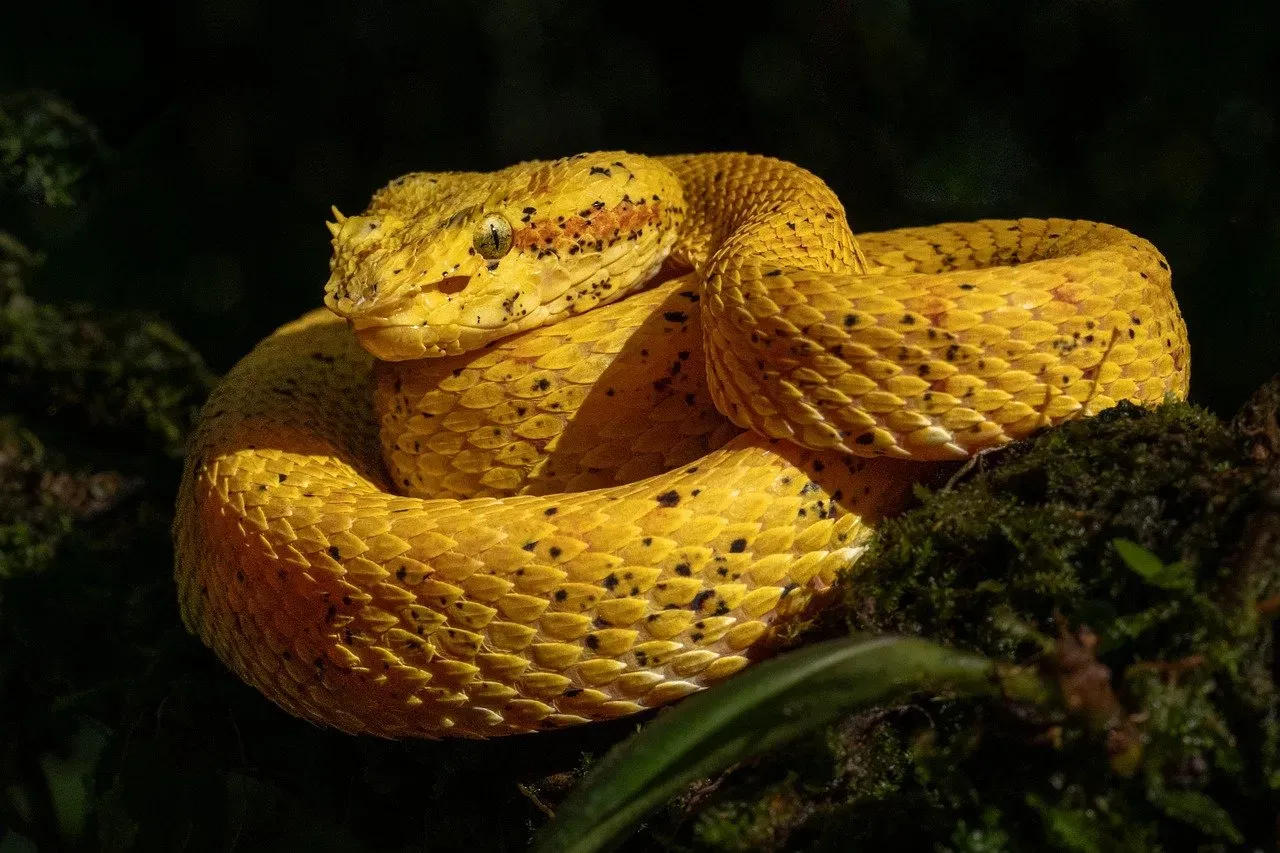
The secret to surviving deadly venom lies in molecular mechanisms that include toxin-neutralizing serum factors and adaptive changes in venom-targeted molecules. Think of it like having a custom-built shield at the cellular level. Some venom-resistant mammals have evolved their nicotinic acetylcholine receptors so they no longer bind snake neurotoxins, with honey badgers, hedgehogs, and pigs independently acquiring functionally equivalent amino acid replacements.
What really blows my mind is how precise these adaptations are. These convergent amino acid changes impede toxin binding by introducing a positively charged amino acid in place of an uncharged aromatic residue. It’s like changing one tiny part of a lock so the venom’s key no longer fits.
The fascinating part? Venom contains more than 100 proteins and other molecules that could potentially poison a victim, yet these animals have managed to develop multiple layers of defense. This isn’t just one simple trick but rather an entire biological security system.
The Honey Badger’s Fearless Defense System
You’ve probably heard the saying about honey badgers. Turns out, they really don’t care about cobra bites, and there’s solid science behind it. Up to 25 percent of the honey badger’s omnivorous diet consists of venomous snakes. That’s not desperation; that’s a lifestyle choice.
The honey badger’s survival mechanism is best classified as resistance rather than immunity, describing the ability to withstand or tolerate a high dose of a toxic substance without suffering fatal consequences. When bitten, these tough little creatures might actually pass out temporarily. After receiving a bite, the circulating toxins can cause a period of noticeable incapacitation, often described as a deep sleep or temporary coma.
Still, they wake up and continue their day. Once the concentration of active venom drops below a certain threshold, the badger regains full motor function and wakes up completely recovered, thanks to efficient detoxification capabilities of its liver and kidneys. For our dogs? They don’t have anything close to this remarkable recovery system.
Why Opossums Hold the Key to Future Antivenom
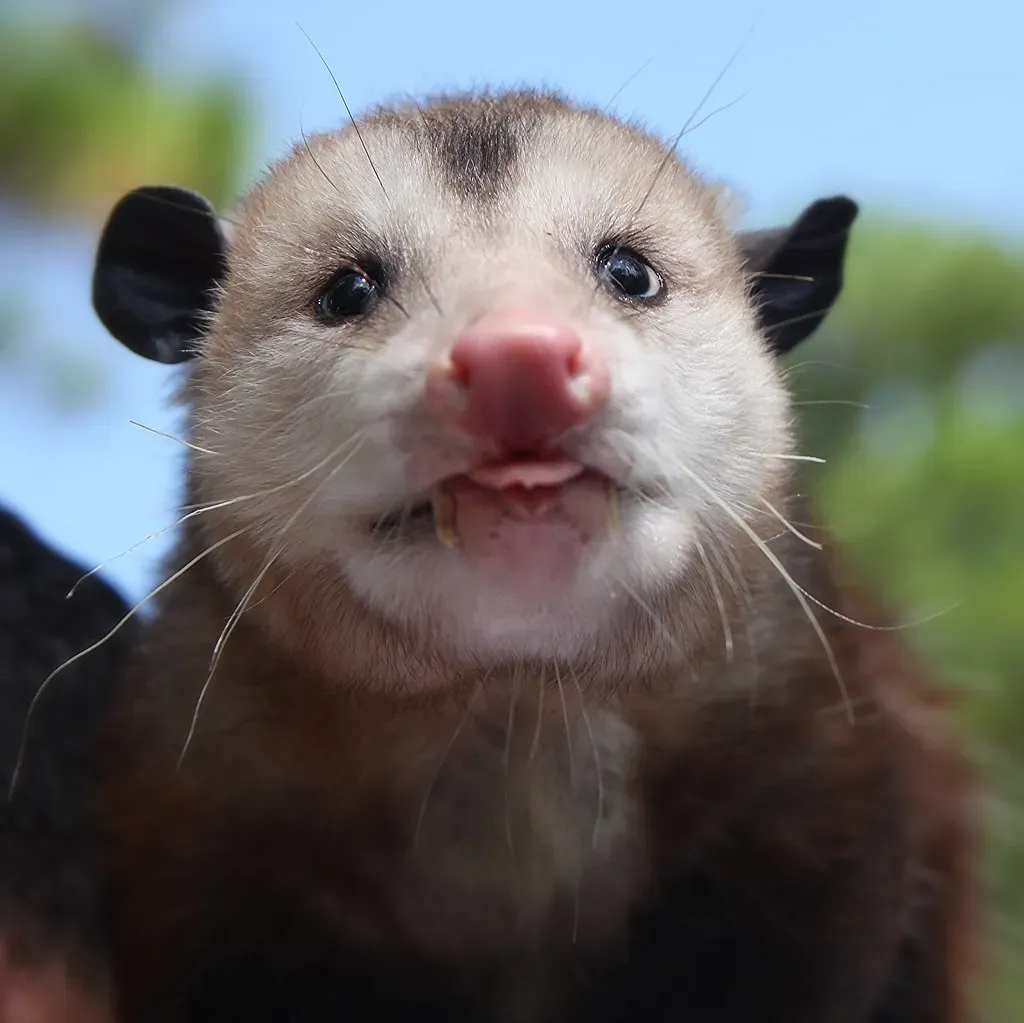
Opossums might not win any beauty contests, but their blood contains something extraordinary. They produce a protein called Lethal Toxin-Neutralizing Factor (LTNF) in their blood, which neutralizes the venom of various snake species, including rattlesnakes, cottonmouths, and coral snakes. Honestly, this humble marsupial is walking around with its own personal antivenom factory.
Scientists have made real progress here. An eleven amino acid ribosomal peptide was shown to completely neutralize Western Diamondback Rattlesnake venom in mice when a lethal dose of the venom was pre-incubated with the peptide prior to intravenous injection. This could revolutionize how we treat snakebites in the future.
What makes this especially promising is that LTNF also neutralizes the plant toxin ricin and toxins produced by sea cucumbers. It’s not just a one-trick solution but potentially a broader protective factor. The implications for developing better treatments for our pets are enormous.
Mongooses and Their Snake-Fighting Heritage
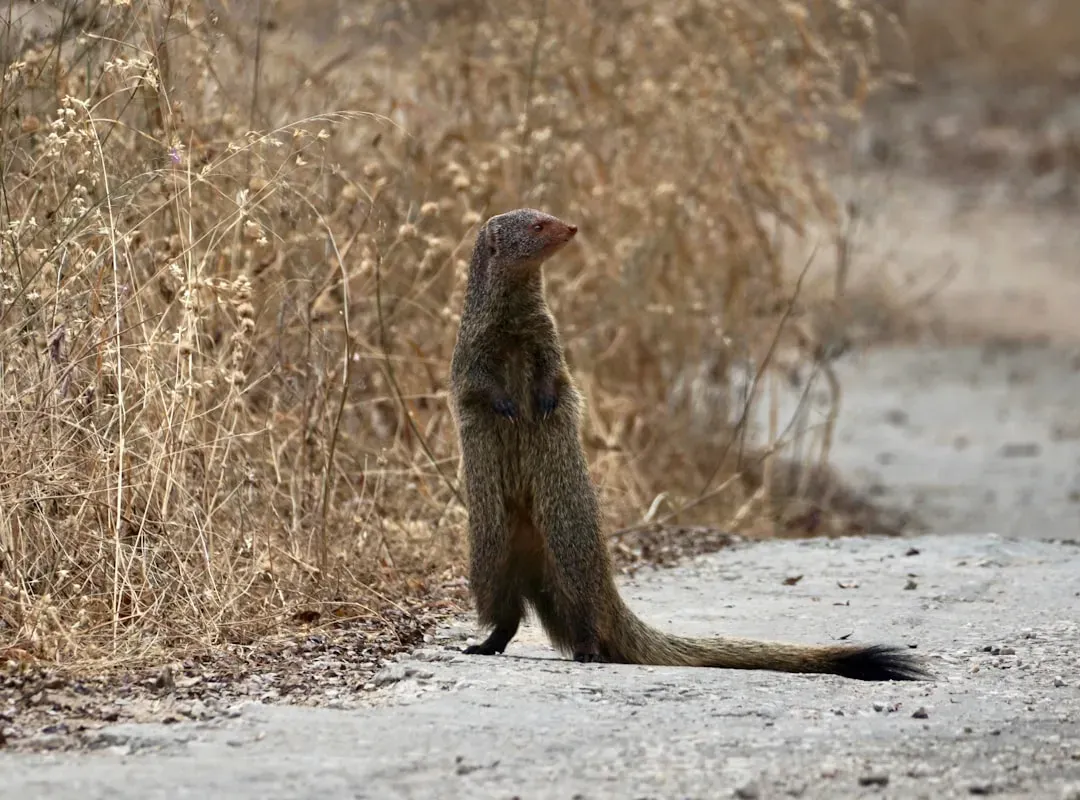
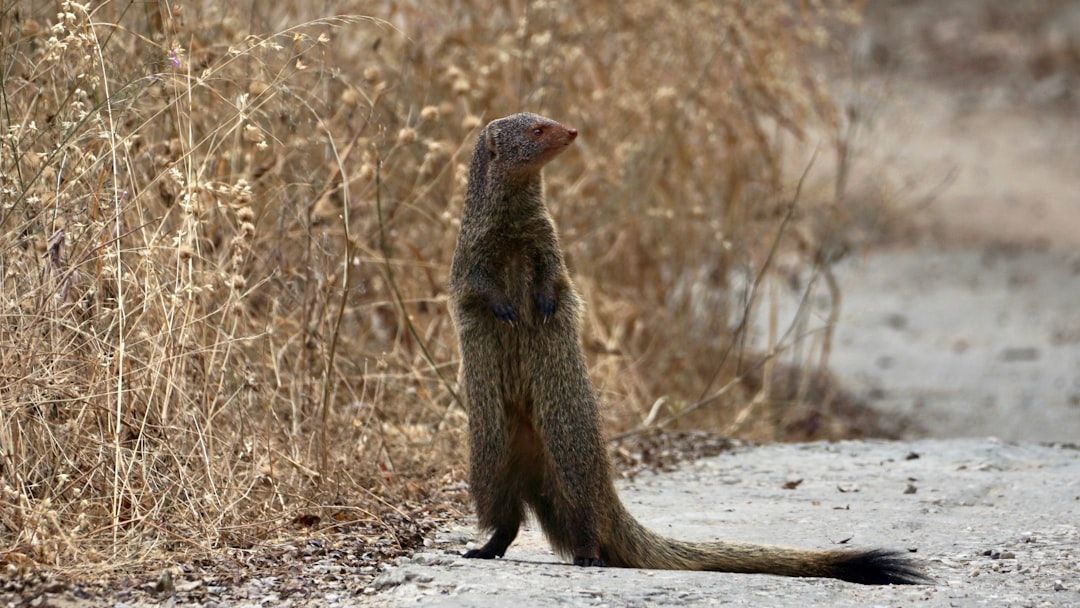
The mongoose versus cobra showdown is legendary, and it’s not just folklore. The Egyptian mongoose and the meerkat both possess a combination of asparagine resistance and proline resistance that protects them from neurotoxins. These adaptations didn’t happen overnight.
Mongooses are widely recognized for their resistance, largely due to specific mutations in their nicotinic acetylcholine receptors that prevent neurotoxins from binding effectively, though they are not completely immune and can still be affected by large doses. That last part is crucial. Even these specialized predators aren’t invincible, just remarkably well-equipped.
The mongoose’s approach combines both molecular defenses and behavioral tactics. They’re fast, agile, and know how to avoid getting bitten in the first place. Our dogs, bless them, tend to stick their noses directly into danger zones without the same survival instincts honed over millions of years of eating venomous snakes.
What This Means For Your Dog’s Safety

Here’s where things get sobering for dog owners. While only 31% of dogs survive bites from certain venomous snakes without antivenom, cats are twice as likely to survive at 66%, and cats have a significantly higher survival rate even with antivenom treatment. Why the difference? The naturally faster clotting blood of dogs predisposes them to being more vulnerable to procoagulant snake venoms.
Unlike the animals we’ve discussed, dogs have no special resistance mechanisms. Neither cats nor dogs have properties in their blood that make them naturally immune to snake venom, and both can die from snake bites. This is the harsh reality we need to accept as dog lovers.
Dogs typically investigate with their nose and mouth, which are highly vascularised areas, whereas cats often swat with their paws, and dogs are usually more active than cats after a bite, which is not great because the best practice is to remain as still as possible. Everything about your dog’s natural behavior works against them in a snake encounter.
Protecting Your Best Friend
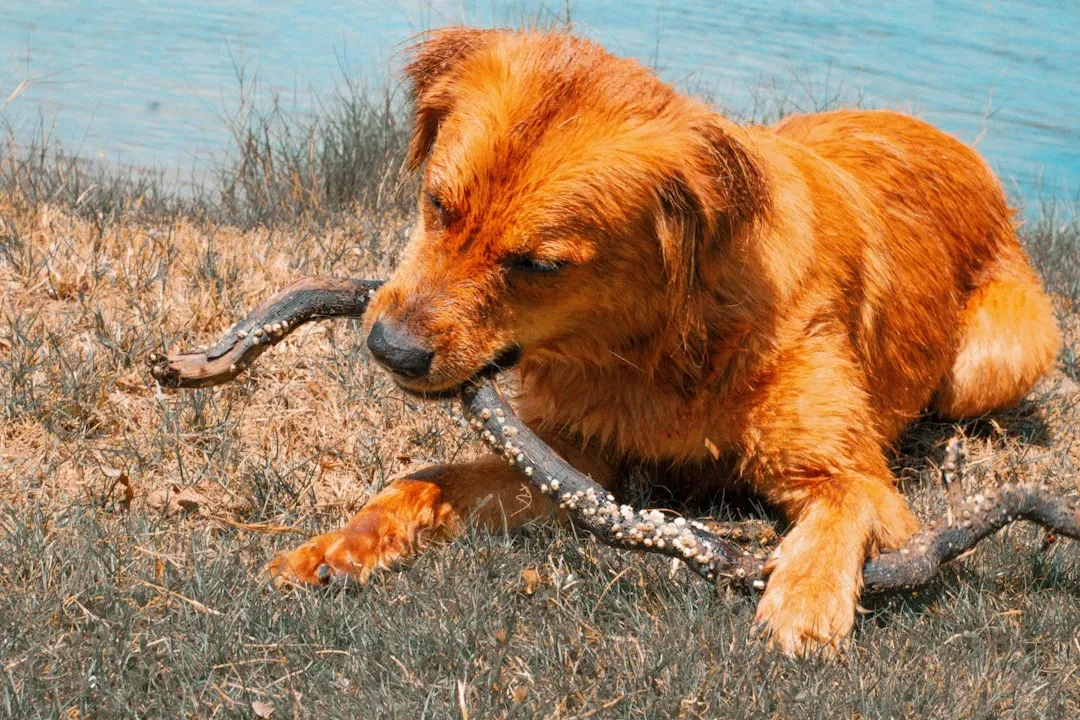
Since our dogs don’t have the evolutionary advantages of honey badgers or opossums, we need to be their defense system. Learn to recognize venomous snakes in your area. Keep your dog on a leash in areas where snakes are common, especially during warmer months. Training your dog to avoid snakes through professional snake-avoidance classes can be lifesaving.
If the worst happens, time is everything. Approximately 80% of dogs survive venomous snake bites with prompt care, with factors that influence survival including the size of the dog, the duration of time between the bite and receiving emergency treatment, and the location of the bite. Get to a veterinarian immediately, keep your dog calm and still, and resist the urge to try home remedies.
The research into animals like opossums offers hope for better treatments in the future. Meanwhile, prevention and rapid response remain your best tools. Watch where your dog sniffs, know the warning signs of venomous snakes in your region, and always have your vet’s emergency number ready.
Nature has shown us that venom immunity is possible through millions of years of evolution. While we can’t give our dogs honey badger genes, we can learn from these remarkable animals and use that knowledge to keep our furry friends safer.
What would you do if you spotted a snake near your dog? Share your experiences in the comments below.

- 10 Amazing Facts About Penguins - July 24, 2026
- 8 Ways to Create a Wildlife-Friendly Backyard Oasis for Local Critters - July 24, 2026
- How to Keep Your Pet Safe from Household Hazards - July 24, 2026