

A Pioneer in Speculative History (Image Credits: Telescoper.blog)
Erich von Däniken, the Swiss author whose provocative ideas about extraterrestrial visitors shaped modern pseudoscience, passed away on January 10, 2026, at the age of 90.
A Pioneer in Speculative History
Von Däniken burst onto the literary scene in 1968 with his groundbreaking book, Chariots of the Gods?, which challenged conventional views of human history. He argued that ancient civilizations owed their advanced achievements not to human ingenuity alone, but to interventions by advanced beings from other worlds. This notion captivated readers worldwide, selling tens of millions of copies and spawning a franchise of over 40 books.
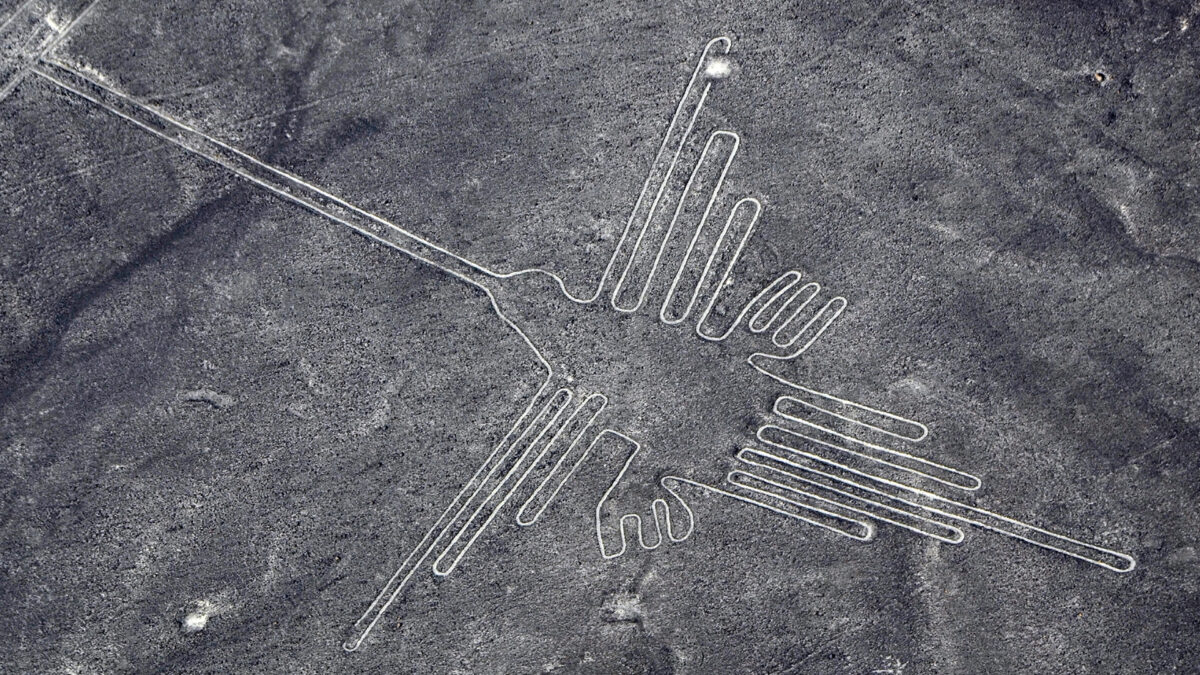
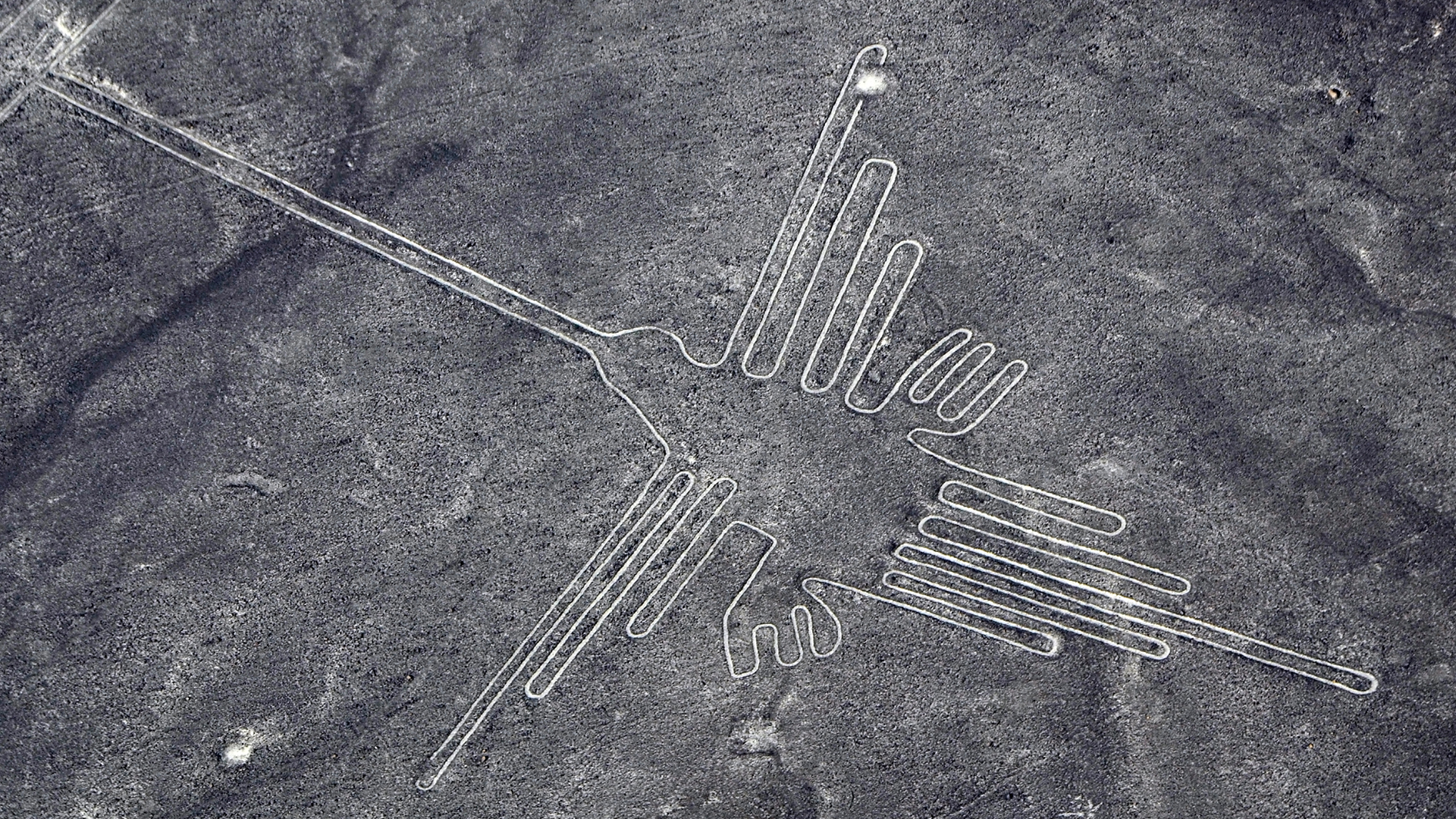
His theories gained traction during a time of cultural upheaval, when interest in UFOs and the unknown surged. Von Däniken, a former hotel manager with no formal archaeological training, drew from global myths and artifacts to build his case. He suggested that structures like the Egyptian pyramids and the Nazca lines in Peru served purposes linked to extraterrestrial activity, from landing strips to astronomical observatories.
Though dismissed by experts early on, his work inspired television series like Ancient Aliens, which echoed his hypotheses and reached new generations. Von Däniken’s enthusiasm for the unexplained turned him into a cult figure, lecturing across continents and even founding a museum in Switzerland dedicated to his ideas.
Core Theories That Sparked Debate
At the heart of von Däniken’s philosophy lay the ancient astronaut hypothesis, positing that gods in ancient texts were actually aliens in advanced spacecraft. He pointed to descriptions in religious scriptures, such as the Bible’s Ezekiel seeing a “wheel within a wheel,” as evidence of otherworldly encounters.
Other examples included the precision of Inca stonework and the Piri Reis map, which he claimed depicted Antarctica before its discovery. Von Däniken speculated that these feats required technology beyond ancient capabilities, implying visitors from space provided guidance or labor.
His narrative reframed human progress as a collaborative effort with extraterrestrials, questioning why societies like the Sumerians suddenly developed writing and astronomy. While intriguing, these claims relied on selective interpretations, often overlooking established historical evidence.
- The Nazca Lines as potential alien runways, visible only from the air.
- Egyptian hieroglyphs depicting helicopters and submarines, which von Däniken saw as proof of lost knowledge.
- Vimanas from Hindu epics as ancient flying machines piloted by gods from the stars.
- The Moai statues of Easter Island, transported by extraterrestrial aid rather than human effort.
- Global flood myths as records of interstellar warnings or cataclysms.
Criticisms and Scientific Rebuttals
Scholars quickly condemned von Däniken’s work as pseudoscience, accusing him of misrepresenting facts and ignoring archaeological context. In 1972, archaeologist Clifford Wilson published Crash Go the Chariots, a point-by-point debunking that highlighted factual errors and logical fallacies.
Ronald Story followed in 1976 with The Space Gods Revealed, labeling the theories a “warped parody of reasoning.” Critics noted that von Däniken’s ideas borrowed heavily from earlier speculative works, including H.P. Lovecraft’s fiction and The Morning of the Magicians from 1960, without proper attribution.
Legal troubles also marred his career; in the 1960s, he served time for fraud and embezzlement, which skeptics later cited to question his credibility. Despite this, von Däniken maintained his innocence and focused on promoting his visions of cosmic history.
Academic consensus holds that ancient achievements stemmed from human innovation, supported by tools, mathematics, and social organization. Organizations like the Committee for Skeptical Inquiry have long refuted ancient astronaut claims as unfounded.
Cultural Impact and Lasting Questions
Even amid controversy, von Däniken’s influence permeated popular culture, fueling books, films, and documentaries that explored the “what ifs” of history. His museum in Jungfrau Park, Switzerland, continues to draw visitors curious about alternative narratives.
The author’s death prompts reflection on why such theories endure. They tap into humanity’s innate wonder about origins and the cosmos, offering simple explanations for complex mysteries. Sales of his books surpassed 70 million, proving their appeal in an era hungry for extraordinary tales.
| Theory | Claim | Counterpoint |
|---|---|---|
| Pyramids | Built with alien tech | Human ramps and levers sufficed |
| Nazca Lines | Alien signals | Ritual pathways for ceremonies |
| Ancient Maps | Show undiscovered lands | Based on known explorations |
Key Takeaways
- Von Däniken’s ideas popularized the ancient astronaut theory but faced widespread debunking.
- His work sold millions, inspiring media while drawing scholarly scorn.
- Debates continue on balancing speculation with evidence in historical inquiry.
Von Däniken’s passing closes a chapter on one of the 20th century’s most divisive thinkers, leaving behind a legacy that blurs the line between science and speculation. His questions about ancient mysteries persist, reminding us that curiosity drives discovery – even when answers prove elusive. What aspects of his theories intrigue you most? Share your thoughts in the comments.

- Urban Coyotes Show Remarkable Adaptability, Learning to Thrive in City Environments - July 22, 2026
- Beavers Are Nature’s Engineers, Creating Vital Habitats for Other Wildlife Species - July 21, 2026
- The Recovery of the California Condor Offers Hope for Other Critically Endangered Birds - July 21, 2026