
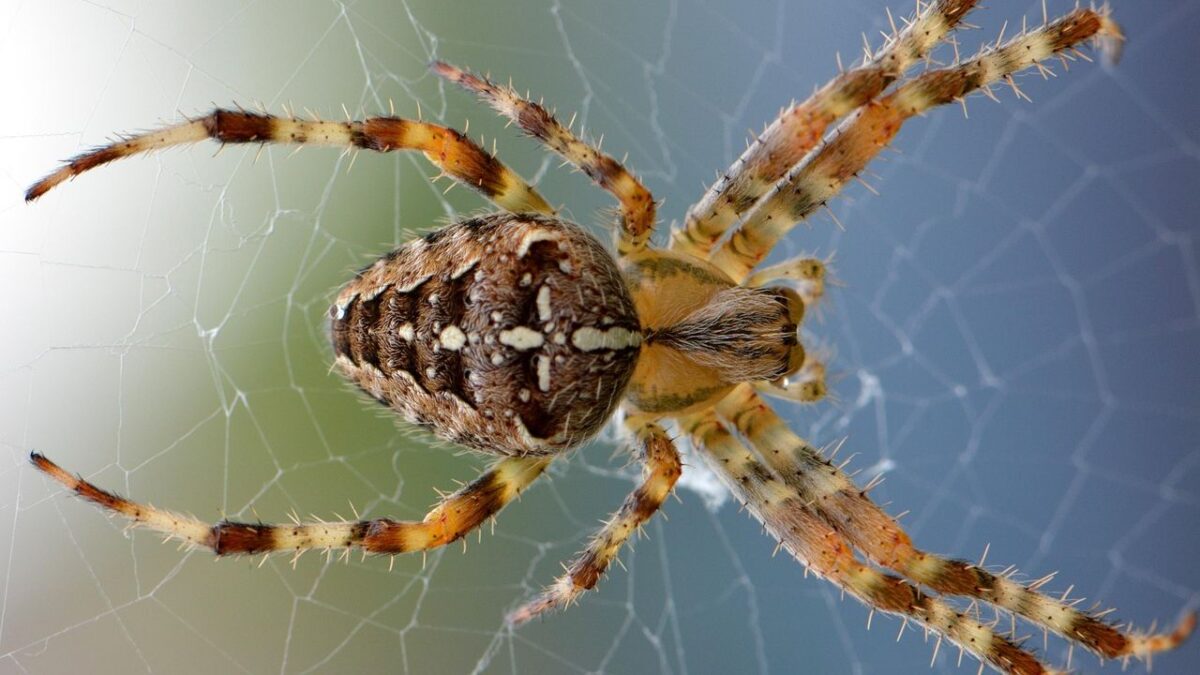
Ever notice how certain scents seem to keep those eight-legged visitors at bay? It’s not just your imagination. There’s actually some fascinating science behind why spiders retreat from specific smells, and understanding this could change the way you deal with unwanted arachnid guests in your home.
Spiders smell and taste with their legs, which makes them particularly sensitive to strong odors in their environment. This unique sensory system means that what seems like a pleasant fragrance to us can be downright unbearable for a spider navigating across your windowsill. Let’s be real, most of us aren’t exactly thrilled about sharing our living spaces with spiders, even though they do help control other pests. So what scents actually work, and more importantly, why do they repel these creatures so effectively?
Peppermint Oil Creates an Overwhelming Sensory Experience

Peppermint oil avoided chestnut and peppermint oil in more than 75 percent of choice tests, making it one of the most effective natural spider deterrents available. The strong menthol aroma does something remarkable to a spider’s sensory system.
Peppermint oil contains high levels of menthol, which overstimulates the sensory receptors in spiders, essentially making it impossible for them to navigate comfortably. Think of it like walking into a room where someone has sprayed an entire bottle of perfume. You’d probably want to leave immediately, right? That’s essentially what happens to spiders when they encounter peppermint oil.
The beauty of peppermint lies in its dual action. Another theory has to do with the monoterpenoids found in essential oils, which act as natural fumigants. These compounds don’t just smell bad to spiders; they actually disrupt their ability to sense their environment.
Interestingly, even insects in nature have figured this out. Even in nature, insects co-opt this smell to fend off spider attacks. It’s like nature’s own defense mechanism has been replicated countless times across different species.
Vinegar Disrupts Spider Navigation Through Acidity
Vinegar might smell sharp to us, but to spiders, it’s practically a chemical barrier. Spiders can detect the acidic scent through their legs and are bound to be deterred from the area when they travel over surfaces treated with vinegar solutions.
The acidic nature of vinegar creates an environment that spiders instinctively avoid. The acidic nature of citrus is most likely the reason it repels spiders. These eight-legged arachnids are no fans of acidic smells, scents, and tastes. It’s hard to say for sure, but the pH level probably interferes with their chemoreceptors.
What makes vinegar particularly useful is its accessibility. You probably already have a bottle sitting in your kitchen cabinet. A simple mixture of equal parts water and vinegar creates an effective spray that can be applied to entry points, corners, and areas where spiders typically hide.
To ensure that the aroma of the vinegar spray stays potent and continues to deter spiders, reapply it frequently, ideally at least once every week. The scent fades over time, so consistency matters more than a single application.
Eucalyptus Oil Overwhelms Spider Senses
This essential oil has a strong aroma that can deter spiders and other insects from entering your home. Eucalyptus brings that fresh, camphor-like scent that many people find invigorating, but spiders experience it quite differently.
The volatile compounds in eucalyptus oil create an olfactory barrier that spiders simply won’t cross. Unlike some other scents that merely annoy spiders, eucalyptus seems to trigger a stronger avoidance response. I think it has something to do with how intensely the smell lingers in the air.
Citrus, peppermint, and eucalyptus are known for their repellent properties, making eucalyptus a reliable choice when you’re dealing with persistent spider problems. The oil works best when applied to cotton balls placed in areas where spiders congregate.
Here’s the thing: eucalyptus doesn’t just repel spiders. It also freshens your home and can have antimicrobial properties, making it a versatile option for anyone looking for natural pest control solutions.
Citrus Scents Create an Acidic Barrier

Despite widespread belief, the effectiveness of citrus is actually more nuanced than you might think. Lemon oil, the substance most likely to be cited as a repellent, had no effect on any of these spiders in scientific testing. That’s surprising, considering how often you’ll see lemon oil recommended online.
Still, Citrus is acidic, which is probably why it keeps spiders away. The eight-legged arachnids dislike acidic tastes, odors, and scents. The key might be in how you use citrus rather than whether it works at all.
Rubbing fresh citrus peels along windowsills and doorframes could be more effective than using citrus essential oils. The direct contact with surfaces seems to matter. Some people swear by placing lemon or orange peels in strategic locations, though the scientific evidence remains mixed.
Honestly, citrus might work better as part of a combined approach rather than your sole defense against spiders. The pleasant smell it leaves behind doesn’t hurt either, even if its spider-repelling capabilities aren’t as strong as once believed.
Tea Tree Oil Disrupts Chemical Communication

Tea tree essential oil has a strong scent and chemical composition that repels many insects, including spiders. This Australian native plant produces an oil with remarkable properties that extend beyond just pest control.
The complex chemical makeup of tea tree oil interferes with how spiders perceive their surroundings. When combined with other essential oils like lavender or lemon, the repellent effect seems to amplify. It’s like creating a multi-layered defense that targets different aspects of spider sensory perception.
Tea tree oil has proven to destroy or suppress the growth of parasites such as fleas, leeches, lice, and ticks, which indirectly helps with spider control by eliminating their food sources. Spiders follow their prey, so reducing the insect population in your home naturally makes it less attractive to spiders.
The medicinal smell of tea tree oil might seem strong at first, but many people find they adjust to it quickly. Just remember to dilute it properly before using it as a spray, as undiluted essential oils can be quite potent.
Cedar’s Natural Compounds Repel Multiple Pests

Cedar has been used for generations to repel insects, and spiders are no exception. Take advantage of cedar’s excellent spider-repelling properties. Fill your space with cedar hangers, chests, blocks, or balls to create an environment spiders naturally avoid.
The aromatic oils in cedar wood contain compounds that spiders find intolerable. What’s particularly convenient about cedar is that you don’t need to constantly reapply it like you would with liquid sprays. Cedar blocks or chips maintain their scent for extended periods.
Cedar blocks, chips, or essential oil can be placed in closets, drawers, and storage areas to deter spiders. This makes cedar ideal for protecting clothing, linens, and other stored items that might otherwise become spider habitats.
The woody, forest-like aroma adds a natural freshness to your home while simultaneously keeping spiders away. It’s one of those rare solutions where the side effect is actually pleasant rather than merely tolerable.
Chestnuts Release Volatile Compounds Spiders Detest
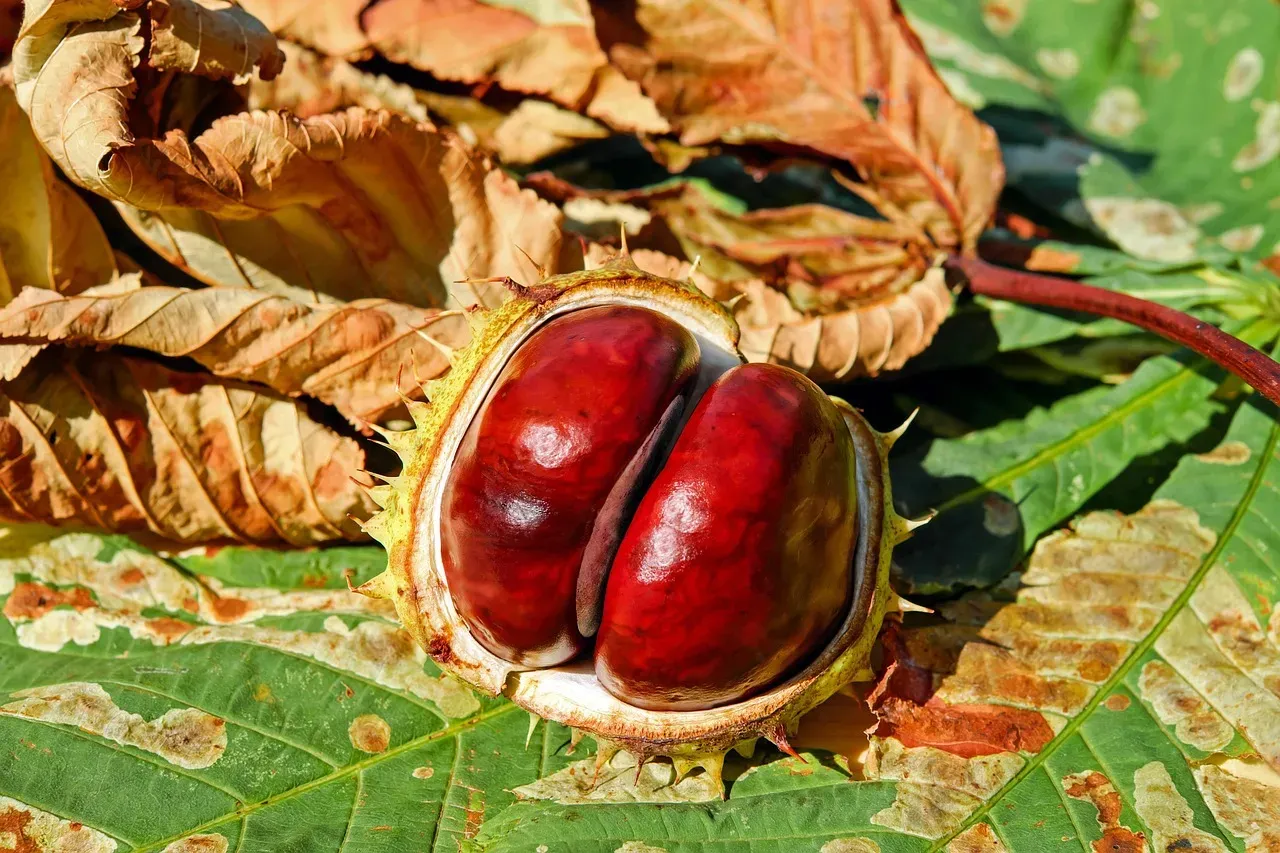
This might sound unusual, but chestnuts have shown surprising effectiveness in scientific studies. Chestnuts and mint oil strongly repelled L. geometricus and A. diadematus, two common spider species found around human dwellings.
We conclude that volatiles released by mint oil and chestnuts may be effective in deterring spider settlement in multiple spider families. The exact compounds responsible remain under investigation, but the results speak for themselves.
Utilize chestnuts, which have a scent that repels spiders. Scatter them around areas where spiders may enter, leaving no residue. This makes them particularly appealing for people who want a mess-free solution.
The traditional practice of placing chestnuts around homes wasn’t just folklore after all. However, if you have pets, exercise caution, as chestnuts can be toxic to dogs and cats. Place them in areas your pets cannot access.
Conclusion: Understanding Why These Scents Work
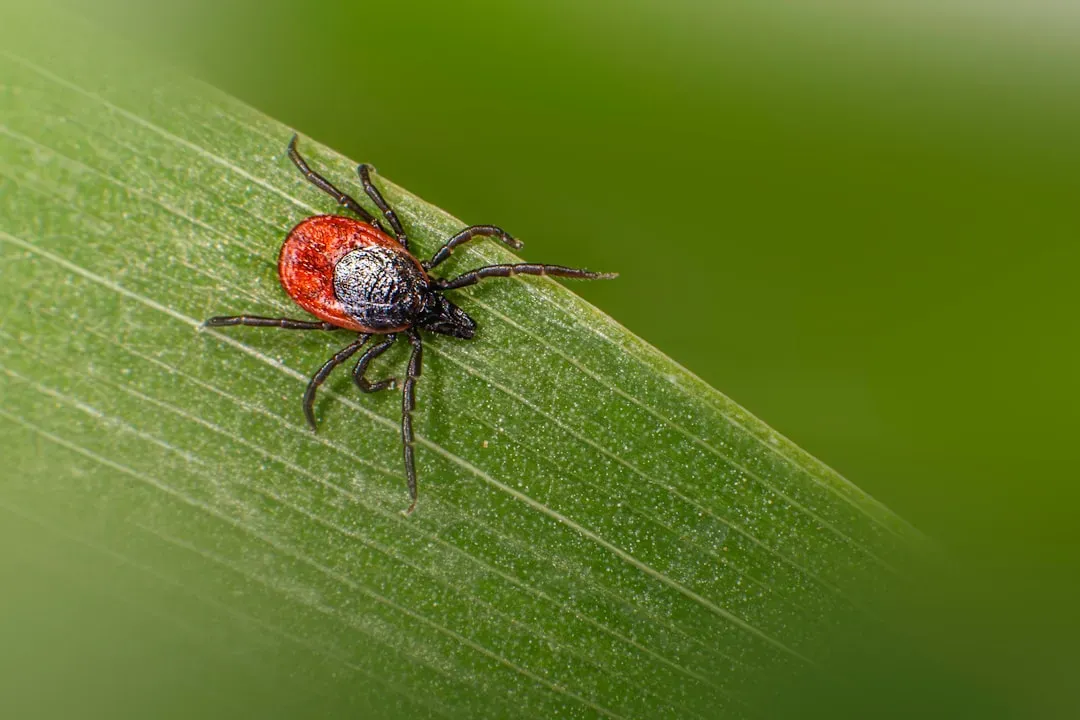
The science behind spider repellent scents comes down to their unique sensory system. Male spiders use olfactory hairs called wall-pore sensilla on their legs as a “nose” to detect the sex pheromones and other chemical signals. When we introduce strong, unfamiliar scents into their environment, we’re essentially jamming their radar.
Spiders might avoid perfumes due to their strong chemical composition. These chemicals can be overwhelming or unpleasant to their sensitive chemoreceptors. Natural repellents work by exploiting this sensitivity without resorting to harsh chemical pesticides.
The most effective approach often involves combining several of these scents strategically around your home. Regular reapplication matters more than the initial intensity, as volatile compounds naturally dissipate over time. Remember that these natural solutions work best as preventive measures rather than solutions for existing infestations.
While spiders play beneficial roles in controlling other pests, it’s completely understandable to want them outside rather than sharing your living space. Which of these natural repellents will you try first? The answer might just depend on which scents you find most pleasant, since you’ll be living with them too.

- 14 Quiet Signs Your Dog Knows Its Time Is Near and Wants You Close - July 22, 2026
- 10 Falcon Facts That Will Blow Your Mind - July 22, 2026
- 5 Incredible Migratory Journeys Animals Make Every Year - July 22, 2026