

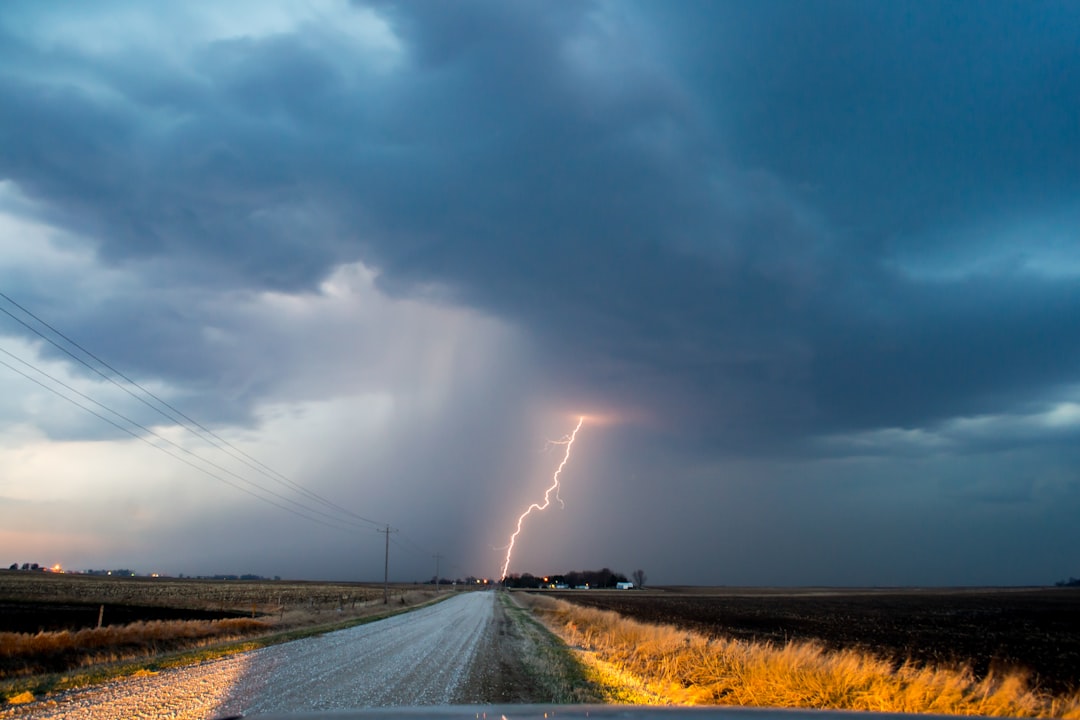

A Year of Unprecedented Heat (Image Credits: Unsplash)
Throughout 2025, a series of intensified weather events underscored the accelerating pace of climate change, affecting millions across continents and prompting urgent calls for global action.
A Year of Unprecedented Heat
Scientists declared 2025 the third-warmest year on record, following closely behind 2023 and 2024, with global average temperatures exceeding 1.5 degrees Celsius above pre-industrial levels for sustained periods. This milestone, confirmed by organizations like Copernicus and the World Meteorological Organization, highlighted how human-induced emissions had overwhelmed natural cooling patterns such as La Niña. The heat not only shattered temperature records but also amplified other weather extremes, from prolonged droughts to intensified storms.
Communities worldwide felt the strain as heatwaves gripped regions from Europe to South Asia, leading to widespread disruptions in agriculture and public health. In the United States, summer temperatures fueled wildfires in California that consumed vast landscapes, while ocean heat content reached new highs, setting the stage for more powerful atmospheric disturbances. These conditions revealed the compounding effects of a warming planet, where even brief lulls in natural variability could not mask the underlying trend.
Storms of Historic Proportions
Hurricane Melissa emerged as one of the most formidable storms of the year, achieving Category 5 status and ranking among the strongest ever recorded in the Atlantic basin. The storm battered small island nations in the Caribbean, including Jamaica, where high winds and flooding caused significant infrastructure damage despite robust preparedness efforts. Such events illustrated the limits of adaptation in the face of rapidly intensifying tropical cyclones driven by warmer sea surfaces.
Elsewhere, severe weather tore through the American Midwest with the first EF5 tornado in over a decade, carving paths of destruction in states like North Dakota and Kentucky. This rare event, part of a season that included multiple high-risk severe weather outbreaks, resulted in loss of life and property on an unprecedented scale. Meanwhile, unusual blizzards struck the southeastern United States and Gulf Coast, a stark reminder that climate change disrupts traditional weather patterns in unexpected ways.
Floods and Fires: The Diverse Faces of Extremes
Heavy rainfall events plagued the Global South, where inadequate data and modeling limitations hampered accurate predictions and responses. In regions like parts of Africa and Southeast Asia, torrential downpours led to devastating floods that displaced communities and overwhelmed fragile ecosystems. These incidents, often linked to fossil fuel emissions, exposed deep inequities, as the nations least responsible for climate change bore disproportionate burdens.
Texas faced its own deluge with widespread flooding that tested emergency systems, while California’s wildfires raged amid dry, hot conditions, contributing to billions in economic losses. The year saw a surge in such compound events – where droughts fed fires and saturated soils triggered landslides – making recovery efforts more complex. Reports estimated that the top 10 costliest disasters alone inflicted $120 billion in damages globally, straining economies and insurance markets.
Scientific Insights and Adaptation Challenges
Climate experts emphasized that 2025’s events aligned with projections from attribution studies, which increasingly tied extremes to greenhouse gas accumulation. Organizations like World Weather Attribution analyzed incidents such as Melissa and the U.S. tornadoes, finding that warming made them more likely and severe. However, gaps in observational data, particularly from underrepresented regions, underscored the need for better global monitoring to refine forecasts and policies.
Adaptation measures saved lives in some areas, but vulnerabilities persisted, especially for small island states and low-income countries. Investments in resilient infrastructure and early warning systems proved crucial, yet the scale of threats demanded accelerated emission reductions. The year’s events served as a stark warning that without swift transitions away from fossil fuels, future impacts would only intensify.
Key Takeaways
- 2025 marked the third consecutive year of extraordinary global heat, surpassing 1.5°C thresholds and fueling extreme events.
- Economic losses from climate disasters topped $120 billion, with hurricanes, tornadoes, and floods hitting hardest.
- Unequal data and impacts highlight the urgency for equitable climate science and adaptation funding in vulnerable regions.
As 2025’s weather extremes reshaped landscapes and lives, the path forward lies in collective resolve to curb emissions and bolster defenses against an uncertain climate. What steps do you believe are essential to mitigate future risks? Share your thoughts in the comments.

As a little kid, I fell in love with nature, wildlife, and animals. Living in the USA, South Africa, Italy, China and Germany gave me the opportunity to discover the world's Wildlife. My favorite animals are Mountain Gorillas, Siberian Tigers, and Great White Sharks.
I'm a certified PADI Open Water Diver, went to Everest Base Camp and Trekked Gorillas in Uganda. I hold a Master of Science in Economics and Finance.
Please send any feedback to feedback@animalsaroundtheglobe.com
- 15 Fun Facts About Pet Parrots - July 26, 2026
- 14 Creative Garden Ideas That Will Make Your Outdoor Space Pop - July 26, 2026
- 12 Reasons Your Dog Tilts Its Head Its Not What You Think - July 26, 2026