

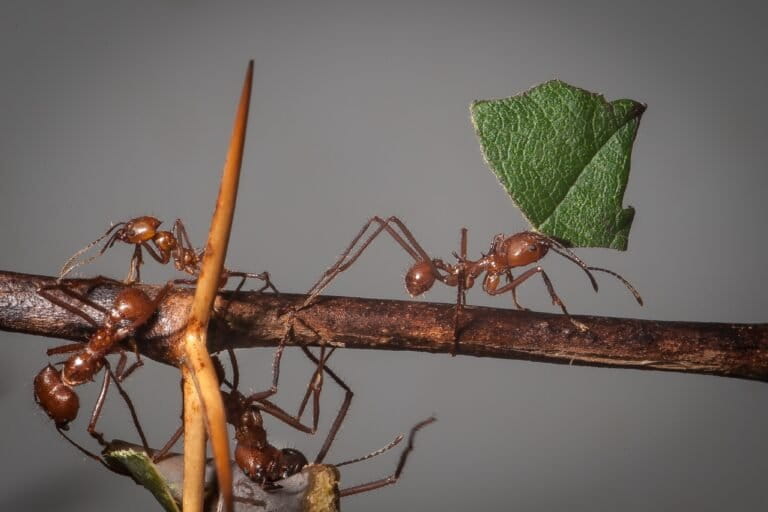
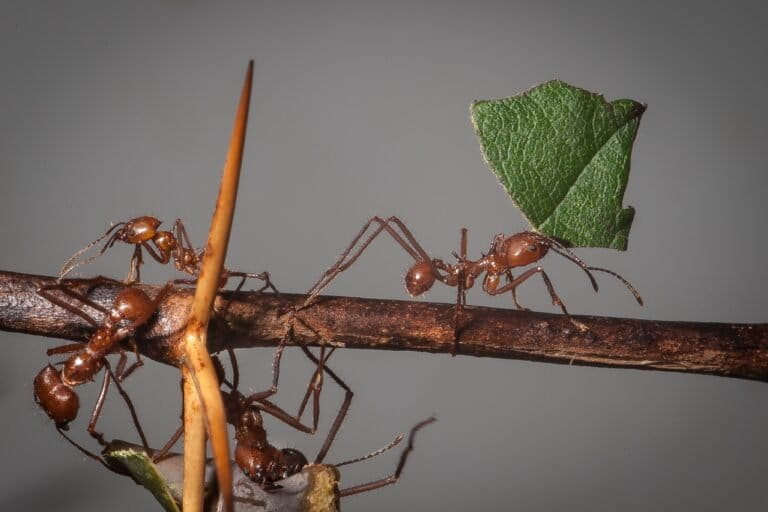
The Hidden Scale of Ant Smuggling (Image Credits: Imgs.mongabay.com)
Kenya – Authorities recently intercepted a shipment of over 5,000 rare ants at an airport, exposing the hidden dangers of an expanding international market for these tiny creatures.
The Hidden Scale of Ant Smuggling
Traffickers targeted endemic species like the giant African harvester queen ants, packing them into small containers for export to collectors abroad. This operation, uncovered last year, marked one of the largest seizures of its kind and underscored how ants have entered the lucrative world of exotic pet trading. Officials fined the perpetrators heavily, but the incident revealed deeper issues in enforcement.
Smugglers often exploit weak borders and online marketplaces to move ants across continents. Hobbyists in Europe and Asia pay premium prices for these insects, drawn to their complex social behaviors. Such demand has fueled a shadowy industry that harvests wild populations without regard for sustainability, leading conservation groups to warn of potential ecological fallout.
Ants’ Vital Role in Ecosystems
These insects serve as unsung heroes in natural environments, aerating soil and dispersing seeds that sustain plant life. In regions like East Africa, ants support biodiversity by controlling pests and enriching the ground for other species. Their removal at scale disrupts these delicate balances, potentially harming agriculture and wildlife habitats.
Experts emphasize that ants contribute to soil health through extensive tunneling, which improves water infiltration and nutrient cycling. Without them, ecosystems could face cascading effects, from reduced crop yields to increased erosion. The global trade’s focus on rare, visually striking varieties amplifies these risks, as collectors prioritize aesthetics over ecological needs.
Growing Calls for International Oversight
Conservationists recently penned a letter urging the inclusion of all ant species under the Convention on International Trade in Endangered Species of Wild Fauna and Flora, known as CITES. This treaty already regulates high-profile animals, but ants remain largely unprotected despite their vulnerabilities. The proposal aims to track shipments and impose quotas to curb overexploitation.
Researchers from institutions like the University of Algarve highlighted the trade’s unregulated nature in their publication. They noted that ants’ small size makes them easy to conceal, complicating detection efforts. Strengthening CITES listings could harmonize laws across countries, providing a framework for sustainable harvesting where possible.
Broader Implications for Invertebrate Conservation
The ant trade mirrors rising interest in other invertebrates, such as spiders and butterflies, as pets. A study from last year pointed to gaps in policies that leave these species exposed to market pressures. Addressing this requires not only trade controls but also education for collectors on ethical sourcing.
Governments and organizations must collaborate to monitor online sales and bolster border checks. In Kenya, wildlife services have ramped up training to identify smuggled insects. Yet, experts stress that without global action, the trade could escalate, threatening biodiversity in source countries.
- Ants aerate soil, enhancing nutrient availability for plants.
- They act as seed dispersers, promoting forest regeneration.
- These insects prey on pests, reducing the need for chemical interventions in farming.
- Colonies engineer microhabitats that support diverse microbial life.
- Overharvesting disrupts food webs, affecting birds and small mammals.
Key Takeaways
- The Kenyan seizure exposed a $900,000-valued shipment, signaling a booming black market for ants.
- Ants’ ecological roles as soil engineers and pollinators demand urgent trade regulations.
- Advocating for CITES protections could prevent invasive species risks and habitat damage worldwide.
As the global wildlife trade evolves, protecting even the smallest species like ants proves essential to preserving planetary health. What steps do you believe should follow to safeguard these vital insects? Share your thoughts in the comments.

- Urban Coyotes Show Remarkable Adaptability, Learning to Thrive in City Environments - July 22, 2026
- Beavers Are Nature’s Engineers, Creating Vital Habitats for Other Wildlife Species - July 21, 2026
- The Recovery of the California Condor Offers Hope for Other Critically Endangered Birds - July 21, 2026