

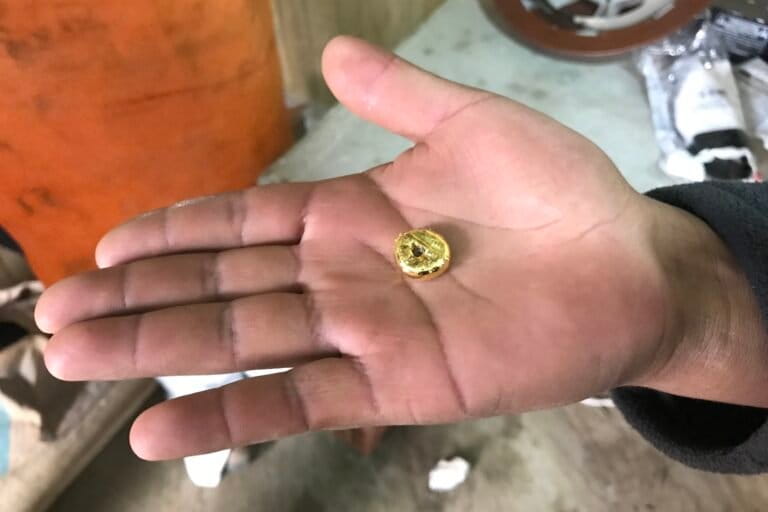

The Lasting Scars of Gold Mining on Amazon Wildlife (Image Credits: Imgs.mongabay.com)
The Amazon Basin – Vast stretches of rainforest and wetlands scarred by decades of unregulated gold mining now offer a chance for both ecological restoration and economic renewal.
The Lasting Scars of Gold Mining on Amazon Wildlife
Illegal gold mining has ravaged the Amazon for over 50 years, leaving behind a trail of destruction that threatens countless species. Operations that began in the 1970s expanded rapidly, stripping away forest cover and polluting waterways essential to the region’s biodiversity. Birds, mammals, and aquatic life once thrived in these areas, but mercury contamination and habitat loss have driven many toward decline. Reports indicate that at least 350,000 hectares of land across the Pan Amazon have been devastated, with the true extent likely much greater due to remote locations and underreporting.
Conservationists have documented how mining disrupts migration patterns for species like the jaguar and river dolphins. Wetlands, vital nurseries for fish that sustain larger predators, now sit filled with toxic tailings. Efforts to track these impacts reveal a biodiversity hotspot turning into a wasteland, where illegal activities continue to evade authorities. Governments in countries like Brazil and Peru have stepped up patrols, yet the scale of the problem persists.
Unveiling the Dangers of Abandoned Mine Waste
Mercury, a key tool in gold extraction, lingers in the soil and rivers long after miners depart, poisoning the food chain. Fish absorb the heavy metal, which then accumulates in birds and mammals that prey on them, leading to reproductive failures and population crashes. Studies from organizations like Greenpeace highlight how this pollution affects over 35,000 kilometers of tropical rivers, with sediment levels rising dramatically in affected zones.
The waste piles, often left unsecured, erode during rains and spread contaminants further. Indigenous communities, who rely on these ecosystems for sustenance, face health risks from contaminated water and game. Wildlife corridors, crucial for species movement, become fragmented by these sites, isolating populations and increasing extinction risks. Recent analyses show that small-scale mining, while employing millions, contributes disproportionately to global mercury emissions.
Transforming Waste into Wildlife Sanctuaries
Formalizing artisanal gold mining could pave the way for sustainable practices that minimize environmental harm while creating jobs in restoration. By regulating operations, governments can enforce cleaner technologies and fund habitat rehabilitation projects. In Peru, initiatives have begun reclaiming mined lands for reforestation, planting native species that support pollinators and seed dispersers. These efforts not only sequester carbon but also revive corridors for endangered animals like the giant otter.
Economic incentives, such as eco-tourism ventures on restored sites, draw investment without further exploitation. Partnerships between NGOs and local miners have tested mercury-free extraction methods, reducing pollution by up to 80 percent in pilot areas. Conservation groups advocate for binding international agreements on mineral trade to curb illegal flows fueling the crisis. Success stories from Brazil demonstrate how community-led cleanups have boosted fish stocks, benefiting both wildlife and human livelihoods.
Key Strategies for Conservation and Economic Gain
To address the crisis, experts recommend a multi-pronged approach that balances protection with opportunity. Here are some proven strategies:
- Implement strict licensing for small-scale miners, tying permits to environmental compliance and restoration quotas.
- Invest in bioremediation techniques, using plants like hyperaccumulators to draw out heavy metals from soil.
- Promote alternative livelihoods, such as sustainable agriculture or guided nature tours, to shift communities away from mining.
- Enhance monitoring with satellite technology to detect new incursions early and protect intact habitats.
- Foster international cooperation to trace and sanction illegal gold supplies entering global markets.
These measures, drawn from reports by groups like Mongabay, show promise in turning liabilities into assets. For instance, a recent analysis outlined how formalization could transform toxic waste into resources for green infrastructure. Wildlife benefits emerge as restored wetlands filter water and provide breeding grounds, while economies gain from sustainable sectors.
Key Takeaways
- Gold mining has destroyed over 350,000 hectares, but remediation can restore habitats for key species.
- Formalization reduces mercury pollution and opens doors to eco-friendly jobs supporting 100 million people indirectly.
- Community involvement ensures long-term success, blending conservation with economic viability.
As the Amazon faces ongoing threats from mining, the path forward lies in innovative recovery that safeguards its irreplaceable wildlife while fostering prosperity. Turning yesterday’s waste into tomorrow’s opportunity demands urgent action from policymakers and communities alike. What steps do you believe could accelerate this transformation? Share your thoughts in the comments.

- Urban Coyotes Show Remarkable Adaptability, Learning to Thrive in City Environments - July 22, 2026
- Beavers Are Nature’s Engineers, Creating Vital Habitats for Other Wildlife Species - July 21, 2026
- The Recovery of the California Condor Offers Hope for Other Critically Endangered Birds - July 21, 2026