

When you think about animal communication, roaring lions or chirping birds might come to mind first. We tend to focus on what we can hear because that’s how we experience the world as humans. Yet beneath the surface, a fascinating reality exists where animals exchange messages through methods we’re only beginning to understand fully.
The natural world is brimming with creatures that have evolved extraordinary communication systems that don’t rely on vocalizations. Some use invisible chemical signals that drift on the wind. Others create light shows in the pitch darkness of the ocean depths. Then there are those that send vibrations through the ground itself, talking to each other through the earth beneath their feet. What we’re discovering about these silent conversations challenges everything we thought we knew about how intelligent life shares information. Let’s dive in.
Glowing in the Dark: Bioluminescence as Deep Sea Language
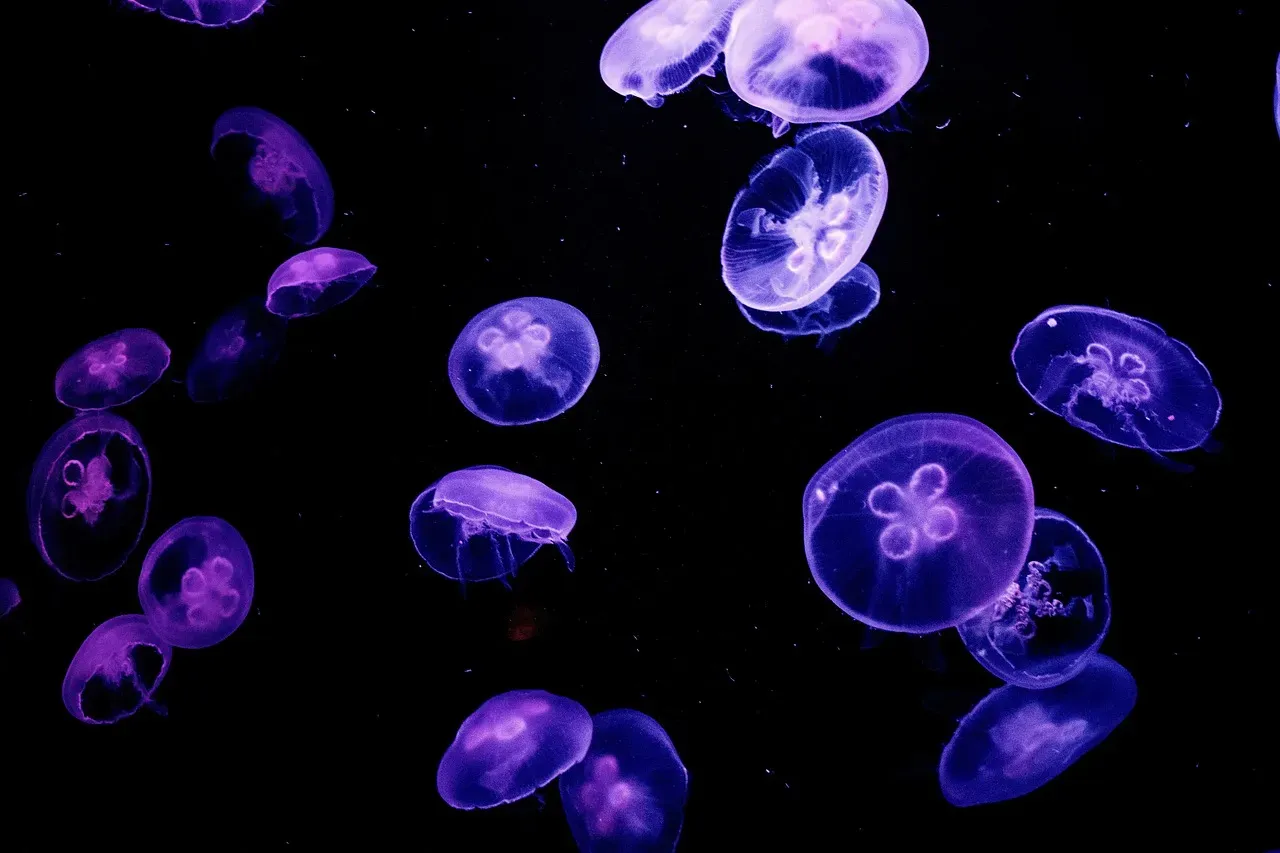
For animals that live in dark deep-sea waters, light is an effective way to communicate. Picture yourself in the deepest parts of the ocean where sunlight can’t penetrate. Down there, roughly nine out of every ten creatures have the ability to produce their own light through chemical reactions inside their bodies.
At least 94 living organisms produce their own light through a chemical reaction inside their bodies – an ability called bioluminescence. Examples include luminous fireflies, algae that create “glow-in-the-dark” bays, small crustaceans with intricate courtship displays, and deep-sea fish and coral. This isn’t just pretty to look at. Each flash, pulse, and glow carries meaning. Some fish use specific patterns to find mates in the darkness.
The color matters too. In the ocean, though, bioluminescence is mostly blue-green or green. Blue-green light transmits best through seawater, so it is no surprise that this is the most common color of bioluminescence in the ocean. Still, there are rule breakers. Some animals evolved to emit and see red light, including the dragonfish (Malacosteus). By creating their own red light in the deep sea, they are able to see red-colored prey, as well as communicate and even show prey to other dragonfish, while other unsuspecting animals cannot see their red lights as a warning to flee.
Think of it as having a private channel that only you and your friends can access. Marine biologists have documented fascinating examples of bioluminescent courtship rituals. The female anglerfish, for instance, produces a species-specific pattern of flashing lights that males can recognize from a distance. Similarly, certain species of firefly squid coordinate their light displays during breeding seasons, creating synchronized patterns that help them locate compatible partners.
For animals that live in dark deep-sea waters, light is an effective way to communicate. Furthermore, our findings support the idea that bioluminescence has been a critical form of communication through geologic time for many types of animals, particularly in the deep sea. Honestly, it’s hard to imagine a more elegant solution to communicating in complete darkness.
Chemical Messages: The Invisible Language of Pheromones
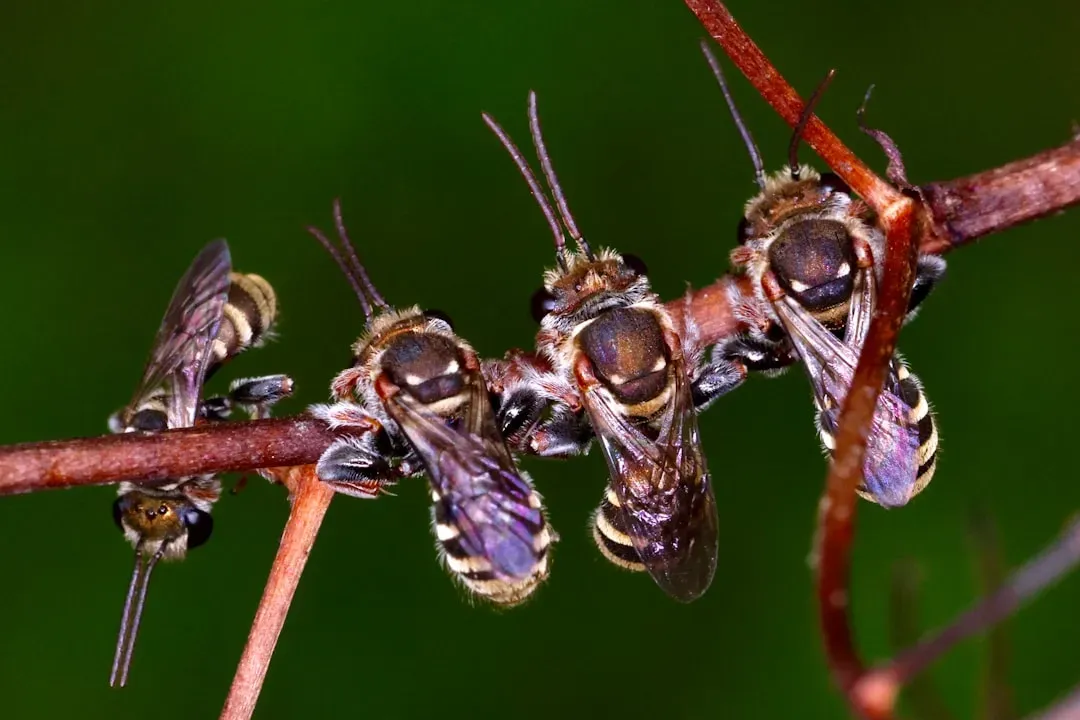
Some of the most powerful conversations in nature happen without a single sound or visible gesture. From the most gregarious to the most solitary, all animals have to coordinate their activity with other members of their species if they are to survive and reproduce. This requires some form of communication, which for the majority of animals involves the use of chemical signals, known as pheromones.
Pheromones are defined as species-specific chemical signals which enable communication between life-forms of the same species. These are molecules released into the environment that trigger specific responses in other members of the same species. Think about how a tiny female moth can attract males from miles away using just a trace amount of a specific chemical. For example, a female moth’s mating pheromones are so powerful she can attract males from miles away.
The applications are astonishingly diverse. Insects widely use pheromones to attract mating partners, to alarm conspecifics or to mark paths to rich food sources. The various functional roles of pheromones for insects are reflected by the chemical diversity of pheromonal compounds. When an aphid colony senses danger, they release alarm pheromones that cause the whole group to scatter. For example, if you disturb a plant that is covered with aphids, more than likely the insects will send out an alarm signal that causes most of them to drop to the ground for safety. When danger is past, they resume their places on the plant.
Even in water, chemical communication reigns supreme. Hurt fish release a chemical that communicates alarm to other fish. If an injured minnow is placed in a minnow school, the whole school quickly flees in alarm. These invisible messages are floating all around us constantly, forming a communication network we can’t access but that’s vital for countless species.
Talking Through the Ground: Elephant Seismic Communication
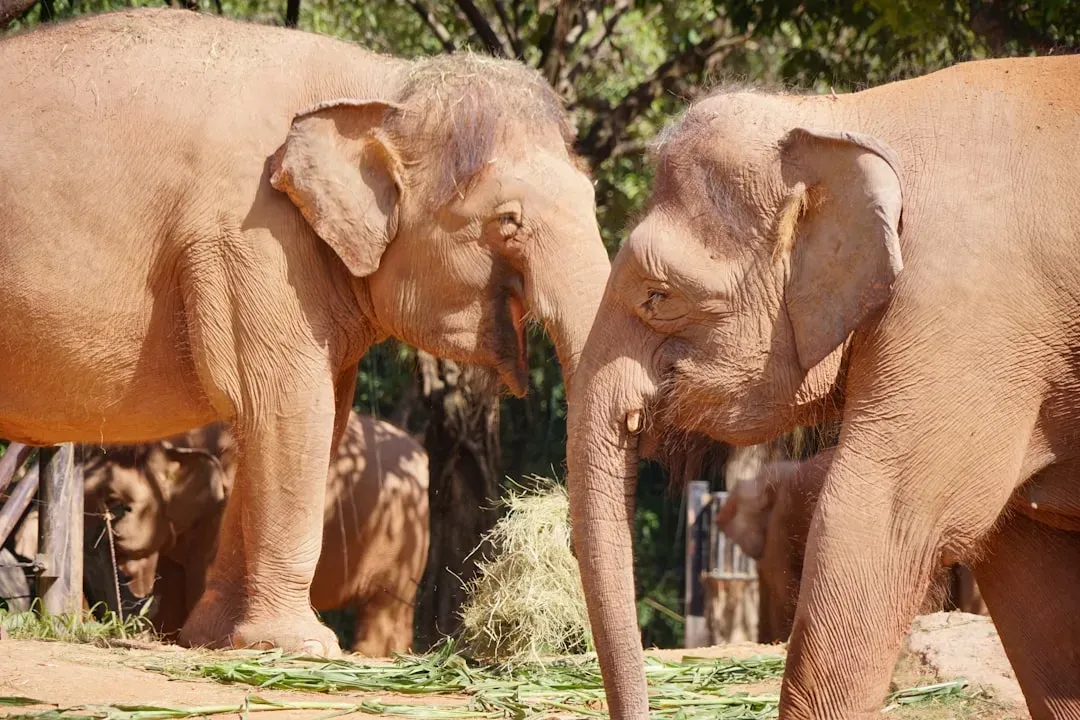
Let’s be real, elephants are fascinating enough already with their intelligence and social bonds. Yet they’ve got another trick that seems almost like science fiction. Elephants are known to communicate with seismics, vibrations produced by impacts on the earth’s surface or acoustical waves that travel through it. They appear to rely on their leg and shoulder bones to transmit the signals to the middle ear.
These massive animals produce low-frequency sounds called infrasound that we humans can’t even hear. When an elephant rumbles, it creates vibrations that travel through both the air and the ground. Seismic waveforms produced by locomotion appear to travel distances of up to 32 km (20 mi) while those from vocalisations travel 16 km (10 mi). That’s roughly 20 miles of communication range through the earth itself.
Here’s where it gets really interesting. They appear to rely on their leg and shoulder bones to transmit the signals to the middle ear. When detecting seismic signals, the animals lean forward and put more weight on their larger front feet; this is known as the “freezing behaviour”. The elephants have specialized nerve endings in their feet that pick up these vibrations. They can tell the difference between danger signals and friendly messages just by feeling the ground.
The calls created surface waves, known as Rayleigh waves, that can travel about 2 kilometers along the ground surface like water waves on the ocean. O’Connell-Rodwell’s previous research had suggested that the vibrations might travel as far as 16 kilometers, much farther than the 4 kilometers that rumbles are likely to travel through air. In windy conditions when airborne sounds get scattered, ground communication works better. It’s like having a backup communication system that functions when the primary one fails.
The Waggle Dance: Bees’ Geometric Navigation System

Honeybees have developed something that borders on mathematical genius. The honeybee waggle dance has long been recognized as a behavior that communicates information about resource location from a foraging worker to her nest mates. When a scout bee finds an excellent flower patch, she returns to the hive and performs what scientists call the waggle dance.
The direction of the waggle run relative to the vertical axis of the honeycomb indicates the direction of the food source in relation to the sun. The length of the waggle run, on the other hand, communicates the distance to the resource. Imagine encoding GPS coordinates through dance moves in total darkness. That’s essentially what’s happening.
The bee wiggles her body while moving in a straight line, then circles back and does it again, creating a figure-eight pattern. By performing this dance, successful foragers can share information about the direction and distance to patches of flowers yielding nectar and pollen, to water sources, or to new nest-site locations with other members of the colony. Other bees crowd around her, touching her with their antennae, reading the message through movement and vibration.
What makes this even more remarkable is that this isn’t purely instinctive. We show that correct waggle dancing requires social learning. Bees without the opportunity to follow any dances before they first danced produced significantly more disordered dances with larger waggle angle divergence errors and encoded distance incorrectly. The former deficit improved with experience, but distance encoding was set for life. Young bees actually have to watch and learn from experienced dancers, much like human children learning language. Those who miss this learning window never fully master accurate distance communication.
Electric Fields: Underwater Conversations You Can’t Hear
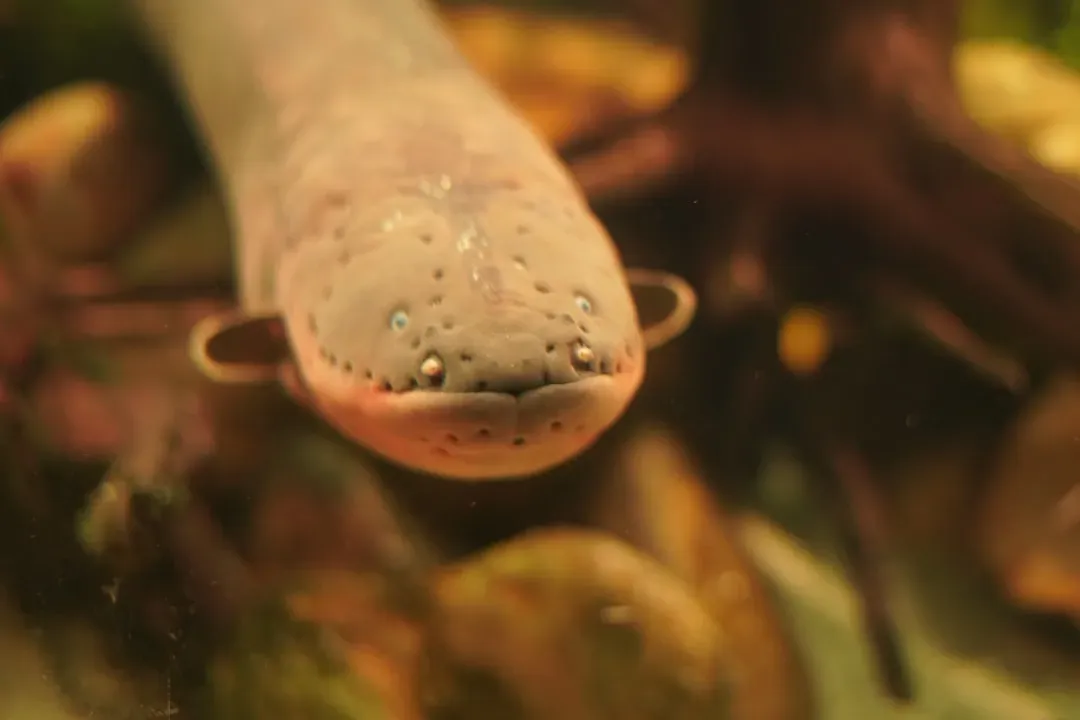
The underwater world holds communication secrets that seem straight out of a fantasy novel. Many fish species generate and detect electric fields to navigate, hunt, and yes, communicate with each other. This is particularly common in murky waters where visibility is poor and sound doesn’t travel as reliably as we might expect.
Electric fish like the elephant nose fish produce weak electric fields around their bodies. When another fish or object enters this field, it distorts the pattern, which the fish can sense through specialized receptors. Different pulse patterns and frequencies can convey different information. Some species use rapid pulse variations to signal aggression or courtship interest to other fish.
Sharks and rays have taken this to another level with their ampullae of Lorenzini, organs that can detect the faintest electrical signals from the muscle contractions of hidden prey. While this is primarily used for hunting, there’s growing evidence that some species might use electrical signals for social communication too. The ocean is essentially buzzing with electrical chatter that we’re only beginning to decode.
This form of communication is silent, invisible, and operates on a sensory channel that humans simply don’t possess naturally. It’s a reminder that animal communication might be happening all around us in ways we’re fundamentally unable to perceive without specialized equipment.
Color Changes: The Mood Rings of the Sea
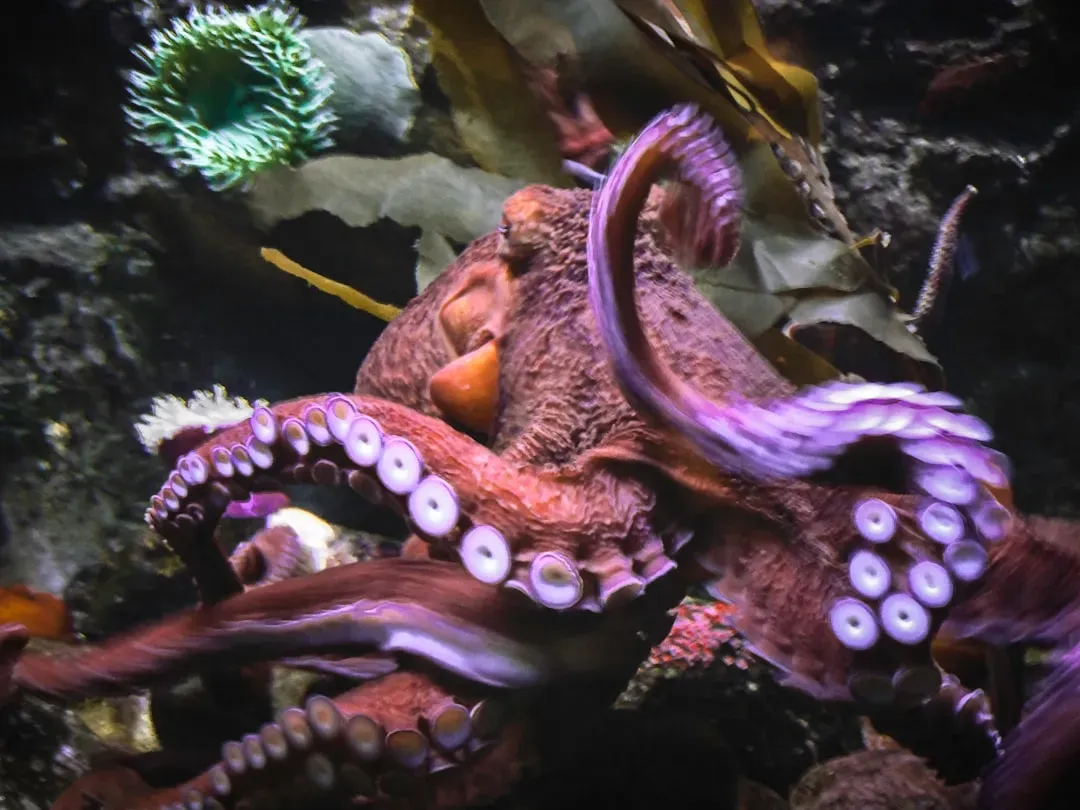
Cephalopods like octopuses, cuttlefish, and squid are the undisputed masters of visual communication through color change. Their skin contains specialized cells called chromatophores that can expand or contract in milliseconds, creating waves of color and pattern across their bodies. It’s like having a full-color display screen as your skin.
These rapid transformations aren’t just for camouflage. Cuttlefish males display vibrant patterns during courtship displays, trying to impress females while simultaneously warning off rival males. Some clever males have even been observed displaying courtship colors on the side facing a female while showing female-pattern colors on the other side facing a dominant male, essentially cross-dressing to sneak past the competition.
Octopuses use color patterns to signal aggression, fear, or submission during social encounters. A sudden flash of dark color might mean irritation or a warning. Paler colors often indicate stress or submission. The speed and complexity of these changes allow for incredibly nuanced communication.
What makes this particularly fascinating is that most cephalopods are colorblind. They’re creating these elaborate color displays without being able to see color themselves the way we do. Scientists think they might sense light directly through their skin, but the full story remains one of nature’s puzzling mysteries. The sophistication of their communication despite this sensory limitation is honestly mind blowing.
Ultrasonic Communication: Conversations Above Our Hearing Range
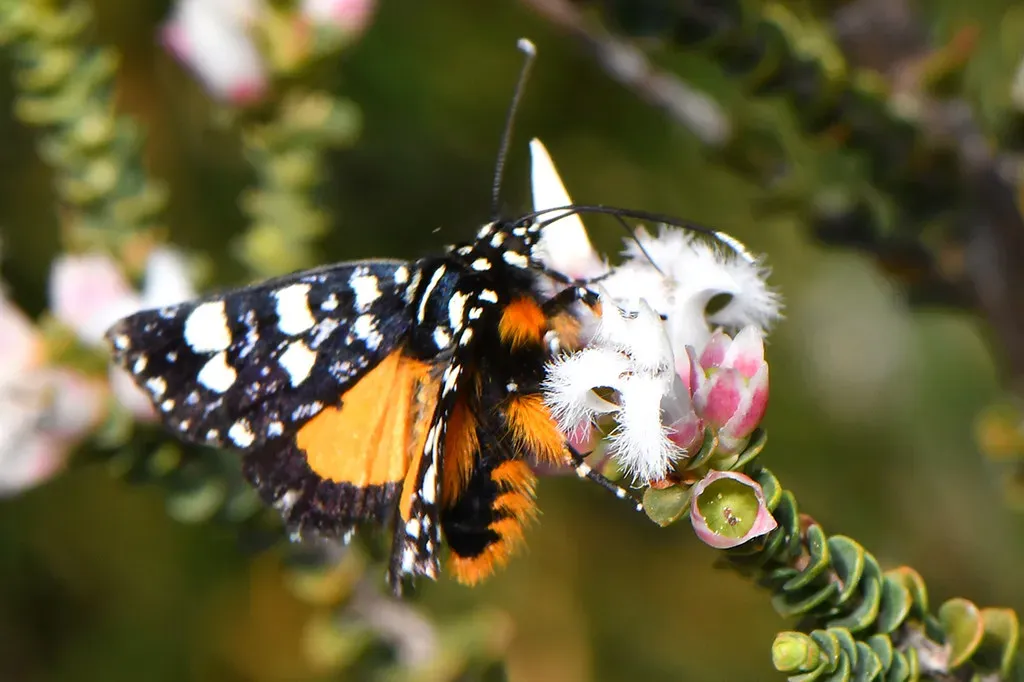
The world is filled with conversations happening at frequencies too high for human ears to detect. Bats are probably the most famous users of ultrasound, primarily for echolocation, yet they also use specific call patterns to communicate with each other. Mother bats and their pups use signature calls to find each other in crowded roosts containing millions of individuals.
Rodents communicate extensively in the ultrasonic range. Mice produce complex ultrasonic vocalizations during courtship, social interactions, and stress situations. Male mice sing elaborate ultrasonic songs to attract females, with different dialects between populations. Pups separated from their mothers emit ultrasonic distress calls that trigger immediate maternal retrieval behavior.
Dolphins and other cetaceans operate in both the range we can hear and far beyond it. They produce clicks, whistles, and pulsed calls spanning a huge frequency range. Each dolphin develops a unique signature whistle that functions essentially as a name, allowing individuals to call out to specific companions across distances.
Even some insects buzz at ultrasonic frequencies. Certain moths have evolved the ability to hear bat echolocation calls and take evasive action. In response, some bats have evolved quieter calls or calls at frequencies the moths can’t detect well, creating an evolutionary arms race played out in sound frequencies we can’t perceive.
Touch and Tactile Communication: Silent Conversations Through Contact

Not all communication needs distance. Elephants communicate via touching, visual displays, vocalisations, seismic vibrations, and semiochemicals. Individual elephants greet each other by stroking or wrapping their trunks; the latter also occurs during mild competition. Older elephants use trunk-slaps, kicks, and shoves to discipline younger ones. Touch forms the foundation of social bonds in many species.
Primates engage in extensive grooming behavior that serves far more than just hygiene purposes. The act of grooming reduces stress, establishes social hierarchies, and reinforces friendships. The location touched, the duration, and who initiates the grooming all carry social meaning. Chimpanzees may groom specific individuals to build alliances, especially before seeking support in conflicts.
Touching is especially important for mother–calf communication. When moving, elephant mothers will touch their calves with their trunks or feet when side-by-side or with their tails if the calf is behind them. If a calf wants to rest, it will press against its mother’s front legs and when it wants to suckle, it will touch her breast or leg. These gentle touches guide behavior and provide reassurance in ways that vocalizations simply can’t match.
Even fish engage in tactile communication. Cleaner wrasses touch their client fish in specific ways to indicate they’re about to begin cleaning or to soothe an agitated customer. The sense of touch creates an intimate communication channel that builds trust and coordinates complex social behaviors across the animal kingdom.
Body Language and Posturing: The Silent Vocabulary of Movement
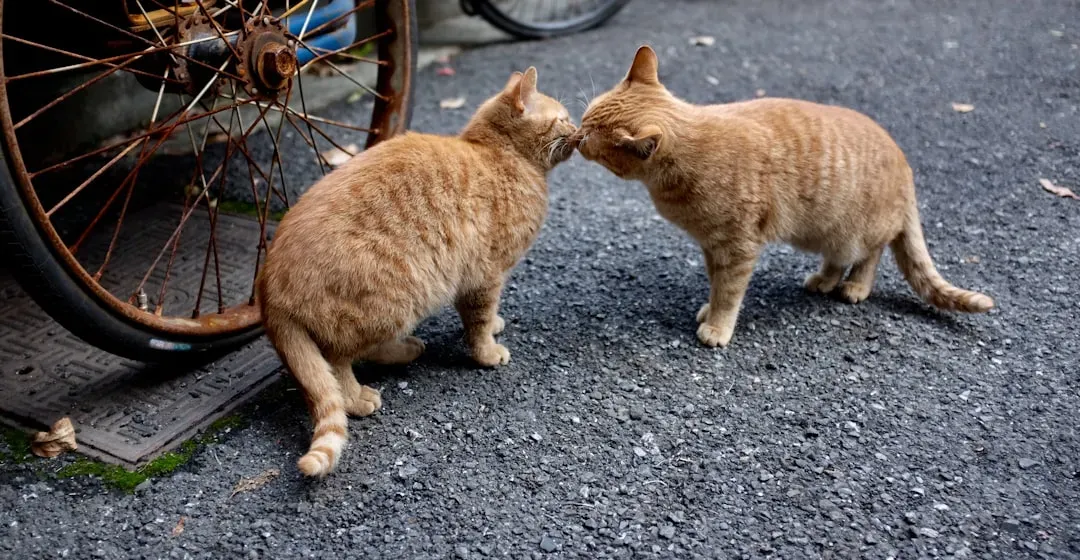
Animals speak volumes without making a sound through the positions and movements of their bodies. A dog’s tail position communicates confidence, fear, aggression, or playfulness without a single bark. Ears forward or back, raised hackles, body height, all convey precise emotional states and intentions to other dogs and observant humans.
Birds engage in elaborate visual displays, from the peacock’s famous tail fan to the complex head-bobbing and wing-spreading of cranes during courtship dances. These aren’t random movements but carefully choreographed sequences that have evolved over millions of years to convey specific messages about fitness, health, and reproductive readiness.
Wolves and other canids have developed an intricate vocabulary of postures that maintain pack hierarchy and reduce the need for dangerous physical fights. A dominant wolf stands tall with tail raised and ears forward. A submissive pack member crouches low, tucks its tail, and may roll over to expose its belly. These clear visual signals allow complex social structures to function with minimal violence.
Even insects use body postures to communicate. When a honeybee discovers a threat near the hive, it may perform an alarm run across the comb while releasing alarm pheromones, combining movement with chemical signals for maximum effect. Mantises position their raptorial forelegs and sway their bodies in specific threat displays when confronted by predators or rivals.
Infrasound: The Deep Rumbles Below Human Perception
While ultrasound operates above our hearing range, infrasound functions below it, at frequencies lower than 20 hertz. Elephants can produce infrasonic calls which occur at frequencies less than 20 Hz. Infrasonic calls are important, particularly for long-distance communication, in both Asian and African elephants. These deep rumbles can travel for miles, especially under favorable atmospheric conditions.
The advantage of infrasound is impressive. Low-frequency sounds bend around obstacles and travel farther than higher frequencies. This makes infrasound ideal for long-distance communication in dense forests or open savannas. Recent research has confirmed that elephants actively listen for these infrasonic signals and can distinguish between calls from different individuals and groups.
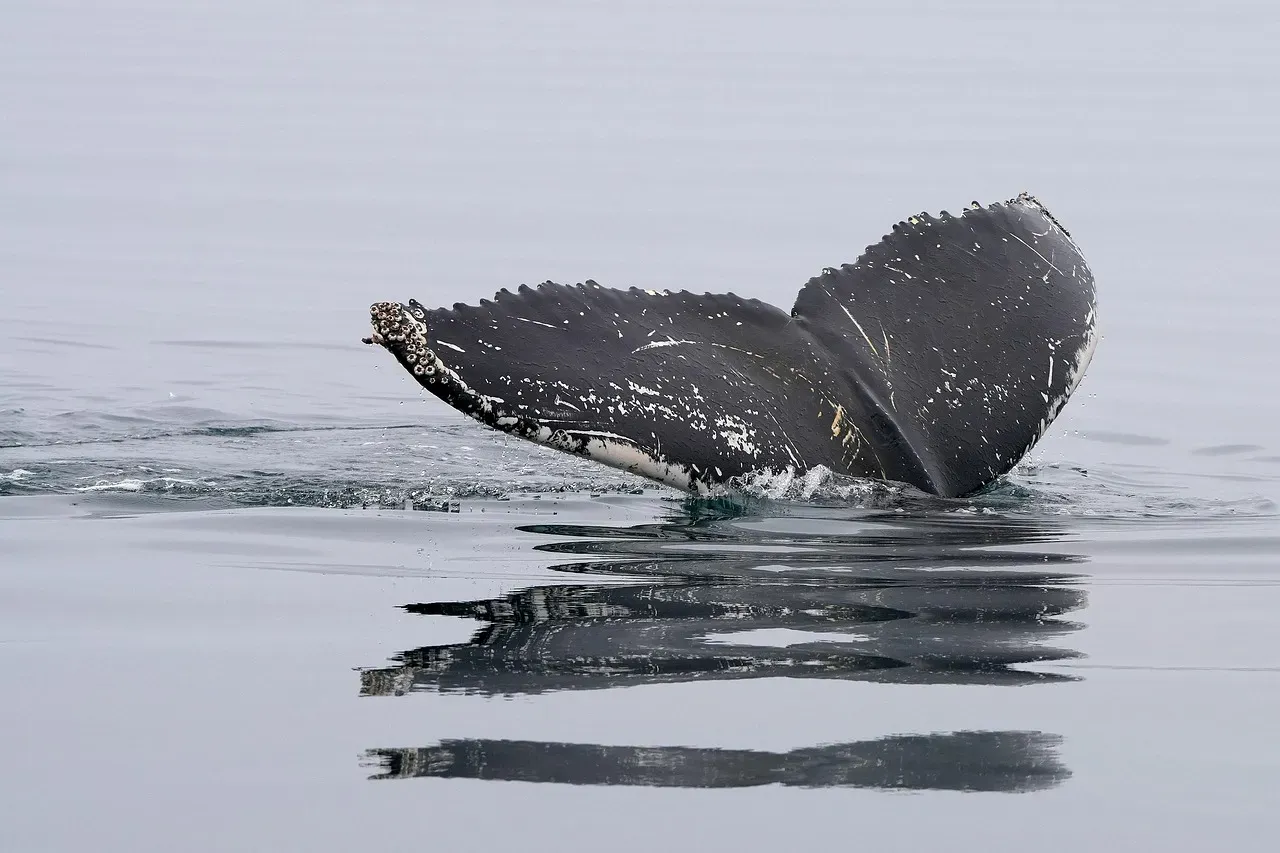
Whales also produce infrasonic calls that can travel hundreds of miles through the ocean. Blue whales generate some of the lowest frequency sounds in the animal kingdom, with calls reaching down to around 10-15 hertz. These calls might allow whales to communicate across entire ocean basins, though human-generated noise pollution increasingly interferes with this ancient communication network.
Even some weather phenomena produce infrasound. There’s speculation that animals might detect the infrasound generated by distant storms, earthquakes, or tsunamis, potentially explaining some of the mysterious early warning behaviors animals display before natural disasters. The infrasonic world represents an entire communication landscape that exists just outside the edges of human perception.
Conclusion: The Hidden Conversations All Around Us
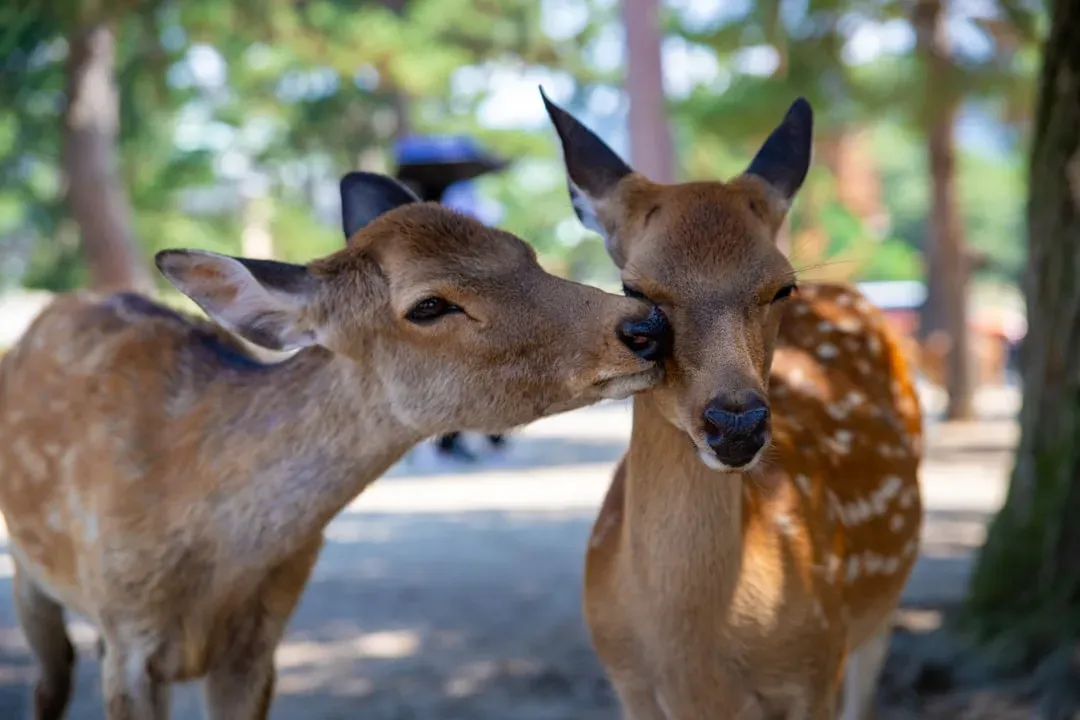
Communication in mammals constitutes a complex, multimodal system that integrates visual, acoustic, tactile, and chemical signals whose functions extend beyond simple information transfer to include the regulation of social relationships, coordination of behaviour, and expression of emotional states. What we’ve explored here barely scratches the surface of how animals exchange information in their worlds.
The more scientists study animal communication, the more complexity they uncover. Many species combine multiple communication channels simultaneously, creating rich, multimodal messages that are far more sophisticated than we once imagined. An elephant might vocalize, stomp its feet, and release chemical signals all at once, creating a layered message that travels through different mediums to reach different audiences.
Understanding these alternative communication systems matters for conservation too. Human noise pollution doesn’t just bother us; it disrupts the acoustic communication of countless species. Light pollution interferes with bioluminescent signals and the celestial navigation many animals rely on. Chemical pollution can mask or mimic pheromone signals, causing confusion in insect populations.
We share this planet with creatures that are constantly talking to each other in languages we’re only beginning to translate. They’re negotiating, warning, flirting, and sharing information all around us through methods that bypass sound entirely. What do you think we might learn if we could truly listen to these silent conversations? The natural world is far more talkative than we ever realized.

- Should You Let Your Rabbit Roam Free in the House? Safety Tips and Risks - July 25, 2026
- 10 Incredible Bull Breeds in The USA - July 25, 2026
- Prairie Dogs Have a Complex Language That Rivals Human Communication - July 25, 2026