


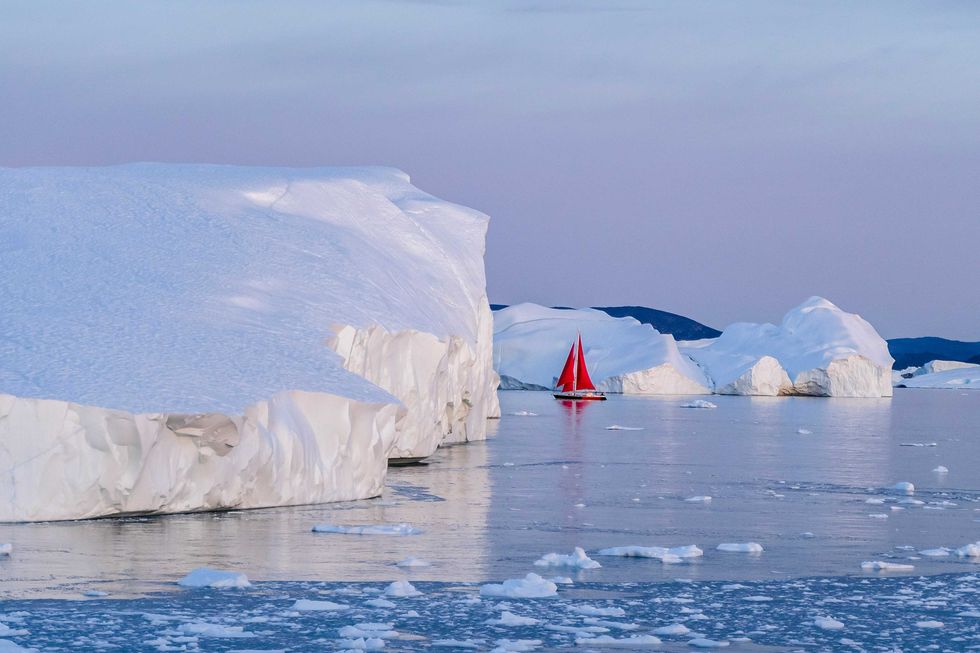
The Unprecedented Pace of Ice Retreat (Image Credits: Dailyclimate.org)
Greenland – The vast ice sheet covering much of the world’s largest island continues to shrink at an alarming rate, sending ripples through ecosystems that support diverse wildlife populations across the Arctic.
The Unprecedented Pace of Ice Retreat
Researchers have documented significant ice loss from Greenland’s ice sheet over recent decades, with the region shedding hundreds of billions of tons annually. In 2022 alone, the island lost 444 billion tons of ice, contributing to a broader trend where the Arctic warms nearly four times faster than the global average. This accelerated melting stems from rising temperatures that outpace natural replenishment through snowfall.
Such losses have already exceeded five trillion tons in the past 20 years, according to scientific assessments. The process, once stable for centuries, crossed a tipping point, making further retreat inevitable without substantial global emission reductions. Wildlife in the region now faces disrupted habitats as land emerges from under the ice, altering landscapes that species have adapted to over millennia.
Marine Species Under Siege
Polar bears, iconic symbols of the Arctic, struggle as sea ice diminishes, reducing their primary hunting platforms for seals. With less ice, these predators spend more time swimming between shrinking floes, leading to higher energy expenditure and lower reproduction rates. Conservationists report that populations in areas influenced by Greenland’s melt are particularly vulnerable, as warmer waters encroach on their foraging grounds.
Whales, walruses, and narwhals also suffer from these changes. Summer rains, increasingly common due to warmer air, freeze over feeding areas, complicating access to prey. Walruses, which haul out on ice or land, face overcrowding on fewer stable platforms, heightening risks of stampedes and stress. Efforts to monitor these species reveal that migration patterns are shifting, complicating traditional conservation strategies in the region.
Terrestrial Wildlife Faces New Challenges
Reindeer and caribou herds, vital to indigenous communities and ecosystems, encounter grazing lands transformed by erratic weather. Frozen rain layers block access to vegetation beneath, leading to malnutrition during critical winter months. In Greenland’s coastal areas, emerging land from melting glaciers introduces invasive species, outcompeting native plants that these herbivores depend on.
Birds such as Arctic terns and puffins see breeding sites eroded by rising seas fueled by Greenland’s ice contribution to global water levels. Nesting colonies on cliff faces or islands become unstable, with increased predation from opportunistic mammals moving into newly accessible areas. Conservation programs highlight how these shifts threaten biodiversity hotspots, urging adaptive measures like protected corridors for migration.
Broader Conservation Implications
The interconnectedness of Arctic ecosystems means Greenland’s ice loss affects wildlife far beyond its borders. Pollutants trapped in melting ice release into oceans, contaminating food chains and bioaccumulating in top predators like seals and birds. International bodies, including the World Wildlife Fund, emphasize that slowing this melt through emission cuts remains crucial for preserving species resilience.
Local initiatives in Greenland focus on community-led monitoring, integrating traditional knowledge with scientific data to track wildlife health. However, geopolitical tensions in the Arctic complicate these efforts, as melting opens new shipping routes and resource claims. Conservationists advocate for stronger international agreements to prioritize habitat protection amid these developments.
- Polar bears lose essential sea ice hunting grounds, increasing starvation risks.
- Marine mammals like walruses face overcrowded haul-out sites.
- Reindeer herds grapple with inaccessible forage due to ice layers from rain.
- Seabirds experience habitat erosion from sea level rise.
- Invasive species invade newly exposed lands, disrupting native flora and fauna.
- Bioaccumulated toxins from released pollutants harm food webs.
Key Takeaways
- Greenland’s ice loss accelerates Arctic warming, directly threatening keystone species like polar bears.
- Conservation must adapt to shifting habitats through international collaboration.
- Reducing global emissions offers the best chance to mitigate wildlife declines.
As Greenland’s ice continues to recede, the urgency for robust wildlife conservation grows, underscoring the need for collective action to protect the Arctic’s fragile balance. What steps do you believe are most important for safeguarding these ecosystems? Share your thoughts in the comments.
