
The natural world around us is a bit like an intricate puzzle, isn’t it? Every creature, no matter how small or seemingly insignificant, has a job to do. Remove just one piece, and the entire picture can begin to crumble in ways we never anticipated.
Here’s what fascinates me. Some animals don’t just occupy space in their environment, they actually engineer it. They build, modify, and maintain ecosystems that countless other species rely on for survival. The United States is home to several of these remarkable creatures, each playing a role so vital that scientists call them keystone species. Think of them as the linchpin holding entire communities of wildlife together. Let’s dive in and explore twelve native animals whose impact on American ecosystems goes far beyond what most people realize.
The American Beaver: Nature’s Master Architect
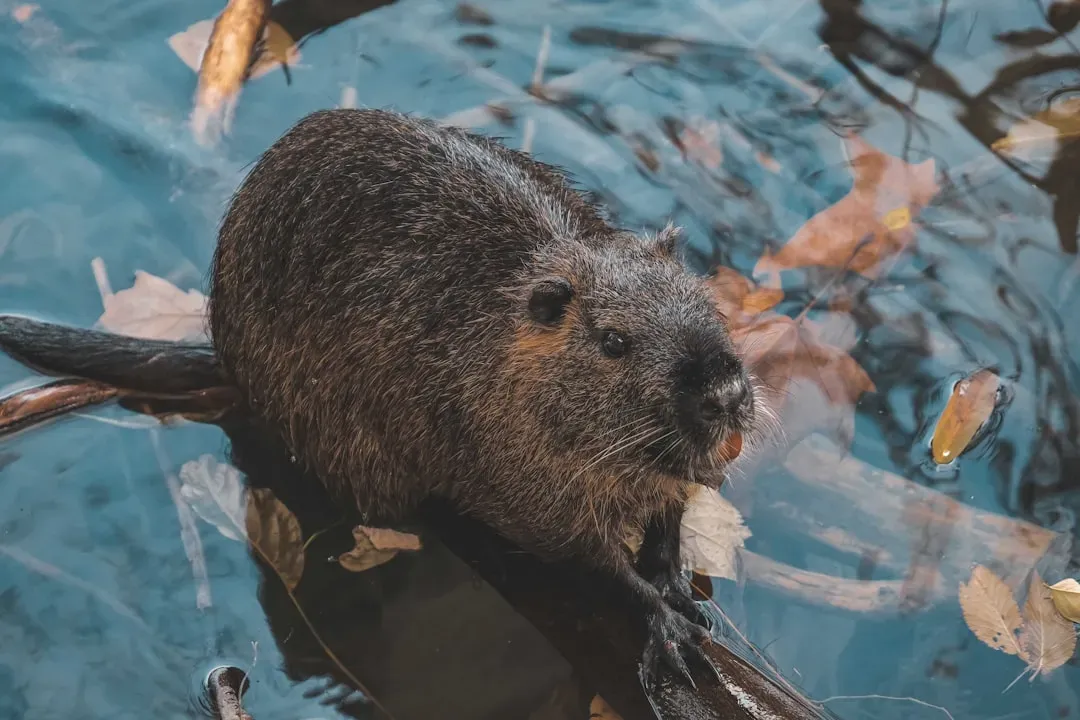
The American Beaver (Castor canadensis) is one example of a keystone species in North America. These remarkable rodents don’t just build dams for fun or shelter. They’re actively reshaping the landscape around them in ways that benefit dozens of other species. They engineer ecosystems by building dams, which retain ponds, full of sediment, nutrients, plants, and wildlife.
What really strikes me about beavers is their incredible work ethic. Beavers are an integral part of a wetland’s ecosystem. The dams the beavers build help to establish and maintain a biodiverse habitat, which is essential for other animals. Their dams ensure that the rivers and streams contain water year-round providing a home for fish that are an important food source for other animals in the habitat, earning them both the title of a keystone species as well as ecosystem engineer.
Think about it this way. When beavers fell trees and construct their elaborate dams, they’re not just creating a home. Beavers, whose dams broaden streams, submerge meadows, and raise water tables, are the ultimate wetland engineers. Between 1944 and 1997, Acadia National Park’s wetlands nearly doubled – the handiwork of beavers that were reintroduced to the park. The ponds they create become nurseries for fish, hunting grounds for herons, and safe havens for amphibians.
The benefits extend even further. Wetlands surrounding beaver dams act like kidneys by removing pollutants from water, effectively cleaning it. As dams decrease water flow, nutrient-rich sediment usually swept away by the current instead sinks and collects on the bottom. This abundance of minerals filters and breaks down harmful materials like pesticides and leaves areas downstream of dams healthier and less polluted than upstream.
The North American beaver (Castor canadensis) is a keystone species vital in maintaining a healthy ecosystem by increasing local biodiversity. Beavers are ecosystem engineers and can drastically modify their surrounding environment by raising water levels, slowing water speed and changing water direction. If that doesn’t earn them the title of master architect, I don’t know what does.
Prairie Dogs: The Grassland Gardeners
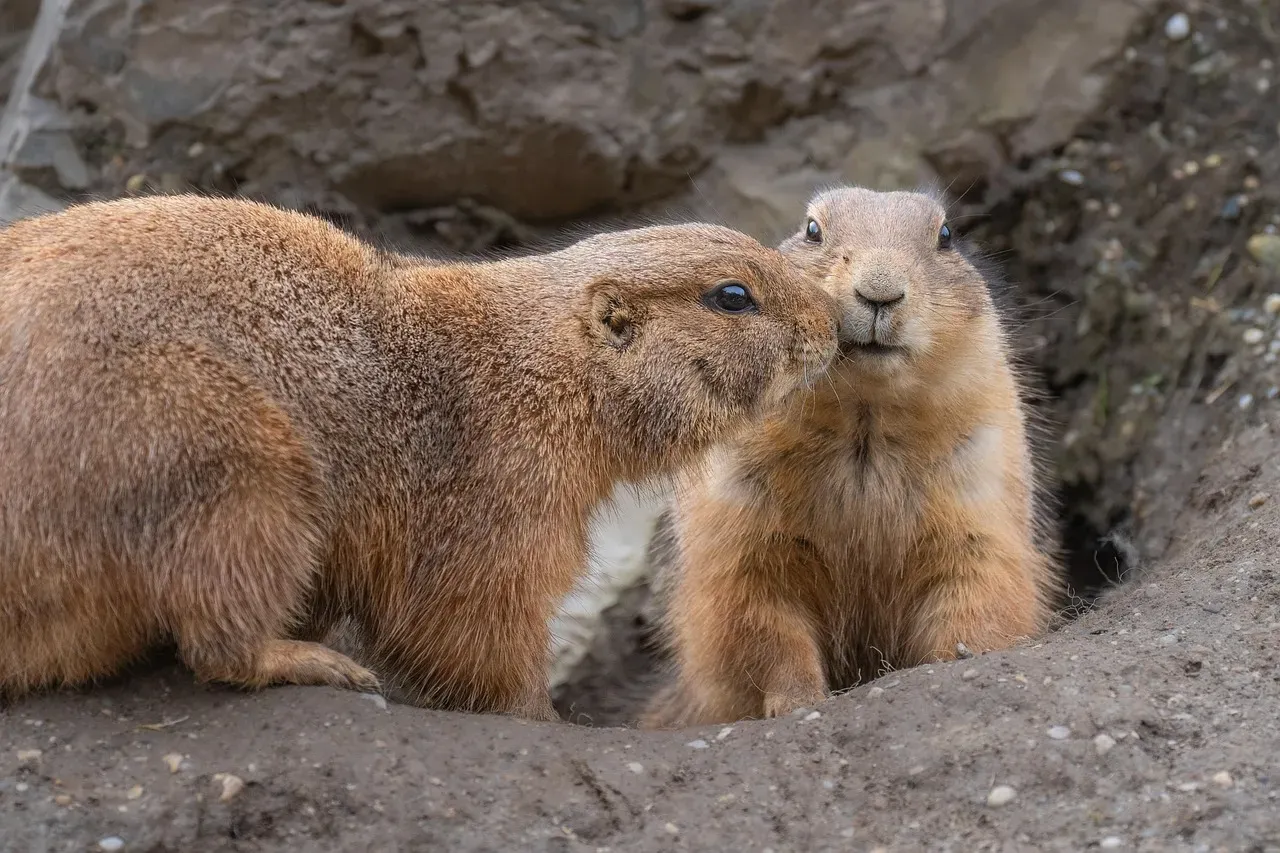
Prairie dogs might seem like simple burrowing rodents, yet their influence on the Great Plains is nothing short of extraordinary. Residing in the grasslands of central and western North America, prairie dogs are a keystone species that supports some 130-plus other species. That number alone should make us rethink any negative perceptions.
Their underground towns are marvels of engineering. The keystone species is more than prey for nearby predators that include hawks, bobcats, foxes, coyotes, badgers, and golden eagles. Their holes and tunnels help aerate the soil allowing seeds to easily germinate. Basically, they’re tilling the soil without even trying, creating better conditions for plant growth across the grasslands.
Here’s something that genuinely surprised me when I learned about it. When prairie dogs eat grasses, they promote the growth of new, nutritionally dense grass that benefits other grazing species such as bison, bighorn sheep and pronghorn. Their grazing also encourages flowers to grow, attracting pollinators such as bees and butterflies to the area. Everyone from swift foxes, badgers and burrowing owls to tiger salamanders and insects take advantage of prairie dog burrows, too.
Black-footed ferrets are an endangered species that rely on prairie dogs as their primary food source. They also use prairie dog burrows to house their young. Without prairie dogs, the critically endangered black-footed ferret would have nowhere to live and nothing to eat.
Sadly, grasslands continue to be rapidly converted for agriculture and development, and prairie dogs now inhabit less than 5% of their historic range. The loss of these animals creates ripple effects throughout the entire ecosystem.
Sea Otters: Guardians of the Kelp Forests
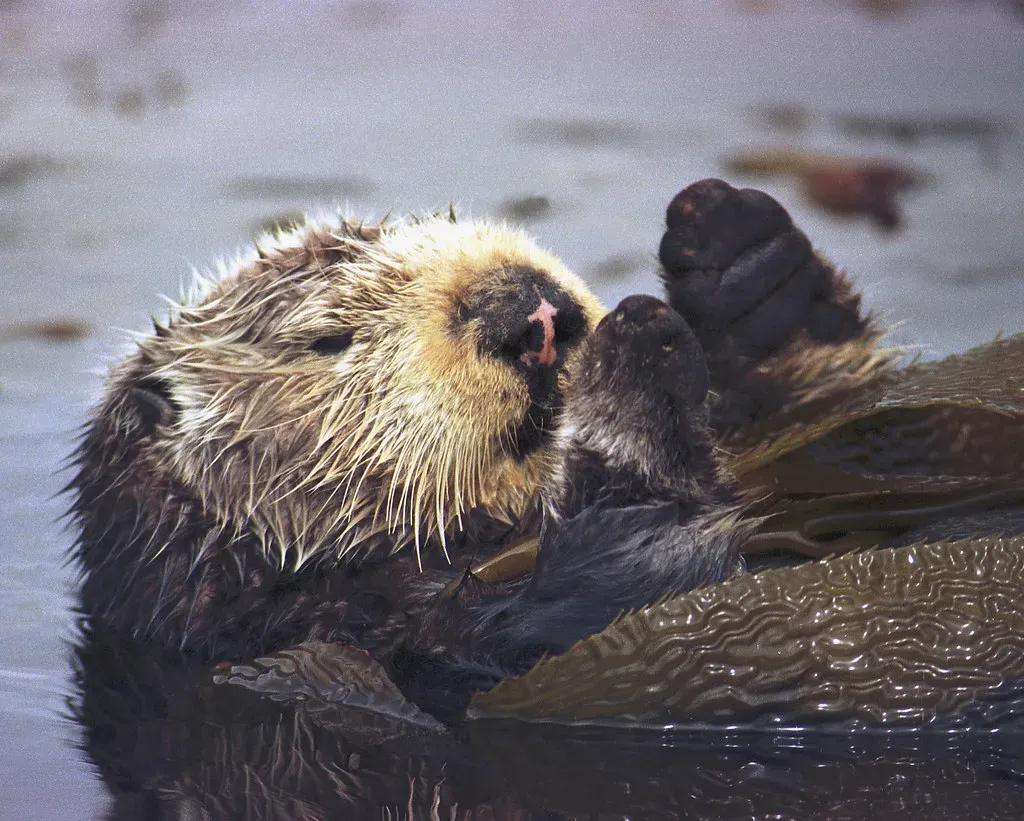
Let’s be real, sea otters are adorable. Those little faces, the way they float on their backs cracking open shellfish, it’s hard not to love them. Yet their cuteness is just a bonus compared to the essential role they play in coastal ecosystems. Sea otters are critical players in marine ecosystems and a keystone species, meaning they have a profound effect on their ecosystem. Sea otters are vital to kelp forests, ensuring the health and carbon storage abilities of these important ecosystems.
Sea otters are coastal marine mammals that inhabit sea-bottoms, rocky shores, and coastal wetlands. They look for areas with a lush kelp forest and plenty of food. Sea otters are crucial to keep sea urchin populations in check which can help promote healthy kelp forests by preventing kelp from being completely devoured by the urchins. Sea urchins are voracious eaters, and without otters controlling their numbers, they can strip entire kelp forests bare.
The climate connection here is remarkable. Healthy kelp can absorb significant amounts of carbon dioxide from the atmosphere and is a key contributor to “blue carbon,” which is the carbon stored in oceans. Kelp forests are capable of storing up to 20 times more carbon per acre than forests on land. Studies suggest that seaweed forests, including kelp forests, globally can sequester tens of millions of metric tons of carbon every year in the deep ocean, which is about the same as half a million acres of trees.
They make look like restful loungers, but sea otters actually have high metabolisms that require a lot of fuel and as much as 25%–30% of their body weight in daily food. There are few other animals that eat this much relative to their body weight. Some of their favorite foods include clams, mussels, crab, and sea urchins, the last of which is the antagonist and top predator for kelp. Their big appetites keep the ecosystem balanced.
Not only do sea otters support thriving marine ecosystems to provide critical habitat for themselves and other species, but they also strengthen our natural defenses against climate change.
American Alligators: Ancient Ecosystem Engineers
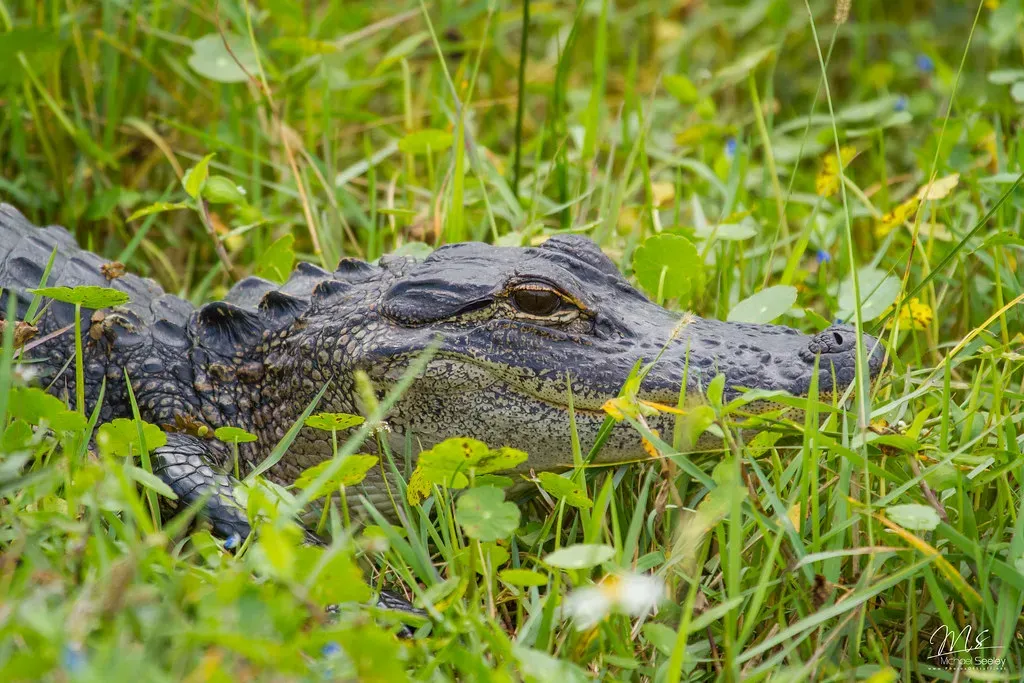
Alligators might seem like fearsome predators, which they certainly are, yet they also perform an ecosystem service that’s absolutely vital during tough times. They play a vital ecological role by digging “gator holes” that retain water during droughts, providing refuge for other animals. In the wetlands of the southeastern United States, this becomes a lifeline.
During dry seasons when water sources shrink or disappear entirely, these gator holes become oases. Fish, turtles, birds, and countless invertebrates gather in these refuges to wait out the drought. Honestly, it’s kind of poetic that one of the region’s top predators is also one of its most important protectors during crisis.
Typically found in freshwater habitats like swamps, marshes, and rivers, they play a crucial ecological role as top predators, regulating prey populations and maintaining ecosystem balance. Their presence at the top of the food chain keeps other populations in check, preventing any single species from overwhelming the system.
Alligators were once critically endangered but bounced back through strict wildlife management and conservation programs. Their recovery is a conservation success story that proves protection efforts can work when we commit to them.
The influence of alligators extends beyond water retention. The American alligator is considered a keystone animal as it both helps to regulate populations of prey species and also create “gator holes” – deeper areas that provide essential habitats for other wildlife during dry periods. They’re both predator and provider, a dual role few animals can claim.
Grizzly Bears: The Mighty Seed Dispersers
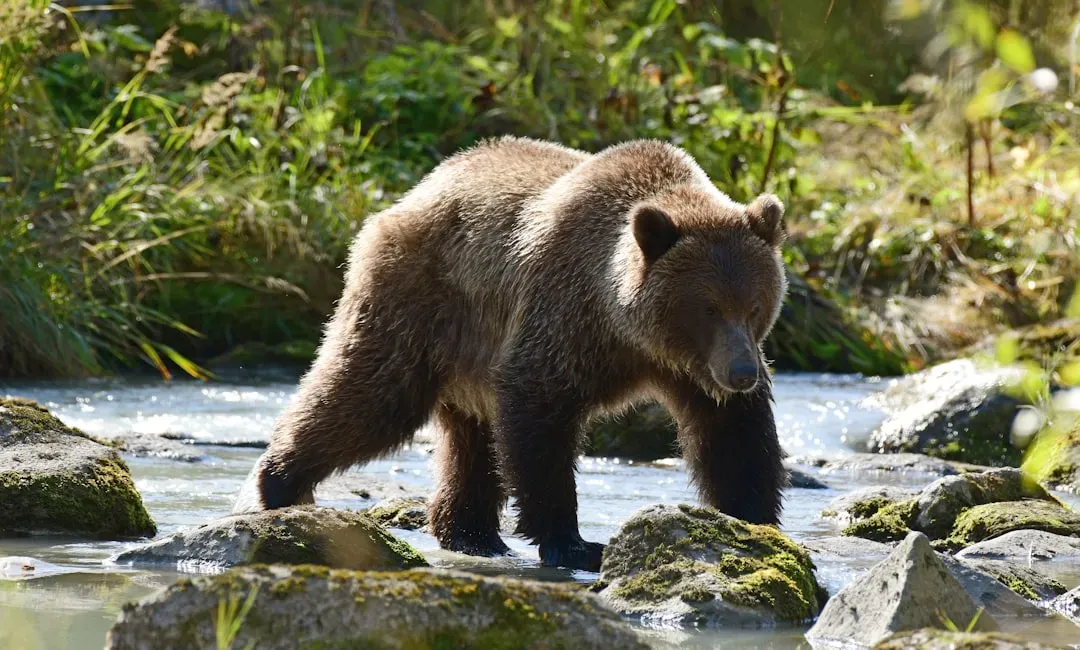
Grizzly bears roam the wild corners of Alaska, the Rockies (including Canada), and parts of the Pacific Northwest, where they need vast, untamed landscapes to thrive. With their immense power and solitary nature, grizzlies are among the strongest animals on Earth and have long been revered by Indigenous cultures as symbols of protection and spiritual force.
Their ecological importance goes way beyond their impressive size and strength. As a keystone animal, the grizzly bear helps maintain the ecological balance of its habitat by controlling prey populations, dispersing seeds in its scat, and influencing the behavior of other wildlife. When grizzlies eat berries and other fruits, they wander miles before those seeds pass through their digestive system, effectively planting new vegetation across vast areas.
They hibernate through winter and emerge in spring ready to reshape the landscape – dispersing seeds, digging for roots, and keeping prey populations in check. More than just icons of the wild, grizzlies are essential players in maintaining balance across North America’s rugged ecosystems.
Watching a grizzly fish for salmon is to witness a nutrient transfer system in action. When they catch salmon and drag them into the forest to eat, they’re moving marine nutrients inland. Those leftover carcasses fertilize the soil, enriching the forest floor in ways that benefit trees, plants, and countless other organisms.
The presence of grizzlies also creates what scientists call a landscape of fear. Other animals adjust their behavior when bears are around, which prevents overgrazing in certain areas and allows vegetation to recover. It’s a delicate dance that keeps the ecosystem diverse and healthy.
Bison: The Grassland Sculptors
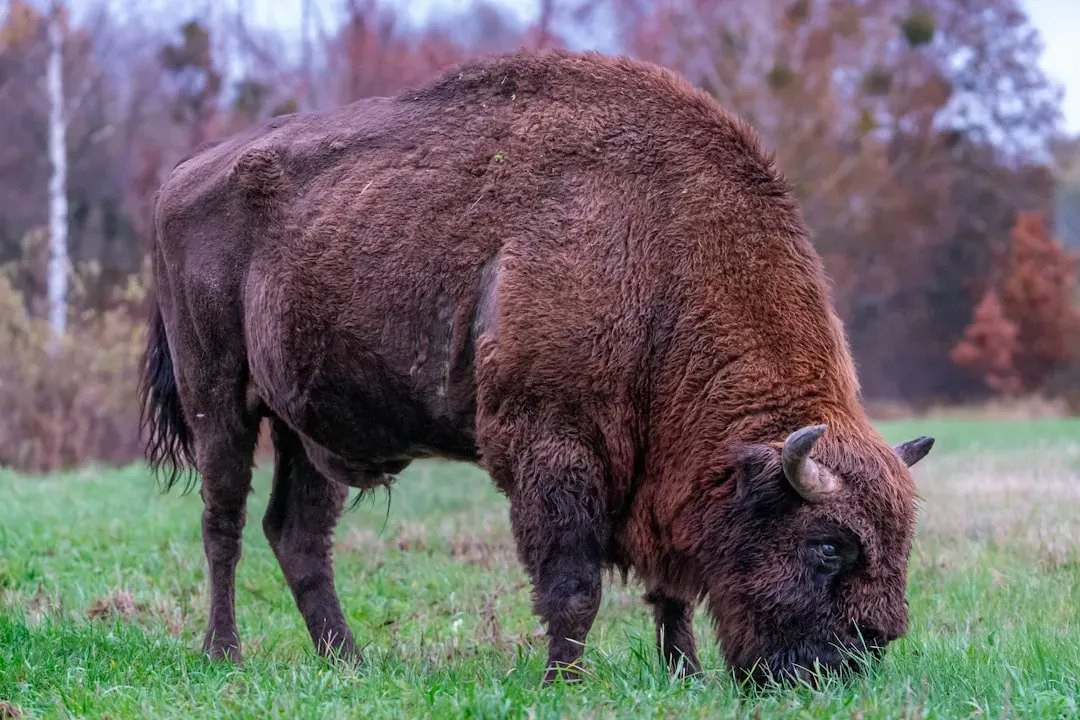
The Indigenous communities of North America’s Great Plains developed a complex lifestyle centered on the bison (Bison bison), a large grazing animal native to the ecosystem of the Great Plains. These massive herbivores shaped the prairies for thousands of years, and their influence is still felt today.
Bison are what ecologists call megaherbivores, and their grazing patterns create a mosaic of different grass heights and plant communities. This diversity is critical. Some bird species need short grass for nesting, while others prefer taller vegetation. Bison provide both through their selective grazing.
When bison roll in the dirt to create wallows, they’re not just scratching an itch. These depressions fill with water during rains, creating temporary wetlands that amphibians and insects use for breeding. The soil they churn up also provides mineral licks that other animals depend on.
Yellowstone National Park is the only place in the United States where bison have continuously inhabited since prehistoric times. That unbroken presence has allowed scientists to study their ecosystem impacts over generations.
The way bison move across the landscape also prevents any single area from being overgrazed. Their migrations, though much more limited now than historically, still help distribute nutrients and maintain grassland health. Large herbivores like bison don’t just eat plants, they fundamentally shape the structure of their environment.
Wolves: The Top-Down Regulators
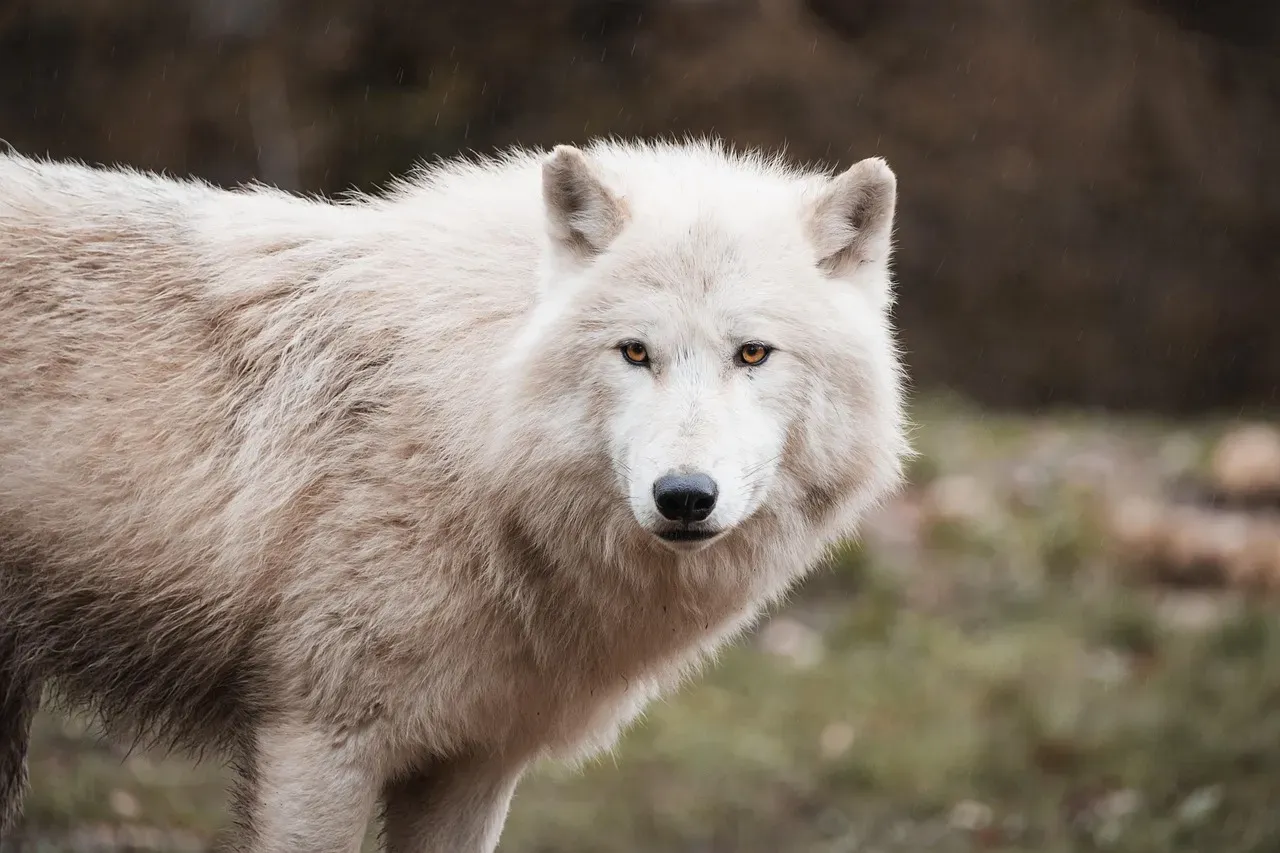
The reintroduction of wolves to Yellowstone National Park in 1995 provided one of the most dramatic examples of a keystone species in action. This started a top-down trophic cascade in the Greater Yellowstone Ecosystem. A trophic cascade describes changes in an ecosystem due to the addition or removal of a predator. A top-down trophic cascade describes changes that result from the removal of an ecosystem’s top predator.
Before wolves returned, elk populations in Yellowstone exploded. Elk herds competed for food resources, and plants such as grasses, sedges, and reeds did not have time or space to grow. Overgrazing influenced the populations of other species, such as fish, beaver, and songbirds. The entire ecosystem was out of balance.
When wolves came back, everything shifted. Elk became more cautious, avoiding certain areas where they’d be vulnerable to predation. This allowed vegetation in those areas to recover. Willows and aspens grew back along streams, which provided habitat for songbirds and material for beaver dams.
The presence of wolves even changed the physical geography of the park. The physical geography of the Greater Yellowstone Ecosystem was also impacted by the loss of wolves and subsequent elk overgrazing. With vegetation restored, riverbanks stabilized, reducing erosion.
Wolf kills also provide food for scavengers like ravens, eagles, and bears. The carcasses left behind distribute nutrients across the landscape, feeding everything from beetles to grizzlies. One predator’s presence creates opportunities for dozens of other species.
Honey Bees: The Pollination Powerhouses
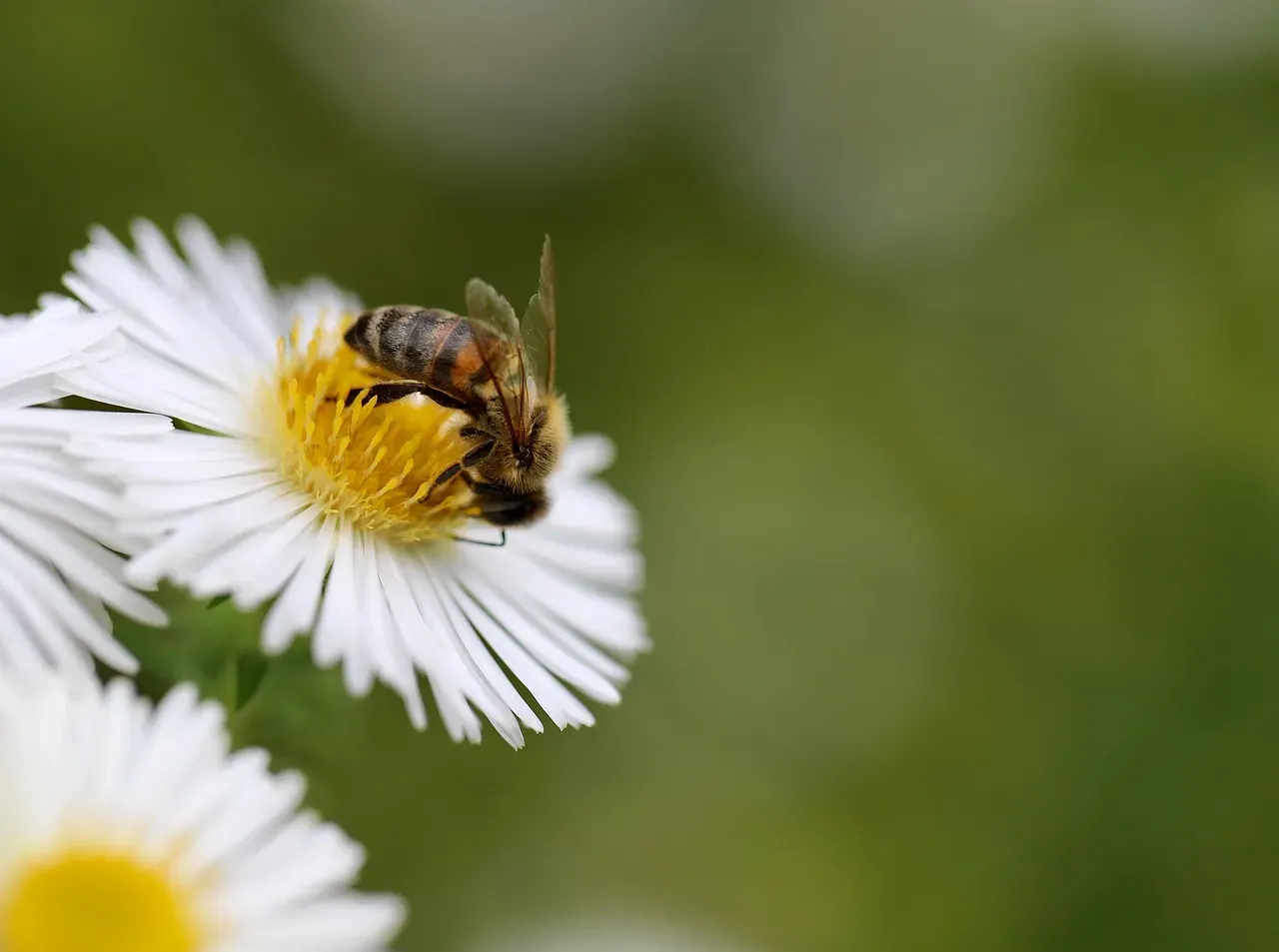
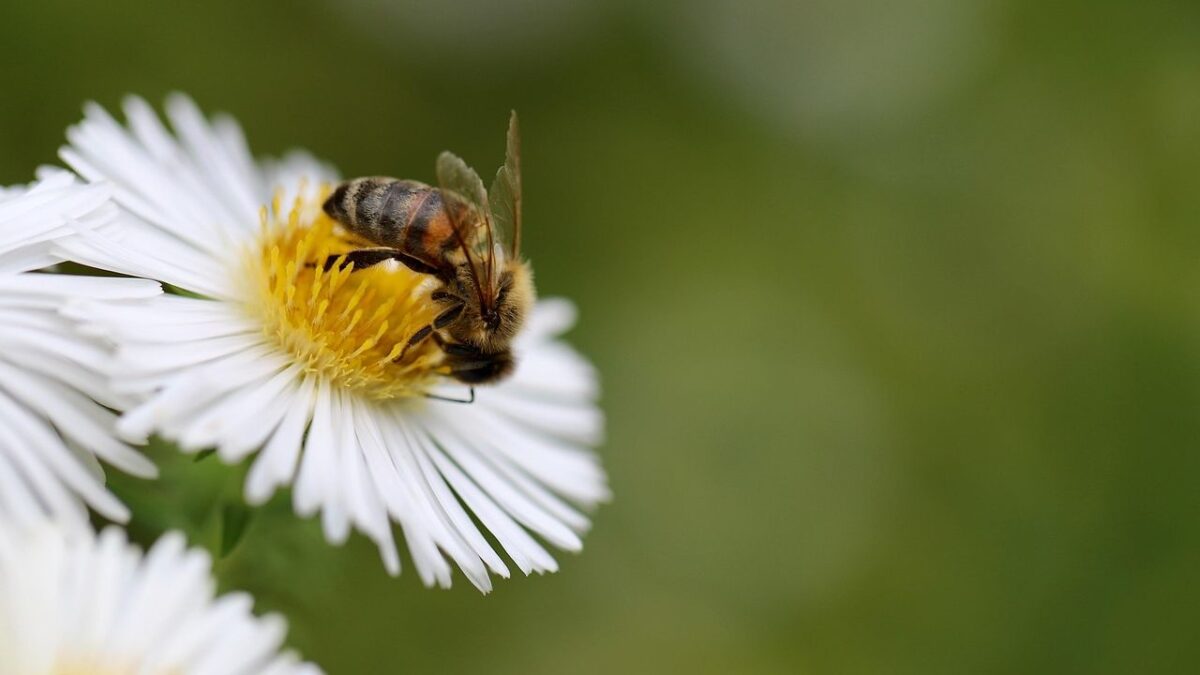
With the aid of other pollinators (some of which, like hummingbirds, are also keystone species), bees support the reproduction of as much as 90 percent of the world’s flowering plants. Not only do they pollinate fruits, vegetables, and other crops that provide humans with everything from food to clothing to fuel, but they also help produce the seeds, nuts, berries, and fruit that countless other species in ecosystems around the world survive on.
Think about that for a moment. Nearly all flowering plants depend on pollinators, and bees are among the most effective. Without them, there would be a bottom-up cascade of consequences throughout the food chain. Birds that eat berries, mammals that rely on nuts, insects that feed on flower nectar, all of them would struggle to survive.
As a keystone species, bats support the health of the ecosystem and biodiversity. Along with dispersing seeds and pollinating plants, bats also help keep insect and arthropod populations under control. While we’re focusing on bees here, it’s worth noting that many pollinators work together to maintain ecosystem health.
Agricultural systems rely heavily on bee pollination. From almonds to apples, blueberries to cucumbers, bees are responsible for pollinating crops that make up a significant portion of our food supply. The economic value of their work runs into the billions of dollars annually.
Despite this, bees like the endangered rusty patched bumblebee have failed to receive crucial protections in the United States. The decline in bee populations due to habitat loss, pesticides, and disease should concern everyone who eats food.
Salmon: The Nutrient Transporters
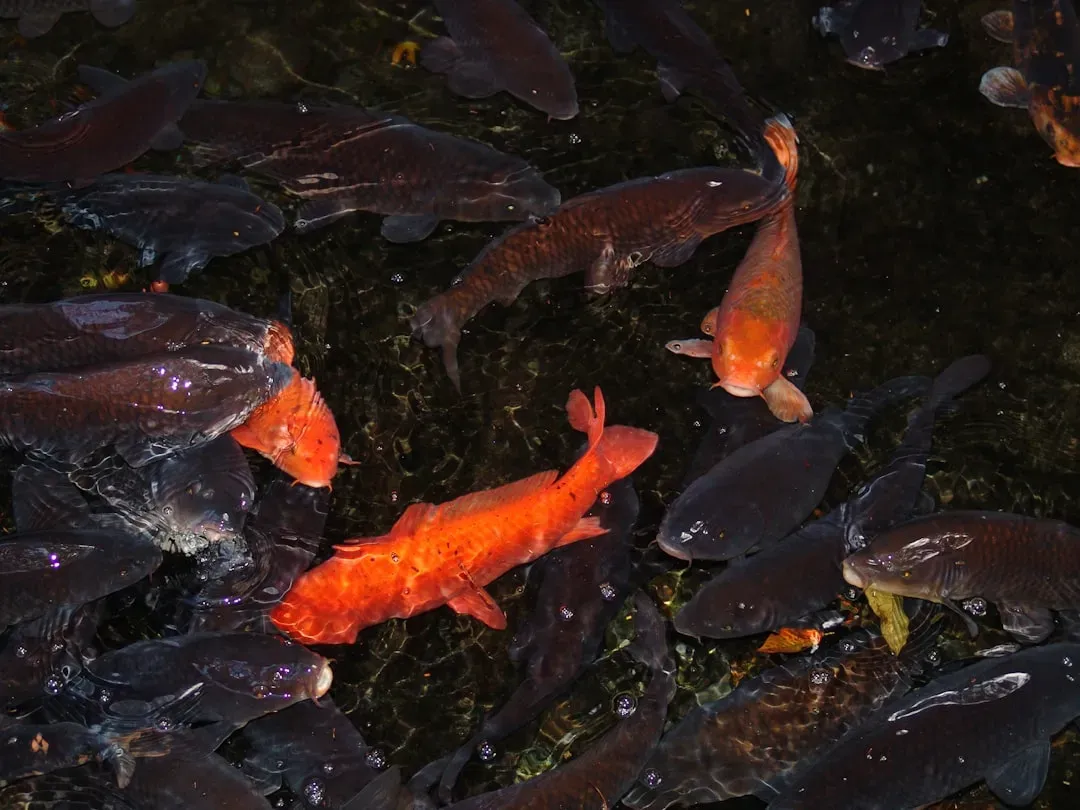
Salmon are vital to the Northwest’s ecosystems and Native American cultures, and beavers are vital to salmon. The rodents create deep, cool pools and slow-water side channels in which fry can rest, feed, and shelter from predators. This relationship between salmon and their habitat illustrates how interconnected ecosystems truly are.
When salmon return from the ocean to spawn in freshwater streams, they’re bringing marine nutrients with them. These fish spend years feeding in the nutrient-rich ocean, then swim hundreds of miles upstream to reproduce. After spawning, they die, and their bodies become fertilizer for the entire watershed.
Bears, eagles, and other predators catch salmon and drag them into the forest. The nitrogen and other nutrients from those fish carcasses enrich the soil around streamside trees. Studies have shown that trees near salmon streams grow faster and larger than trees farther away, all thanks to this nutrient subsidy from the ocean.
The eggs salmon lay also feed countless insects, which in turn feed young salmon and other fish. It’s a cycle of life that sustains entire food webs. Indigenous peoples of the Pacific Northwest have understood this for millennia, managing salmon populations sustainably for generations.
Salmon also help shape the physical structure of streams. Their spawning activities churn up gravel, creating clean spawning beds for the next generation. The presence of healthy salmon runs indicates a healthy watershed, making them an important indicator species.
Bats: The Night Shift Pest Controllers
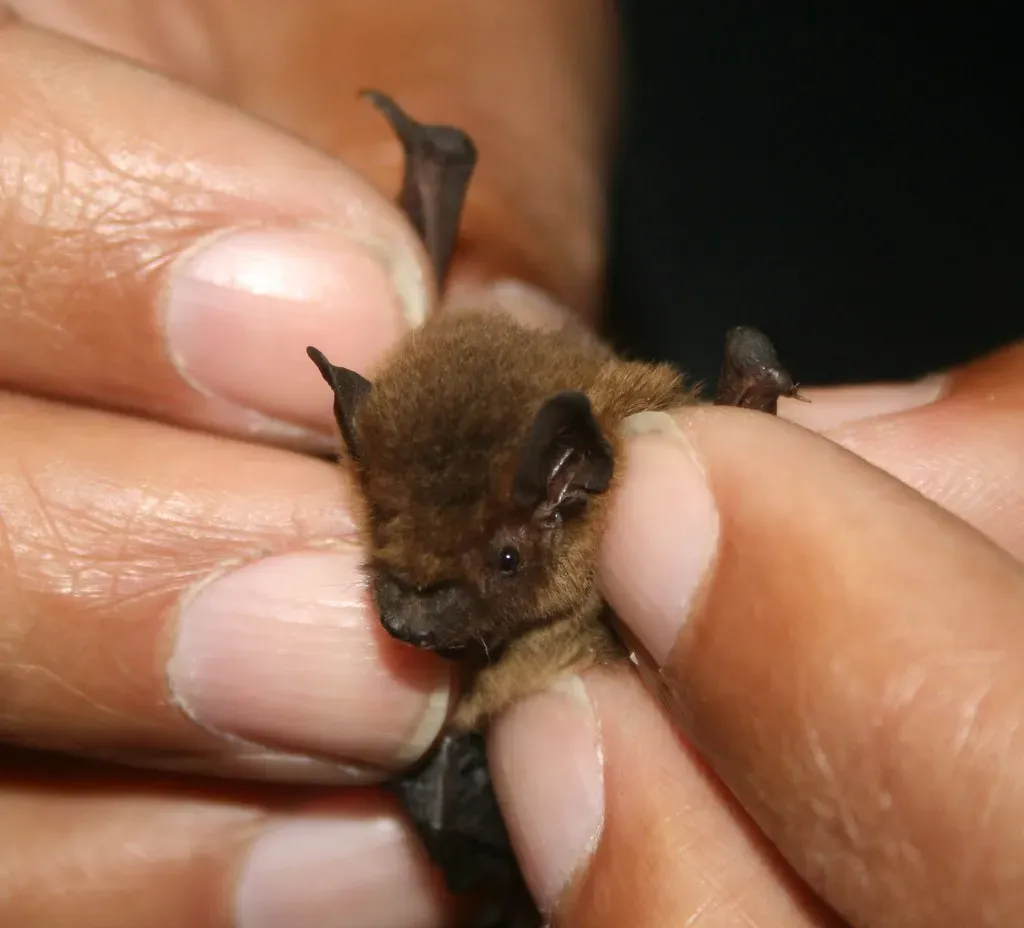
When the sun goes down, bats take over insect control duties across American skies. A single bat can eat thousands of insects in one night, including agricultural pests like moths, beetles, and mosquitoes. The economic value of this pest control service is estimated in the billions.
Bats are found throughout North America, even in densely populated areas. As a keystone species, bats support the health of the ecosystem and biodiversity. Along with dispersing seeds and pollinating plants, bats also help keep insect and arthropod populations under control.
In the southwestern United States, bats pollinate cacti and agave plants, including the agave used to make tequila. Without bats, these plants would struggle to reproduce. Bats also disperse seeds for many fruit-bearing plants, helping forests regenerate after disturbances.
The decline in bat populations due to white-nose syndrome, a fungal disease, has devastated some species. Caves that once housed millions of bats now hold only a fraction of their former populations. This loss means more insects survive to damage crops and spread disease.
Farmers are starting to recognize the value of bats and are installing bat houses to encourage them. It’s a win-win situation. Bats get roosting sites, and farmers get natural pest control without resorting to chemical pesticides that can harm other wildlife.
Gopher Tortoises: The Burrow Builders
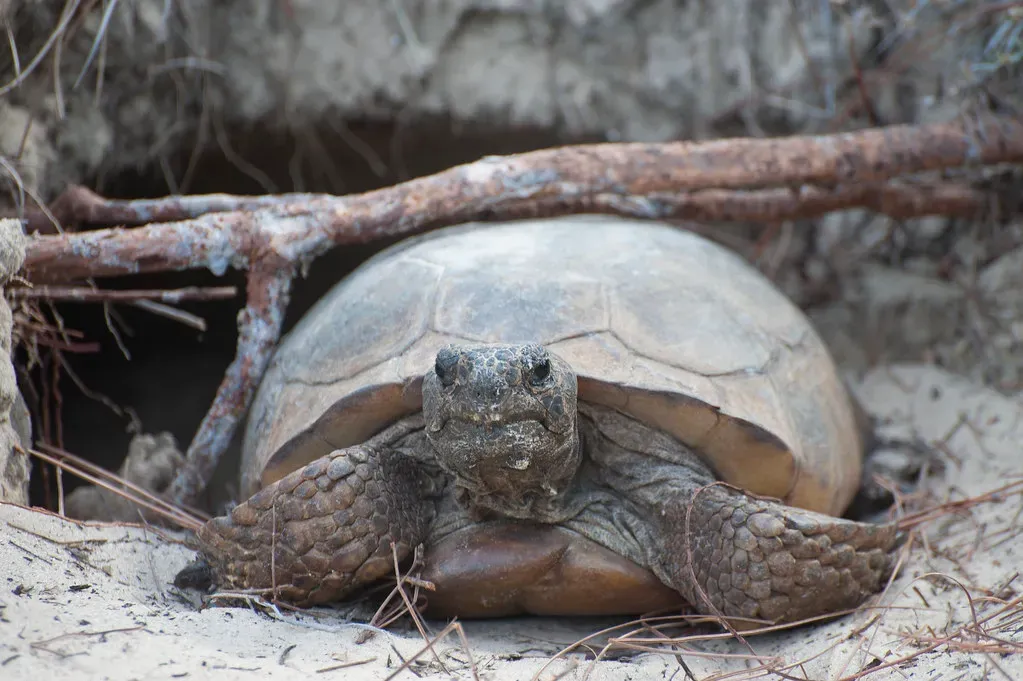
This tortoise species is one of only 5 in North America and the only one found east of the Mississippi River. Like many other tortoise species, these animals are known for their burrows and will spend a lot of their time in them. These burrows are the reason these animals are keystone species. Their burrows are sheltered for themselves as well as over 350 other species.
The longleaf pine ecosystems of the Southeast depend heavily on gopher tortoises. Their burrows, which can extend thirty feet or more underground, provide refuge from fire, predators, and extreme temperatures. During wildfires, which are natural and necessary in these ecosystems, animals retreat into tortoise burrows to survive.
These include the eastern indigo snake and the burrowing owl among many others. Some of these species are threatened or endangered themselves, making tortoise burrows even more critical for their survival.
The tortoises also help disperse seeds through their droppings. They eat a variety of grasses and fruits, and their digestive system actually helps some seeds germinate better after passing through. As they wander their territories, they’re planting future vegetation.
This species, however, is regionally threatened due to its declining population. This is largely due to habitat loss and destruction due to urban development, but improper land management and increased car collisions play a role as well. Protecting gopher tortoises means protecting hundreds of other species that depend on them.
Sharks: The Ocean’s Balance Keepers
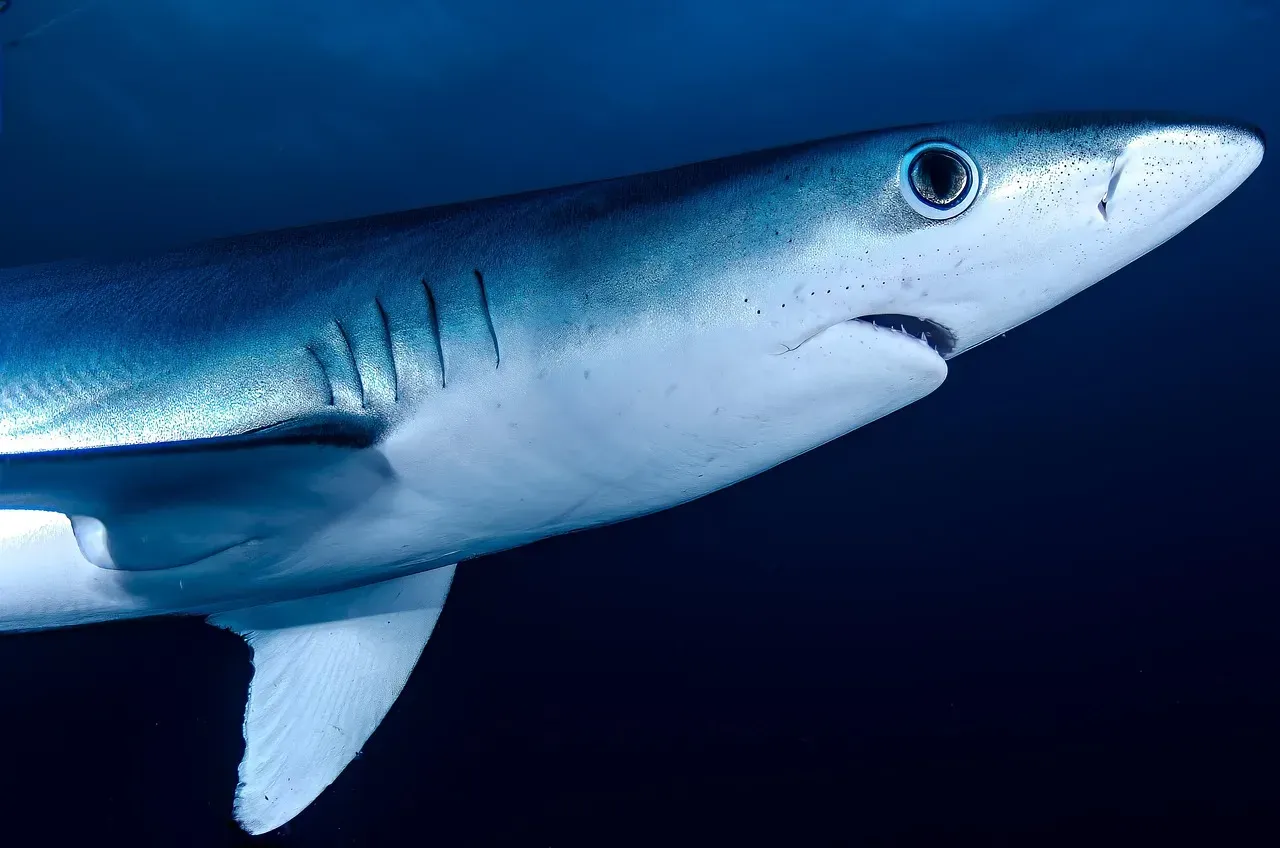
Predators help control the populations of prey species, which in turn affects the quantity of plants and animals further along the food web. Sharks, for example, often prey upon old or sick fish, leaving healthier animals to flourish. Simply by their presence near sea grass beds, sharks are able to keep smaller animals from overgrazing and wiping out the grass.
This behavior of targeting weaker individuals actually strengthens prey populations over time. It’s natural selection in action, ensuring that the strongest, healthiest fish survive to reproduce. Sharks are performing a quality control function for entire fish populations.
Scientists in Australia observed that when tiger sharks were not near the grass beds, sea turtles – among tiger sharks’ favorite prey – tended to decimate them. But when tiger sharks patrolled the grass beds, the sea turtles were forced to graze across a much wider region. The fear of predation changes prey behavior in ways that benefit the entire ecosystem.
Seagrass meadows are incredibly important for carbon storage, coastal protection, and as nurseries for juvenile fish. When sharks keep grazers like sea turtles moving, the seagrass stays healthy and continues providing these services.
Shark populations worldwide have declined dramatically due to overfishing, particularly for shark fin soup. The removal of these apex predators has cascading effects throughout marine ecosystems, leading to imbalances that can take decades or longer to correct.
Purple Sea Stars: The Tidepool Regulators
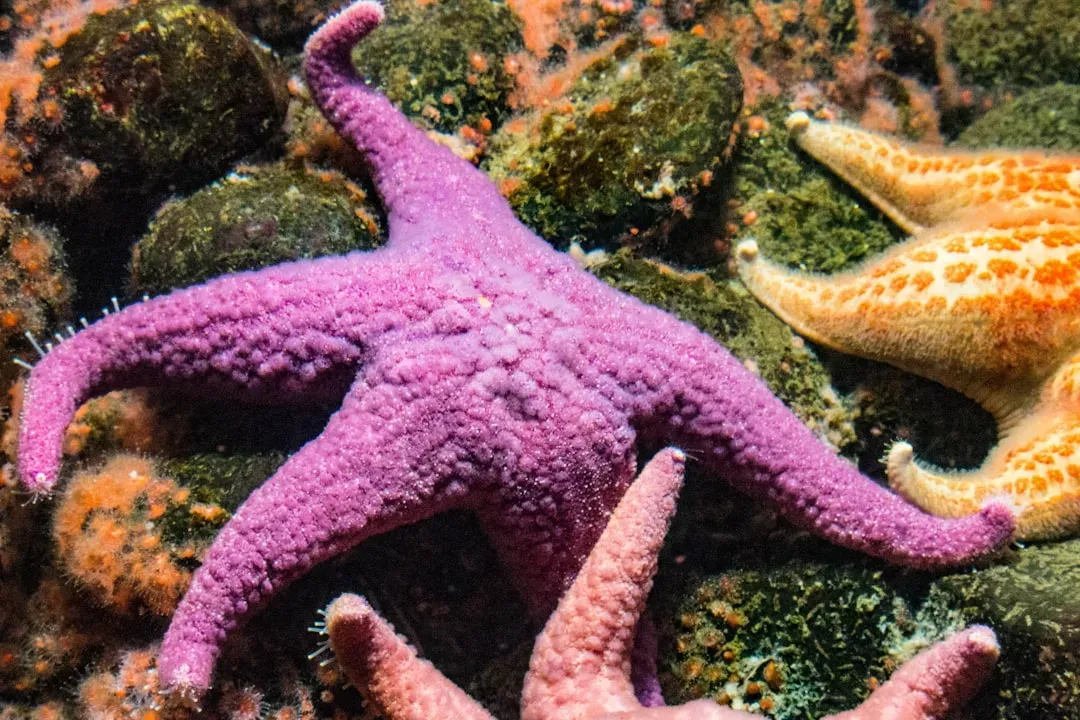
American zoology professor Robert T. Paine’s research showed that removing a single species, the Pisaster ochraceus sea star, from a tidal plain on Tatoosh Island in the U.S. state of Washington, had a huge effect on the ecosystem. Pisaster ochraceus, commonly known as purple sea stars, are a major predator of mussels and barnacles on Tatoosh Island.
This research literally created the concept of keystone species. When Paine removed sea stars from experimental plots, mussels quickly dominated, crowding out all other species. Tidepools that had been diverse ecosystems became mussel monocultures. Put the sea stars back, and diversity returned.
The sea star / starfish preys primarily on mussels, playing a crucial role in controlling the mollusks’ populations and preventing them from dominating the ecosystem. by doing so, this keystone species maintains the ecological balance in its intertidal community by allowing a variety of marine organisms to thrive.
Mussels are incredibly efficient at claiming space on rocks. Without sea stars to keep them in check, they form dense beds that exclude barnacles, sea anemones, algae, and all the creatures that depend on those organisms. One predator maintains space for dozens of species.
Sadly, sea star wasting disease has devastated populations along the Pacific Coast in recent years. The loss of sea stars has allowed sea urchin populations to explode in some areas, contributing to kelp forest decline. This shows how vulnerable even keystone species can be to disease and changing ocean conditions.
Conclusion: The Web of Life Depends on Keystones
Walking through an American forest, prairie, or along a coastline, it’s easy to see individual animals and plants without recognizing the invisible threads connecting them. These twelve species illustrate something profound about how nature works. Ecosystems aren’t just collections of organisms living in the same place. They’re intricate networks where certain species hold disproportionate power to shape the entire community.
Keystone species play a critical role in maintaining the structure of an ecological community, affecting many other organisms in an ecosystem and helping to determine the types and numbers of various other species in the community. Without keystone species, the ecosystem would be dramatically different or cease to exist altogether.
The beauty and the fragility of these systems should humble us. When we protect beavers, we’re also protecting the fish, birds, amphibians, and insects that depend on wetlands. When we conserve prairie dogs, we’re saving black-footed ferrets, burrowing owls, and the grassland ecosystem itself. Conservation is never about just one species.
What strikes me most is how much we still have to learn. Scientists continue discovering new connections and dependencies within ecosystems. The more we understand, the clearer it becomes that protecting biodiversity isn’t optional, it’s essential.
So next time you see a beaver dam, or hear about wolf reintroduction, or watch a bee visiting flowers, remember that you’re witnessing ecosystem engineering in action. These animals are doing work that humans couldn’t replicate at any cost. What do you think about the role these creatures play? Have you encountered any of these keystone species in the wild? Their survival might be more important to your own future than you ever imagined.

- 10 Mind Blowing Facts About The Great White Shark - July 26, 2026
- Elephants Communicate With Each Other Using Sounds We Cannot Hear - July 26, 2026
- 10 Surprising Foods That Are Actually Good For Your Dog’s Health - July 26, 2026