

You’ve invested in beautiful wooden pieces that bring warmth and character to your home. Yet beneath that polished surface, there might be tiny invaders planning their next meal. Termites don’t knock before entering, and by the time most people notice them, they’ve already been dining on expensive furniture for months.
These destructive insects are responsible for billions of dollars in damage annually. What makes them particularly troublesome is their stealth. They can hollow out your favorite chair or antique dresser from the inside while leaving the exterior seemingly untouched. The good news is that protecting your wooden furniture doesn’t require industrial-strength chemicals or a complete home renovation. With some practical knowledge and consistent habits, you can keep these wood-munching pests at bay. Let’s dive into how you can safeguard your wooden treasures before they become termite buffets.
Choose the Right Wood and Treatment from the Start
High-quality plywood that is boiling water resistant (BWR) can resist moisture and consequently termites through chemical treatment. When purchasing new furniture or commissioning custom pieces, asking about the wood type matters more than most people realize. Termite-resistant wood like cedar, redwood, or juniper are less appetizing to termite colonies.
If you’re buying furniture made from regular wood, don’t leave it unprotected. It is recommended to use an anti-termite sealer or a basic wood preservative on the surface once a piece of furniture has been made using raw wood. Think of it as insurance for your investment.
Laminating the insides of wardrobes and drawers provides extra protection against termites. This additional layer creates a barrier that makes it harder for termites to access the wood underneath. Sometimes spending slightly more upfront saves you from heartache and replacement costs down the road.
Keep Moisture Away from Your Wooden Furniture
Here’s the thing about termites: they absolutely love damp environments. Moisture in wooden furniture is a sure way to attract termites. That’s why where you place your furniture and how you maintain it can make all the difference.
Don’t store your furniture anywhere damp, like a crawlspace or garage. Basements with poor ventilation are equally problematic. Never clean wooden furniture with water or another liquid, but instead clean it with a dry cloth. I know it sounds crazy, but that spray bottle of cleaning solution could be creating the perfect termite habitat.
It is important to make sure that areas prone to high moisture and humidity like kitchens and bathrooms are ventilated well and kept as dry as possible, with cross ventilation being a great way to reduce moisture content. If your wooden furniture sits on a porch or patio, pay extra attention during rainy seasons. A simple waterproof coating applied annually can work wonders for outdoor pieces.
Apply Protective Polishes and Natural Barriers
Regular maintenance isn’t just about keeping furniture looking good – it’s about creating an environment termites want to avoid. Termite-resistant and oil-based varnishes and polishes can help keep termites away from wooden furniture when applied liberally all over the furniture, especially on the base and legs, creating a protective coat that’s hard and shiny.
Wooden furniture should regularly be polished or painted to prevent termite infestation, ideally every five years, with oil-based varnish including the base working as a protective coating. Honestly, this seems like a lot, but considering the alternative of replacing entire pieces, it’s worth the effort.
For a home remedy alternative against termites, you can use olive oil and white vinegar mixed together and applied on wooden furniture, easily making the mixture at home and applying an even coating. The aloe gel creates a barrier that termites can’t and will never cross. These natural options work surprisingly well and don’t introduce harsh chemicals into your living space.
Recognize Early Warning Signs of Termite Presence
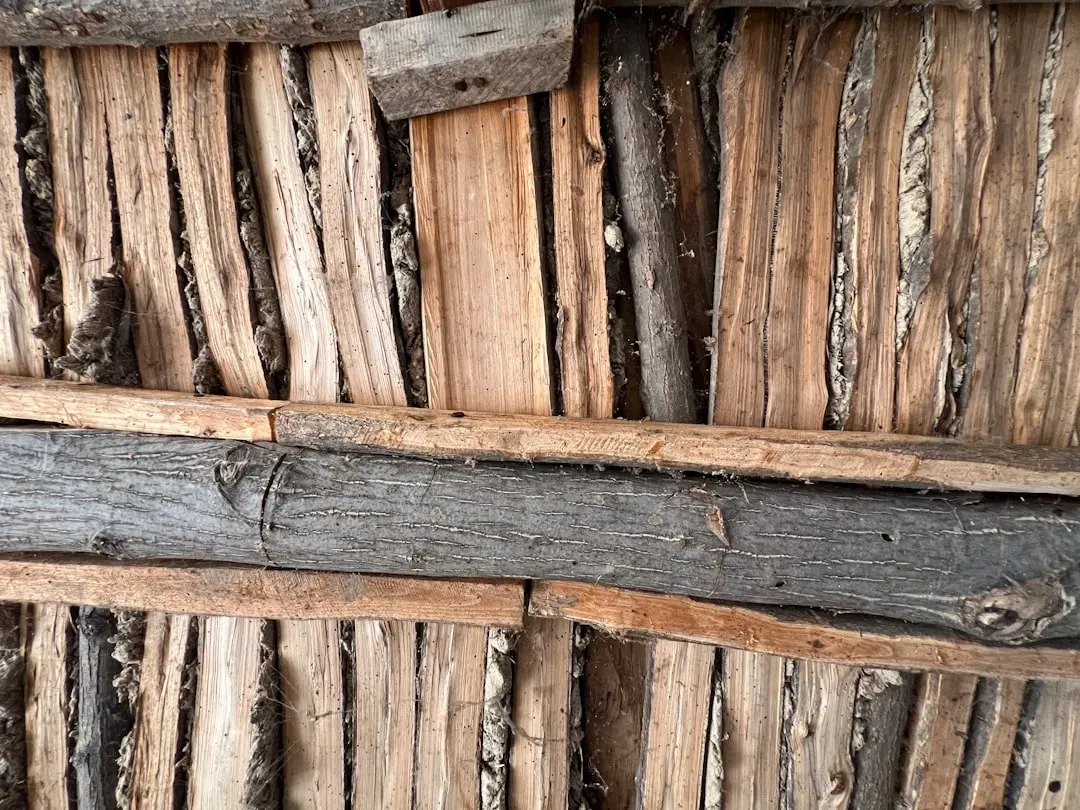
Let’s be real – you won’t always see termites themselves before damage occurs. Because drywood termite colonies are small and contained entirely inside the wood, they leave very few tell-tale signs of their activity, though you might see discarded wings or notice termite droppings, known as frass, which looks something like sawdust.
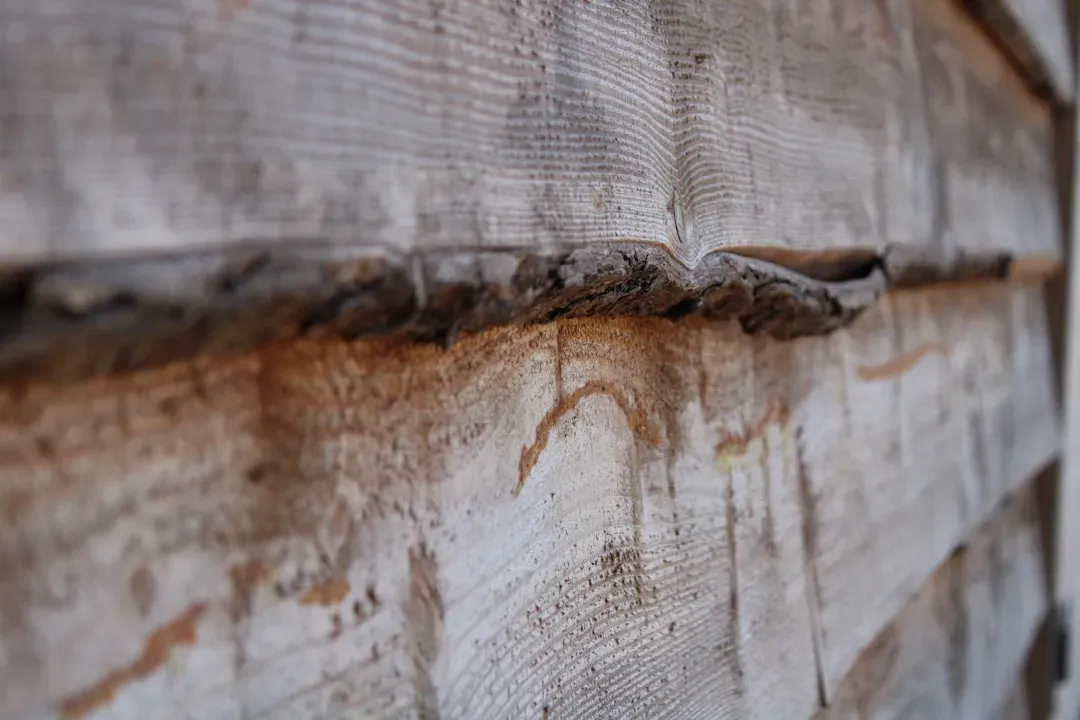
Some indicators include tiny pinholes, rippled or uneven surfaces, chipped and patchy areas, and small piles of sawdust beneath the furniture. Gently tapping wooden furniture can reveal hollow areas, as termites consume wood from the inside, leaving a thin veneer or surface layer, with a hollow sound often indicating internal damage and a potential termite infestation.
If you notice mud tubes on the walls near where you’re storing your furniture, you may have an infestation in the furniture as well. Those pencil-thin tubes aren’t decorative – they’re highways for subterranean termites. Check furniture legs, undersides, and any areas that remain undisturbed for extended periods.
Use Sunlight and Temperature as Natural Weapons

Sunlight works as a natural disinfectant and most importantly termites do not like light and heat. If you suspect a piece has been compromised, moving it outdoors can be surprisingly effective. Try leaving the furniture out in strong sunlight for about two days to help drive the termites out and also get rid of the moisture.
You can also use sunlight to halt termite infestation in wooden furniture, as the same way that laying out furniture under the sun dries it, termites can’t survive without moisture. It’s hard to say for sure, but I’ve heard from several people who’ve saved furniture this way before resorting to professional treatment.
Just keep in mind that prolonged sun exposure can fade wood finishes. This method works best for suspected early infestations or as a preventive measure when bringing secondhand furniture into your home. Rotate the piece to ensure all sides get adequate exposure.
Know When to Call Professional Help
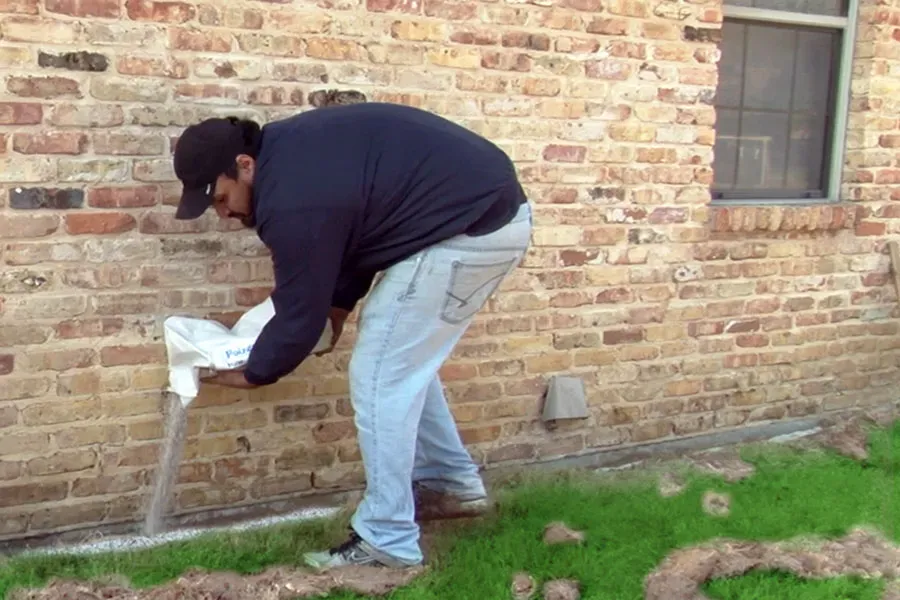
Sometimes DIY methods simply aren’t enough. Treating the termite infestation is not an easy job, as only a termite control expert can fully analyze the problem and then provide a suitable solution, hence it is best to opt for preventive measures when you have the chance. It’s recommended that pest control should be done every two years.
Various treatment options exist for drywood termites, including whole-structure fumigation, spot treatments, and preventative treatments like surface sprays, borate wood treatments, and bait stations. Professional services have access to specialized equipment and treatments that penetrate deeper than anything available to consumers.
Most pesticides used for home pest control are toxic, though there are companies now offering non-toxic chemicals and safer options for homes so there is less risk to people and pets. Don’t wait until the damage becomes severe – early professional intervention costs significantly less than structural repairs or furniture replacement.
Conclusion
Protecting your wooden doesn’t require paranoia, just awareness and consistency. From choosing the right materials and applying protective coatings to controlling moisture and recognizing warning signs, these strategies form a comprehensive defense against these silent destroyers. Natural remedies like vinegar-oil mixtures and sunlight exposure offer accessible first lines of defense, while professional treatments provide backup when needed.
The key takeaway is prevention beats cure every single time. Regular inspections, proper placement away from moisture, and routine maintenance with termite-resistant polishes can save you thousands in replacement costs and preserve the beauty of your wooden pieces for generations. What would you have guessed – that something so small could cause such big problems? Now you know how to fight back. Have you checked under your favorite wooden chair lately?

- 12 Surprising Facts About Reindeer - July 30, 2026
- 10 Common Bird Feeder Mistakes That Could Harm Your Backyard Visitors - July 30, 2026
- How Beavers Are Naturally Restoring Wetlands and Preventing Flooding - July 30, 2026