
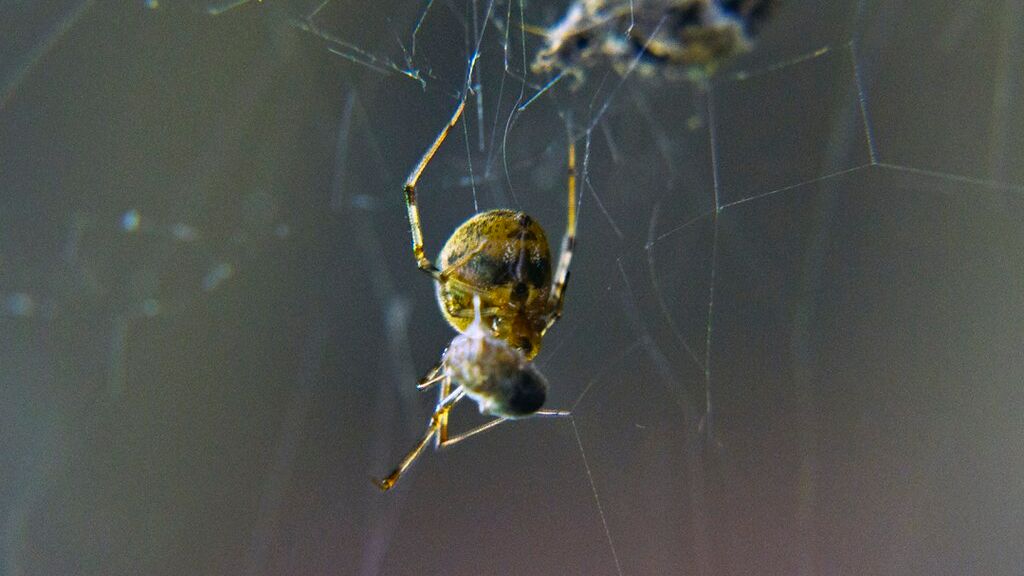
Nobody really wants to share their living space with dozens of eight-legged roommates. Here’s the thing: spiders are sneaky creatures that know how to stay out of sight, which means by the time you spot one scuttling across your floor, there could be dozens more hiding in the shadows. It’s hard to say for sure, but if you’ve been seeing spiders more frequently than usual, your home might be harboring a bigger problem than you think. Learning to recognize the warning signs can help you take action before things spiral out of control.
Multiple Webs Appearing Throughout Your Home

The most obvious clue that spiders have moved in is finding webs in multiple locations around your house. One web might not be a big deal, but seeing several in different areas, especially in unused corners, closets, or basements, could mean more spiders are lurking nearby. These sticky traps aren’t just decorations. Webs are funnel-shaped trapping mechanisms, with vibrations throughout the strand signaling to the spider that prey is present.
Pay close attention if you keep cleaning away webs only to find them reappearing in the same spots days later. If webs keep reappearing in the same places after cleaning, it’s a strong sign since spiders don’t want to give up a good place to catch food. Cobwebs are often empty and dusty, while spider webs are in active use, often holding egg sacs or wrapped insects being stored for food. That difference matters when you’re trying to figure out if you’re dealing with old dust or a living infestation.
Discovering Egg Sacs in Hidden Corners

Spiders lay roughly about one hundred eggs into a silken sac. These small white or cream-colored balls are often tucked away in protected spaces where you might not look regularly. Egg sacs can be in similar areas that spider webs are, including corners of rooms, basements, attics, garages, under eaves, in sheds, and behind furniture, suggesting that spiders are reproducing and attempting to establish a presence.
Let’s be real, finding even one egg sac should concern you. Egg sacs can contain hundreds of baby spiders in a single sac, and upon hatching, the babies will emerge to build their own nests and lay their own eggs. Once eggs hatch, hundreds of spiderlings can come out, crawling all over the walls and getting into tiny spaces, then spreading out due to their cannibalistic nature. One sac left untreated can quickly turn into a full-blown invasion.
Frequent Spider Sightings in Different Rooms
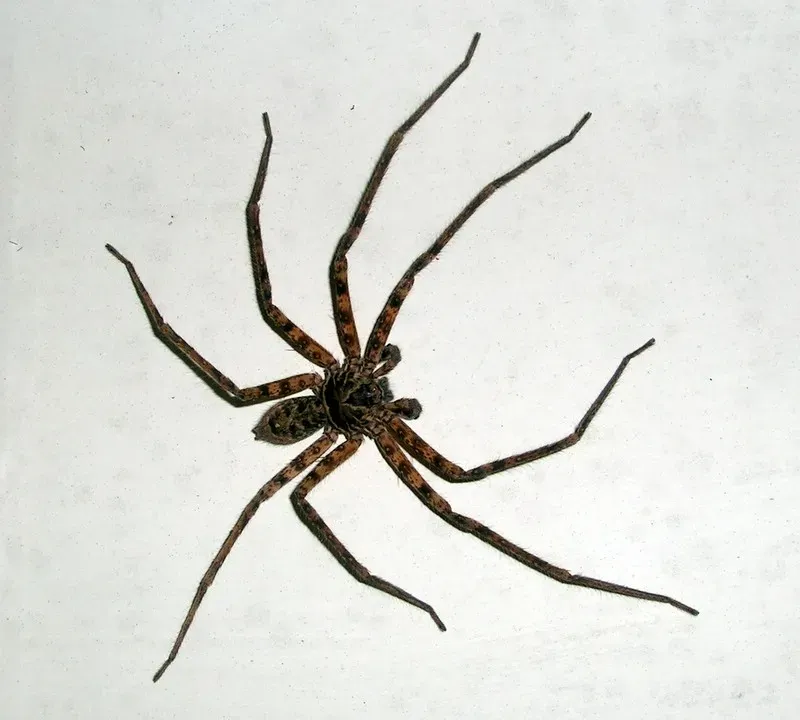
Spotting a single spider might just be a coincidence. Seeing them regularly in various parts of your home? That’s different. The sight of spiders scurrying across walls or floors is a visible indicator of high spider activity, and if you frequently find spiders in different areas, it could suggest a widespread presence. Spiders are generally shy and tend to stay hidden during the day, so spotting them out in the open suggests that there are more in less visible places.
Think about where you’re seeing them most often. Bathrooms, kitchens, basements, and storage areas are common hangouts, as many spiders prefer dark, moist environments like under sinks or near windows. If you’re consistently encountering spiders in your living room or bedroom – spaces you use daily – it’s worth investigating further. Seeing one spider likely means it’s living in your home and probably isn’t alone, as spiders come inside looking for food and dark places to hide, then stay and lay eggs, with most spiders found in homes born inside.
Small Dark Droppings on Walls and Floors
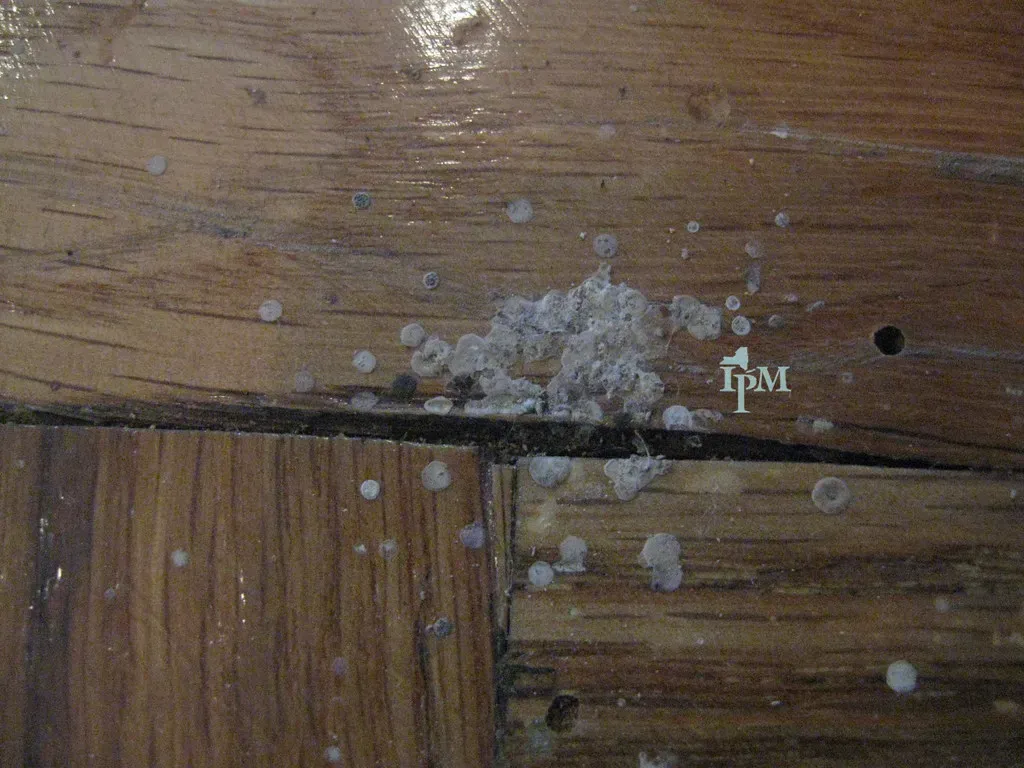
Here’s something most people don’t think to look for: spider droppings. I know it sounds bizarre, but spiders leave waste behind just like any other creature. Spider droppings are small black dots left in corners that often look like small black paint splatters, unnoticeable if you’re not looking. These droppings appear as small black or dark brown spots, often smeared, found on walls, floors, or surfaces where spiders frequently travel or rest, and spotting these marks in a specific area could point to a spider hiding nearby.
The really concerning part is what these droppings tell you about the level of activity happening behind the scenes. These small dots if left uncleaned can actually stain your baseboards or walls, and finding small black paint splatter within corners or in your attic is a safe bet that you have . While not dangerous themselves, these marks confirm spiders have been active in that area for some time.
An Unusual Increase in Other Insects
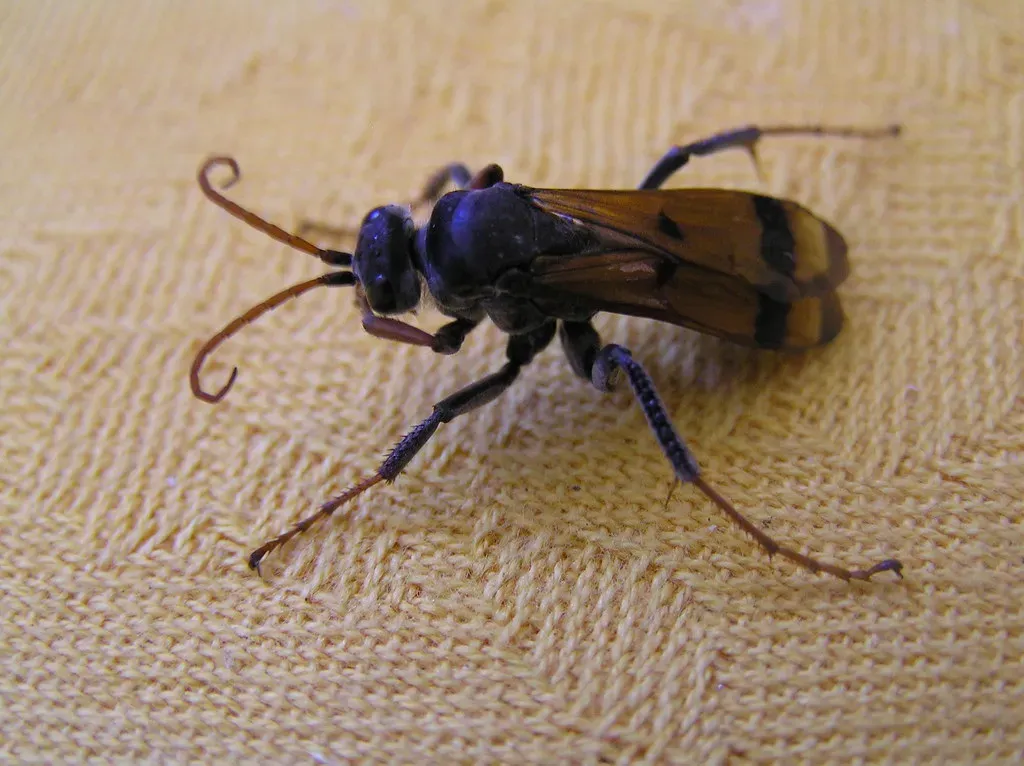
Spiders don’t just randomly choose homes to invade. They follow the food. Spiders follow their food source, so where there are insects, spiders are likely nearby. A sudden increase in flies, mosquitoes, ants, or other small bugs can attract spiders looking for prey. If you’ve been swatting away more flies than usual or noticed moths gathering around your lights, don’t be surprised if spiders show up next.
Spiders might come indoors because they’ve discovered insects in your house, as they’re mainly drawn to places where they can easily find prey, seeing homes with many insects as a perfect spot to catch food. Spiders’ preferred food source is flying insects, and considered natural indoor pest exterminators, they feed on flies, mosquitoes, and moths, though they’ll also capture roaches and earwigs, so large populations of these insects may have unknowingly attracted spiders. Ironically, if you stop seeing as many bugs suddenly, it might actually mean the spiders are doing their job too well.
Musty Odors in Certain Areas
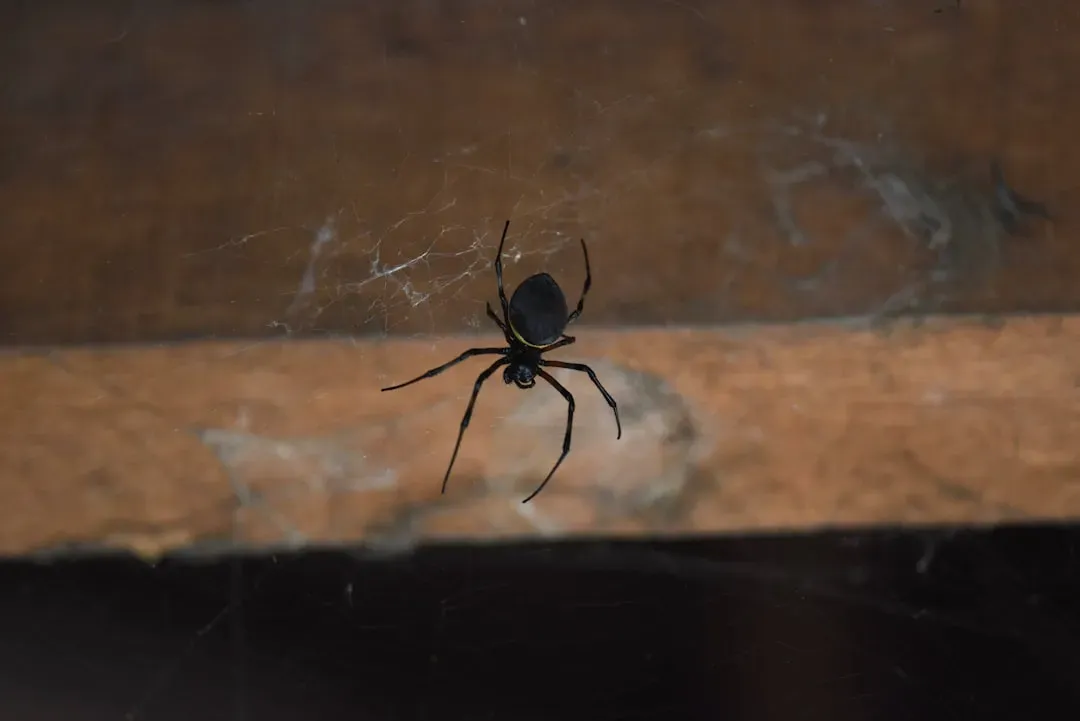
If you notice a musty odor in your home, it could indicate decaying prey left by spiders, with the source usually in the attic or basement where spiders often hide. This isn’t the most common sign, but it’s one that people often overlook. While the smell of spiders themselves isn’t what your nose may be picking up, musty odors often accompany their presence due to pheromones and other scents they emit to communicate with each other or mark their territory.
That strange, damp smell lingering in your basement or storage closet might not just be old boxes or poor ventilation. Combined with other signs like webs or sightings, it could point to a more serious spider problem. Honestly, if your home has developed such a scent, it’s time to investigate further rather than just masking it with air fresheners.
Conclusion: Taking Action Before It Gets Worse
Spider infestations don’t announce themselves with fanfare. They build quietly in forgotten corners, behind furniture, and in the spaces we rarely clean. The sooner you recognize the warning signs, the easier it becomes to regain control of your home. Whether it’s clearing out clutter, sealing entry points, or calling in professional help, taking action now can save you from dealing with hundreds of spiderlings later.
What surprised you most about these signs? Did you realize spider droppings were even a thing? Keep an eye out, stay vigilant, and remember that a clean, well-maintained home is your best defense against unwanted eight-legged guests.

- Dogs Can Understand Human Emotions Better Than We Think, New Studies Show - July 28, 2026
- 15 Emotional Signs You’ve Formed a True Bond With Your Dog - July 28, 2026
- What Is the Symbolism of the Bear as a Totem Animal - July 28, 2026