

In today’s fast-paced world, where urbanization and industrialization have encroached upon natural habitats, creating a garden that supports local wildlife is more crucial than ever. Transforming your garden into a vibrant habitat requires a keen understanding of both gardening techniques and the needs of local species. This approach not only beautifies your space but also gives back to the environment by fostering ecosystems right in your backyard.
Understanding the Importance of a Wildlife Garden

A wildlife garden serves multiple purposes beyond aesthetics. By mimicking natural environments, you support biodiversity and offer sanctuary to various species that otherwise struggle in urban areas. These gardens help combat ecosystem fragmentation, providing corridors for wildlife to thrive and re-establish population networks. This form of gardening helps curb environmental degradation and enriches our surroundings.
Assessing Your Garden’s Potential

Begin by evaluating your current garden layout, resource availability, and your local climate. Look at the types of spaces available—shaded, sunny, damp, or dry—and how they might be adapted for different species. It’s important to consider the existing plants, soil type, and other environmental factors that can support or hinder your habitat garden project.
Choosing the Right Plants

Selecting native plants is integral to nurturing local wildlife. Native species have evolved alongside local fauna, providing the natural food and shelter that non-native plants may fail to offer. Research local flora and select a diverse range of native species to attract different types of wildlife, from insects to birds and beyond.
Incorporating Nectar and Pollen Sources
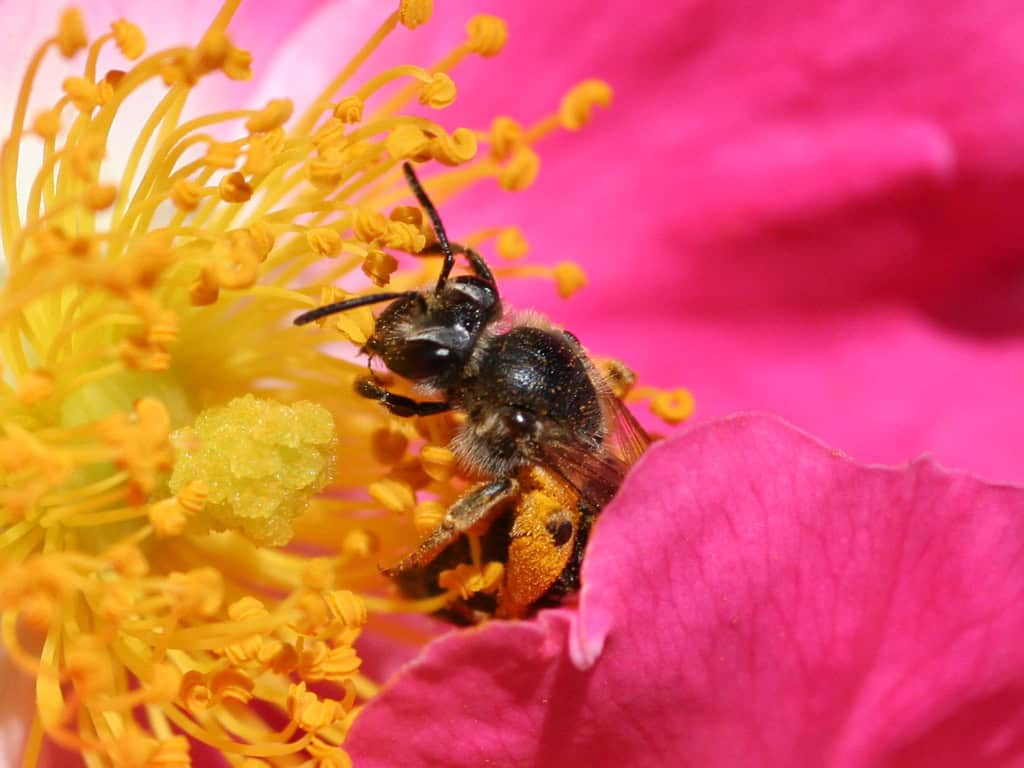
Butterflies, bees, and other pollinators are vital for any thriving garden ecosystem. Planting flowers rich in nectar and pollen, such as lavender, cone flowers, and salvias, attracts and sustains these essential species. Consider the blooming periods of your plants and aim for a year-round food supply to support pollinators throughout different seasons.
Creating Layers and Diversity
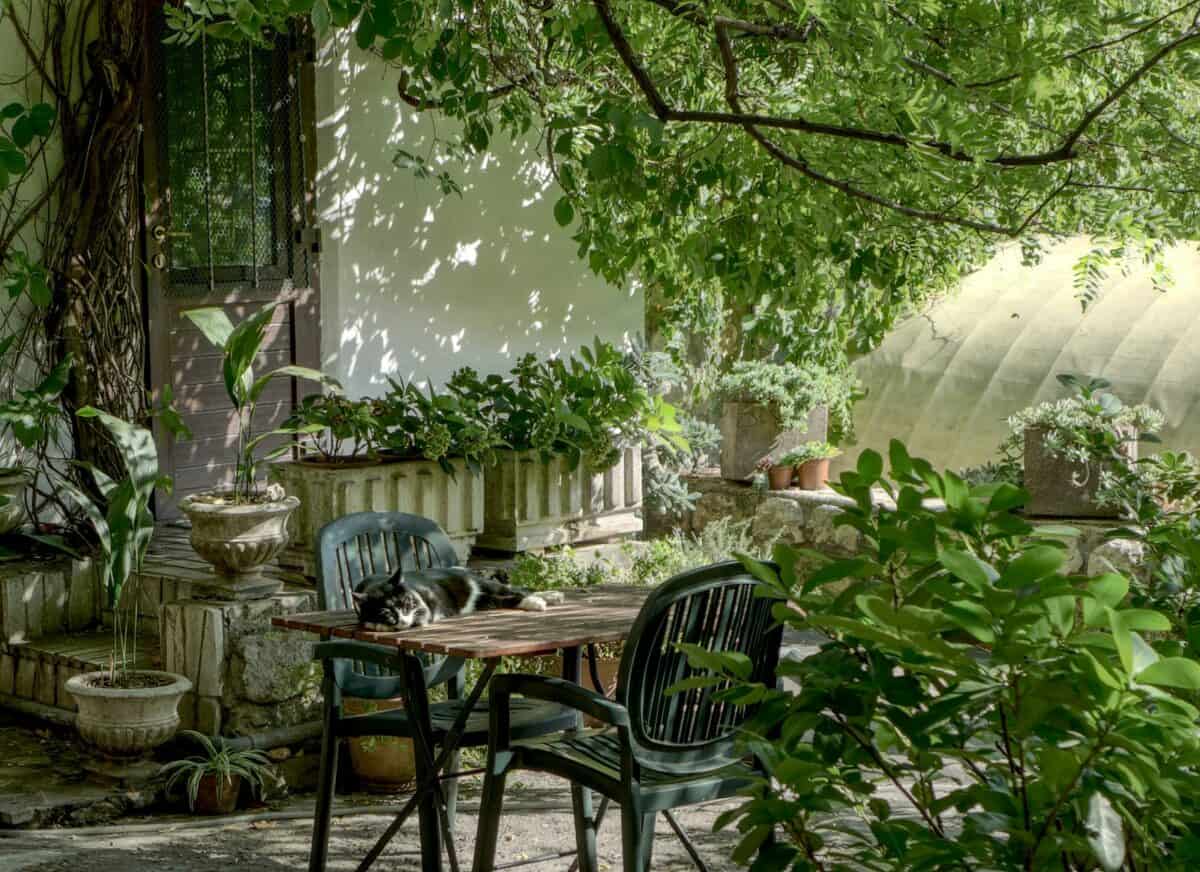
Diversity in plant structure is just as important as species diversity. Incorporating layers—tall trees, shrubs, and herbaceous plants—adds dimension to your garden and meets the diverse needs of various creatures. While tree roots and fallen leaves provide ground homes, canopy layers offer shelter and nesting sites for birds and insects.
Providing Water Sources
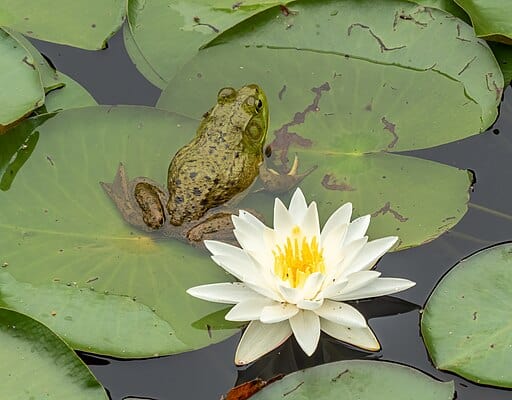
Water is a critical resource for wildlife. Consider adding a pond or water feature, which attracts amphibians, birds, and insects. Make sure there’s shallow access for smaller creatures and provide rocks or logs for landing and basking spots. Keep your water clean and change it frequently to prevent stagnation and mosquito breeding.
Implementing Shelter and Nesting Options
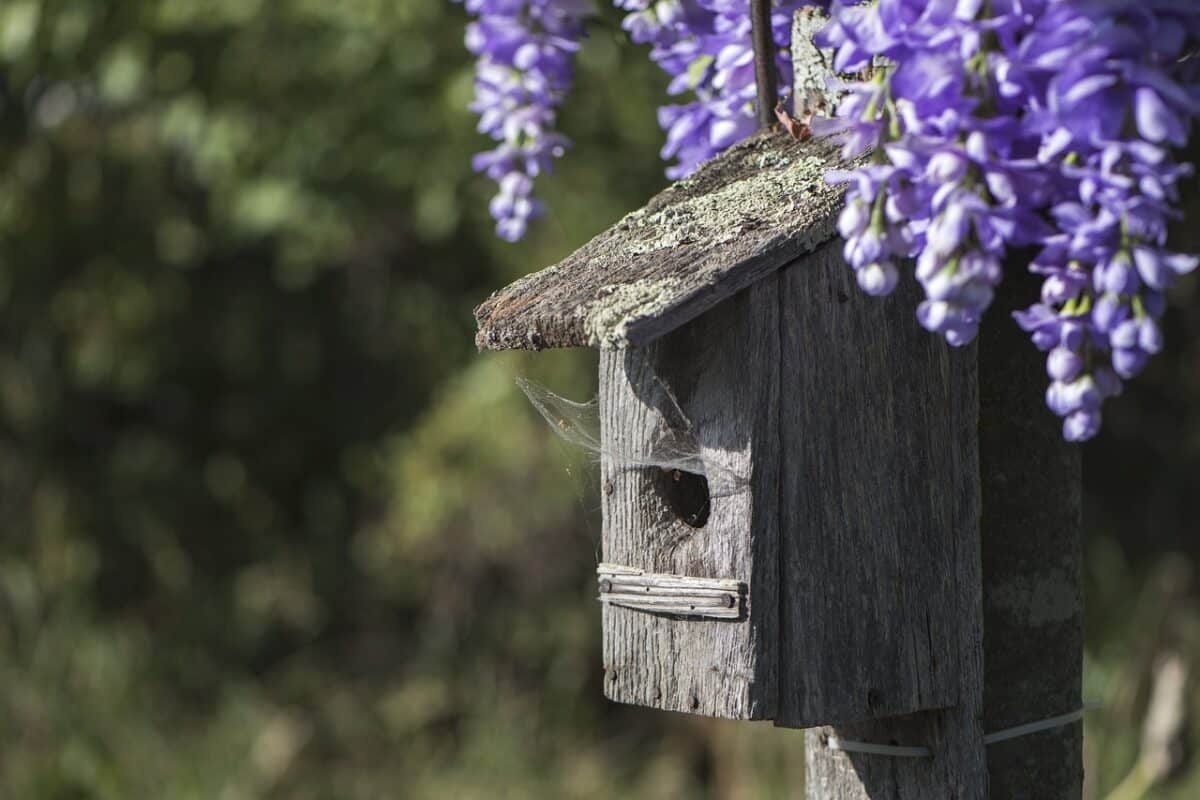
Ensure that garden visitors have access to safe havens. Leave some areas of your garden undisturbed with piles of logs, rocks, or brush, which provide essential cover and nesting spots for numerous creatures. Installing birdhouses or bat boxes can further enhance habitat options for specific species.
Maintaining an Eco-Friendly Space
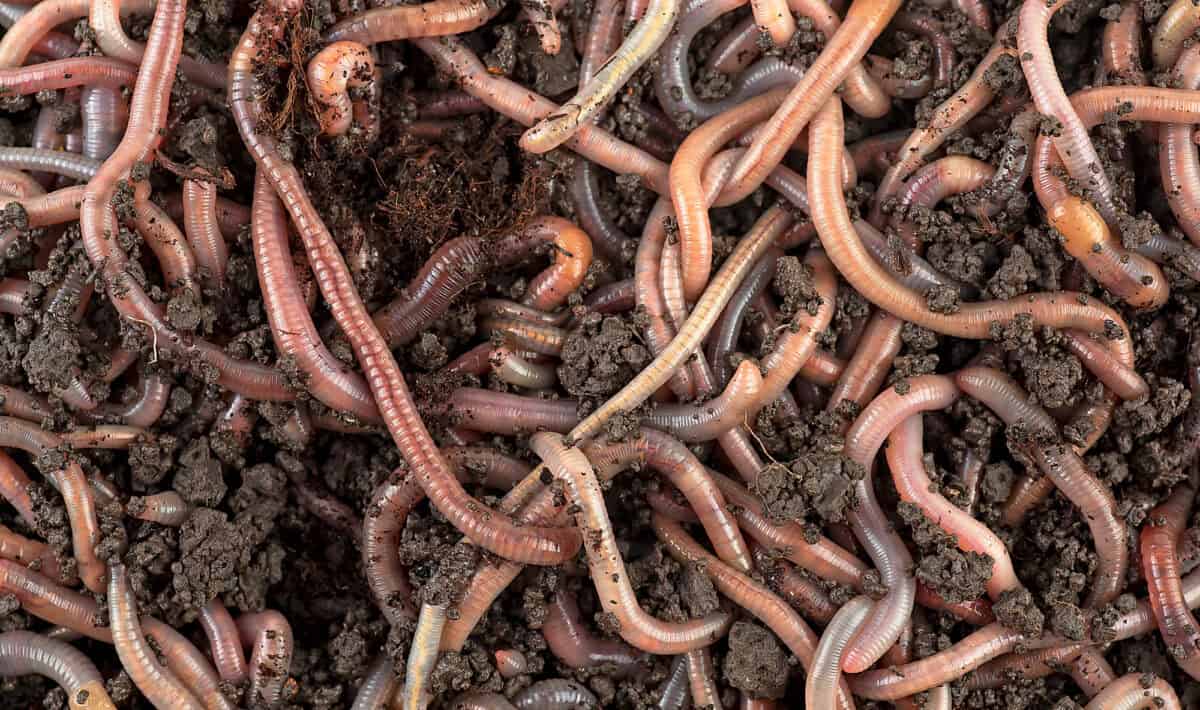
Avoid using pesticides and chemicals that could harm wildlife. Embrace organic gardening by using natural pest control methods like handpicking or introducing beneficial insects. Mulching and composting can enrich your soil naturally, promoting healthy plant growth without the need for artificial fertilizers.
The Role of Deadwood and Leaves
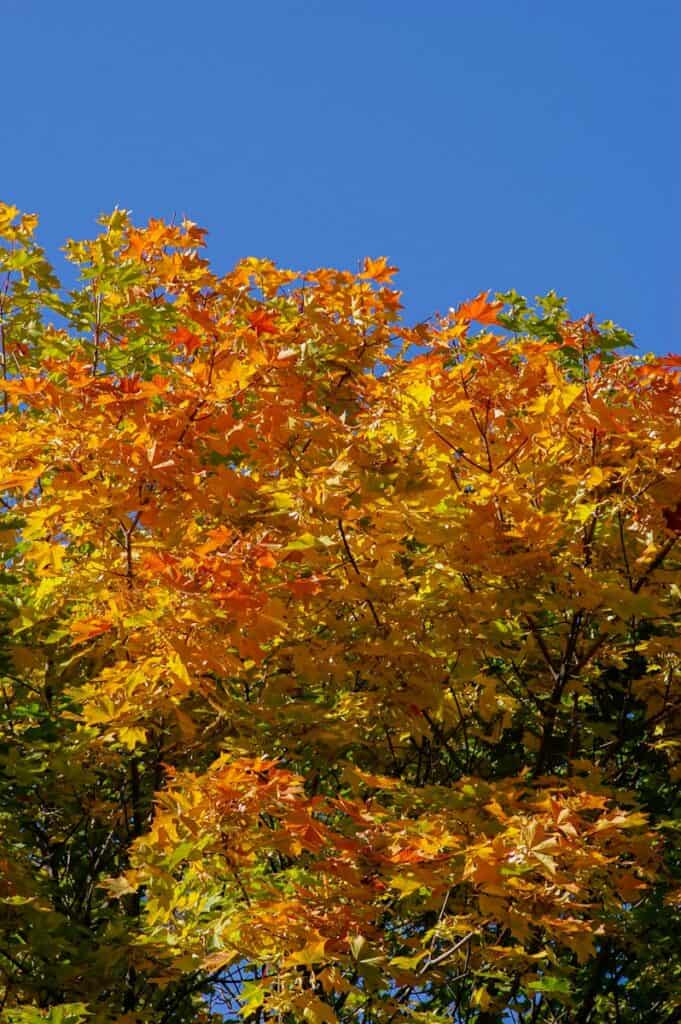
Deadwood and fallen leaves are often removed for aesthetic purposes, but they provide vital habitat for many species. Leave some deadwood in place to encourage fungi and invertebrate growth, and consider letting leaves decompose naturally, nourishing your soil while creating homes for ground-dwelling creatures.
Learning from Nature
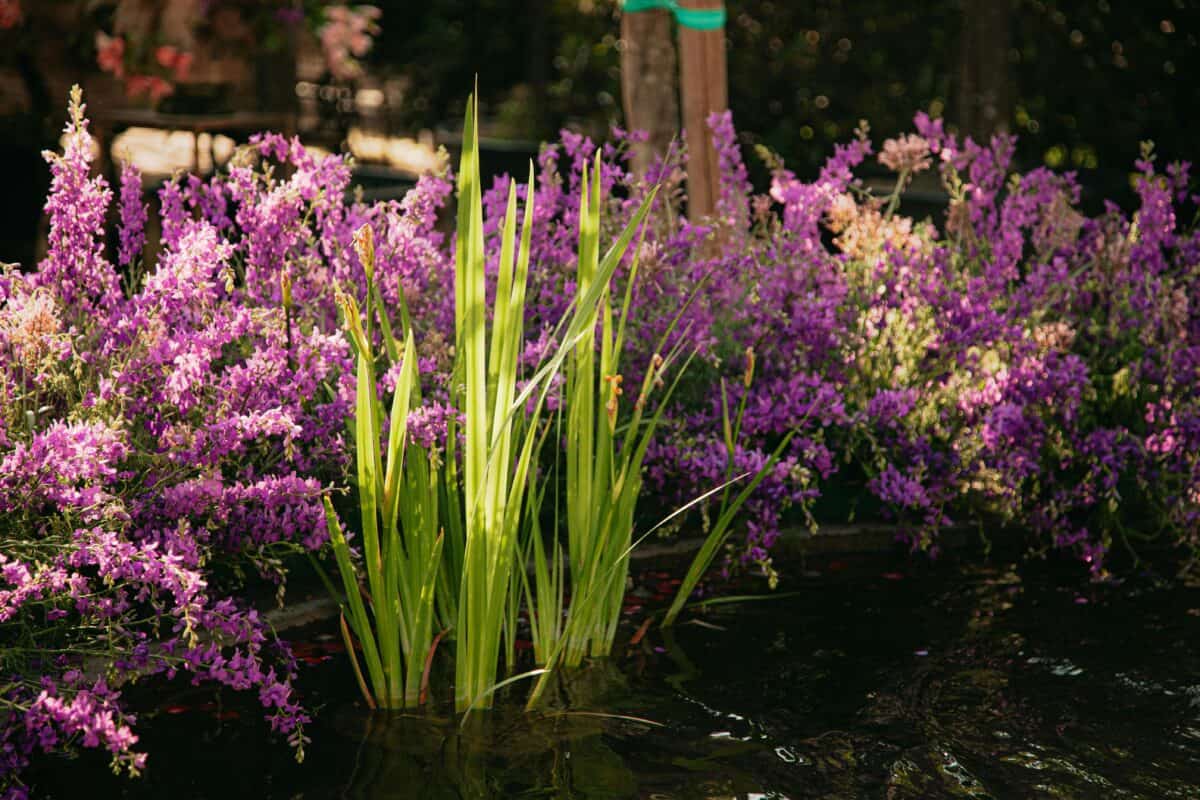
Observe natural ecosystems and apply these insights to your garden efforts. Nature thrives on balance and minimal interference, so aim to replicate this harmonious environment. Introduce plants and elements that naturally cohabit, supporting each other’s growth and the overall ecosystem’s health.
Engaging the Community
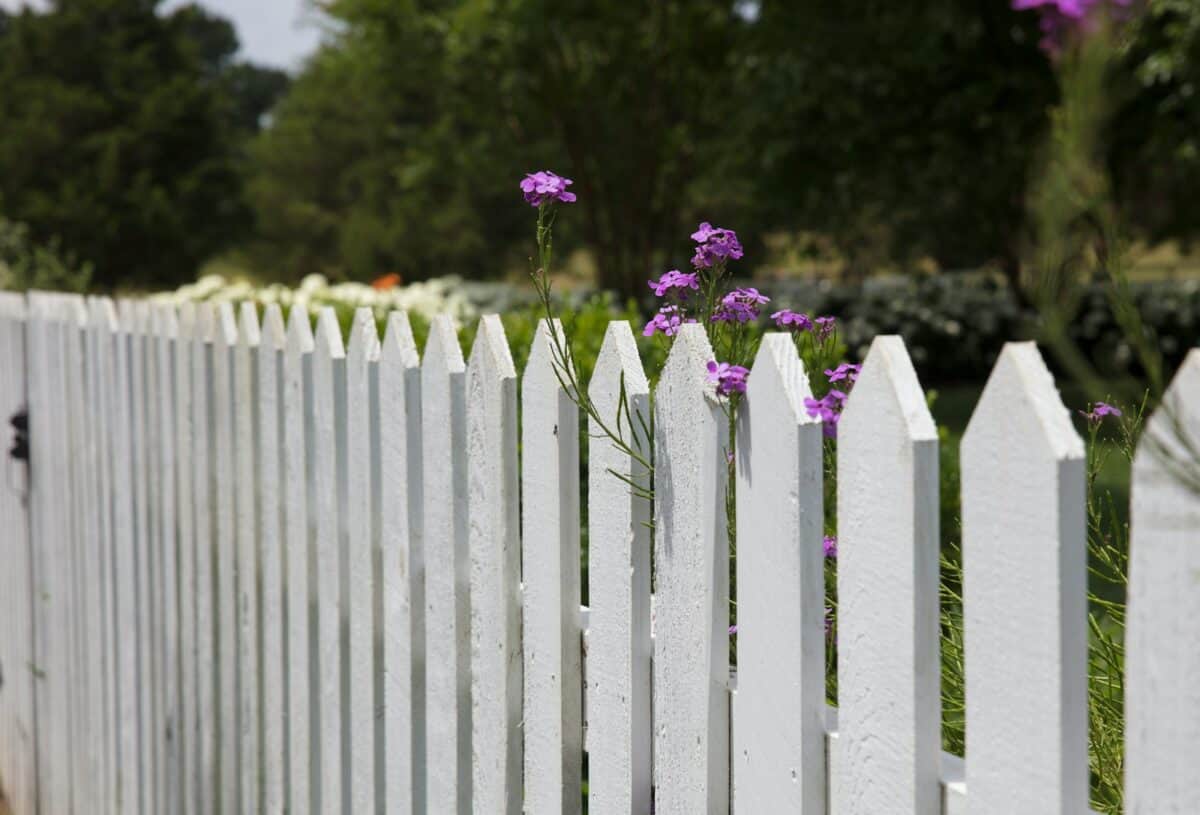
Transforming your garden into a habitat can extend farther than your own backyard. Involve neighbors and local communities to create corridors of habitats. Sharing resources, ideas, and plant cuttings helps those around you develop their own wildlife-friendly gardens, amplifying the environmental impact.
Enjoying the Benefits of a Habitat Garden

Ultimately, a garden that doubles as a habitat provides peace and reward. There’s joy in seeing fauna thrive in a space you’ve nurtured. Besides visual beauty and lively soundscapes, you enjoy knowing you’ve contributed positively to your surroundings, promoting ecological stability and a healthier planet.
In conclusion, creating a garden habitat is a rewarding endeavor that benefits both wildlife and humans. With careful planning and sustainable practices, you can turn your green space into a vibrant, living ecosystem that supports biodiversity and brings joy to your life and environment.
