
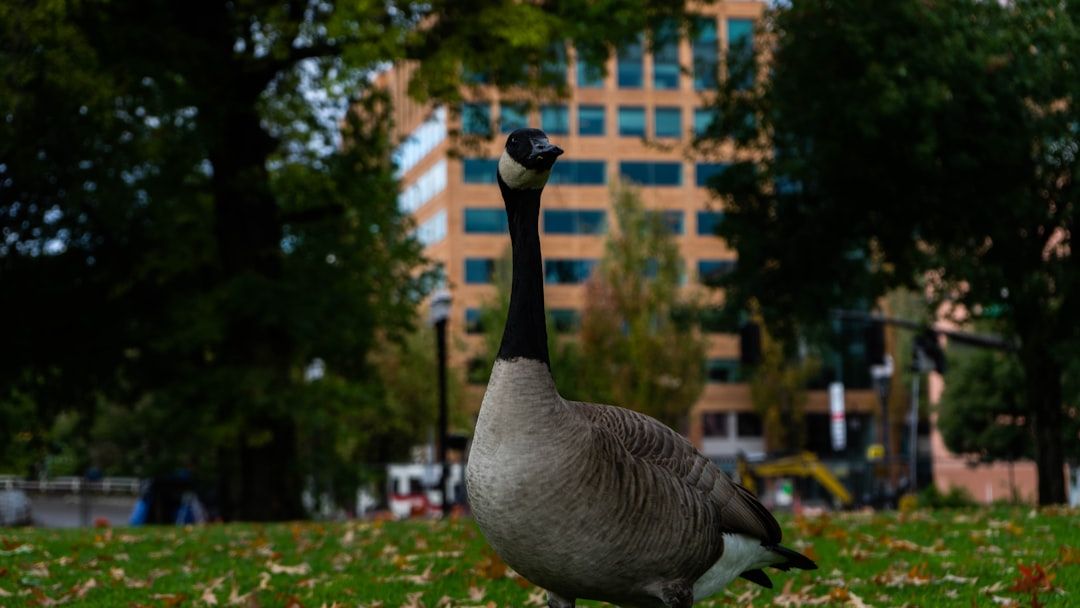
The crack of dawn in any major city brings with it a symphony of sounds. Birds calling from rooftops, raccoons retreating from dumpsters, foxes slipping through alleyways like phantoms. It’s easy to forget that beneath the hum of traffic and the glow of streetlights, an entire ecosystem is trying to survive.
Urban wildlife faces challenges most of us never consider. It’s not just about finding food or avoiding cars. These animals are navigating a world designed entirely for humans, and that world is changing faster than evolution can keep up. From scorching concrete that radiates heat long after sunset to the blinding glare of artificial lights that disrupt ancient migration patterns, city life demands adaptations that would have seemed impossible just a generation ago. Let’s dive into the unexpected hurdles these creatures face every single day.
The Relentless Heat Trap That Never Cools Down
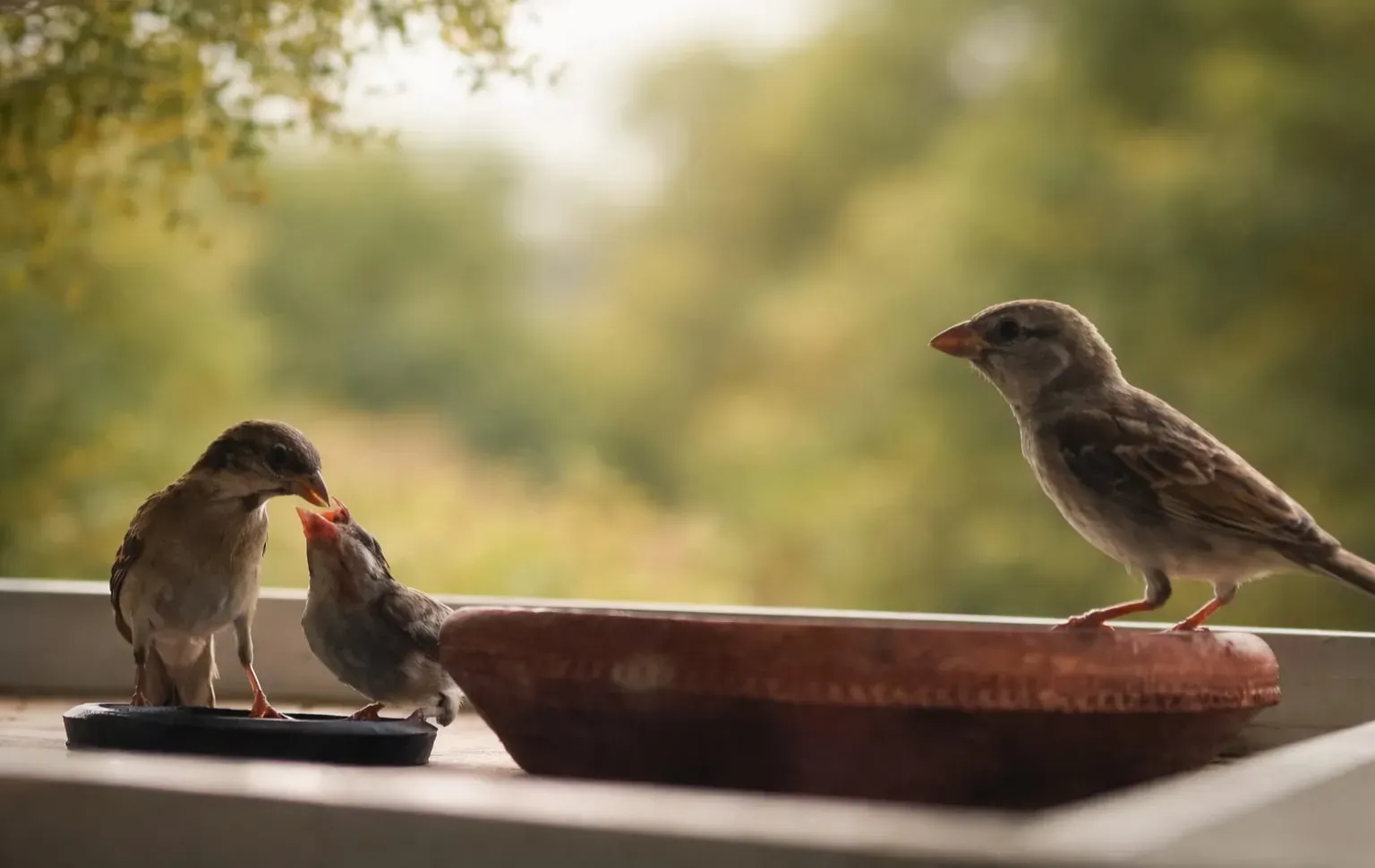
Cities trap heat by nature, creating urban heat islands that make them warmer than surrounding areas, posing significant challenges for wildlife, especially in cities already situated in warm climates. Think about walking barefoot on asphalt during summer. Now imagine being a small mammal with no choice but to traverse that scorching landscape daily.
Research based on trail camera data from 20 North American cities shows that urbanization’s negative effects on wildlife are tougher on larger-bodied animals and worse in less vegetated cities in drier regions, such as Phoenix and Salt Lake City. The concrete jungle isn’t just a metaphor. It’s a literal heat prison.
The increased heat in urban environments, coupled with the loss of green spaces, can create inhospitable conditions for many species, with asphalt and concrete surfaces absorbing and retaining heat, leading to higher nighttime temperatures that disrupt natural thermal rhythms. Animals that evolved to cool down at night suddenly find themselves in environments that stay hot around the clock. Due to urbanization, there is less tree coverage which drastically increases the mean temperature in urban habitats, making ectotherms like anole lizards that live in urban areas more likely to have warmer internal temperatures.
Some species are showing surprising resilience. Urban-dwelling tadpoles were found to have higher critical thermal maxima compared to their counterparts living in woodland ponds. Still, not every creature can adjust this quickly. The heat isn’t going away, and for many animals, it’s becoming the difference between survival and extinction.
Food That Looks Good But Destroys From Within
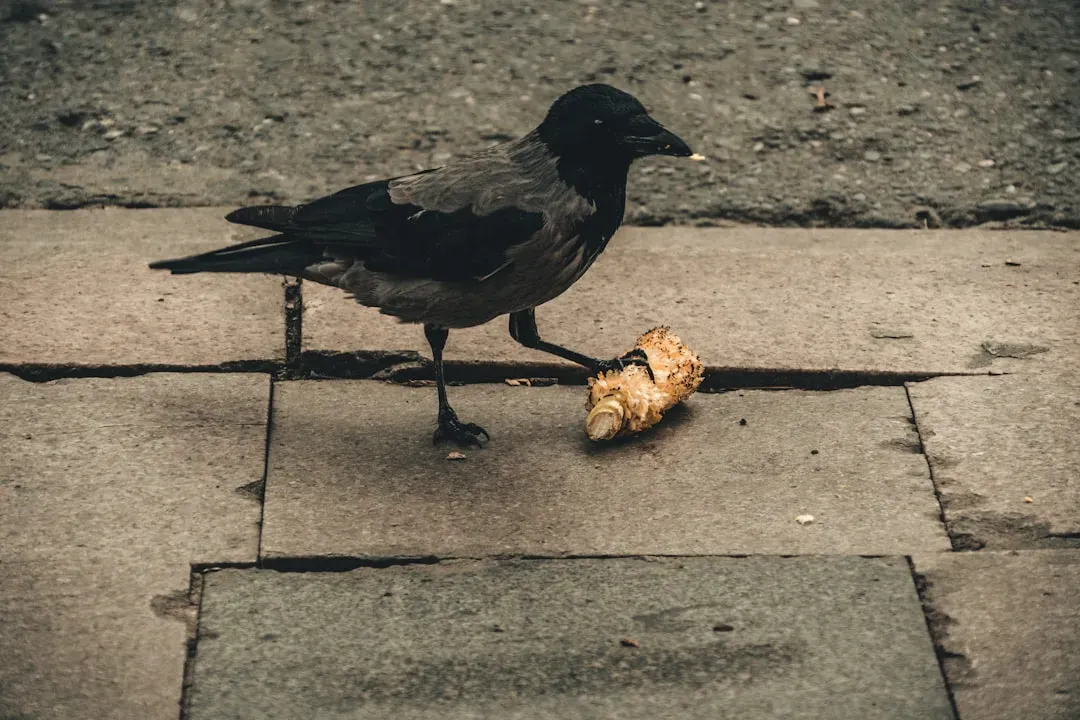
Here’s the thing about city food sources. They’re everywhere, which sounds great until you realize what’s actually on the menu. Many animals, including pigeons and squirrels, have adapted to eating food scraps and discarded items, which can sometimes lead to health issues but also indicates their ability to adjust to new food sources.
For some animals, urban areas are all-you-can-eat buffets with bugs, garbage, and prey animals to eat, and even humans who will feed them, sometimes meaning animals eat better in the city than they do in the wild, as gopher snakes in Paradise Valley, Arizona are consistently larger than their country cousins. In several towns around Lake Tahoe, urban bears pack on the pounds thanks to an abundance of trash and leftover food from humans and weigh almost a third more than rural ones.
Weight gain might sound harmless or even beneficial. It’s not. These animals are becoming dependent on unreliable, nutritionally poor food sources that can vanish overnight if waste management changes. They’re also getting bolder around humans, which rarely ends well.
The dietary shift goes deeper than just scavenging. Routine exposure to humans lessens animals’ fear of us, and the occasional handout teaches them to associate us with food. This creates a dangerous cycle where wildlife becomes increasingly brazen, leading to conflicts that typically result in the animal being relocated or killed. Nobody wins.
Traffic Lights and Survival Instincts Clash Daily
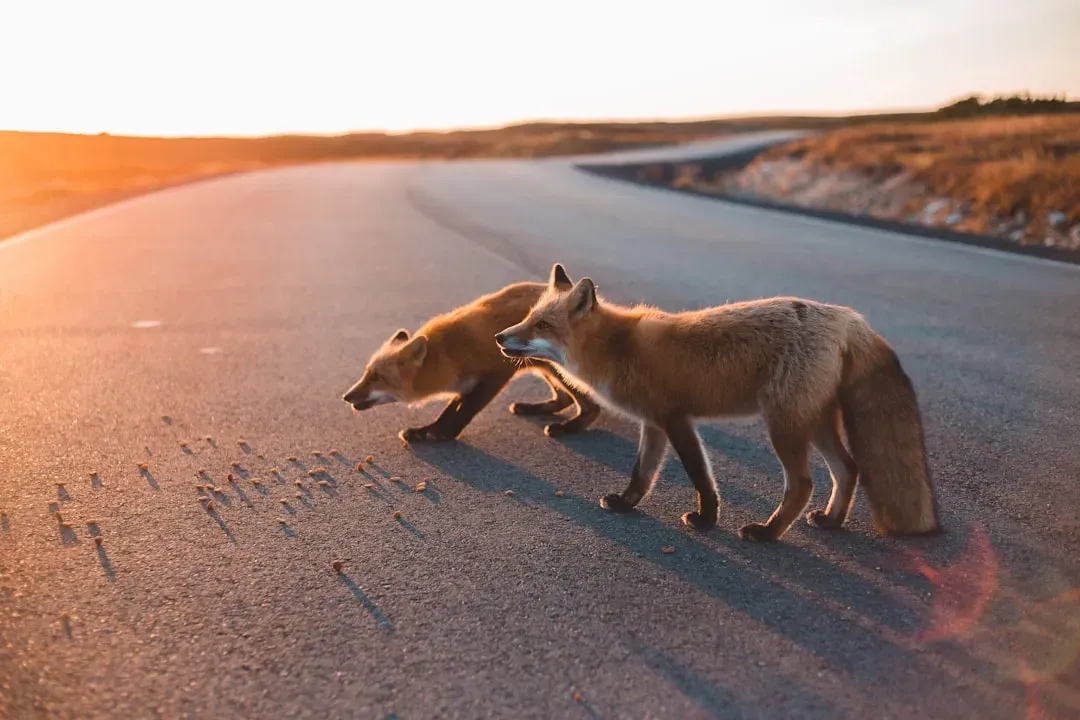
Honestly, it’s hard to imagine how disorienting our infrastructure must be for animals. Roads slice through territories. Vehicles move at speeds no natural predator ever achieved. Roadways and traffic pose significant risks to animals trying to navigate between green spaces.
Yet some species are learning. Collisions with cars may be the biggest killer of Chicago’s estimated 2,000 coyotes, but many have learned to sit patiently on the sides of roads and street corners waiting for traffic to stop at a red light. That’s not instinct. That’s observation and adaptation happening in real time.
City life isn’t easy for wildlife, as for most species it means losing their native habitats and navigating people, lights and traffic. The animals that survive are often the ones capable of rapid behavioral changes. But not every species has that flexibility. Ground-nesting birds, slow-moving reptiles, and nocturnal creatures unused to constant light pollution struggle far more than adaptable generalists like coyotes or raccoons.
Traffic represents more than just physical danger. It fragments habitats into isolated pockets, preventing gene flow between populations and reducing genetic diversity. Over time, this creates weaker, less resilient animal communities that are more vulnerable to disease and environmental changes.
Shrinking Territories and Forced Roommates
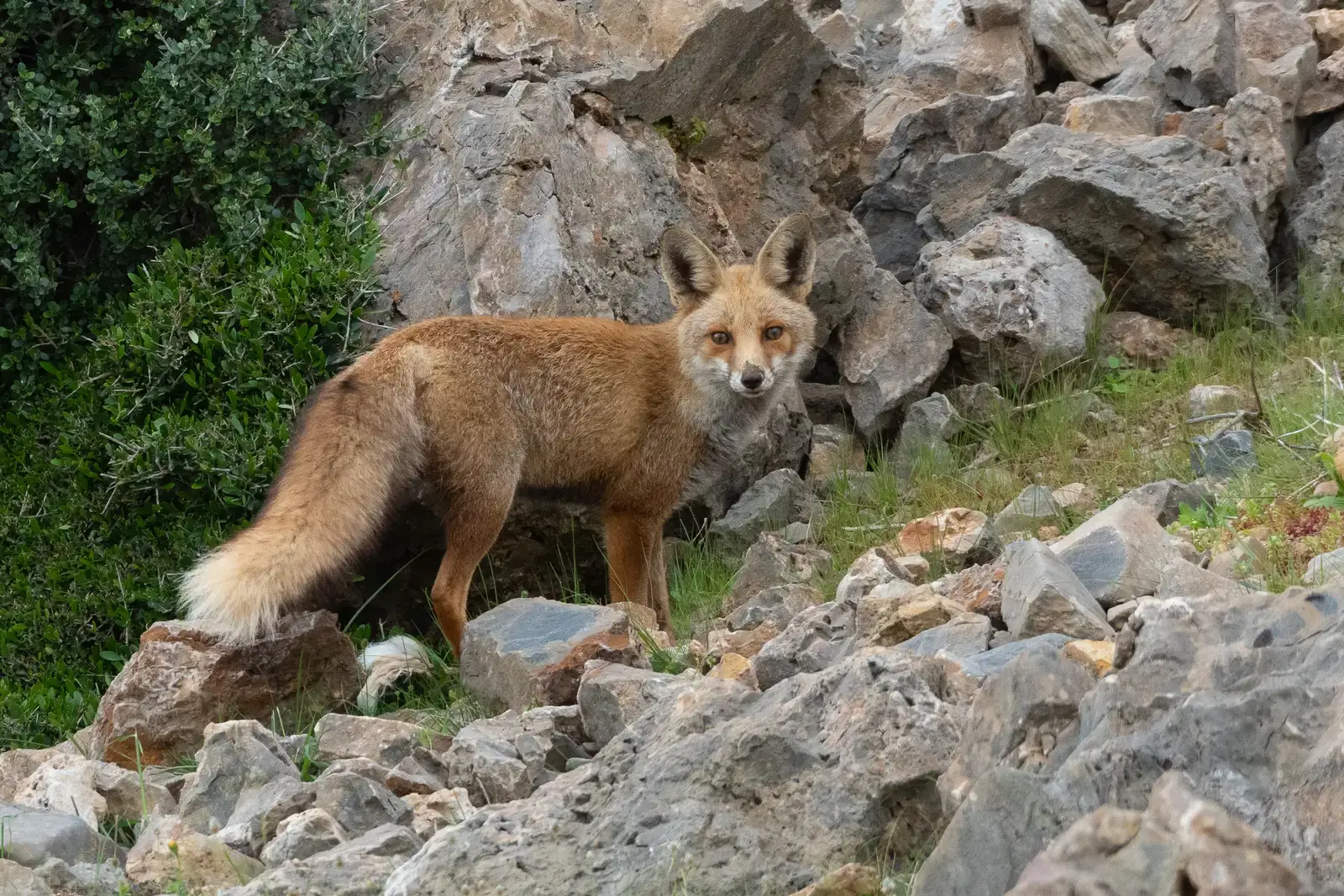
Like a person who shares a place with four roommates to live in a great neighborhood downtown, some urban animals trade personal space for the convenience of the city, as in England, rural foxes have roughly a square mile of territory to themselves, but city foxes share that same size space with up to 14 other animals. Imagine your home suddenly housing fourteen families. That’s the reality for urban foxes.
Urbanization has a dramatic impact on wildlife, as cities grow, natural habitats are fragmented or destroyed, leaving animals with fewer resources and limited space. Space isn’t just about comfort. It’s about resources, breeding opportunities, and reducing conflict.
A study in Germany found that rabbit burrows in the country are large, spread-out, and house many animals, like a rambling multifamily country estate, while city burrows are smaller, simpler, more evenly distributed, and home to fewer individuals, like an underground complex of studio apartments. These cramped conditions increase stress, which weakens immune systems and makes disease transmission easier.
The compression of territories also forces animals into closer contact with humans. This isn’t a neutral interaction. It leads to property damage, aggressive encounters, and ultimately, human intervention that rarely favors the animal. The closer we live together, the more friction develops, and wildlife almost always loses that battle.
Noise and Light Pollution Scramble Natural Rhythms
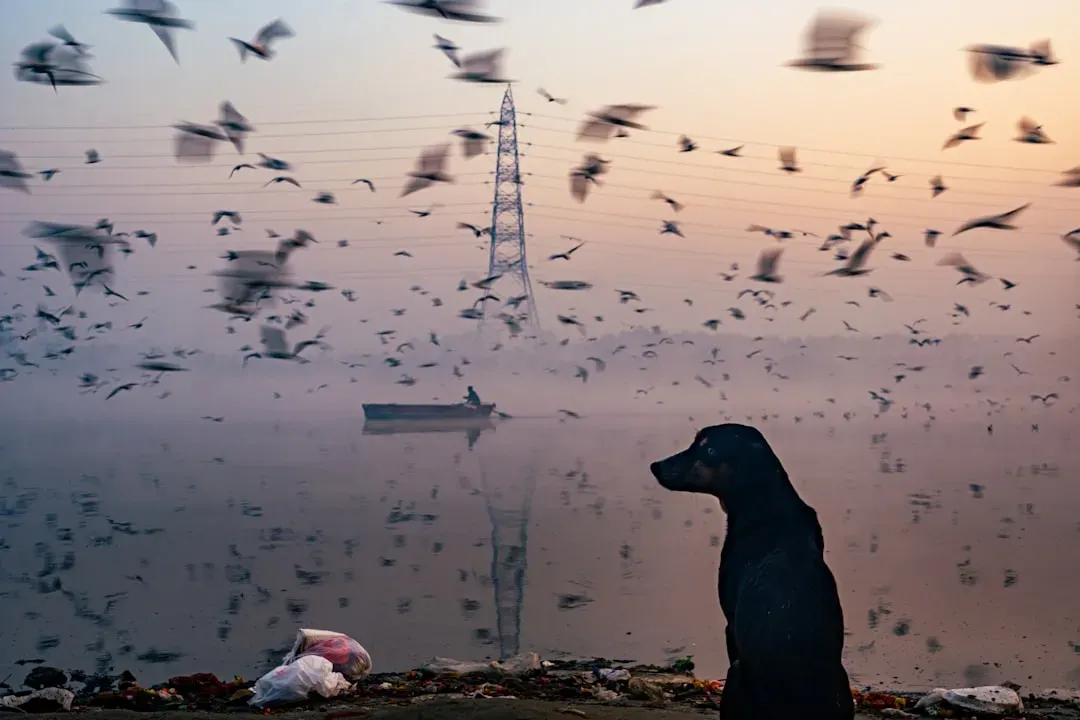
Cities never sleep, and neither can the animals trapped in them. Cities are hot, noisy and polluted, with numerous buildings, cars, pets, and people going about their business posing many dangers to species that increasingly share our living quarters. The constant drone of traffic, construction, and human activity doesn’t just annoy wildlife. It disrupts communication.
Urban great tits have been found to sing at a higher pitch than their rural relatives so that their songs stand out above the city noise, and urban silvereyes make contact calls that are higher frequency and slower than rural silvereyes, suggested as evidence that urban silvereyes have undergone recent evolutionary adaptation to better communicate in noisy urban environments. These changes sound minor, but they affect mate selection and territorial defense.
Light pollution is arguably worse. The vast majority of animals living in urban areas utilize the nighttime period specifically to avoid humans, but also to have a bit of temperature refugia. When artificial lighting eliminates true darkness, nocturnal species lose their primary advantage. Migration patterns get disrupted. Breeding cycles fall out of sync with seasonal changes.
Birds collide with illuminated windows by the millions each year. Insects swarm around streetlights until exhaustion kills them. Bats struggle to hunt when their prey is drawn to artificial light sources instead of natural feeding areas. The 24-hour glow of modern cities has created an environment where countless species simply can’t function properly anymore. It’s a problem with no easy solution, and it’s getting worse as cities expand.
Genetic Isolation and the Slow Fade of Diversity
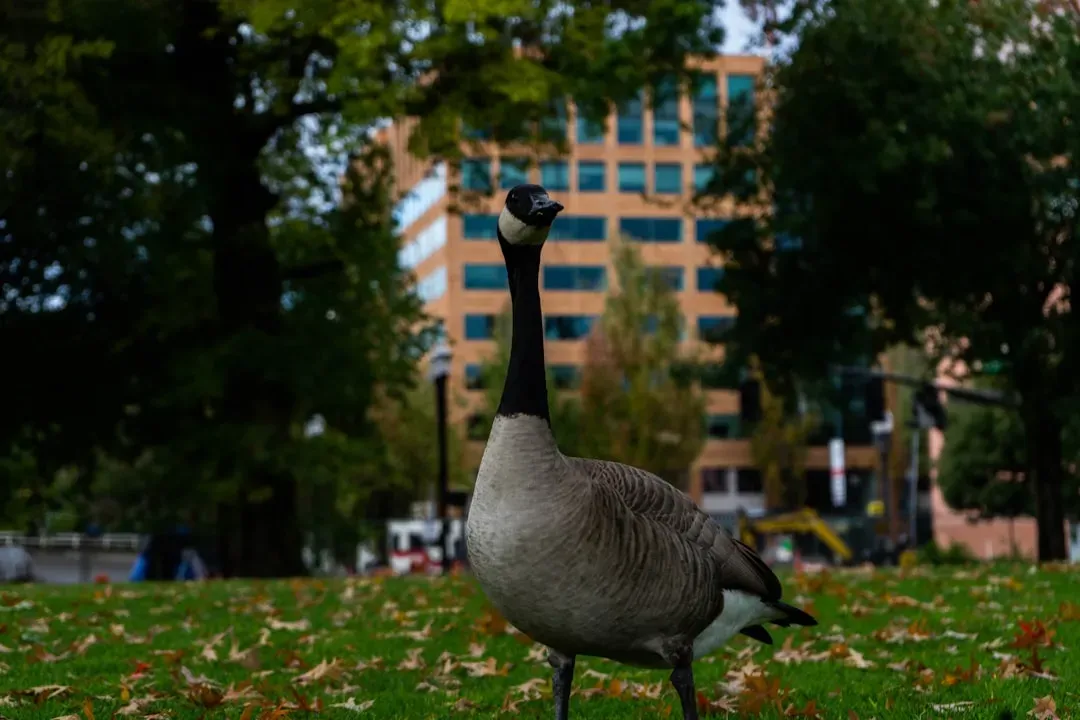
The genetic biodiversity that can fuel adaptation often dwindles in urban areas, with a genetic survey finding this to be the case, along with lower population sizes, for North American mammals living in more disturbed environments, which is a concern during a period when so many populations are seeing their natural habitats degraded or destroyed. This is the invisible crisis most people never consider.
Urban animal populations become islands. Wildlife can either avoid or adapt by different degrees to urban areas through synurbisation, translating into an overall impoverishment in the diversity of animal communities along urbanisation gradients, delineating a picture of a few ‘winners’ well adapted to urban environments versus many ‘losers’ whose populations decline and eventually go locally extinct.
Without genetic exchange between populations, harmful mutations accumulate. Beneficial traits can’t spread. The result is weaker populations less capable of responding to disease, parasites, or sudden environmental shifts. As urban and rural populations diverge genetically and geographically, there’s even a chance that some species could split in two.
This isn’t theoretical anymore. It’s happening right now in cities around the world. Some researchers question whether wildlife corridors even help in urban environments. The idea that it’s always good to connect populations by corridors may not always be true when local adaptation to deal with very specific local conditions is something that’s important for these animals. The science is evolving, but one thing is clear: urban wildlife is genetically drifting away from their wild counterparts, and we don’t fully understand the long-term consequences yet.
Conclusion: Coexisting in the Concrete Wilderness
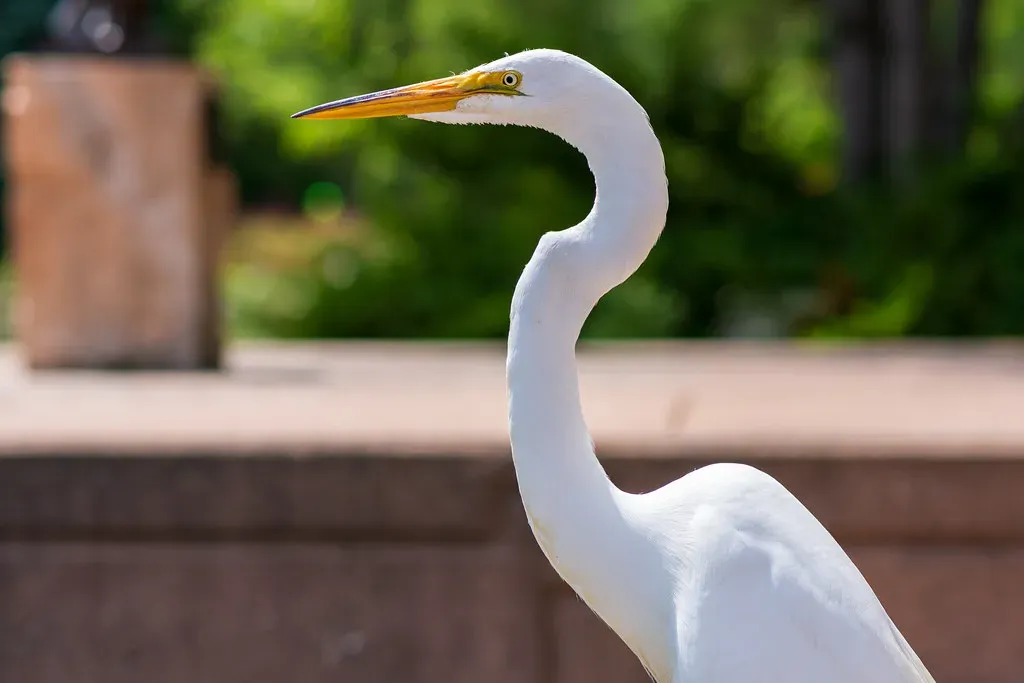
The challenges urban animals face go far beyond what most of us imagine. Heat that never relents, food that harms more than helps, infrastructure that fragments and isolates, constant noise and light that scramble natural behaviors, and genetic erosion that weakens entire populations. These aren’t problems with simple fixes.
What’s remarkable is that despite everything working against them, wildlife persists. Foxes den beneath garden sheds. Peregrine falcons nest on skyscrapers. Raccoons solve puzzles that would stump many household pets. The resilience is astounding, but it has limits.
Cities with hot, barren landscapes can mitigate the negative effects of urbanization on wildlife by incorporating green spaces, providing water sources, and creating safe havens where animals can escape the heat. Cities must take active steps to support and protect wildlife by creating environments that allow them to thrive. Small changes matter. Every tree planted, every green roof installed, every wildlife corridor preserved makes a difference.
The animals sharing our cities didn’t choose to be here. We built around them, forcing adaptation or extinction. The least we can do is acknowledge their struggle and make conscious decisions that give them a fighting chance. What do you think the biggest challenge is? Would you have guessed heat would be such a critical factor?

- 7 Ways Your Dog Shows Affection Without Touch - July 30, 2026
- 11 Incredible Facts About the African Fish Eagle: Africa’s Sky Monarch - July 30, 2026
- What Horse Breed Are You According to Your Zodiac Sign - July 30, 2026