
Think about standing on a mountain summit where the air is so thin your lungs burn with every breath. Now imagine living there. Sounds impossible, right? Yet scattered across the planet’s most inhospitable heights, a remarkable cast of creatures has not just survived but thrived in conditions that would break most of us within hours.
From the icy slopes of the Himalayas to the rugged peaks of the Andes, these animals have evolved extraordinary adaptations that let them flourish where oxygen is scarce, temperatures plummet, and food is desperately hard to find. Some climb higher than commercial jets fly. Others have blood that works like nothing else in nature. Their stories challenge everything we thought we knew about the limits of life itself. Let’s dive in.
1. The Yellow-Rumped Leaf-Eared Mouse: The Ultimate High-Altitude Champion
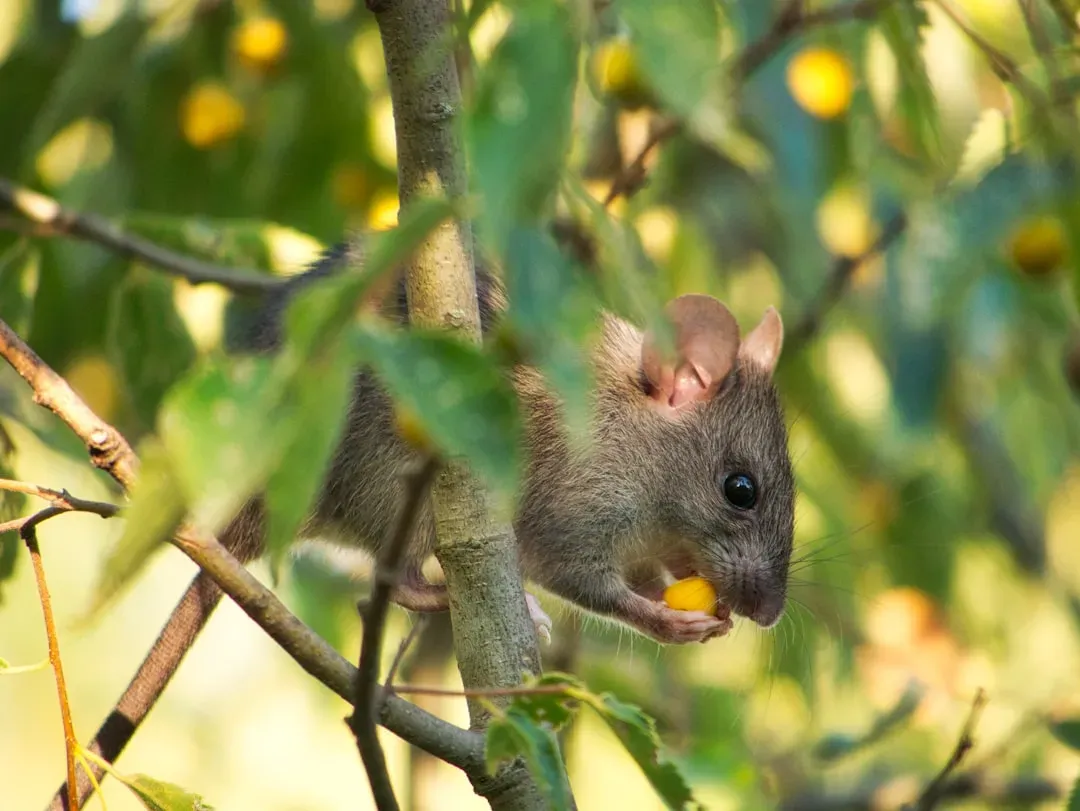
A small mouse captured on the summit of Volcán Llullaillaco at an altitude exceeding twenty-two thousand feet represents the highest-dwelling mammal ever recorded. This isn’t some fluke sighting either. Scientists have found multiple species of leaf-eared mice living on volcano tops across the Central Andes, with some residing nearly seven thousand meters above sea level.
What’s truly mind-boggling is that these mice live more than two thousand meters above the upper limits of green plants. So what do they eat? Preliminary DNA analysis from their stomachs suggests lichens form a big part of their diet. Living in a landscape that resembles Mars more than Earth, these tiny rodents have somehow cracked the code of extreme survival.
They survive through a whole suite of physiological changes, including slower muscle metabolism and a specialized cardiovascular system. Oxygen levels where they live sit at roughly half what you’d breathe at sea level. Yet they scamper about with apparent ease while mountaineers struggle just to stay conscious.
2. Snow Leopard: The Ghost of the Mountains
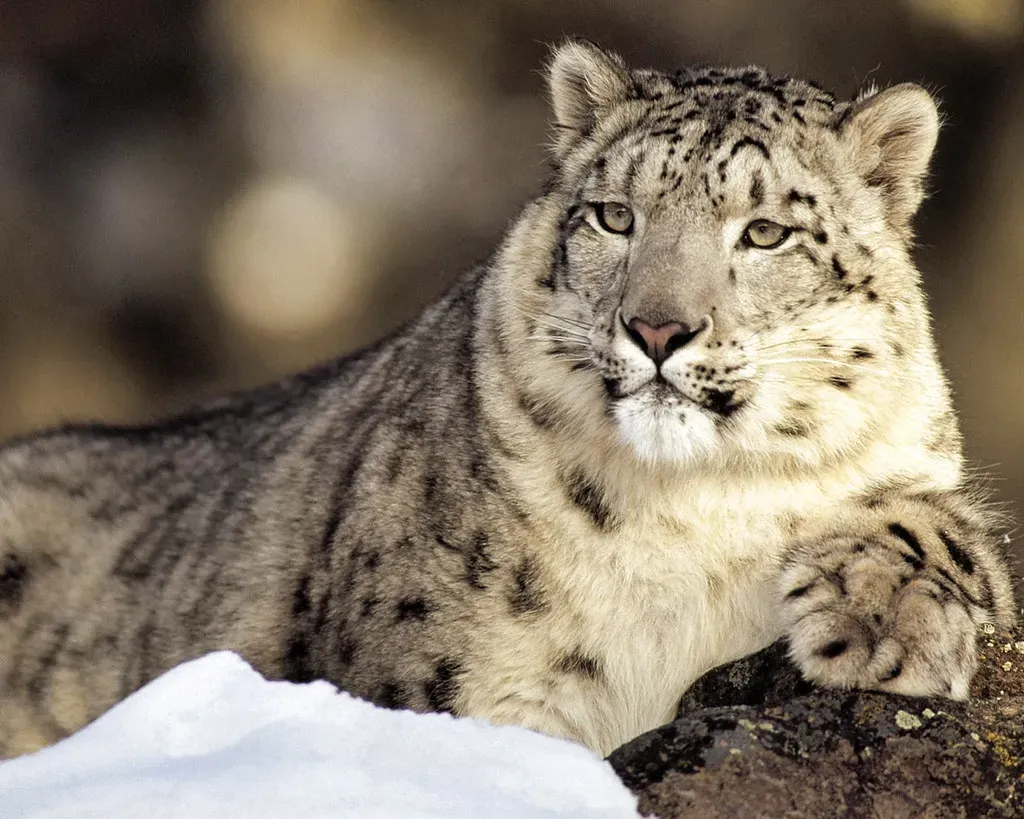
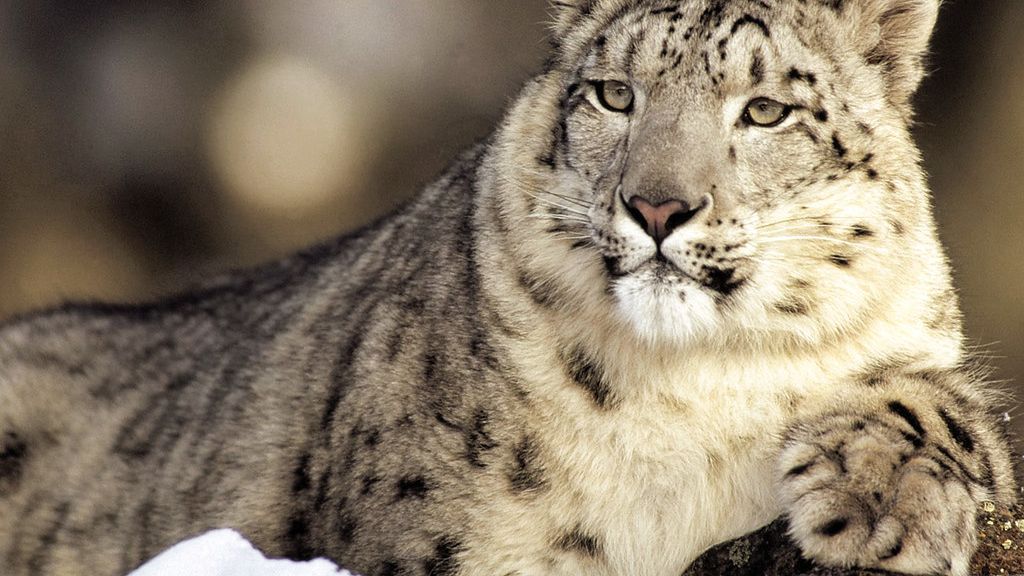
Snow leopards inhabit snow-covered mountainous regions of central and northern Asia, with their range extending into the Himalayas where they can live up to eighteen thousand feet in elevation. These big cats are icons of high-altitude life, perfectly adapted to the brutal terrain they call home.
Here’s something fascinating. Scientists still don’t fully understand how snow leopards thrive in low-oxygen environments, as research revealed they haven’t evolved the modified hemoglobin function that would allow increased oxygen movement throughout the bloodstream. It’s one of nature’s persistent mysteries.
Instead, they rely on large nasal cavities and a strong chest that promotes deeper breaths. Their physical adaptations are equally impressive. A heavy tail helps with balance on rocks and provides extra warmth when wrapped around the body, while short forelimbs and longer hind limbs help them leap up to fifty feet in length, and paws covered in thick fur can tread on jagged surfaces acting as perfect snowshoes.
3. Himalayan Tahr: The Mountain Goat Master
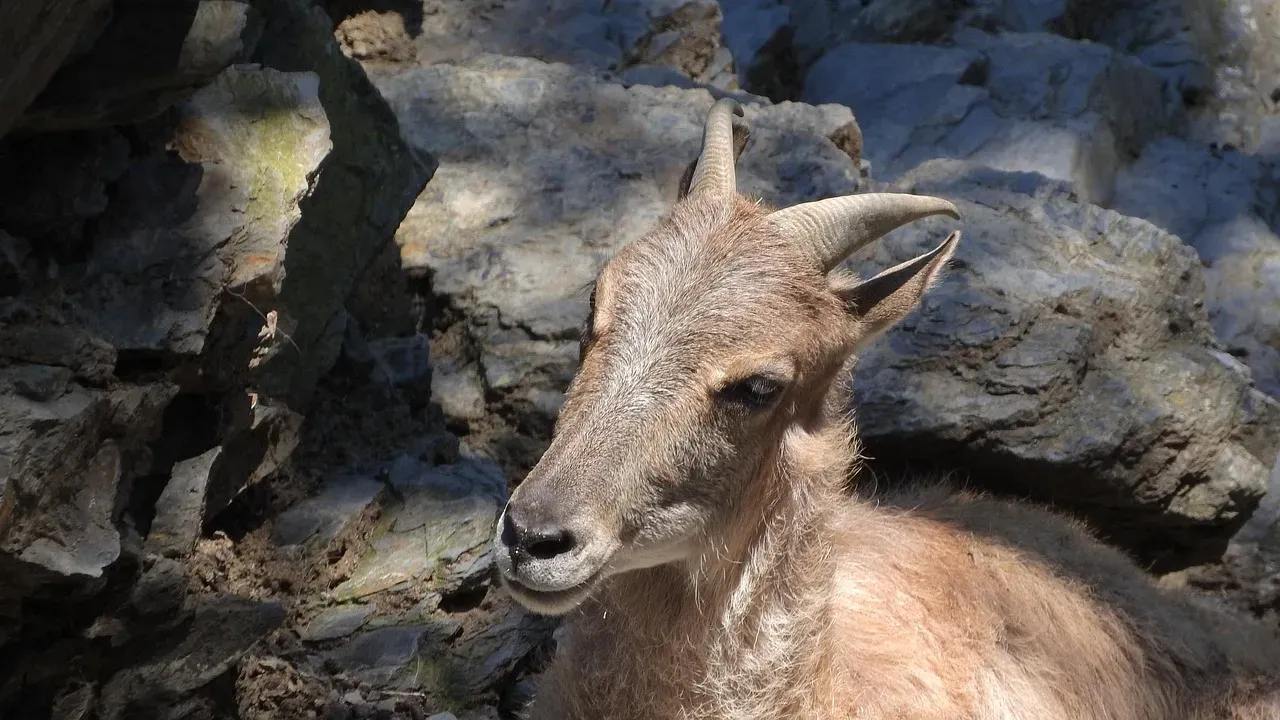
In the Himalayas, Himalayan tahrs are mainly found on slopes ranging from twenty-five hundred to five thousand meters, where they can eat a wide variety of plants. These stocky, goat-like creatures are the mountaineers of the animal kingdom, scaling cliffs that would terrify most humans.
Their bodies are engineering marvels. Their hooves have a hard rim of keratin surrounding a soft spongy convex pad, and along with strong dewclaws, these features make them excellent climbers. Imagine having built-in climbing shoes that work on ice, snow, and bare rock.
The exterior of a tahr is well adapted to the harsh climate of the Himalayas, sporting thick reddish wool coats and thick undercoats indicative of their habitat conditions. During winter they migrate to lower elevations, but even then they’re living at altitudes where most animals couldn’t survive a week. They’re prey for snow leopards, making them part of a delicate high-altitude food web.
4. Bar-Headed Goose: The High-Flying Wonder
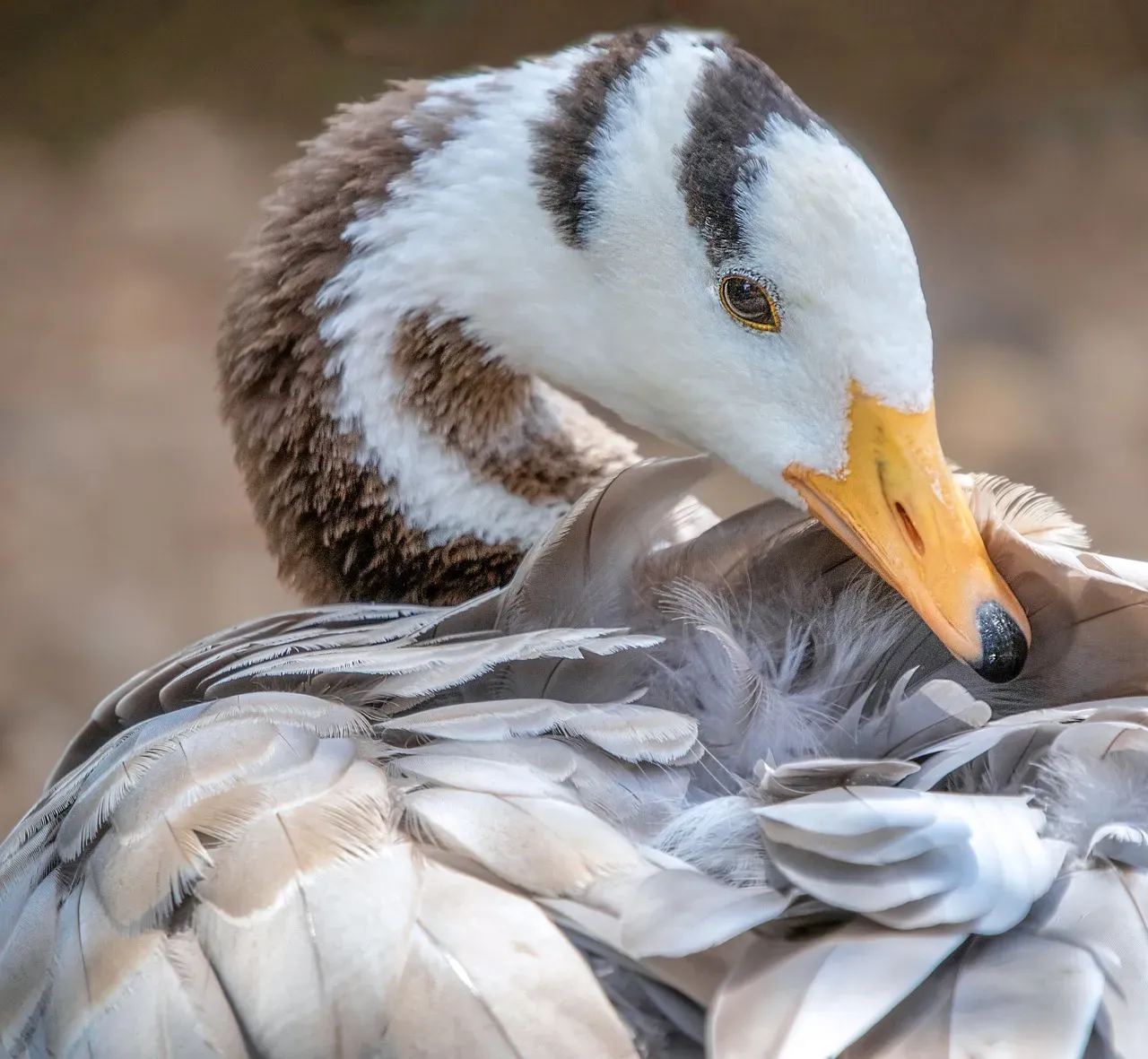
Let’s be real, when you think of record-breaking altitude, geese probably aren’t the first creatures that come to mind. Think again. One tagged bar-headed goose exceeded sixty-five hundred meters, reaching over seventy-two hundred meters in altitude. These birds migrate across the Himalayas twice a year, a journey that sounds utterly insane.
Bar-headed geese cross the Himalayas on one of the most iconic high-altitude migrations in the world, with heart rates and metabolic costs increasing with elevation and reaching near maximal levels during steep climbs, sustained by unique cardiorespiratory physiology and several evolved specializations. Their secret? Multiple adaptations working in perfect harmony.
They have slightly larger wing area for their weight than other geese, which helps them fly at high altitudes, though they still need to flap harder than lowland birds even with this advantage. Add to that specialized hemoglobin that binds oxygen more effectively, and you’ve got a bird that makes the impossible look routine. Mountaineers have reported hearing them honking overhead while climbing peaks where humans can barely breathe.
5. Andean Condor: Soaring Giant of South America
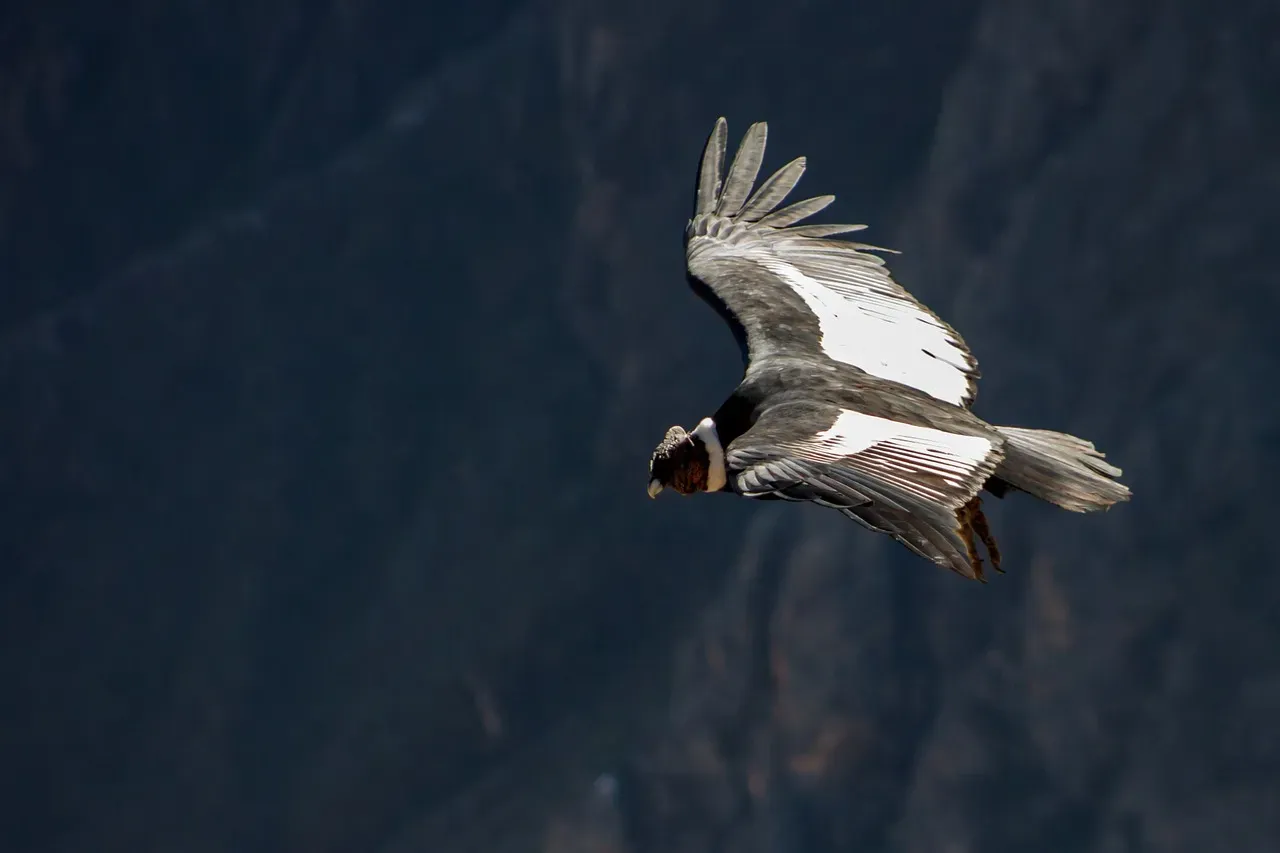
The Andean condor’s habitat is mainly composed of open grasslands and alpine areas up to five thousand meters in elevation. With a wingspan that can stretch beyond ten feet, this massive bird is one of the largest flying creatures on the planet.
After attaining moderate elevation the condor rarely flaps its wings, relying on thermals to stay aloft, with Charles Darwin once watching them for half an hour without observing a single wing flap. It’s an energy-saving strategy that borders on genius. Why work harder when you can let physics do the heavy lifting?
As the world’s largest and heaviest soaring bird, the Andean condor can stay aloft for five hours and cover more than one hundred sixty kilometers hardly flapping its wings, with researchers finding that the condor flaps just one percent of the time during flight. These scavengers patrol vast territories searching for carrion, playing a crucial ecological role as nature’s cleanup crew.
6. Yellow-Billed Chough: The Highest-Living Bird
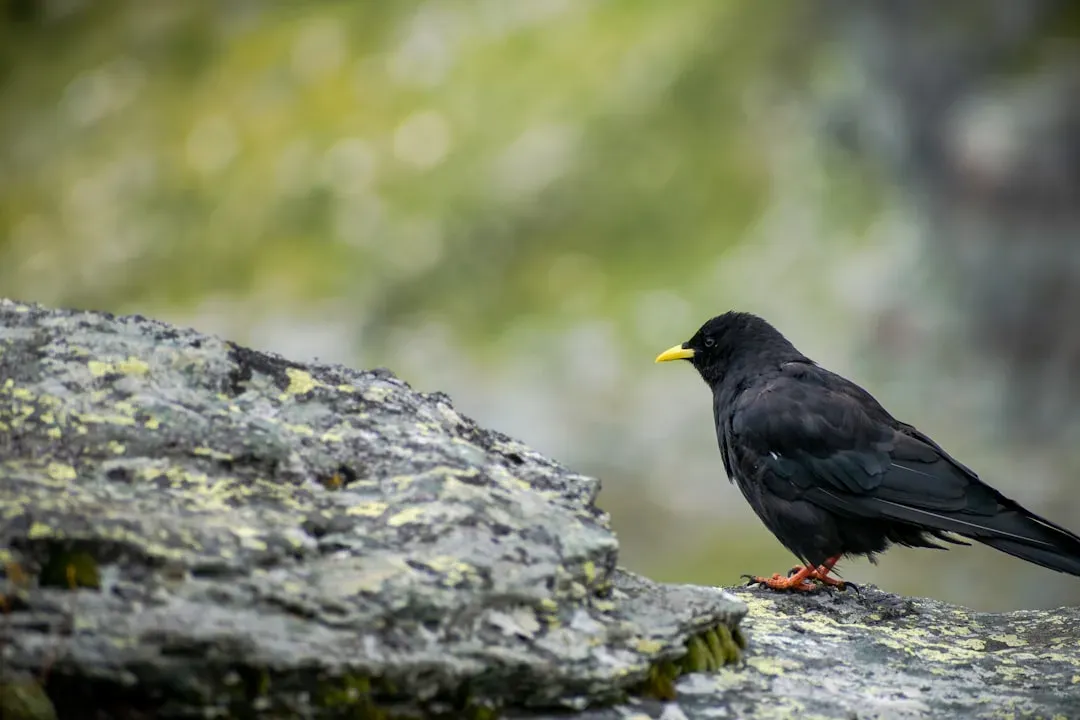
The yellow-billed chough has nested at sixty-five hundred meters, higher than any other bird species, and has been observed following mountaineers ascending Mount Everest at an altitude of eighty-two hundred meters. This glossy black crow with bright yellow beak and red legs might just be the toughest bird alive.
What makes breeding at such heights possible? Chough eggs have fewer pores than those of lowland species, reducing water loss through evaporation at low atmospheric pressure, and the embryos have hemoglobin with a genetically determined high affinity for oxygen.
These birds are surprisingly social and playful. Yellow-billed choughs are highly social birds often seen in large flocks performing acrobatic aerial displays, known for their playful nature and frequently engaging in aerial games and sliding down snow slopes on their backs. Life at the edge of survival doesn’t mean you can’t have a little fun, apparently.
7. Tibetan Argali: Rare Mountain Sheep
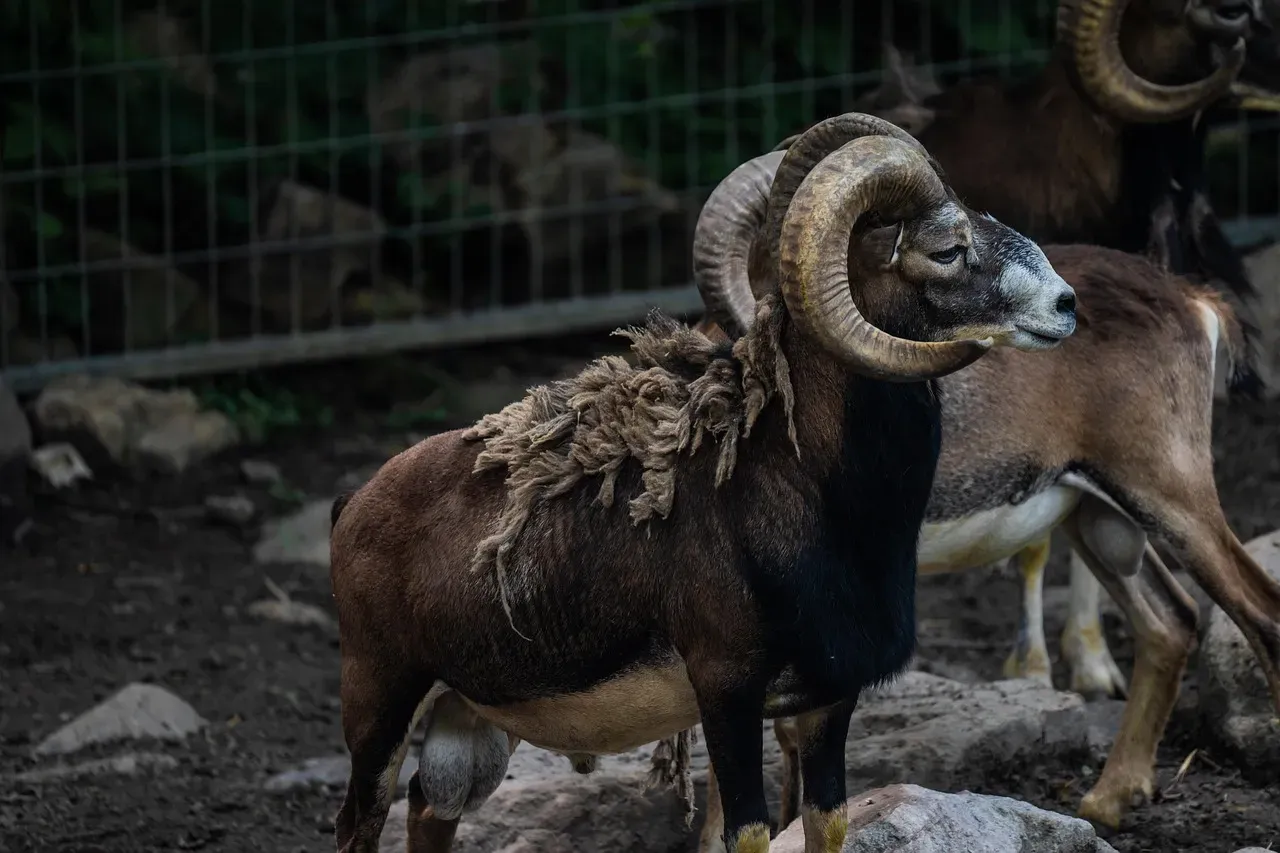
The Tibetan argali, the rarest wild sheep, roams the Tibetan Plateau at elevations up to nineteen thousand feet. These massive sheep are among the most impressive ungulates adapted to high-altitude living.
The Tibetan Plateau itself is often called the “roof of the world,” and it’s easy to see why. The landscape is harsh, windswept, and unforgiving. Yet the argali navigate this terrain with ease, their large curved horns marking them as one of the plateau’s most majestic residents.
Their diet consists mainly of grasses and herbs found in alpine meadows, and like other high-altitude herbivores, they’ve developed physiological adaptations that allow them to extract maximum nutrition from sparse vegetation. Their thick coats protect them from brutal winters where temperatures can drop well below freezing.
8. Large-Eared Pika: The Adorable High-Altitude Survivor
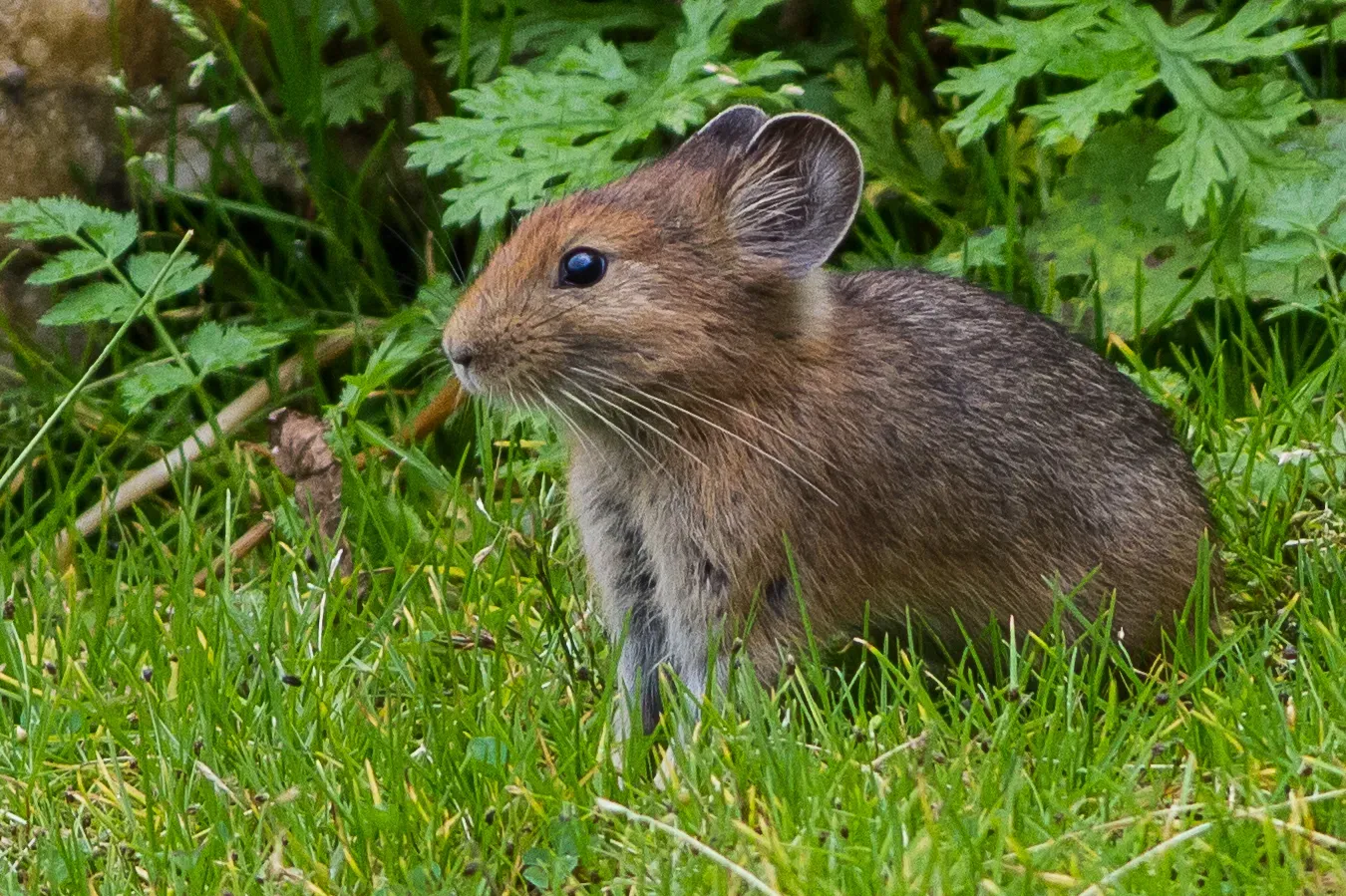
The large-eared pika can be found in mountainous regions of Central Asia, hiding in crevices throughout rocky cliff sides, living at altitudes as low as seventy-five hundred feet and upwards of twenty thousand feet in the Himalayas. These rabbit relatives look impossibly cute for creatures living in such extreme conditions.
They eat grass, twigs, moss, and lichen. Honestly, it sounds like a tough menu, especially when you consider how sparse vegetation becomes at higher elevations. Yet pikas manage, storing food for winter and remaining active even when snow blankets their rocky homes.
Climate change threatens pikas as they’re sensitive to heat, forcing lower-altitude populations to climb higher, though higher-elevation pikas may defend against hypoxia challenges due to variation in certain genes. It’s a reminder that even these tough little survivors face uncertain futures as the world changes around them.
9. Himalayan Pit Viper: The Highest Snake
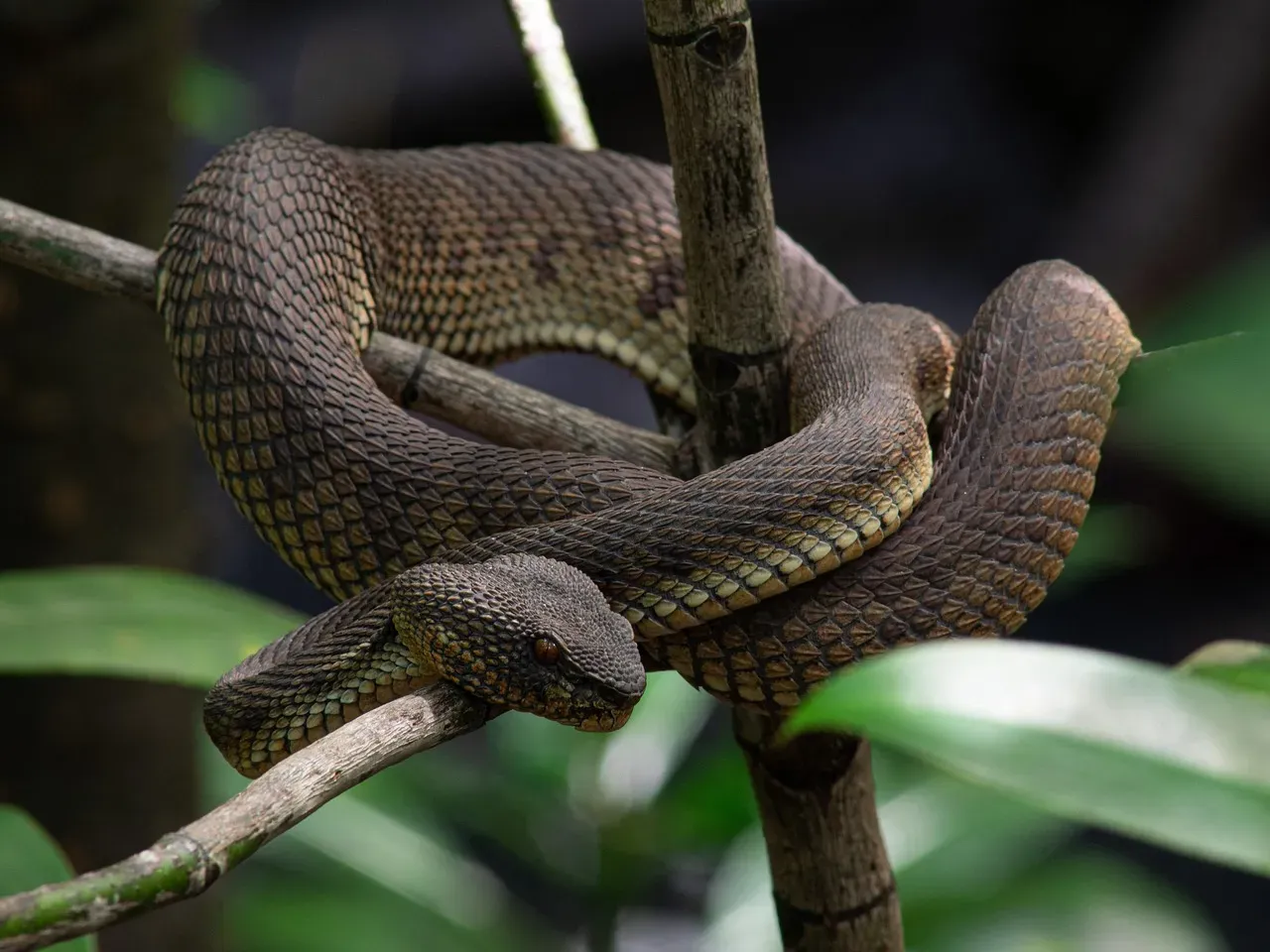
The Himalayan pit viper is currently the highest-living snake ever recorded, capable of thriving at altitudes up to sixteen thousand one hundred feet. Finding a venomous snake at such elevations challenges assumptions about where reptiles can survive.
Only a few reptile taxa survive in elevations above fifteen thousand feet. Cold-blooded animals typically struggle in frigid environments because their body temperature depends on external conditions. So how does this pit viper manage?
The answer likely involves behavioral adaptations combined with physiological tricks. These snakes probably spend significant time basking in sunlight to maintain body temperature, and they may have metabolic adjustments that allow them to function in colder conditions than their lowland relatives. Their presence at such heights demonstrates that reptiles are far more adaptable than we often give them credit for.
10. Yak: The Domesticated Mountain Giant
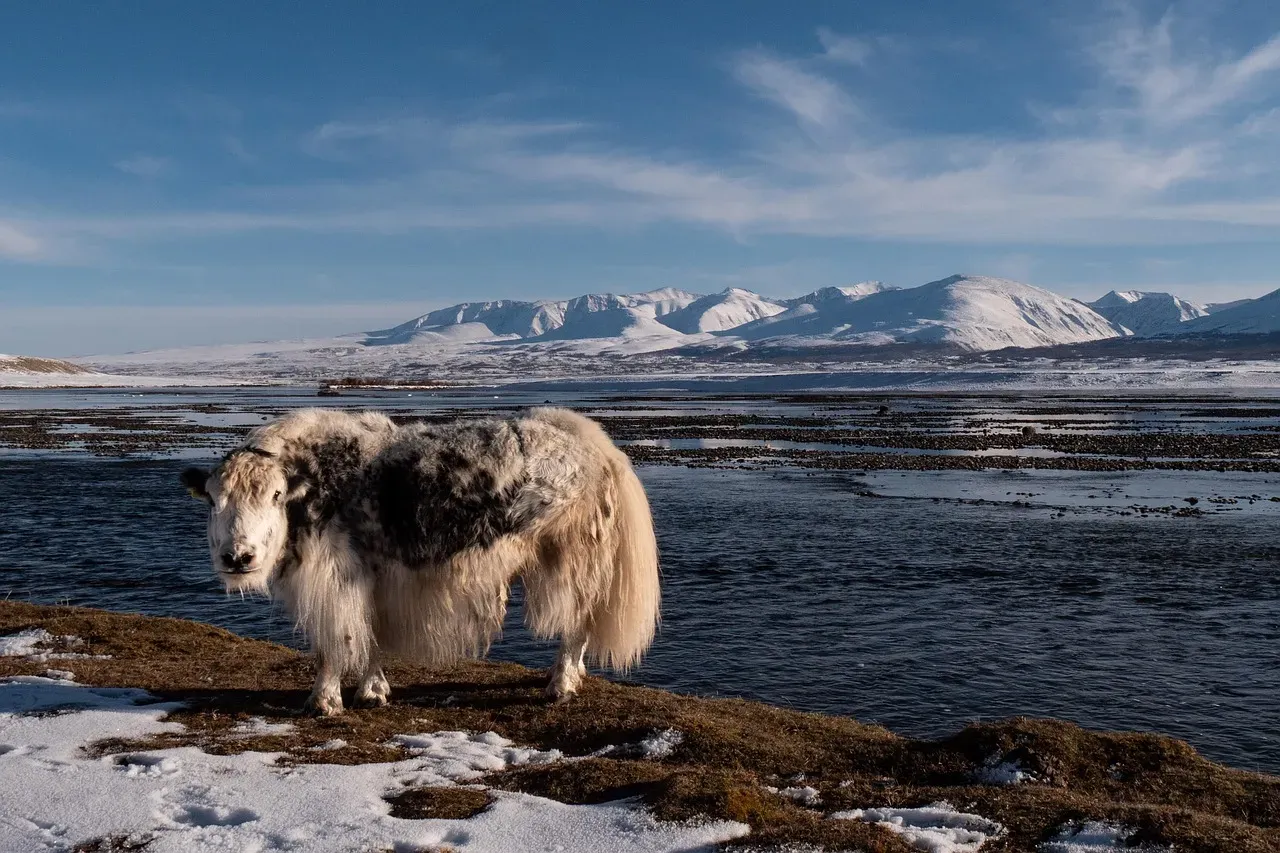
Yaks are the highest dwelling domesticated animals of the world, living at three thousand to five thousand meters. These shaggy bovines are inseparable from human life across the Tibetan Plateau and surrounding regions.
Their thick double coat provides insulation against temperatures that would freeze most cattle solid. Yaks have larger lungs and hearts relative to body size compared to lowland cattle, pumping oxygen-rich blood more efficiently through their massive frames. They’re also remarkably sure-footed on steep, rocky terrain.
For thousands of years, people have depended on yaks for transportation, milk, meat, and wool. They’re working animals that make human habitation possible at elevations where life would otherwise be impossibly difficult. Their calm temperament belies their toughness, proving that gentle giants can also be survival specialists.
Conclusion
These ten animals prove that life finds a way even in the planet’s most extreme environments. From mice living higher than most mountains to geese flying over Everest, each species has evolved remarkable solutions to problems that would seem insurmountable. Their adaptations range from specialized blood to modified eggs, from unique metabolic processes to behavioral ingenuity.
What strikes me most is how much we still don’t know. Scientists are still puzzling over how snow leopards thrive without the obvious adaptations other high-altitude animals possess. We’re only beginning to understand the genetic changes that allow these creatures to flourish where oxygen is scarce.
These animals also remind us what’s at stake as our climate shifts. Many high-altitude species have nowhere left to go if temperatures rise. They’re already living at the top of the world. What do you think about these incredible survivors? Did any of them surprise you?

- 10 Remarkable Facts About the African Cheetah: The Lightning of the Grasslands - July 29, 2026
- 10 Most Heroic Horses in History - July 29, 2026
- Why You Should Never Play Dead When Attacked by a Black Bear - July 29, 2026