

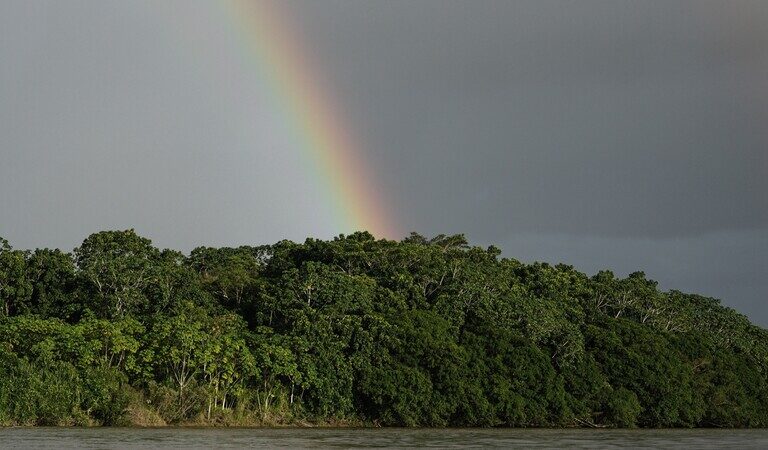

A Marked Reduction in Forest Clearance (Image Credits: Imgs.mongabay.com)
Colombia – Officials reported a promising downturn in forest loss throughout 2025, offering vital relief to the nation’s diverse ecosystems and endangered species.
A Marked Reduction in Forest Clearance
Early data from environmental monitoring agencies revealed that deforestation rates fell sharply across Colombia in 2025. The country lost an estimated 36,280 hectares of forest in the first nine months of the year. This figure marked a 25% decrease compared to the 48,500 hectares cleared during the same period the previous year. Such progress highlighted ongoing efforts to curb illegal logging and land conversion.
Several departments notorious for high deforestation saw the most significant improvements. Regions like Amazonas and Caquetá experienced reductions exceeding 30% in some areas. These changes stemmed from stricter enforcement and community-led initiatives. Wildlife in these zones, including jaguars and various bird species, stood to benefit from the preserved habitats. The trend suggested that national policies were beginning to yield tangible results.
Key Drivers Behind the Positive Shift
Government collaboration with Indigenous communities played a central role in the decline. Programs provided financial incentives for locals to protect forests rather than clear them for agriculture. Environmental zoning in rural areas further restricted development in sensitive zones. Ecotourism initiatives also emerged as a sustainable alternative, drawing visitors to intact woodlands and generating income without destruction.
These strategies addressed root causes like cattle ranching and coca cultivation, which had long fueled forest loss. By integrating traditional knowledge from Indigenous groups, authorities enhanced monitoring and rapid response to threats. The approach not only slowed deforestation but also supported biodiversity hotspots critical for species migration. Overall, the multifaceted efforts fostered a more resilient landscape for Colombia’s wildlife.
Implications for Biodiversity and Conservation
The reduced deforestation directly bolstered wildlife conservation across Colombia’s varied biomes. Tropical rainforests, home to thousands of plant and animal species, regained some stability. Threatened animals such as the spectacled bear and Andean condor faced fewer habitat disruptions. Conservationists noted that even modest reductions could prevent the extinction of several endemic species in the coming decades.
International observers praised the developments as a model for other tropical nations. Organizations like the World Resources Institute tracked similar global patterns, where fires and human activity had driven record losses elsewhere. In Colombia, however, proactive measures turned the tide. Protected areas expanded, creating corridors for animal movement and genetic diversity. This progress underscored the potential for policy-driven recovery in biodiversity-rich countries.
Challenges Ahead and Sustained Momentum
Despite the gains, experts cautioned that vulnerabilities persisted. Climate change and economic pressures could reverse trends if vigilance waned. Some remote areas still reported sporadic illegal activities. Strengthening international partnerships remained essential to combat cross-border threats like wildlife trafficking.
To build on 2025’s success, authorities planned to scale up reforestation projects. Community education programs aimed to deepen local commitment to conservation. Monitoring technologies, including satellite imagery, would continue to provide real-time data for interventions. These steps promised to safeguard Colombia’s forests for future generations.
- Indigenous partnerships reduced clearance in high-risk zones by over 30%.
- Financial incentives shifted land use toward sustainable practices.
- Ecotourism generated alternative revenue, preserving 89,650 acres in nine months.
- Environmental zoning protected migration routes for key species.
- Global data integration highlighted Colombia’s role in tropical forest trends.
Key Takeaways
- Deforestation dropped 25% in early 2025, totaling 36,280 hectares lost.
- Wildlife habitats in Amazonas and Caquetá saw the strongest recoveries.
- Collaboration with communities and zoning drove the sustainable shift.
Colombia’s 2025 deforestation decline stands as a beacon of hope for global conservation, proving that targeted actions can protect irreplaceable natural heritage. As forests recover, so does the chance for thriving wildlife populations. What steps do you believe other countries should take to achieve similar results? Share your thoughts in the comments.

- Urban Coyotes Show Remarkable Adaptability, Learning to Thrive in City Environments - July 22, 2026
- Beavers Are Nature’s Engineers, Creating Vital Habitats for Other Wildlife Species - July 21, 2026
- The Recovery of the California Condor Offers Hope for Other Critically Endangered Birds - July 21, 2026