
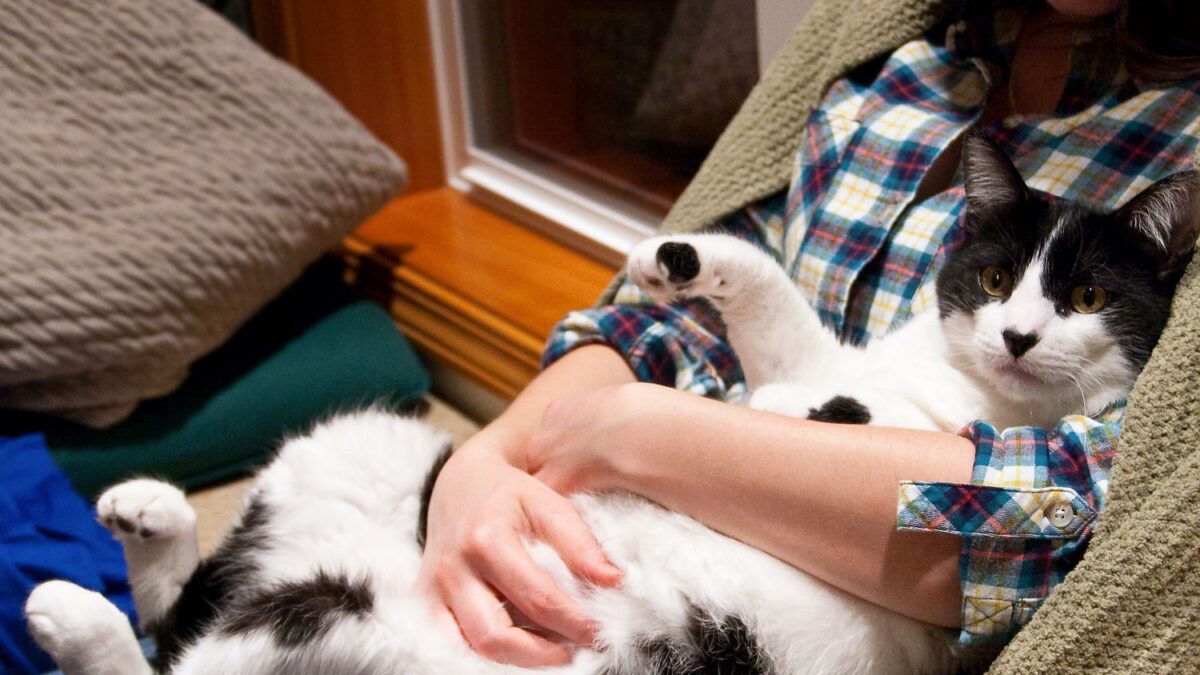
Ever catch your cat staring at you with those mesmerizing eyes and wonder what’s going on in that furry little head? People love to say cats are aloof, distant creatures who barely tolerate us. Let’s be real, that couldn’t be further from the truth.
Cats are masters of subtle communication, expressing their affection in ways that are easy to miss if you don’t know what to look for. Unlike dogs who practically knock you over with enthusiasm, our feline friends prefer a more refined approach to showing love. Their gestures might be quieter, but honestly, they’re just as meaningful once you learn to decode them.
So let’s dive into the fascinating world of feline affection. You might be surprised to discover just how many ways your cat has been saying “I love you” all along.
The Slow Blink Kiss
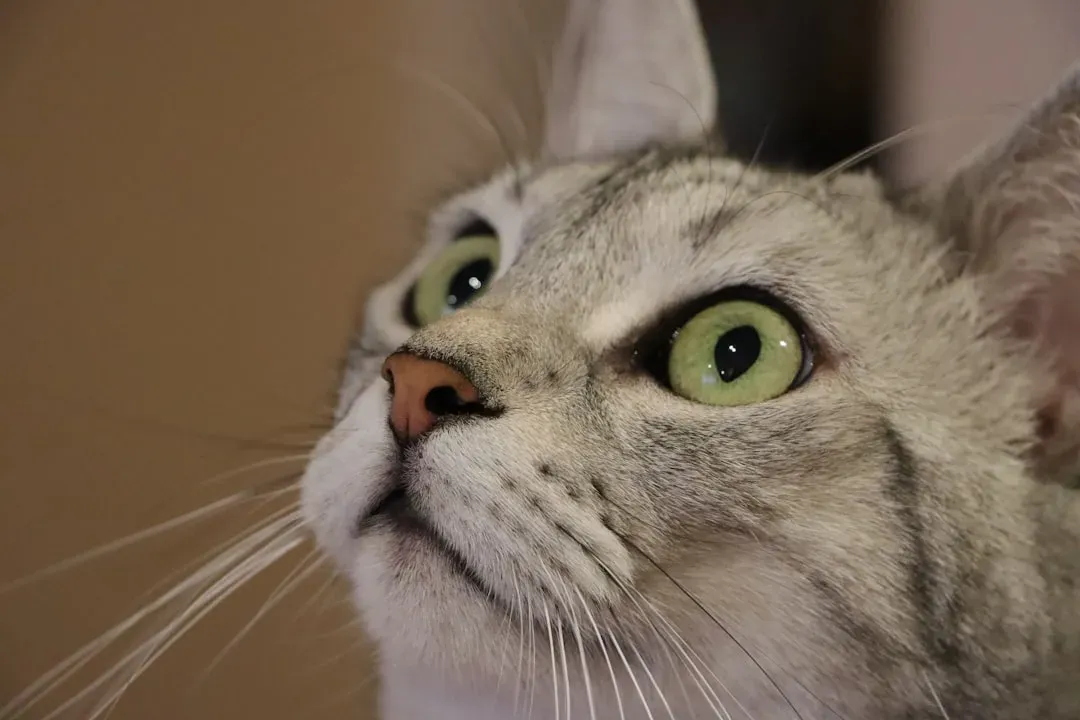
Your cat’s slow blink is often called a “cat kiss” and is a sure sign of love and trust. When your feline looks directly at you and deliberately closes their eyes in a slow, prolonged motion, they’re making themselves vulnerable in your presence. Think about it: in the wild, closing your eyes around potential threats would be a terrible survival strategy.
When your cat slow blinks, they are relaxing their guard and making themselves vulnerable, knowing that they are safe with you. It’s honestly one of the highest compliments a cat can give. The beauty of this behavior is that you can return the gesture, creating a sweet moment of mutual understanding.
Research found that cats were more likely to slow blink after their owners slow blinked at them, and researchers even found that cats approached a stranger’s outstretched hand after receiving a slow blink. Try it yourself next time your cat gazes at you. Slowly close your eyes for a second or two, then open them. You might just start a conversation in a language only you two understand.
Head Bunting and Bonking
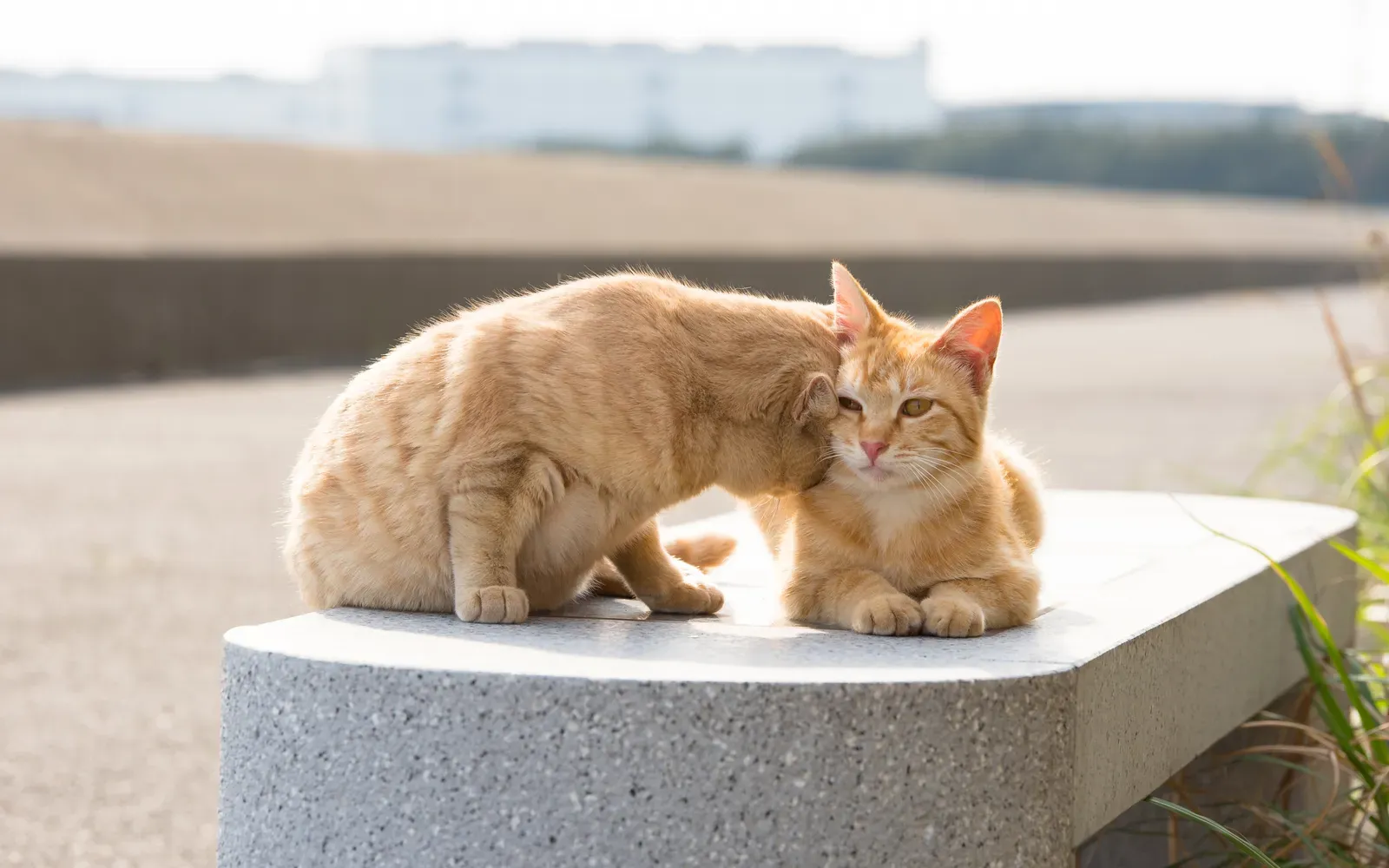
Has your cat ever walked up and literally bonked their head against yours? Cats headbutt to connect to familiar people, and headbutting makes you special, representing the highest of compliments and absolutely a sign of affection. This behavior, technically called head bunting, isn’t just your cat being clumsy or demanding attention.
Cats have glands on their cheeks, forehead, and chin that contain pheromones, and when a cat headbutts you, they are rubbing pheromones on you from glands located just in front of a cat’s ears. They’re literally marking you as theirs, claiming you as part of their inner circle. I think it’s quite sweet when you consider the intention behind it.
Head bunting is often a clear sign of affection, and alongside other signs like slow blinking or purring, headbutting says “I trust you,” like the cat version of a hug. The intensity varies from cat to cat. Some give gentle nudges while others deliver enthusiastic skull-to-skull clunks that can actually be jarring. Either way, your cat is choosing you, and that’s what matters.
Making Biscuits on You
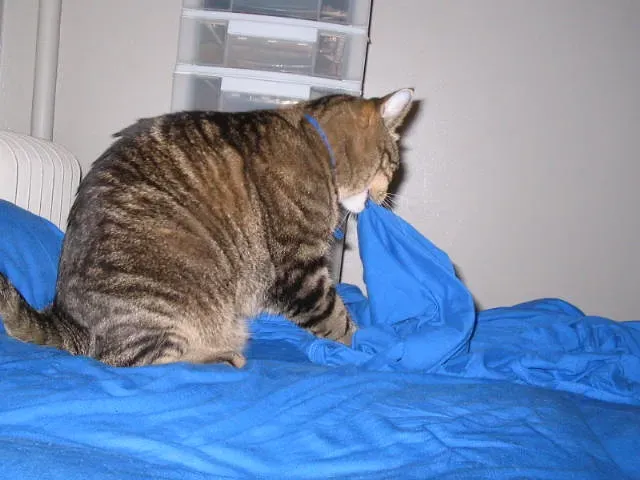
Kittens knead their mother’s mammary glands to stimulate milk flow, and the action of kneading provides adult cats with the same feeling of contentment. When your cat climbs onto your lap and starts that rhythmic pressing motion with their paws, they’re essentially reverting to their kittenhood. It’s adorable, even when those claws dig in a bit.
Cats bond deeply with their humans, and kneading is one of the most common ways for cats to show their human companions how much they’re loved, because they feel love and contentment when close to you. The behavior shows they associate you with the warmth, safety, and nourishment they received from their mother. You’ve become their source of comfort.
Cat paws are packed full of scent glands, and when a cat kneads, they’re also introducing their scent to whatever they’re touching, which can be an essential way of marking what’s theirs. So really, your cat is doing double duty here: expressing contentment while simultaneously telling the world you belong to them. Just maybe keep a blanket handy for protection.
Following You Room to Room
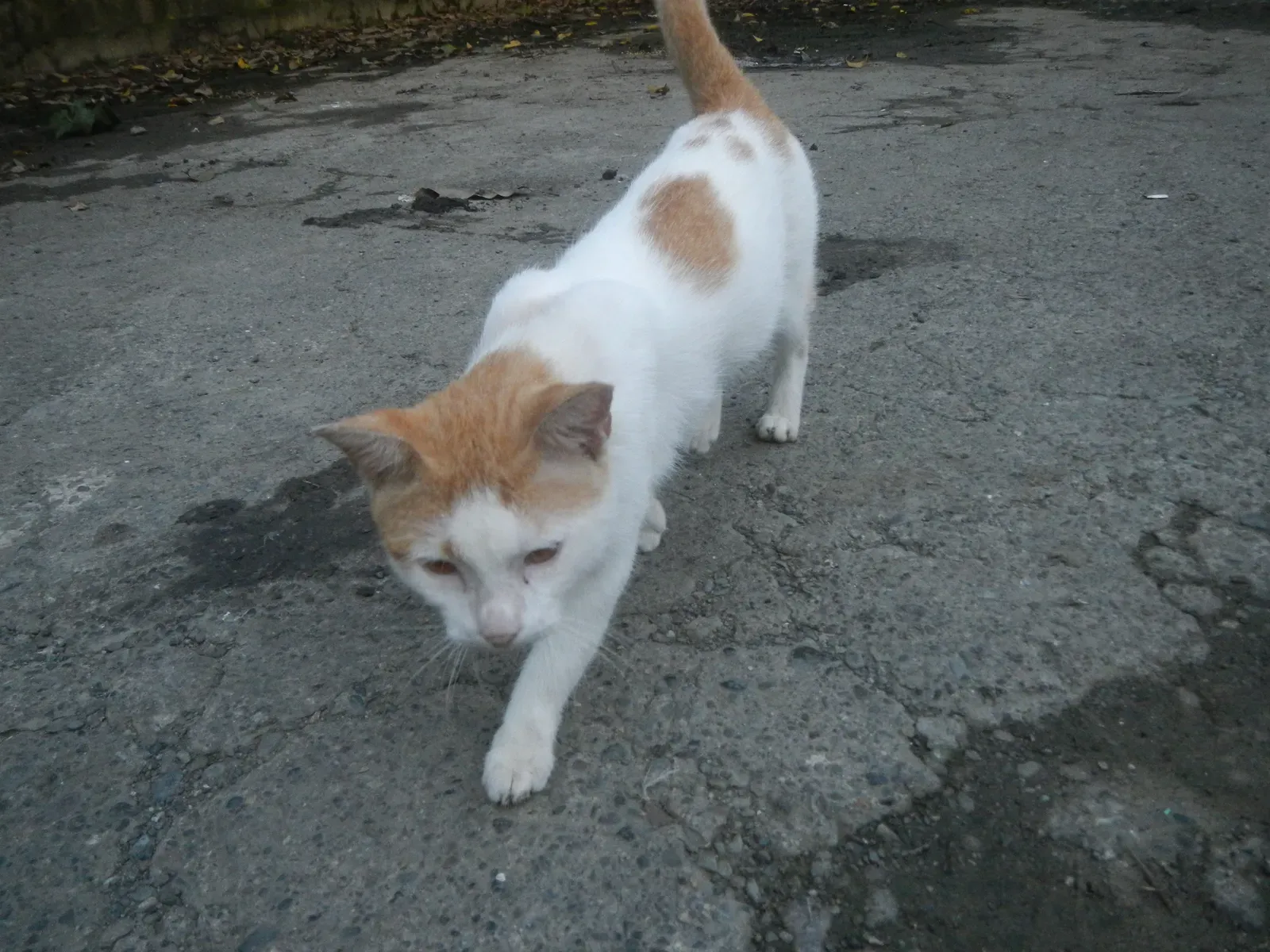
Cats often follow those they love and trust around the home, similar to greeting at your front door, where they follow behind you and keep you in sight at all times. Ever feel like you have a furry shadow? That’s because you do, and it’s not random. Your cat genuinely wants to be near you, even if they maintain a bit of distance.
Some cats are more obvious about it than others. They might weave around your legs or simply sit in the doorway of whatever room you’re occupying. The key thing is their presence itself. They could be anywhere in the house, yet they choose to be wherever you are.
This behavior demonstrates trust and attachment in a species that’s naturally independent. Cats don’t need constant companionship like dogs do, so when they deliberately seek out your company, it means something. They’re making a conscious choice to share their space with you, which is actually quite touching when you think about it.
Greeting You at the Door
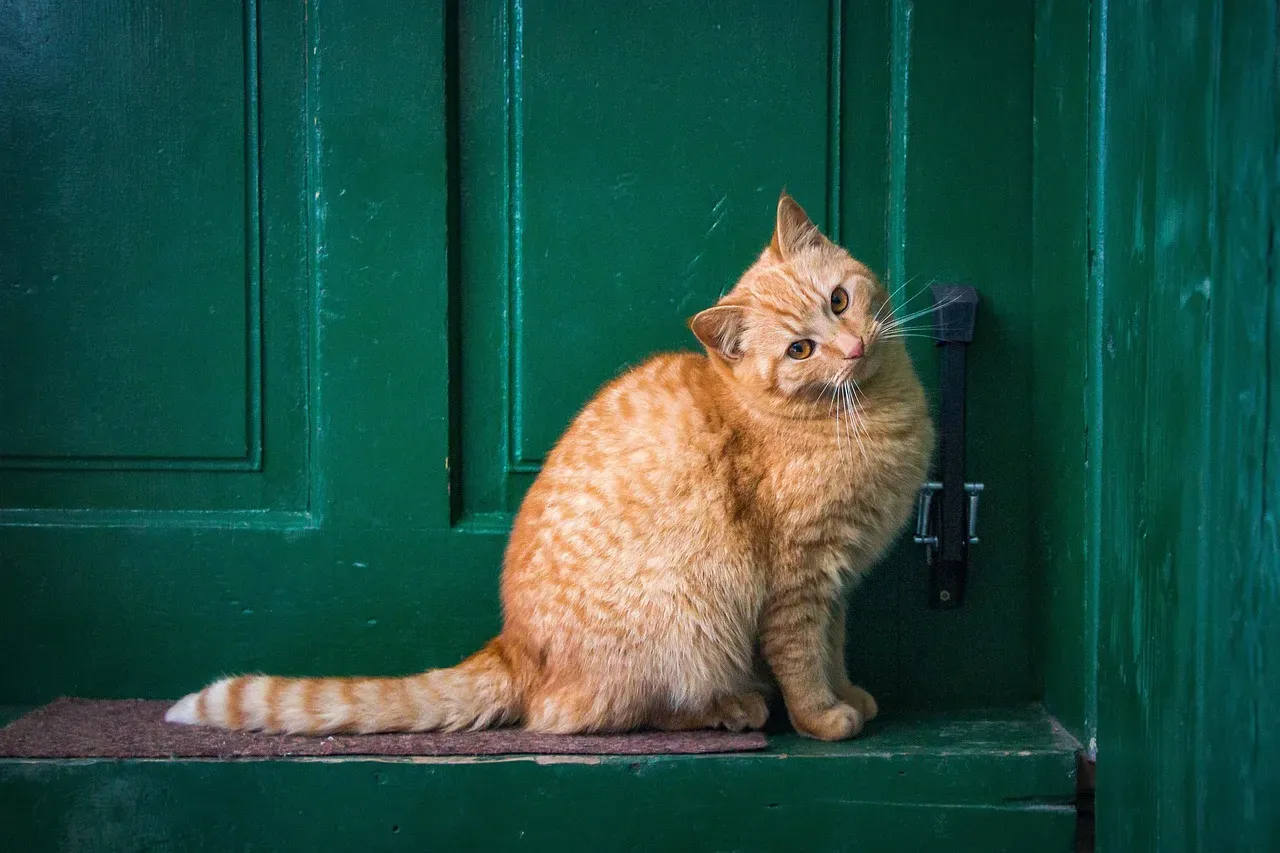
Your cat is trying to show you that they missed you when they greet you at the door, often followed by walking in-between your legs and curling their tail around your legs, sometimes accompanied by meowing and “rattle-tail” behavior where your cat will shake their tail quickly as their way of welcoming you home. It’s basically the feline equivalent of an enthusiastic welcome committee.
Picture coming home after a long day and finding your cat waiting by the entrance. That’s not coincidence or hunger (well, not always). They’ve actually been anticipating your arrival. Dogs get all the credit for excited homecomings, but cats have their own version that’s equally meaningful.
Honestly, there’s something incredibly gratifying about being greeted by your cat. They might not jump all over you or bark with excitement, but that tail quiver and insistent meowing? That’s pure joy. Just remember to check their food bowl afterward, because sometimes love and dinner requests overlap.
Bringing You “Gifts”
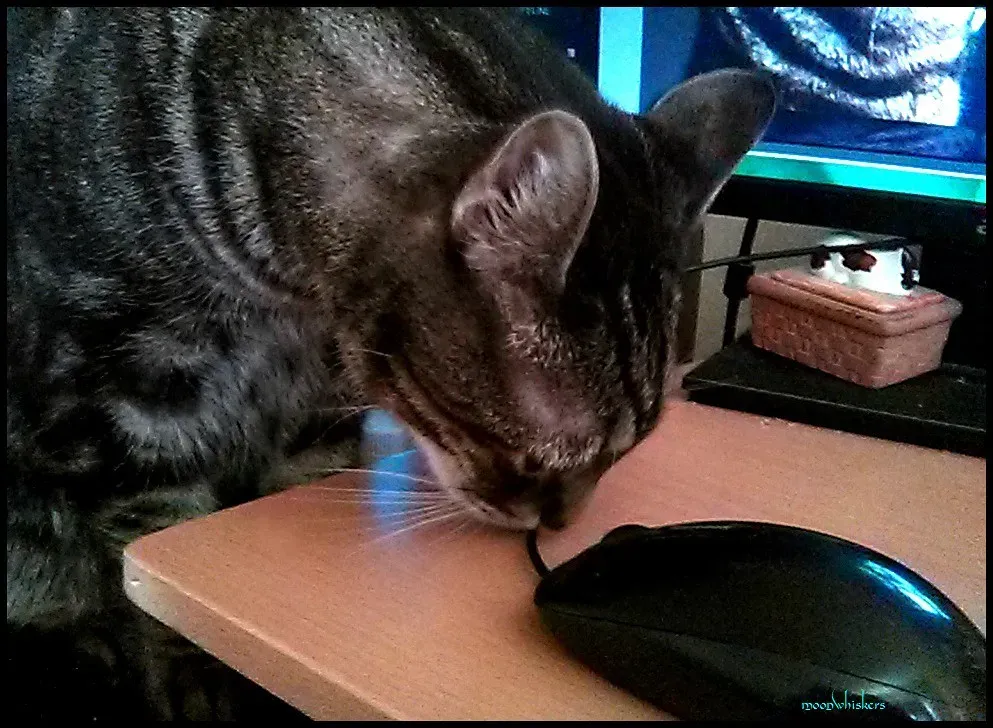
Cats are hunters by nature and an outdoor cat will often bring their human dead rodents or pieces of dead rodents as tokens of affection, while indoor cats might bring toys, pieces of string, or whatever else they find around the house. Yes, that dead mouse on your doorstep is actually a present. I know it sounds crazy, but it’s true.
Your cat sees you as part of their family, and in their mind, they’re providing for you. They might think you’re a terrible hunter (fair enough) and are trying to make sure you don’t starve. Or they’re simply sharing their success with someone they care about, the same way you might bring home takeout to share with loved ones.
Accept your cat’s gift in the spirit in which it was intended and give them a little treat, cuddle, or stroke to show your gratitude. Indoor cats who bring you their toy mice at three in the morning are doing the same thing, minus the mess. It’s their way of including you in their world and showing they trust you with their prized possessions.
Exposing Their Belly
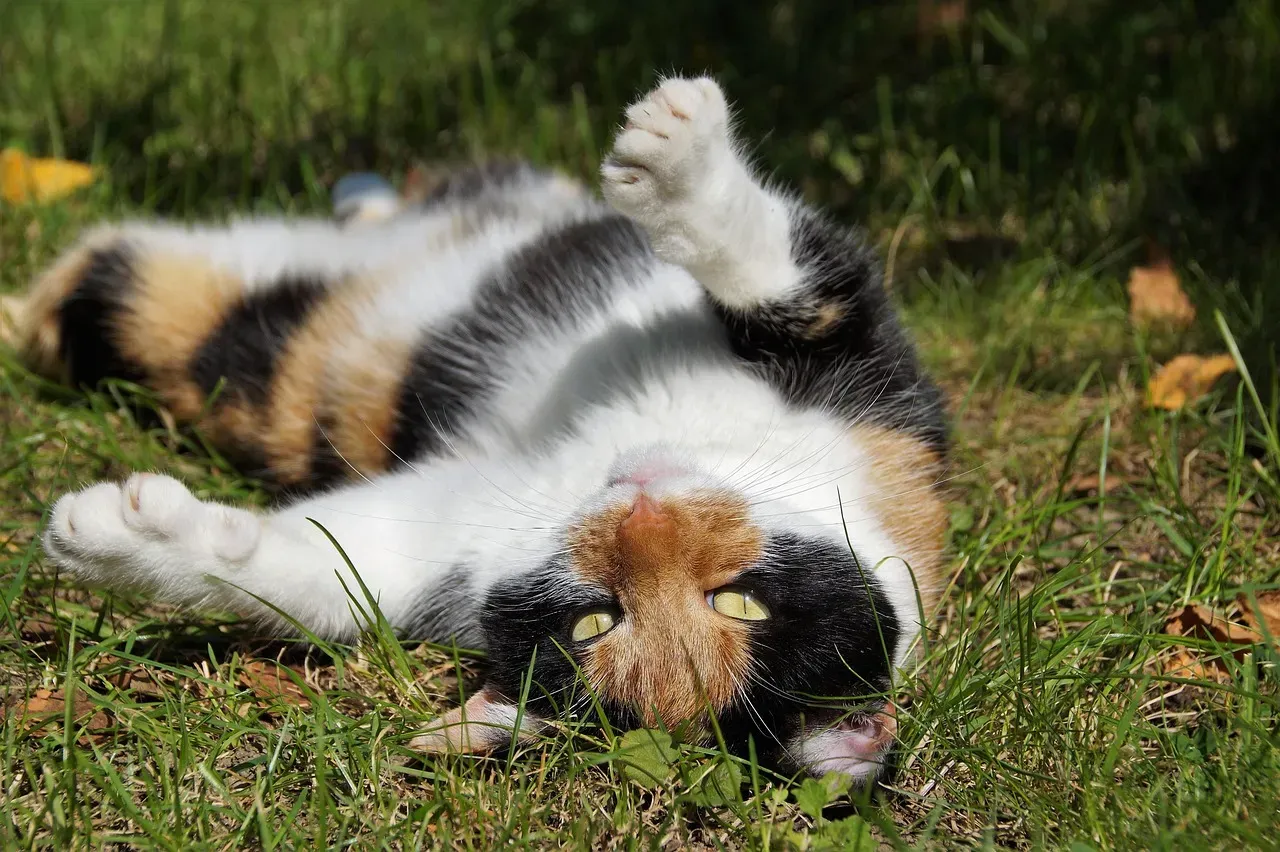
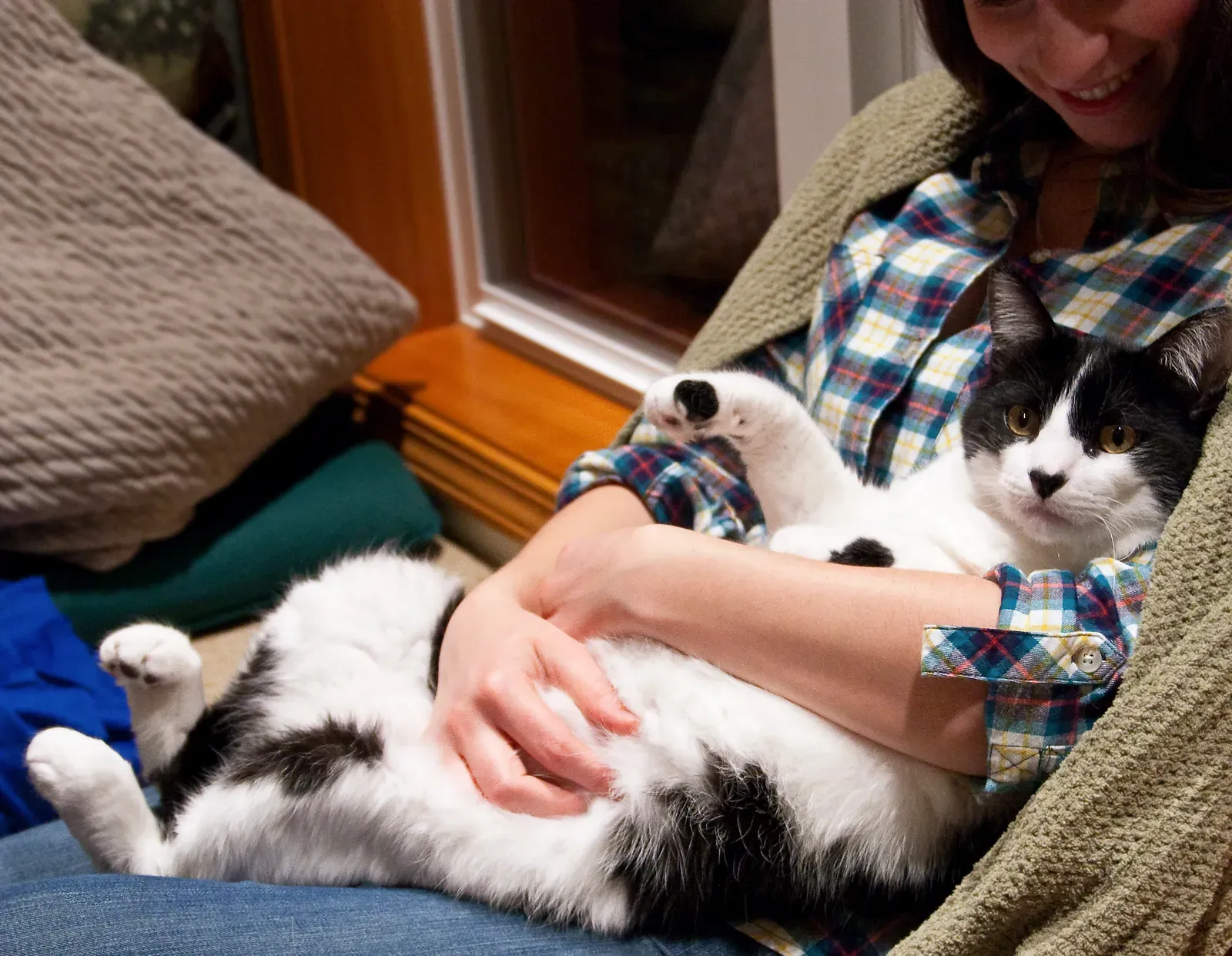
A cat’s most vulnerable position is lying on their back and presenting their stomach to the world, and in the wild, cats would never voluntarily expose this delicate part of their anatomy, so if your cat rolls over and shows you their stomach, it’s a sure sign that they feel comfortable and more importantly, safe around you. This is major trust territory right here.
That fluffy belly is tempting, I’ll admit. Those soft fur and the way they just flop over looking so content can make you want to dive in for a belly rub. Here’s the thing, though: showing you their belly doesn’t always mean they want you to touch it. It’s more about displaying vulnerability.
Many cats will show their belly but then immediately trap your hand with all four paws if you actually try to pet it. They’re not being mean or deceptive. They’re simply saying “I trust you enough to be vulnerable” not “please rub my stomach.” Learn your individual cat’s preferences, because some actually do enjoy belly rubs while others absolutely do not.
The Tail Tell
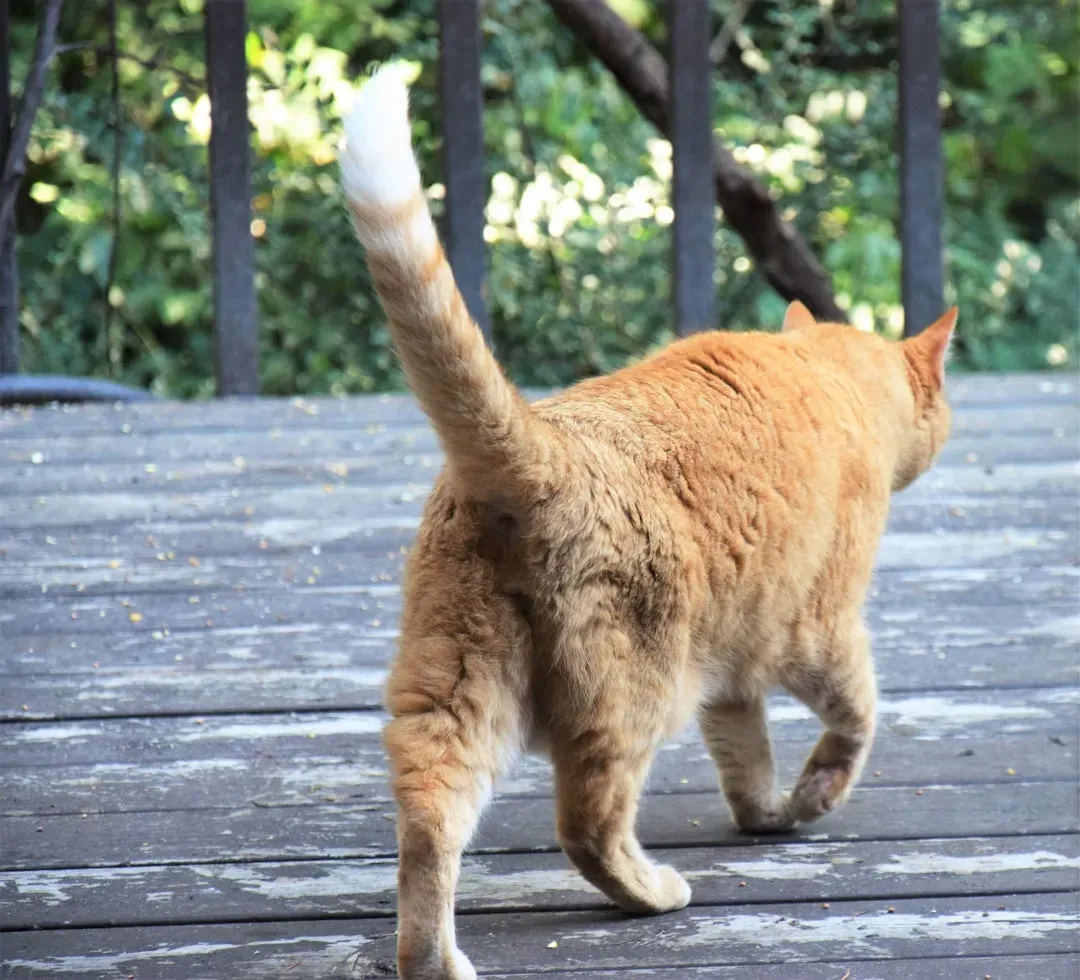
Cats often use their tails to express adoration for their pet parents, and a content cat will often hold their tail in an upright position with a C-shape or hook at the very top. Tail language is fascinating once you start paying attention. That proud, upright tail with a little curve at the tip is basically your cat waving a flag of affection.
An upright, gently swishing tail is a great indication that your cat is happy and confident, and if your cat also curls their tail around your arm or leg as they walk past you, that’s also a sign of affection and that they feel secure around you. It’s like they’re giving you a gentle hug as they pass by. Subtle, but incredibly sweet.
Watch how your cat holds their tail when they see you versus when they encounter something unfamiliar. The difference can be striking. That happy tail position reserved for you? That’s love. Just don’t confuse it with a puffed-up, rapidly swishing tail, which means something entirely different.
Purring in Your Presence
The rumbling, rhythmic sound of a cat purring is a quintessential sign of affection, and purring may occur when a cat feels safe and relaxed, often while being petted or enjoying your close presence. That gentle vibration against your chest or lap is one of the most soothing sounds in the world. It’s like having a tiny, furry motor expressing contentment.
Purring makes cats feel calm and secure, and the purring can build a bond between felines and their humans. Interestingly, the frequency of a cat’s purr has been shown to have potential therapeutic effects for humans too. So really, your cat might be trying to make you feel better while expressing their own happiness.
Context matters with purring. Cats purr for various reasons, including when they’re stressed or in pain as a self-soothing mechanism. The purring that happens while they’re curled up on your lap, relaxed and content, is different. That’s pure satisfaction, and you’re the reason for it.
Grooming You
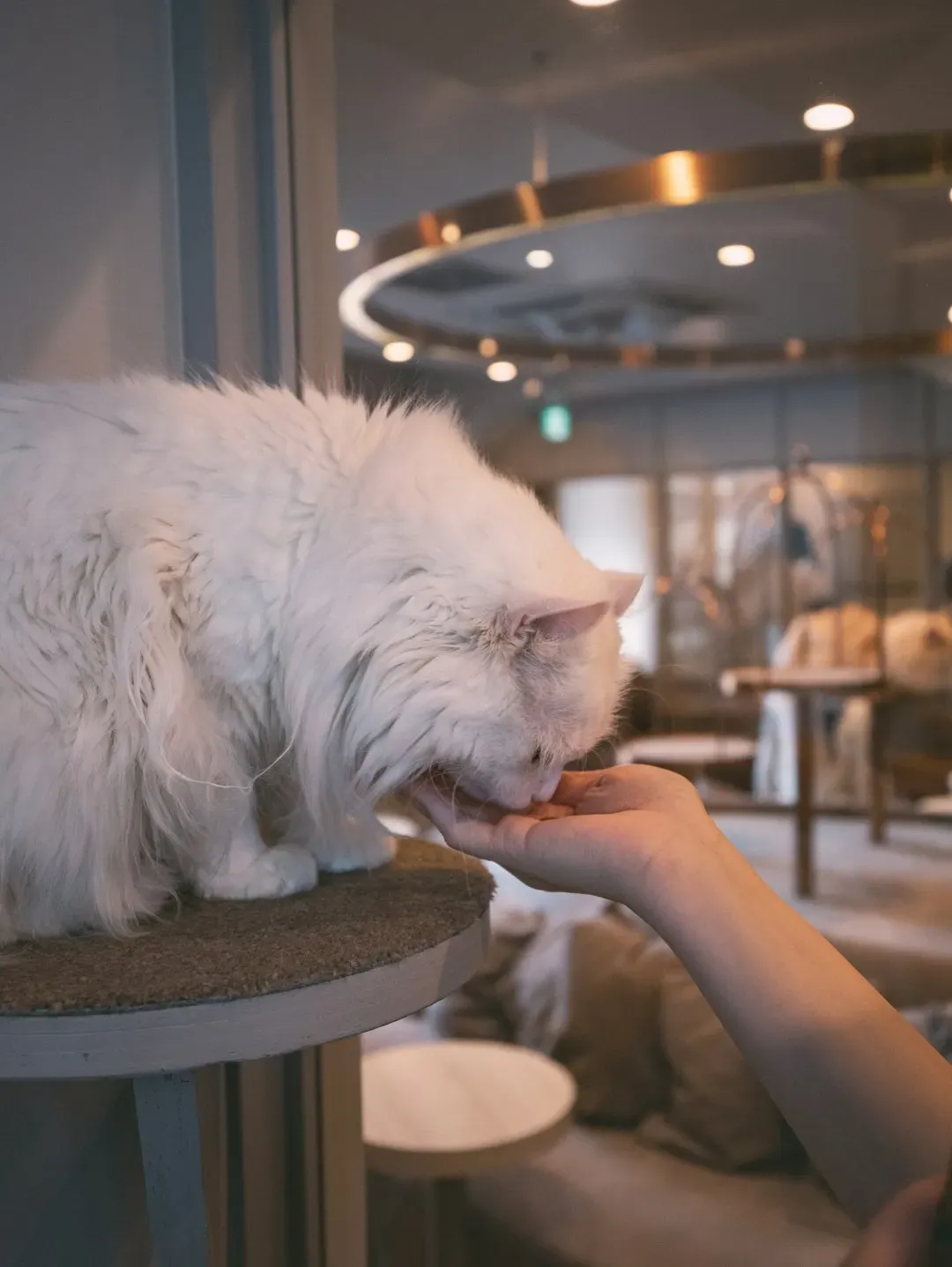
Cats sometimes show humans affection in the same way by gently licking their favorites while cuddling. If your cat has ever licked your hand, arm, or even your face, they’re treating you like family. Cats groom each other as a display of affection, and licking is similar to the grooming cats perform on their feline friends, allowing them to mark each other and build their bond.
Licking is a way a cat shows their love for someone because they lick their humans because they want to groom them, as they view you as one of their own. That sandpaper tongue might not feel pleasant, but the intention behind it is beautiful. Your cat is incorporating you into their grooming routine, which is a deeply social behavior.
Mother cats groom their kittens, and bonded cats groom each other. By grooming you, your cat is essentially declaring that you’re part of their family unit. It’s a nurturing behavior that shows they care about your wellbeing, even if their version of “cleanliness” involves a lot of saliva.
Chattering and Chirping at You
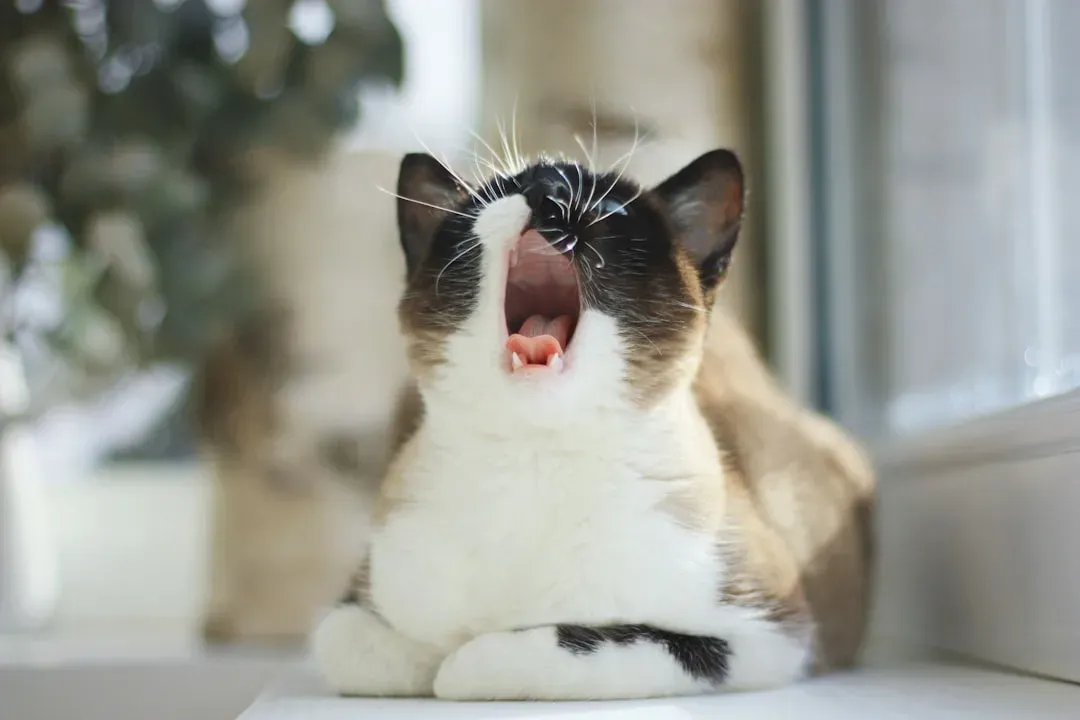
Instead of a meow, your feline friend might make a distinct, high-pitched chirp, which is their way of communicating, and if a cat chirps at you, it can mean they want you to follow them, they’re saying hello or they simply want your attention. Adult cats typically only meow to communicate with people, as they often rely more on smell and body language when interacting with other kitties.
Think about that for a moment. Your cat developed a special vocalization just for you. They don’t meow at other cats, but they meow, chirp, and trill at you because they’ve learned it gets your attention. That’s a learned behavior specifically designed for human interaction.
Each cat develops their own unique vocabulary with their owner. Some are chatty, others more reserved. When your cat “talks” to you, they’re engaging in conversation, sharing their thoughts and needs. They’re communicating because they want to connect with you. What would you have guessed their little sounds meant?
Conclusion
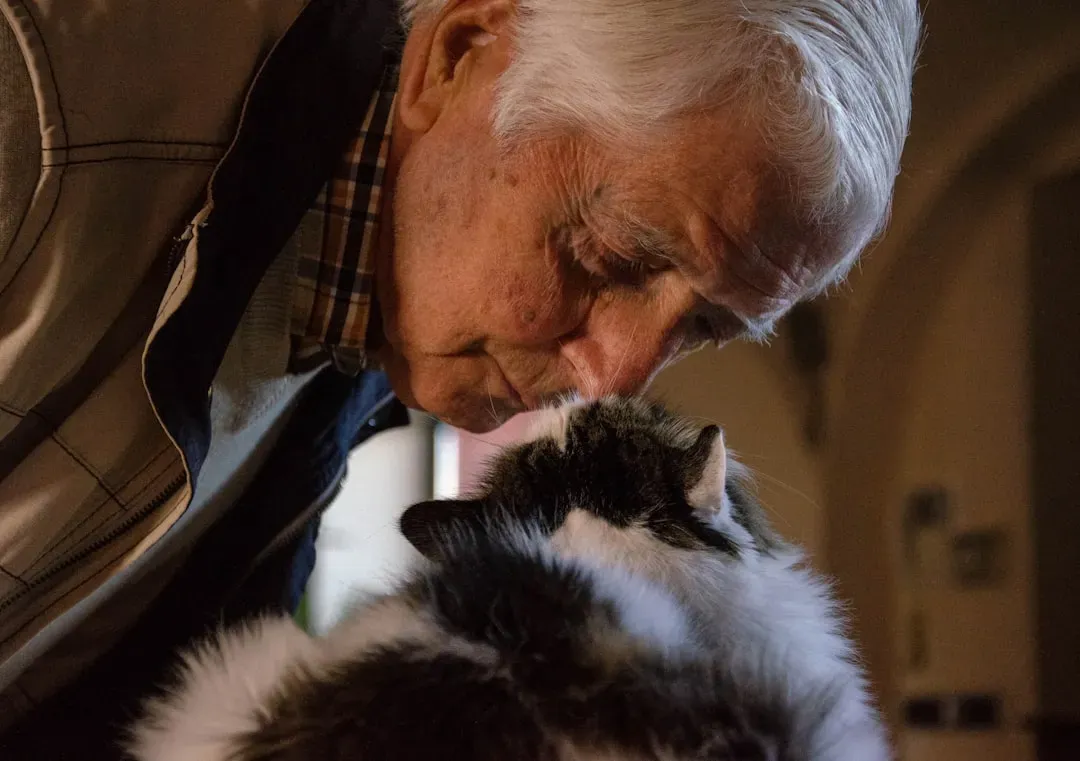
Cats have been showing us love all along, just in their own subtle, sophisticated way. From slow blinks to head bunts, from kneading to following you around, every gesture carries meaning. The key is learning to recognize these signals and appreciate them for what they are: genuine expressions of feline affection.
Your cat might not wag their tail or jump for joy when you come home, but that doesn’t mean they love you any less than a dog would. They’re simply speaking a different language, one that rewards careful observation and patience. Once you start noticing these behaviors, you’ll realize your cat has been telling you “I love you” multiple times a day.
So the next time your cat slow blinks at you from across the room or brings you their favorite toy at an ungodly hour, remember what they’re really saying. They’ve chosen you as their person, and in the mysterious world of cats, that’s the greatest compliment of all. What other secret love signals has your cat been sending that you might have missed?

- 16 Things Popular Dog Breeds Do That Actually Mean “I Chose You” - July 26, 2026
- 7 Ways to Keep Your Senior Dog Happy and Healthy for Years - July 26, 2026
- 6 US States With the Most Chickens - July 26, 2026