
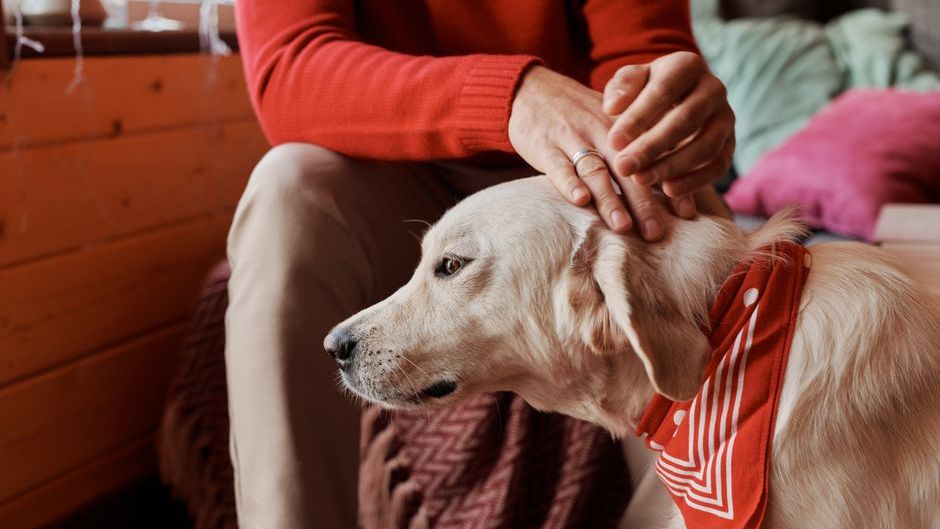
Higher Levels of Extroversion
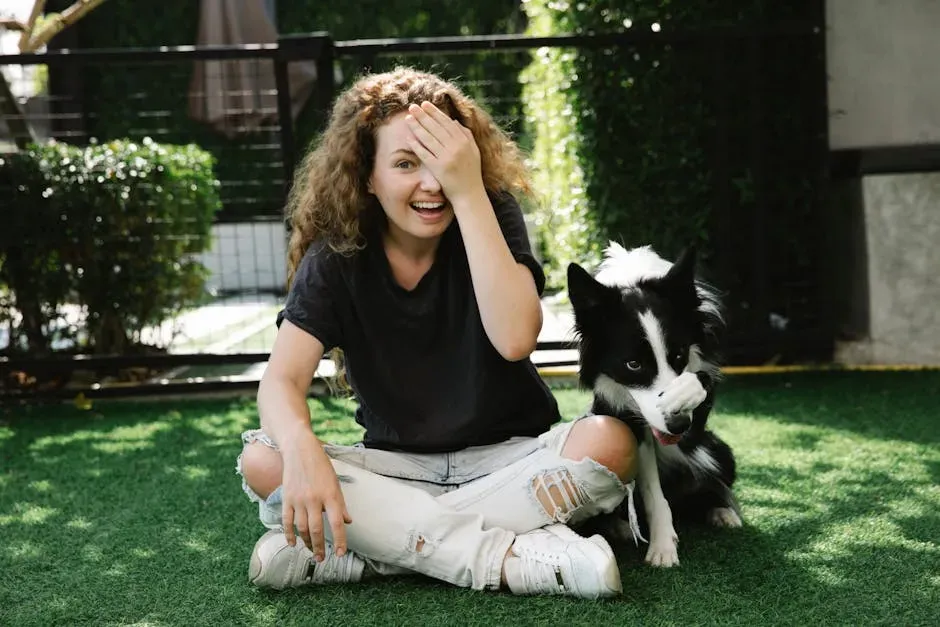
Studies consistently link a preference for dogs with greater extroversion. People who identify this way often report enjoying social interactions more readily and seeking out company in their routines. This trait shows up in how they approach gatherings or even casual neighborhood encounters.
Dog lovers tend to thrive on the energy that comes from shared activities. They may find themselves drawn to environments where interaction feels natural and frequent. The outgoing nature aligns well with the demands of caring for an animal that often requires regular outings and engagement with others.
Greater Agreeableness
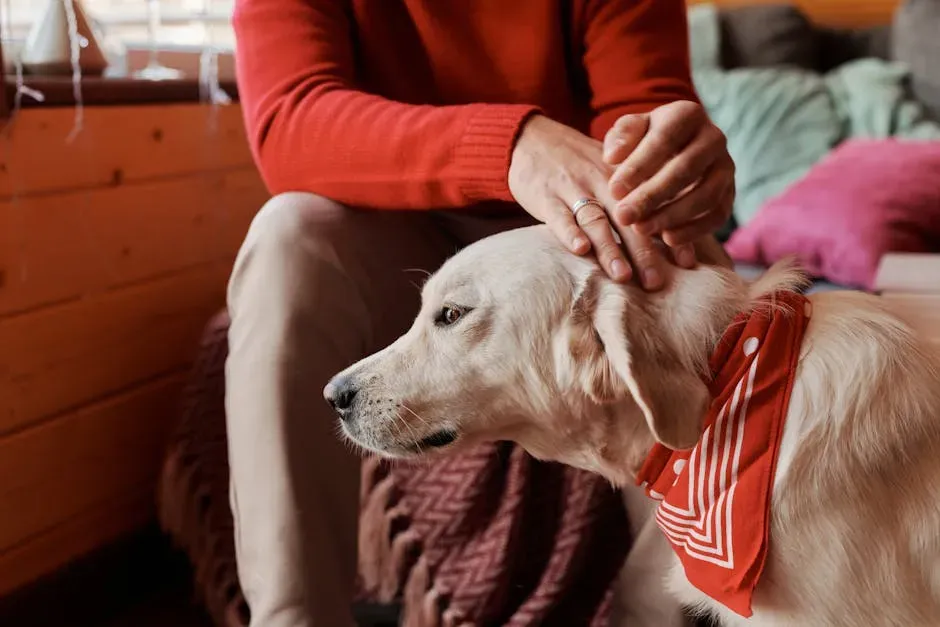
Research points to higher agreeableness among those who favor dogs. This quality often translates into cooperative behavior and a willingness to accommodate the needs of others, including pets. It can make daily responsibilities feel less like chores and more like mutual exchanges.
Such individuals frequently score higher on measures of warmth and empathy in personality assessments. They may prioritize harmony in relationships, whether with family members or the animals they bring home. This tendency supports the kind of steady companionship that dogs typically provide through their responsive nature.
Increased Conscientiousness
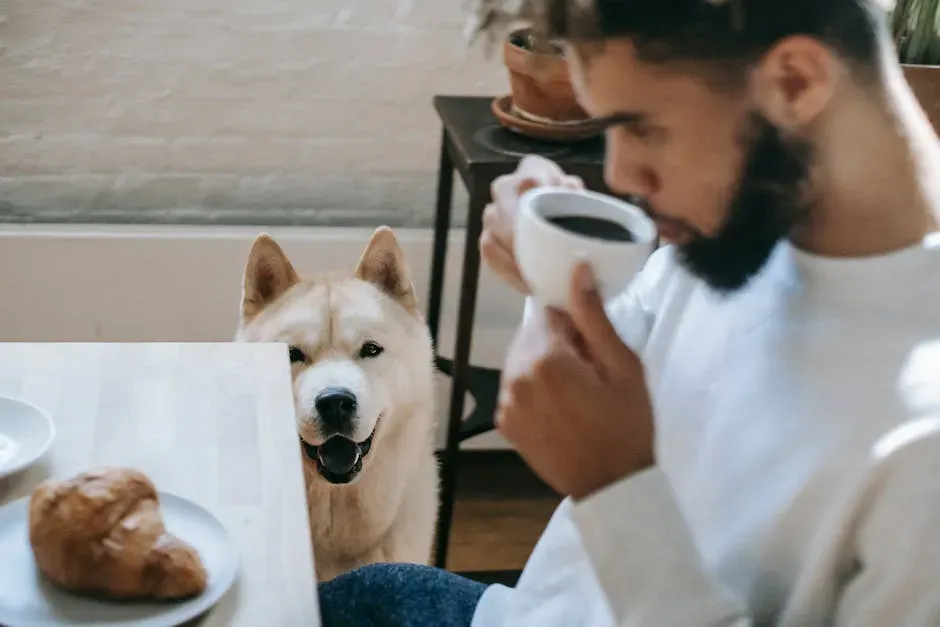
Conscientiousness appears more pronounced in dog-preferring groups according to multiple findings. These people often value structure, planning, and follow-through in their schedules. The trait helps explain why they might commit to consistent care routines without much prompting.
They tend to appreciate the predictability that comes with organized days. This includes setting aside time for exercise or training sessions that benefit both owner and pet. The focus on responsibility can create a sense of accomplishment that reinforces the bond over time.
Greater Emotional Stability
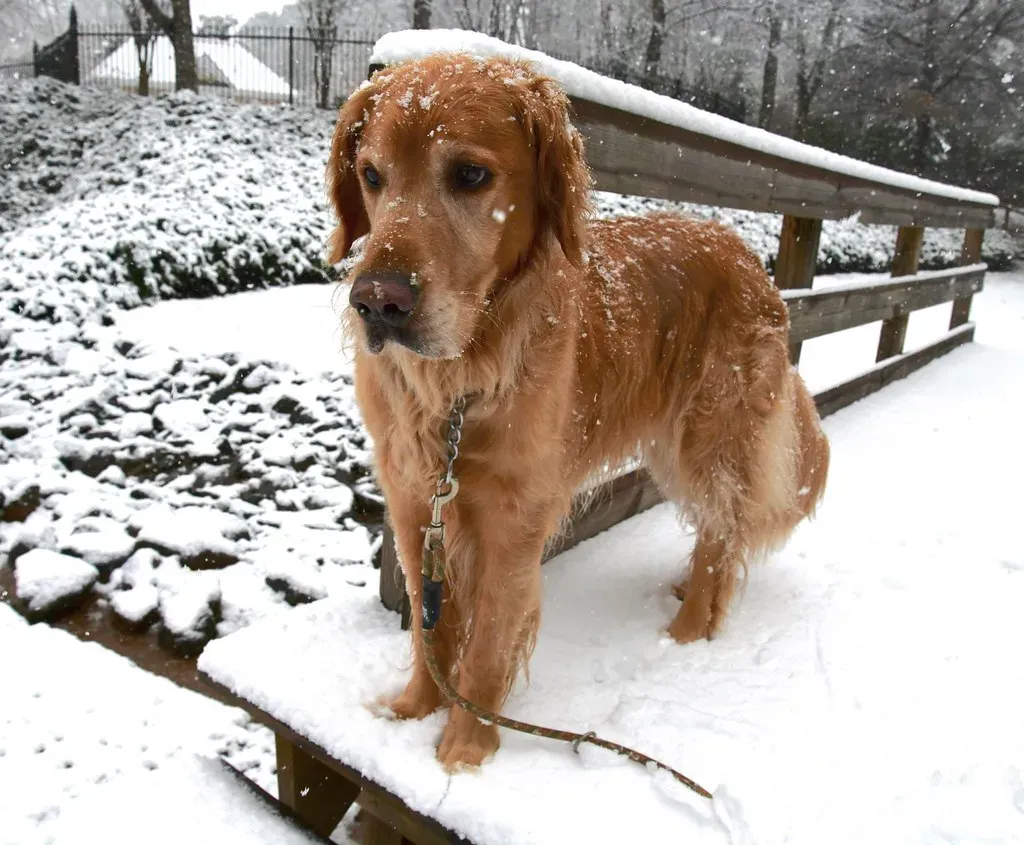
Lower neuroticism, or higher emotional stability, shows up repeatedly in comparisons involving dog enthusiasts. Individuals in this category may handle stress with more composure and recover faster from setbacks. The steadiness can make them well suited to the lively presence of a dog.
This quality often supports a calmer household dynamic even when the pet brings energy and occasional surprises. People scoring this way might view challenges as manageable rather than overwhelming. It contributes to an overall resilience that pairs nicely with active animal companionship.
Stronger Social Boldness
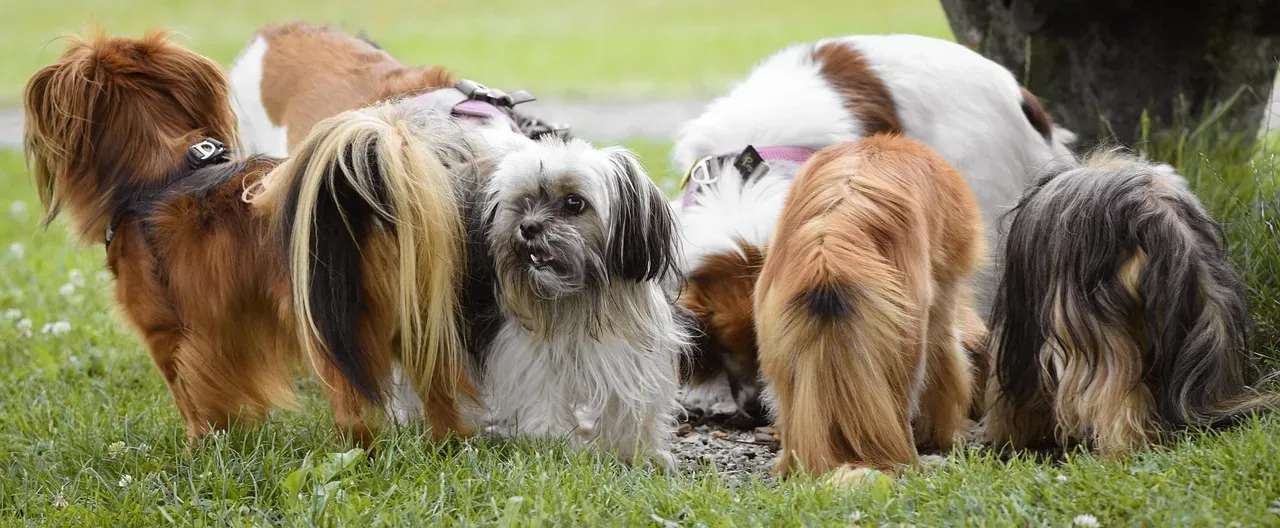
Findings from personality inventories highlight elevated social boldness among dog people. They may feel more comfortable initiating conversations or stepping into new group settings. This confidence can extend to how they introduce their pets into social circles.
The trait encourages exploration of shared spaces like parks or events where dogs are welcome. It often leads to broader networks built around common interests in animals. Over time, this boldness fosters connections that feel rewarding and expansive.
Higher Rule Consciousness
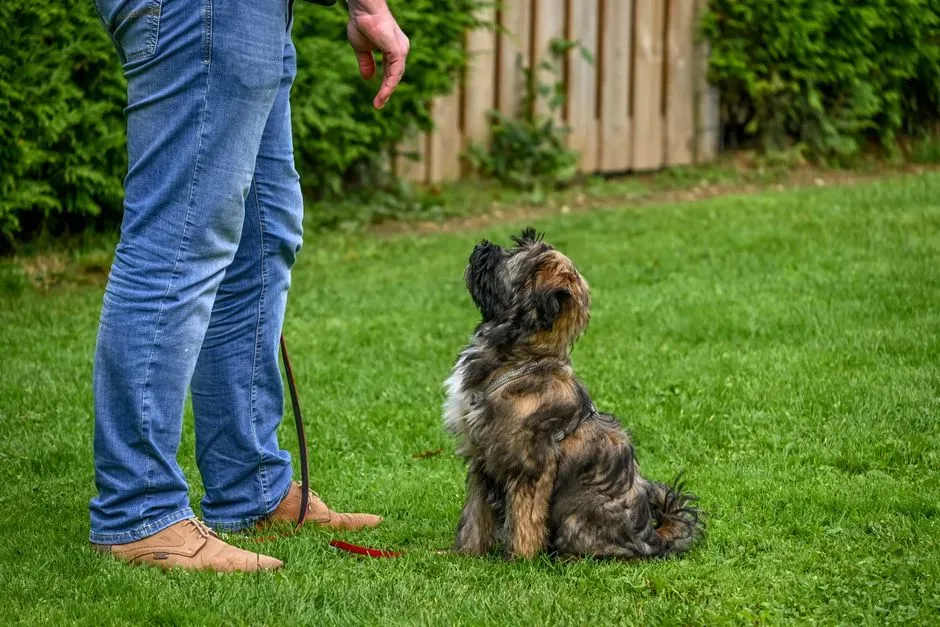
Dog preferrers sometimes demonstrate stronger rule consciousness in assessments. They value guidelines and consistency, which can translate into clear expectations for behavior in daily life. This approach helps maintain order amid the unpredictability of pet ownership.
Such individuals may appreciate the training aspects that come with dogs, seeing them as opportunities for mutual understanding. The preference for structure supports long term habits that keep both owner and animal content. It reflects a practical mindset toward responsibilities that require ongoing attention.
Reflecting on These Patterns
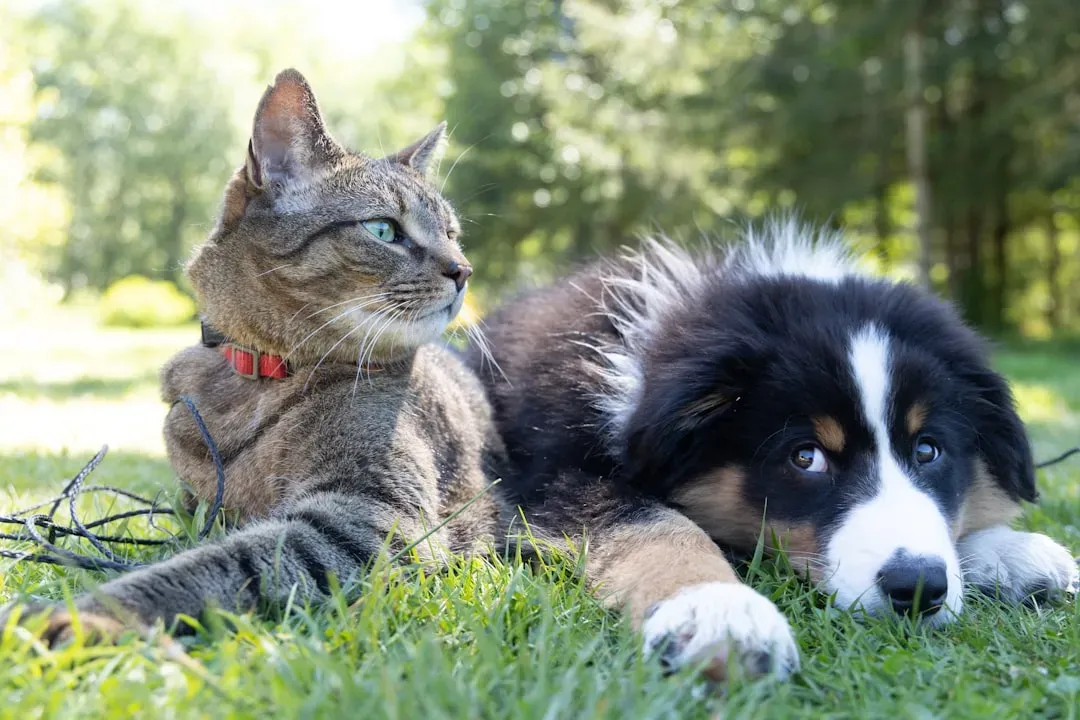
These overlapping traits paint a picture of people who often balance sociability with reliability in their choices. While no single study captures every individual, the recurring themes across research offer a useful lens for understanding preferences. They remind us that pet selections can echo broader aspects of how someone moves through the world.
Ultimately, recognizing these connections encourages a bit more curiosity about our own habits without locking anyone into rigid categories. The real value lies in how such insights might deepen appreciation for the diverse ways people form bonds with animals. In the end, what matters most is the genuine connection that develops, whatever the preference may be.
