
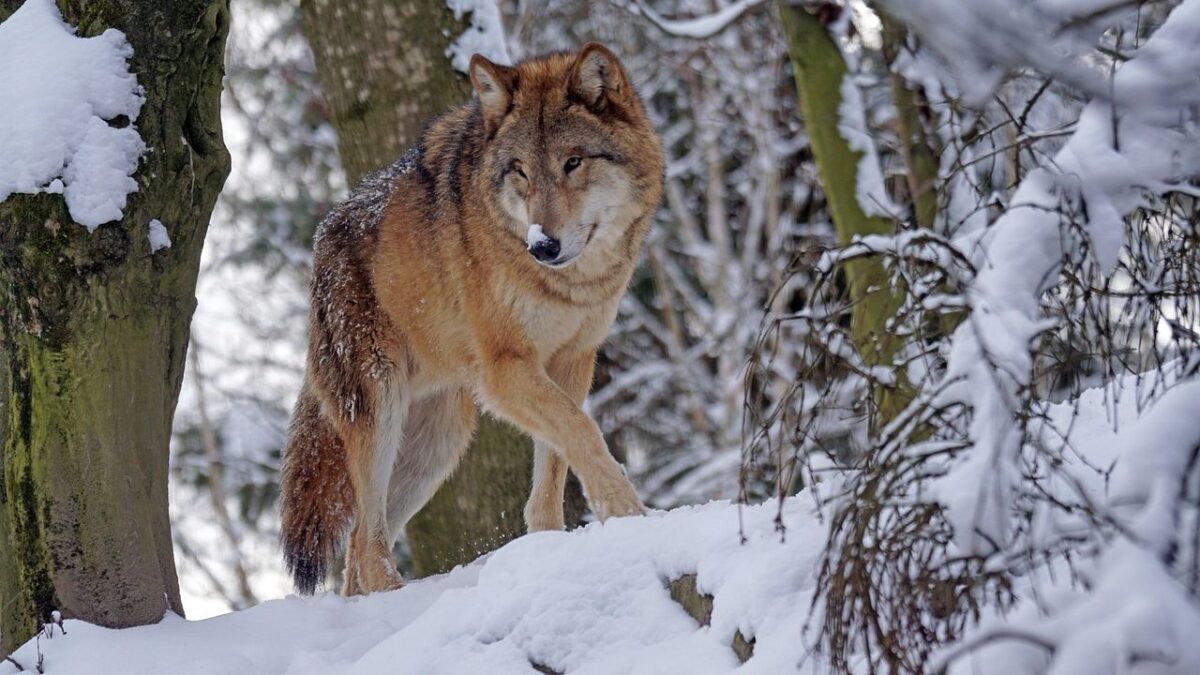
Picture this. You’re standing in Yellowstone National Park, looking at a river you visited years ago. Something’s different, though. The water flows differently now. The banks are stronger. Trees grow where there was once bare ground. What caused all this? Wolves. Yes, wolves.
Here’s the thing. When most people think about wolves, they imagine a pack hunting elk through snowy valleys. What they don’t imagine is how those same predators could physically reshape rivers, stabilize eroding banks, and bring entire forests back from the brink. Yet that’s exactly what happened when wolves returned to Yellowstone in the mid-1990s after being absent for nearly seventy years. The story sounds almost too incredible to be true.
Scientists call it a trophic cascade. It’s one of the most fascinating ecological phenomena ever documented, showing how the presence of a single species at the top of the food chain can ripple down through an entire ecosystem, changing everything from plant life to the physical geography itself. Let’s dive into what actually happens when wolves come home.
The Disappearance That Changed Everything
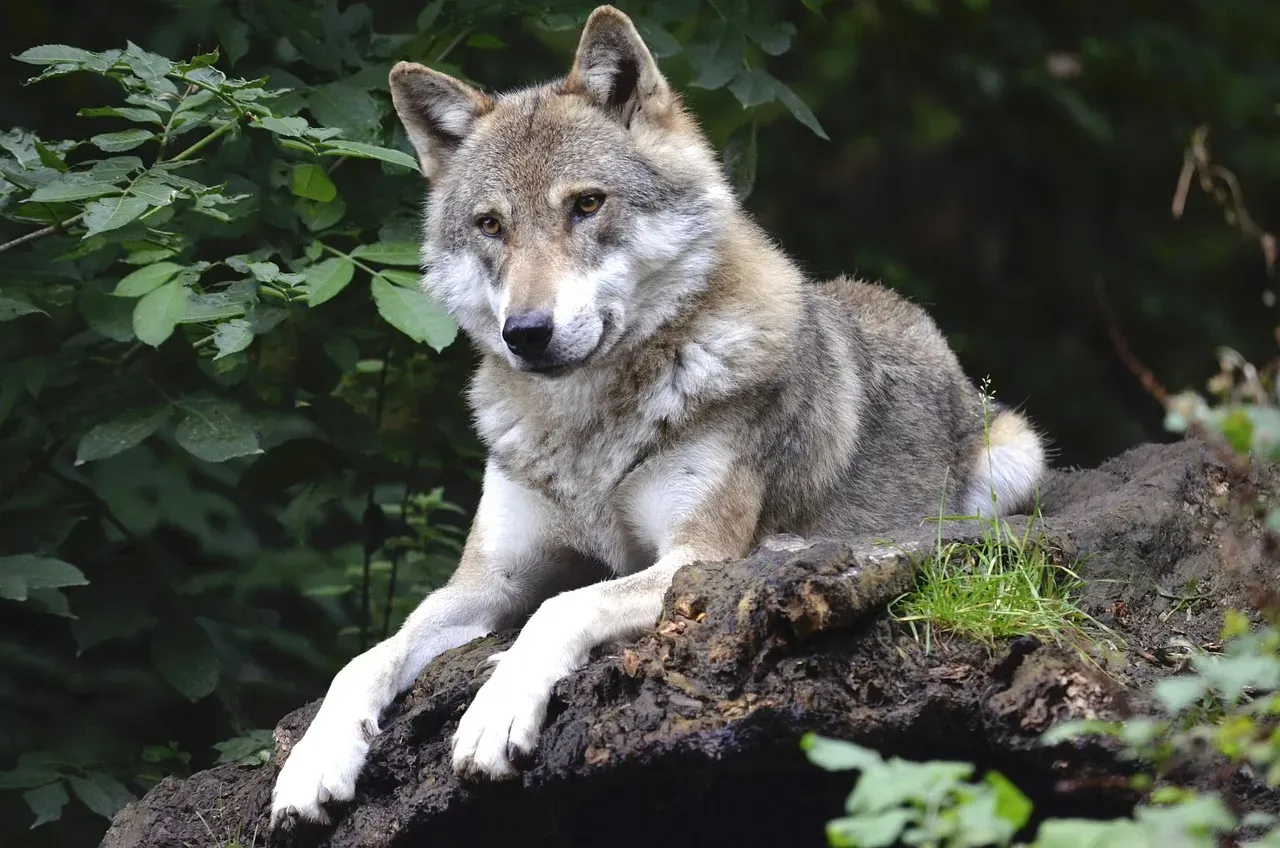
In the early twentieth century, wolves were systematically eradicated from Yellowstone National Park as part of predator control efforts, and by the 1920s, there were no wolves left in the park. People believed wolves were dangerous to livestock and humans, so hunters, trappers, and government programs wiped them out with bounties and poisoning campaigns. It seemed like a victory at the time.
Nobody anticipated what would happen next. In the absence of a major predator like the wolf, the elk population exploded to over 20,000, and they essentially had free reign over the landscape. Without the constant threat of predation, elk behavior changed dramatically. They lingered in valleys and along riverbanks, munching on every willow, aspen, and cottonwood sapling they could find.
The consequences were devastating. Elk and deer reduced the willows to nubs, and as browsing increased following large predator loss, the vegetation was scoured, allowing the stream banks to erode. Beaver populations collapsed because they needed willows for both food and dam-building materials. Songbirds that nested in riverside shrubs disappeared. The whole ecosystem started to unravel.
Rivers began to change shape as well. Without vegetation to hold the soil in place, banks crumbled and eroded. Channels widened and became shallow. Water temperatures rose because there were no trees to provide shade. Yellowstone was shifting toward a degraded, simplified landscape that looked nothing like the thriving ecosystem it once was.
1995: The Wolves Return
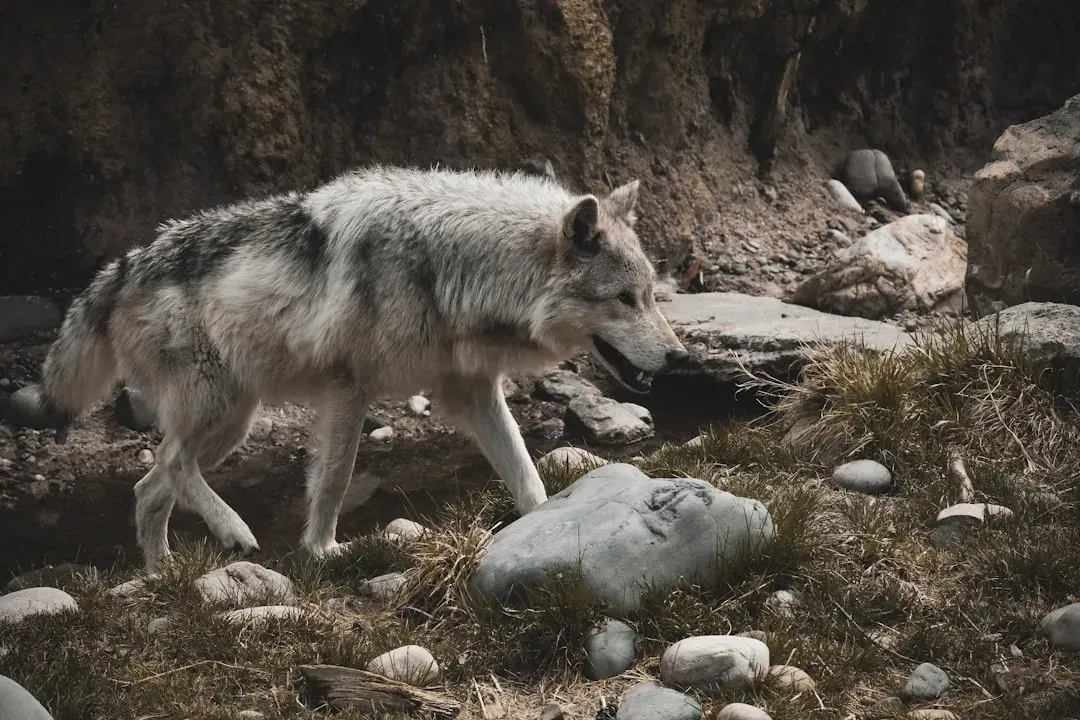
In 1995, as part of a historic rewilding effort, 14 gray wolves were reintroduced to Yellowstone from Canada, followed by 17 more in 1996. Biologists hoped they would help control the ballooning elk population. What they didn’t fully expect was the cascade of changes that would follow, transforming the park in ways that went far beyond simple predator-prey dynamics.
The wolves got to work immediately. They started hunting elk, which reduced the overall population. More importantly, though, they changed elk behavior in fundamental ways. Elk behavior shifted as instead of grazing freely across the entire park, they became more cautious and avoided open riverbanks and valleys where wolves could ambush them. This fear factor, what scientists call the “ecology of fear,” turned out to be just as important as the actual kills.
Suddenly, elk couldn’t just stand around in one place all day, methodically devouring every plant in sight. When wolves were reintroduced, the elk herds could no longer sit in one place and eat everything nearby as they were forced to keep moving in response to wolf predation. They had to stay alert. They had to keep moving. This gave vegetation a fighting chance to recover.
The results started showing up faster than anyone expected. The reintroduction of wolves in Yellowstone National Park has led to a significant trophic cascade, resulting in a 1,500% increase in willow crown volume along riparian zones from 2001 to 2020. Trees that had been suppressed for decades suddenly shot upward. In some areas, tree height quintupled in just six years.
How Vegetation Came Back From the Dead
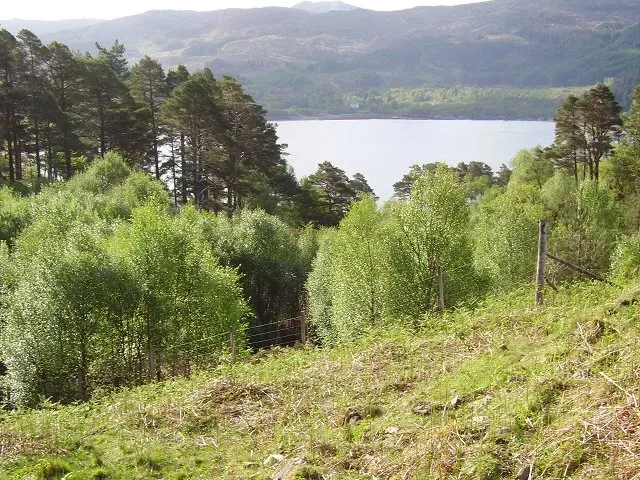
With fewer elk feeding on young saplings, aspen, willow, and cottonwood forests recovered along riverbanks. Bare valley sides that had been chewed down to nubs transformed into thriving forests. It wasn’t just a gradual recovery either. The change was dramatic enough to see with the naked eye within a decade.
Think about what this meant for the landscape. During their first visit in 2004, elk in previous years had browsed willows down to knee height and the loss of vegetation allowed the stream to widen, but when they returned in 2017, the willows had grown to over 9 feet tall and large canopies had returned. That’s an astonishing transformation in just thirteen years.
The returning vegetation didn’t just benefit plants. Birds started moving in and the number of songbirds and migratory birds started to increase greatly. Insects that depend on specific plants returned. Small mammals found cover and food. The whole food web started knitting back together.
More trees meant more habitats as the return of forests supported songbirds, insects, and small mammals, boosting biodiversity. Even grizzly bears benefited because more berry-producing shrubs grew back. The cascade was spreading through every layer of the ecosystem, touching species that had no direct connection to wolves or elk.
Honestly, it’s hard to overstate how fundamental this change was. For decades, ecologists believed ecosystems were built from the bottom up, with plants as the foundation. Yellowstone proved they could also be shaped from the top down by apex predators who controlled herbivore populations and behavior.
Rivers That Literally Changed Course
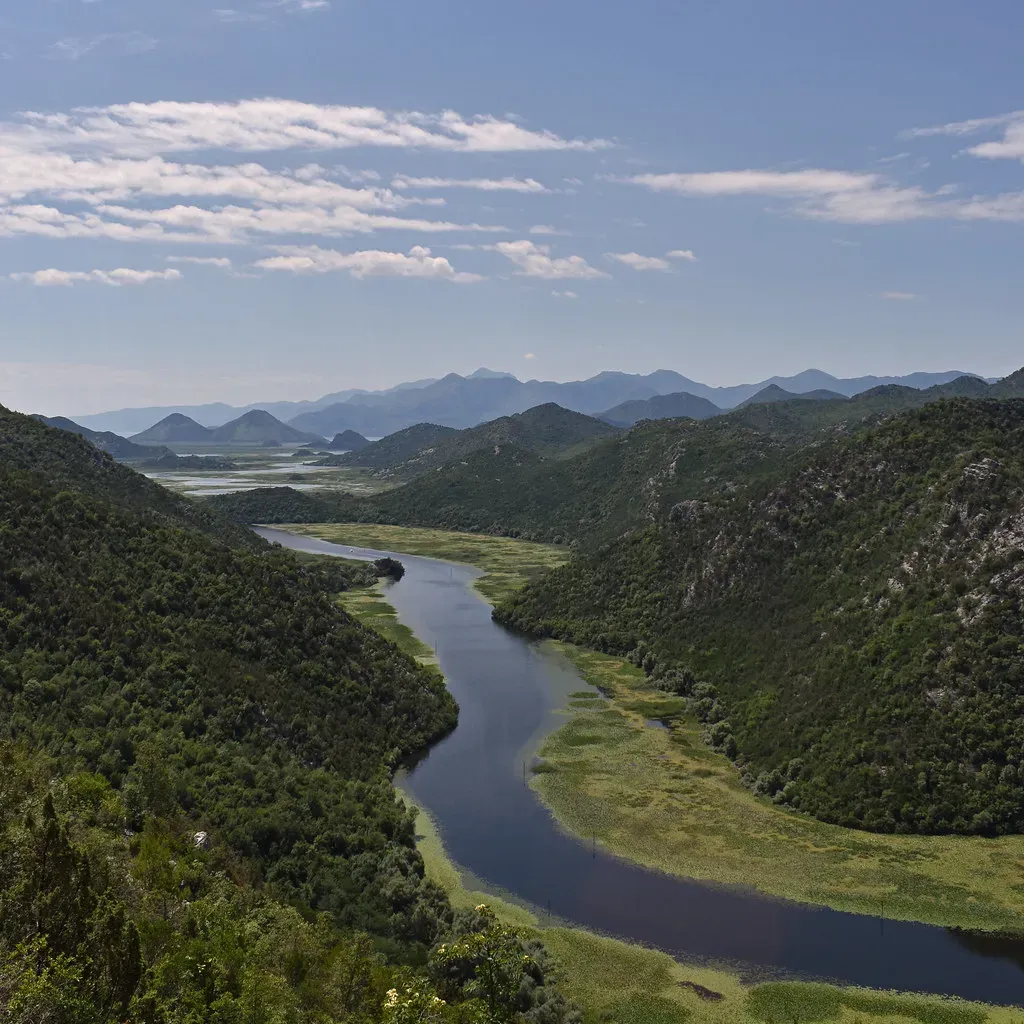
Here’s where it gets really mind-blowing. The wolves changed the behavior of the rivers as they began to meander less, there was less erosion, the channels narrowed, more pools formed, and more riffle sections developed. Think about that for a second. An animal that doesn’t even touch water directly managed to reshape entire river systems.
How does this work? It comes down to roots. By reducing elk overgrazing, wolves allowed trees and shrubs to regrow along riverbanks, stabilizing the soil and preventing erosion, and with stronger banks, rivers meandered less, deepened, and retained water more effectively. Those willow and cottonwood roots acted like natural rebar, holding soil in place that had been washing away for decades.
Following the introduction of the wolf population and the elk avoiding the open valley sides and banks, vegetation root structures stabilized the soil, preventing erosion, and with less erosion from hoof-trampling and loss of vegetation, river morphology changed and stabilized as sections narrowed, pools formed, riffles developed. The physical geography of the park was being rewritten by an ecological process.
Water quality improved too. As sediment loads decreased, streams became clearer. Deeper pools provided better habitat for fish. Cooler water temperatures benefited trout and aquatic insects. The returning beavers built dams that created wetlands, which further transformed the hydrology of entire watersheds. It was like watching nature’s own engineering project unfold in real time.
Yellowstone’s improving stream health is especially striking since it is occurring at a time when climate change ought to be making it harder for native vegetation to survive. The wolves were essentially helping the ecosystem resist some of the pressures that should have been degrading it.
The Debate: How Much Credit Do Wolves Deserve?
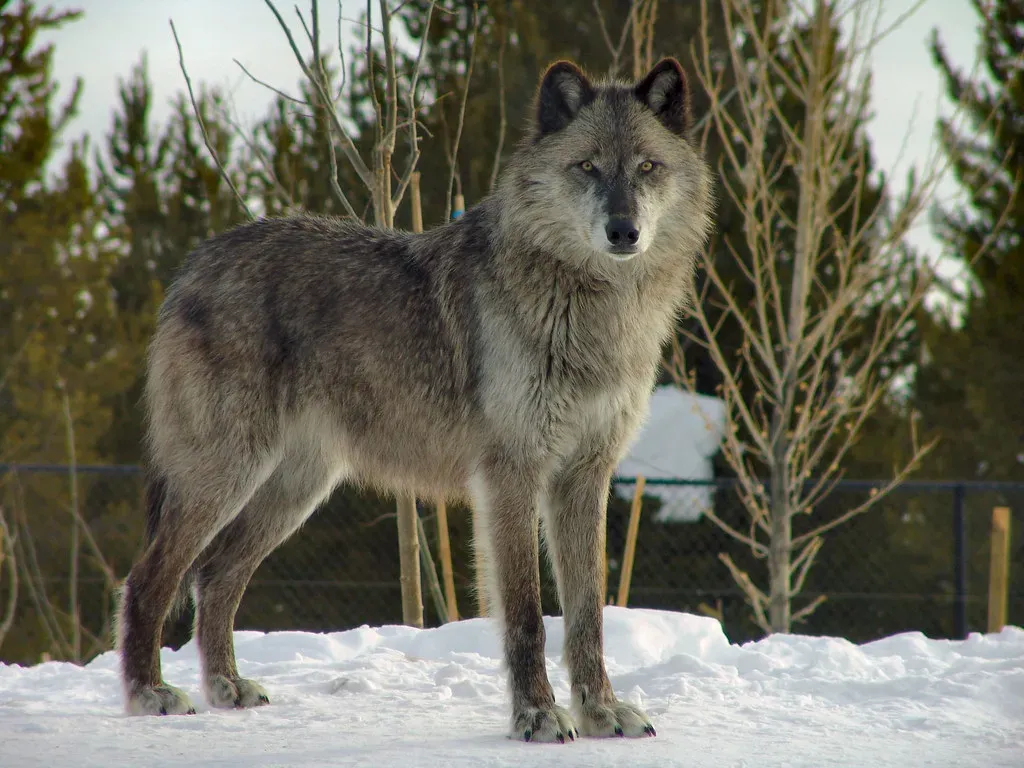
Not everyone agrees that wolves deserve all the credit for Yellowstone’s recovery. Some scientists argue the story has been oversimplified and romanticized. Climate, hunting pressure outside the park, grizzly bear recovery, and the return of cougars all influence elk populations and behavior, and a 2025 NPR report noted that the popular narrative of wolves single-handedly saving Yellowstone may overstate their role as other factors like drought, disease, human hunting also contributed to elk declines and vegetation recovery.
A re-analysis of Yellowstone data finds no evidence that wolf reintroduction caused a large or system-wide increase in willow growth, and previous claims of a strong trophic cascade relied on circular reasoning, model violations, sampling bias, and ignored key ecological factors, while willow responses are more modest and variable, shaped by hydrology, browsing, and local site conditions. That’s a significant challenge to the popular narrative.
Yet even skeptics acknowledge that wolves played a significant role, and the debate isn’t whether wolves mattered, but how much they mattered relative to other factors. It’s a good reminder that ecology is messy and complicated. Ecosystems don’t have simple on-off switches. Multiple factors interact in ways that are hard to tease apart.
Honestly, that’s how good science should work. Questioning assumptions, testing hypotheses, refining our understanding. What can’t be disputed is the data showing vegetation recovered dramatically after wolf reintroduction, rivers became more stable, biodiversity increased, and whether wolves deserve 80% of the credit or 50% doesn’t diminish the fundamental lesson that apex predators shape ecosystems in profound ways.
The truth probably lies somewhere in the middle. Wolves weren’t the only factor, certainly. Climate, fire history, human hunting, and other predators all played roles. Still, the timing and pattern of recovery strongly suggests wolves were a critical catalyst that triggered broader ecosystem healing.
What This Means for Conservation Worldwide
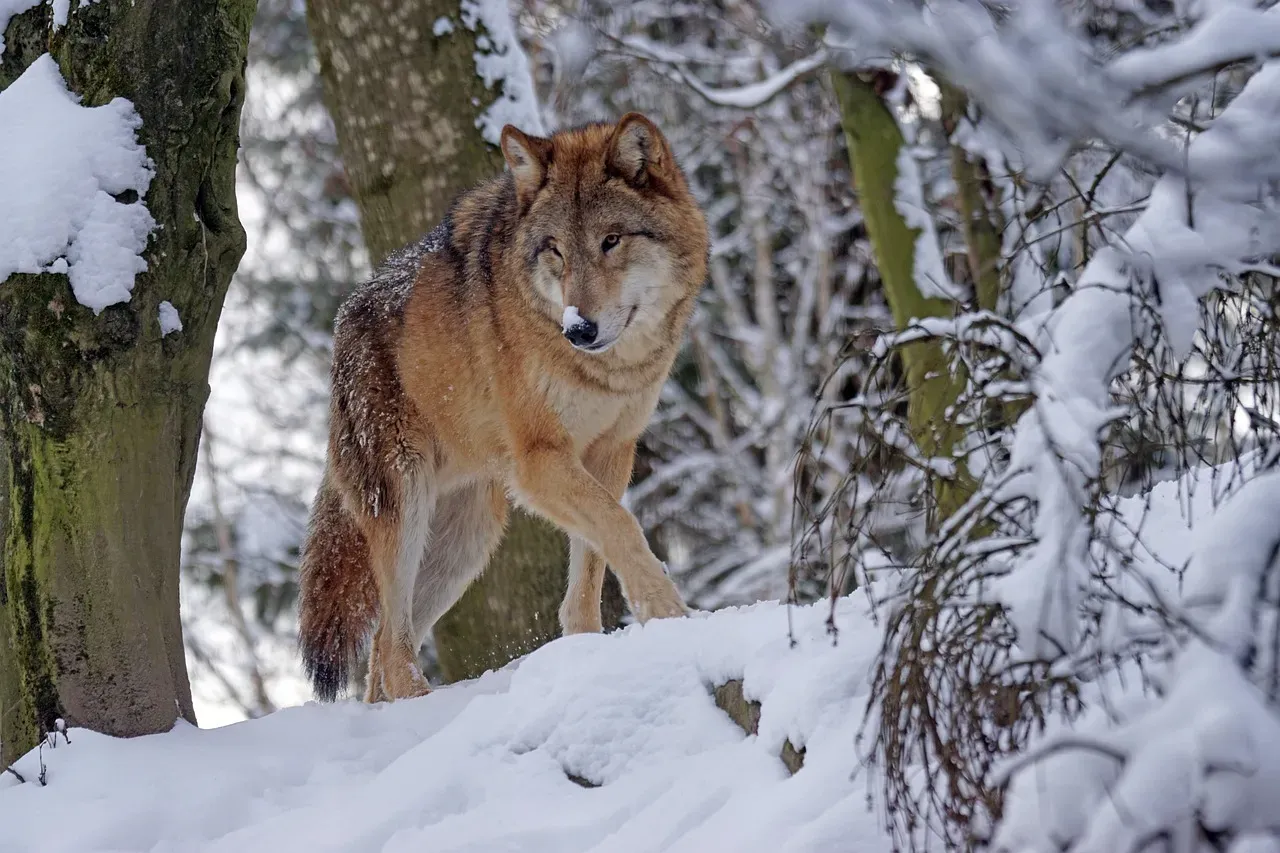
Yellowstone’s experiment has become one of the most studied cases in conservation biology. The strength of the Yellowstone trophic cascade observed in this study surpasses 82% of strengths presented in a synthesis of global trophic cascade studies, underscoring the strength of Yellowstone’s willow recovery process. That puts it among the most dramatic ecosystem recoveries ever documented.
Conservation biologists point to Yellowstone as proof that restoring apex predators can trigger widespread ecosystem recovery if the conditions are right. That last part is crucial. You can’t just drop wolves into any degraded landscape and expect miracles. Success depends on having adequate prey, sufficient habitat, political will, and community support.
The principles apply broadly, though. This case study is unique in that it may be applied to apex predators all around the world, including lions in Africa and tigers in Asia, while sharks, bears, and wild canines all occupy the top of their respective food chains, ensuring stability among the species they prey on and maintaining plant and animal health. Ecologists are now applying lessons from Yellowstone to rewilding efforts in Europe, Asia, and elsewhere.
With the return of wolves in places like Canada’s Banff National Park, similar vegetation recovery also appears to be happening there. Each new example provides more evidence that intact predator guilds are essential for healthy ecosystems. It’s changing how we think about conservation from protecting individual species to restoring entire ecological processes.
What’s fascinating is how this challenges traditional views of predators as merely killers or threats. Wolves aren’t just removing elk from the population. They’re architects of the landscape itself, shaping where and how herbivores feed, which plants grow, how rivers flow, and which other species can thrive. That’s a fundamentally different way of understanding their role in nature.
Conclusion
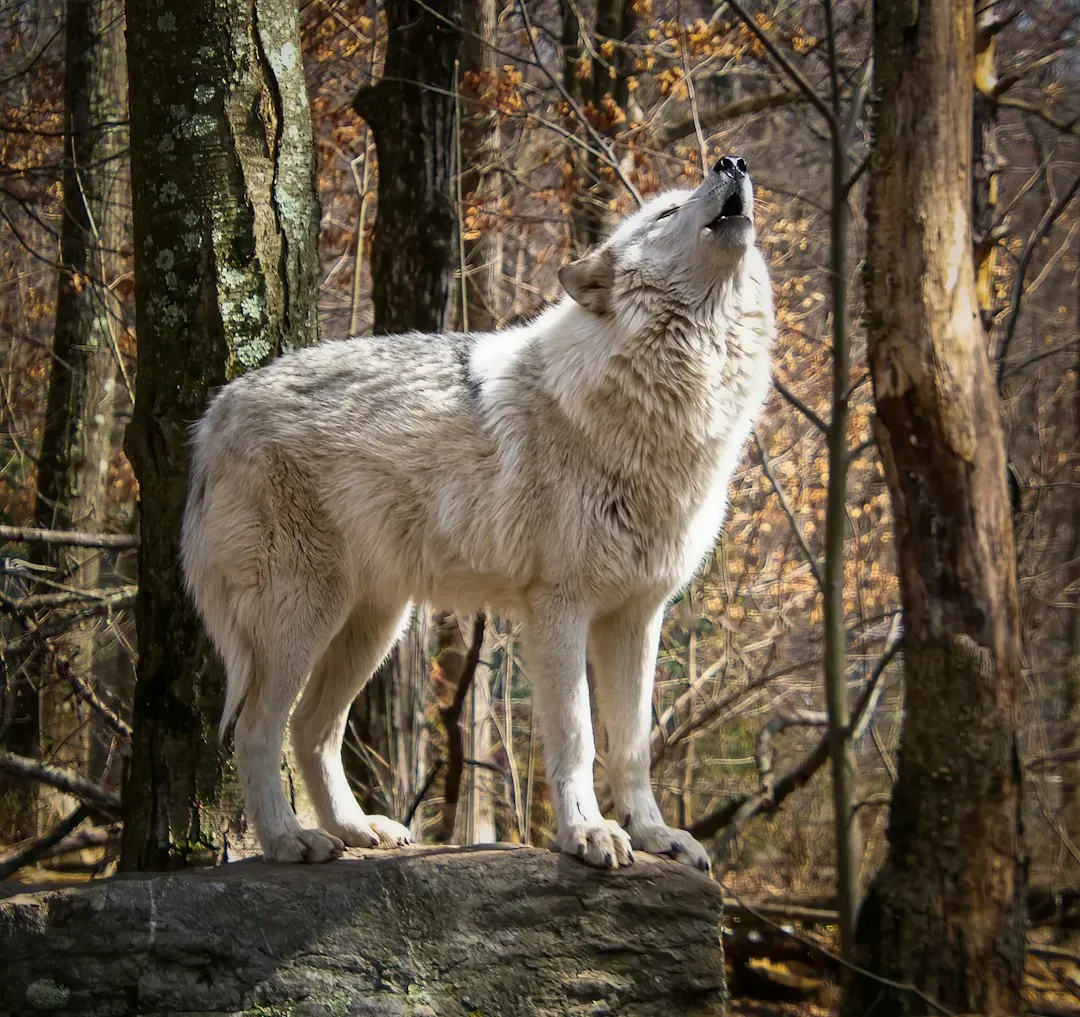
The story of Yellowstone’s wolves is ultimately about connections. It shows how deeply intertwined species are within ecosystems, how removing one piece can unravel the whole tapestry, and how restoring that piece can help the system heal itself. For nearly seventy years, Yellowstone struggled without its apex predator. Rivers eroded. Forests disappeared. Biodiversity declined.
When wolves came back, they didn’t just hunt elk. They changed elk behavior, which allowed vegetation to recover, which stabilized riverbanks, which altered river morphology, which created habitat for countless other species. Each link in the chain mattered. Each connection reinforced the others. The ecosystem began remembering what it once was.
We’re still learning from this ongoing natural experiment. Every year brings new data, new insights, and new questions about how ecosystems respond to predator restoration. The debate will continue about exactly how much credit wolves deserve versus other factors. That’s healthy scientific discourse.
What do you think about wolves reshaping entire landscapes? Does it change how you view predators in nature? Tell us in the comments.

- 17 Quiet Signals a Horse Sends the Person It Has Claimed That Most Owners Never Learn to Read - August 1, 2026
- 18 Plants Lifelong Gardeners Say They Regret Ignoring for Far Longer Than They Ever Should Have - August 1, 2026
- The 18 Signs Your Aging Cat Has Chosen You to Be Beside It When the Time Finally Comes - August 1, 2026