
Most people think great gardens come from chasing whatever’s trending on Instagram this week. Ask any gardener who’s been doing this for twenty, thirty, forty years, though, and you’ll hear a quieter, almost sheepish confession instead. The real damage was never done by the plants they killed – it was done by the plants they never bothered to try.
These aren’t rare specialty items or fussy showpieces. They’re plants sitting in every garden center right now, usually overlooked, sometimes mocked as boring or old-fashioned – right up until someone finally plants one and realizes it should have been anchoring their yard for decades already. Here’s the full list of regrets, straight from gardeners who learned it the slow, expensive way.
#1 – Peonies: The Shrubs That Should’ve Been There From Day One
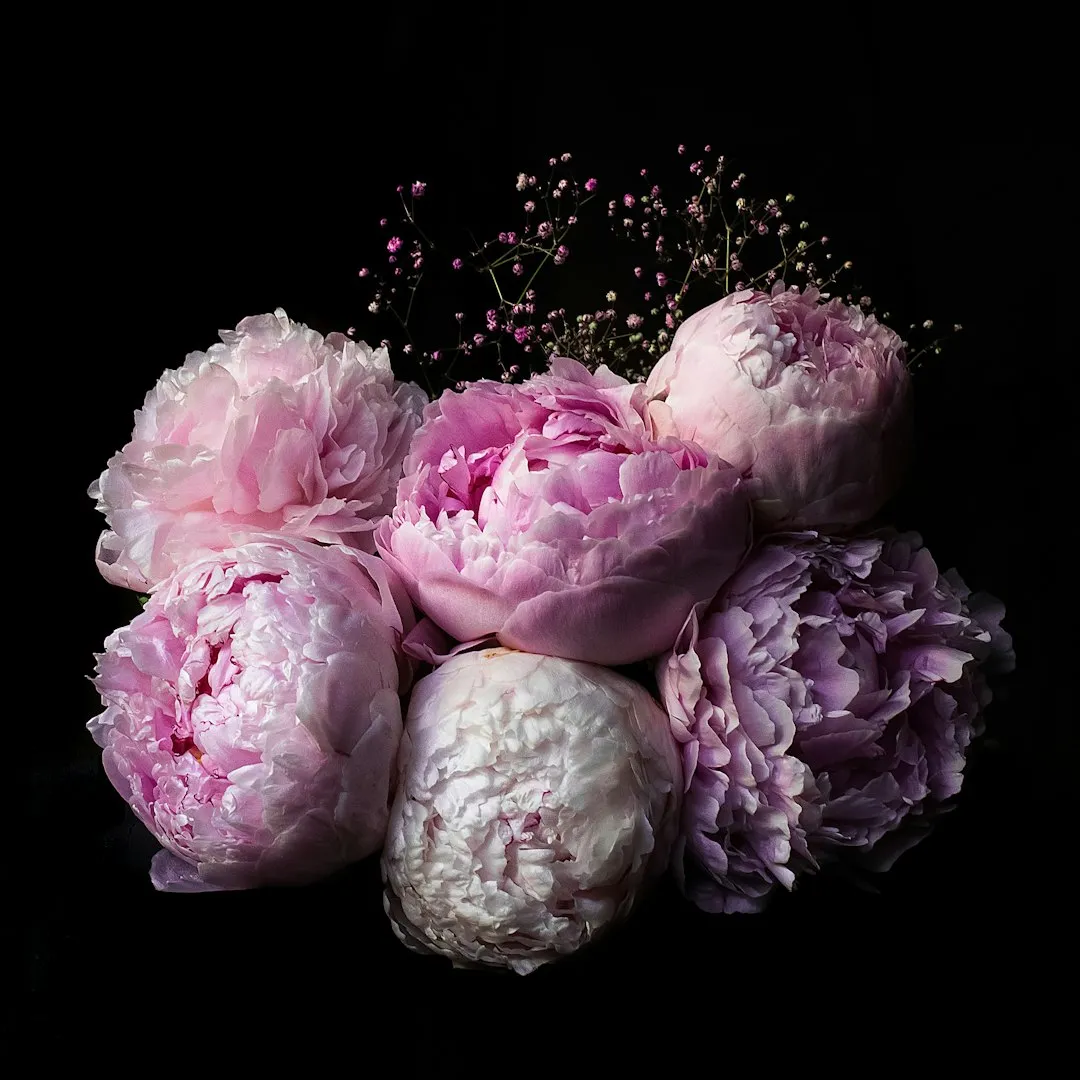
Seasoned gardeners quietly agree on this one: peonies are the plant they massively underrated in their early years. They take a couple of seasons to settle in, which is exactly why impatient beginners skip them. But once established, a single peony clump can bloom for 50 to 70 years with almost no attention at all.
They shrug off brutal winters, tolerate neglect, and explode into huge, scented flowers just as the rest of the garden is still rubbing the sleep from its eyes. Many old-timers admit they wasted money on tender annuals year after year when peonies could’ve quietly been building those long-lived crowns the whole time. Give them sun, well-drained soil, and the patience to leave them alone – that’s the entire secret.
Fast Facts
- Established peony clumps can keep blooming for 50 to 100 years without ever needing to be divided
- They perform best with six to eight hours of direct sun a day
- Plant the “eyes” only one to two inches deep – too deep and you’ll get leaves with no flowers
- Peonies are naturally deer-resistant and rarely bothered by pests
#2 – Hydrangeas: The “Old Lady Shrub” That’s Secretly a Powerhouse
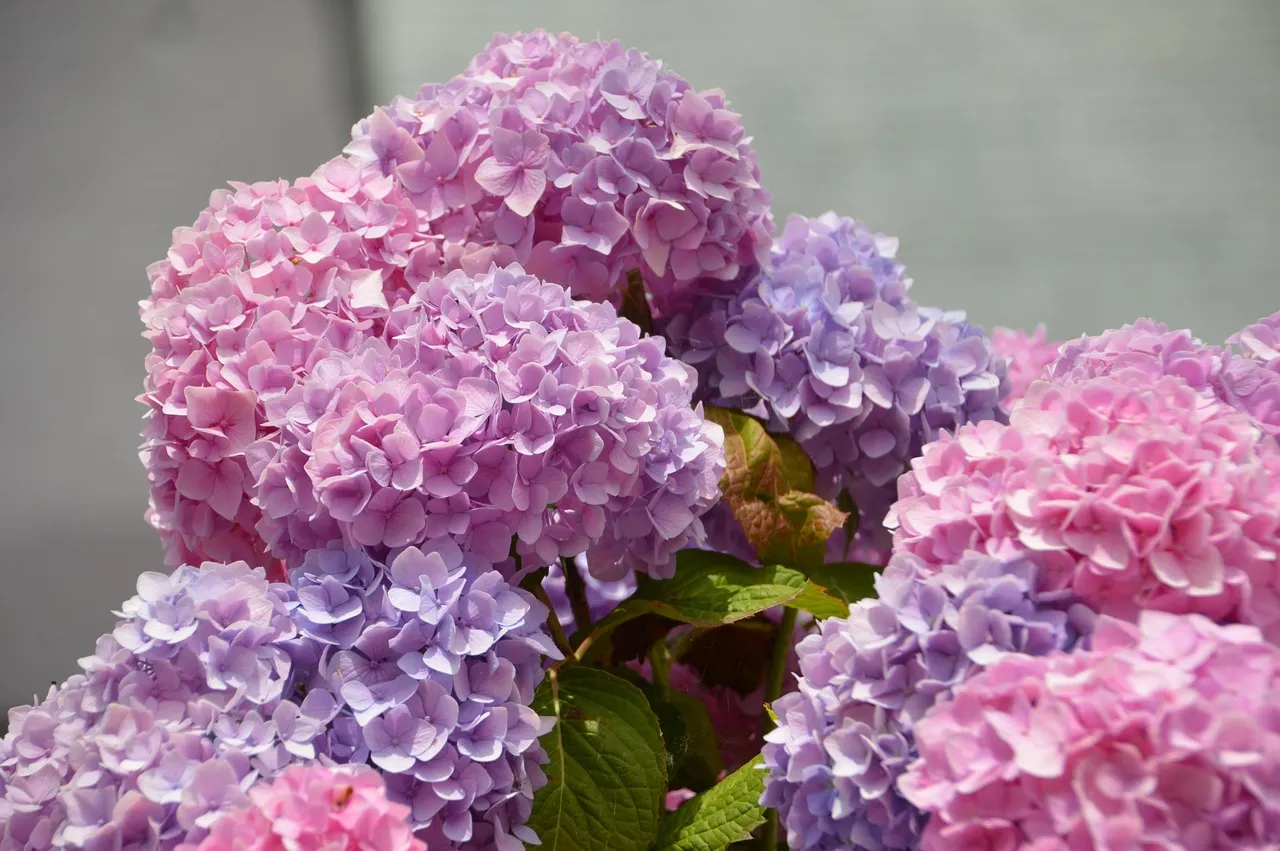
For years, plenty of gardeners dismissed hydrangeas as grandma plants stuck next to vinyl siding. Then they finally grew one properly and realized few shrubs deliver this much foliage, flower, and season-long drama for so little effort in return.
Modern varieties bloom on new wood, tolerate more sun than people expect, and produce months of dramatic flower heads that dry beautifully indoors. The biggest shock is how forgiving they are – decent soil and steady water in year one, then they reward you with years of neglect-proof performance. Some gardeners now argue a simple hydrangea hedge does more visual heavy lifting than expensive hardscaping ever could.
#3 – Lavender: The Workhorse Herb They Thought Was “Too Mediterranean”
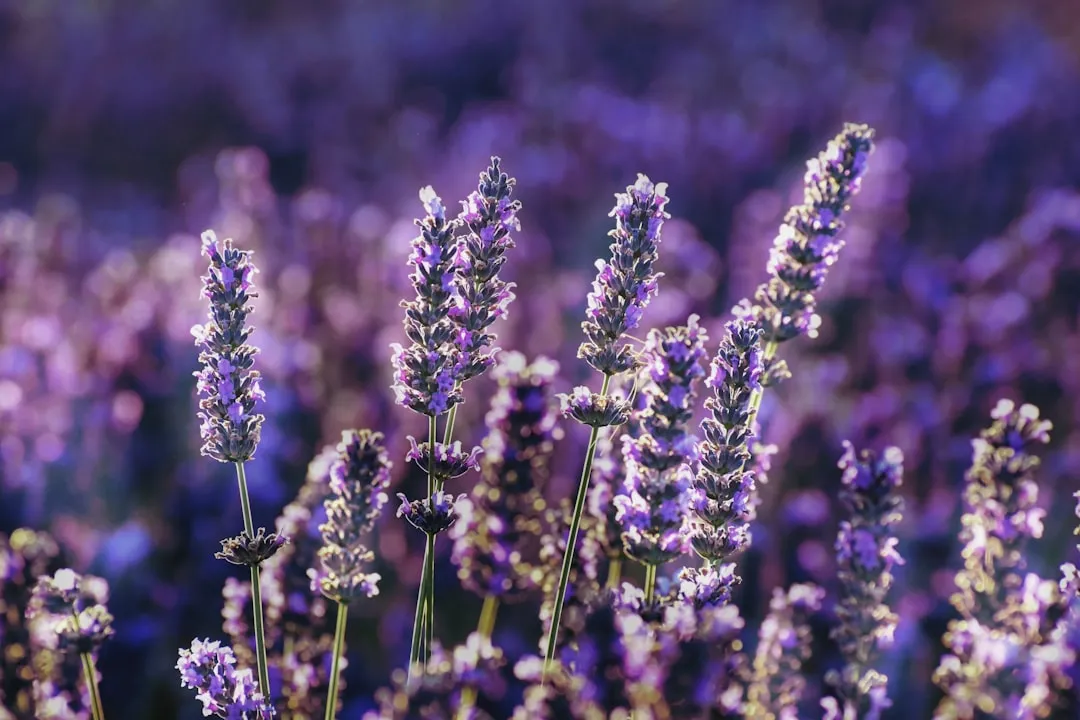
Many gardeners avoided lavender for years, assuming their climate would kill it on contact. Then they finally tried a hardy variety in a sunny, well-drained spot and discovered it’s one of the toughest, lowest-maintenance plants you can put in the ground.
It laughs at drought, ignores rich soil entirely, and perfumes the air every time you brush past it. Lavender quietly solves a problem nobody talks about: the ugly, dead-looking strip along a driveway or mailbox post. Longtime gardeners now admit they only discovered its talent for edging and cutting late in the game, after years of babying thirsty annuals in that exact same spot.
#4 – Hostas: The Shade Plant People Mocked… Until They Needed It Most
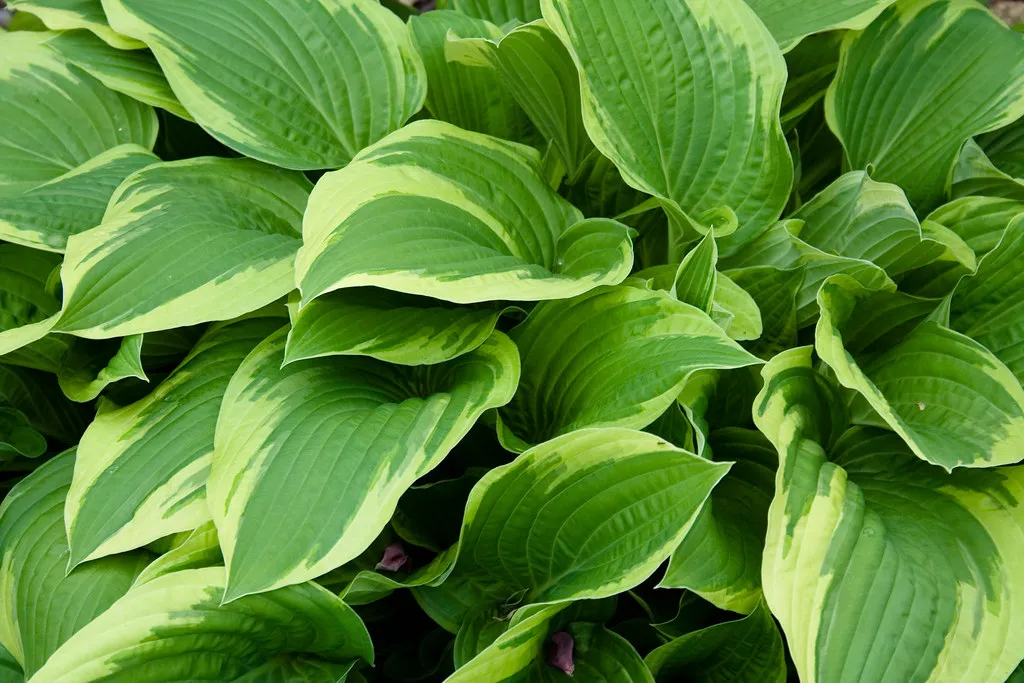
New gardeners obsess over sunny borders and ignore shade completely, right up until it becomes a real problem. That’s why so many veterans openly regret not planting hostas earlier – these things don’t just fill a gap, they can carpet an entire dark corner with lush, layered foliage for decades.
What surprises people most is how collectible they are. Sizes range from teacup to genuinely monstrous, and the leaf shapes and colors alone can make a shady backyard feel like a botanical garden with almost zero reliance on blooms. Older gardeners say a few mature hostas planted early would’ve saved them years of resenting their own yard.
#5 – Daylilies: The Bulletproof Bloomers Everyone Took for Granted
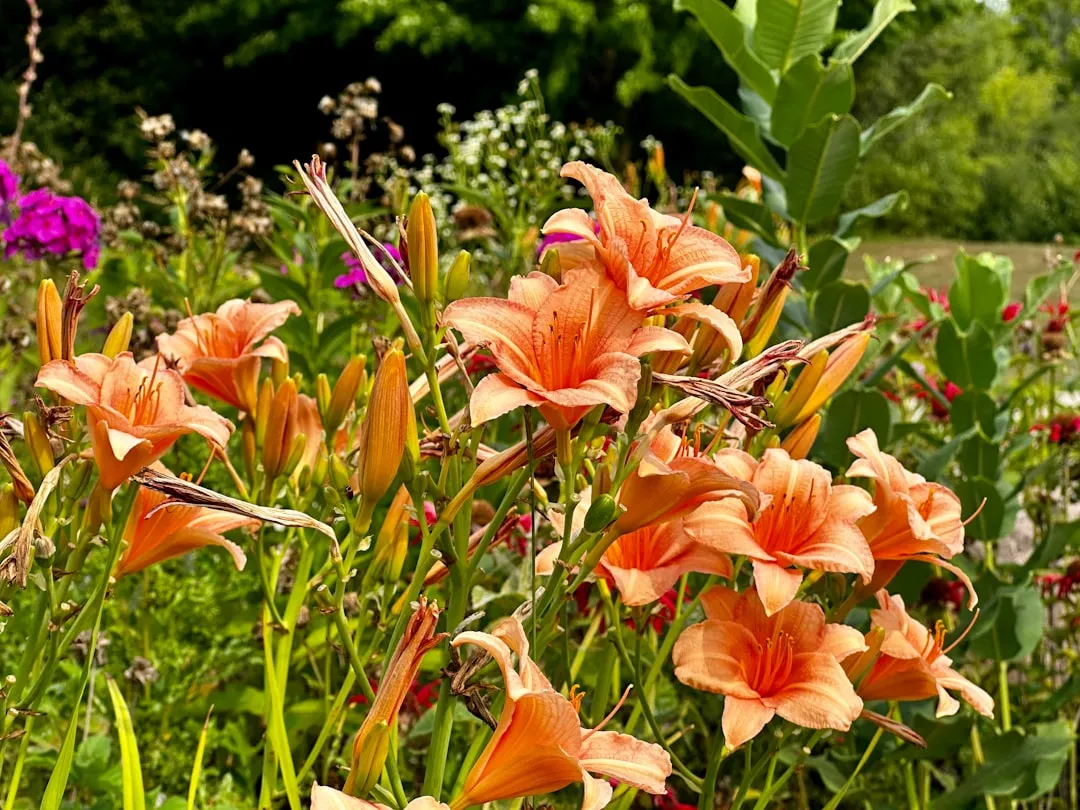
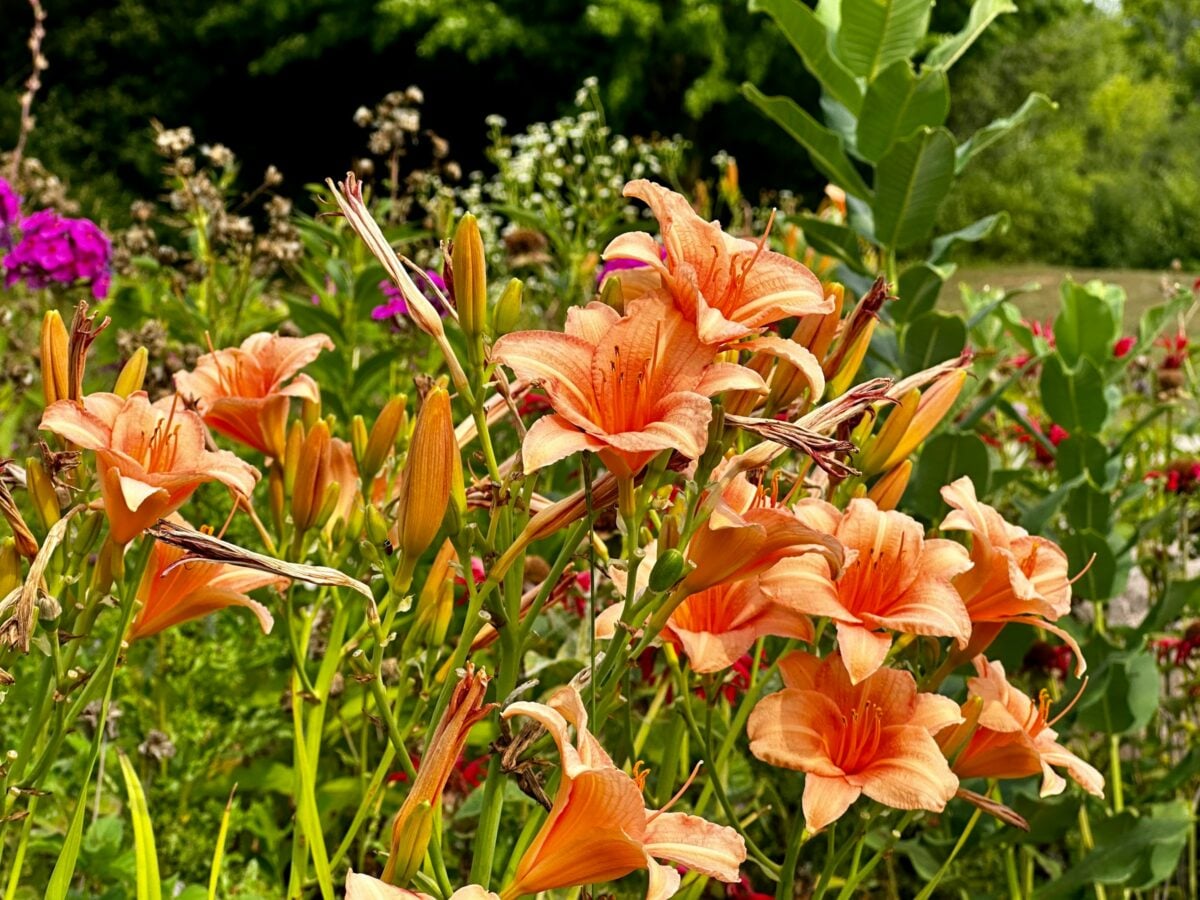
Because daylilies line every highway and old farmstead in America, newer gardeners assume they’re boring. Ironically, that’s exactly what makes lifelong gardeners wish they’d leaned into them sooner – a well-chosen clump can bloom reliably for decades through neglect, drought, lousy soil, and partial shade.
The underrated part is their job as gap-fillers. While fussier perennials sulk or take a season off, daylilies quietly carry the color through the worst of midsummer. Long-timers admit they spent too many years relying on annuals for summer color when a few daylily plantings would’ve done the same job for free.
#6 – Sedums & Stonecrops: The Indestructible Groundcovers They Ignored
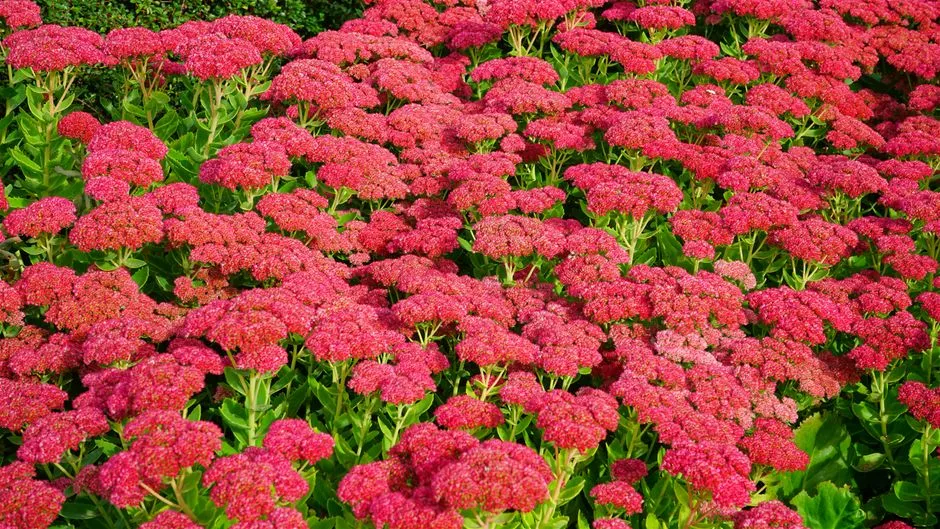
Ask a veteran gardener what they regret ignoring, and sedum comes up constantly. Early on, most people assume anything labeled “groundcover” must be boring – then they discover stonecrops thrive in gravel, rock, heat, and drought while still looking intentional and designed.
The real regret shows up when they remember all the dead patches they re-sodded or mulched year after year. Those hot, dry, forgotten spots – the top of a retaining wall, the narrow strip by the driveway – could’ve been solved with a handful of sedum cuttings and almost no water. Longtime gardeners now admit they paid for irrigation where a tough stonecrop carpet would’ve fixed everything for good.
#7 – Native Milkweed: The “Weed” They Spent Years Pulling Out
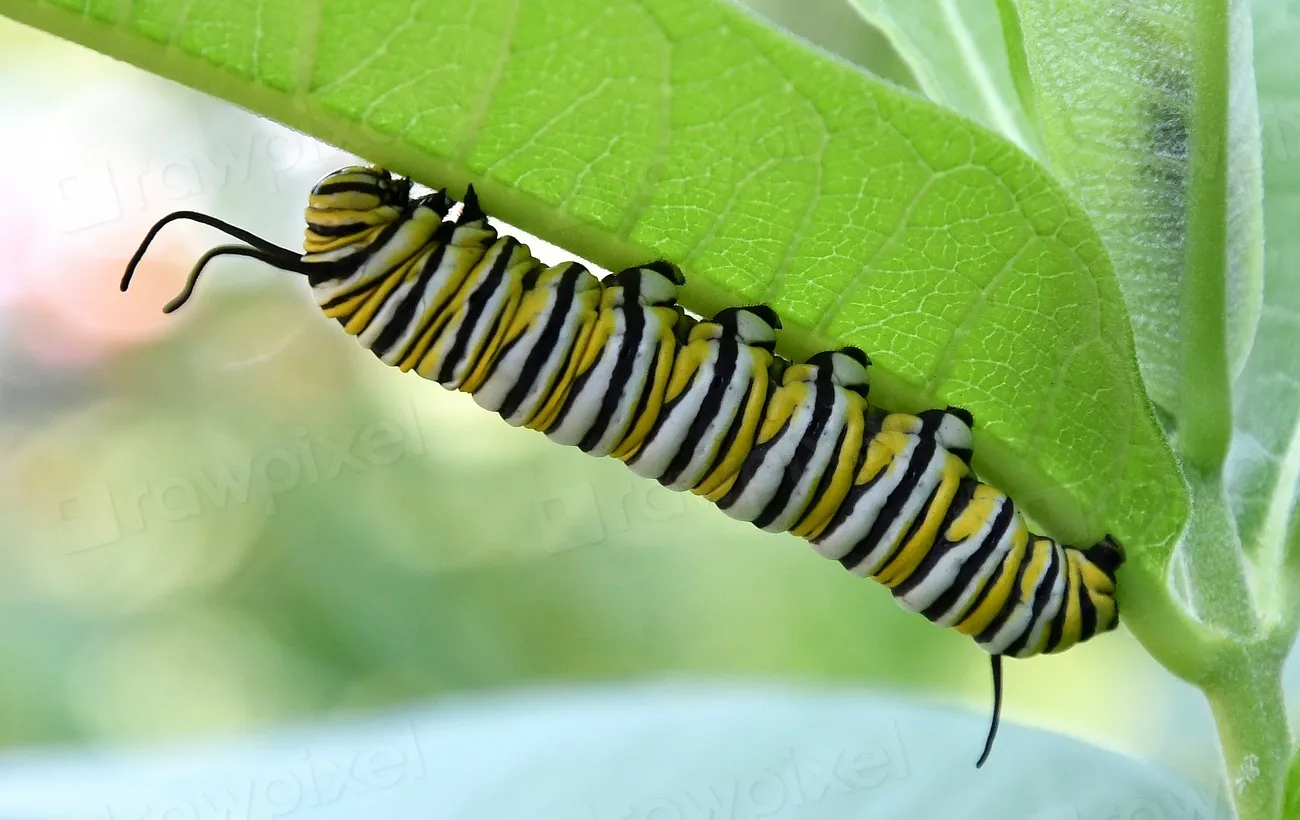
Many gardeners spent years yanking milkweed out of their beds without realizing what they were destroying. Only later did they learn that native milkweeds are the primary host plants for monarch caterpillars, and that planting it is one of the simplest, highest-impact wildlife decisions a home gardener can make.
The regret hits hard for anyone who remembers ripping it out “to stay tidy.” Once they finally added milkweed and watched caterpillars, chrysalises, and pollinators arrive in a single season, it changed how they planted forever. Many now say they wish they’d carved out a native strip decades earlier instead of chasing exotic hybrids in a garden that stayed oddly quiet and lifeless.
Why It Stands Out
- Monarch caterpillars can only eat milkweed leaves – no substitute plant will do
- A single patch can host eggs, caterpillars, and chrysalises all in one growing season
- Native varieties like common and swamp milkweed also feed a wide range of other pollinators
- It asks for almost nothing in return – just sun and average soil
#8 – Blueberries: The Edible Shrub That Beats Half the Ornamentals
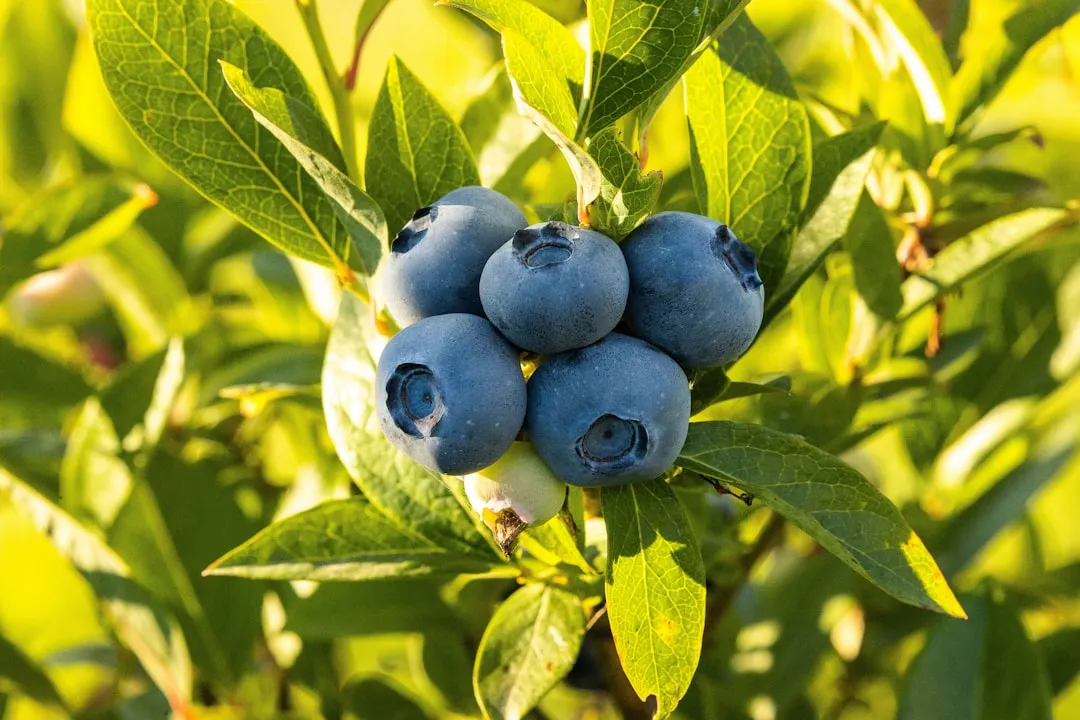
It’s wild how many lifelong gardeners skipped blueberries simply because they never thought of themselves as fruit growers. Then they finally tried, and realized blueberries are one of the easiest, most ornamental, multi-season shrubs a person can own – white spring flowers, glossy summer foliage, blazing fall color, and actual fruit within a couple of years.
The real shock is how little space it takes. A pair of compatible varieties in acidic soil, or even a large container, can produce bowls of berries every year. Veteran gardeners look back at all the generic foundation shrubs they installed instead and admit that ignoring blueberries for decades feels like a quiet gardening sin.
#9 – Garlic: The Set-It-and-Forget-It Crop They Thought Was “For Farmers”
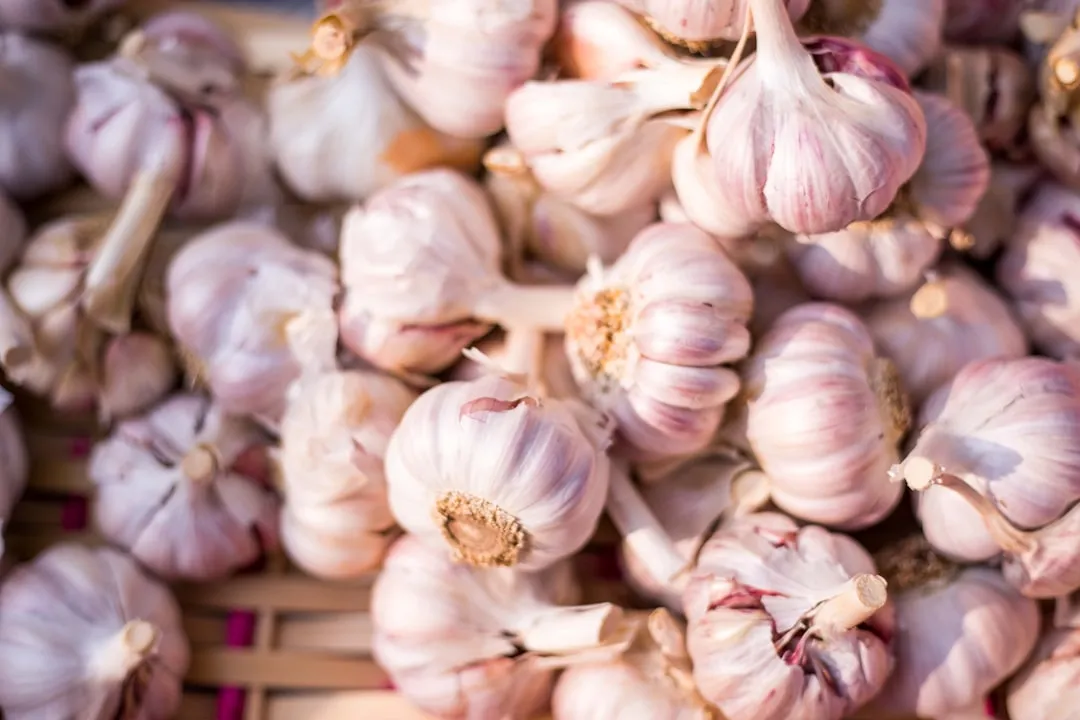
Most home gardeners waste bed space on crops that are finicky, oversized, or cheaper to just buy at the store. Garlic is the opposite, which is why so many experienced growers regret not planting it years earlier – one fall planting yields an entire year’s worth of high-quality bulbs the following summer, with almost no fuss.
What people rarely realize until late in their gardening life is how much better homegrown garlic actually tastes, especially hardneck varieties you’ll never find in a supermarket. You also get bonus harvests – garlic scapes in spring, then cured bulbs that last for months. Longtime gardeners say if you’re only going to take one food crop seriously, this should be it.
#10 – Ornamental Grasses: The “Background” Plants That Steal the Show
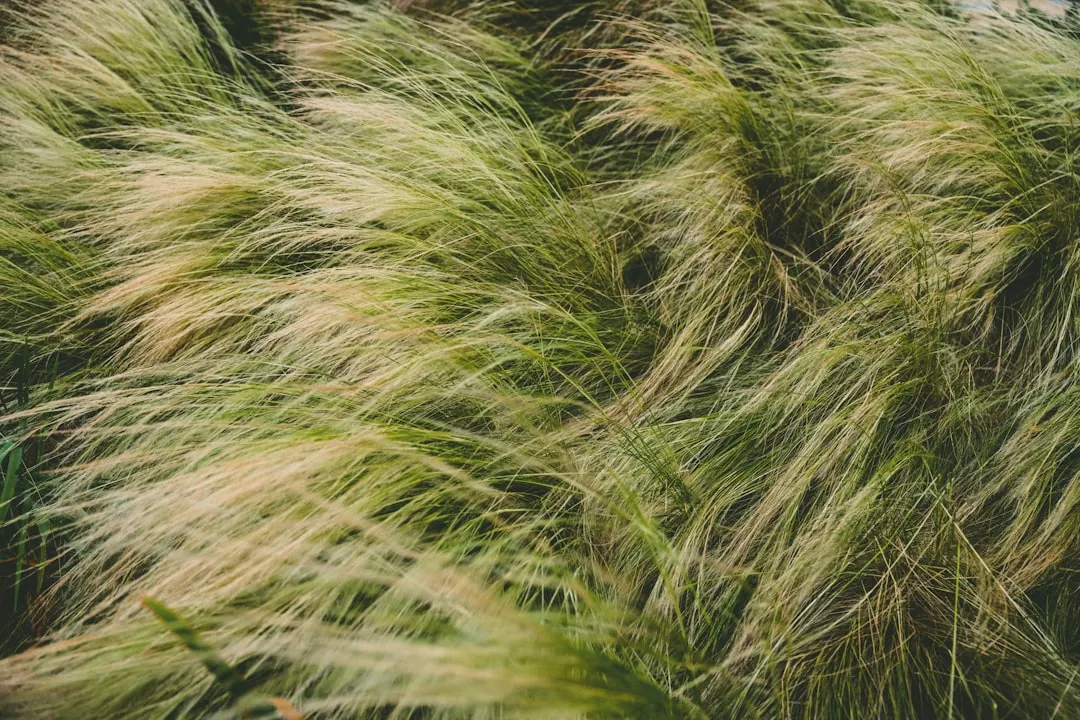
For a long time, ornamental grasses were treated as filler – something you toss in when nothing else comes to mind. Then the shift toward naturalistic gardens hit, and gardeners suddenly realized good grasses add motion, sound, and winter structure that flowers alone simply cannot deliver.
The surprise is how transformational even a few clumps can be. A tall switchgrass can create instant privacy and drama, while smaller fountain grasses soften hard edges and glow when backlit by the evening sun. Many veterans now rank grasses above yet another rose bush, and they regret underestimating how much year-round interest a swaying seed head can provide once everything else has gone dormant.
Quick Compare
- Switchgrass: tall and upright, ideal for a fast, natural privacy screen
- Fountain grass: shorter and arching, glows when backlit by afternoon sun
- Little bluestem: native and tough in poor soil, turns copper-orange in fall
- Feather reed grass: narrow and vertical, perfect for tight spots along paths
#11 – Clematis: The Climber They Thought Was “Too Fussy”
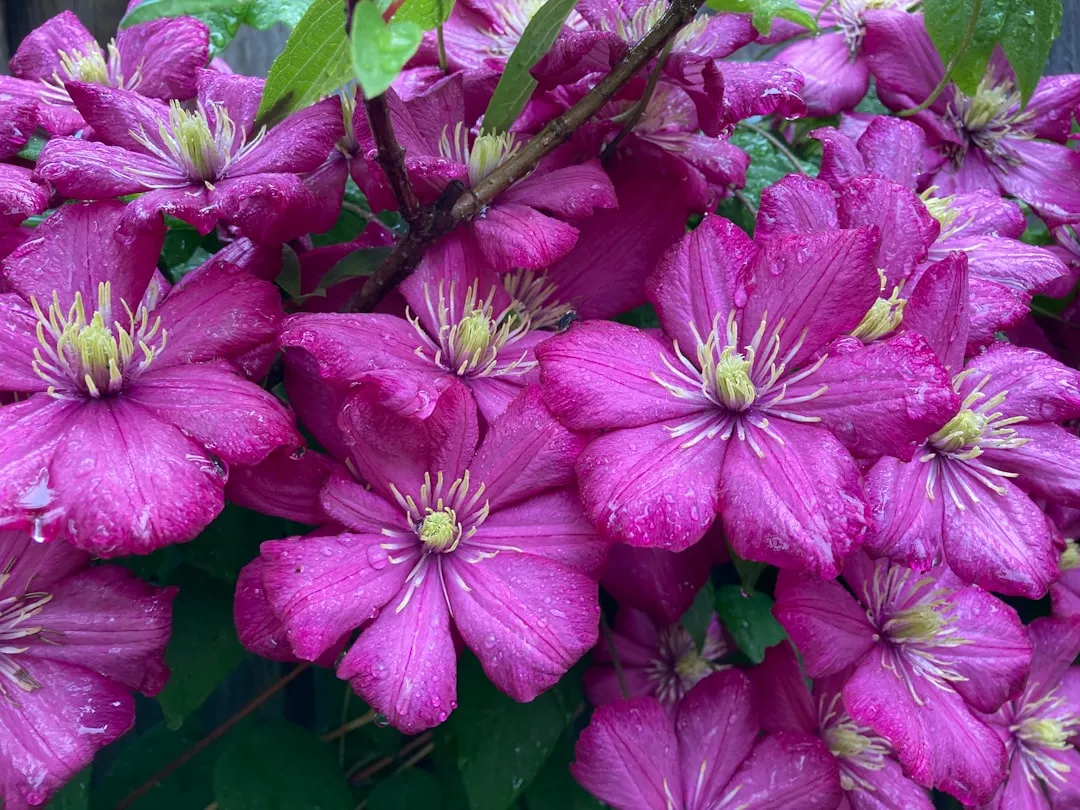
Ask older gardeners about clematis and you’ll hear the same story – they avoided it for years because of horror stories about pruning groups and sudden wilt. Then they finally planted a tough variety correctly and realized it can be one of the most rewarding, long-lived flowering vines you’ll ever grow.
The right type, given sun with its roots shaded, will cover a trellis or archway with absurd amounts of bloom for decades. The real heartbreak is realizing how many bare fences and boring pergolas they tolerated while complaining that their garden had “no height.” The intimidation factor, it turns out, was almost entirely overblown.
#12 – Rhubarb: The Decorative Edible That Could’ve Done Double Duty
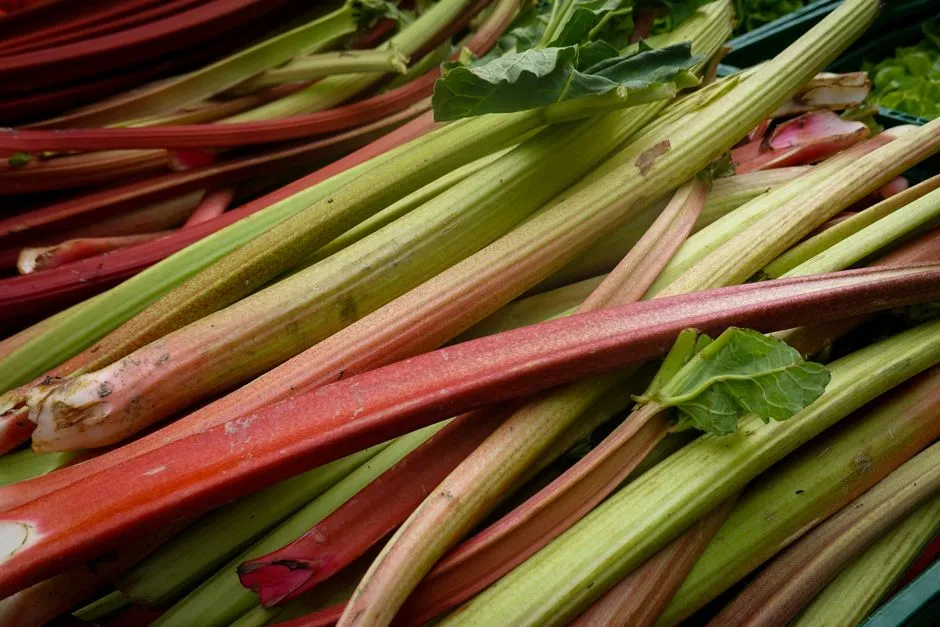
Rhubarb is one of those plants people assume they’ll never cook with, so they never consider growing it at all. Later, they realize it’s a bombproof, early-emerging, big-leafed plant that works as both an ornamental and a food crop – blasting out of the ground in spring when everything else is still thinking about it.
Those giant leaves look almost tropical in cool-climate gardens that could never actually grow anything tropical. Even if you’re not baking pies weekly, you can share the stalks with neighbors while the clump keeps returning on its own, year after year. Many gardeners now say a single rhubarb crown could’ve been anchoring their cottage garden for decades already.
#13 – Serviceberry (Juneberry): The “Small Tree” That Does Everything
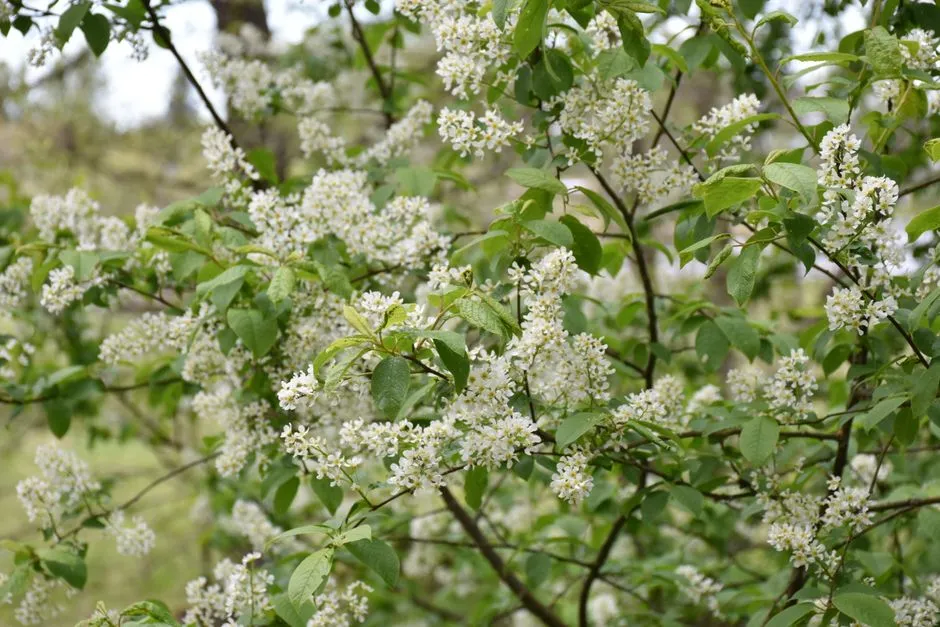
Most people rush straight to dogwoods or flowering cherries when they want a small ornamental tree. Gardeners with a few decades under their belt regret not discovering serviceberry sooner – fragrant spring flowers, edible summer berries, great fall color, and a graceful winter silhouette, all packed into one plant.
The edible part shocks most people who dismissed it as “just another flowering tree.” Birds go wild for the berries, but if you time the harvest right, so can you – fresh eating, jams, whatever you like. In an era of smaller lots and tighter budgets, a tree that wears this many hats should’ve been the obvious first choice, not an afterthought.
#14 – Thyme: The Ground-Hugging Fix for Paths and Problem Spots
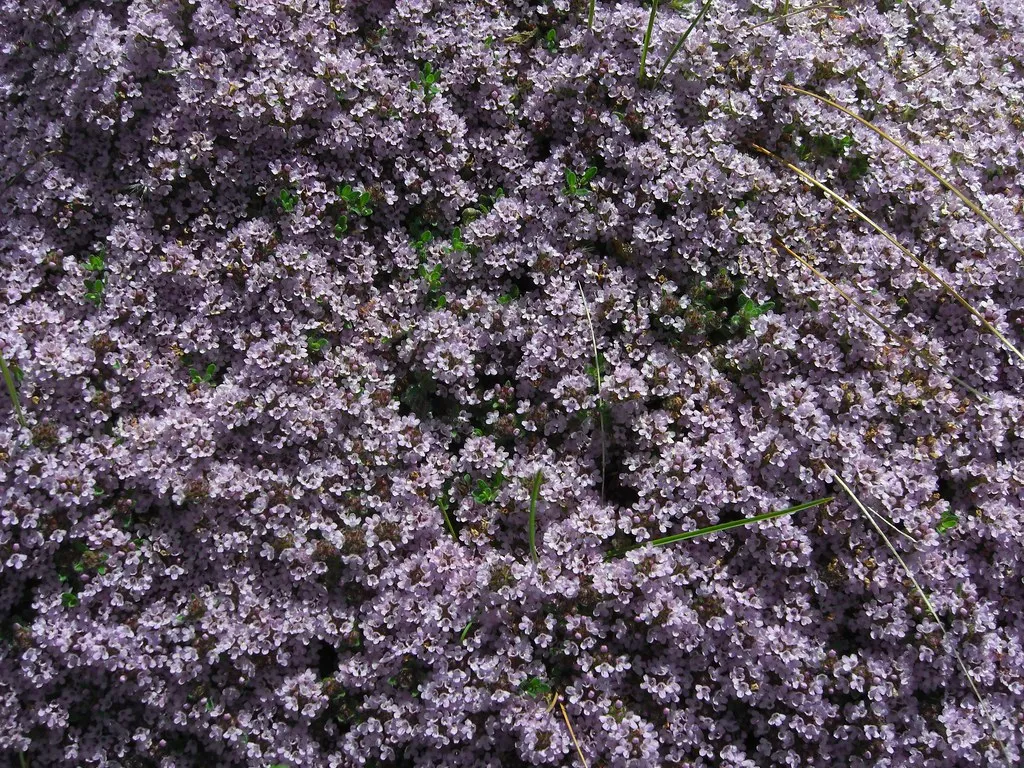
While everyone else was fighting crabgrass between pavers, a few clever gardeners quietly planted thyme and walked away from the problem entirely. Many veterans now say they deeply regret not doing the same years sooner – creeping thyme forms fragrant, walkable mats that shrug off foot traffic and bloom in soft carpets that bees genuinely adore.
What surprises people is how many roles thyme can play beyond the herb bed. It edges borders, fills cracks, spills over walls, and can even replace stubborn patches of lawn in hot, sunny spots. Older gardeners admit they spent years dumping chemicals into paths and patios to fight weeds when a living, scented surface would have solved it for good.
#15 – Black-Eyed Susans: The Pollinator Magnets in Plain Sight
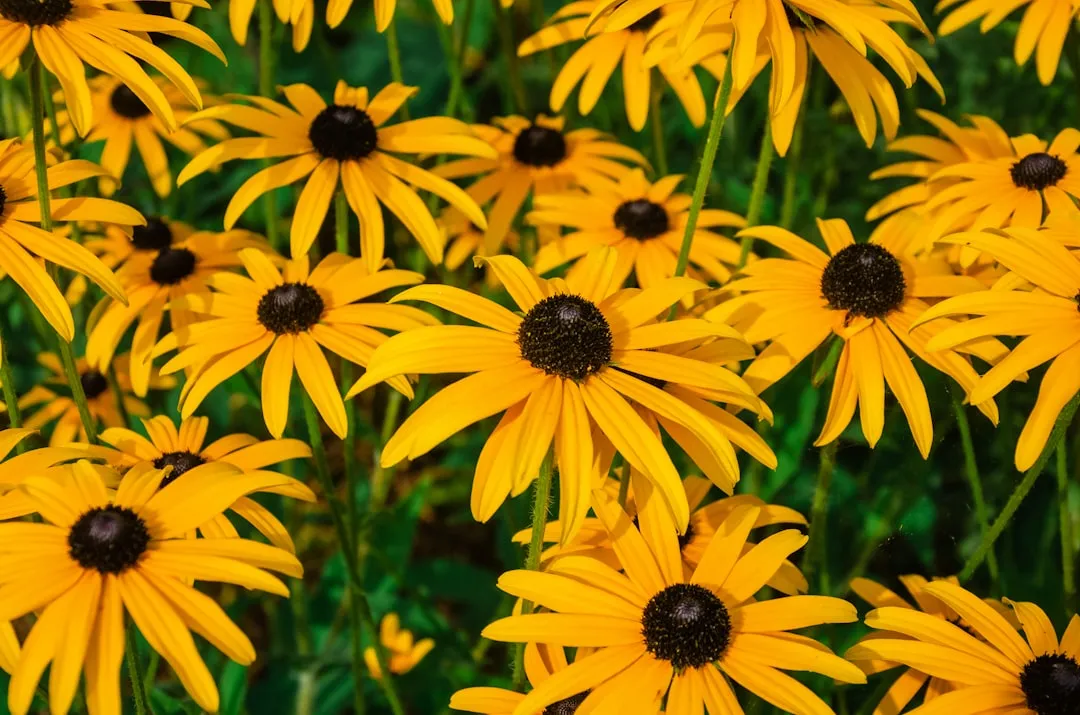
Because black-eyed Susans show up in every cheap seed mix and roadside planting, many gardeners write them off as too common to bother with. Later, they realize these are some of the most reliable late-summer bloomers and pollinator magnets you can grow, handling heat, poor soil, and inconsistent care while still producing waves of saturated gold when everything else is fading.
Rudbeckia steps in exactly at the moment the garden usually goes quiet, feeding bees and butterflies before offering seed heads that birds pick at all winter. Many gardeners now argue that snubbing black-eyed Susans out of pure snobbery cost them decades of easy color and wildlife activity for nothing.
#16 – Yews: The “Boring Evergreen” That Quietly Solves Everything
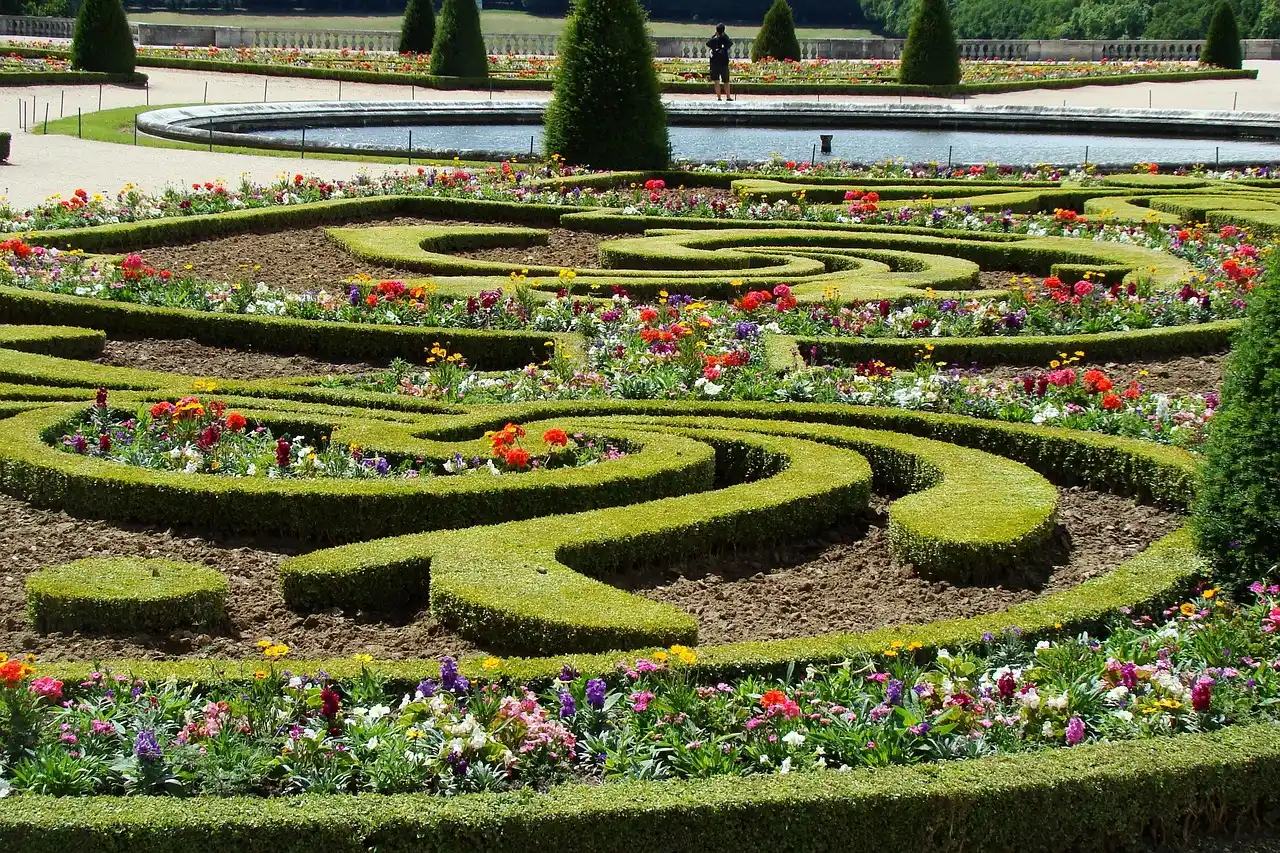
Yews have an image problem – they’re tangled up with old foundations, cemetery hedges, and dated 1970s landscaping. Because of that, many gardeners avoid them for years, until they realize yews are among the most tolerant, shape-able, and long-lived evergreens a person can plant.
They handle hard pruning, shade, and a wide range of soils, then just sit there looking composed while trendier shrubs die around them. Older gardeners often admit they chased fashionable evergreens that browned out or split apart, when a simple backbone of yews would’ve given them reliable structure to decorate seasonally instead. Avoiding “boring” quietly made their gardens more unstable than it ever needed to be.
#17 – Viburnums: The Shrub Group They Barely Knew Existed
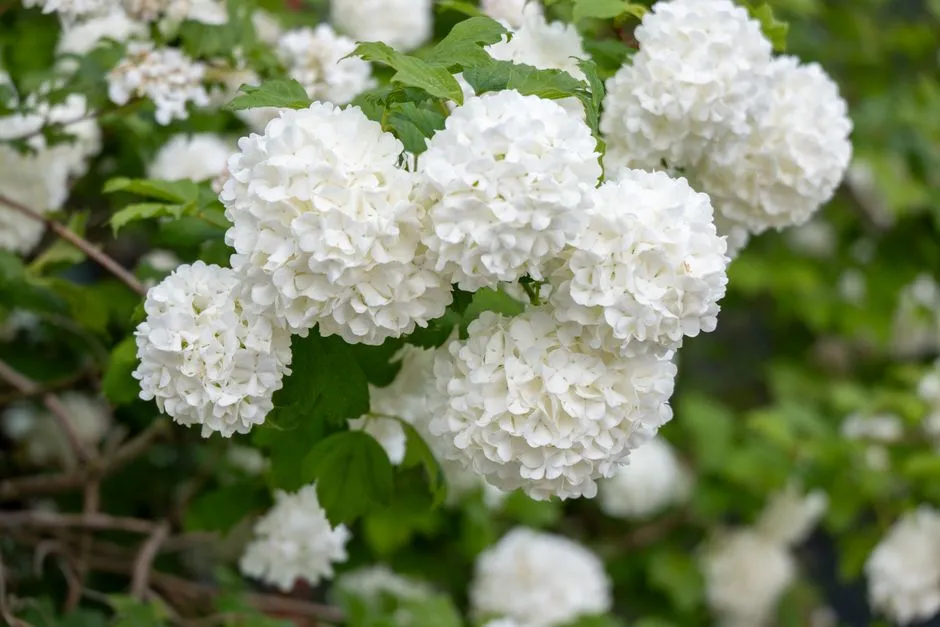
Ask a casual gardener to name shrubs and you’ll hear hydrangea, lilac, rose of Sharon. Ask a pro, and viburnum comes up fast – and that’s exactly what stings for so many longtimers, because viburnums offer fragrant flowers, berries for birds, fall color, and solid structure with far fewer disease dramas than the more famous names.
The real regret comes when gardeners discover how good these shrubs are for wildlife, feeding native insects and birds when the berries ripen, while still looking tidy enough to satisfy the pickiest HOA. Older gardeners say they wasted years planting one-trick shrubs – only flowers, only evergreen, only berries – when viburnums could’ve delivered all three at once.
#18 – Oaks: The Tree They Should’ve Planted the Day They Moved In
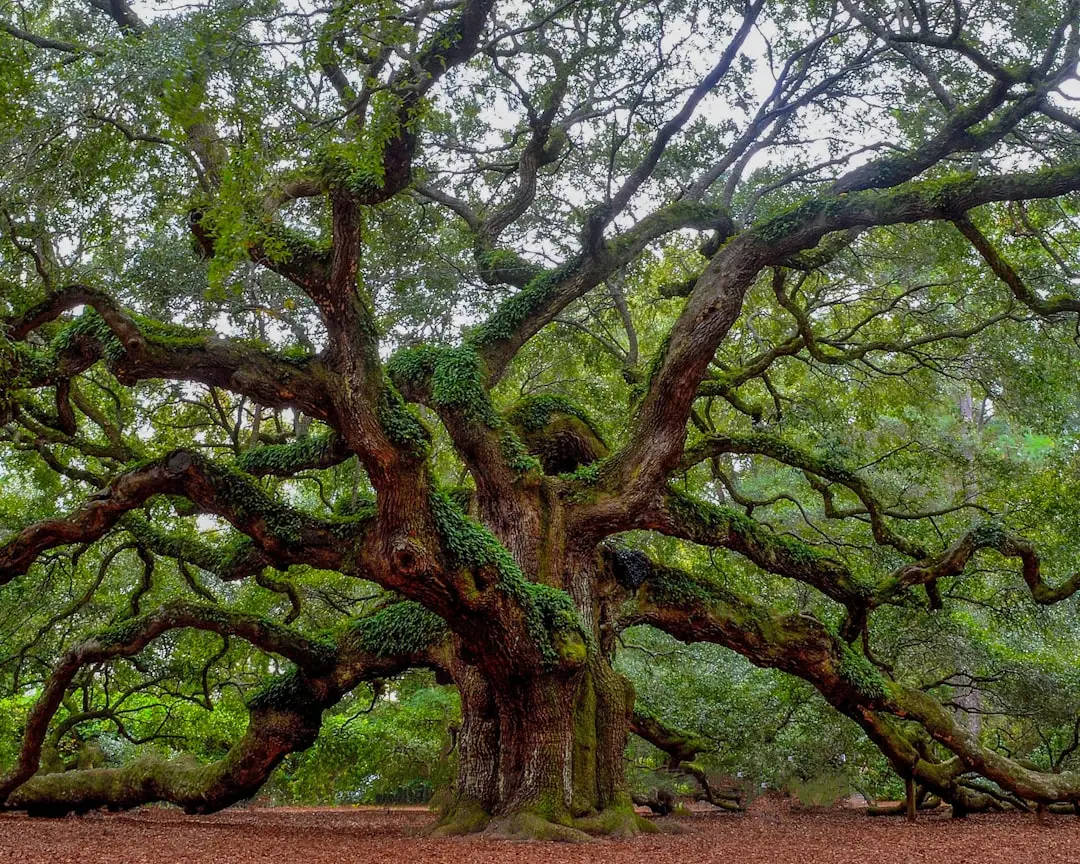
Lifelong gardeners are almost unanimous on this one: they regret not planting an oak the moment they had a patch of ground to call their own. While everyone else chases fast-growing maples or ornamental pears, oaks quietly become the ecological backbone of a property, supporting hundreds of insect species, birds, and other wildlife across generations.
They’re slower to start, yes – and that’s exactly why so many people wish they’d started earlier instead of later. The hardest truth to swallow is that an oak planted today is more for your future self, and whoever comes after you, than for the next few seasons of pretty photos.
At a Glance
- A single native oak can host several hundred species of moth and butterfly caterpillars, far more than most other trees
- Those caterpillars are the primary food source for nesting songbirds feeding their young
- Oaks are considered a keystone species across most of the counties where they naturally grow
- A young oak looks modest for its first decade but can provide habitat for centuries once established
Someone is sitting in the shade today because someone planted a tree a long time ago.
Warren Buffett
The tree you plant at thirty is majestic by sixty. Most gardeners look back and wish they’d made that long, patient bet instead of filling their yard with disposable ornamentals that were gone within a decade.
The Bottom Line
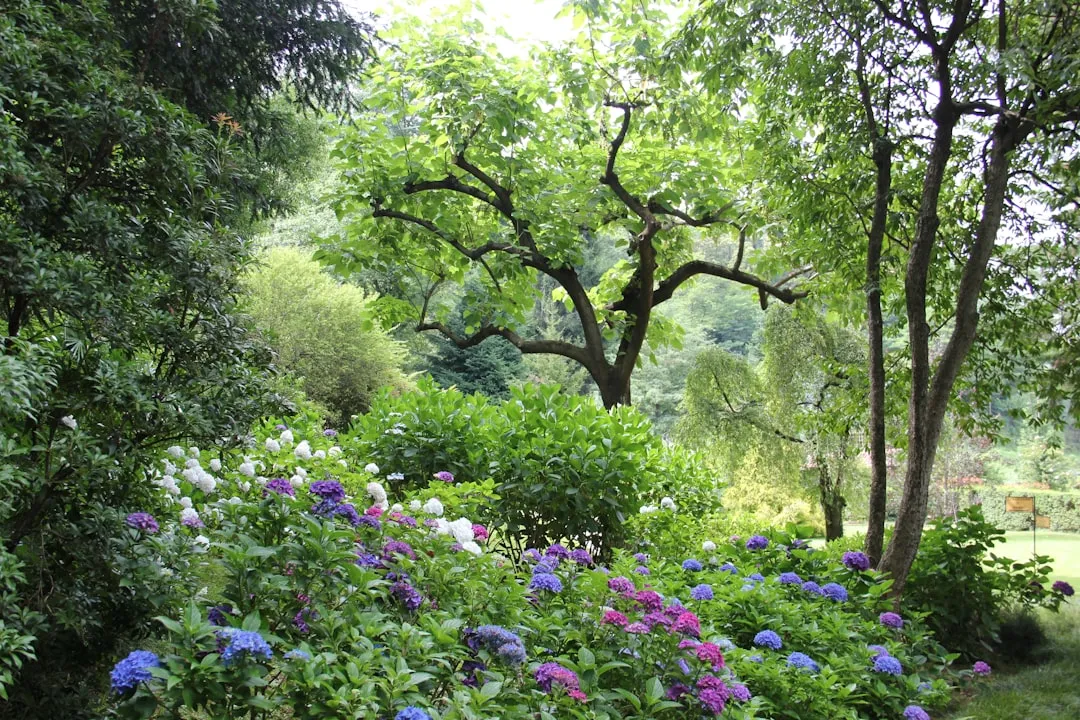
Listen to gardeners with 20, 30, or 40 seasons behind them, and a pattern jumps out fast. The biggest regrets were never about failing with tricky, high-maintenance plants – they were about ignoring the quietly powerful ones that would’ve made everything easier, richer, and more alive from the start.
Long-lived perennials like peonies, backbone shrubs like hydrangeas and viburnums, humble workhorses like thyme and sedum, and legacy trees like oaks show up in these stories again and again. Flashy novelties come and go with the season’s hashtags; these are the plants that quietly earn their keep for decades without asking for applause.
Some readers will insist their trendy imports are worth the extra fuss, and honestly, that’s fine. But if you’re building a garden you actually want to love for the next thirty years, it’s worth asking yourself which of these you’ve been unfairly ignoring – and which one you’re finally ready to give real space to this year. Did we miss a plant you regret overlooking? Drop it in the comments.

- 18 Plants Lifelong Gardeners Say They Regret Ignoring for Far Longer Than They Ever Should Have - August 1, 2026
- The 18 Signs Your Aging Cat Has Chosen You to Be Beside It When the Time Finally Comes - August 1, 2026
- If You Are Getting Your First Dog, These 17 Regrets Are the Ones Owners Name Most - August 1, 2026