
Have you ever looked up at a starry sky with your pup curled beside you and wondered where everything truly began? Like loyal companions who wag their tails and never ask where they came from, we too rarely pause to consider our deepest origins. The thought that life might not have started on Earth, but traveled here from the vast unknown, is both humbling and awe-inspiring.
Scientists have been piecing together evidence that suggests something extraordinary. The building blocks of life, those essential molecules that make us and our furry friends who we are, might have hitched a ride on space rocks billions of years ago. It’s a theory that sounds like science fiction, yet increasingly, the evidence tells a different story. Let’s dive into the fascinating clues that point toward our cosmic heritage.
Amino Acids Found in Meteorites Tell a Remarkable Story
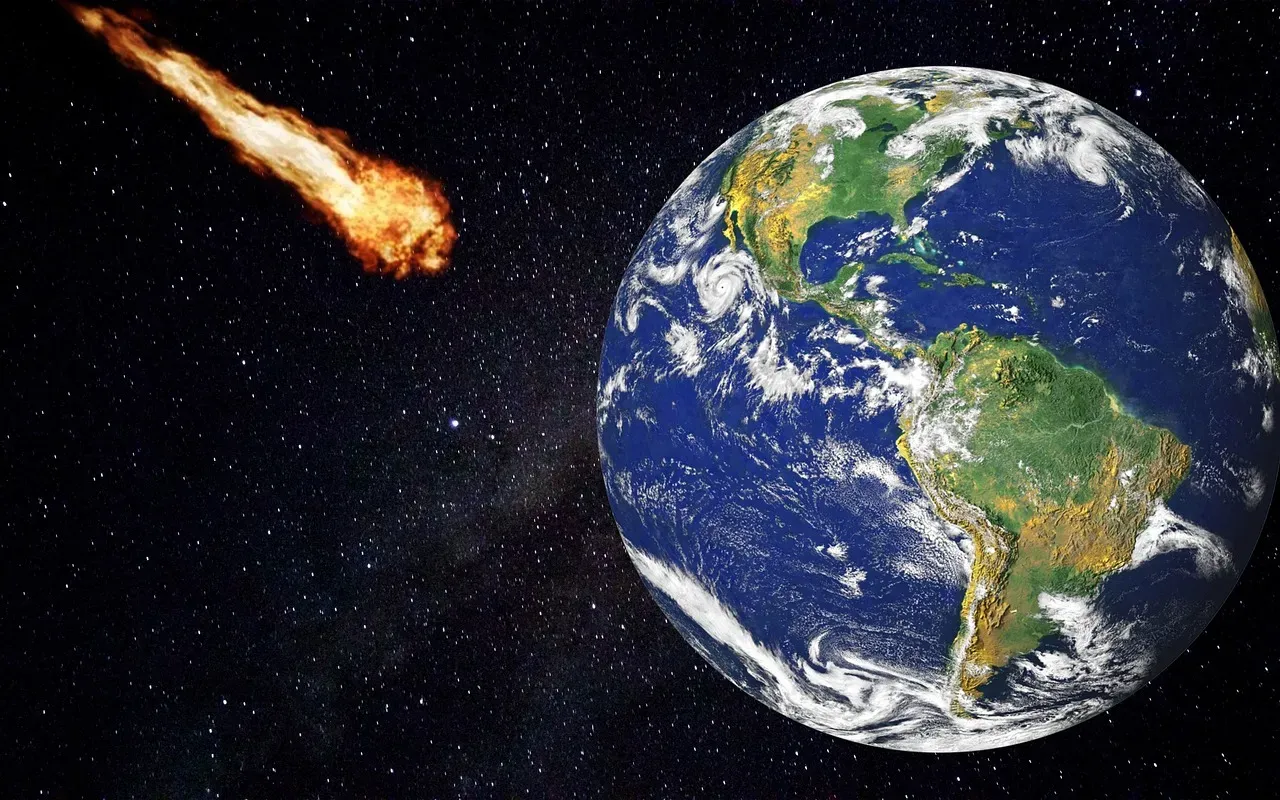
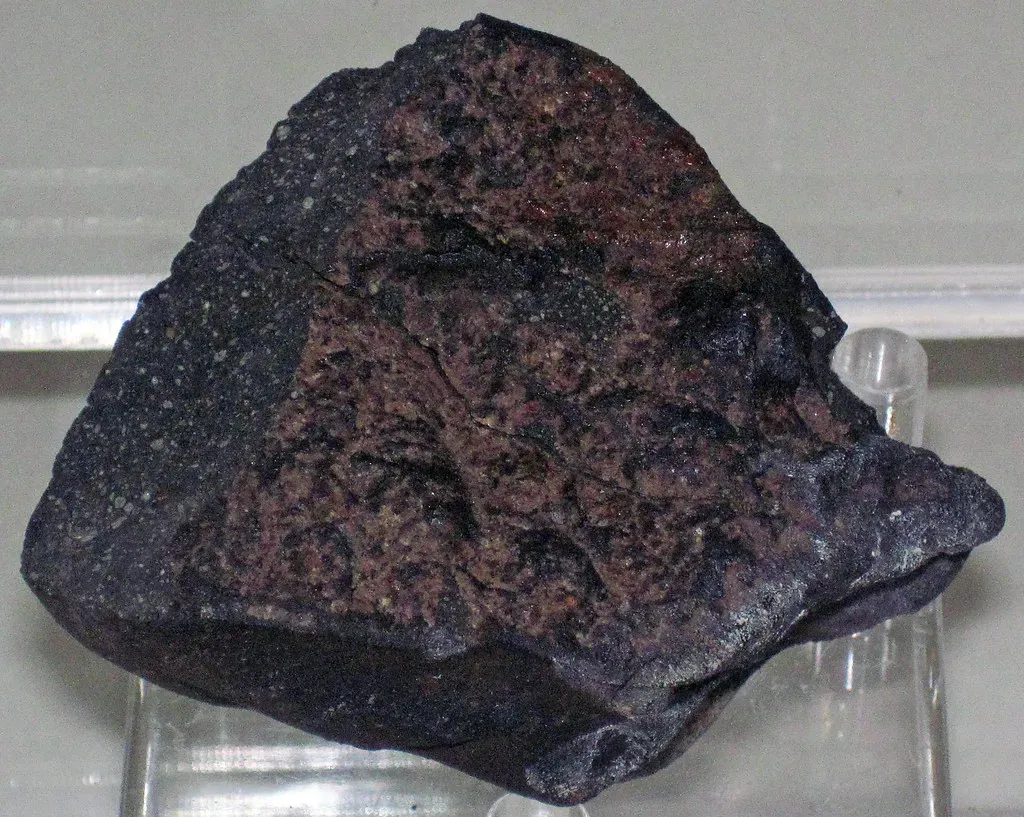
Scientists confirmed in 1971 that the Murchison meteorite contained amino acids, primarily glycine, and what they discovered changed how we think about life’s origins. These weren’t just any organic molecules. They were the fundamental building blocks that form proteins, the same compounds that make your dog’s wagging tail possible and power every cell in your body.
What’s truly striking is the sheer variety found in these space rocks. The famous Murchison meteorite, which fell in Australia in 1969, contained over 70 different amino acids, including ones we’ve never seen on Earth before. Think about that for a moment. Rocks falling from space carry ingredients for life that our planet never invented on its own.
A 2010 study using high resolution analytical tools identified 14,000 molecular compounds, including 70 amino acids, in a sample of the Murchison meteorite. That’s not a small collection of simple chemicals. It’s an entire molecular feast, suggesting space has been cooking up complex organic chemistry long before Earth had oceans or continents.
Recent Space Mission Samples Confirm Extraterrestrial Origins
Here’s where things get really exciting for those of us who love discovery. Recent missions have brought back pristine samples directly from asteroids, completely untouched by Earth’s environment. The detection is the first time amino acids have been found to exist on asteroids in space, removing any doubt about contamination from our own planet.
Scientists detected amino acids (including 14 of the 20 used in terrestrial biology), amines, formaldehyde, carboxylic acids, polycyclic aromatic hydrocarbons and N-heterocycles (including all five nucleobases found in DNA and RNA) in samples from asteroid Bennu. This isn’t just one or two molecules that happen to match what we have on Earth. It’s a comprehensive chemical toolkit for building life itself.
The emotional weight of this discovery can’t be overstated. The findings do not show evidence for life itself, but they do suggest the conditions necessary for the emergence of life were widespread across the early solar system. Your dog’s existence, your own life, might owe something to chemistry that happened out among the stars.
Tardigrades Survive the Vacuum of Space
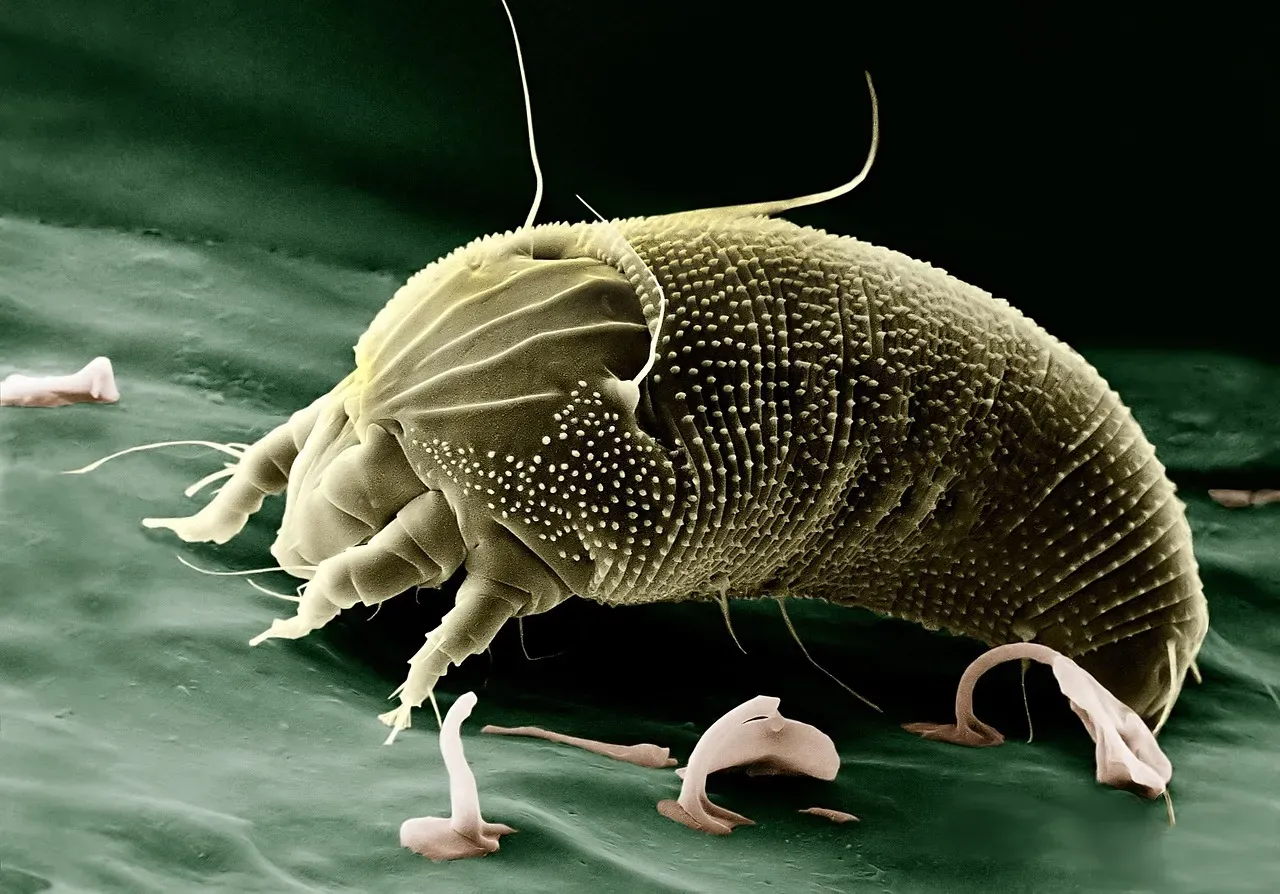
If you think your loyal companion is tough because they bounce back from rough play, wait until you hear about tardigrades. Tardigrades are also able to survive space vacuum without loss in survival, and some specimens even recovered after combined exposure to space vacuum and solar radiation. These microscopic creatures, affectionately called water bears, proved something revolutionary about life’s resilience.
Back on Earth, more than 68% of the subjects protected from solar ultraviolet radiation were reanimated within 30 minutes following rehydration after spending ten days exposed to the harsh conditions of space. Many even produced viable embryos. It’s almost unbelievable. Life, it seems, is far more robust than we ever imagined.
This matters deeply for understanding panspermia. If tiny animals can survive the journey through space while dormant, maybe microbial life could too. Tardigrades were the first animals to survive a combined exposure to space vacuum, cosmic radiation and UV radiation, showing that the harsh environment between planets isn’t necessarily a death sentence for living things.
The Chemistry Points Beyond Earth
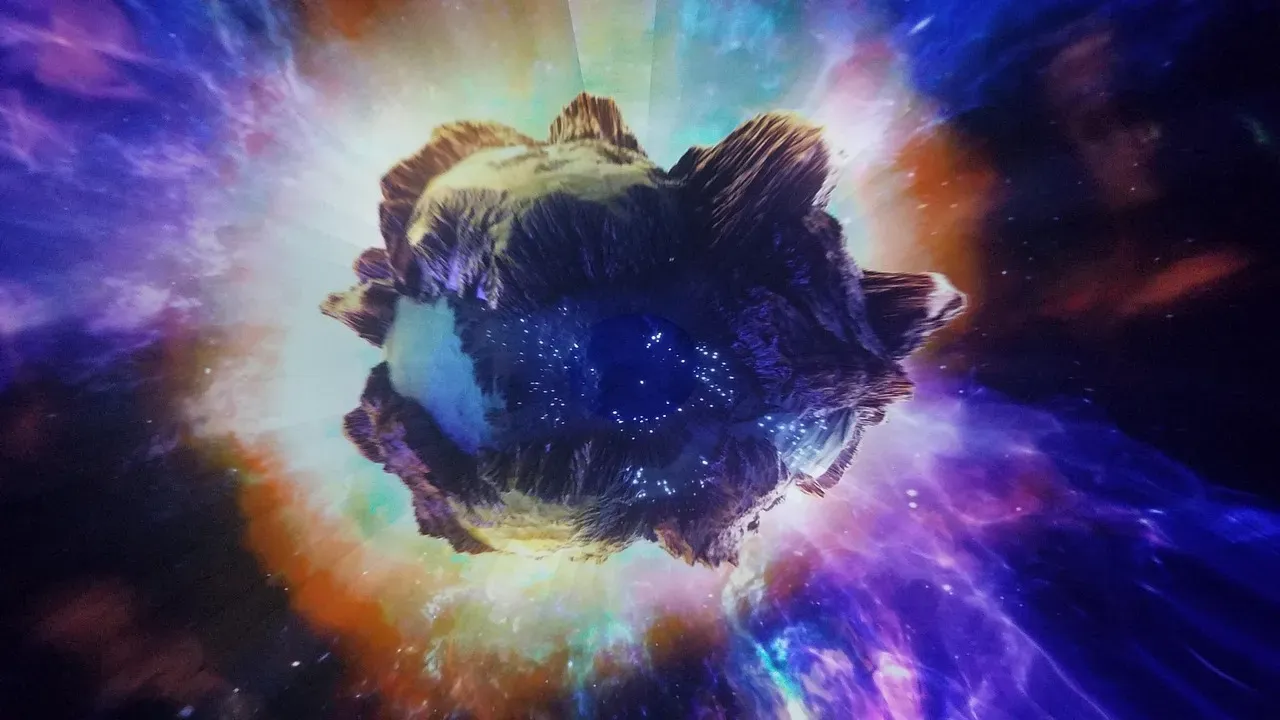
Something peculiar happens when scientists examine these space-delivered molecules closely. Life on Earth almost exclusively produces the left-handed variety, but the Bennu samples contain an equal mixture of both forms of amino acids. This tells us something profound. The molecules arriving from space haven’t been processed by Earth life. They’re genuinely alien in origin.
The large 15N enrichment in the hot-water extract that consisted of ammonia, amines, amino acids, N-heterocycles and other N-containing molecules falls well outside the terrestrial organics range, and the complex distribution strongly supports an extraterrestrial origin. These aren’t contaminants. They’re visitors from somewhere far older and stranger than our own world.
The isotopic signatures are like fingerprints that can’t be faked. Just as your dog recognizes your unique scent among thousands, scientists can identify where molecules came from based on their atomic makeup. The evidence is clear and unambiguous.
Meteors Could Deliver Life Without Destroying It
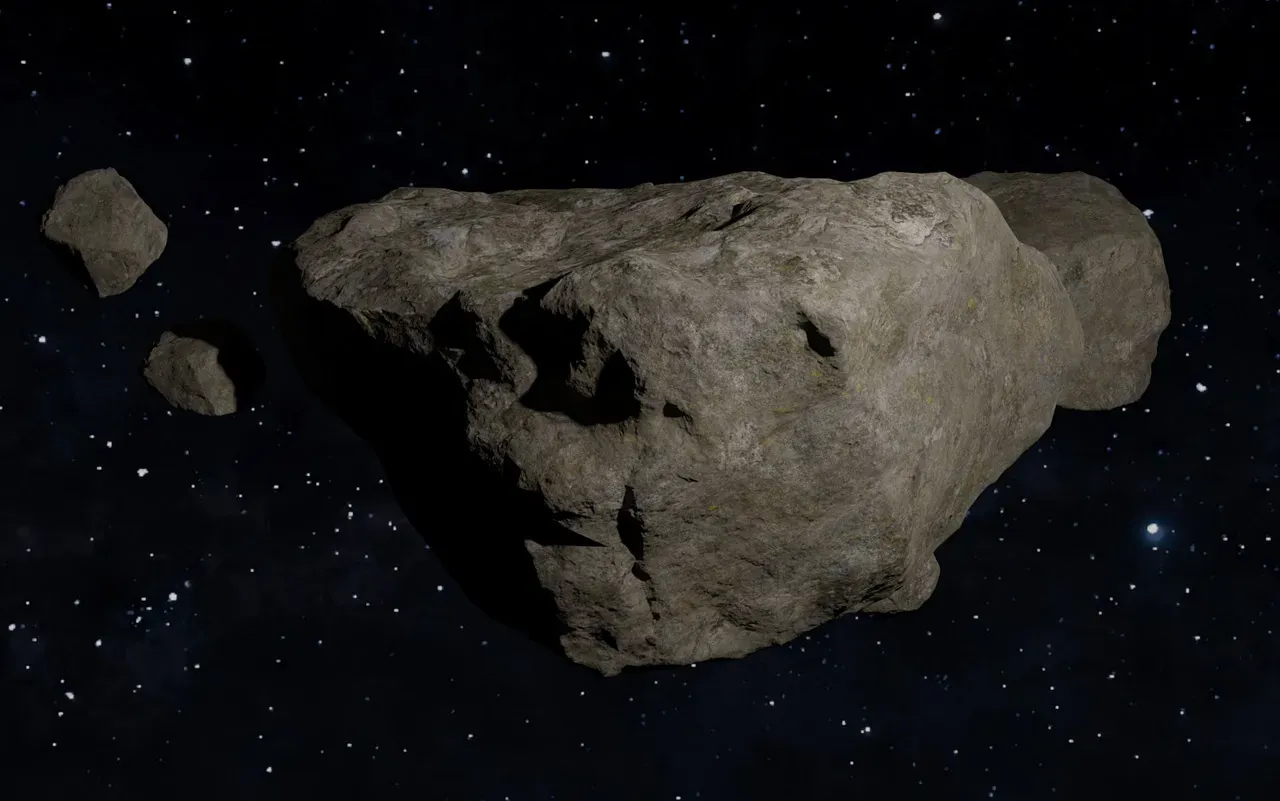
You might wonder how anything could survive crashing through our atmosphere at tremendous speeds. Honestly, it seems impossible at first thought. The friction generates incredible heat that should incinerate anything hitching a ride. Yet paleomagnetic studies on Martian meteorite ALH84001 have shown that this rock traveled from Mars to Earth without its interior becoming warmer than 40ºC.
This discovery changed everything. If the interior of meteorites stays relatively cool during entry, microorganisms tucked safely inside could survive the journey intact. The EXPOSE results represented the first data evidence that basic cryptoendolithic life – organisms that colonise cavities in the structures of rocks – can be hardy enough to survive movement through outer space.
Think of it like your dog finding the perfect cozy spot in your home where they feel protected. Microbes could nestle deep within cracks and pores of space rocks, shielded from the worst conditions. The journey might be rough, but it’s survivable. Life finds a way, as the saying goes.
Ancient Evidence Suggests Life Started Remarkably Early
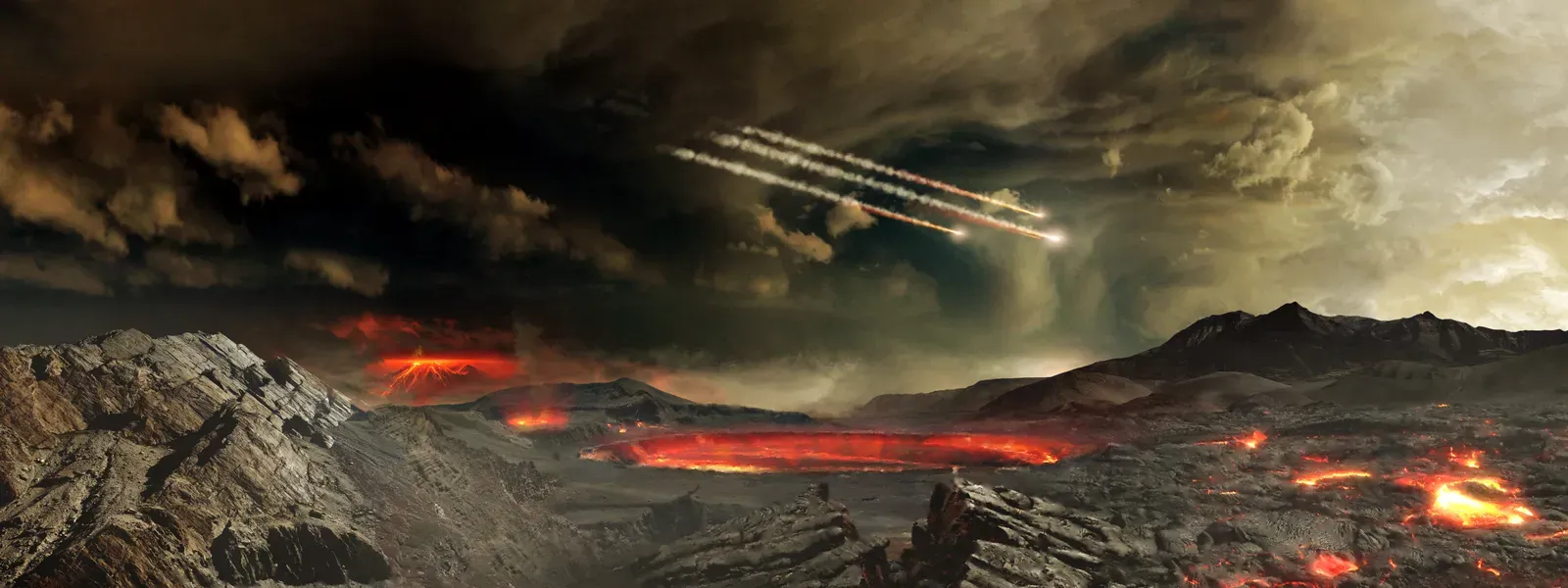
Some argue that signs of Earth life 3.8 billion years ago have been detected in the rock record, and lifeforms were certainly present 3.5 billion years ago. That timing creates a puzzle. Many early Earth researchers think the planet was uninhabitable until about 4 billion years ago, leaving an incredibly narrow window for life to emerge from scratch.
It’s hard to say for sure, but the timeline seems almost impossibly tight. Complex chemistry needs time to organize itself into living systems. If Earth was a hostile hellscape until just 4 billion years ago, and life appeared shortly after, where did all that complexity come from so quickly? The panspermia hypothesis offers an elegant solution. Perhaps life didn’t need to start from zero here. Perhaps it arrived already assembled from somewhere that had a head start.
At face value, all of these lines of evidence suggest that, compared to early Earth, early Mars might have had a greater supply of biologically useable energy and possibly better conditions for life’s origin. Maybe our true home planet isn’t even the one beneath our feet right now.
Conclusion
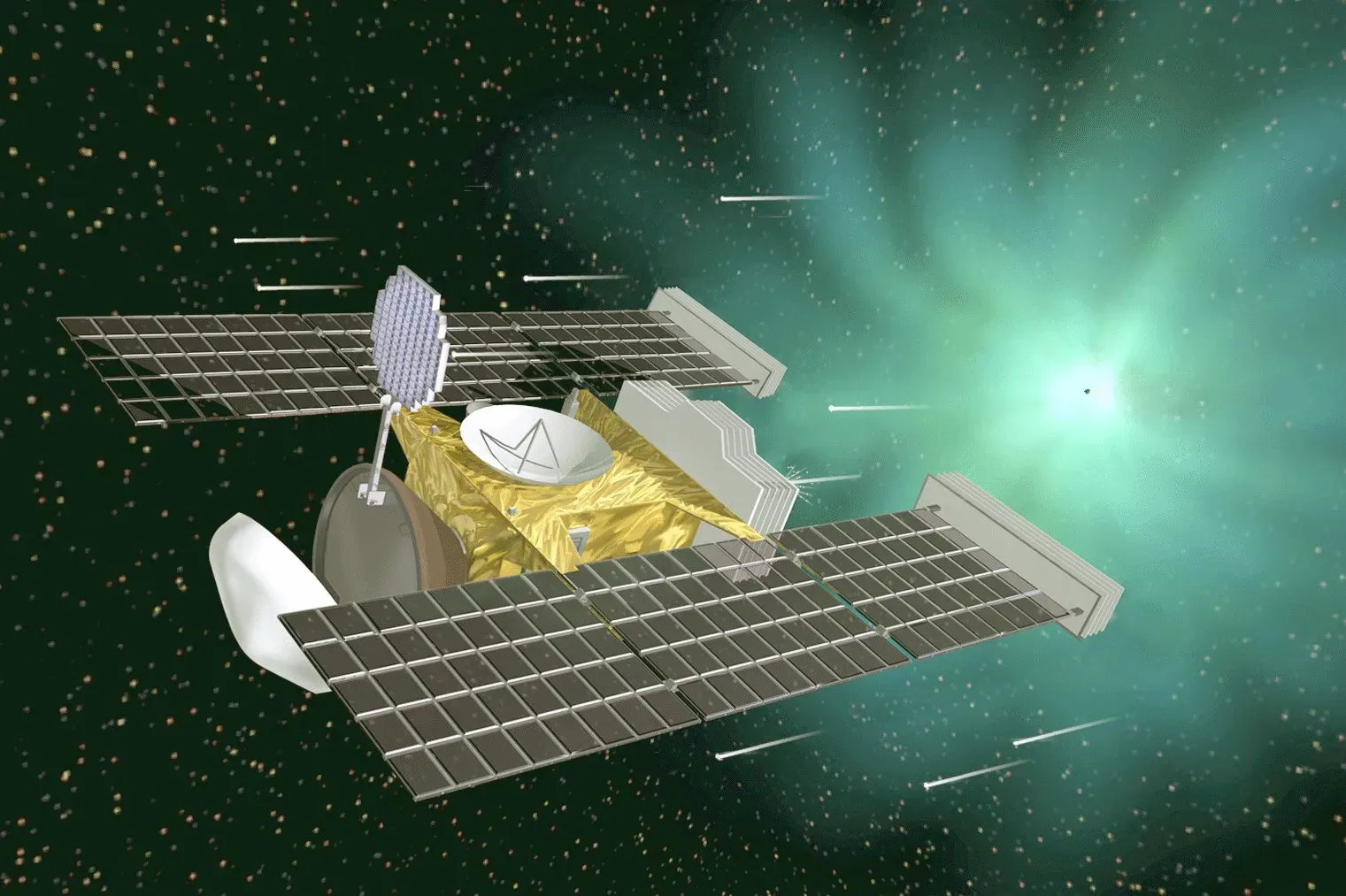
Looking at these six clues together paints a picture that’s both strange and beautiful. From amino acids in meteorites to tardigrades surviving space, from pristine asteroid samples to the rapid appearance of early life, the evidence suggests our origins might be written in the stars. It doesn’t diminish the wonder of life on Earth. If anything, it makes existence even more precious and interconnected.
Next time you’re outside with your dog on a clear night, take a moment to consider that the molecules making up both of you might have traveled unimaginable distances before arriving here. We’re all stardust in the most literal sense. The universe isn’t just our home. It might be our birthplace too.
What do you think about our cosmic origins? Does the idea that life traveled here from space make you see the universe differently? We’d love to hear your thoughts.

- 10 Remarkable Facts About the African Cheetah: The Lightning of the Grasslands - July 29, 2026
- 10 Most Heroic Horses in History - July 29, 2026
- Why You Should Never Play Dead When Attacked by a Black Bear - July 29, 2026