
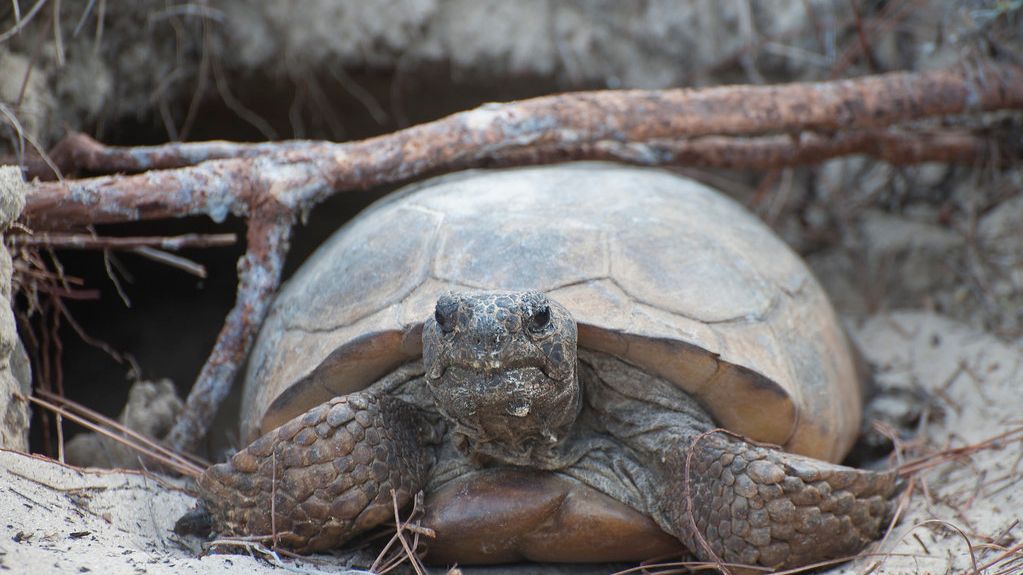
Picture a humble architect working tirelessly beneath Florida’s sandy soils, creating shelters that house an entire neighborhood of wildlife. This isn’t science fiction. It’s the daily work of one of North America’s oldest living creatures.
The gopher tortoise doesn’t ask for much recognition. Yet without this unassuming reptile, Florida’s ecosystems would crumble like a house of cards. If you’ve ever marveled at the loyalty and quiet determination of your dog, you’ll find a kindred spirit in this ancient creature whose devotion to its home rivals that of your faithful companion.
An Ancient Survivor Living Among Us
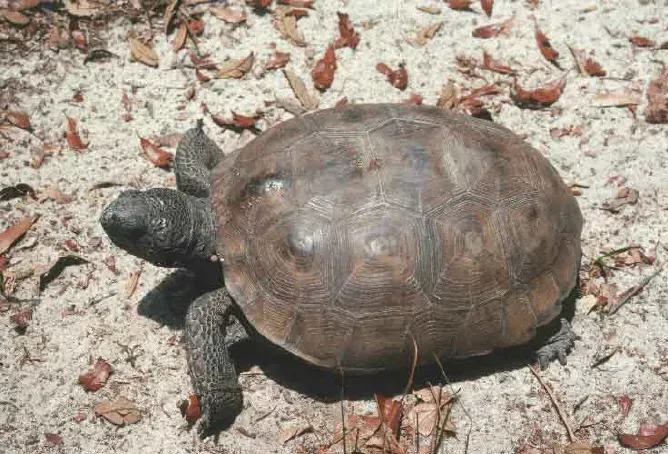
Originating 60 million years ago, it’s one of the oldest living species on the planet, making the gopher tortoise a true testament to resilience. Think about that for a moment. These creatures were around when dinosaurs had just recently vanished from Earth.
The gopher tortoise is a moderate-sized, terrestrial turtle, averaging 9–11 inches in length when fully grown, though it can reach lengths of up to 15 inches. The species is identifiable by its stumpy, elephantine hind feet and flattened, shovel-like forelimbs covered in thick scales. Their stocky build reminds me of a bulldog’s sturdy frame, built for power rather than speed. Just as your dog might dig enthusiastically in the backyard, these tortoises are exceptional excavators, spending the majority of their lives underground in elaborate tunnel systems.
Gopher tortoises can live 40 to 60 years in the wild, though captive tortoises may live 90+ years. Males reach adulthood at approximately 9-12 years of age, whereas a female may take 10-21 years to reach maturity. That’s a lifespan that surpasses many beloved family dogs several times over.
The Master Builders of Florida’s Underground World
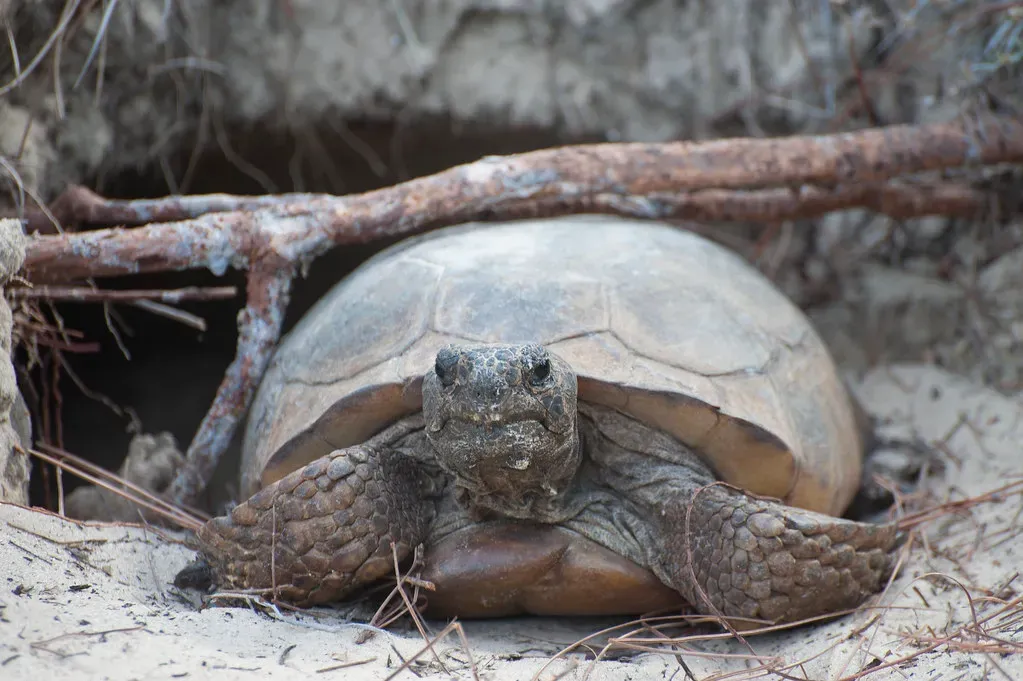
The gopher tortoise digs burrows of up to 40 feet in length that allow escape from heat and danger. These burrows are a unique feature of southeastern landscapes, harboring many other wildlife species. Imagine constructing an underground apartment complex using nothing but your front paws. That’s essentially what these tortoises accomplish.
The smooth-walled tunnels maintain consistent temperatures between 60°F and 80°F throughout the year, shielding the tortoise from extreme weather. During winter cold snaps or summer droughts, this stable environment keeps not only tortoises alive but countless other species as well. These burrows function like natural climate control systems, offering refuge when Florida’s weather turns harsh.
The entrance typically faces south or southeast, capturing morning sunlight. It’s this attention to detail, this instinctive knowledge of environmental engineering, that makes the gopher tortoise such a remarkable creature. Tortoises often dig multiple burrows within their home range, sometimes maintaining up to 10 or more active burrows at once. This redundancy provides them and other animals with options for shelter and increases the overall resilience of the habitat.
Why the Gopher Tortoise Earns Its Keystone Title
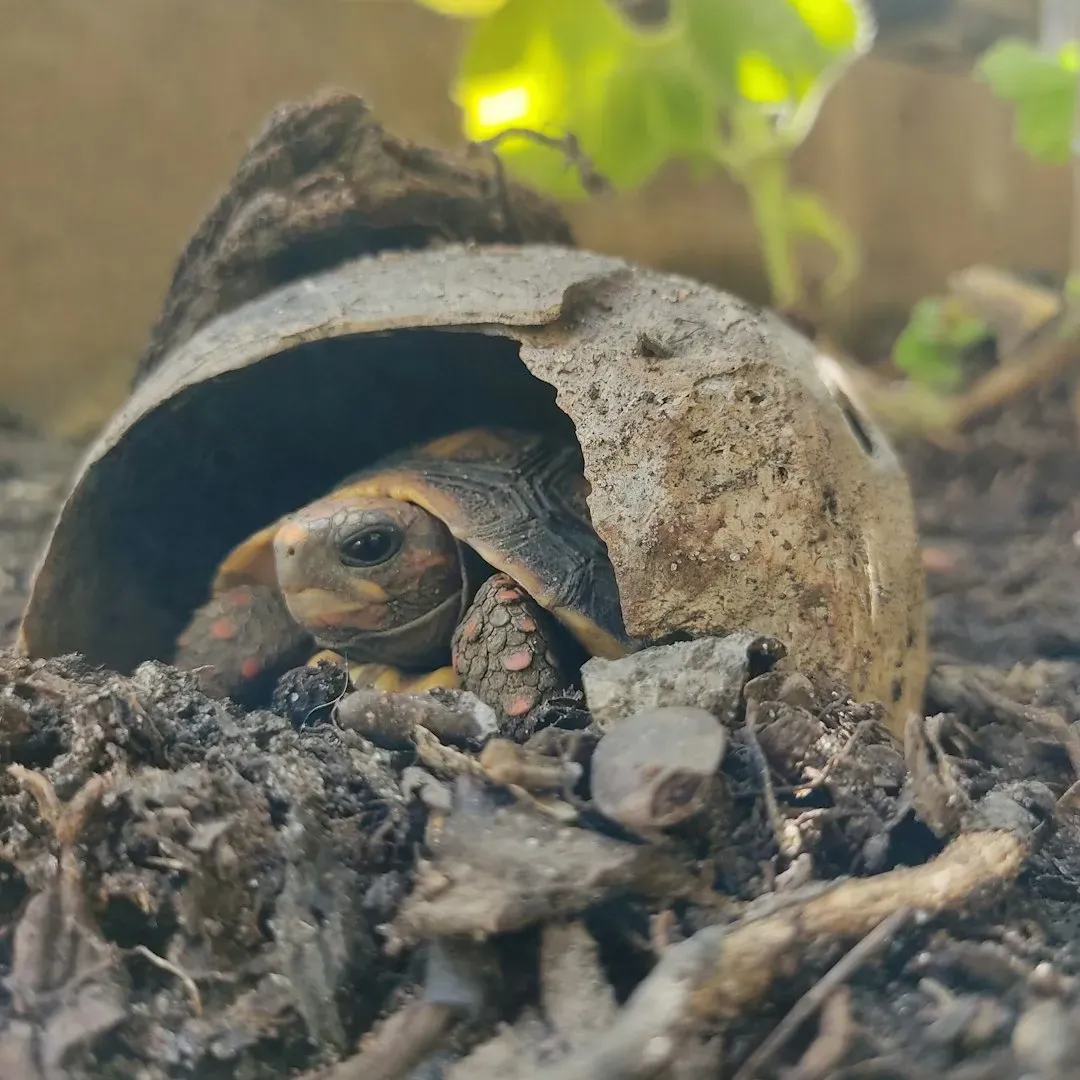
Here’s where things get truly fascinating. Gopher tortoises share their burrows with over 350 other species. Let that sink in for a second. A single tortoise creates housing for hundreds of neighbors.
This makes gopher tortoises a keystone species – one without which many other species would not survive. The term keystone comes from architecture. Remove the keystone from an arch, and the entire structure collapses. Remove gopher tortoises from Florida’s ecosystems, and the same catastrophic collapse would occur.
As a keystone species, their burrows provide shelter for over 350 different species, including small mammals, reptiles, amphibians, and invertebrates. These burrows offer protection from predators, extreme temperatures, drought, and fire, making them essential for many wildlife species that depend on them for survival. The eastern indigo snake, gopher frog, Florida mouse, burrowing owls, and countless insects all rely on these underground refuges.
More Than Just a Landlord
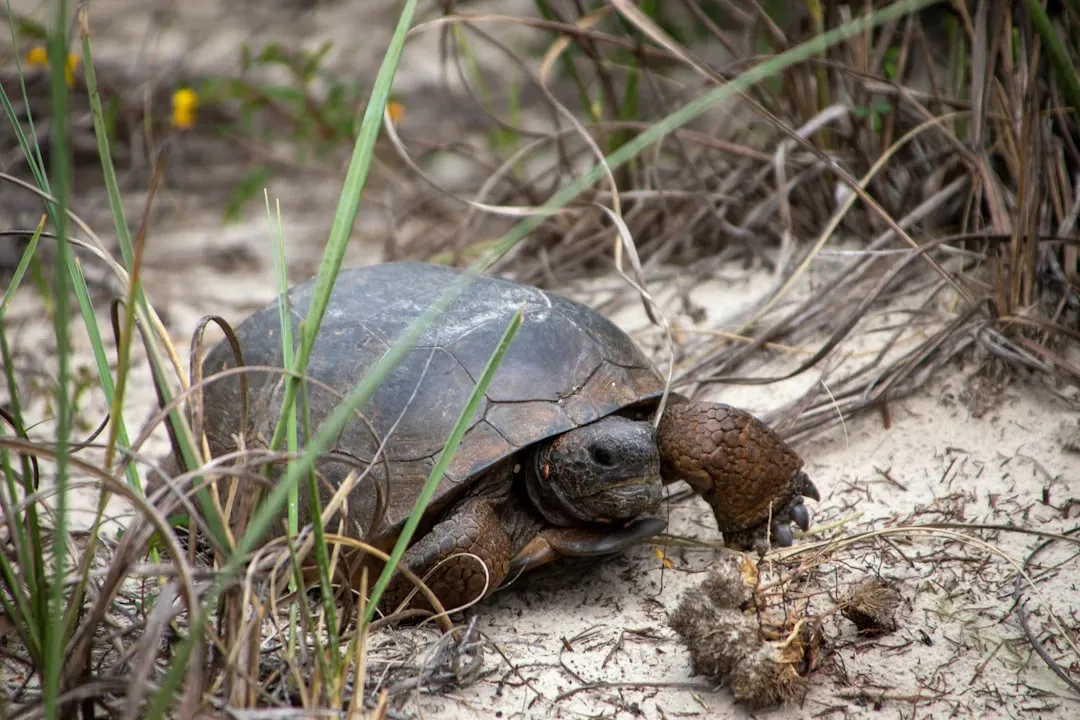
Gopher tortoises influence their environment by shaping vegetation through grazing. They primarily feed on low-growing plants, such as grasses, legumes, and wildflowers, which helps promote plant diversity and maintain the open landscapes they inhabit. By dispersing seeds through their diet, they also contribute to the regeneration of native plant communities. Much like how your dog might inadvertently spread seeds on their fur during walks, tortoises actively participate in ecosystem renewal.
Their grazing behavior prevents certain plants from dominating the landscape, creating space for a diverse array of species to flourish. They’re not just passive residents; they’re active gardeners of their environment. This ecological role extends beyond simple survival into genuine environmental stewardship.
Burrows act as natural aeration systems, loosening compacted soils and improving drainage. They also help regulate water flow by allowing rainfall to percolate more evenly into the ground rather than running off and eroding the landscape. Even the soil benefits from their presence.
The Harsh Reality They Face Today
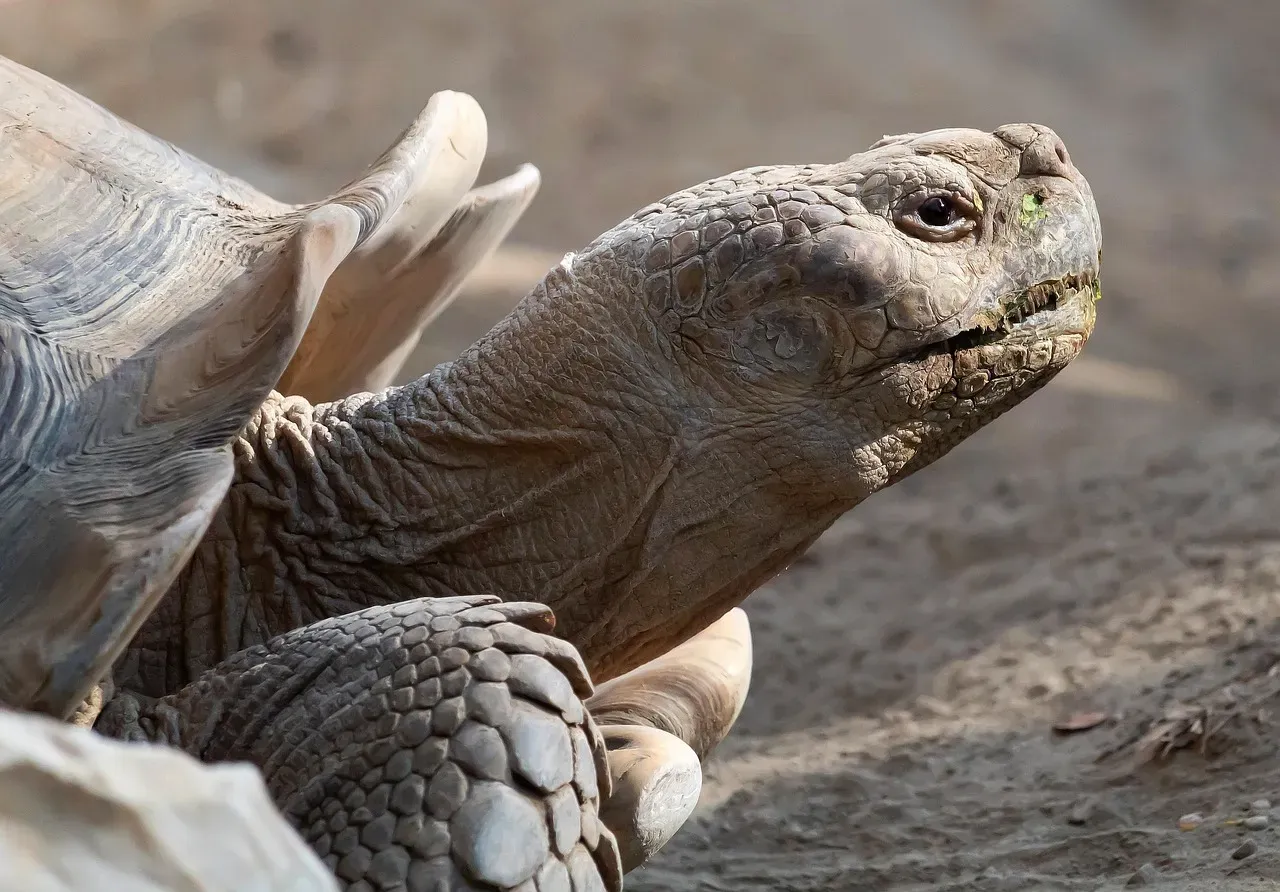
Gopher tortoise populations have experienced an 80% decline in the last 100 years, and more decline is expected with additional habitat loss. That statistic should alarm anyone who cares about wildlife. Eighty percent. Gone.
The primary threat to the gopher tortoise is habitat loss through habitat destruction, fragmentation, and degradation, particularly from urbanization and development. Humans and tortoises, unfortunately, prefer the same real estate: high, dry, well-drained sandy areas. Urbanization and land conversion have fragmented their natural habitats, forcing tortoises to cross roads more frequently, increasing the risk of vehicle collisions. Road mortality remains a significant threat, not unlike the danger our pets face near busy streets.
Fire suppression has led to overgrown landscapes that are less suitable for tortoises, while continued development further reduces the availability of critical habitat. The ecosystems where these creatures thrive depend on periodic fires to maintain open canopies and herbaceous plant growth. Without controlled burns, forests become too dense and shaded for tortoises to survive.
Protected but Still Vulnerable
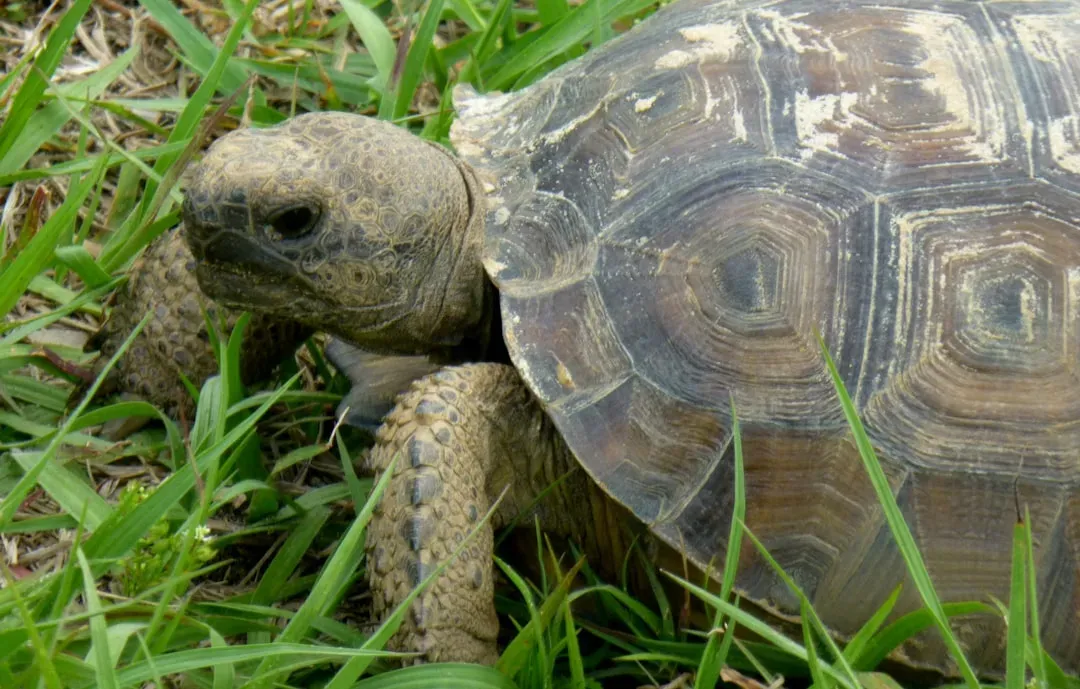
The gopher tortoise was first recognized as a Species of Special Concern in Florida in 1979 and later reclassified as a State-designated Threatened species in 2007 due to significant population declines. Legal protections exist, yet they’re not always enough.
In October 2022, the FWS announced that listing the gopher tortoise as a threatened or endangered species under the Endangered Species Act is not warranted for most of its range. The eastern range of the species, which includes Florida, Georgia, South Carolina, and most of Alabama, does not require additional protections under the ESA and will be withdrawn as a candidate for listing. The western range of the species, which includes western Alabama, Mississippi, and Louisiana, will continue to retain its threatened status.
Sadly, only 25% of all eggs hatch in the wild and only 10% of hatchlings survive their first year. These numbers are heartbreaking. Predators including raccoons, fire ants, and even domestic dogs pose serious threats to eggs and juveniles. It’s a precarious existence from the very beginning.
Conservation Efforts Bringing Hope
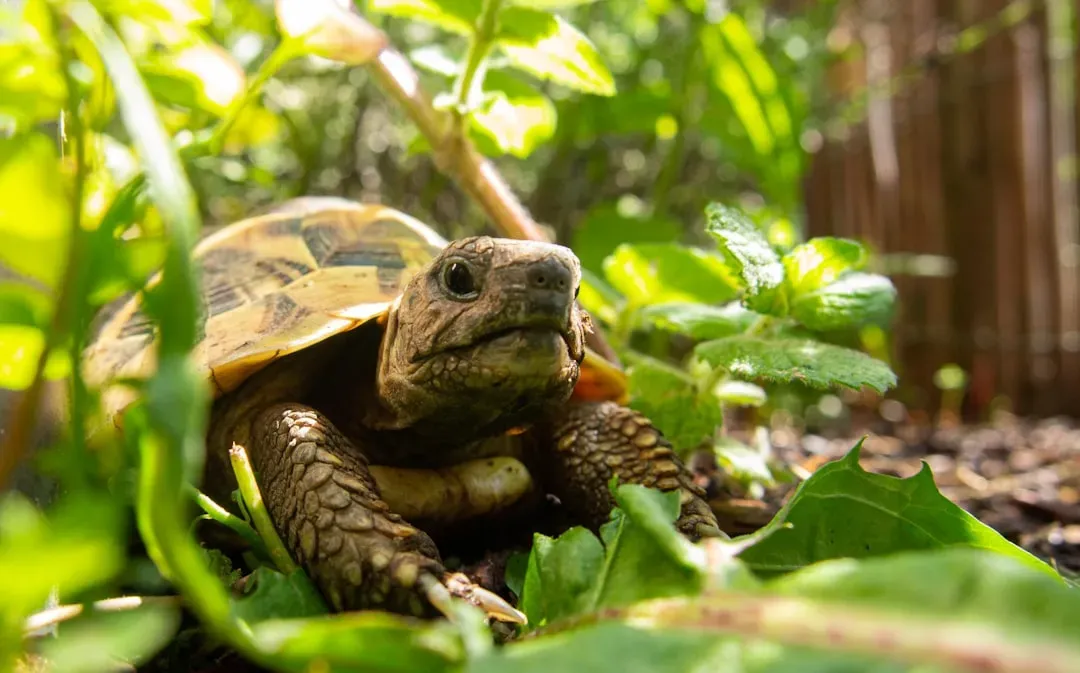
Despite the challenges, dedicated people are working tirelessly to save this species. Conservation partners are now aware of more gopher tortoise populations beyond those known when the species was initially placed on the candidate list. The 2013 gopher tortoise conservation strategy informed collaborative conservation efforts and partnerships across the gopher tortoise range. States, organizations and private landowners implemented beneficial habitat conservation efforts and used standardized survey protocols that revealed previously uncounted tortoises and produced evidence of recruitment within these populations.
Since 2012, WLFW has enabled producers to conserve or create more than 278,000 acres of longleaf pine forests. WLFW provides technical and financial assistance through the Environmental Quality Incentives Program, which is funded through the Farm Bill. These restoration efforts focus on prescribed burning, tree thinning, and planting longleaf pines to recreate suitable habitat.
Head-start programs have emerged as a promising strategy. TNC is giving hatchlings in Mississippi a head start by raising them in a nursery until they’re big enough to avoid predators. By protecting young tortoises during their most vulnerable months, conservationists dramatically increase survival rates. It’s similar to how we might protect puppies until they’re strong enough to fend for themselves.
A Legacy Worth Protecting
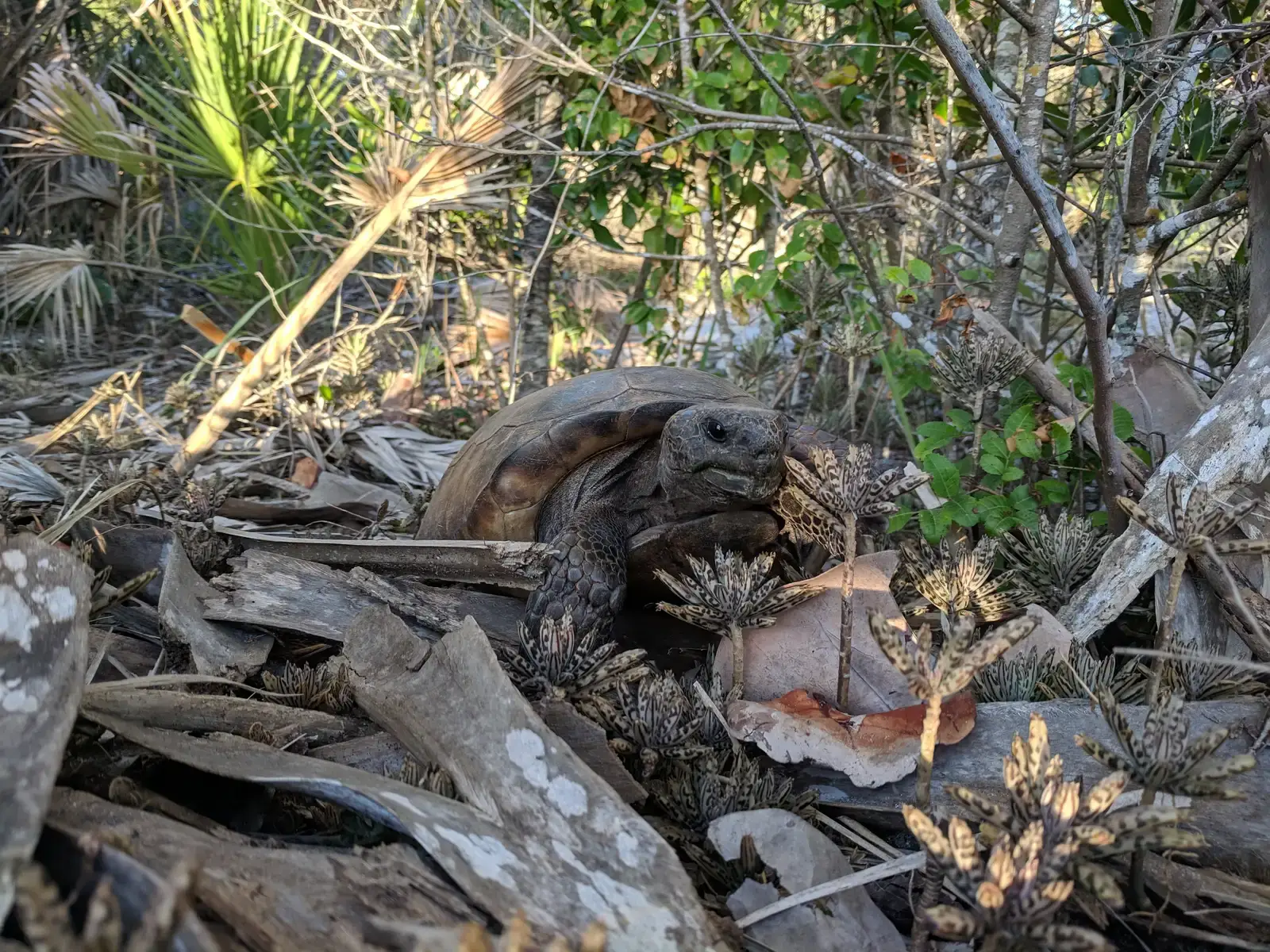
The gopher tortoise represents something profoundly important: the interconnectedness of all living things. Just as we cherish the unwavering loyalty our dogs show us, we should recognize the quiet dedication these ancient reptiles bring to Florida’s ecosystems. They’ve survived for sixty million years not through aggression or dominance, but through persistence, adaptation, and an inherent ability to create community.
When we protect gopher tortoises, we’re safeguarding hundreds of other species simultaneously. We’re preserving longleaf pine ecosystems that once covered vast stretches of the Southeast. We’re maintaining biodiversity that enriches our world in ways both seen and unseen. The survival of this species isn’t just about saving one type of tortoise. It’s about honoring an ecological engineer whose work benefits entire landscapes.
These humble creatures ask for so little: sandy soil to dig, native plants to eat, and space to exist. In return, they provide incalculable ecological value. Perhaps there’s a lesson there about living lightly on the Earth while still making an enormous impact. What do you think about these remarkable architects of the natural world? Have you ever encountered one on your travels through Florida?

- Why Some Domestic Animals Are Developing Surprising Wild Instincts Again - August 1, 2026
- 6 US States With the Most Armadillos - August 1, 2026
- 8 Signs That Your Dog Is Experiencing Stress and How to Help Them - August 1, 2026