

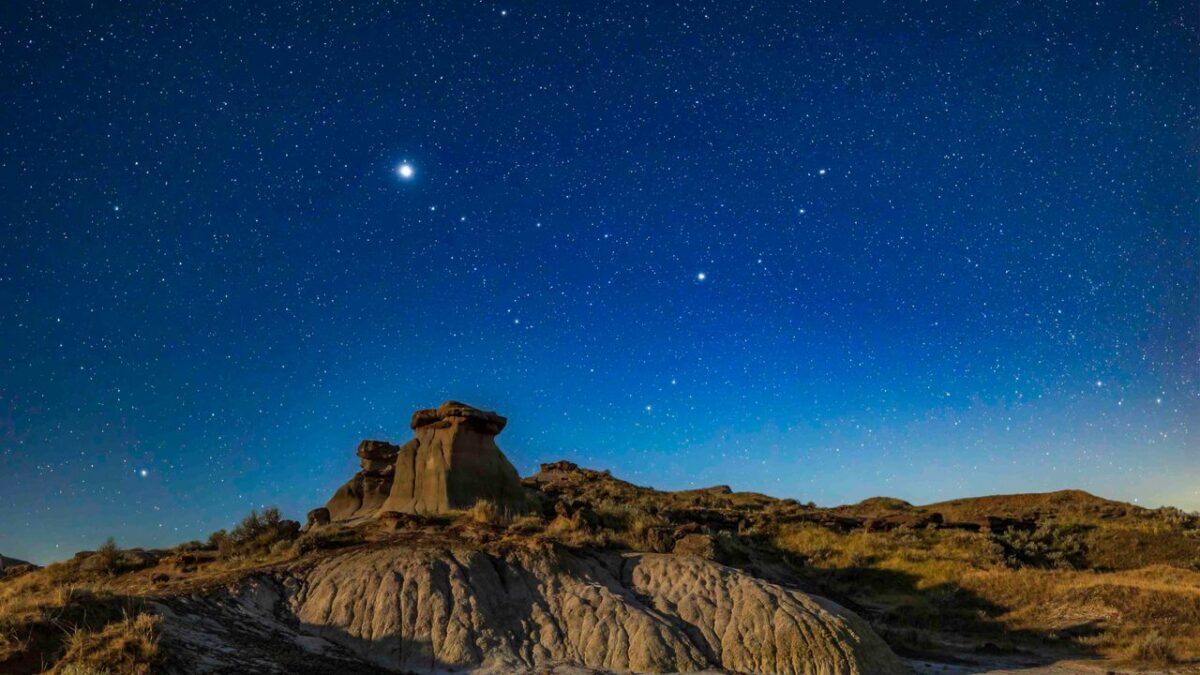
A Celestial Showcase Under Moonless Skies (Image Credits: Cdn.mos.cms.futurecdn.net)
The new moon that arrived on January 18, 2026, has ushered in a brief window of exceptionally dark skies, offering stargazers worldwide a rare chance to observe the cosmos without the moon’s glow interfering.
A Celestial Showcase Under Moonless Skies
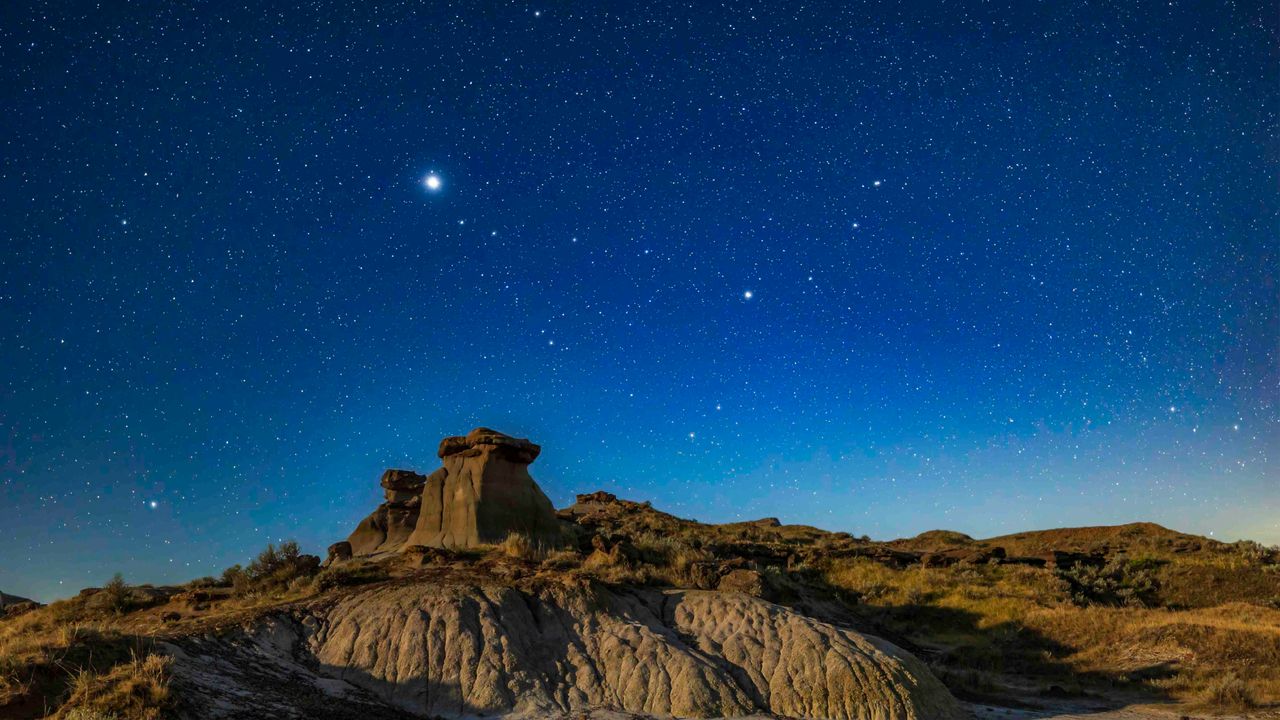
Jupiter stood out as one of the most prominent sights in the immediate aftermath of the new moon, appearing brighter and larger than at any other time this year following its opposition on January 10.
Observers who stepped outside on the nights of January 18 and 19 reported clear views of the gas giant rising in the east after sunset and remaining visible through the early morning hours. Its four largest moons, known as the Galilean satellites, danced around it, providing a dynamic display for those with binoculars or small telescopes. Saturn, though lower on the horizon, offered a subtler but equally rewarding view in the southwestern sky shortly after dusk. The ringed planet’s position made it accessible for a few hours before it dipped below the horizon, rewarding patient viewers with its iconic rings if atmospheric conditions cooperated.
This alignment of planets against the backdrop of minimal light pollution from the moon created an ideal setup for urban and rural skywatchers alike. The absence of lunar interference allowed fainter details, such as Jupiter’s cloud bands, to emerge more clearly than usual during this winter season.
Spotting the Jewels of the Winter Sky
Winter constellations transformed the night sky into a glittering tapestry during these dark nights, with Orion taking center stage as the hunter’s belt and sword pointed toward deeper cosmic wonders.
The constellation’s bright stars, including Betelgeuse and Rigel, formed a distinctive hourglass shape that guided eyes toward the Orion Nebula, a stellar nursery visible even to the naked eye under pristine conditions. Nearby, Sirius, the brightest star in the night sky, twinkled low in the southern horizon for northern observers, adding a brilliant white spark to the scene. Taurus and its prominent red giant Aldebaran complemented the view, creating a rich field of ancient star patterns that have inspired stories for millennia.
These constellations not only provided aesthetic beauty but also served as navigational aids for locating the planets. For instance, tracing a line from Orion’s belt led directly to Jupiter’s position, simplifying the hunt for beginners.
Tips for Maximizing Your Stargazing Experience
To make the most of the lingering dark skies through January 20, enthusiasts recommended heading to locations with low light pollution, such as rural fields or designated dark-sky parks.
Timing proved crucial; Jupiter offered the best visibility from midnight onward, while Saturn required early evening sessions before it set. Binoculars enhanced the experience by revealing Jupiter’s moons and Saturn’s rings, but even unaided eyes could appreciate the planets’ steady glow against the starry backdrop. Weather played a key role, with clear, cold nights in mid-January delivering the sharpest views across much of the Northern Hemisphere.
- Check local forecasts for cloud cover to plan your outing.
- Use a stargazing app to pinpoint exact positions based on your latitude.
- Allow your eyes 20-30 minutes to adjust to the darkness for optimal faint-object viewing.
- Bundle up against the winter chill, as sessions often extend into the early hours.
- Combine planet-spotting with constellation tracing for a fuller narrative of the sky.
Broader January Sky Events to Note
Beyond the new moon’s immediate gifts, January 2026 featured a series of events that built excitement for planetary and stellar observations throughout the month.
The Wolf Moon, a supermoon on January 3, had earlier lit up the sky in Gemini, contrasting sharply with the current darkness. Jupiter’s opposition earlier in the month ensured its prominence persisted, while Saturn’s gradual descent toward the horizon signaled the approach of its seasonal fade-out. The Beehive Cluster in Cancer became another highlight, buzzing with stars visible in binoculars as the moon moved away.
| Event | Date | Visibility Notes |
|---|---|---|
| New Moon | January 18 | Dark skies for all-night viewing |
| Jupiter Opposition Afterglow | Ongoing through January | Brightest and largest; rises at sunset |
| Saturn Evening Descent | Early January evenings | Sets soon after dusk by month’s end |
These occurrences reminded observers of the sky’s dynamic nature, with each phase offering unique perspectives on our solar system’s giants.
Key Takeaways
- The January 18 new moon provided optimal conditions for viewing Jupiter’s brilliance and Saturn’s rings without lunar interference.
- Winter constellations like Orion and Sirius added context and beauty to planetary sightings, accessible to all skill levels.
- Planning around weather and light pollution can turn a simple evening glance into a memorable cosmic adventure.
As the moon begins to wax again, these prime viewing opportunities fade, but they leave a lasting appreciation for the subtle rhythms of the night sky. What celestial sight caught your eye this January? Share your experiences in the comments below.

As a little kid, I fell in love with nature, wildlife, and animals. Living in the USA, South Africa, Italy, China and Germany gave me the opportunity to discover the world's Wildlife. My favorite animals are Mountain Gorillas, Siberian Tigers, and Great White Sharks.
I'm a certified PADI Open Water Diver, went to Everest Base Camp and Trekked Gorillas in Uganda. I hold a Master of Science in Economics and Finance.
Please send any feedback to feedback@animalsaroundtheglobe.com
- 8 Things Komodo Dragons Hunt — And 3 They Avoid - July 29, 2026
- 13 Dogs That Love New People And 3 That Stay Reserved - July 29, 2026
- 10 Signs a Wolf Is Thriving And 4 That Spell Trouble - July 29, 2026