

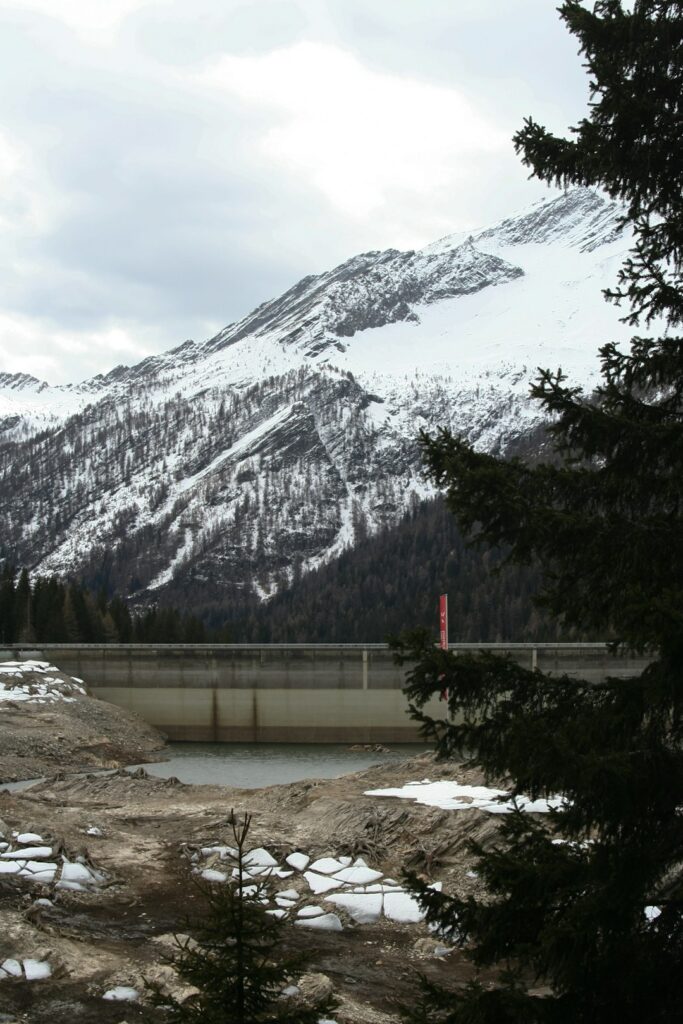

Wildlife Faces Harsh Survival Tests (Image Credits: Unsplash)
Parts of Europe and Russia recently faced an intense deep freeze, with temperatures plummeting far below seasonal norms and blanketing the regions in heavy snow.
Wildlife Faces Harsh Survival Tests
Conservationists reported that the sudden onset of sub-zero conditions caught many animal species off guard, disrupting migration patterns and foraging behaviors across affected areas. In Scandinavia and Central Europe, birds like the Eurasian bullfinch struggled to find unfrozen water sources, leading to heightened stress on populations already vulnerable to habitat loss. Meanwhile, in Russia’s Far East, the extreme snowfall in Kamchatka buried food supplies under meters of snow, forcing mammals such as reindeer to expend extra energy digging for sustenance.
Experts noted that these events exacerbate the challenges for smaller creatures, including rodents and insects that form the base of local food chains. The freeze, which arrived just weeks after milder weather, highlighted the unpredictability now common in these latitudes. Wildlife rescuers in Czechia documented an uptick in emaciated hedgehogs emerging from hibernation too early, only to face lethal cold. Such disruptions underscore the need for adaptive conservation strategies in regions prone to weather volatility.
Global Warming’s Role in Weather Extremes
While the deep freeze might seem at odds with rising global temperatures, scientists linked it to broader climate patterns driven by warming. Arctic air masses, destabilized by accelerated polar melting, spilled southward more frequently, creating these polar vortex intrusions. In Russia, where permafrost thaw has long been a concern, the irony deepened as frozen ground preserved ancient ecosystems but now released methane that could intensify future warming.
Studies from organizations like WWF Arctic pointed out that the Arctic warmed nearly four times faster than the global average, altering jet streams and inviting cold snaps farther south. This phenomenon affected not just weather but also marine life in the Barents Sea, where seals and fish adapted to shifting ice edges. Conservation efforts must now account for these swings, as they compound pressures from habitat fragmentation. The event served as a stark reminder that climate change manifests in extremes, not just heat.
Conservation Hurdles in Permafrost Regions
Russia’s northern territories, rich in biodiversity, bore the brunt of both thawing permafrost and sudden freezes. The melt exposed ancient carcasses, like woolly rhinoceros remains, signaling ecosystem instability, while the recent cold locked in challenges for polar bears increasingly venturing onto land due to vanishing sea ice. In Yakutia, infrastructure damage from shifting ground threatened protected habitats for species like the Siberian tiger.
European nations, including those in the Czech Republic, dealt with frozen rivers that isolated deer herds and increased human-wildlife conflicts in urban fringes. Data flow disruptions from halted collaborations with Russian researchers, stemming from geopolitical tensions, further complicated monitoring of transboundary species. Conservation groups emphasized that without integrated approaches, migratory birds and mammals risked steeper declines. These hurdles demanded urgent policy shifts to bolster resilient wildlife corridors.
Strategies to Bolster Wildlife Resilience
Across Europe and Russia, initiatives ramped up to mitigate freeze impacts through habitat enhancements and emergency feeding programs. In Scandinavia, artificial shelters provided refuge for overwintering bats, while Russian reserves in Kamchatka deployed snow-clearing teams to aid ungulates. These measures built on long-term efforts to restore wetlands that buffer against temperature swings.
International bodies advocated for expanded protected areas, focusing on connectivity to allow species movement during anomalies. For instance, buffer zones around permafrost sites aimed to curb carbon releases that fuel climate instability. Local communities participated in citizen science, tracking animal health post-freeze to inform future responses.
- Enhance monitoring with remote sensors to predict weather shifts.
- Plant native vegetation for natural windbreaks and food sources.
- Collaborate across borders to share data on migratory patterns.
- Invest in rehabilitation centers for freeze-stressed individuals.
- Promote sustainable land use to reduce human encroachment.
Key Takeaways
- Deep freezes, tied to global warming, disrupt food chains and force animals into riskier behaviors.
- Permafrost thaw in Russia amplifies conservation needs for Arctic species like polar bears.
- Adaptive strategies, including habitat connectivity, offer hope for building wildlife resilience.
The deep freeze revealed the intricate balance wildlife maintains in a warming world, urging faster action from conservationists and policymakers alike. As these regions recover, the focus sharpens on preventing irreversible losses. What steps do you believe are most crucial for protecting wildlife from such climate extremes? Share your thoughts in the comments.

- Urban Coyotes Show Remarkable Adaptability, Learning to Thrive in City Environments - July 22, 2026
- Beavers Are Nature’s Engineers, Creating Vital Habitats for Other Wildlife Species - July 21, 2026
- The Recovery of the California Condor Offers Hope for Other Critically Endangered Birds - July 21, 2026