


The Rocky Mountains stretch across North America like a massive spine, harboring some of the continent’s most remarkable wildlife. From the towering peaks of Colorado to the pristine wilderness of Montana, these ancient mountains have become sanctuaries for creatures both large and small. What makes this ecosystem so special isn’t just its breathtaking scenery, but the incredible diversity of animals that call these rugged landscapes home. Every season brings new opportunities to witness nature’s drama unfolding, whether it’s watching a grizzly bear emerge from hibernation or spotting a golden eagle soaring through mountain thermals.
The Mighty Grizzly Bear

Grizzly bears represent the ultimate symbol of Rocky Mountain wilderness, with their massive frames and distinctive shoulder humps commanding respect from all who encounter them. These incredible predators can weigh up to 800 pounds and stand nearly 10 feet tall on their hind legs, making them one of North America’s largest land mammals. Their powerful claws, which can grow up to four inches long, serve multiple purposes from digging for roots to catching salmon during spawning season.
What truly sets grizzlies apart is their remarkable intelligence and adaptability to harsh mountain conditions. They possess an extraordinary sense of smell that’s seven times stronger than a bloodhound’s, allowing them to detect food sources from miles away. During autumn, these magnificent creatures can consume up to 20,000 calories per day as they prepare for their long winter hibernation.
Elusive Mountain Lions

Mountain lions, also known as cougars or pumas, are perhaps the most secretive residents of the Rocky Mountains, with their tawny coats providing perfect camouflage among the rocky terrain. These solitary hunters can leap up to 40 feet horizontally and 15 feet vertically, making them incredibly effective predators in steep mountain environments. An adult mountain lion typically weighs between 80 to 200 pounds, with males being significantly larger than females.
Their hunting territories can span up to 100 square miles, and they’re known for their stealth and patience when stalking prey. Mountain lions primarily hunt deer, elk, and smaller mammals, using their powerful hind legs to deliver a fatal bite to the neck. Despite their fearsome reputation, attacks on humans are extremely rare, with these cats preferring to avoid human contact entirely.
Majestic Rocky Mountain Elk
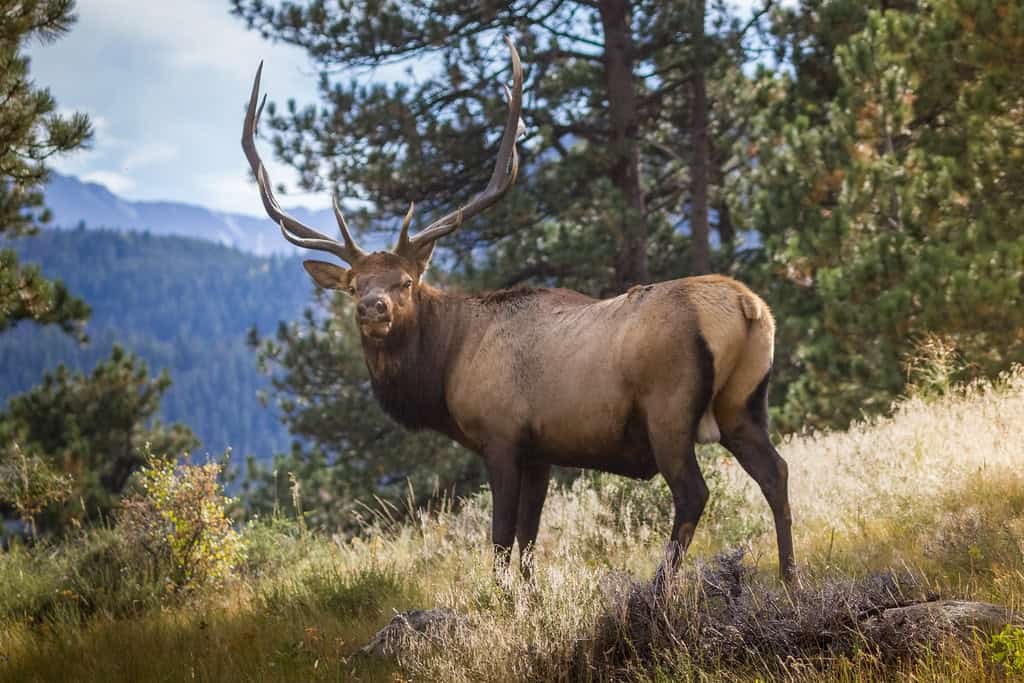
Rocky Mountain elk stand as one of the most iconic ungulates in North America, with bull elk weighing up to 1,100 pounds and sporting antlers that can span five feet across. These magnificent creatures are known for their haunting bugle calls that echo through mountain valleys during the autumn rutting season. Their distinctive bugling can be heard from miles away and serves to establish dominance and attract mates.
Elk are remarkably adaptable animals that migrate seasonally between high alpine meadows in summer and lower elevation valleys in winter. They’re excellent swimmers and can run up to 40 miles per hour when threatened. Their diet consists primarily of grasses, bark, and leaves, and they play a crucial role in maintaining the ecological balance of Rocky Mountain ecosystems.
Black Bears: The Adaptable Survivors

Black bears are incredibly versatile creatures that have thrived in Rocky Mountain ecosystems for thousands of years, despite their name often being misleading since they can range in color from black to brown to even blonde. These intelligent omnivores typically weigh between 125 to 500 pounds and possess remarkable problem-solving abilities that have helped them adapt to changing environments. Their diet consists of approximately 80% plant matter, including berries, nuts, and roots, supplemented by fish, insects, and small mammals.
One of the most fascinating aspects of black bears is their ability to enter a state called torpor during winter months, where their heart rate and breathing slow dramatically. Unlike true hibernation, bears can wake up during warm spells and may even give birth during this period. Their excellent climbing abilities and strong swimming skills make them one of the most successful large mammals in North America.
Wolves: The Pack Hunters Return

Gray wolves have made a remarkable comeback in the Rocky Mountains after being nearly eliminated in the early 20th century, with reintroduction programs bringing these apex predators back to their ancestral hunting grounds. These highly social animals live in packs of 4 to 8 individuals and can travel up to 50 miles in a single day while hunting. Adult wolves typically weigh between 60 to 110 pounds and can reach speeds of up to 40 miles per hour when chasing prey.
The return of wolves has had profound ecological impacts, creating what scientists call a “trophic cascade” effect that has helped restore balance to Rocky Mountain ecosystems. Their presence has altered the behavior of elk and deer populations, allowing vegetation to recover in areas that were previously overgrazed. Wolves communicate through a complex system of howls, body language, and scent marking, with their haunting calls serving to coordinate pack activities and maintain territory boundaries.
Moose: The Gentle Giants
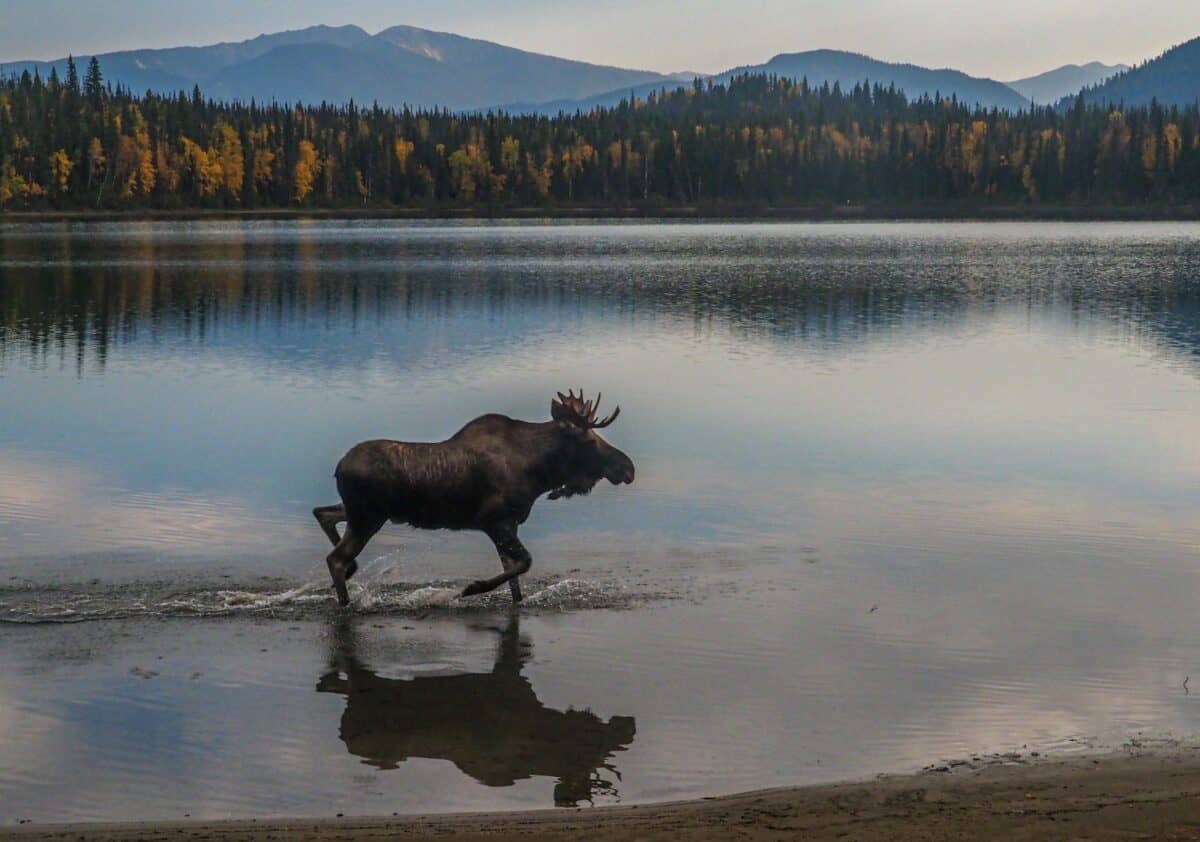
Moose are the largest members of the deer family and truly embody the phrase “gentle giants” as they wade through mountain marshes and beaver ponds searching for aquatic vegetation. Bull moose can weigh up to 1,800 pounds and stand nearly seven feet tall at the shoulder, with their distinctive palmate antlers spanning up to six feet across. These impressive antlers are shed and regrown annually, with the growth process requiring enormous amounts of energy and nutrients.
Despite their peaceful appearance, moose can be surprisingly dangerous during mating season or when protecting their young, capable of running up to 35 miles per hour and delivering powerful kicks with their long legs. They’re excellent swimmers and can dive up to 20 feet underwater to feed on aquatic plants. Their long legs and specialized hooves allow them to navigate through deep snow and boggy terrain that would challenge other large mammals.
Golden Eagles: Masters of the Sky

Golden eagles reign supreme as the ultimate aerial predators of the Rocky Mountains, with their incredible eyesight being up to eight times sharper than human vision. These magnificent raptors can spot prey from distances of up to two miles away and dive at speeds exceeding 150 miles per hour when hunting. Their wingspan can reach up to 7.5 feet, and they’re capable of soaring for hours without flapping their wings by riding thermal currents that rise from sun-heated mountain slopes.
What makes golden eagles truly exceptional is their hunting versatility, as they can take prey ranging from small rodents to animals as large as young deer or mountain goats. They build massive nests on cliff faces that can be reused for decades, with some nests growing to over 10 feet in diameter. These powerful birds play a crucial role in maintaining ecological balance by controlling populations of smaller mammals and scavenging carrion.
Pika: The Tiny Mountain Dwellers
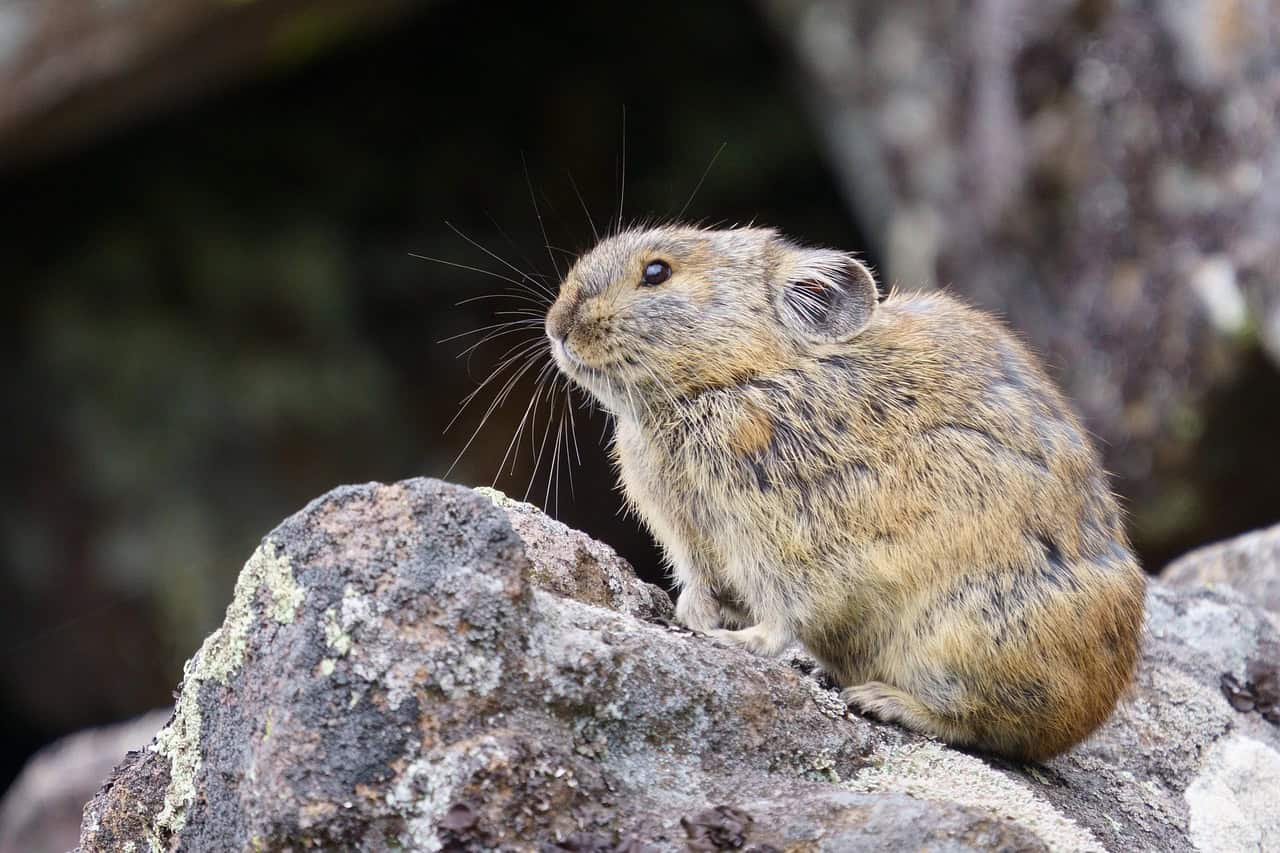
Pikas are small, rabbit-like creatures that have become living indicators of climate change in the Rocky Mountains, as these cold-adapted animals struggle with rising temperatures at high elevations. These adorable creatures, weighing only about 6 ounces, live in rocky talus slopes above the tree line and are known for their distinctive squeaking calls that echo across alpine meadows. They don’t hibernate like many small mammals, instead spending their summers gathering plants to create “haypiles” that sustain them through harsh winters.
Their round ears and compact bodies are perfectly adapted for life in extreme cold, and they can die from overheating if temperatures exceed 78 degrees Fahrenheit for extended periods. Pikas are incredibly industrious, making up to 100 trips per day to gather vegetation for their winter food stores. Scientists consider them an important indicator species for monitoring the effects of climate change on high-altitude ecosystems.
Lynx: The Snowshoe Specialists

Canada lynx are perfectly adapted for life in snowy Rocky Mountain forests, with their oversized paws acting like natural snowshoes that allow them to hunt effectively in deep powder. These medium-sized wild cats, weighing between 18 to 24 pounds, have distinctively tufted ears and stubby black-tipped tails that help them maintain their reputation as skilled predators. Their thick, grayish-brown fur provides excellent insulation against sub-zero temperatures, and their long legs give them a distinctive high-stepping gait.
Lynx populations are closely tied to snowshoe hare cycles, as these rabbits make up about 80% of their diet during winter months. When hare populations crash, lynx numbers typically follow suit about two years later. Their exceptional hearing allows them to detect prey moving beneath snow, and they’re capable of taking down animals much larger than themselves when necessary.
Wolverines: The Fierce Wanderers

Wolverines are perhaps the most mysterious and elusive creatures in the Rocky Mountains, with their reputation for ferocity being well-earned despite their relatively small size of 20 to 40 pounds. These powerful mustelids possess incredible strength, capable of taking down prey many times their size and defending carcasses from much larger predators like bears and wolves. Their thick, frost-resistant fur and powerful claws make them perfectly adapted for life in harsh mountain environments.
What makes wolverines truly remarkable is their incredible endurance, as they can travel up to 15 miles per day through deep snow and rugged terrain while searching for food. They have an amazing ability to locate carrion buried under several feet of snow, and their powerful jaws can crush bones and frozen meat that other scavengers cannot access. Wolverines require vast territories of up to 240 square miles, making them particularly vulnerable to habitat fragmentation.
Mule Deer: The Bouncing Browsers
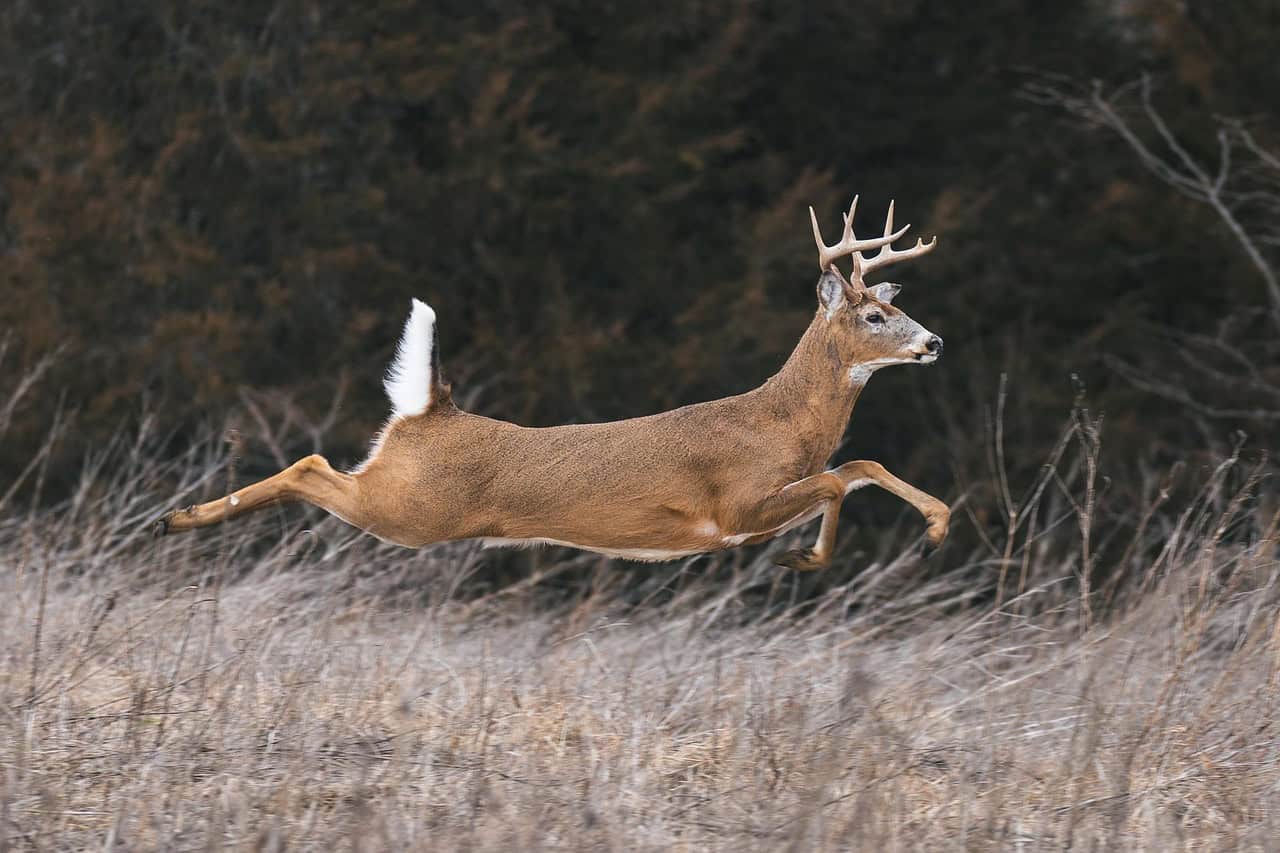
Mule deer are named for their distinctive large ears that can move independently to detect sounds from multiple directions, and they’re famous for their unique “stotting” behavior where they bounce with all four feet hitting the ground simultaneously. These graceful creatures weigh between 100 to 300 pounds and have adapted to life in diverse Rocky Mountain habitats from desert scrublands to alpine meadows. Their large ears not only help with hearing but also serve as effective cooling mechanisms during hot summer months.
During winter, mule deer migrate to lower elevations where they can find food and shelter from harsh weather conditions. They’re browsers rather than grazers, preferring to eat shrubs, twigs, and forbs rather than grasses. Their ability to leap up to 8 feet high and 25 feet in distance makes them excellent escape artists when threatened by predators.
Mountain Goats: The Cliff Climbers
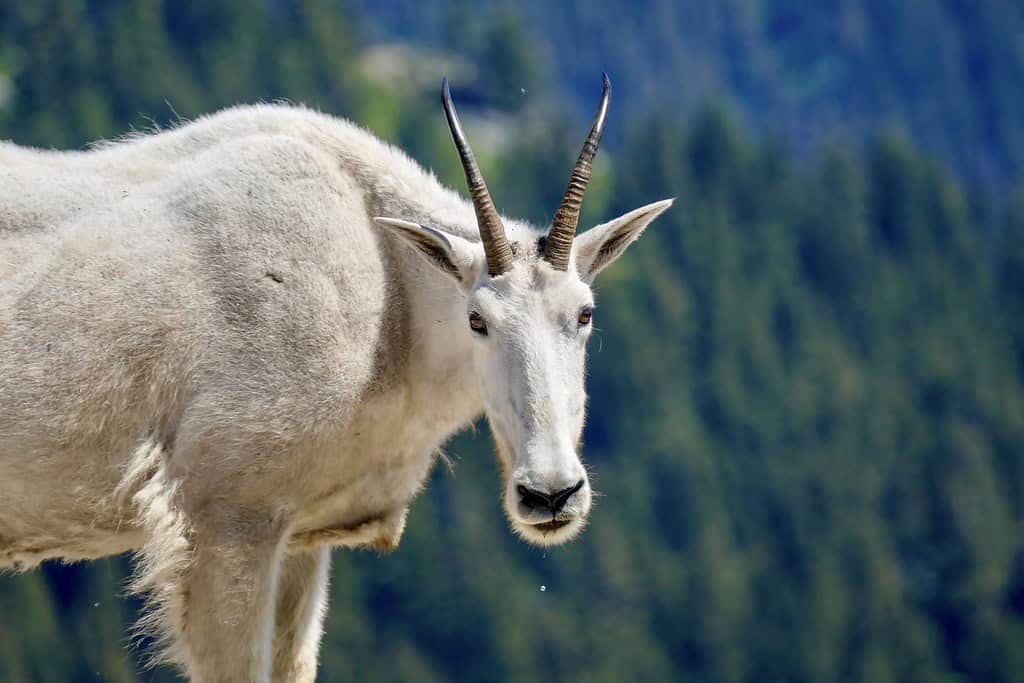
Mountain goats are the ultimate high-altitude specialists, spending their entire lives on rocky precipices that would make most animals dizzy with fear. These sure-footed climbers aren’t actually goats at all but are more closely related to antelopes, with their thick white coats providing excellent camouflage against snowy mountain peaks. Both males and females sport sharp, curved horns that they use for defense and establishing dominance within their social groups.
Their specialized hooves have a hard outer shell surrounding a soft, rubbery pad that provides incredible grip on smooth rock surfaces. Mountain goats can climb slopes with gradients exceeding 60 degrees and routinely traverse ledges that are only inches wide. They’re remarkably adapted to thin air at high altitudes, with enlarged hearts and lungs that allow them to thrive in environments where oxygen levels are 40% lower than at sea level.
Beavers: The Ecosystem Engineers

Beavers are nature’s ultimate engineers, transforming Rocky Mountain waterways through their dam-building activities that create wetland habitats benefiting countless other species. These industrious rodents can weigh up to 60 pounds and possess incredibly strong teeth that continuously grow throughout their lives, allowing them to fell trees up to 3 feet in diameter. Their flat, scaly tails serve multiple purposes, from fat storage to communication through tail-slapping warnings.
A single beaver family can build dams up to 1,000 feet long, creating ponds that serve as nurseries for fish, nesting areas for waterfowl, and drinking spots for other wildlife. Their engineering activities help prevent erosion, reduce flooding, and create fire breaks in forested areas. Beavers can hold their breath for up to 15 minutes while working underwater, and their transparent eyelids allow them to see clearly while swimming.
Porcupines: The Spiky Defenders
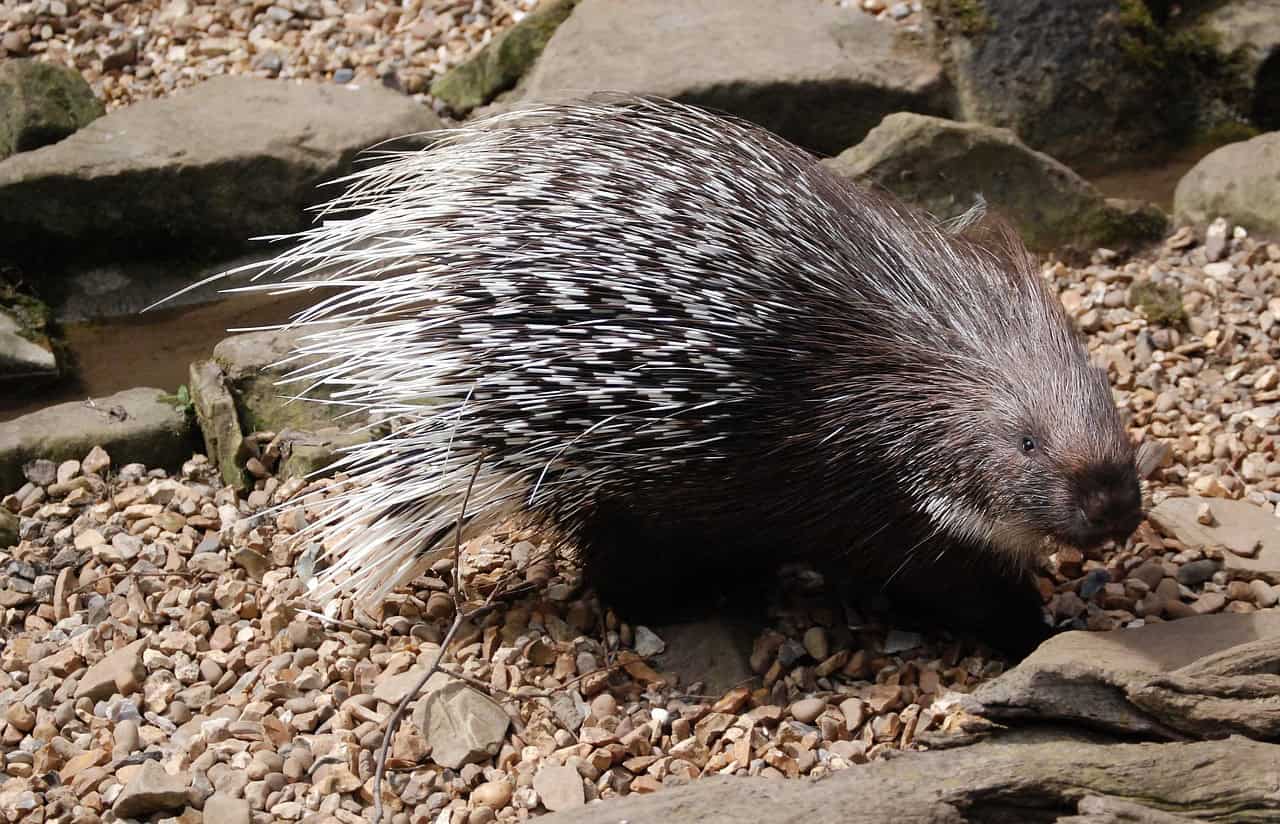
Porcupines are walking fortresses armed with up to 30,000 quills that serve as their primary defense mechanism against predators in Rocky Mountain forests. These slow-moving rodents weigh between 12 to 35 pounds and are excellent climbers, often spending their days sleeping in tree canopies before descending at night to feed on bark, twigs, and leaves. Contrary to popular belief, porcupines cannot shoot their quills, but they can quickly turn their backs toward threats and lash out with their muscular tails.
Their quills are actually modified hairs with microscopic barbs that make them extremely difficult to remove once embedded in an attacker’s skin. Porcupines are surprisingly good swimmers and can cross rivers and lakes when necessary. They play an important role in forest ecosystems by creating feeding scars on trees that provide nesting sites for birds and entry points for beneficial insects.
Coyotes: The Adaptable Survivors
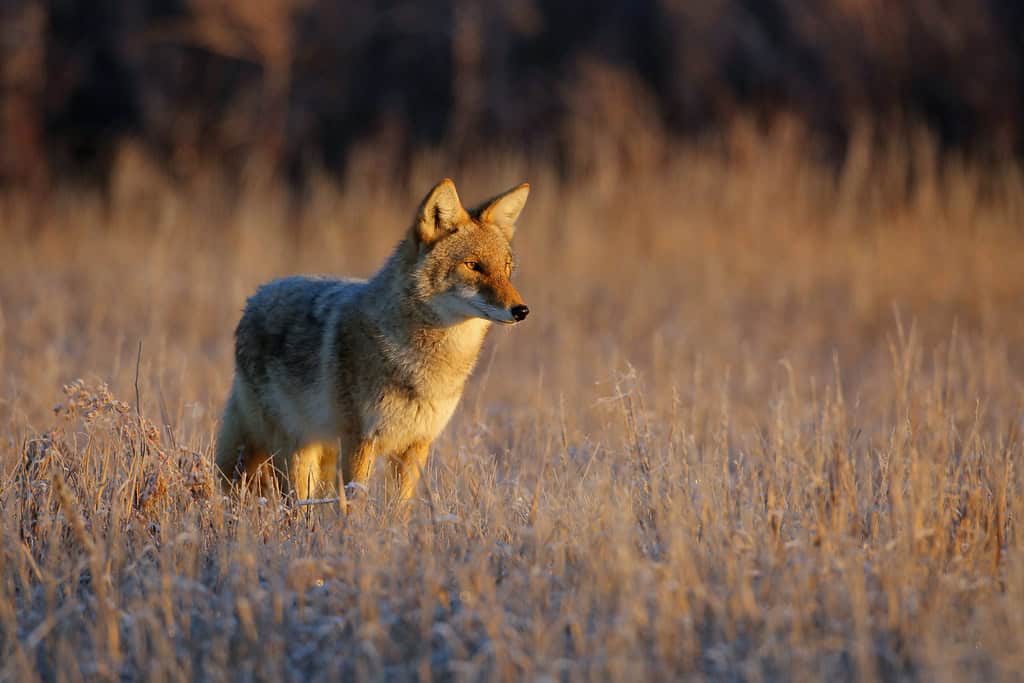
Coyotes have proven to be incredibly adaptable predators that have expanded their range throughout the Rocky Mountains despite intense persecution from humans. These intelligent canids typically weigh between 20 to 50 pounds and are known for their distinctive howling that serves to communicate with pack members and establish territory boundaries. Their varied diet includes everything from small rodents and rabbits to fruits, insects, and occasionally larger prey like deer fawns.
What makes coyotes particularly successful is their flexible social structure, as they can live as solitary hunters or form family groups depending on available resources and prey density. They’re capable of running up to 40 miles per hour and can leap up to 14 feet horizontally when pursuing prey. Their excellent night vision and keen sense of hearing make them effective hunters in both daylight and darkness.
Martens: The Tree-Bound Hunters
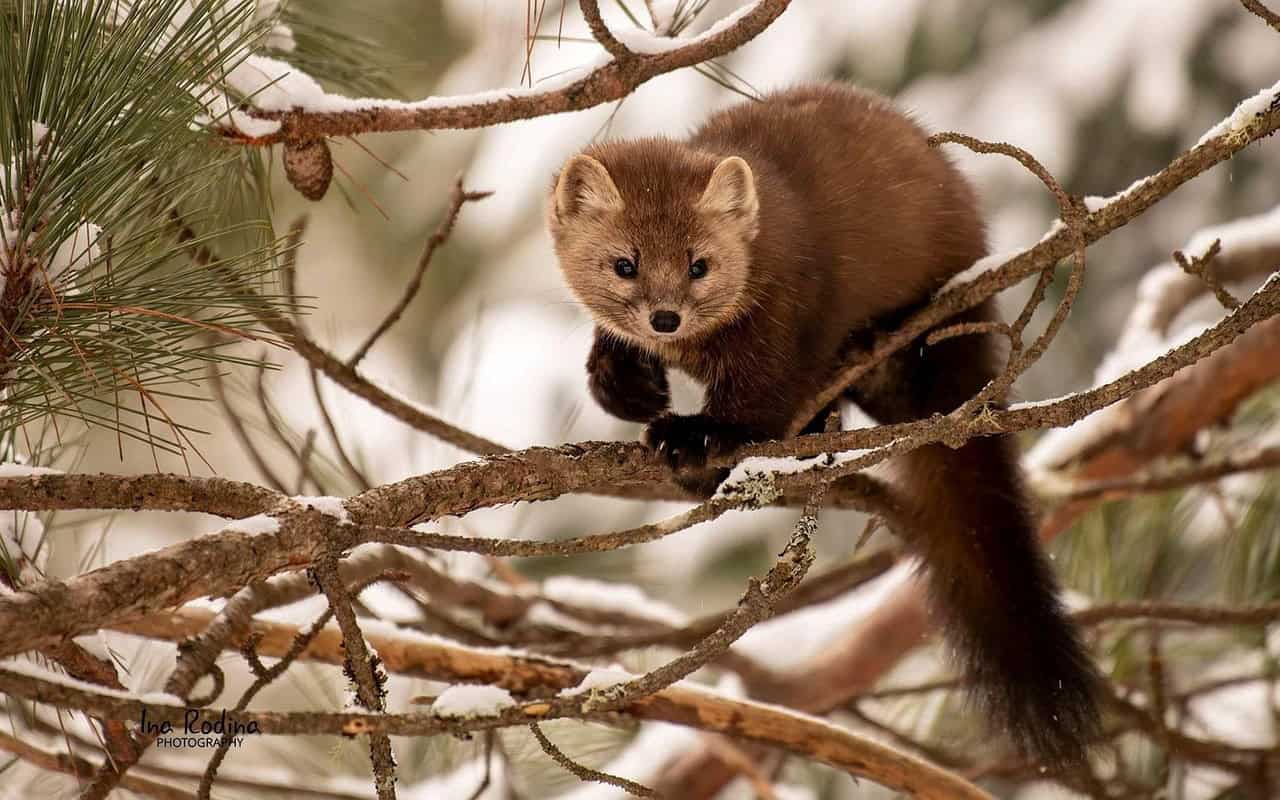
Pine martens are cat-sized predators that have mastered life in the forest canopy, with their semi-retractable claws and flexible ankles allowing them to climb headfirst down tree trunks. These agile hunters weigh between 1 to 3 pounds and possess incredible speed and agility that makes them formidable predators of squirrels, birds, and other arboreal creatures. Their thick, luxurious fur ranges from yellowish-brown to dark brown, with a distinctive orange or yellow throat patch.
Martens are primarily nocturnal hunters that can travel up to 15 miles per night through the forest canopy without ever touching the ground. They’re excellent swimmers and will dive for fish when the opportunity arises. Their hunting success depends heavily on old-growth forests with dense canopy cover, making them particularly vulnerable to logging and habitat fragmentation.
Bighorn Sheep: Masters of Vertical Terrain
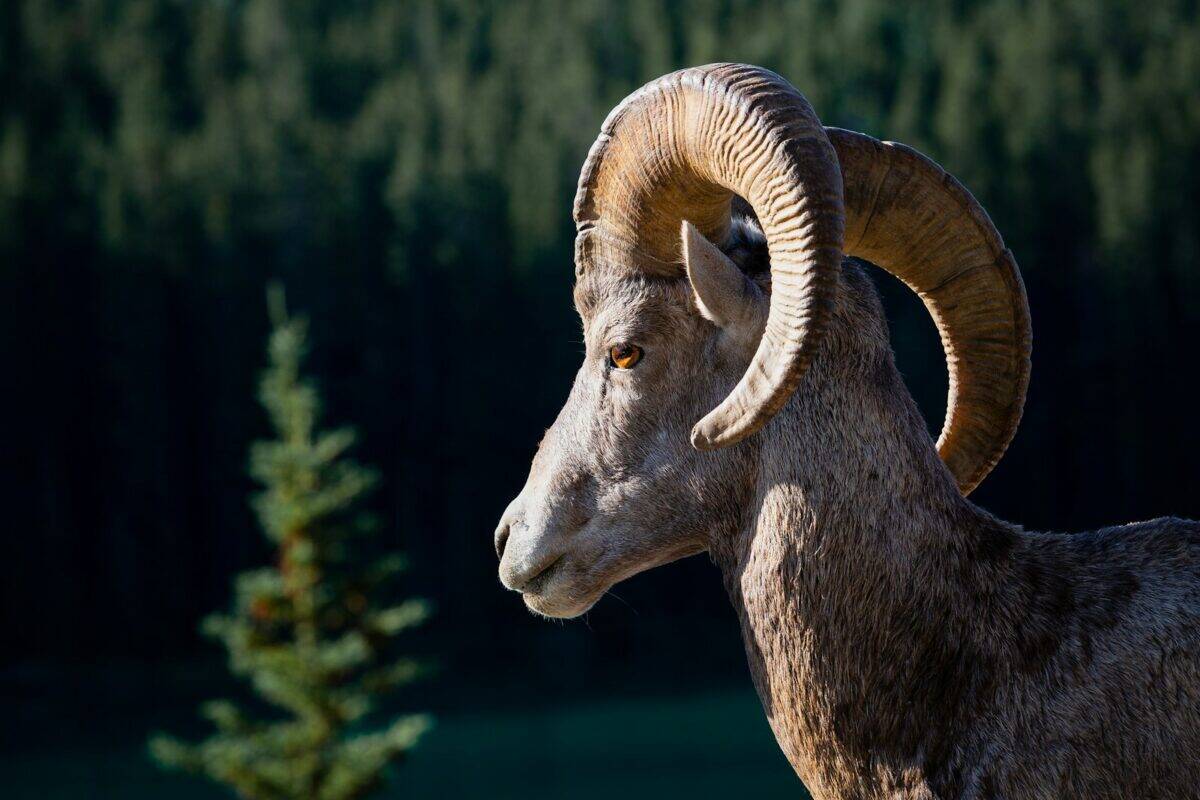
Bighorn sheep have evolved into the ultimate cliff-dwelling specialists, with their remarkable ability to navigate vertical rock faces that would challenge even experienced mountain climbers. These impressive animals can weigh up to 300 pounds for males and possess distinctive curved horns that can grow up to 30 inches long and weigh as much as 30 pounds. Their specialized hooves have a hard outer rim surrounding a soft, rubbery center that provides incredible traction on smooth rock surfaces.
During mating season, rams engage in spectacular head-butting contests where they charge at each other at speeds up to 20 miles per hour, with the sound of clashing horns echoing across mountain valleys. These battles can last for hours and rarely result in serious injury due to their thick skull structure. Bighorn sheep have excellent eyesight that allows them to spot predators from great distances, and they can leap up to 20 feet between rocky ledges.
River Otters: The Playful Swimmers
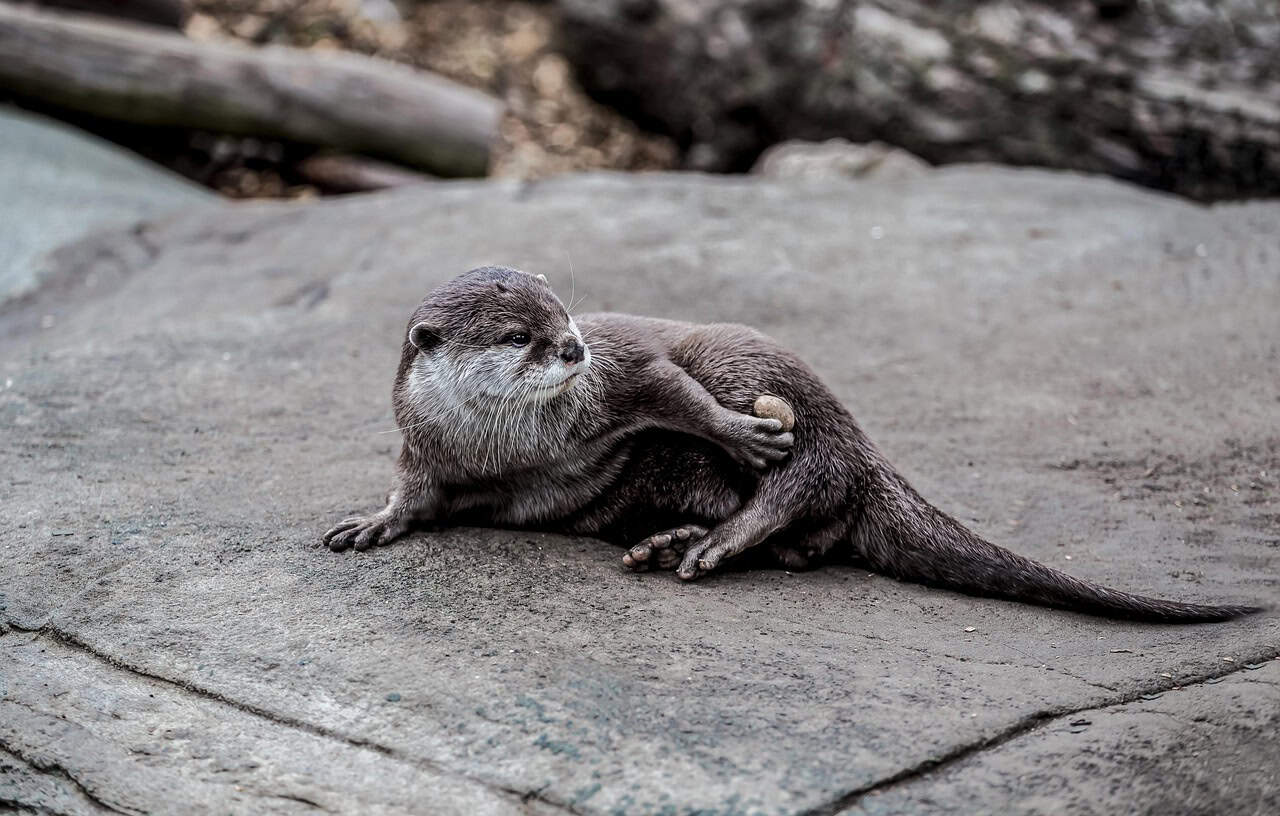
River otters bring a sense of playfulness to Rocky Mountain waterways, with their acrobatic swimming abilities and social behavior making them a joy to observe. These streamlined mammals can weigh up to 30 pounds and are perfectly adapted for aquatic life, with waterproof fur, webbed feet, and the ability to close their nostrils and ears when diving. They can hold their breath for up to 4 minutes while hunting for fish, crayfish, and aquatic insects.
What makes river otters particularly endearing is their playful nature, as they’re often seen sliding down muddy or snowy banks for pure enjoyment. They’re highly social animals that live in family groups and communicate through a variety of vocalizations including chirps, whistles, and growls. Their presence in waterways is considered an indicator of healthy aquatic ecosystems, as they require clean water and abundant fish populations to thrive.
Conclusion

The Rocky Mountains continue to serve as one of North America’s most important wildlife refuges, supporting an incredible diversity of species that have adapted to life in these challenging environments. From the massive grizzly bears to the tiny pikas, each creature plays a vital role in maintaining the delicate balance of mountain ecosystems. Climate change, habitat loss, and human encroachment pose ongoing challenges for these remarkable animals, making conservation efforts more critical than ever. The next time you venture into the Rockies, remember that you’re entering a living laboratory where evolution continues to shape some of the planet’s most extraordinary creatures. What amazing encounter might be waiting just around the next mountain bend?

- How Accurate Is the Wolf Behavior in Twilight and Game of Thrones? - July 28, 2026
- Spiders of the Amazon Rainforest: Fierce and Fascinating - July 28, 2026
- From Babe to Babe 2: What’s Life Like for Real Farm Animals? - July 27, 2026