
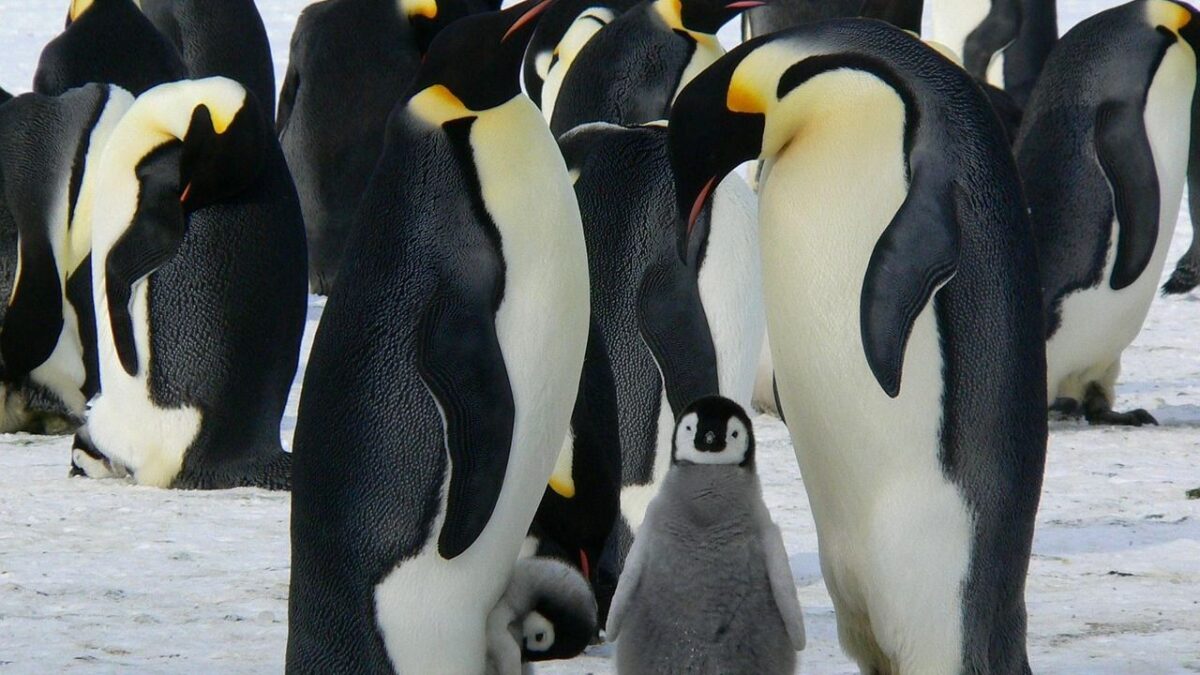
Picture this: a mother that literally starves herself to death guarding her babies, or a father that goes months without food in brutal Antarctic cold. The animal kingdom is filled with parenting stories so wild they make human childcare look like a walk in the park. When it comes to protecting their offspring, some species take strategies that are shocking, touching, and sometimes downright bizarre.
You might think you know about animal parenting. Maybe you’ve heard about mama bears or protective elephants. Still, what nature reveals goes far beyond the obvious. From toxic chemical defenses passed through eggs to parents that swap gender roles completely, evolution has crafted some truly astonishing survival methods. Let’s dive into the most extraordinary examples of animal parents who go to extreme lengths to ensure their babies make it in this dangerous world.
1. Giant Pacific Octopus: The Ultimate Maternal Sacrifice
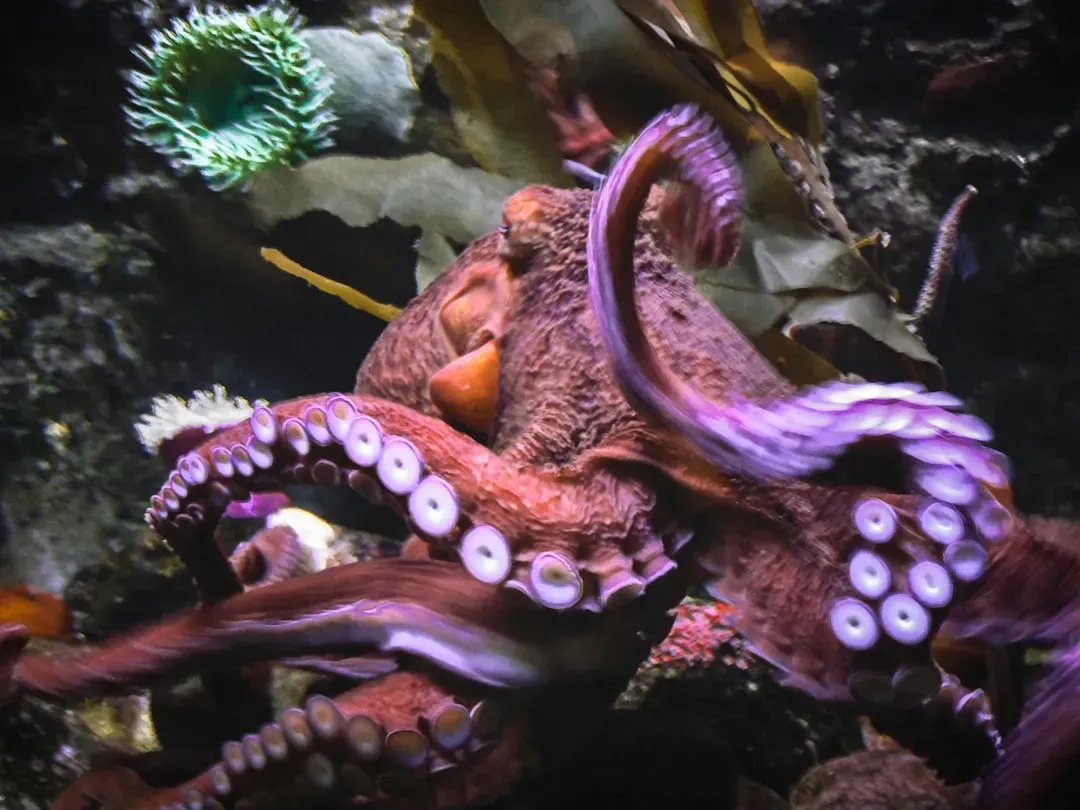
The female giant Pacific octopus demonstrates perhaps the most extreme form of parental devotion found anywhere in nature by guarding her eggs for up to four and a half years without eating, ultimately dying of starvation after her young hatch. She doesn’t just skip a few meals. This mother completely stops feeding from the moment she lays her eggs.
The deadly dedication isn’t simply a choice but driven by biology, as secretions from an optic gland inactivate the digestive and salivary glands, which leads to the octopus starving to death. During this entire period, she constantly tends to the eggs, keeping them clean and oxygenated by gently blowing water over them with her siphon.
After the eggs finally hatch, the mother uses her siphon to blow them out into the open ocean. This marks her final act. Her body, weakened beyond recovery, surrenders to the inevitable. It’s hard to imagine a more complete sacrifice for the next generation.
2. Emperor Penguin: Fathers Who Endure the Unendurable
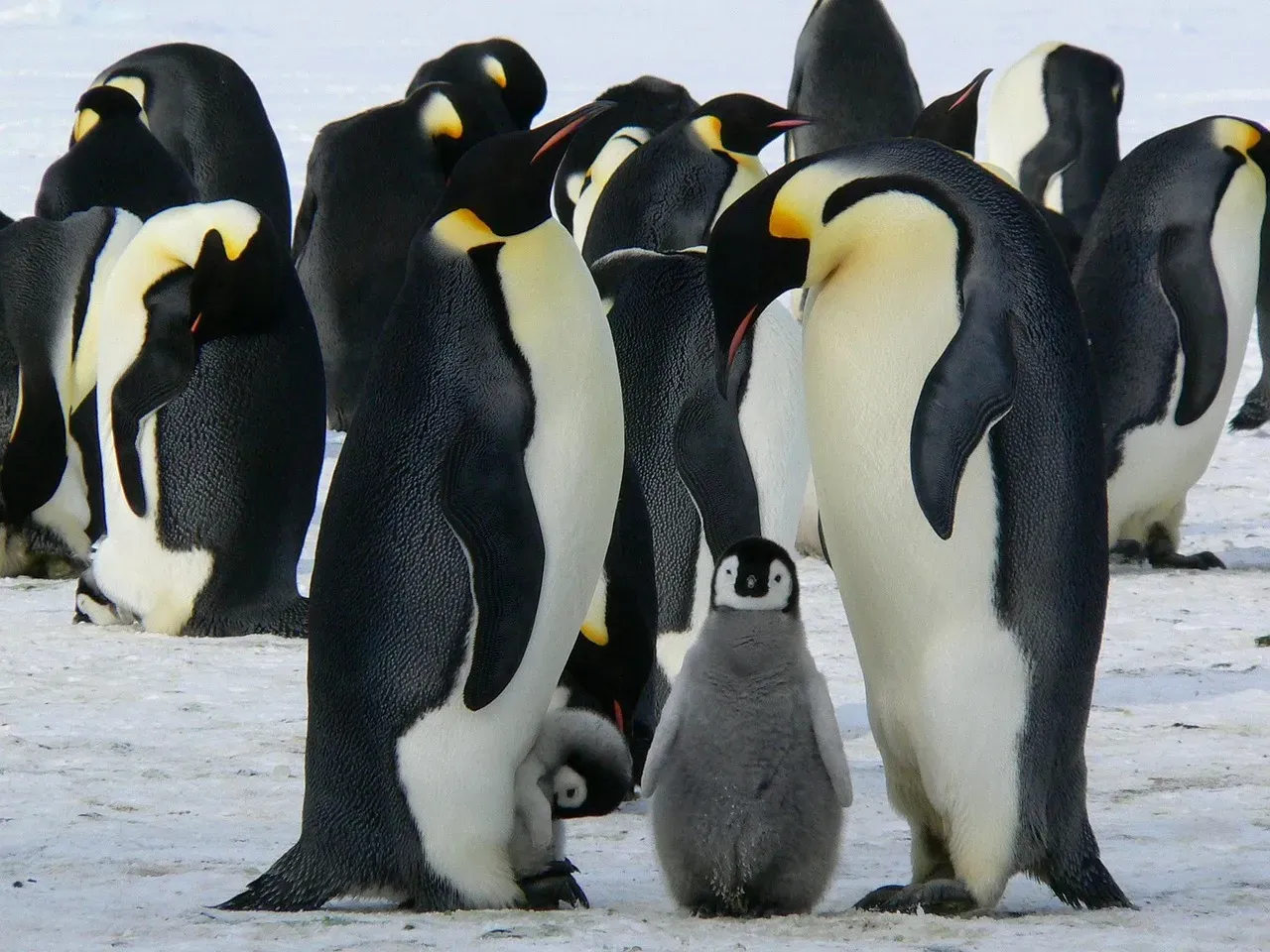
After laying an egg, the female emperor penguin transfers it to the male, who diligently incubates it while the female goes off to hunt, and this cooperative effort ensures the survival of their offspring in the harsh Antarctic environment. Picture standing motionless in darkness for two months while howling winds tear across frozen wasteland. That’s exactly what these devoted dads do.
The egg is kept under a skin flap between the father’s feet, where it can stay warm even as the temperatures fall to 30 degrees Fahrenheit below zero, and during the more than two months it takes to hatch the egg, the male penguins don’t eat anything and brave the freezing temperatures. They huddle together with other males, taking turns in the center of the group where it’s slightly warmer.
Mothers watch over their young constantly, and calves don’t sleep for the first month of their lives, so mothers go without sleep, too. Wait, that’s about orcas. Emperor penguin chicks, once hatched, rely on both parents who take turns foraging and feeding. The commitment these birds show in one of Earth’s most hostile environments is nothing short of heroic.
3. Strawberry Poison Dart Frog: Feeding Babies with Toxic Gifts
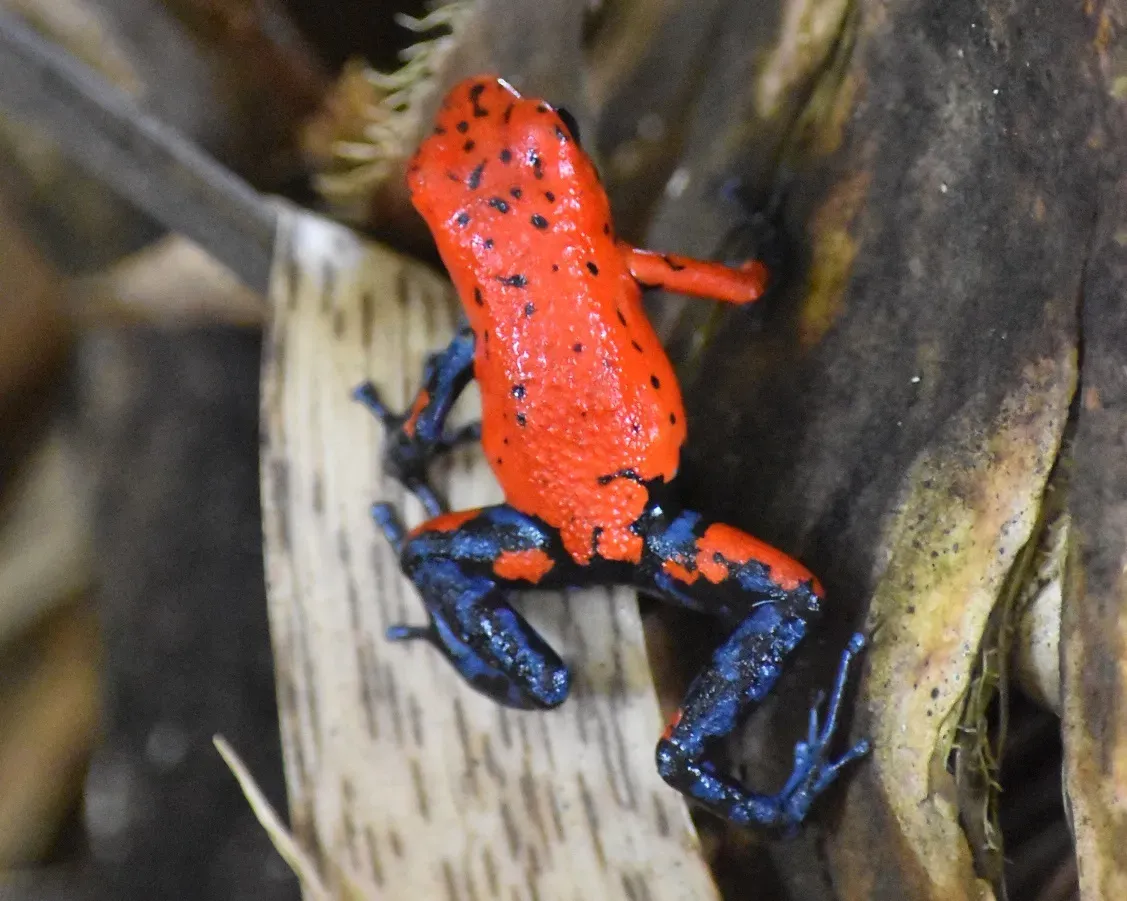
Strawberry Poison Dart Frog tadpoles feed on unfertilized eggs laid by the female frog instead of algae and other aquatic plants like most tadpoles, an adaptation resulting from the limited food resources available in their rainforest habitat, and they are considered obligate egg feeders, unable to accept any other form of nutrition. This isn’t just occasional feeding. The mother makes repeated visits to each tadpole’s individual water pool.
The males defend and water the nests, and the females feed the oophagous tadpoles their unfertilized eggs, with females providing energetically costly eggs to the tadpoles for 6–8 weeks until metamorphosis. Each tadpole gets deposited in a separate bromeliad pool or water-filled cavity, and mom remembers where every single baby is located.
Strawberry poison frog mothers provision tadpoles with alkaloids for many weeks after hatching, and the quantity of alkaloids increases with development. These chemical defenses, accumulated from the mother’s diet of toxic insects, help protect the vulnerable tadpoles from certain predators. The level of dedication required to track multiple offspring across the rainforest while continually producing nutritious eggs is genuinely remarkable.
4. African Elephant: The Power of Community Motherhood
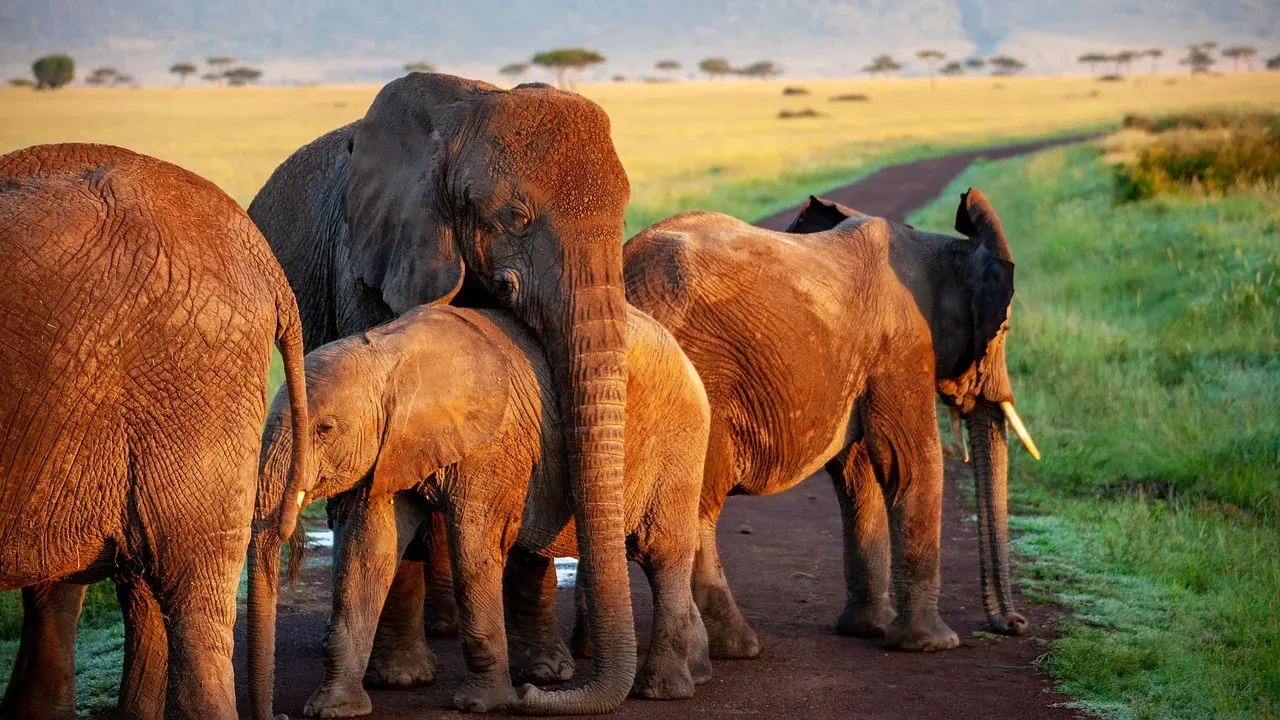
Elephant herds of females and children usually travel together in a circle, with the youngest member on the inside protected from predators. Imagine a living fortress that moves across the savanna, always keeping the most vulnerable at its heart. That’s how elephant families operate.
Females travel in large herds and keep their young clustered in the middle of the group so that they can protect them, and if a predator tries to attack one of the elephants, the herd is ready to immediately defend their friend, while if a baby lags behind, its mother stays by its side to protect it. Nobody gets left behind in elephant society.
When the herd finds water, they send a message to any separated mother to tell her where they are, and the herd sends their own unique vibrations with their trunks through the ground, which the mother elephant can pick up through her sensitive feet. This communication system allows elephants to maintain contact even across vast distances. If one child becomes an orphan, the rest of the herd will adopt him. The collective care shown by elephant herds represents family bonds at their finest.
5. Alligators and Crocodiles: Gentle Giants with Deadly Jaws
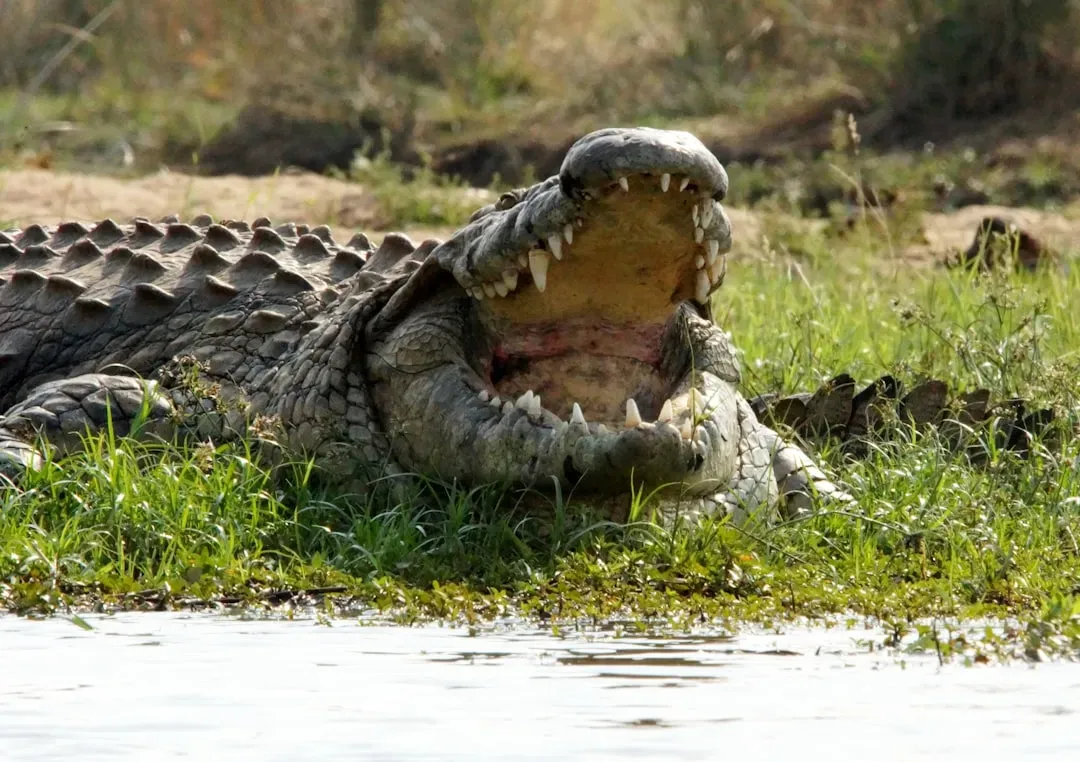
Alligators and crocodiles are excellent mothers, protecting their eggs before they hatch, then transporting and protecting the young afterward. You wouldn’t expect such tenderness from a prehistoric predator with bone-crushing jaws. Yet these reptiles display surprisingly complex parental behavior.
Maternal care exists in crocodilians, where the mother assists hatchlings by transporting them in her mouth from the nest to the water, and she may stay with the young for up to several months. She carefully carries each delicate baby between teeth that could snap a wildebeest’s leg.
In addition to making a nest, crocodiles carefully guard their eggs after hatching and may even help them escape their shells, then carry their young to the water, helping them catch prey and protecting them from predators for several months after birth. Mother crocs will respond aggressively to any threat near their nursery areas. Their maternal instinct overrides their fearsome reputation.
6. Orca (Killer Whale): A Lifetime Bond
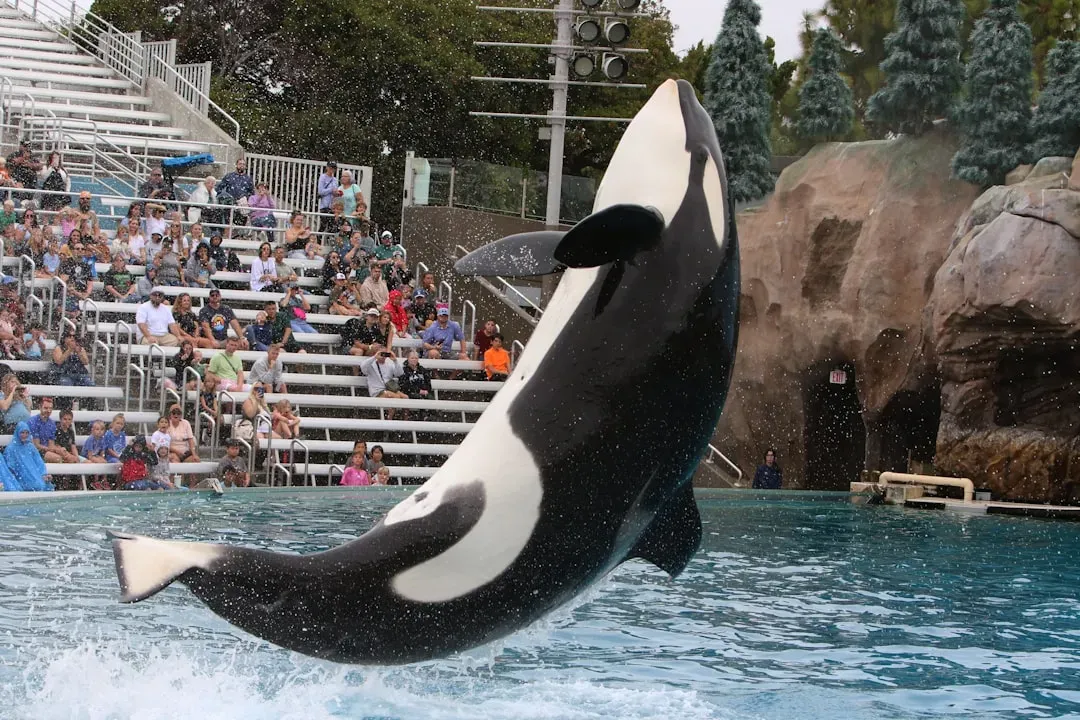
Resident Orca mothers and their children stay together their entire lives, even after they have offspring of their own, and throughout its life, a Resident Orca will only separate from its mother for a few hours at a time to forage and mate. Think about that for a moment. An entire lifetime spent with your mom, never truly leaving home.
Mothers have just one calf every five years, and mothers watch over their young constantly, with calves not sleeping for the first month of their lives, so mothers go without sleep, too. This sleep deprivation rivals anything human parents experience, except it lasts an entire month underwater.
Young orcas spend their first few years with their mothers, and other females in the same pod will protect and care for each other’s offspring. The pod structure creates multiple layers of protection and teaching. Older females pass down hunting techniques, migration routes, and social customs through generations. It’s a cultural transmission that rivals human societies.
7. Seahorse: When Dads Get Pregnant
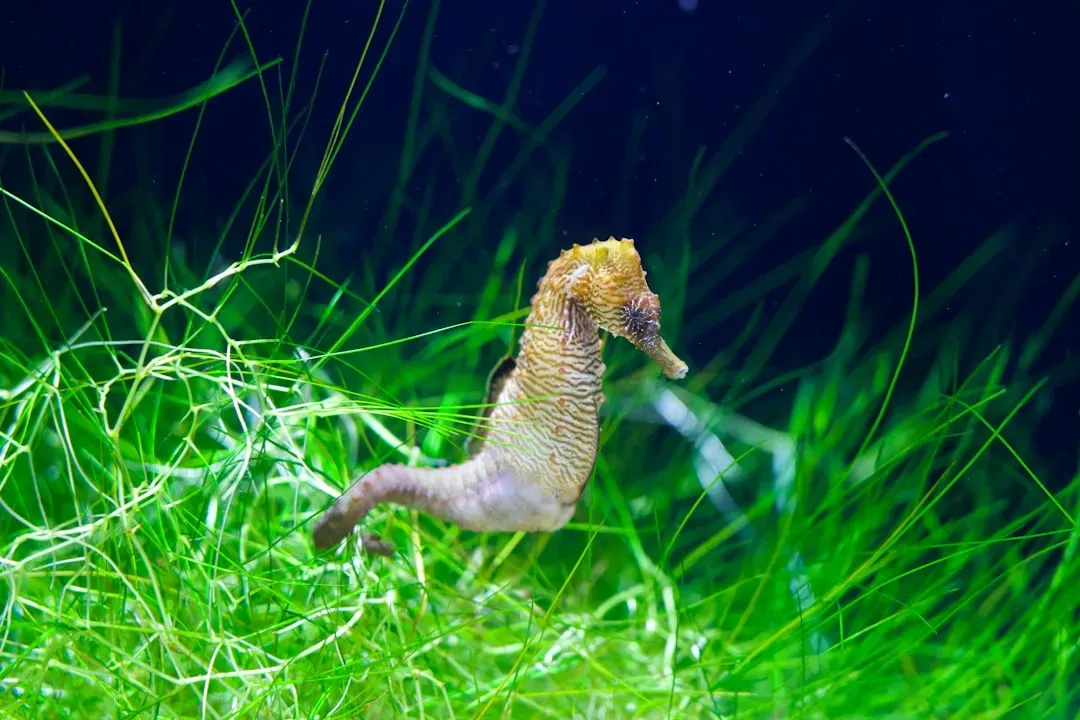
Seahorses are known for their unique parenting role reversal, as after the female deposits her eggs into the male’s pouch, he carries and nurtures the developing embryos until they are ready to hatch. This completely flips the script on traditional parenting roles in the animal kingdom.
Males in some fish such as pipefish, sea dragons and seahorses have a form of male pregnancy, where the female takes no part in caring for the young once she has laid her eggs. The male’s specialized pouch provides oxygen, nutrients, and protection. It’s a true pregnancy in every meaningful sense.
The male carries sometimes hundreds of developing young, his body swelling with the brood. When birth time arrives, he contracts his pouch muscles in labor-like contractions, releasing fully formed miniature seahorses into the water. After this exhausting process, he’s ready to receive another batch of eggs within hours. Talk about dedication to fatherhood.
8. Polar Bear: Dens of Protection in Frozen Wastelands
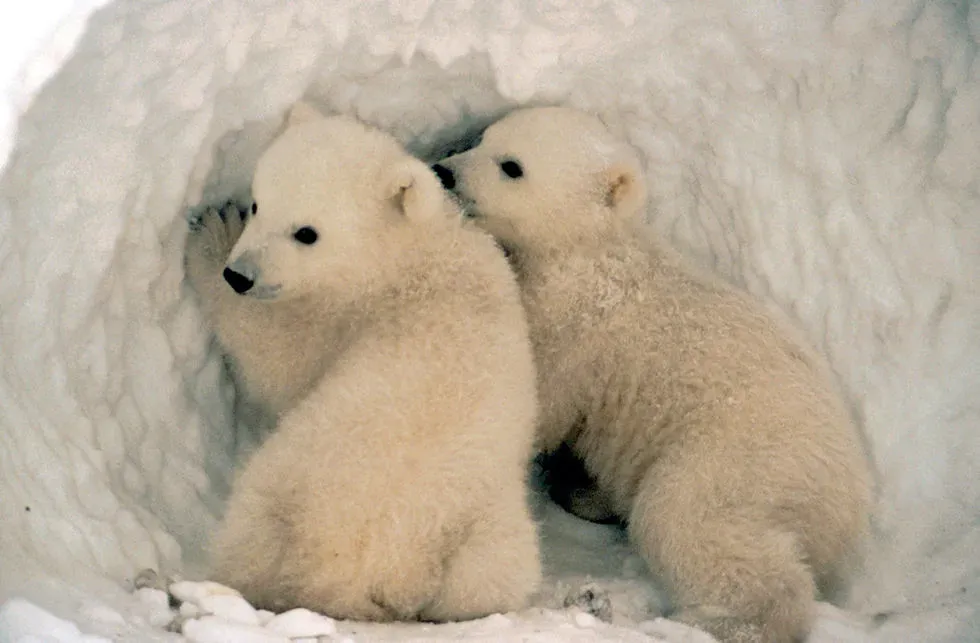
Polar bear mothers den by digging into deep snow drifts, creating a space protected from the elements, and they usually give birth between November and January and keep the cubs warm and healthy using their body heat and milk. Outside these snow dens, temperatures plummet to deadly levels. Inside, cubs are born into relative warmth and safety.
Attentive polar bear mothers usually give birth to twin cubs that stick by her for about two years to learn the necessary survival skills in the cold climate, and the cubs leave the den in March and April to get used to outside temperatures before learning to hunt. The timing is critical. Too early and the cubs freeze; too late and the den collapses.
During the denning period, the mother doesn’t eat or drink for months, surviving entirely on stored fat while producing rich milk for her growing cubs. She loses enormous amounts of body weight. Once they emerge, she must teach them everything about survival on the ice before they reach independence. The Arctic is unforgiving to those who haven’t learned its lessons.
9. Orangutan: Years of Patient Teaching
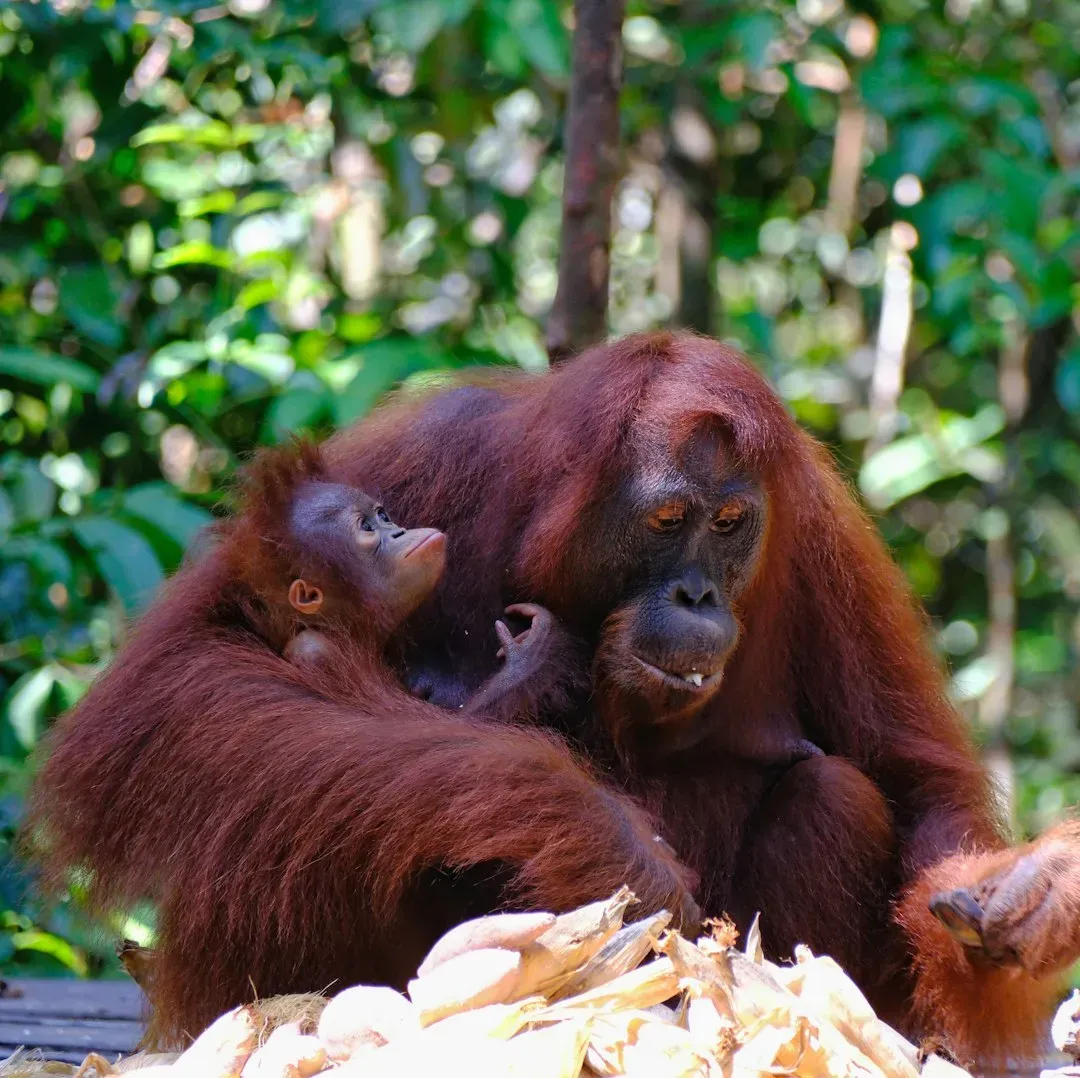
During the first two years of life, young orangutans rely entirely on their mothers for both food and transportation, and the moms stay with their young for six to seven years, teaching them where to find food, what and how to eat, and the technique for building a sleeping nest. This represents one of the longest childhoods in the animal kingdom outside humans.
Mothers spend an average of six to seven years teaching their young everything they need to know to survive on their own. Every fruit tree location, every technique for extracting insects from bark, every method for constructing a comfortable sleeping platform gets passed down through patient demonstration.
Orangutans are very protective of their young and will use their arms to embrace and protect their offspring from danger, and if a predator does approach, the orangutans often band together to fight off the danger, using their teeth and claws as defensive tools. Female orangutans are known to “visit” their mothers until they reach the age of 15 or 16. These extended family bonds create knowledge networks spanning decades.
10. African Painted Dog: Cooperative Care at Its Best
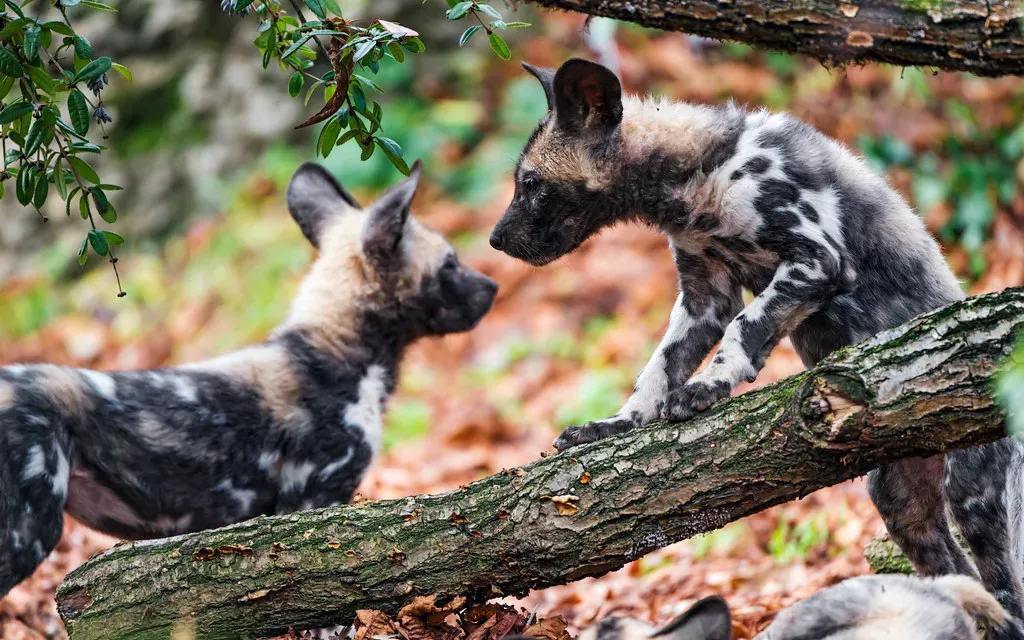
Painted dog packs number between five and 20 individuals with an alpha pair that leads the pack, and when it comes to caring for the pups, African painted dogs work together to protect each other’s young, with the pack looking out for one another and both females and males taking turns caring for offspring. This isn’t just parents protecting their own kids. It’s a village raising children together.
African painted dogs often share food and even help pack members that are weak or sick. Compassion runs deep in these social hunters. When adults return from a successful hunt, pups are fed first, regurgitating meat for the youngest members.
While some members of the pack hunt, the mother cares for her young. Designated babysitters stay behind with pups while others go on hunts. This division of labor ensures constant protection and allows mothers to rest and recover. The cooperative breeding system of painted dogs shows how powerful teamwork can be in raising the next generation successfully.
Conclusion
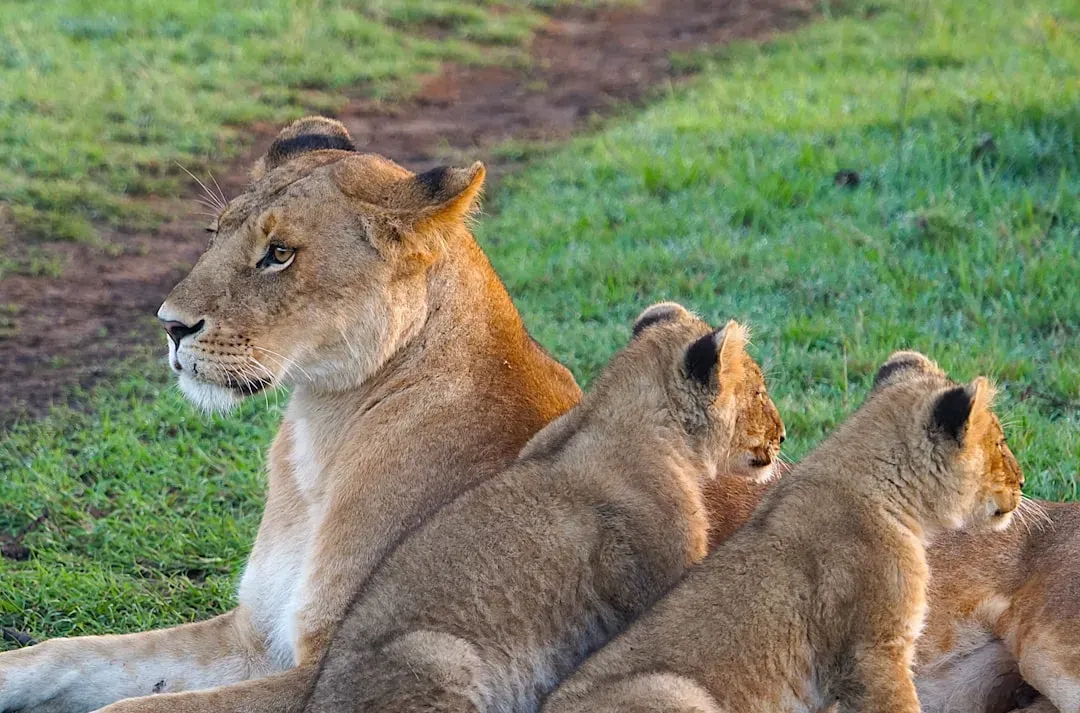
The extraordinary lengths animals go to protect their young reveal something profound about life itself. From octopuses that sacrifice everything to elephants that never forget their family bonds, these creatures demonstrate that parental devotion transcends species boundaries. Some starve, some freeze, some dedicate decades of their lives to teaching.
These aren’t just interesting biological facts. They’re reminders that the drive to protect and nurture the next generation represents one of nature’s most powerful forces. Whether through chemical defenses, community care, role reversals, or ultimate sacrifices, evolution has shaped countless strategies for one simple goal: giving babies the best possible chance at survival.
What strikes you most about these devoted parents? Did any of these stories change how you think about the animal kingdom?

- The Profound Impact Your Voice Has on Your Dog’s Emotional Well-being - August 4, 2026
- 12 Amazing Ways Dogs Sense Human Emotions Before We Do - August 4, 2026
- What It Means When Blue Jays Gather Without Making Any Calls - August 4, 2026