

Ever heard a sound you swear wasn’t there? Some creatures on this planet can detect noises you’d never dream existed. From ultrasonic frequencies that would shatter our eardrums to seismic vibrations traveling through the earth, the animal kingdom has developed hearing abilities that make human ears seem, well, pretty basic.
Here’s the thing. While we humans pride ourselves on our advanced senses, we’re actually quite limited. We can hear sounds ranging from roughly 20 to 20,000 hertz. Meanwhile, there are animals out there perceiving an acoustic world so rich and complex that it’s almost like they’re tuning into radio stations we don’t even know exist. Some use their hearing to communicate across entire ocean basins, others to dodge deadly predators in pitch darkness.
Let’s dive into the fascinating world of extraordinary hearing and discover which animals reign supreme.
Greater Wax Moth

The greater wax moth has been named as having the best hearing in the animal kingdom, capable of hearing frequencies up to 300 kHz, which is 15 times higher than the highest pitched sounds humans can hear. This tiny insect holds the world record, and honestly, it’s kind of mind-blowing.
It’s believed this moth developed such sensitive hearing to escape its main predator: the bat. Think about it like an evolutionary arms race. Bats emit ultrasonic calls for echolocation, but the greater wax moth evolved to hear even higher frequencies than bats can produce.
The greater wax moth is unique in that it can hear the highest known sound frequency on the planet, with hearing that goes up to around 300 kHz, more than 100 kHz higher than some bats’ hearing. This incredible adaptation means the moth is essentially armed to deal with anything a bat can throw at it. With auditory frequency sensitivity that is unprecedented in the animal kingdom, the greater wax moth is ready and armed for any echolocation call adaptations made by the bat in the ongoing bat moth evolutionary war.
Bat
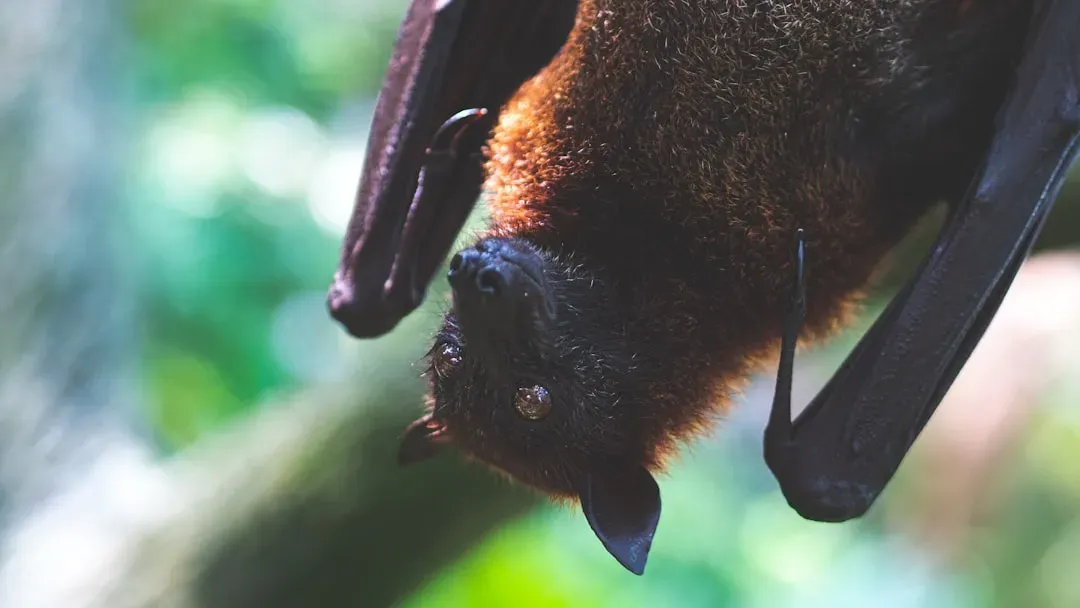
Speaking of evolutionary warfare, bats themselves deserve serious credit for their hearing prowess. Bat echolocation calls range in frequency from 14,000 to well over 100,000 Hz, mostly beyond the range of the human ear. These nocturnal hunters navigate complete darkness using sound alone.
The evolutionary success of bats is accredited to their ability, as the only mammals, to fly and navigate in darkness by echolocation, filling a niche exploited by few other predators, with over 90 percent of all bat species using echolocation to localize obstacles in their environment. It’s hard to say for sure, but their hearing might be the most sophisticated biological sonar system on the planet.
Echolocation calls are usually ultrasonic, ranging in frequency from 20 to 200 kilohertz, whereas human hearing normally tops out at around 20 kHz. In terms of loudness, bats emit calls as low as 50 dB and as high as 120 dB, which is louder than a smoke detector 10 centimeters from your ear and damaging to human hearing. The good news? We can’t hear most of it.
Owl
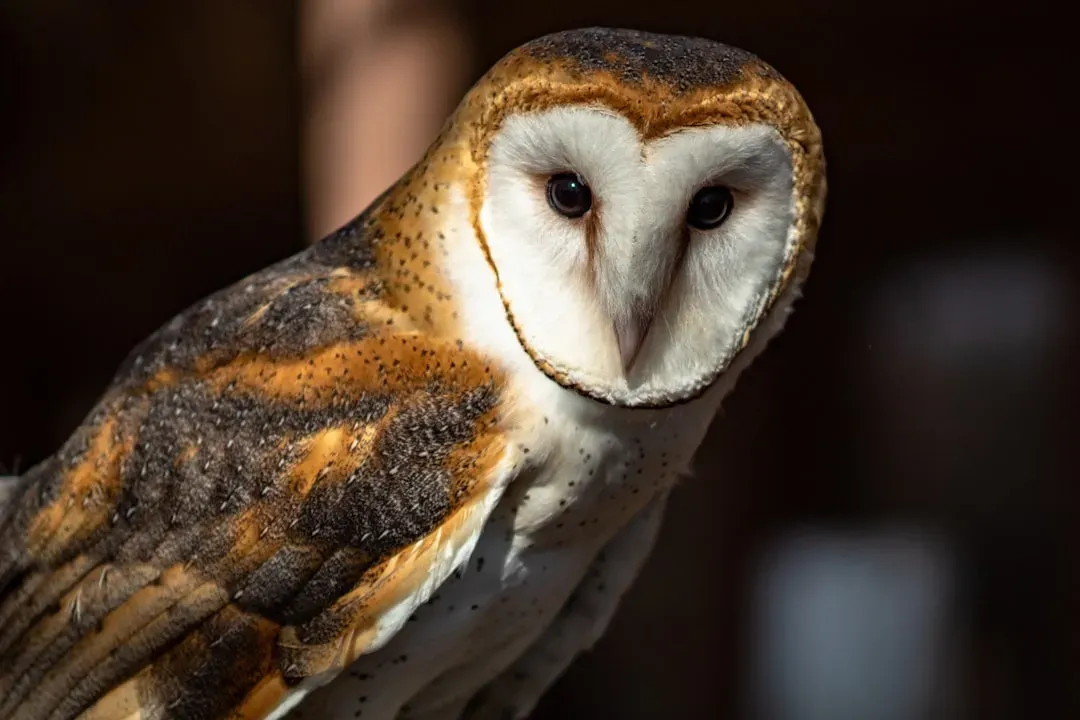
Owls are like the silent assassins of the bird world. Barn owls have asymmetrical ears, meaning one ear is higher than the other, which allows them to pinpoint precisely where a sound is coming from down to the millisecond, enabling them to hear a mouse under a pile of leaves and strike with deadly accuracy without ever seeing their prey.
Let’s be real, that’s terrifying if you’re a mouse. Owls can detect a left right time difference of about 0.00003 seconds, or 30 millionths of a second. This asymmetry creates a kind of three-dimensional sound map in their brain.
Studies of owl brains have revealed that the medulla, the area in the brain associated with hearing, is much more complex than in other birds, with a barn owl’s medulla estimated to have at least 95,000 neurons, three times as many as a crow. Barn owls have been shown to use sound frequencies above 8.5 kHz to direct and make an accurate strike at a prey item, using the calls and movements made by a mouse, vole or shrew to direct its strike. Their hearing is so refined they can hunt in total darkness.
Elephant

Known for their large ears, elephants have great hearing and are particularly good at detecting low frequency sounds, able to hear frequencies as low as 17 Hz, while humans can hear as low as 20 Hz. Those massive ears aren’t just for show.
The creatures produce low frequency noises between 1 to 20 Hertz, known as infrasounds, that help them keep in touch over distances as large as 10 kilometers. Imagine being able to hear your family calling from six miles away. Elephants use their powerful, deep calls in long distance communication to coordinate group movements and to find individuals in reproductive condition, with savannah elephants responding to each other’s vocalizations over distances of 2 km, though the actual detection range is estimated to be 4 km.
The movements within cumulonimbus clouds have been shown to produce strong infrasonic signals, and it is thought that elephants may be able to hear these and locate the storm, potentially allowing elephant herds to locate water sources during times of drought. Honestly, it’s like having a built-in weather radar system.
Dolphin

Dolphins are the underwater equivalent of bats. Dolphins have exceptional hearing and use echolocation to hear where they are going, emitting a sound, a squeak, that will bounce off surfaces and back to the dolphin’s lower jaw, with the bounce back of sound vibrations giving a sound map that is impressive and allows a dolphin to not only hunt effectively but also avoid danger.
The ocean is a dark, murky place where visibility can be nearly zero. Yet dolphins navigate it with ease. They’re constantly clicking and listening, building an acoustic picture of their environment that’s probably richer than anything we could see with our eyes.
What’s fascinating is how they adapt. Though I haven’t found specific current data, researchers have noted that dolphins can adjust their hearing sensitivity to protect themselves from dangerously loud noises. It’s like having built-in noise-canceling headphones for the ocean.
Pigeon

Pigeons can hear infrasound, sounds that are much lower than a human can hear, with the average pigeon being able to hear sounds as low as 0.5 Hz, allowing them to detect distant storms, earthquakes and even volcanoes and are often considered to be the best navigators in the animal kingdom. You might not think much of pigeons, but these birds have secret superpowers.
Much of this ability is due to their detection of infrasound, which occurs in frequencies too low for the human ear to hear, with some of this infrasound even coming from the earth’s electromagnetic field, giving pigeons a 360 degree sonic view of their surroundings and allowing them to easily map the landscape. It’s why they can find their way home from hundreds of miles away.
Next time a pigeon gives you a funny look, remember it probably knows something about the weather you don’t. These birds can hear geological events forming long before we feel the first tremor.
Cat

Cats can hear much higher frequencies than humans, and while they can only hear sounds as low as 45 Hz, compared to humans’ lower range of about 20 Hz, they can hear sounds as high as 64,000 Hz. Research has shown that cats have greater sensitivity to sound than dogs, and like domesticated dogs, today’s domesticated cats are descendants of fierce predators who relied on sound to hunt mice and other small mammals.
That’s roughly three times the upper range of human hearing. So when your cat suddenly stares at what seems like an empty wall, they might actually be hearing something you can’t. This is especially important because cats hunt small rodents that make almost imperceptible noises to human ears.
Their swiveling ears can rotate independently to pinpoint sounds with incredible accuracy. It’s one reason why cats are such effective hunters, even in dim light where their vision gives them an edge.
Dog

Dogs have much better hearing than humans, not only able to hear sounds at higher frequencies than humans but also more easily differentiate sounds and determine their location of origin, with dogs detecting frequencies as high as 47,000 to 65,000 Hz while adult humans typically can’t hear sounds above 20,000 Hz. Your dog probably hears you coming home before you even open the front door.
Their keen sense of hearing is thanks to their wild ancestors, who needed to hear small animals like mice. This explains why your dog might bark at seemingly nothing or react to sounds you haven’t even noticed yet.
Ever wonder why dog whistles work? They produce frequencies too high for human ears but perfectly audible to dogs. It’s like we’re living in the same world but experiencing completely different soundscapes.
Rat

Rats’ hearing range extends from about 250 Hz to 80,000 Hz, rivaling the hearing capabilities of wolves, and interestingly, though they can hear much higher frequencies than humans, rats’ ears are very similar to humans’ in terms of their anatomy and physiology. These rodents pack extraordinary hearing into a tiny package.
Rats communicate using ultrasonic squeaks that are completely inaudible to us. They’re having entire conversations right under our noses, and we have no idea. Rats and mice have highly developed hearing capabilities, with ears equipped with a sensitive structure, including a well developed cochlea and an intricate system of hair cells that detect sound vibrations.
This acute hearing helps them avoid predators, navigate complex environments, and communicate with each other. It’s one reason why rats are so successful at surviving in human environments despite our best efforts to keep them out.
Whale
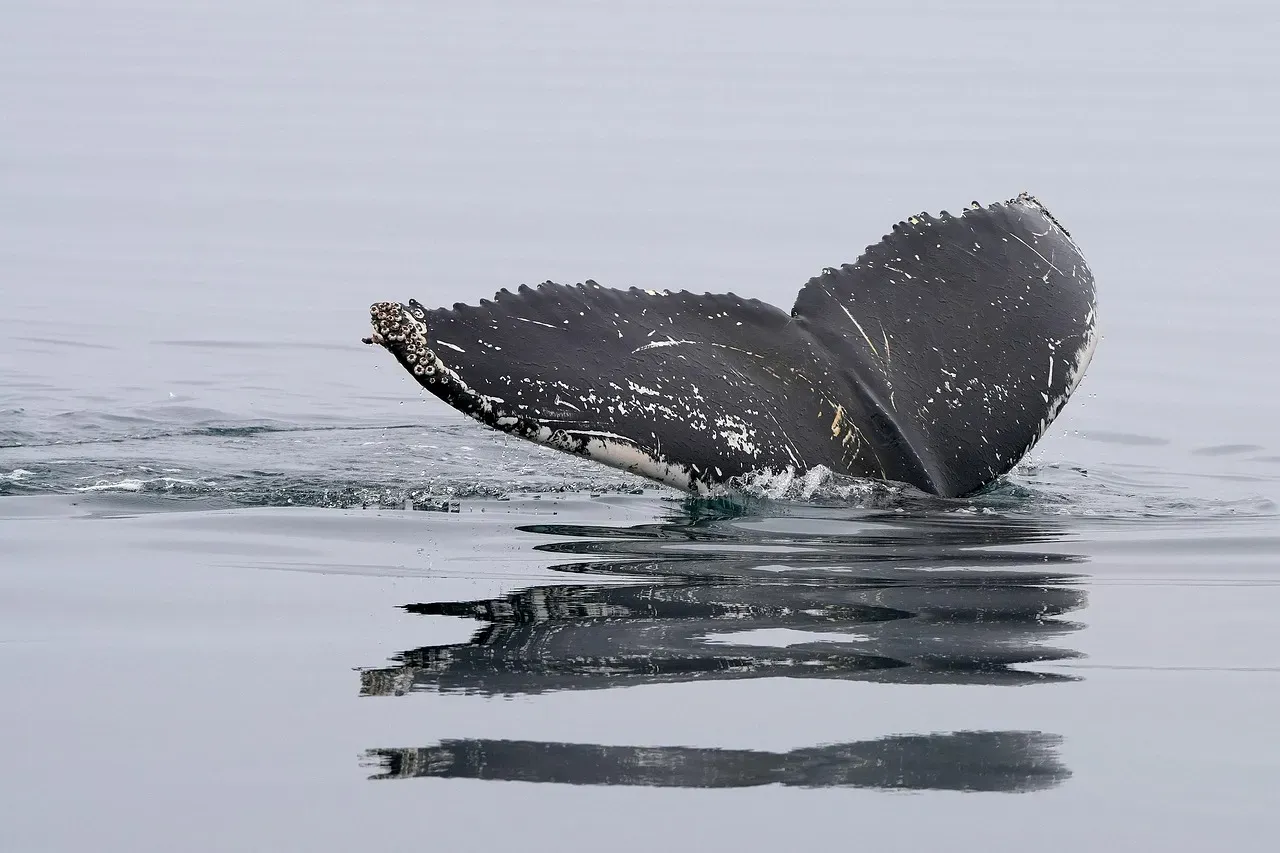
Baleen whales can emit and hear very low frequency, infrasonic sounds, and these sounds can travel thousands of kilometers across entire ocean basins and are used for communication with other whales, not for hunting. The ocean becomes a global communication network when you can hear like a whale.
Whales can hear infrasounds, very low frequency sounds that humans can’t hear, and the sound of whale songs can travel across entire oceans, with one scientist using a microphone in Bermuda to listen to whale calls in Ireland. Let’s be real, that’s absolutely mind-blowing. Imagine being able to chat with someone on another continent without any technology.
Toothed whales, meanwhile, use echolocation similar to bats. They’re hunting in the dark depths of the ocean where light doesn’t penetrate, relying entirely on their acoustic abilities. The fact that they can navigate, hunt, and communicate in this environment is testament to just how extraordinary their hearing truly is.
Conclusion

The animal kingdom’s hearing abilities remind us just how limited our own senses can be. From moths detecting frequencies 15 times higher than we can to elephants communicating across miles using sounds we can’t even perceive, these creatures have evolved extraordinary adaptations to survive and thrive in their environments.
What’s most striking is the sheer diversity of these abilities. Some animals hear the highest frequencies imaginable, while others tune into the lowest rumbles and vibrations. Some use their hearing to hunt in complete darkness, while others use it to navigate across continents or oceans.
Understanding these incredible adaptations not only deepens our appreciation for the natural world but also inspires technological innovations, from sonar systems modeled after bat echolocation to seismic sensors inspired by elephant communication. So what do you think about these remarkable hearing abilities? Did any of these surprise you?

- 8 US States With the Most White-Tailed Deer - August 2, 2026
- 11 Historic US Landmarks That Tell Incredible Stories Of The Past - August 2, 2026
- 10 Fascinating Things About Japan That Will Amaze You - August 2, 2026